
2027 Which Employers Hire Fashion Design Degree Graduates? Industries, Roles, and Hiring Patterns

Co-Founder and Chief Data Scientist
Graduates with a fashion design degree often face uncertainty in identifying which employers truly value their specialized skills-industries vary widely, roles shift rapidly, and hiring patterns fluctuate by region and career stage. Recent data reveals that over 40% of entry-level fashion design jobs are concentrated in apparel manufacturing and retail sectors, yet many graduates overlook emerging opportunities in tech-driven design firms and sustainable fashion startups. This article provides an in-depth examination of the industries, organizational types, geographic hubs, and role dynamics that shape hiring trends, equipping readers with evidence-based insights to strategically target employers and optimize their career trajectories.
Key Things to Know About the Employers That Hire Fashion Design Degree Graduates
- Fashion design degree graduates find employment primarily in apparel manufacturing, retail brands, and luxury goods industries, which together account for over 60% of total industry hiring.
- Entry-level roles typically include assistant designer and technical designer positions-mid-career professionals transition into brand management, product development, and creative director jobs.
- Demand peaks in metropolitan areas with established fashion hubs-New York, Los Angeles, and Milan-where seasonal hiring surges align with fashion calendar cycles and market trends.
Which Industries Hire the Most Fashion Design Degree Graduates?
Identifying the industries that hire the most fashion design degree graduates is key to aligning academic training with real-world career opportunities. Drawing on data from the Bureau of Labor Statistics (BLS), National Center for Education Statistics (NCES), and LinkedIn Workforce Insights, the top hiring sectors for entry-level and mid-career fashion design degree professionals can be clearly mapped.
These sectors differ in how central fashion design is to their core operations-some rely heavily on design expertise, while others use it more as a supporting function.
- Apparel Manufacturing: The largest employer of fashion design graduates, where design shapes product development, concept creation, technical design, and seasonal collections. Graduates often step into roles focused on developing new clothing lines and trend forecasting.
- Retail Trade: Major fashion brands and department stores recruit graduates for roles in merchandising, style coordination, and private-label product development. Although design can sometimes be supportive here, demand for fashion-savvy talent remains strong.
- Fashion Wholesale: Serving as a bridge between manufacturing and retail, wholesalers hire graduates to create sample lines and manage product assortments that align design with market demands.
- Advertising and Marketing: Firms employ graduates to support visual branding and campaigns. Here, fashion design is a creative support role rather than full product creation.
- Entertainment and Media: This sector hires fashion graduates mainly for costume design and styling, roles demanding specialized skills tied to storytelling and character development through apparel.
- Textile Manufacturing: Smaller in scale but important, this industry hires for fabric innovation and textile design-applying fashion design knowledge in technical ways beyond garments.
- Online Fashion Platforms: A growing sector emphasizing digital design, virtual fitting, and trend analytics, reflecting evolving technology-driven hiring patterns.
Industry concentration varies depending on degree level-associate degree holders often find entry-level opportunities in manufacturing and retail, whereas bachelor's and graduate degree holders pursue advanced design, management, and strategy roles.
Recognizing these hiring patterns provides students and career changers a framework to choose specializations, geographic markets, and internship targets that align with their goals. For those considering further study, options like MSW programs online may also complement skill sets in related areas.
What Entry-Level Roles Do Fashion Design Degree Graduates Typically Fill?
Entry-level roles for fashion design graduates in the United States vary widely by industry context-the same skill set that qualifies a graduate as a production coordinator in a nonprofit could position them as an analyst in financial services or an associate consultant in management consulting.
Graduates should carefully map their target entry-level titles against their specific degree focus, internship experiences, and portfolio assets to identify roles where they are most competitive at graduation.
- Designer: Entry-level designers focus on developing concepts and creating initial sketches for clothing and accessories. Core responsibilities include designing seasonal collections, selecting fabrics and materials, and collaborating with senior designers to refine ideas. The position typically reports to design directors or creative leads within fashion houses or apparel brands, while fashion design competencies such as strong skills in sketching, color theory, garment construction, and digital design tools make graduates competitive for these roles.
- Production Coordinator: These positions involve managing logistics behind garment production and ensuring design specifications are met throughout the supply chain. Core responsibilities include tracking sample development, liaising between design teams and manufacturers, and maintaining quality control standards. The typical reporting structure involves reporting to production managers or operations supervisors within apparel manufacturers or brand firms, while fashion design competencies such as technical knowledge of textiles, garment construction, and strong attention to detail help graduates excel in coordinating production processes.
- Technical Designer: Focused on the technical specifications of garments, these professionals translate creative designs into production-ready formats. Core responsibilities include developing production-ready specifications and ensuring proper garment fit and construction accuracy. The position typically works under senior technical designers or product development managers, while fashion design competencies such as expertise in garment fitting, pattern making, and proficiency with CAD software are essential.
- Merchandising Assistant: Positioned at the intersection of design and retail, merchandising assistants analyze trends and support product selection. Core responsibilities include monitoring market trends, assisting in buying decisions, and coordinating with design teams on product assortments. The typical reporting structure involves reporting to merchandising managers or product directors within retail or branded companies, while fashion design competencies such as a strong eye for trends, product knowledge, and analytical skills benefit graduates in these roles.
- Marketing or Brand Coordinator: These entry points help graduates apply their design knowledge in communicating brand narratives and managing campaigns. Core responsibilities include supporting social media content creation, organizing promotional events, and liaising with creative agencies. The typical reporting structure involves reporting to marketing managers or brand directors in fashion marketing firms or internal brand teams, while fashion design competencies such as understanding fashion aesthetics, consumer behavior, and visual communication are crucial.
For those exploring career pathways with a fashion design degree while considering broader educational options, many community colleges and universities offer flexible programs, some emphasizing business degrees online to complement creative skill sets and enhance job prospects across industries.
What Are the Highest-Paying Employer Types for Fashion Design Degree Graduates?
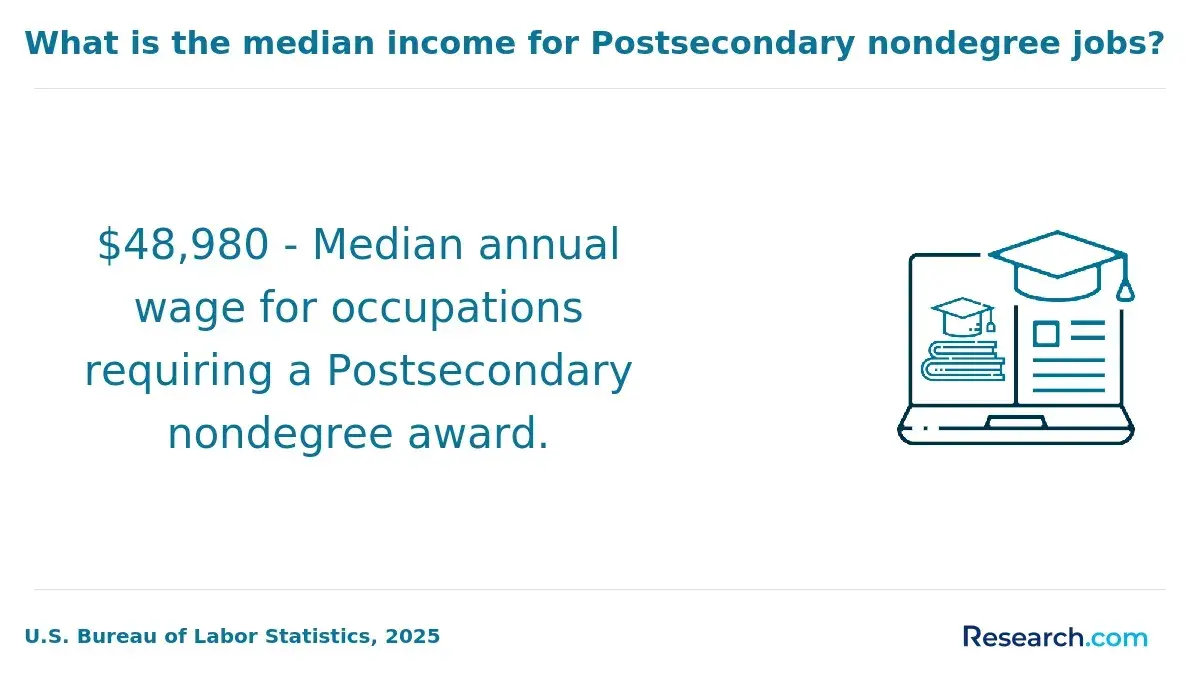
Compensation for fashion design degree graduates varies significantly by employer type, shaped by industry economics and organizational scale. Among the top-paying categories, Luxury Fashion Houses stand out with elevated starting and mid-career salaries due to their premium branding, high revenue per employee, and creative prestige opportunities. Privately Held High-Revenue Companies-including major apparel manufacturers and global retailers-offer competitive base pay supported by robust profitability and scale, especially for roles focused on design leadership and product innovation.
- Investment-Backed Technology Firms: These companies combine solid salaries with equity or profit-sharing in fashion-tech sectors like augmented reality fitting or direct-to-consumer digital brands, reflecting growth-oriented models.
- Financial Services and Professional Consultancies: Though less common employers of fashion designers, firms in these sectors pay well for expertise in market analysis, brand strategy, or luxury consulting, supporting advanced specialization.
- Government Agencies and Nonprofits: Typically provide lower wages due to budget constraints but compensate with stronger benefits, retirement plans, and job security, moderating overall compensation differences.
Variations in pay stem from business fundamentals-high-margin firms can afford higher cash compensation, while nonprofit or government employers emphasize stability and benefits. Total rewards extend beyond base salary to bonuses, equity, health benefits, retirement contributions, and professional development.
Consequently, higher starting pay does not guarantee better long-term financial outcomes. Evaluating compensation trajectories, career advancement, and organizational culture is crucial for aligning employment choices with career goals.
Do Large Corporations or Small Businesses Hire More Fashion Design Degree Graduates?
Data from the Census Bureau Statistics of U.S. Businesses, BLS Quarterly Census of Employment and Wages, and NACE hiring intention surveys highlight how employer size shapes hiring patterns for fashion design degree graduates. Although large, often Fortune 500, corporations recruit a notable portion of new entrants, most early-career opportunities emerge within mid-market firms and small businesses, reflecting the varied operational demands in the sector.
Large companies attract graduates desiring structured onboarding, formal training, and clear promotional pathways. Their strong brand recognition provides valuable resume credentials, yet the scale of these employers can restrict exposure to diverse tasks, often leading to specialized roles early on.
- Large Corporations: Deliver formal career development, training programs, and prestigious brands suited for those seeking predictable growth paths.
- Mid-Market and Small Businesses: Provide diverse job functions, faster promotions, and hands-on experience valuable for adaptable designers.
- Specialization Fit: Technical or production-focused roles align well with complex large firms, while creative or entrepreneurial tracks thrive in agile small company settings.
- Career Fit: Consider employer size alongside industry sector, organizational mission, geography, and growth outlook when evaluating fashion design job options.
By contrast, small businesses-including startups and boutiques-hire many graduates and offer quicker advancement through broader responsibilities and direct involvement in creative and operational decisions. This environment supports accelerated skill development but with less formal support and limited resources compared to large firms.
How Do Government and Public Sector Agencies Hire Fashion Design Degree Graduates?
Government hiring for fashion design graduates is structured around federal pay scales-mainly the General Schedule (GS) system-where roles typically fall within GS-7 to GS-12 grades depending on qualifications and experience. Educational credentials heavily influence salary ranges and advancement, as academic levels align with specific pay bands.
The hiring process follows strict competitive service protocols, requiring candidates to respond to USAJobs postings with detailed resumes and sometimes assessments or interviews. Positions handling sensitive materials or federal textile conservation research may require security clearances, which adds complexity absent from private sector recruitment.
Some roles, especially in defense, may use excepted service hiring-offering more flexibility but being less common for traditional fashion design openings.
- Federal Agencies: The Smithsonian Institution hires specialists for costume and textile conservation in museums and research units.
- Department of Defense: Engages graduates for uniform design and textile innovation, occasionally using excepted service appointments.
- National Park Service and State Historic Preservation Offices: Employ graduates in preservation, curation, and educational outreach related to cultural heritage.
At the state and local level, workforce agencies often recruit for arts programming, public exhibitions, and heritage roles, valuing practical portfolios alongside formal degrees. Public sector jobs offer notable benefits like stronger job security, defined-benefit pensions, and comprehensive health coverage, balanced against slower wage growth and more rigid promotion cycles than private industry.
Fellowship and internship programs through the Smithsonian and the National Endowment for the Arts provide entry points for early-career professionals, requiring careful attention to recruitment cycles and government documentation standards.
What Roles Do Fashion Design Graduates Fill in Nonprofit and Mission-Driven Organizations?
Fashion design graduates pursuing roles in nonprofit and mission-driven organizations encounter distinct opportunities compared to traditional private sector pathways. These roles demand broad skill sets and emphasize social impact, often requiring adaptability across diverse functions rather than narrow specialization.
- Program Development: Leading initiatives in creative education, sustainability, and community engagement focused on fashion and textiles.
- Social Enterprise Management: Overseeing mission-driven boutiques, ethical apparel production, and nonprofit retail ventures prioritizing fair trade and responsible sourcing.
- Advocacy and Awareness: Crafting campaigns and visual branding to spotlight labor rights, environmental issues, and cultural heritage within the fashion context.
- Product Design and Innovation: Creating eco-conscious or upcycled apparel lines aligned with organizational values.
- Volunteer Coordination and Training: Facilitating skill-building workshops aimed at empowering marginalized communities through fashion expertise.
Unlike commercial fashion roles-which typically separate creative, operational, and leadership duties-nonprofit positions frequently combine these responsibilities. This multi-faceted scope accelerates skill acquisition for entry-level professionals but may cap salary progression when benchmarked against private sector compensation.
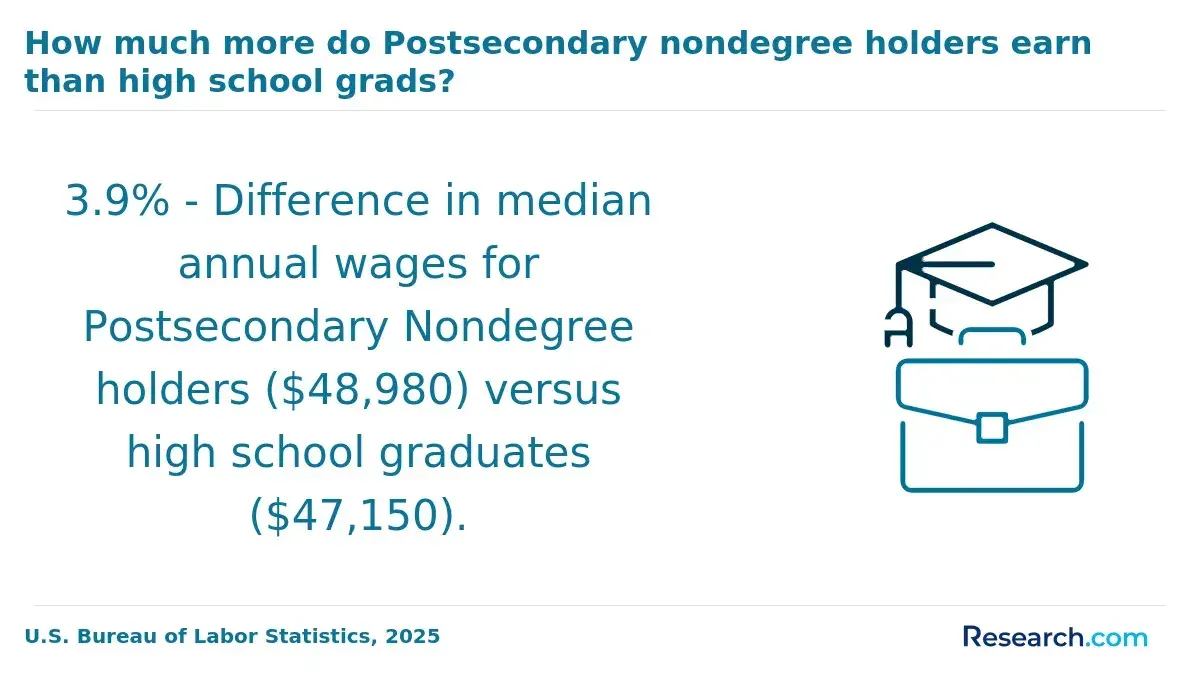
Salary levels in nonprofit fashion tend to start lower; however, benefits like Public Service Loan Forgiveness (PSLF) can ease financial pressures. The organizational culture often centers on collaboration, shared mission, and intrinsic rewards rather than monetary incentives.
A growing employment avenue exists in mission-driven for-profits such as benefit corporations, certified B Corporations, social enterprises, and impact startups. These entities blend fashion creativity with business models that sustain social goals and offer more competitive pay than typical nonprofits.
Fashion design graduates attracted to purpose-driven careers should weigh trade-offs carefully: meaningful impact and rapid skill growth come at the cost of lower initial salaries, balanced by potential loan relief and strong non-financial fulfillment. Awareness of organizational type and role expectations supports strategic career choices that align personal values with economic realities.
How Does the Healthcare Sector Employ Fashion Design Degree Graduates?
The healthcare sector presents diverse employment opportunities for fashion design degree graduates-particularly in roles that leverage their creative, technical, and analytical skills in innovative ways. Data from the BLS Occupational Employment and Wage Statistics and NCES graduate destination surveys highlight that graduates find positions across hospital systems, insurance carriers, pharmaceutical companies, public health agencies, and emerging health tech startups.
- Organizational Types: Hospital systems and health tech startups often hire fashion design graduates for user experience design, medical apparel innovation, and patient-centered communications roles.
- Functional Roles: Graduates contribute in operations management, data visualization, product design, and policy research, where their expertise in design thinking, materials, and user ergonomics is critical.
- Competency Intersections: Important transferable competencies include behavioral science applications, necessary for crafting patient-friendly environments, and data analysis skills for interpreting patient feedback and healthcare trends.
- Regulatory Considerations: Many healthcare roles require knowledge of sector-specific regulations, such as HIPAA compliance and medical device standards. Additional certification or training beyond the fashion design degree may be necessary.
- Growth and Stability: The healthcare field is known for recession resilience. Sub-sectors like pharmaceutical firms and health tech startups are expanding rapidly, making them promising targets for recent graduates.
Which Technology Companies and Sectors Hire Fashion Design Degree Graduates?
Technology companies and sectors increasingly value graduates with a fashion design degree-especially as digital innovation reshapes product development, user experience, and branding. According to LinkedIn Talent Insights and labor market analytics from Burning Glass and Lightcast, fashion design competencies intersect with technology company demand beyond traditional design roles, particularly where aesthetics, user interaction, and cultural trends matter.
This dynamic is evident in North America, where several tech industry roles suitable for fashion design degree graduates are emerging.
- Tech Company Roles: Graduates often fill product design and user interface/user experience (UI/UX) roles, leveraging their knowledge of fabric, form, and consumer trends to inform digital product development. Marketing and brand strategy roles in tech firms also utilize fashion design skills to create trend-responsive campaigns and compelling visual storytelling.
- Distinct Employment Pathways: There is a key distinction between working directly at a technology company-where fashion design supports the core tech business-and working within technology functions of non-tech companies like retail or manufacturing. The latter pathways often encompass technology adoption, IT governance, and creative operations roles that bridge creative and technical teams.
- Sector Growth and Skills-Based Hiring: The shift toward skills-based hiring and remote-first work models has broadened opportunities for fashion design graduates without traditional STEM backgrounds. Cross-disciplinary teams especially value expertise in creative problem-solving and trend analysis combined with digital portfolio skills, design software proficiency, and data visualization.
- Accelerated Demand Sub-Sectors: Health tech, fintech, edtech, climate tech, and AI-adjacent fields show increased demand for fashion design competencies. For example: Health tech firms seek design expertise for wearable technologies and user-centered medical device aesthetics. Fintech and edtech prioritize user interface designers who simplify complex data through visual clarity. Climate tech startups explore sustainable materials and fashion-informed product designs.
- Effective Entry Points: Portfolios showcasing interdisciplinary work with 3D modeling, virtual prototyping, and interaction design provide strong positioning. Internships focused on user experience and creative operations at tech firms serve as practical entry points for fashion design graduates entering technology environments.
Fashion design degree graduates considering further education might also explore options like an online master's in organizational leadership to enhance leadership opportunities within multidisciplinary tech teams.
What Mid-Career Roles Do Fashion Design Graduates Commonly Advance Into?
Mid-career roles for fashion design graduates in the United States typically emerge five to ten years after entering the workforce, reflecting a mix of creative expertise and management aptitude tailored to evolving industry needs. Data from the Bureau of Labor Statistics (BLS), LinkedIn career progression analytics, and National Association of Colleges and Employers (NACE) reports reveal common title sequences and specialization paths that shape these career advancements.
- Design Leadership: Progression often leads to positions like senior fashion designer, design manager, or creative director-roles that involve overseeing design teams and directing collection concepts.
- Functional Management: Growth into roles such as product development manager or merchandiser requires strategic oversight of production timelines, budgets, and cross-department collaboration.
- Specialization Paths: Graduates may focus on textile innovation, sustainable fashion, or technical design, using certifications or further training to deepen expertise.
- Credential and Skill Development: Professional certifications in pattern making, CAD software, and supply chain management support career growth. Graduate degrees-like an MFA in fashion or an MBA-enhance leadership and business skills. Soft skills including project management, communication, and team leadership become essential.
- Industry and Employer Variations: Those starting in large corporations often follow structured promotion ladders to management and director-level roles. In contrast, those in startups or small businesses experience more lateral moves that require entrepreneurial agility and intentional career planning.
- Career Progression Patterns: Typical title advancements include moving from assistant designer to designer, then senior designer or associate creative director. Some specialize early, progressing into consultant or educator roles while maintaining industry ties.
This nuanced landscape underscores the importance of cultivating both creative and leadership skills early on. For individuals exploring the common career advancement paths in fashion design, these insights offer a framework adaptable to diverse geographic markets and employer ecosystems. Integrating strategic educational investments and hands-on experiences ultimately positions professionals for success across the field.
Students and career changers interested in complementary technical growth might explore related fields like artificial intelligence degree programs, which increasingly interface with fashion design through innovations in design technologies and supply chain optimization.
How Do Hiring Patterns for Fashion Design Graduates Differ by Geographic Region?
Geographic location significantly influences hiring outcomes for fashion design degree graduates, with major metropolitan areas providing the most abundant opportunities and competitive salaries. Cities like New York, Los Angeles, and Chicago anchor dense industry networks-ranging from established fashion houses to innovative tech-driven studios-and benefit from strong university programs and creative ecosystems that elevate both job availability and compensation.
Smaller regional and rural markets typically offer fewer roles and lower wages but remain useful entry points for those with certificates or bootcamp training, particularly in niche areas like costume or retail design aimed at local employers. The character of these markets often centers on smaller-scale production and culturally focused projects rather than large commercial endeavors.
The rise of remote and hybrid work since 2020 has expanded access to fashion design roles beyond traditional hubs, allowing graduates in lower-cost areas to compete for higher-paying positions without relocation. Yet, increased remote hiring also sharpens competition for these coveted jobs, especially those requiring degree-level credentials and experience.
This dynamic requires graduates to carefully balance the networking benefits of being physically present in key cities against broader remote accessibility.
- Employment Concentration: New York represents over one-quarter of U.S. fashion design job postings, highlighting its pivotal role in hiring.
- Salary Advantage: Median wages for degree holders in New York City exceed the national median by approximately 20%.
- Remote Work Shift: LinkedIn notes a 35% annual increase in remote fashion design job listings, underscoring a significant hiring trend post-2020.
For those able to relocate, targeting metropolitan centers with concentrated fashion design employment frequently accelerates initial job placement and enhances earning potential. Conversely, candidates constrained geographically should focus on identifying and aligning with leading local employers and specializations that mirror regional industry demands.
What Role Does Internship Experience Play in How Employers Hire Fashion Design Graduates?
Internship experience has a profound effect on employment outcomes for fashion design graduates-significantly increasing their chances of securing job offers before graduation, earning competitive starting salaries, and reducing time-to-employment. Data from the NACE Internship and Co-op Survey, alongside employer hiring preference studies and university career outcome reports, confirm this trend consistently across the industry.
- Internship Quality: Prestigious and relevant internships at leading organizations serve as strong indicators of a candidate's skill set, cultural compatibility, and industry knowledge. This not only enhances immediate hiring prospects but also functions as a credential amplifier, boosting the overall value of a fashion design degree over time.
- Credential Amplification: Experience gained from high-caliber internships enables graduates to showcase real-world projects and professional networks-assets that multiply their competitive advantage during recruitment and career progression.
- Access Disparities: Inequities persist, with many students from lower-income backgrounds, less-resourced schools, or regions lacking robust fashion hubs facing difficulties accessing internships-especially unpaid opportunities-thereby impacting their hiring success.
- Strategies to Overcome Barriers: Virtual internships, cooperative education models, and employer diversity initiatives are increasingly vital in bridging these gaps, offering alternative routes to professional experience and employer visibility.
- Proactive Internship Acquisition: Starting applications in sophomore or junior years, targeting organizations aligned with career goals, and leveraging university career centers, alumni networks, and faculty contacts significantly enhance internship placement rates and subsequently job market competitiveness.
Recent figures reveal nearly 70% of fashion design graduates with quality internship experience receive employment offers within three months of graduation-highlighting the critical role internships play in shaping early career trajectories across the field.
What Graduates Say About the Employers That Hire Fashion Design Degree Graduates
- Caleb: "Graduating with a degree in fashion design opened my eyes to a wide range of industries that value creative skills-from luxury retail brands to independent apparel startups. I noticed most employers are mid-sized companies eager to bring fresh perspectives into their design teams, often looking for roles like junior designer or trend analyst. Interestingly, many hiring opportunities are concentrated in major fashion hubs such as New York and Milan-places where networking truly accelerates career growth."
- Dennis: "Reflecting on my journey, the organizational types that hire fashion design graduates vary significantly-from established global houses to innovative design consultancies. There's an evident trend toward seasonal hiring patterns, aligning with the busy fashion calendar when brands seek talent to meet production deadlines. Geographically, while big cities dominate, there's growing demand in niche markets and emerging fashion scenes that surprised me-highlighting a shift toward decentralization in the industry."
- Thomas: "From a professional standpoint, employers in the fashion design field are often specialized agencies and high-end boutiques that prioritize craftsmanship and creativity. They tend to recruit consistently but focus on candidates with diverse skill sets-ranging from technical patternmaking to digital illustration. I found that regional markets differ too; for instance, European employers emphasize heritage and tradition, while North American companies push for innovation and sustainability."
Other Things You Should Know About Fashion Design Degrees
Graduate degree holders in fashion design often have an advantage when applying to positions that value advanced technical skills and specialized knowledge. Employers frequently prefer candidates with a master's degree for roles involving innovative design research, leadership, or brand development. However, many entry-level positions remain accessible to bachelor's graduates, who can compete effectively by showcasing strong portfolios and relevant internships.
Employers place significant emphasis on portfolios as the primary demonstration of a graduate's creative ability and technical proficiency. A well-curated portfolio that reflects diversity in styles and practical application tends to stand out. Extracurricular activities-such as internships, fashion shows, and industry competitions-are valued as proof of initiative, real-world experience, and networking capability that can enhance a graduate's candidacy.
In 2027, fashion design degree graduates find opportunities with major fashion houses, retailers, and tech companies venturing into fashion tech. Employers focus on those with strong digital design skills, sustainable practices, and adaptability to new trends. Hiring patterns show a preference for candidates with innovative portfolios and collaboration experience.
Diversity, equity, and inclusion (DEI) initiatives have become central to hiring practices in many fashion companies, promoting a wider range of voices and aesthetics in design teams. Employers are increasingly seeking candidates from diverse backgrounds to foster innovation and resonate with global consumers. Graduates who reflect or support these values may have enhanced hiring opportunities, particularly in companies with formal DEI commitments.
References
- The Fashion Design Institute https://www.thefashiondesigninstitute.com/us/en/blog-fashion-designer-careers--the-best-jobs-in-the-fashion-industry
- Navigating the Global Fashion Talent Pool: Hiring Internationally For Competitive Advantage - The Fashion Network https://thefashionetwork.com/navigating-global-fashion-talent-hiring-internationally/
- Fashion Internships | Higherin https://higherin.com/career-guides/fashion/fashion-internships
- Inside the Fashion Design Industry's Many Career Paths | All Art Schools https://www.allartschools.com/fashion-design/fashion-design-industry/
- Why Fashion Design Graduates Are Struggling to Land Jobs https://styleninetofive.com/2025/05/12/fashion-graduates-struggling-to-find-jobs/
- No Cookies | Vogue Australia https://www.vogue.com.au/vogue-codes/news/technology-jobs-in-fashion/image-gallery/a7ba5d4c1dbdfe9af5a06b39f4ee0a99
- Browse Technology Jobs in Fashion https://www.businessoffashion.com/careers/jobs/technology/
- Importance of Internships in Fashion Design Degree Programs https://www.amordesign.org/blog/importance-of-internships-in-fashion-design-degree-programs
- Breaking into the Fashion Industry: Entry-Level Job Opportunities and Career Paths https://uandisearch.co.uk/breaking-into-the-fashion-industry-entry-level-job-opportunities-and-career-paths
- Fashion Designers in the US Employment Statistics | IBISWorld https://www.ibisworld.com/united-states/employment/fashion-designers/1413/


