
2027 Which Music Business Degree Careers Have the Lowest Unemployment Risk?

Co-Founder and Chief Data Scientist
Music business graduates face a practical career question: which roles are least likely to disappear when hiring slows, technology changes workflows, or consumer behavior shifts? A music business degree can lead to work in licensing, publishing, artist management, marketing, live events, rights administration, media, and education, but these paths do not carry the same unemployment risk.
The strongest options tend to combine durable demand, specialized knowledge, employer need across multiple industries, and skills that are difficult to automate. Roles in music licensing and rights management, for example, have historically reported unemployment rates below 3%, while location, credentials, and graduate-level specialization can further affect job security.
This guide explains which music business careers are more resistant to unemployment, what employers are hiring for now, how public-sector and private-sector roles compare, where geography matters most, and how certifications or graduate study can improve long-term stability.
Key Things to Know About the Music Business Degree Careers With the Lowest Unemployment Risk
- Historical data shows careers in music business licensing and contract negotiation maintain under 4% unemployment-reflecting strong licensure protection and niche expertise shielding against automation risks.
- Ten-year demand projections highlight music business roles in digital rights management and artist development as recession-resilient and concentrated in geographic hubs with expanding entertainment markets.
- Graduate education and professional certification consistently reduce long-term unemployment exposure by equipping practitioners with adaptive skills, fostering career longevity amid technological disruption and industry shifts.
What Makes Music Business Degree Jobs More or Less Resistant to Unemployment?
Music business jobs are more resistant to unemployment when they sit close to revenue, rights, compliance, or essential operations. A role is usually less stable when it depends on discretionary spending, routine administrative work, or a narrow set of employers that can reduce headcount quickly during downturns.
Unemployment risk in this field can come from several sources. Structural unemployment happens when technology or industry models permanently reduce demand for certain tasks. Frictional unemployment reflects normal job-search gaps between roles. Cyclical unemployment rises when the broader economy weakens and companies freeze hiring or cut budgets. Understanding the difference helps graduates avoid overreacting to short-term market noise while still planning for long-term disruption.
Factors that improve job stability
- Connection to core revenue: Jobs tied to licensing, royalties, publishing, touring revenue, marketing performance, or rights exploitation tend to be more durable than general support roles.
- Specialized legal or financial knowledge: Copyright, contract administration, royalty accounting, and intellectual property workflows are harder to replace with general business labor.
- Cross-sector demand: Skills useful in media, advertising, gaming, streaming, education, live events, and corporate communications reduce dependence on one employer type.
- Credential barriers: Licensure and respected certifications can narrow the applicant pool and help employers identify candidates with verified expertise.
- Lower automation exposure: Roles requiring negotiation, judgment, relationship management, creative strategy, or ethical oversight are less vulnerable than repetitive reporting or data-entry work.
- Geographic employer density: Markets with many labels, publishers, venues, agencies, studios, media firms, and technology companies give graduates more alternatives if one employer slows hiring.
Factors that increase unemployment risk
- Routine task concentration: Jobs focused mainly on scheduling posts, compiling reports, entering metadata, or processing basic royalty information can be exposed to automation.
- Dependence on a single sector: A career built only around one part of the industry, such as live events or recorded music administration, may be more vulnerable to sector-specific shocks.
- Weak professional network: Music business hiring often depends on referrals, internships, project history, and reputation. Graduates without industry contacts may face longer job searches.
- Limited practical experience: Coursework alone rarely substitutes for internships, campaign work, venue experience, catalog administration, or licensing projects.
- Location mismatch: Graduates in regions with few music employers may need remote-ready skills or relocation plans to reduce unemployment exposure.
Students should evaluate music business specializations by looking beyond salary headlines. A higher-paying entry role may be less stable if it lacks a clear promotion path or depends on volatile budgets. A lower starting role in licensing, rights administration, or publishing may offer stronger long-term employability because the work builds specialized, transferable expertise.
Prospective students comparing degree options should also consider program format, accreditation, employer recognition, internship access, and career services. For readers weighing broader business pathways, researching online business degree programs accredited can provide a useful benchmark for evaluating institutional quality and affordability. Those considering advanced study may also compare flexible options such as one-year online master's programs when deciding whether a graduate credential could strengthen career resilience.
Which Music Business Career Paths Have the Lowest Historical Unemployment Rates?
The music business career paths with the lowest historical unemployment risk tend to involve rights, licensing, publishing, revenue operations, education, and specialized management. These roles remain useful across economic cycles because music still needs to be licensed, monetized, promoted, taught, audited, and distributed even when hiring slows.
Data from sources such as the BLS Current Population Survey, the NACE First-Destination Survey, and Federal Reserve Bank labor market research suggest that the most stable music business occupations have held up better through the 2008-2009 recession, the 2020 COVID-19 economic disruption, and the 2022-2024 labor market normalization period. Historical unemployment rates should still be interpreted carefully because music business occupations can be small labor pools, but the patterns are useful for comparing risk.
Historically more stable music business paths
- Music Licensing Specialists: Licensing specialists help secure permission to use music in film, television, advertising, games, social platforms, streaming services, and branded content. Their stability comes from the continuing need to manage copyrights, negotiate permissions, and avoid legal exposure.
- Music Publishers and Rights Managers: These professionals manage song catalogs, royalty flows, songwriter relationships, metadata, and licensing opportunities. Publishing income can continue even when other parts of the entertainment market slow, which helps support employment stability.
- Music Rights Analysts: Rights analysts interpret usage data, royalty statements, ownership information, and payment records. The work requires technical accuracy and industry-specific knowledge, making it more resilient than general administrative reporting.
- Concert Tour and Event Managers: Live entertainment roles can be vulnerable to severe disruptions, as shown during 2020, but experienced tour and event managers are difficult to replace when touring demand returns. Logistics, budgeting, vendor coordination, safety, and artist relations remain highly practical skills.
- Music Marketing and Promotions Professionals: Marketing roles remain important because audience growth, fan engagement, and campaign performance affect revenue. The most stable professionals are those who combine creative judgment with analytics, paid media knowledge, and platform fluency.
- Music Business Educators and Trainers: Educators in colleges, training programs, professional associations, and corporate learning environments benefit from ongoing demand for industry knowledge, especially as the business changes.
How to use historical unemployment data
Historical unemployment rates are a starting point, not a complete career plan. A role with low unemployment may still have limited entry-level openings, high competition, or lower early-career pay. Graduates should pair historical stability with demand projections, automation risk, geographic opportunity, credential requirements, and the likelihood of advancement.
Students exploring broader professional-development models can compare how structured accelerated programs present outcomes and timelines, including resources such as accelerated online MSW programs, while keeping their primary focus on music business roles with strong labor-market fit.
How Does the Music Business Job Market Compare to the National Unemployment Average?
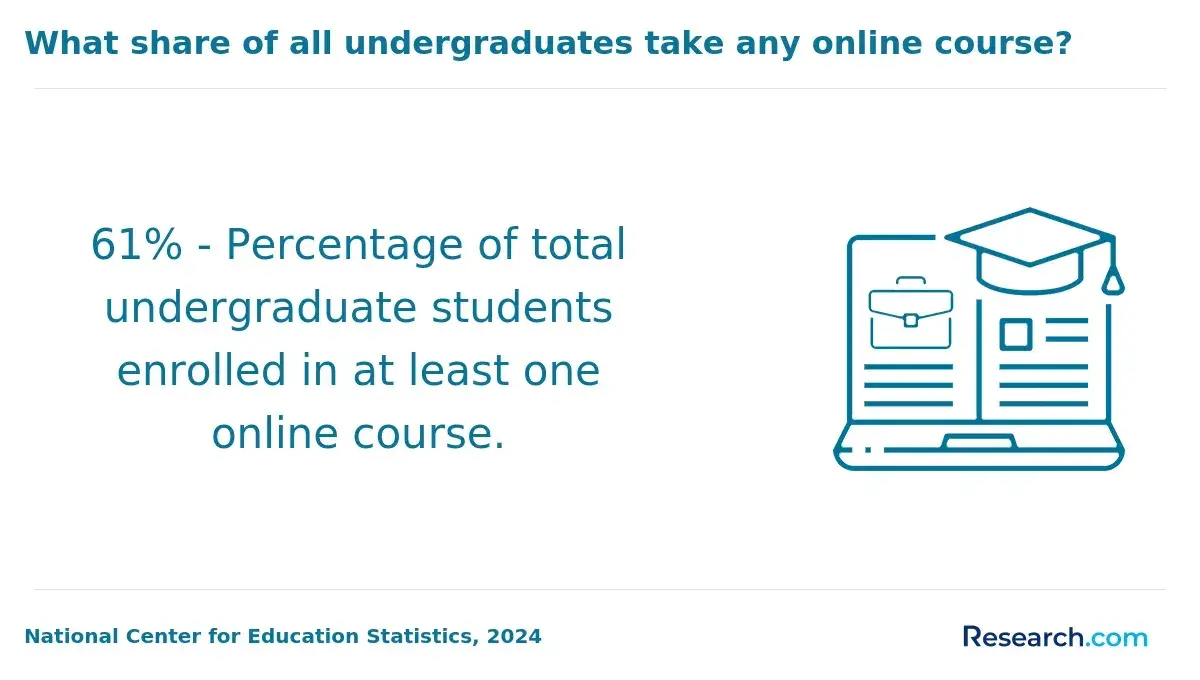
Targeted music business roles can compare favorably with the national unemployment average for college graduates, but the advantage depends heavily on specialization. Approximately 2.5% of college grads face unemployment nationwide, while targeted music business roles typically experience rates near 1.3%. That gap suggests stronger job placement potential for graduates who enter resilient niches rather than the broadest and most competitive parts of the industry.
The comparison is useful, but it should not be read as a guarantee. The music business labor market is uneven: a graduate in licensing or royalty analysis may face a very different market from someone seeking a general artist-relations or entry-level promotion role in a crowded city.
- Employment stability: Lower unemployment can mean fewer income interruptions and more continuous experience, which matters in an industry where relationships and project history compound over time.
- Underemployment risk: Some graduates are employed but not in roles that use their degree, advance their skills, or lead to sustainable music business careers. Underemployment can slow earnings growth and weaken long-term positioning.
- Small labor-pool volatility: Because some music business occupations are specialized, annual unemployment figures may swing. Multi-year trends are more reliable than one-year snapshots.
- Quality of first job: A first role should be judged by training, manager quality, promotion path, industry exposure, and transferable skills, not only by whether it is technically “in music.”
- Long-term resilience: The strongest graduates keep adapting to automation, new distribution models, changing copyright practices, and shifts in live-event demand.
A common mistake is treating employment rate and career quality as the same thing. A graduate may find quick work in a low-growth support role but struggle to move into decision-making positions. By contrast, a more specialized entry role may be harder to land but lead to stronger long-term stability.
- : "“It was not just about finding any job. It was about finding the right role where I could build skills that mattered. Internships and short-term projects were stressful at first, but they helped me understand the difference between being employed and actually building a career.”"
What Music Business Specializations Are Most In-Demand Among Employers Right Now?
The most in-demand music business specializations are those that help employers manage rights, grow audiences, monetize content, execute live experiences, and interpret financial or performance data. Demand is concentrated, not evenly spread across every music-related role.
Specializations with stronger employer demand
- Music Licensing and Rights Management: Streaming, short-form video, film, television, advertising, gaming, and social platforms all rely on clear rights. Employers need people who understand copyright, licensing terms, clearance workflows, and royalty obligations.
- Digital Marketing and Social Media Strategy: Artists, labels, promoters, and agencies need professionals who can turn audience data into campaigns. The strongest candidates understand analytics, paid media, content calendars, fan segmentation, platform behavior, and brand voice.
- Live Event Production and Tour Management: Employers value coordinators who can manage routing, budgeting, vendor relationships, safety requirements, staffing, ticketing partners, and artist needs. These roles reward practical experience and calm execution under pressure.
- Music Technology and Audio Engineering: Demand is strongest for professionals who combine technical fluency with business awareness. Knowledge of production tools, immersive audio, workflow systems, client communication, and rights considerations can widen opportunities.
- Artist Development and Talent Management: Employers look for people who can help artists build brands, audiences, release strategies, partnerships, and multiple revenue streams. This specialization is relationship-heavy and often depends on market access.
- Music Finance and Royalty Accounting: Royalty flows, payment systems, catalog valuation, and revenue reporting require accuracy and trust. Candidates with accounting, spreadsheet, contract, and data skills can stand out.
- Music Publishing and Sync Licensing: Film, television, advertising, games, and digital content continue to create licensing opportunities. Professionals who can connect creative fit with commercial terms are valuable to publishers, libraries, supervisors, and rights holders.
How to choose among in-demand tracks
Students should match specialization demand with their own strengths. Licensing and royalty roles favor detail, patience, legal reasoning, and comfort with data. Marketing favors communication, experimentation, analytics, and audience insight. Live-event work favors logistics, stamina, vendor coordination, and crisis management. Artist management favors judgment, trust-building, negotiation, and long-term planning.
Before selecting a concentration, compare job postings in your target city, review internship availability, speak with alumni, and ask employers which software, certifications, and portfolio examples they value. Affordability also matters; students can compare how other fields structure low-cost online study by reviewing resources such as affordable online psychology degree programs, then apply the same cost-and-outcomes mindset to music business education.
Which Industries Employing Music Business Graduates Offer the Greatest Job Security?
The most secure industries for music business graduates are those where music business skills support essential operations rather than optional projects. Job security improves when the employer needs rights knowledge, content management, revenue tracking, audience development, event execution, or client-facing expertise to function.
Industries with stronger stability signals
- Broadcasting and Media: Radio, television, digital media, podcasting, and streaming-adjacent employers need music clearance, content scheduling, licensing support, audience development, and rights compliance. Music business graduates are strongest here when they understand both media workflows and copyright basics.
- Live Entertainment and Event Management: Venues, promoters, festivals, tour companies, and production firms need staff who can coordinate artists, budgets, contracts, logistics, ticketing, sponsors, safety, and vendors. The work can be cyclical, but experienced operators are valuable when demand is strong.
- Music Publishing and Licensing: Publishers, rights administrators, sync agencies, production libraries, and catalog companies depend on accurate rights management and deal execution. This sector often offers strong alignment between a music business curriculum and day-to-day work.
- Audio Technology and Production Services: Studios, audio software firms, equipment companies, and production-service providers employ graduates who understand client needs, technical workflows, rights issues, sales, and project management.
- Corporate Communications and Brand Management in Music-Related Firms: Companies selling instruments, music software, audio tools, streaming services, or creator platforms need marketing, partnerships, content strategy, and customer engagement. These roles can offer broader business stability than artist-dependent work.
Job-security trade-offs by industry
| Industry | Why it can be stable | Main risk to watch |
| Broadcasting and media | Ongoing content, licensing, and audience needs | Consolidation, advertising cycles, and platform shifts |
| Live entertainment and events | Strong need for experienced logistics and production talent | Health crises, travel costs, and discretionary spending declines |
| Publishing and licensing | Rights administration remains central to monetization | Automation of routine metadata and reporting tasks |
| Audio technology and production services | Growth in creator tools, recording, and content production | Rapid software change and pressure on traditional studio models |
| Corporate music-related firms | Transferable marketing, sales, and brand roles | Dependence on company performance and product cycles |
The safest strategy is rarely to bet everything on one sector. Graduates who combine licensing knowledge with marketing analytics, event operations with finance, or artist management with data reporting can move more easily if one industry slows. Employers with steady hiring and low turnover, such as major media conglomerates, top event promoters, and leading publishers, are often better long-term targets than smaller organizations with unclear advancement paths.
- : "“The biggest lesson was diversification. Legal knowledge helped me understand contracts, marketing helped me communicate value, and event experience taught me how the business works under pressure. That mix made it easier to pivot when one part of the industry slowed.”"
How Do Government and Public-Sector Music Business Roles Compare in Unemployment Risk?
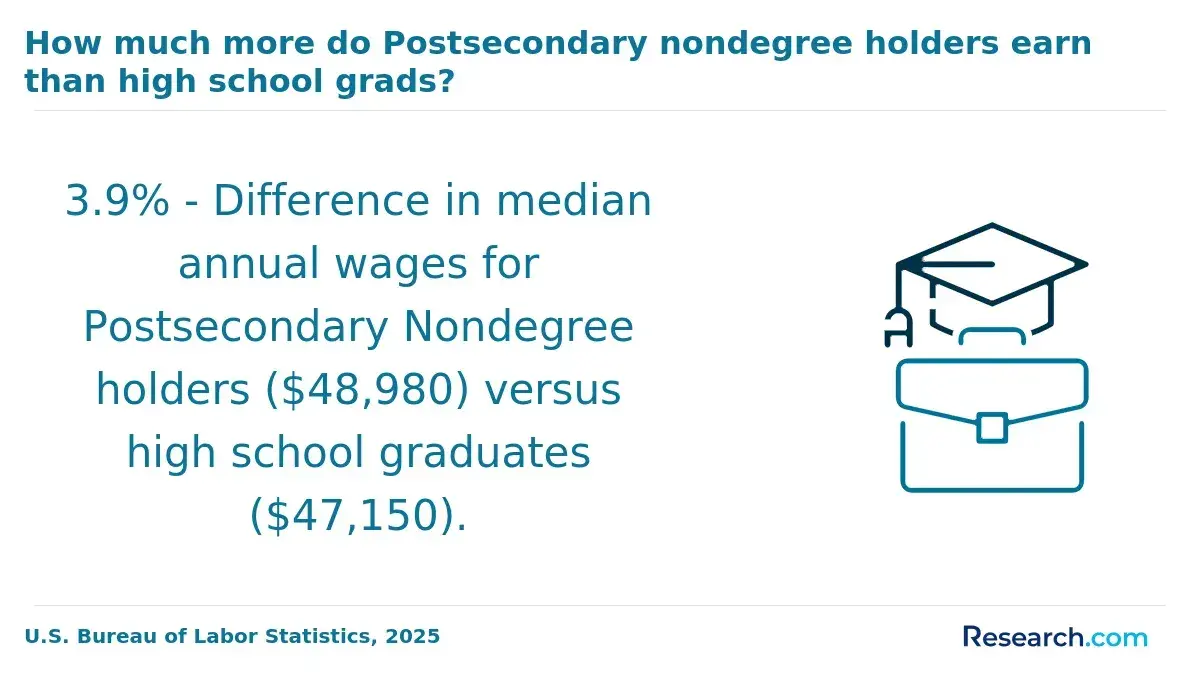
Government and public-sector music business roles generally carry lower unemployment risk than many private-sector entertainment jobs. They often offer more predictable funding, formal hiring systems, civil service protections, unionized environments, pension structures, and clearer advancement rules. The trade-off is that public-sector roles may offer less rapid income growth and fewer high-upside entertainment opportunities.
Relevant employers can include public universities, state arts agencies, municipal cultural offices, public broadcasting organizations, libraries and archives, museums, public event venues, and government-supported cultural programs. Music business graduates may work in programming, licensing, event coordination, grant administration, rights management, arts education, communications, or cultural policy support.
- Unemployment rates: Public-sector positions tend to show lower unemployment than private-sector roles because layoffs are less frequent and hiring decisions are often less tied to short-term revenue swings.
- Layoff frequency: State and local government roles may use hiring freezes, budget delays, or furloughs before eliminating positions. Federal agencies generally have additional civil service safeguards.
- Career longevity: Public-sector employees often stay longer because advancement systems, retirement benefits, and institutional stability reward tenure.
- Compensation trade-offs: Starting pay may trail private-sector offers in entertainment companies, labels, agencies, or high-growth firms. Long-term value may improve through pension income, comprehensive leave benefits, predictable schedules, and access to public service loan forgiveness programs.
- Best fit: Public-sector roles suit graduates who prioritize stability, mission-driven work, benefits, and predictable income. Private-sector roles may suit those seeking faster advancement, entrepreneurial upside, or closer proximity to commercial entertainment deals.
The strongest candidates for public-sector music business work usually combine industry knowledge with grant writing, budgeting, public communication, compliance, education, or archival skills. Graduates should review job descriptions carefully because public roles may require specific application procedures, salary bands, residency rules, or civil service exams.
What Role Does Licensure or Certification Play in Protecting Music Business Degree Holders From Unemployment?
Licensure and certification can reduce unemployment risk by making a graduate more credible, more specialized, and harder to replace. Licensure is legally required for only some music business-adjacent roles, while certifications are usually optional signals of expertise. Both can matter, but they work in different ways.
Licensure versus certification
- Mandatory licensure: Some roles, such as entertainment lawyers and certain talent agents, require formal state authorization. Entertainment lawyers must have bar admission, while talent agents need registered credentials to operate. These requirements restrict entry and can protect licensed professionals from direct competition with uncredentialed applicants.
- Optional certification: Credentials such as the Certified Music Business Professional (CMBP) and certificates from the Music Business Association can help demonstrate focused knowledge. They do not guarantee employment, but they can strengthen applications for roles in licensing, rights management, publishing, marketing, or administration.
- Employer screening value: Certifications can act as hiring filters when employers need evidence that a candidate understands industry terminology, workflows, and compliance expectations.
- Economic mechanism: Licensure limits labor supply, stabilizes demand for credentialed workers, and reduces substitution during downturns. Certifications do not create the same legal barrier, but they can improve competitiveness.
- Recession protection: According to Bureau of Labor Statistics research, occupations requiring licensure experience unemployment rates about 1.5 percentage points lower than national averages during recessions.
How to decide whether a credential is worth it
Start with credentials that are legally required for your target role. Next, look for certifications repeatedly mentioned in job postings, recommended by employers, or recognized by professional associations. Avoid paying for credentials that do not align with a specific job function, software platform, or advancement goal.
A useful credential should help you do at least one of the following: qualify for a regulated role, prove technical competence, access a professional network, satisfy employer screening criteria, or support promotion into more specialized work. If a certification is expensive, ask alumni or hiring managers whether it has influenced actual hiring decisions before enrolling.
How Does Geographic Location Affect Unemployment Risk for Music Business Degree Graduates?
Geographic location can strongly affect unemployment risk because music business jobs are clustered. Graduates in markets with many employers, venues, studios, publishers, agencies, labels, media companies, and technology firms typically have more ways to recover if one job ends. Graduates in smaller markets may face longer searches unless they build remote-ready or transferable business skills.
Major music and entertainment hubs such as Los Angeles, Nashville, New York City, and Austin offer dense professional networks and a wider range of roles in licensing, publishing, live events, marketing, recording, and media. These markets can reduce unemployment risk, but they also bring higher competition and often higher living costs.
Diversified economies can also support music business graduates. Cities with strong technology, government, healthcare, education, or media-adjacent sectors may offer roles in digital marketing, content strategy, licensing, events, communications, and brand partnerships. Seattle's technology sector and Washington, D.C.'s government and healthcare corridors are examples of markets where music business skills may overlap with broader employment bases.
Remote work has changed the calculation. Digital rights management, online marketing, royalty analysis, catalog administration, content operations, and remote event coordination can give graduates access to broader labor markets. Remote job postings for music business occupations have grown by over 30% since 2019, which can reduce dependence on a single local economy.
- High-density music hubs: More employers, more networking opportunities, and more specialized roles, but also more competition.
- Diversified metro areas: Greater ability to transfer music business skills into media, technology, public-sector, education, or corporate roles.
- Smaller markets: Fewer openings and more volatility, especially if the region lacks venues, publishers, studios, agencies, or media firms.
- Remote-capable roles: Lower geographic risk for graduates with skills in rights systems, analytics, digital marketing, and online collaboration.
- Relocation strategy: Moving can help, but only if the target market offers enough relevant jobs to justify cost, competition, and lifestyle trade-offs.
Graduates should compare BLS metropolitan area employment data, job-board location filters, alumni outcomes, internship availability, and regional wage benchmarks before deciding whether to stay local, relocate, or pursue remote-first work. Those interested in adjacent business fields can also compare transferable skill pathways through resources such as online real estate degree programs.
Which Music Business Careers Are Most Vulnerable to Automation and Technological Disruption?
The music business careers most vulnerable to automation are those built around repetitive, rules-based, or high-volume administrative tasks. Automation is most likely to affect work that involves standardized reporting, basic data entry, document matching, metadata cleanup, routine social posting, and predictable customer interactions.
Frameworks from the McKinsey Global Institute, Oxford Martin School occupational automation probability research, and MIT Work of the Future task-level automation analysis all point to the same practical distinction: technology is more likely to replace routine tasks than work requiring judgment, negotiation, creative strategy, and complex human relationships.
Higher-risk music business functions
- Music Licensing and Royalties Administration: Basic tracking, payment verification, report generation, and repetitive royalty processing can be handled increasingly by software and AI-assisted systems.
- Music Catalog and Rights Management: Metadata standardization, rights verification, document review, and catalog maintenance can be partially automated, especially when tasks are rule-based.
- Entry-Level Marketing Coordination: Scheduled posting, routine campaign summaries, simple content variations, and basic chatbot responses are more exposed than strategic campaign planning.
- Sales Reporting and Analytics Support: Standard dashboards, recurring data pulls, and predictable performance summaries can be automated as data tools improve.
Lower-risk music business functions
- Contract negotiation: Human judgment, leverage, risk tolerance, and relationship management remain central.
- Artist development: Branding, timing, creative direction, and trust-building are difficult to automate.
- High-level licensing strategy: Complex deal structures, cross-platform rights, and dispute resolution require interpretation and negotiation.
- Creative production leadership: Taste, collaboration, originality, and client communication remain human-centered.
- Ethical and compliance oversight: Employers still need accountable professionals to interpret rules, manage risk, and make defensible decisions.
Automation should be treated as a task-level risk, not a simple career-ending prediction. A licensing coordinator who only enters data may be vulnerable; a licensing professional who negotiates deals, interprets contracts, audits systems, and manages rights strategy is more resilient. The safest approach is to learn the tools that automate routine work while moving toward roles that supervise, interpret, and improve those systems.
Professionals who want additional flexibility may consider complementary education or adjacent fields, including resources such as master's programs in child and adolescent mental health, when planning broader career diversification.
How Does a Graduate Degree Reduce Unemployment Risk for Music Business Degree Holders?
A graduate degree can reduce unemployment risk for music business degree holders when it provides specialized, employer-valued skills that lead to advanced roles. It is most useful when it opens access to management, analytics, law, finance, education, research, public-sector leadership, or highly specialized entertainment business positions.
Research from the Georgetown University Center on Education and the Workforce and BLS data shows that holders of graduate-level credentials in related fields face unemployment rates about 2 to 3 percentage points lower than those with only bachelor's degrees. That advantage can be meaningful, but it depends on field, program quality, cost, work experience, and whether the degree connects to a clear career target.
Graduate options that may improve stability
- Professional master's programs: Programs connected to regulated or specialized work can reduce risk by qualifying graduates for roles with higher barriers to entry.
- Research-focused master's and doctorates: These can support careers in academia, policy, consulting, market research, cultural analysis, or institutional leadership.
- MBA programs: An MBA may help music business professionals move into management, strategy, finance, operations, entrepreneurship, or executive-track roles within entertainment and media firms.
Investment considerations
- Cost and duration: Graduate programs typically range from 1 to 3 years, with tuition spanning approximately $20,000 to $100,000 based on the institution and degree type.
- Opportunity cost: Time in school may reduce full-time earnings, delay promotions, or require debt. Part-time and online formats can reduce disruption for working professionals.
- Salary premium: Advanced degrees in relevant fields generally bring salary raises between 15% and 40%, but the payoff depends on role, employer, location, and prior experience.
- Program fit: The best graduate program is not always the highest-ranked option. Look for strong alumni placement, industry partnerships, internship access, faculty connections, and coursework tied to your target role.
Graduate school is not the only way to reduce unemployment risk. Certifications, relocation, internships, portfolio projects, employer-sponsored training, and specialization in licensing, rights, analytics, or live-event operations can sometimes provide a faster or less expensive route. A graduate degree makes the most sense when it clearly improves access to roles that would otherwise be difficult to obtain.
What Entry-Level Music Business Career Paths Offer the Fastest Route to Long-Term Job Stability?
The best entry-level music business roles for long-term stability are not always the most glamorous. They are roles that build specialized skills, expose graduates to core business functions, and create a credible path to mid-career responsibility within three to seven years.
Entry-level roles with stronger stability potential
- Artist Management Assistant: This role builds experience in scheduling, branding, touring, communication, contracts, release planning, and client support. It can lead to coordinator, day-to-day manager, or manager roles within three to five years when the employer has a clear promotion path.
- Music Licensing Coordinator: Licensing coordinators learn clearance workflows, rights research, contract language, cue sheets, metadata, and client communication. Advancement to senior licensing or rights management typically occurs within five to seven years for professionals who develop legal, data, and negotiation skills.
- Tour Production Assistant: Production assistants gain practical experience in logistics, vendor coordination, budgeting, travel, venue operations, and artist support. This path can lead to production coordinator or event management roles within four to six years, especially in major markets.
- Music Marketing Coordinator: Marketing coordinators learn campaign execution, audience analytics, social platforms, content planning, paid promotion, reporting, and brand positioning. Strong digital skills can support advancement to brand manager, digital strategist, or campaign lead within three to five years.
What to prioritize in a first job
- Training and mentorship: A lower-paid role with strong supervision may be better than a higher-paid job with no development.
- Exposure to revenue or rights: Work connected to licensing, royalties, ticketing, campaigns, publishing, or client accounts builds durable business understanding.
- Promotion history: Ask whether assistants and coordinators have moved into senior roles at the same employer.
- Transferable tools: Skills in analytics, CRM systems, rights databases, budgeting, project management, and reporting travel across employers.
- Network access: Early jobs should introduce graduates to professionals who can validate their work and open future opportunities.
Graduates should avoid choosing a first job based only on proximity to famous artists or labels. The more important question is whether the role builds career equity. A stable path usually starts with practical responsibility, measurable work, strong references, and skills that remain useful even if the industry changes.
What Graduates Say About the Music Business Degree Careers With the Lowest Unemployment Risk
- : "Choosing to specialize in music publishing opened unexpected opportunities for me, especially in tech-driven markets such as Los Angeles and Nashville. Combining that focus with certifications in digital rights management helped reduce unemployment risk early in my career because I could contribute immediately to catalog and rights work. —Paxton"
- : "Live event production was the most practical part of my music business path. In hubs such as New York and London, demand for experienced event professionals stayed strong, and a credential in event safety and logistics helped me move into more responsible roles. —Emily"
- : "Versatility made the biggest difference for me. Artist management gave me relationship skills, licensing taught me how revenue works, and advanced certification helped when I moved into executive roles. Experience in European and Asian music markets also expanded my options at every stage. —Nathan"
Other Things You Should Know About Music Business Degrees
Freelance or self-employment can reduce unemployment risk for music business graduates by providing flexible career paths. In 2027, graduates who develop strong networking skills and adapt to digital platforms may find success in independent roles, enhancing their employment opportunities in the evolving industry.
Mid-career demand is highest for professionals skilled in royalties administration, music marketing analytics, and intellectual property compliance. These tracks require specialized knowledge that protects against automation, as companies seek experts who understand complex legal frameworks and data trends. Additionally, roles involving synchronization licensing for multimedia projects maintain strong mid-career prospects due to ongoing content expansion in film, gaming, and advertising.
Freelance and self-employment opportunities are common in the music business but carry higher unemployment risk due to income instability and market fluctuations. Graduates relying heavily on freelance work often face gaps between contracts. However, those who diversify their skill sets-combining freelance work with roles in publishing or rights management-can reduce vulnerability and build a more stable employment profile.
Economic recessions tend to increase unemployment rates across the music business, particularly in live event promotion and touring management, where budgets tighten quickly. In contrast, sectors like digital rights and royalty collection remain more resilient as they are tied to consistent revenue streams from recorded music. Overall, recession resilience correlates strongly with the degree to which a career depends on discretionary consumer spending versus contractual income.
References
- Careers in the Arts: Who Stays and Who Leaves? https://snaaparts.org/findings/reports/careers-in-the-arts-who-stays-and-who-leaves
- Music Industry Careers: What are the Highest Paying Music Jobs? https://insidemusicschools.com/blog/highest-paid-music-jobs-in-the-music-industry/
- Good News about Going to College for a Music Degree https://majoringinmusic.com/good-news-about-going-to-college-for-a-music-degree/
- How useless is a music business degree? - Music Majors - College Confidential Forums https://talk.collegeconfidential.com/t/how-useless-is-a-music-business-degree/3637984
- Nearly three-quarters of musicians fear AI will threaten their careers https://www.independent.co.uk/news/uk/home-news/ai-copyright-music-creative-jobs-b2910885.html
- UK Music Report Reveals Economic Impact of Covid-19 https://musiciansunion.org.uk/news/uk-music-report-reveals-economic-impact-of-covid-19
- National Statistics on the Creative Industries - Creative Industries Policy and Evidence Centre https://pec.ac.uk/news_entries/national-statistics-on-the-creative-industries/
- Understanding Music Licensing in Malaysia: An Informative Guide https://www.shco.my/music-licensing-malaysia/
- Top 10 Music Industry Jobs in the Music Business in 2025 - [MUBUTV Music Business Television] https://www.mubutv.com/blog/top-10-music-industry-jobs-in-the-music-business-career-opportunities-for-you-in-the-music-business
- 5 in-demand jobs in the music industry https://learn.rumie.org/jR/bytes/5-in-demand-jobs-in-the-music-industry/


