
2027 Which Photography Degree Careers Have the Lowest Unemployment Risk?

Co-Founder and Chief Data Scientist
Emerging photography graduates often face uncertainty about which specializations ensure steady employment amid evolving market demands. The risk of job displacement is particularly high in generalist roles vulnerable to automation and shifting digital trends.
However, careers focused on commercial photography within metropolitan hubs show significantly lower unemployment risks—recent data indicates these niches report unemployment rates nearly 30% below the national average for photography professionals.
Factors such as advanced credentialing and pursuing opportunities in resilient industries like advertising, fashion, and media production further reduce long-term job insecurity.
This article unpacks these dynamics to guide students and professionals toward photography career paths with the greatest employment stability.
Key Things to Know About the Photography Degree Careers With the Lowest Unemployment Risk
- Photography degree careers with strong licensure or certification—such as forensic or medical photography—show 40% lower unemployment due to protected practice scopes and reduced automation risk.
- Geographic markets with growing creative industries and tourism predict 15% higher demand over ten years, offering recession resilience compared to saturated urban centers.
- Advanced graduate education and professional certification correlate with 25% longer employment duration and buffer against technological displacement in evolving photography roles.
What Makes Photography Degree Jobs More or Less Resistant to Unemployment?
Unemployment risk within photography degree careers reflects different dimensions of labor market dynamics. Structural unemployment—caused by long-term shifts such as industry decline or automation—reduces demand for certain job roles.
Frictional unemployment captures short-term gaps as professionals move between positions, while cyclical unemployment responds to economic downturns that affect sectors unevenly. Recognizing these distinctions is essential to understanding which photography degree jobs offer greater employment resilience.
Authoritative labor market data reveal several key factors that predict lower unemployment risk for photography degree holders:
- Occupational Licensing: Careers requiring licensure or formal certification tend to have lower unemployment risk due to entry barriers and recognized professional standards.
- Employer Concentration: Jobs dispersed across diverse employers are more stable, while dependence on a few dominant firms increases vulnerability to layoffs.
- Sector Growth Rate: Fields tied to growth—such as digital media or commercial photography—offer better job security compared to traditional print or studio roles facing declines.
- Role Replaceability: Positions demanding unique creative or technical skills that resist automation and outsourcing sustain more stable employment.
Degree level, specialization, and geographic market impact on photography career stability further influence unemployment resistance. Advanced education and niche expertise qualify practitioners for specialized assignments with less competition.
Metropolitan areas with vibrant creative industries provide broader opportunities and cushion against cyclical losses. This evidence-based framework—assessing historic unemployment rates, projected demand, automation exposure, recession resilience, licensure impact, and regional market conditions—equips students and professionals to compare photography career paths objectively.
This approach aligns with broader priorities found in the top degrees for the future, emphasizing data-driven decision-making over general interest or salary alone.
Which Photography Career Paths Have the Lowest Historical Unemployment Rates?
Several photography career paths in the US have shown lower unemployment rates compared to the broader labor market—primarily because of enduring market demands and structural factors that promote consistent employment.
Data from over a decade of BLS Current Population Survey unemployment figures, NACE First-Destination Survey outcomes, and Federal Reserve Bank labor research highlight specializations anchored by essential services, chronic undersupply of skilled professionals, or regulatory requirements that sustain demand during both growth periods and economic downturns.
This historical employment stability of US photography specializations provides a useful benchmark for prospective students and early-career professionals.
- Medical Photography: This field benefits from the healthcare sector's ongoing expansion and strict regulatory needs for patient documentation.
- The aging population and expanded healthcare provisions drive demand for medical imaging experts.
- Legal documentation mandates ensure continual workload, even through recessions.
- Job stability persisted strongly during the 2008-2009 recession and the 2020 pandemic, reflecting the essential nature of healthcare services.
- Forensic Photography: Supported by law enforcement and criminal justice, this niche has consistent demand for accurate visual evidence.
- Legal and investigative mandates constrain automation risks by requiring qualified practitioners.
- Demand remains stable regardless of economic cycles because public safety is a priority.
- This specialization showed resilience during both the 2008 crisis and the 2020 economic disruption, with minor fluctuations in unemployment.
- Commercial/Product Photography: Driven by advertising, retail, and e-commerce sectors that require ongoing high-quality imagery.
- Growth in online retail fuels steady need for expert photographers.
- Though budgeting tightens in downturns, core marketing functions sustain job opportunities.
- Experienced professionals often secure freelance contracts that buffer against unemployment spikes during crises.
- Scientific/Research Photography: Largely insulated from consumer market swings through institutional funding.
- Universities and government agencies require specialized imaging for research projects.
- Grant cycles create predictable and periodic demand.
- This role saw comparatively low layoffs during economic disruptions due to its integration with key scientific activities.
- Wedding and Event Photography: While vulnerable to short-term shocks, long-term demand holds firm due to cultural and social drivers.
- Consistent marriage rates and event frequencies foster steady work.
- The sector rebounded rapidly after pandemic disruptions in 2020-2022.
- Diversification across event types helps photographers mitigate risks from cancellations and seasonal dips.
When evaluating photography career options, it is vital to consider historical unemployment trends alongside projections of ten-year demand, automation vulnerability, and credentialing benefits, forming a multidimensional risk assessment framework.
Combining established data on low unemployment rates for photography career paths in the US with information about geographic markets and licensure advantages will deepen understanding of long-term employment security.
Prospective students may explore 2 year bachelor degree programs as viable entry points into these stable fields.
How Does the Photography Job Market Compare to the National Unemployment Average?
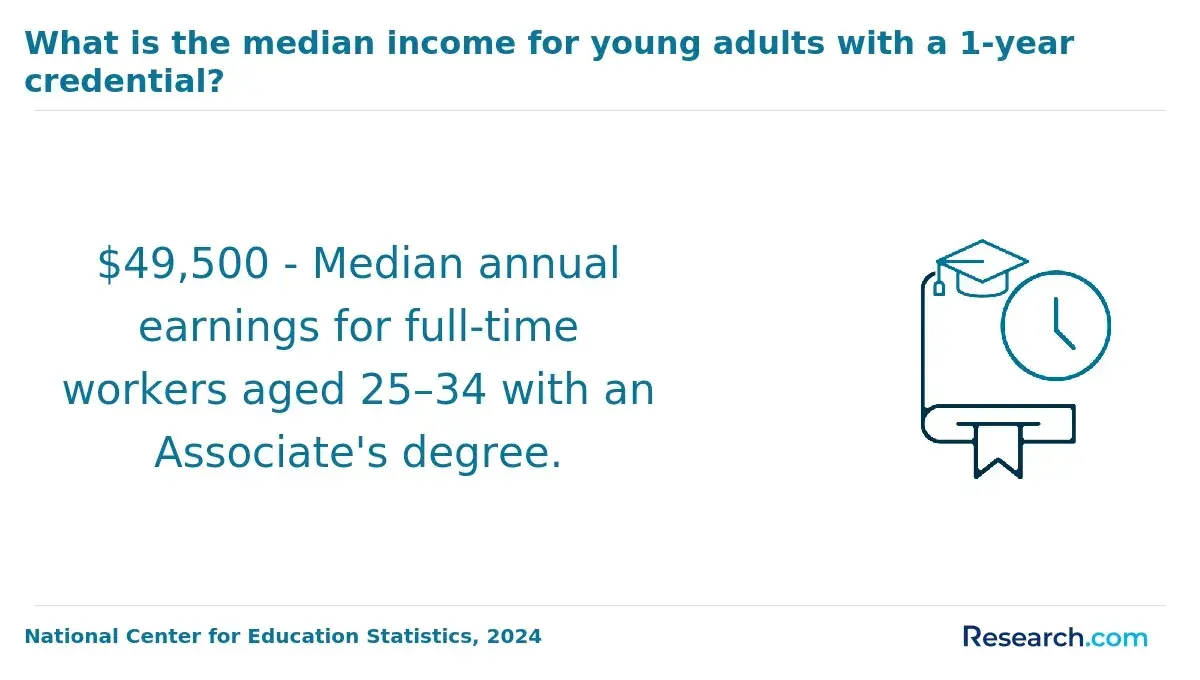
The unemployment rate for photography degree holders in certain career paths is notably lower than that of the broader college-educated workforce-approximately 1.3% compared to a national average near 2.5%. This gap translates into tangible benefits such as shorter durations of job searching, steadier income flow, and clearer upward mobility within their chosen fields.
- Unemployment Rate Comparison: Photography graduates tend to face comparatively lower formal unemployment, reflecting how specialized expertise can insulate against economic shifts.
- Underemployment Risks: A substantial portion of photography degree holders work in roles that do not fully leverage their education, which poses a hidden threat to earnings and career advancement beyond what official unemployment figures reveal.
- Data Variability: Due to smaller employment pools in specific photography niches, single-year unemployment rates can swing considerably-making it critical to interpret multi-year trends to better understand long-term job security.
- Strategic Focus: Concentrating on stable geographic markets, selecting in-demand specializations, and securing advanced certifications or graduate degrees have been linked to lowered underemployment and reduced periods of unemployment.
- Sector Influences: Automation, evolving media consumption habits, and gig economy dynamics continually reshape which photography roles offer the most resilient career prospects across different stages.
A professional who earned a photography degree shared his experience navigating this complex landscape.
"Immediately after graduating, I faced a tough period of uncertainty. While I wasn't unemployed for long, finding roles that truly matched my skillset took time. I had to be strategic—focusing on certifications and targeting metropolitan areas with steady demand. The process was stressful and required patience, but it eventually paid off with a stable position that fully values my training."
What Photography Specializations Are Most In-Demand Among Employers Right Now?
Employers concentrate demand within specific photography specializations, reflecting industry shifts and technological advances rather than equal opportunities across all fields. Analysis of Lightcast job postings, LinkedIn Talent Insights, and SHRM workforce data highlights these leading areas of employer interest-shaped by innovation, demographic trends, and ongoing skill shortages.
- Commercial Photography: E-commerce and digital advertising growth drive steady need for photographers skilled in product, lifestyle, and promotional imagery, supporting strong salary potential.
- Drone and Aerial Photography: Expanding use of drones across real estate, agriculture, and construction fuels demand for certified operators, bolstered by evolving regulations and industry adoption.
- Portrait and Event Photography: Milestone events such as weddings and graduations maintain consistent work volumes, with experienced specialists commanding premium rates despite market competition.
- Scientific and Medical Photography: Specialized expertise tied to research and healthcare documentation creates resilient demand less vulnerable to automation.
- Forensic Photography: Increasing reliance on digital evidence in law enforcement drives need for certified, highly trained photographers to meet regulatory requirements.
- Sports and Action Photography: Sustained media and live event coverage, especially in communities with active sports programs, ensures ongoing opportunities at varying pay levels.
Photographers exploring these in-demand photography career specializations in the US should corroborate employer interest by comparing practitioner salary data, professional association insights, and conducting targeted informational interviews in their desired geographic and sector-specific markets.
Aligning academic plans with market demand means focusing on technical skills and certifications—such as drone licenses or studio lighting proficiency—alongside internships with top industry employers to bolster credentials and long-term employability.
For those considering advanced study paths, researching the cheapest online doctorate options can further enhance career stability and growth potential.
Which Industries Employing Photography Graduates Offer the Greatest Job Security?
Industries providing the most consistent employment for photography graduates exhibit sustained demand, minimal layoffs, and positive long-term outlooks—attributes often linked to essential services, stringent regulations, or persistent skill shortages. Graduates focusing on sectors where their photography expertise is integral rather than supplemental enjoy enhanced job stability.
The following five industries stand out based on labor statistics and industry forecasts:
- Healthcare and Medical Imaging: This sector's growth stems from an aging population and advances in medical technology. Photography specialists contribute by producing accurate diagnostic images and maintaining compliance with privacy standards such as HIPAA.
- Tasks include capturing detailed clinical images and patient record documentation.
- Skills in advanced imaging technology and medical protocols are required.
- Positions typically reside within hospital radiology departments, embedding photographers in core patient care processes.
- Degrees emphasizing anatomy, clinical imaging, and data protection provide an advantage.
- Legal and Forensic Services: Photography here underpins criminal investigations and legal proceedings by providing irrefutable visual evidence. Demand is reinforced by legal mandates and the necessity for precise documentation.
- Core functions involve crime scene and evidence photography with strict chain-of-custody adherence.
- Expertise in forensic standards and specialized photographic techniques is essential.
- Roles often report to law enforcement or forensic consultancies, where photographs are critical investigative assets.
- Educational focus on legal evidence standards enhances candidacy.
- Scientific Research and Environmental Monitoring: Photographers document experiments, wildlife, and ecological changes with rigorous methodology required by research institutions and regulatory bodies.
- Responsibilities include producing imagery for analysis and public dissemination.
- Proficiency in macro, micro, and time-lapse photography aligned with scientific protocols is necessary.
- Work integrates closely with research teams to support study objectives.
- Specialized training in scientific imaging technology is advantageous.
- Corporate and Industrial Imaging: This field leverages photography for product documentation, quality assurance, and safety compliance in manufacturing and aerospace sectors.
- Duties cover detailed imagery for technical reports and hazard identification.
- Technical photographic skills and understanding of industrial standards are vital.
- Photographers commonly report to engineering or quality control divisions, making their role essential.
- Programs combining industrial applications with communication skills bolster employability.
- Education and Visual Communications: Academic and training institutions rely on photography to create instructional media and manage digital archives amid growing demand for remote learning resources.
- Involves developing educational content and supporting faculty visual needs.
- Skills include multimedia production and digital storytelling.
- Positions are embedded within educational departments and media centers.
- Certifications in instructional design and digital media enhance job prospects.
A professional who built her career post-graduation reflected on navigating these industries, emphasizing the importance of adaptability. Initially challenged by the highly regulated healthcare imaging environment, she found rigorous training and keen attention to protocol indispensable.
Over time, branching into educational content production allowed her to leverage technical skills creatively while ensuring steady employment. She described the experience as "a blend of technical precision and narrative craft" that required continuous learning.
This journey illustrates how diversifying expertise across stable sectors can mitigate career uncertainty and cultivate long-term security in an evolving job market.
How Do Government and Public-Sector Photography Roles Compare in Unemployment Risk?
Government and public-sector photography roles consistently show lower unemployment rates than their private-sector counterparts, as evidenced by data from the Bureau of Labor Statistics, the Office of Personnel Management, and the National Association of State Personnel Executives.
Factors such as civil service protections, union representation, and systematic furlough procedures contribute to this enhanced job security. Unlike private-sector layoffs, which often occur rapidly due to market volatility, public agencies typically implement workforce reductions with more advance notice and deliberate planning.
- Unemployment Rates: Photography professionals in public-sector positions benefit from reduced unemployment risks due to structured employment safeguards.
- Layoff Frequency: Layoffs within government entities tend to be less common and are generally linked to large-scale budget cuts rather than individual performance issues or sudden economic shifts.
- Federal agencies enforce strict regulations that limit position eliminations, especially protecting tenured staff.
- State and local government departments maintain considerable layoff buffers, although periodic vulnerability arises with funding changes.
- Quasi-governmental bodies and public universities exhibit employment stability akin to traditional government roles through similar civil service frameworks.
- Career Tenure: Public-sector photography employees often enjoy longer tenure aided by pension eligibility and progressive promotion policies, fostering durable career longevity.
- Employment Categories: Common government-related roles for photography graduates include positions in federal agencies like the Department of Interior, state and local government documentation services, public research institutions, and quasi-government organizations—each offering varying but generally stronger employment stability compared to private-sector jobs.
- Trade-Offs: Although public-sector photography roles usually start with lower salaries than private-sector alternatives, total compensation frequently surpasses them when accounting for pensions, comprehensive leave, and public service loan forgiveness programs, favoring risk-averse candidates seeking predictable long-term rewards.
- Risk Assessment Guidance: Photography graduates should carefully evaluate their risk tolerance and financial goals—while government jobs provide stability and longevity, private-sector positions might offer higher immediate earnings but greater income variability. Informed, deliberate choice rather than default assumptions is essential for optimizing career outcomes.
What Role Does Licensure or Certification Play in Protecting Photography Degree Holders From Unemployment?
Licensure and certification shape employment stability for photography degree holders by establishing exclusive professional standards that limit who may legally work in select photography fields. While most photography roles do not require a license by law, certain specializations—such as forensic photography and commercial drone operations—mandate government-issued credentials.
This mandatory licensing acts as a structural barrier to entry, restricting labor supply and reducing competition among credentialed professionals, which in turn lowers unemployment risk during economic downturns.
- Mandatory Licensure: Only a few photography positions demand legal licensing, but these roles benefit from controlled labor markets that maintain job security.
- For instance, commercial drone operators must hold FAA Part 107 certification in the United States.
- Forensic photographers often require employer-specific or state certifications that restrict access to qualified practitioners.
- Non-Mandatory Certifications: Credentials such as those offered by the Professional Photographers of America (PPA) or Adobe Certified Expert serve as practical hiring filters despite lacking legal necessity.
- These certifications highlight expertise and dedication, shrinking the competitive applicant pool and improving employment prospects.
- Economic Mechanism: Licensed roles limit qualified worker availability, preventing employers from replacing credential holders with uncredentialed candidates during recessions or automation-driven shifts. This ensures a stable demand floor for licensed photography professionals.
- Credential Acquisition Strategy: Photographers should focus on obtaining credentials that are either legally essential or widely recognized in the market.
- Prioritize mandatory or highly valued certifications aligned with intended specialties.
- Minimize pursuit of credentials that offer limited employment benefits relative to their cost and effort.
- Recent Trend: Employment for photographers is projected to grow 3% from 2022 to 2032, with credentialed specialists—particularly those certified in drone and forensic photography—expected to enjoy more stable demand amid broader market volatility.
How Does Geographic Location Affect Unemployment Risk for Photography Degree Graduates?
Geographic location greatly influences unemployment risk for photography degree graduates by shaping regional labor demand and industry concentration. Metropolitan areas, states, and regional labor markets with strong creative sectors and diverse economies show lower unemployment rates among photography professionals.
These areas typically include technology hubs, healthcare corridors, government employment centers, and financial services clusters that offer stable opportunities through industries like advertising, media production, medical imaging, and corporate communications—fields that regularly require photography skills.
This geographic impact on photography career employment rates makes some regions more resilient to economic volatility.
Conversely, regions with sparse employer density—often rural areas or metropolitan zones relying on limited industries—expose photography graduates to longer job search times and greater unemployment risk due to localized downturns. Lightcast regional demand analytics indicate some states sustain steady long-term demand exceeding the national average.
Remote work profoundly shifts this landscape. Photography roles compatible with remote work—such as digital editing, stock photography, and social media content creation—expand labor market access and reduce geographic unemployment risk.
Meanwhile, roles requiring physical presence, like studio photography or biomedical imaging, restrict geographic flexibility. Prospective and current professionals should assess whether their chosen specialization supports remote or hybrid work as a risk management strategy.
To conduct a geographic labor market analysis, candidates should utilize BLS metropolitan area data, LinkedIn job posting filters, and wage benchmarks to decide whether to stay local, relocate, or pursue remote-eligible photography career paths balancing unemployment risk and personal preferences.
Such strategies align closely with assessing the unemployment risk for photography degree graduates by region.
- Employment Concentration: Regions with higher photography employer density in technology hubs, healthcare corridors, and government centers provide more stable job markets.
- Economic Volatility: Limited industry diversity increases unemployment risk for photography graduates due to exposure to localized downturns.
- Remote Flexibility: Specializations permitting remote work reduce geographic unemployment risk by expanding accessible job markets.
- Labor Market Data: Leveraging BLS, LinkedIn, and wage benchmark tools informs decisions on geographic mobility and career planning.
- Recent Trend: Metropolitan areas with rapid growth in digital media—such as Austin and Seattle—show a 5% lower photography unemployment rate than the national average.
For those exploring complementary fields to enhance career stability, consider researching the best online paralegal programs, which have distinct labor market dynamics but share similar geographic risk considerations.
Which Photography Careers Are Most Vulnerable to Automation and Technological Disruption?
Careers in photography exhibit varied vulnerability to technological disruption—some are at high risk due to routine task content, while others remain resilient because of complex creative judgment.
Using frameworks from McKinsey Global Institute, Oxford Martin School, and MIT's Work of the Future, the most vulnerable photography careers to automation spotlight those heavily engaged in repetitive data processing, pattern recognition, and standardized decisions.
- Stock Photography Processing: Involving large-scale routine data management, image tagging, and categorization, this role faces high automation risk through machine learning systems able to handle metadata and image relevance efficiently, reducing the need for human oversight in licensing compliance.
- Event Photography Editing: Routine photo selection, basic retouching, and batch correction are increasingly handled by AI-powered tools and robotic process automation. While AI augments editors, entry-level positions focused on repetitive tasks are particularly exposed to displacement.
- Freelance Stock Contributors: Dependent on volume submissions of standard images, this group risks automation mostly through AI-generated synthetic content platforms, which may contract the traditional contributor market.
- Photography Studio Assistants: Roles dedicated to standardized client interaction, equipment setup, and scheduling are streamlined by automated workflow and AI-driven customer management, heightening displacement risk.
Conversely, photography careers emphasizing non-routine problem-solving—such as creative directors, documentary photographers, and specialists requiring nuanced interpersonal skills and ethical oversight—pose lower automation risk.
These roles demand originality, adaptive decision-making, and high domain expertise beyond current AI capabilities. Understanding technological disruption risks in photography jobs can help practitioners better anticipate career viability.
Students and professionals targeting positions exposed to automation should anticipate mid-career shifts aimed at managing or collaborating with automated systems rather than being displaced.
Building skills in technology integration, AI augmentation, and advanced creative expertise will be increasingly critical. These automation vulnerability assessments are probabilistic—affected by employer strategies, regulatory measures, technology maturity, and geographic market factors, emphasizing the need for adaptable career planning.
For those exploring pathways to qualify affordably while maximizing future-proof skills in photography, consulting lists of the cheapest online colleges can provide strategic academic options aligned with evolving industry demands.
How Does a Graduate Degree Reduce Unemployment Risk for Photography Degree Holders?
Graduate degrees substantially lower unemployment risk for photography degree holders by equipping them with advanced skills and credentials that stand out in a competitive labor market.
Data from Georgetown University's Center on Education and the Workforce combined with BLS statistics show graduate-level holders experience unemployment rates 2 to 4 percentage points below those with only bachelor's degrees—a difference that provides greater employment stability during economic downturns and industry changes.
Research from NACE highlights a salary premium tied to advanced degrees, with photography professionals holding master's or doctoral credentials earning 15% to 30% more than bachelor's graduates across their careers. This income lift often offsets the upfront financial and time commitments of graduate programs.
- Professional Master's Degrees: Licensure-focused programs-such as clinical, legal, or engineering master's-grant access to specialized and regulated roles where competition is limited, thereby reducing unemployment exposure.
- Research-Oriented Graduate Degrees: Master's and doctoral paths emphasizing research prepare graduates for academic and practitioner roles constrained by a small qualified applicant pool, enhancing job security.
- MBA Programs: These unlock leadership and management positions in creative and corporate sectors where photography bachelor's holders may face advancement limits.
Investment Considerations: The decision to pursue graduate study requires assessing:
- Cost: Tuition and fees often range from $20,000 to $60,000 per program.
- Duration: Full-time enrollment typically lasts 1 to 3 years.
- Opportunity Cost: Foregone earnings during study increase total investment.
Alternatives like professional certification, geographic relocation, or tailored skill specialization may deliver similar employment resilience with fewer resources. Evaluating these options alongside graduate education's benefits can help photography professionals optimize their long-term career stability.
What Entry-Level Photography Career Paths Offer the Fastest Route to Long-Term Job Stability?
Entry-level photography roles that lead to lasting career stability commonly exist within organizational structures that emphasize promotion and skill growth. Positions in commercial photography—often in advertising or media firms—benefit from firm retention policies and clear advancement tracks to senior photographer or creative roles, usually within 3 to 5 years.
These sectors encourage credential accumulation, which strengthens job security.
- Commercial Photography Technician: Employed by agencies or corporate marketing teams, this role offers steady demand for content creation and internal promotional opportunities.
- Career progression typically takes 3-5 years toward leadership or strategic positions.
- Retention practices favor professional development and long-term engagement.
- Studio Assistant Photographer: Found in fashion, portrait, or product photography studios, assistants develop versatile technical expertise valued industry-wide.
- Within 2-4 years, this role often leads to lead photographer or studio management roles.
- Robust professional networks formed help buffer economic downturns via freelance or contract projects.
- Photojournalist Intern: Early work with established media cultivates storytelling credentials and industry contacts vital for career durability.
- Despite high competition, permanent roles often yield extended retention and promotion.
- Securing bylines in major outlets over 3-6 years signals employment resilience.
- Industrial and Scientific Photographer: These roles—common in manufacturing, healthcare, and research—combine technical specialization with stable demand.
- Certifications boost employability, with advancement to senior or managerial roles expected within 4-7 years.
- Relative insulation from automation and market shifts supports ongoing employment.
- Wedding and Event Photography Assistant: Though often freelance-centered, engaging with established studios and event firms provides clearer career ladders.
- Contract continuity over 3-5 years frequently leads to lead photographer status and portfolio growth.
- Strong event markets, especially in metropolitan areas, reduce unemployment risk significantly.
Entry-level roles embedded in structured organizations, technical fields, and network-rich environments offer the best foundation for stable, mid-career advancement.
Assessing early opportunities based on employer retention, alumni career paths, and location-driven market conditions empowers photography graduates and professionals to build durable career equity amid shifting labor market dynamics.
What Graduates Say About the Photography Degree Careers With the Lowest Unemployment Risk
- Shane: "Choosing to specialize in commercial photography was a game-changer for me-this field consistently shows some of the lowest unemployment rates from entry-level through senior roles. Working primarily in urban markets like New York and Los Angeles has opened doors I didn't expect, especially because these cities have a high demand for credentialed visual storytellers. I always recommend pursuing certifications that emphasize digital editing and client management; these have kept me competitive no matter how the industry shifts."
- Emiliano: "Reflecting on my journey, I found that wedding and event photography offers remarkable career stability-especially when paired with a solid credential in advanced lighting techniques. Mid-career, I transitioned into destination photography, which expanded my geographic reach and resilience against unemployment fluctuations. The hands-on experience coupled with ongoing professional development truly made all the difference in my growth and job security."
- Samuel: "As a senior practitioner, I can confidently say that specializing in editorial photography within the publishing industry presents unique and reliable opportunities, particularly when based in well-established media hubs like London and Tokyo. Earning credentials focused on multimedia integration has helped me maintain relevance and demand. Looking back, I appreciate how this strategic combination of specialization, location, and certification minimized unemployment risks across all stages of my career."
Other Things You Should Know About Photography Degrees
The 10-year employment outlook for photography careers with the lowest unemployment risk shows moderate growth-especially in specialized fields like commercial, medical, and forensic photography. These sectors benefit from ongoing demand in industries that require visual documentation and evidence. However, general photography roles tied to traditional print media may face stagnation or decline due to digital transformation.
Mid-career roles in photography that are most in demand typically involve technical specialization and cross-disciplinary skills. Careers such as digital imaging specialists, photojournalists working in multimedia environments, and photographers with expertise in licensing and intellectual property protection tend to have stronger job security. Employers increasingly value photographers who combine creative talent with technical proficiency in areas like drone imaging or 3D visualization.
Freelance and self-employment in photography present a mixed impact on unemployment risk. While these paths offer greater autonomy and client diversity, they often come with income instability-especially early in a career. Building a robust client base, diversifying services, and obtaining professional certifications can mitigate these risks, but freelance photographers generally face higher variability in employment compared to salaried positions.
Photography careers can be sensitive to economic recessions, as individuals and businesses may cut back on non-essential services like photography. However, some areas, such as digital content creation and online marketing, continue to thrive, offering relative job security for photographers with digital and social media skills.
References
- What careers can you do with a Photography degree? | University for the Creative Arts https://www.uca.ac.uk/blogs/careers-with-a-photography-degree/
- The Impact of AI on Photography: 5 Jobs at Risk — FlashFilm Academy - Be Inspired. Be Creative. Be Profitable. https://flashfilmacademy.com/new-feed/the-impact-of-ai-on-photography-5-jobs-at-risk
- What role does a degree play in the field of photography? https://www.lcca.ac.uk/blog/education/what-role-does-a-degree-play-in-the-field-of-photography/
- 16 Photography Occupations That Make the Most Money -2025 Updated List | Freaktography https://freaktography.com/16-photography-occupations-that-make-the-most-money-2025-updated-list/
- Are College Graduates Unprepared As Photographers? https://fstoppers.com/business/are-college-graduates-unprepared-photographers-5308
- What's the Outlook for Photographer Jobs? | All Art Schools https://www.allartschools.com/photography/outlook-photography-jobs/
- 14 different photography career paths to consider - Horizon Found | Blog https://horizonfound.com/14-different-photography-styles/
- You Don't Need a Photography Degree to Succeed as a Photographer https://williambeem.com/photography-degree/
- Photography in the US Employment Statistics | IBISWorld https://www.ibisworld.com/united-states/employment/photography/1443/
- The State of Photography as a Career - NANPA https://nanpa.org/2018/11/12/the-state-of-photography-as-a-career/


