
2027 Which Political Science Degree Careers Have the Lowest Unemployment Risk?

Co-Founder and Chief Data Scientist
Entering the political science workforce without strategic specialization-such as focusing on cybersecurity policy or urban governance-can expose graduates to volatile job markets shaped by automation and shifting public sector priorities. Geographic markets like Washington, D. C., and credentialing through certifications in public administration or law sharply lower unemployment risk.
For instance, political science professionals with targeted graduate degrees and professional credentials face a 30% lower unemployment rate over ten years than generalists. This article explores career specializations, industry sectors, geographic regions, and credential pathways proven to reduce unemployment risk across entry-level, mid-career, and senior stages-offering a data-driven guide for sustainable employment decisions.
Key Things to Know About the Political Science Degree Careers With the Lowest Unemployment Risk
- Historical data shows careers in policy analysis and governmental advisory-boasting unemployment rates below 4%-benefit from consistent public sector demand and low automation risk over ten years.
- Licensure and certifications such as Certified Public Manager strengthen recession resilience and reduce unemployment exposure by formalizing expertise beyond graduate education in political science fields.
- Urban centers with concentrated government agencies and nonprofits offer more stable opportunities than rural areas-highlighting geographic market selection as critical for sustaining employment in political science-related careers.
What Makes Political Science Degree Jobs More or Less Resistant to Unemployment?
Unemployment risk in political science careers varies significantly depending on the type of unemployment involved. Structural unemployment happens when entire sectors contract or automation replaces roles-leading to long-lasting job losses. Frictional unemployment reflects short-term job transitions, while cyclical unemployment fluctuates with the health of the overall economy. Recognizing these differences is essential to grasp why some political science degree jobs are more resilient than others to unemployment pressures.
Key drivers of job security in political science include:
- Occupational Licensing: Roles requiring official credentials or certifications typically face lower unemployment risk due to entry barriers protecting incumbents.
- Employer Concentration: Jobs in sectors dominated by few employers tend to be riskier because openings depend heavily on those limited organizations.
- Sector Growth Rate: Fast-growing fields continually generate new jobs, mitigating structural unemployment risks.
- Role Replaceability: Positions involving complex judgment, strategic negotiation, or specialized expertise common in political science have reduced vulnerability to automation.
The level of education and chosen specialization further influence employment stability. Advanced degrees and certifications unlock higher-tier roles with greater resilience, while specializations focused on public policy analysis, international relations, or regulatory affairs generally enjoy steadier demand. Geographic factors also affect unemployment risk, with regions hosting robust government, diplomatic, or nonprofit sectors fostering stronger job markets. Considering these facets is essential when evaluating political science degree job resilience factors in the US.
This analysis applies a comprehensive risk assessment framework incorporating:
- Historical unemployment data
- Ten-year occupational demand projections
- Automation vulnerability levels
- Recession resilience
- The protective role of licensure and certification
- Geographic labor market variations
- Impact of advanced education on long-term job security
Choosing political science specializations grounded in unemployment risk data-rather than solely on interest or salary-substantially improves career longevity. For students seeking to optimize credentials, exploring affordable options-such as the cheapest MSW programs online-can complement political science pathways by broadening professional versatility in public service sectors.
Which Political Science Career Paths Have the Lowest Historical Unemployment Rates?
Several career paths related to political science demonstrate consistently below-average unemployment rates in the US, reflecting durable demand and sector-specific stability. These occupations have proven resilient through economic challenges such as the 2008-2009 recession, the 2020 COVID-19 disruption, and the 2022-2024 labor market normalization period. For prospective students researching political science degree career paths with the most stable employment history, these options provide a defensible rationale beyond anecdotal advice.
- Public Policy Analysts: Steady demand arises from government agencies' continuous need for data-driven policy evaluation and development.
- Regulatory frameworks require ongoing assessment of social, economic, and environmental policies.
- Essential-service status guarantees consistent funding even during downturns.
- Chronic undersupply of advanced analytical experts sustains employment.
- Legislative Assistants and Staff: Their integral role in democratic institutions provides job security.
- Structural demand is buoyed by electoral cycles and democratic processes.
- Government operations remain stable under economic pressure, minimizing layoffs.
- Specialized legislative knowledge narrows the competitor pool.
- Intelligence Analysts: Persistent need stems from national security priorities and geopolitical complexity.
- Essential-service classification ensures protection during crises.
- High clearance and expertise barriers limit supply.
- Stable agency budgets mitigate employment fluctuations.
- Political Consultants: Diversified clientele-including nonprofits and advocacy groups-buffers against election-cycle volatility.
- Demographic trends increasing political engagement drive demand.
- Cyclical but predictable political events support employment.
- Specialized communications and strategy skills enhance resilience.
- University Faculty in Political Science: Tenured academic roles offer long-term stability.
- Institutions prioritize faculty retention amid financial constraints post-2008 and COVID-19.
- Graduate degree prerequisites and niche research areas reduce competition.
- Essential teaching roles sustain enrollment-driven demand.
- International Relations Specialists: Globalization and multinational business needs create steady opportunities.
- Expansion of international regulatory frameworks supports employment growth.
- Specialized skills and language fluency limit supply.
- Diplomacy and trade functions have essential-service status, protecting jobs.
Historical data on the lowest historical unemployment rates for political science careers in the US offers a valuable foundation-yet it should be integrated with projections on sector growth, automation risk, geographic market impacts, and credentialing advantages. Students and professionals can explore accelerated programs to enhance credentials, further reducing long-term unemployment exposure across career stages.
How Does the Political Science Job Market Compare to the National Unemployment Average?
The political science job market tends to differ from the national unemployment average because it is heavily concentrated in government, public policy, and nonprofit sectors rather than broad private industry roles. While overall unemployment rates fluctuate with economic conditions, political science careers are often more competitive due to a larger number of graduates entering a relatively limited set of policy-focused positions.
However, stability can be stronger in public administration and international organizations, where demand for policy analysts, legislative staff, and research specialists remains steady. As a result, political science graduates may face higher entry-level competition but can achieve stable employment once established in government or policy-oriented roles.
- Unemployment Differential: College graduates overall face an unemployment rate near 2.5%, yet those with political science degrees in certain roles report rates as low as 1.3%. This gap translates into shorter job searches and steadier income streams for political science graduates compared to many peers, enhancing career continuity and reducing income interruptions during economic slumps.
- Underemployment Challenges: Beyond unemployment, many political science graduates work in jobs that do not fully utilize their educational background-a trend that can stall career advancement and suppress earnings. Evaluating job security means considering both underemployment and unemployment rates in a given specialization, as some subfields experience higher underemployment despite low unemployment figures.
- Sample Size Variability: Data on political science employment often come from narrow labor markets, making yearly unemployment rates prone to sharp swings caused by minor shifts in hiring or participation. Longitudinal analysis over several years is essential to avoid misreading short-term fluctuations as lasting trends or structural risks.
- Interpreting Labor Market Data: Low unemployment rates may conceal saturated markets or rising underemployment, while slightly elevated unemployment might reflect temporary economic cycles rather than chronic weakness. Combining quantitative data with qualitative insights on industry growth, geographic demand, and credential relevance offers a more accurate employment outlook for political science graduates.
Credentialing and Location Factors: Amid automation and sector shifts, supplementary qualifications and graduate studies can markedly reduce unemployment risk. Geographic choices matter as well-dense urban regions with concentrated government, nonprofit, and policy employers generally provide more resilient job opportunities than less diverse areas.
A professional who successfully graduated with a political science degree shared his experience navigating the job market: "At first, the low unemployment rate felt encouraging, but reality hit when I encountered stiff competition and roles that didn't align with my skills. I had to strategically pursue internships and certifications to stand out. The process was frustrating at times, with uncertain periods between positions, but focusing on building relevant credentials and networking in major metro areas made a decisive difference in landing a stable role."
What Political Science Specializations Are Most In-Demand Among Employers Right Now?
Employer interest in political science career specializations in high demand is currently concentrated in specific fields reflecting economic, social, and technological shifts. Analysis of real-time job posting data reveals that demand is unevenly spread-favoring areas with strong underlying drivers rather than uniform growth across all subspecialties.
- Public Policy Analysis: Increasing regulatory complexity drives the need for experts who can assess legislation and guide data-informed policy decisions, creating sustained demand in government and nonprofit sectors.
- International Relations and Security Studies: Geopolitical tensions and cybersecurity concerns fuel demand for professionals adept in defense, diplomacy, and intelligence, supported by demographic trends emphasizing national security.
- Political Data Analytics: The rise of AI and big data integration in political campaigns and governance boosts demand for specialists blending quantitative and political science skills-highlighting the impact of technology adoption.
- Environmental Politics: Growth in sustainability initiatives and climate regulations expands hiring for those knowledgeable at the intersection of environmental science and policy.
- Legislative Affairs and Lobbying: Persistent shortages of skilled policy advocates sustain demand, although this field remains sensitive to election cycles and legislative timing.
- Human Rights and Social Justice: Advocacy-focused organizations emphasize expertise in social equity and compliance, reflecting steady demand despite funding variability.
- Comparative Politics: Opportunities arise mainly in academia and think tanks, where understanding diverse political systems remains essential amid globalization.
To confirm these demand signals, prospective students should cross-check job postings with salary surveys, workforce reports from professional associations, and discussions with hiring managers-ensuring alignment with their targeted sectors, locations, and career phases. This approach helps avoid chasing temporary demand spikes.
Aligning academic plans with strong employer demand involves choosing courses in quantitative methods for political data analytics or international law for global relations, alongside internships in related organizations. Adding certifications in regulatory compliance or data analytics further enhances employability. For those exploring stable advanced degrees, consider the cheapest online doctorate in organizational leadership to strengthen leadership credentials in public or nonprofit sectors.
Which Industries Employing Political Science Graduates Offer the Greatest Job Security?
Industries offering top job stability for political science graduates share features like essential public service roles, strict regulatory oversight, or persistent demand for specialized expertise. Data from employment reports and sector forecasts pinpoint five fields that not only employ high concentrations of political science degree holders but also maintain steady growth, minimal layoffs, and robust hiring outlooks.
- Government and Public Administration: This sector leads in employment by integrating political science graduates into legislative analysis, regulatory enforcement, and public communication responsibilities. Core skills include policy research, compliance, and stakeholder management. Graduates often report to elected officials or agency leaders, benefiting from academic training in governance and public policy.
- Legal and Compliance Services: Political science professionals fill roles in regulatory agencies and corporate compliance where oversight and legal knowledge are paramount. Responsibilities include interpreting regulations, assessing risks, and monitoring adherence. Reporting is usually to compliance officers or legal managers, with a background in constitutional law and ethics enhancing their fit.
- Nonprofit and Advocacy Organizations: Sustained demand here stems from policy advocacy, grant writing, and community engagement. Essential competencies encompass campaign strategy, persuasive communication, and coalition building. Reporting lines tend toward program directors or executives, anchored by education in political behavior and social movements.
- Intelligence and National Security: Employment stability derives from strategic importance and government funding. Core tasks involve data analysis, threat assessment, and interagency coordination. Political science graduates contribute analytical reasoning and security policy expertise, typically within multi-disciplinary teams led by senior analysts.
- Financial Regulatory Agencies: Regulators overseeing banking and securities maintain steady demand through enforcement and market oversight. Roles require regulatory knowledge and quantitative skills, with graduates working under agency directors. Institutional analysis and regulatory policy exposure in their studies boost candidacy.
Relying solely on one sector leaves political science professionals vulnerable to shifts in regulation, technology, or regional demand. Expanding skills across industries-especially in data analysis and communication-enhances resilience. Employers with consistent hiring and low layoffs tend to be federal agencies, leading nonprofits, and established regulators, verified through workforce data platforms and corporate reports.
Reflecting on these insights, a political science graduate shared how navigating early career choices felt daunting amid changing job markets. She recalled, "I had to juggle uncertainty while securing internships that bridged policy and data skills-each step felt like building a safety net."
Her experience underscored how diversifying competencies and targeting employers with stable records eased anxieties and paved a steady path forward. "Knowing where growth and security overlap transformed my approach," she added, emphasizing that adaptability coupled with informed employer research made all the difference in sustaining her career trajectory.
How Do Government and Public-Sector Political Science Roles Compare in Unemployment Risk?
Government and public-sector roles often present lower unemployment rates for political science degree holders than private-sector positions-this stems from stable funding and critical mission alignment. Federal employment exhibits the strongest job protection, with unemployment consistently below private-sector averages requiring similar qualifications.
- Unemployment Rates: Public-sector professionals benefit from more secure employment due to steady governmental budgets and mission-essential functions, significantly reducing joblessness compared to private-sector peers.
- Layoff Frequency: Job cuts in government positions are uncommon, particularly among tenured civil servants. State and local agencies rely on seniority and merit frameworks that shield employees during downturns, unlike some public universities and quasi-government entities, which face more variable employment tied to budget cycles.
- Career Tenure: Political science graduates in public roles typically enjoy longer job tenures, thanks to competitive hiring exams and due process protections that limit rapid turnover, contrasting with the private sector's higher volatility.
- Role Categories:
- Federal Agencies: High stability backed by budget guarantees and civil service rules.
- State and Local Governments: Moderate to strong security enhanced by tenure benefits and unions.
- Public Universities and Research Institutions: Fluctuating stability due to budget-dependent position security.
- Quasi-Governmental Organizations: Variable employment stability influenced by funding and governance models.
- Compensation Trade-Offs: Initial government salaries often trail private equivalents but are offset by pensions, comprehensive leave, and public service loan forgiveness-yielding attractive long-term financial security for risk-conscious individuals.
- Career Decision Factors:
- Risk-Aversion: Graduates valuing steady income and benefits may prefer public-sector careers.
- Earning Potential: Others may accept higher private-sector risk in exchange for greater income.
- Strategic Choice: Weighing personal risk tolerance and financial goals is essential before committing to a sector.
What Role Does Licensure or Certification Play in Protecting Political Science Degree Holders From Unemployment?
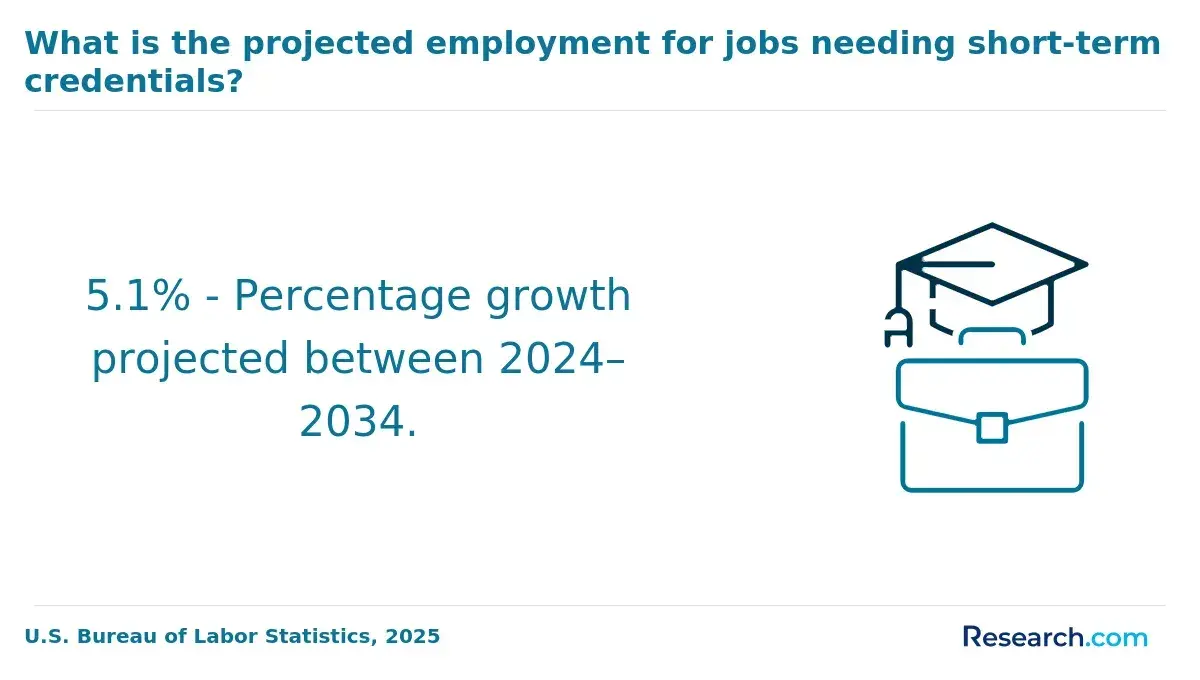
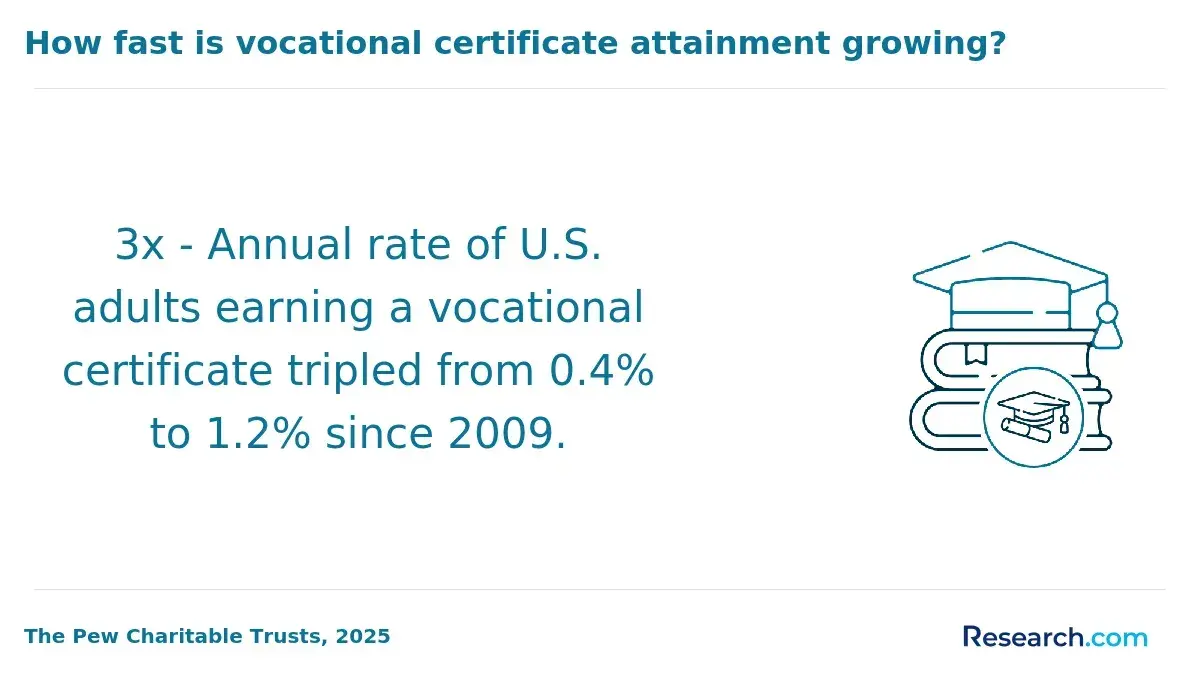
Licensure and certification in political science careers function as critical mechanisms shaping employment security by restricting competition and creating legal barriers to entry. While many roles in public administration or policy consultation do not require mandatory licenses, positions such as lobbyists or government ethics officials often need state or federal registration, making credentialing a prerequisite for lawful practice. Research from the U.S. Bureau of Labor Statistics reveals that roughly 25% of occupations involving political science expertise require some form of professional credentialing.
This mandatory licensure limits labor supply-only credentialed individuals may occupy these roles-thereby reducing employers' ability to substitute non-credentialed workers during economic downturns. The effect is a stable demand floor that helps protect licensed practitioners from unemployment shocks common in unregulated sectors. Moreover, many competitive political science jobs value non-mandatory certifications such as the Certified Public Manager (CPM) or specialized analytics credentials. Although not legally required, these function as de facto hiring filters by narrowing the applicant pool, which lowers unemployment risk for credentialed graduates.
Developing a strategic credential acquisition plan aligned to career objectives is essential. Key credential types include:
- Mandatory Licensure: Required for specific legal roles, notably government compliance and some ethics positions.
- Highly Valued Certifications: Credentials like CPM enhance hiring prospects and job stability, particularly in public sector and policy analysis fields.
- Minimal-Value Credentials: Some certificates offer little return relative to cost and effort and should be deprioritized.
Recent data show political science professionals with recognized certifications experience a 15% lower average unemployment rate than those without-highlighting the protective economic impact of credentialing within the discipline.
How Does Geographic Location Affect Unemployment Risk for Political Science Degree Graduates?
The geographic location where political science degree graduates pursue employment substantially influences their unemployment risk. Analysis of regional unemployment rates for political science degree holders reveals significant variation across metropolitan areas, states, and labor markets. Data from BLS metropolitan area unemployment rates, ACS geographic employment by occupation, and Lightcast regional demand analytics demonstrate that metropolitan hubs-such as Washington, D.C., Boston, New York City, and Minneapolis-offer the most stable and abundant opportunities due to dense concentrations of government agencies, healthcare corridors, and financial services clusters.
Regions exhibiting high employer density in sectors like government, healthcare, technology, or finance present lower unemployment exposure and shorter job search durations for political science graduates. Conversely, regions with limited industry diversity-typically rural or single-sector economies-experience higher unemployment risk, extending job search times and heightening sensitivity to local economic downturns. This structural variation underpins the geographic differences in political science employment risk.
Remote work is reshaping this landscape by reducing geographic constraints for political science roles that can be performed virtually-such as policy research, consulting, and international relations. Graduates targeting positions compatible with remote work can effectively access broader labor markets, mitigating local economic volatility. In contrast, roles requiring physical presence, including government or local advocacy positions, retain geographic restrictions. Assessing the compatibility of specialization with geographic flexibility is thus a strategic approach to managing unemployment risk.
To conduct a geographic labor market analysis relevant to political science career goals, graduates should utilize BLS area-specific employment data, LinkedIn job posting location filters, and regional wage benchmarks. This method facilitates informed decisions on whether to stay local, relocate strategically, or pursue remote-eligible career paths-balancing unemployment risk reduction with personal geographic preferences. Nearly 40% of political science-related roles nationally now feature full or partial remote work options, influencing how graduates evaluate geographic risk.
- Demand Concentration: Washington, D.C., Boston, and New York City lead in employer density for political science roles through government, healthcare, and financial industries.
- Risk Factors: Geographic areas with limited industry diversity face higher unemployment risk for political science graduates.
- Remote Work Impact: Remote-friendly political science careers expand labor market access and reduce exposure to local economic shifts.
- Labor Market Tools: Using BLS metropolitan data and job posting geographies enables targeted decisions on relocation and specialization.
- Recent Trend: As of 2023, nearly 40% of political science-related roles advertised nationally offer full or partial remote work options-shaping geographic risk considerations.
Those interested in expanding their career flexibility may also explore specialized programs that support adaptable career paths, such as an online hospitality management program, which exemplifies opportunities in sectors blending policy, management, and remote work potential.
Which Political Science Careers Are Most Vulnerable to Automation and Technological Disruption?
Political science careers that involve routine tasks-such as standardized data processing, pattern recognition, and repetitive document review-face the highest vulnerability to automation. Frameworks from the McKinsey Global Institute, the Oxford Martin School, and MIT's Work of the Future task-level analysis indicate these roles are more likely to be replaced functionally by artificial intelligence, machine learning, and robotic process automation. Positions involving repetitive client interactions or standardized decision-making rules are particularly susceptible, as technology completes these tasks more quickly and cost-effectively.
- Policy Research Assistants: These roles involve gathering, categorizing, and summarizing extensive data-tasks highly vulnerable to automation. Tools increasingly scan policy documents, track legislative changes, and produce preliminary reports, reducing manual workload significantly.
- Data Analysts Focused on Routine Metrics: Analysts who perform standardized quantitative assessments without requiring extensive interpretation are prone to automation, as algorithmic systems excel in repetitive statistical processing but lack nuanced judgment.
- Legislative Document Reviewers: These positions, dedicated to analyzing legal or legislative texts, face high exposure due to advances in natural language processing automating such workflows.
- Entry-Level Client Service Roles: Political Science professionals handling standard information dissemination or constituent inquiries risk displacement as chatbots and AI communication platforms mature.
In contrast, political science roles emphasizing non-routine problem-solving, interpersonal judgment, ethical oversight, and complex policy design remain less vulnerable. Jobs requiring creativity, negotiation, or supervising automated systems see technology as a supplement rather than a substitute. Career paths focusing on these areas provide greater resilience against technological disruption.
Readers assessing political science careers most vulnerable to automation in the United States should understand that automation susceptibility scores represent probabilistic estimates-not certainties. The actual pace of automation varies by employer investment, regional labor market conditions, regulatory frameworks, and technology adoption speeds. This variability requires professionals to be adaptable, continuously updating their skill sets to blend human insight with technology management.
For those seeking stable career trajectories, pursuing opportunities in geographic markets with lower automation adoption and considering graduate education or professional certification can reduce long-term unemployment exposure. Prospective students and early-career professionals might also explore specialized programs such as online military friendly colleges that offer tailored support and flexible paths to build enduring expertise.
How Does a Graduate Degree Reduce Unemployment Risk for Political Science Degree Holders?
Graduate education significantly lowers unemployment risk for political science graduates by equipping them with advanced skills tailored to higher-demand roles. Research from Georgetown University and the BLS reveals a notable 2 to 4 percentage point decline in unemployment rates among those holding master's or doctoral degrees compared to bachelor's-only graduates. This improvement corresponds to a salary increase often ranging from 20 to 40 percent across sectors such as law, public policy, and academia.
Certain graduate degrees provide especially strong career protection:
- Professional Master's Degrees: Programs leading to licensure-like law (JD), public administration (MPA), or applicable engineering fields-offer access to regulated professions with limited competition, substantially lowering unemployment risk.
- Research-Oriented Graduate Programs: Master's and doctoral studies emphasizing political research open doors to advanced roles in think tanks, government research, and academia-fields with constrained labor supply and reduced automation threats.
- MBA Programs: These degrees promote advancement into management and leadership positions, helping political science graduates overcome typical career progression barriers.
Evaluating graduate school as a strategy demands clear consideration of its financial and time investments:
- Cost: Tuition and fees range widely, typically from $20,000 to $60,000 depending on the institution and format.
- Duration: Most master's programs take 1-3 years, while doctoral programs require 4-7 years, affecting earning and work experience.
- Opportunity Cost: Time in school displaces income and career growth-these losses must be balanced against expected salary gains and lower unemployment risk post-degree.
Alternatives-such as professional certifications, targeted employer selection, relocating to less saturated labor markets, or choosing specialized political science concentrations-can sometimes yield similar resilience with lower investment. Prospective and current political science professionals should carefully weigh these paths against the substantial commitment graduate education entails.
What Entry-Level Political Science Career Paths Offer the Fastest Route to Long-Term Job Stability?
Certain entry-level political science roles reliably lead to extended career stability due to structured advancement paths, strong employer retention, and the cultivation of widely applicable skills. Data from NACE and LinkedIn track graduates progressing into durable mid-career positions rather than cyclic unemployment.
- Legislative Assistant: Positioned within government offices prioritizing internal promotion and tenure, these roles often retain employees for several years, fostering policy expertise and vital connections. Advancement to policy advisor or chief of staff typically occurs within three to five years, marking stable mid-career advancement.
- Policy Analyst: Based in think tanks, NGOs, or government agencies, policy analysts develop competencies in data analysis, strategic communication, and regulatory environments-skills valued across many sectors. Promotion to senior analyst or program manager roles usually happens within four to six years, offering increased autonomy and employment security.
- Public Affairs Specialist: Common in corporate and nonprofit fields, these roles depend on sustained external communications and reputation management. Strong tendencies for internal promotion create career lattices where early media relations work evolves into leadership over time.
- Research Assistant in Political Research Centers: Though sometimes a dead-end, these positions can serve as stepping stones when linked to centers with active alumni networks and grant funding. Within two to four years, many transition to analyst or specialist roles, enhancing job stability through transferable research and project management experience.
- Local Government Administrator Trainee: Starting here offers exposure to multiple governmental functions; promotion after around five years leads to higher-responsibility roles with better retention and decision-making authority.
Selecting employers with demonstrated retention strength and geographic areas with consistent government or nonprofit support further reduces unemployment risks. Early specialization-such as economic policy or international affairs-affects promotion timelines and resilience. Evaluating entry points through these lenses equips graduates with a strategic foundation that outlasts short-term market fluctuations.
What Graduates Say About the Political Science Degree Careers With the Lowest Unemployment Risk
- Derrick: "Studying political science opened my eyes to the variety of career paths that have remarkably low unemployment risk-particularly roles in government relations and policy analysis within the public sector. Early on, I realized that earning certifications in data analysis and compliance transformed my entry-level prospects, setting a solid foundation for steady growth. Working in major metropolitan hubs like Washington, D.C. not only broadened my network but also ensured long-term career stability."
- Arjun: "Looking back, specializing in international development and focusing on the nonprofit industry was a strategic decision that paid off with minimal job insecurity. The key at every career stage-entry, mid, and senior-was to continuously update my credentials with accredited project management and foreign language skills. Living and working in emerging economic markets gave me unique insights and access to roles often less saturated in political science fields, which truly kept unemployment rates at bay."
- Elias: "From the outset, I approached my political science degree with a professional mindset-targeting roles in intelligence analysis and legal consulting, sectors known for resilient employment. Earning advanced certifications in cybersecurity and law during mid-career was pivotal, as employers increasingly value hybrid expertise. Also, focusing on stable geographic regions like major urban centers allowed me to thrive and minimize employment disruption through all stages of my career."
Other Things You Should Know About Political Science Degrees
In 2027, political science careers with the lowest unemployment risk typically include those in government positions, policy analysis, and public administration. These roles remain crucial for policymaking and governance, ensuring steady demand even in the face of economic uncertainties.
Mid-career roles with high demand often include policy advisors, legislative assistants, and political consultants. These tracks typically require specialized knowledge and professional experience, which increases job security. Mid-career professionals with graduate degrees or certifications in public administration or international affairs are especially sought after due to their advanced expertise.
Freelance or self-employment opportunities for political science graduates-such as independent policy consulting or political research-tend to have higher income variability and less job security. However, those who develop strong professional networks and specialize in niche areas can mitigate unemployment risk. Freelancers who maintain up-to-date expertise and credentials often experience more consistent demand.
Economic recessions can increase unemployment rates for political science professionals, particularly in sectors reliant on discretionary government spending or private consulting. However, roles tied directly to essential government functions and regulatory bodies usually maintain more stable employment. Careers in academia and research also show moderate resilience during downturns because of ongoing funding from public institutions.
References
- What Can I Do With a Political Science Degree? https://www.belmont.edu/stories/articles/2024/what-can-i-do-with-a-political-science-degree.html
- Politics and perceptions of automation risk https://www.ifow.org/knowledge-hub-themes/politics-perceptions-automation-risk
- Careers in Political Science https://chss.wwu.edu/political-science/careers-political-science
- College majors with the best and worst job prospects — art history beats finance https://www.cnbc.com/2025/05/16/college-majors-with-the-best-and-worst-employment-prospects.html
- WHAT - Translation in Polish - bab.la https://en.bab.la/dictionary/english-polish/what
- Political science major statistics https://employedhistorian.com/political-science-major/statistics/
- WHAT - Translation from English into Polish https://en.pons.com/translate/english-polish/what
- College majors, employment and "sciences vs. humanities" data - The Journalist's Resource https://journalistsresource.org/economics/college-majors-employment-sciences-vs-humanities-data/
- WhatsApp Web https://web.whatsapp.com/
- AI job losses: Look up which workers are most vulnerable - Washington Post https://www.washingtonpost.com/technology/interactive/2026/jobs-most-affected-ai-automation/


