
2027 Which Public Administration Degree Careers Offer the Best Work-Life Balance?

Co-Founder and Chief Data Scientist
Choosing a career within public administration that supports a healthy work-life balance presents a unique challenge. Many roles demand long hours or high-pressure environments, yet emerging data reveals that over 42% of public administration professionals report flexible scheduling options, contributing significantly to improved personal well-being.
Particularly, positions in local government and nonprofit management tend to offer more predictable hours compared to federal agencies. As more students and professionals prioritize quality of life alongside career advancement, understanding which public administration paths align with these goals becomes critical.
This article explores various public administration careers with the best work-life balance to guide informed decision-making.
Key Points About Public Administration Careers With Good Work-Life Balance
- City planners show strong work-life balance due to predictable hours, with median salaries around $77,000 and moderate job growth; stress scores are lower than average among public administration careers.
- Budget analysts experience high job satisfaction and retention, earning approximately $79,000 annually, and employment growth driven by increasing governmental fiscal oversight.
- Human resources managers in public administration report lower burnout levels, steady career growth, with salaries near $121,000, reflecting their pivotal role in organizational work-life initiatives.
Is working in the Public Administration industry demanding?
Careers in public administration often involve considerable challenges that increase job demands. Professionals must make important decisions with wide-reaching impacts on communities and government functions, contributing to a high-pressure environment.
Additionally, navigating intricate legal rules and regulatory requirements calls for precise attention to detail and ongoing education. These complexities add to the technical and mental load essential for effective performance.
The sector also experiences rapid changes due to policy updates or emergencies that require quick action and extended work hours. Such stressors lead to a higher incidence of burnout compared to other fields, with research indicating about 42% of public administration workers face moderate to severe burnout, mostly due to intense workloads and public oversight.
Common difficulties include balancing competing stakeholder interests within tight deadlines, adapting to shifting regulations, managing transparency while protecting sensitive information, and upholding ethical standards amid public accountability. These factors collectively make pursuing a career in public administration more demanding than it may initially appear.
When discussing these realities, a public administration professional who completed an online bachelor's program shared his experience. He described frequent pressure from urgent project timelines and the necessity to constantly update knowledge as challenging aspects. "It's not just about managing tasks but anticipating changes and staying aligned with complex policies," he explained.
He also mentioned the emotional toll of public scrutiny and the need to maintain integrity under such conditions. Despite this, he emphasized that developing strong organizational skills and a support network proved crucial in managing stress and maintaining focus on long-term goals.
Which Public Administration careers are known to offer the best work-life balance?
Several career paths within public administration are known to offer a strong work-life balance, with flexibility and predictable hours being key factors.
For instance, a 2025 survey found that 68% of urban planners rated their job satisfaction highly due to manageable workloads and consistent schedules.
Below are five top public administration jobs with flexible work schedules that provide an excellent balance between professional and personal life.
- Urban planner: Urban planners typically work a standard 40-hour week with many opportunities for remote work or flexible scheduling. Their manageable workloads and predictable hours make this role desirable for those seeking stability and work-life harmony.
- Budget analyst: Often employed by government agencies, budget analysts enjoy consistent work hours and rarely face overtime. Their role involves analyzing financial plans, which generally comes without high-pressure deadlines, fostering low stress and strong retention rates.
- Public policy analyst: These professionals conduct research and policy evaluations, usually within regular office hours. Many agencies support remote or hybrid working models, contributing to high job satisfaction and flexibility in work locations.
- Human resources specialist: HR specialists in public administration focus on recruitment, training, and employee relations. They often work standard office hours without weekend shifts, allowing for stable employment and moderate stress compared to frontline administrative roles.
- Administrative services manager: Responsible for coordinating support services and facilities management, these managers benefit from clear separation between work and personal life. Their turnover rate is 15% lower than average public administration jobs due to moderate overtime demands and flexible policies.
If you are considering a career path in public administration, it's helpful to explore educational options that support flexible and rewarding employment. For those interested in emerging fields with strong future prospects, an online AI degree can offer valuable skills to complement your public administration career.
These career options highlight some of the best government public administration careers for work-life balance, making them attractive choices for students and professionals prioritizing flexibility and long-term satisfaction.
Are there non-traditional careers for Public Administration professionals that offer better flexibility?
Graduates and professionals with a degree in public administration possess a versatile skill set that enables them to transition successfully into non-traditional or emerging sectors.
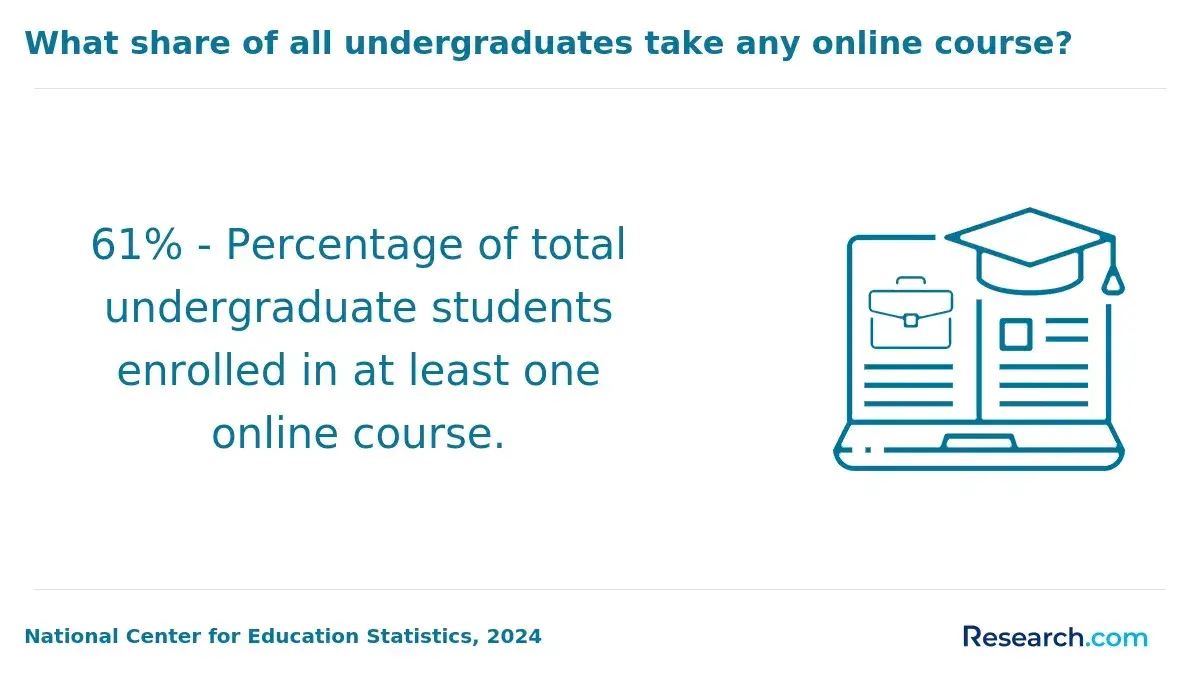
These diverse skills in policy analysis, organizational strategy, and management open doors to careers offering increased flexibility and improved work-life balance. In fact, 62% of public administration graduates working in alternative sectors report their work-life balance as "good" or "excellent," highlighting the appeal of these options.
Below are several viable alternatives that combine flexibility with meaningful work.
- Consulting: Consulting for private firms or nonprofit organizations allows public administration experts to advise on organizational efficiency, regulatory compliance, or grant management. This role often provides remote work opportunities and autonomy over client selection, supporting better time management.
- Corporate Social Responsibility: Specializing in corporate social responsibility within private corporations blends policy expertise with business goals to foster sustainable practices. Positions in this area typically emphasize flexible hours and prioritize employee wellbeing, making them appealing for those seeking better work-life balance.
- Project Management: Managing projects in technology or healthcare sectors suits public administration graduates who enjoy coordinating stakeholders and improving processes. These roles often come with clearer timelines and defined outcomes, helping professionals maintain balanced work commitments.
- Higher Education Administration: Careers in academic advising or higher education administration leverage skills in budget oversight and program development. These roles usually feature regular schedules and strong institutional support, offering stability and work-life balance.
For students exploring these options, considering related programs such as a masters psychology online can also enhance understanding of human behavior and organizational dynamics, complementing a career in public administration. Exploring alternative public administration career paths offering work-life balance can lead to fulfilling professional and personal lives.
What is the typical work schedule for Public Administration careers?
Professionals in public administration typically follow a weekday schedule similar to a 9-to-5 routine, working about 40 hours per week from Monday to Friday.
While most roles fit within these standard hours, some positions, especially at higher levels, may require additional time beyond the usual workday. This can include evenings or weekends, particularly when managing urgent projects or navigating peak periods like budget season.
Though overtime is sometimes necessary, many public administration jobs allow workloads to be managed within regular hours. Flexible scheduling is becoming increasingly common, with nearly 70% of employees reporting options for remote work or adjusted hours.
This flexibility helps maintain a healthier balance between professional duties and personal life, reducing the strain caused by unpredictable work demands.
Overall, public administration roles often provide more predictable hours and generous leave policies compared to private-sector jobs. Departments may vary, but many offer compressed workweeks or seasonal adjustments that allow employees to protect their personal time while meeting organizational needs.
What responsibilities do Public Administration careers usually entail?
The responsibilities in public administration roles often shape the daily pace and intensity of work, substantially influencing overall work-life balance. Approximately 62% of professionals in these careers spend nearly half their workweek attending meetings and collaborating with others.
Below are key duties that typically define public administration career responsibilities and work schedules, illustrating how they impact workload and time management.
- Policy Analysis: Involves detailed evaluation of public policies and programs, requiring sustained focus and critical thinking. This complex, high-concentration work often demands uninterrupted time blocks, which can both challenge and reward practitioners.
- Budgeting and Resource Allocation: Managing financial plans and distributing resources across departments or projects requires analytical precision and strategic oversight. It is a demanding task that impacts the effectiveness of public services.
- Administrative Coordination: Entails routine communication, scheduling, and facilitating cross-department collaboration. Often repetitive, this work is essential but can consume significant time with less mental strain.
- Crisis Management: Responding to emergencies and unforeseen issues necessitates adaptability and prompt decision-making. These unpredictable responsibilities can increase stress but also provide dynamic problem-solving opportunities.
These typical duties in public administration jobs demonstrate the blend of strategic and operational tasks that professionals must juggle. Roles offering more autonomy and project-based work are generally linked with better work-life balance.
Students considering careers in this field may benefit from programs that prepare them for these varied demands, such as an online MS data science, which equips them with analytical skills relevant to modern public administration challenges.
Are there remote or hybrid work opportunities for Public Administration careers?
Remote and hybrid work options are increasingly present in public administration roles, with around 42% of professionals reporting access to hybrid arrangements. These flexible setups are more frequent in local government agencies compared to federal ones, often enhancing work-life balance by cutting down on commute times and allowing more control over daily schedules.
Positions involving policy analysis, grant oversight, and administrative tasks are well-suited to remote or hybrid work since they depend heavily on digital communication and data management.
However, roles requiring direct community interaction, on-site inspections, or tightly controlled access to sensitive information face greater obstacles in adopting these models due to security and operational needs.
Challenges associated with remote work include the blurring of boundaries between home and work life, which can negatively impact overall well-being if not properly addressed. Agencies that establish clear policies and invest in reliable technology infrastructure tend to see better employee satisfaction and sustained productivity.
Public administration professionals considering remote or hybrid roles should weigh the benefits of flexibility against the specific demands of their positions. Adapting to these work models depends largely on job function and agency resources, which influence whether remote work can realistically support a healthy work-life balance.
Is the potential income worth the demands of Public Administration careers?
Public administration graduates typically start with median annual salaries around $75,000, progressing to mid-career earnings often above $90,000. These figures align well with education costs, which average about $40,000 for relevant bachelor's or master's degrees.
Many find this a reasonable return on investment, especially in specialized roles such as municipal management and policy analysis where workload demands tend to be balanced with quality of life considerations.
Financial benefits in public administration often extend beyond salary to include comprehensive health insurance, pension plans, and retirement contributions. According to a recent labor market report, approximately 40% of public administration roles offer flexible working arrangements, a key factor enhancing work-life balance.
While higher-level positions may require longer hours, many mid-level and specialized jobs provide a favorable balance between income and manageable workloads, making the career path worthwhile for professionals who value both financial stability and personal time.
Ultimately, the potential income and benefits can justify the demands of a public administration career, particularly when job flexibility and stability are prioritized over long hours. These factors contribute significantly to work-life balance in the long term, allowing professionals to align their career ambitions with personal well-being.
Is the cognitive labor of Public Administration careers sustainable over a 40-year trajectory?
Professions in public administration often demand sustained mental effort due to the complex decision-making, policy evaluations, and stakeholder communications involved.
Over a 40-year career, this continuous cognitive pressure can impact professionals differently depending on the structure of their roles and available support systems. Those working in well-organized environments with clear guidelines tend to manage their mental workload more effectively, preserving focus and adaptability.
However, cognitive challenges such as mental fatigue and high-pressure crisis management frequently lead to shifts in career paths within public administration. Many transition to consulting, academic roles, or less demanding administrative positions after 15 to 25 years, seeking better work-life balance.
Jobs that offer flexibility and limit intense crisis responses foster improved long-term cognitive endurance, making it possible for many to sustain their careers up to retirement.
When asked about the sustainability of cognitive labor over a public administration career, a seasoned professional shared that maintaining mental stamina requires ongoing adjustment. He noted, "The early years were the toughest, juggling constant urgent matters while learning complex systems."
Over time, he found that setting boundaries and prioritizing tasks helped reduce stress. "It's not just about intellect but also emotional resilience and knowing when to step back," he explained, highlighting the emotional toll alongside cognitive demands.
How can aspiring Public Administration professionals negotiate for better work-life balance?
The initial job offer is the prime opportunity to set clear work-life boundaries in public administration careers. Studies show that approximately 70% of public administration employers are open to discussing flexible work arrangements, making this a key moment for negotiation.
Below are effective strategies to help you negotiate better work-life balance.
- Highlight Flexible Work Benefits: Emphasize how telecommuting or compressed workweeks can enhance productivity and decrease employee burnout. Positioning flexibility as a way to improve agency efficiency directly appeals to performance-focused employers.
- Focus on Outcome-Based Goals: Suggest shifting the focus from fixed hours to clear, measurable outcomes. Demonstrating commitment to key performance indicators rather than strict schedules aligns your flexibility with the agency's accountability standards.
- Propose Phased Return Schedules: Request part-time or gradual return-to-work plans after intensive project phases. This approach can reduce burnout and increase retention, which many agencies value highly.
- Integrate Professional Growth: Offer to tie flexible hours with ongoing professional development, such as training during low-demand periods. This reinforces your dedication to the organization's mission while supporting work-life balance.
Carefully applying these negotiation techniques can enhance your career satisfaction and effectiveness. For guidance on additional educational pathways that support adaptable careers, consider exploring resources like online real estate classes to broaden your skill set.
What should aspiring Public Administration professionals look for in an employer to ensure a balanced lifestyle?
Beyond selecting public administration careers that offer flexibility, aspiring professionals should carefully consider the organizational culture of their prospective employers, as it strongly influences long-term work-life balance.
Below are key employer characteristics to evaluate for a balanced lifestyle.
- Flexible Work Arrangements: Look for employers offering remote work options or adjustable hours. Flexible scheduling is a vital green flag, as 68% of public administration employees report higher job satisfaction with such arrangements. Asking about telecommuting policies during interviews can provide clarity.
- Workload Management: Employers who actively monitor workloads and take steps to minimize overtime help prevent burnout. Candidates should inquire how tasks are distributed and what measures exist to avoid excessive hours, which supports sustained well-being and productivity.
- Professional Development Timing: Access to training and growth opportunities that respect personal time indicates a supportive environment. Job seekers should check that learning sessions do not conflict with work-life balance goals, as ongoing development is crucial without sacrificing personal life.
- Generous Paid Leave: Beyond the statutory minimums, vacation, family leave, and personal days reveal an employer's commitment to employee welfare. Reviewing policy details and employee feedback can uncover how these benefits function in practice.
- Positive Workplace Culture: Evaluating leadership styles and communication practices is essential. Inquiring about mental health support and feedback mechanisms sheds light on a respectful and balanced setting, which helps maintain a healthy work-life dynamic.
For those interested in advancing their credentials while maintaining balance, exploring short certificate programs that pay well can offer additional career flexibility and opportunities within public administration.
What Graduates Say About Having Public Administration Careers With Good Work-Life Balance
- Genevieve: "Working in public administration has given me a great sense of purpose, but what really stands out is how manageable the workload can be compared to other sectors. The income is steady enough to support a comfortable lifestyle, and the culture encourages taking time for yourself and your family. For anyone considering this field, I'd say the job satisfaction from contributing to community well-being makes the balance truly worthwhile."
- Murphy : "Reflecting on my career in public administration, the hours can be demanding during peak times, but they rarely spill into personal life thanks to flexible scheduling and supportive management. The salary aligns with the responsibility level, creating a space where reliability and work-life harmony coexist. I find deep fulfillment in knowing my work influences public policy and improves lives, which keeps me motivated daily."
- Tony: "My experience in public administration has been professionally rewarding, particularly because the work culture highly values work-life balance, allowing me to pursue interests outside the office. While the workload varies, it generally remains predictable and manageable, which is essential in avoiding burnout. Coupled with a competitive income, this career offers both financial stability and a strong sense of job satisfaction."
Other Things You Should Know About Public Administration Degrees
Certifications such as Certified Public Manager (CPM) and Project Management Professional (PMP) can enhance work-life balance by qualifying professionals for roles with flexible, project-based work structures. These certifications can open doors to consulting positions or remote work options for better flexibility in 2027.
Yes, many public administration careers come with benefits designed to improve work-life balance, including paid parental leave, paid time off, and wellness programs. Additionally, some positions offer access to employee assistance programs and professional development opportunities, which can reduce stress and enhance personal well-being. These benefits vary by employer and job level.
Location significantly affects work-life balance in public administration roles. Urban centers may offer more job opportunities but often involve longer commutes and higher living costs, which can impact personal time. Conversely, positions in smaller cities or suburban areas may provide better balance through shorter commutes and a slower pace of work.
Obtaining professional certifications, such as Certified Public Manager (CPM) or Project Management Professional (PMP), can improve career prospects and potentially lead to positions with more autonomy and flexible schedules. Certifications may also enable professionals to transition into roles that emphasize strategic planning or policy advising, which often have more predictable hours than frontline administrative jobs.
References
- What Does a Public Administrator Do? - MANCOSA https://www.mancosa.co.za/blog/what-does-a-public-administrator-do/
- Public Administration Career Overview https://www.columbiasouthern.edu/blog/blog-articles/2025/july/public-administration-career-overview/
- Work Stress in Public Service: Job Demands Outweigh Transformational Leadership | Published in Asian Journal for Public Opinion Research https://www.ajpor.org/article/143755-work-stress-in-public-service-job-demands-outweigh-transformational-leadership
- Stressed in the Public Sector - PSHRA https://pshra.org/stressed-in-the-public-sector/
- What Does a Public Administrator Do? https://www.allbusinessschools.com/public-administration/career-paths/
- Work-Life Balance in the Public Sector: Why It Matters and How to Achieve It https://blog.moderngov.com/work-life-balance-in-the-public-sector-why-it-matters-and-how-to-achieve-it
- Examining work stress and burnout in public administration: The case of local government employees https://virtusinterpress.org/Examining-work-stress-and-burnout-in-public-administration-The-case-of-local-government-employees.html


