
2027 Which Sports Management Degree Careers Offer the Best Return Without Graduate School?

Co-Founder and Chief Data Scientist
Many recent graduates face the dilemma of whether pursuing graduate school will significantly boost their earnings in sports management. With average student debt surpassing $30,000 and increasing education costs, the decision to invest more time and money is critical.
Not all careers in this field demand advanced degrees to achieve competitive salaries or stable employment. Entry-level roles in areas such as event coordination, athlete representation, or facility management often rely heavily on bachelor's degree holders.
This article explores sports management degree careers that offer the best financial return without requiring graduate school, helping readers make informed career decisions.
Key Benefits of Sports Management Degree Careers That Offer the Best Return Without Graduate School
- Strong earning potential and early salary growth in sports management careers enhance long-term return on investment, with median entry salaries around $50,000 rising notably within five years.
- Stable job demand and consistent career growth in the sports industry provide financial security, supported by a projected 8% employment increase over the next decade.
- Accessible entry requirements allow bachelor's degree holders to enter the workforce quickly, bypassing graduate school and accelerating professional advancement opportunities.
Which Sports Management Careers Offer the Best Return Without Graduate School?
Evaluating return on investment (ROI) is crucial when considering careers in sports management, especially for those planning to enter the workforce without pursuing graduate education.
According to the U.S. Bureau of Labor Statistics, the median annual wage for sports agents and related professionals is around $75,000, demonstrating that significant earnings are attainable with just a bachelor's degree. However, salary potential is just one factor; career longevity and advancement opportunities are equally important when assessing overall ROI in this field.
Several sports management careers stand out for offering balanced returns without requiring graduate school, combining competitive salaries with sustainable career paths.
- Athletic Trainer: Athletic trainers work closely with athletes to prevent and treat injuries. The role typically requires a bachelor's degree in sports management or a related field and offers stable employment in schools, clinics, and professional sports organizations. Strong demand in healthcare settings and consistent job growth contribute to solid long-term ROI.
- Sports Marketing Coordinator: Focused on promoting teams, events, and sporting goods, sports marketing coordinators leverage their understanding of both sports and business without needing advanced degrees. The position offers diverse industry options and growth as digital marketing evolves, making it a rewarding career for those interested in the business side of sports.
- Facilities Manager: Overseeing the day-to-day operations of sports venues and training facilities, facilities managers ensure that everything runs smoothly during events and practices. This role benefits from steady demand as sports venues expand and modernize, providing strong career stability and advancement paths without additional schooling.
- Sports Agent Assistant: Assisting sports agents with contract negotiations, client management, and marketing, this role serves as a valuable entry point. The role's exposure to high-profile negotiations and networking creates opportunities for advancement, all achievable with a bachelor's degree.
These career options provide a sustainable balance of income and job security. Using foundational skills ensures long-term professional adaptability. For those prioritizing efficiency in future education, 1-year PhD programs online, no dissertation represent an accelerated option to advance within these fields while continuing to build necessary industry experience.
What Are the Highest-Paying Sports Management Jobs Without a Master's Degree?
Evaluating earning potential without graduate education is crucial for students aiming to enter the sports management field quickly while maximizing financial return. According to the U.S. Bureau of Labor Statistics, many sports and entertainment management roles offer median annual wages exceeding $70,000 without requiring a master's degree.
Below are several high-paying sports management jobs that require only a bachelor's degree.
- Sports Marketing Manager: These professionals create campaigns to promote teams, athletes, and events. They typically earn between $60,000 and $110,000 annually. Their expertise in brand strategy and audience engagement places them among the top earners without advanced degrees.
- Facility Manager: Responsible for overseeing operations at sports venues, facility managers handle scheduling, maintenance, and staff management. Salaries range from $55,000 to $100,000 per year, reflecting the importance of smooth event execution and safety compliance.
- Sports Agent (Entry to Mid-Level): Sports agents can earn from $60,000 to $120,000 or more, mainly through commissions. Their negotiation skills and industry relationships enable them to secure lucrative contracts without requiring graduate education.
- Athletic Director (Smaller Institutions): Many athletic directors at smaller colleges and high schools make between $50,000 and $95,000 annually. They manage sports programs, budgets, and compliance, demonstrating strong leadership without the need for a master's degree.
Which Industries Offer High Salaries Without Graduate School?
Selecting the right industry greatly influences salary outcomes for those holding a sports management bachelor's degree. Data from the U.S. Bureau of Labor Statistics shows wage variations across industries can exceed 30% for similar positions.
Exploring sectors with solid financial foundations and rapid growth can enhance earning potential without pursuing additional degrees. Below are prominent industries known for rewarding sports management graduates with strong salaries.
- Professional Sports Organizations: These entities generate high revenues from media rights, sponsorships, and merchandise sales. The scale and financial robustness of professional sports allow sports management professionals to earn between $60,000 and $100,000 annually, reflecting the sector's premium on experience and operational expertise.
- Sports Marketing and Sponsorship Firms: Focusing on athlete and event marketing, these companies benefit from extensive advertising budgets and brand partnerships. Salaries often range from $55,000 to $90,000, driven by the constant demand to engage and expand fan bases through innovative campaigns.
- Health and Fitness Industry: This sector includes management of sports facilities and wellness initiatives, capitalizing on rising public health interest. Though pay ranges vary broadly, average earnings typically fall between $50,000 and $80,000, supported by steady expansion in recreational and fitness services.
- Event Management Sector: Specializing in large-scale sports events, this industry handles revenue from ticket sales and sponsorship agreements. Experienced professionals in this space usually see salaries in the $55,000 to $85,000 range, reflecting the complexity and revenue potential of event coordination.
When I spoke with a sports management degree graduate about industries offering strong salaries without further schooling, he shared how challenging it was to identify which sectors truly align with financial goals early on. 'Navigating job offers in different areas required balancing passion with pragmatism,' he explained.
He found that understanding industry stability and growth potential was crucial, and that persistence in building relevant experience often mattered more than formal credentials. This real-world insight underscores how strategic industry choice can open doors to well-paying careers in sports management without graduate education.
What Entry-Level Sports Management Jobs Have the Best Growth Potential?
Choosing entry-level jobs with strong advancement potential is critical for a successful career in sports management. Industry data shows that sports and recreation management roles are expected to grow by 9% over the next decade, offering promising opportunities for newcomers.
The following roles provide valuable experience and pathways to higher-level positions.
- Assistant Event Coordinator: This position offers practical experience organizing sports events and managing logistics. It builds a foundation for growth into event management and higher operational roles.
- Marketing Assistant for Sports Teams: Involved with promotional activities and fan engagement, this role sharpens skills central to brand management and digital marketing, paving the way toward leadership in marketing.
- Ticket Sales Representative: Primarily focused on client relations and sales negotiation, this job develops essential interpersonal and business skills useful for sponsorship and partnership coordination positions.
- Athlete Services Coordinator: Supporting athlete management and program operations, this role offers direct insight into player relations and can lead to careers in team operations or sports agency work.
- Facility Operations Assistant: Handling daily venue management responsibilities, this role teaches operational skills vital for advancement to venue director or facility management roles.
The skills gained in these roles create a versatile base without needing graduate education. Those looking to complement their experience might also consider a 2-year psychology degree online to enhance understanding of athlete behavior and team dynamics, increasing career flexibility in sports management.
What Skills Increase Salary Without a Master's Degree?
Mastering targeted skills can notably elevate salary prospects for those holding a sports management degree, even without advancing to graduate studies. Research shows that 80% of employers emphasize practical skills over degrees alone, leading to measurable wage increases for adept professionals. Below are crucial competencies that can drive pay growth within sports management careers.
- Data Analysis: Skillful interpretation of performance data and statistical trends equips professionals to optimize athlete development and marketing efforts. This capability significantly enhances decision-making quality, making its holder highly valuable to employers.
- Negotiation and Communication: Effective negotiation abilities enable securing advantageous contracts and sponsorships, directly impacting revenue. Proficient interpersonal communication also fosters strong relationships, which increases organizational leverage and compensation potential.
- Digital Marketing: Proficiency in managing social media and online campaigns amplifies fan engagement and brand exposure. As digital visibility becomes pivotal for sports entities, this expertise translates into improved business outcomes and higher pay.
- Project Coordination: Managing events and projects with efficiency and leadership reduces costs and ensures success. Demonstrating reliability in these areas often leads to enhanced salary opportunities through recognized operational contributions.
- Financial Acumen: Competence in budgeting and financial oversight supports sustainable organizational growth. Handling fiscal responsibilities with accuracy frequently results in elevated roles and increased earnings.
A professional with a sports management degree shared how developing these skills transformed her career without returning to school. She recalled initial struggles to "stand out in a crowded field" until focusing on digital marketing and negotiation tactics that "opened doors I hadn't imagined."
Through persistent application of these abilities, she reported feeling "more confident advocating for myself and the teams I managed," which eventually led to notable salary improvements. Her experience underscores the real-world impact skill honing can have beyond academic credentials.
What Certifications Can Replace a Master's Degree in Sports Management Fields?
Certifications provide a practical path to boost professional credibility and career advancement without the time and cost commitment of a master's degree. Research from the Project Management Institute reveals that certified professionals can earn salaries approximately 20% higher than those without credentials.
The following certifications are especially influential for those aiming to enhance their qualifications in sports management fields.
- Certified Sports Event Executive (CSEE): This credential from the National Association of Sports Commissions highlights expertise in planning and managing sports events. It equips professionals with skills in marketing and execution, supporting roles that require operational leadership in event coordination.
- Sports Management Certified Professional (SMCP): Offered by the Sports Management Worldwide Institute, this certification spans key areas such as marketing, finance, and administration. It provides a well-rounded foundation that strengthens candidates' practical knowledge and leadership capabilities within diverse sports sectors.
- Certified Athletic Administrator (CAA): Administered by the National Interscholastic Athletic Administrators Association, the CAA validates skills in athletic program leadership and compliance. It is valuable for professionals aiming to expand their responsibilities and effectiveness in athletic administration.
- Project Management Professional (PMP): Although not specific to sports, the PMP is widely respected across industries for demonstrating project leadership. Sports management professionals overseeing teams or complex initiatives can leverage this certification to enhance their managerial credentials and job prospects.
- Certified Personal Trainer (CPT): Provided by organizations like NASM or ACE, the CPT credential benefits those involved in athlete training and wellness. It adds a fitness-focused dimension that broadens expertise within sports organizations and enhances employability.
Can Experience Replace a Graduate Degree for Career Growth?
Professional experience often plays a crucial role in career advancement within sports management, as many employers prioritize demonstrated skills, on-the-job learning, and proven performance over formal credentials. In fields like event management, facility operations, and sports marketing, a track record of successful project execution and leadership can outweigh the absence of an advanced degree.
Networking, industry connections, and practical problem-solving frequently accelerate growth, allowing candidates to showcase their capabilities directly through work experience. Continuous skill-building through internships, entry-level roles, or certifications further enhances a professional's value and growth potential.
However, relying solely on experience has its limitations. Entry into upper-level positions, especially in analytics, sports law, or organizational leadership, often requires formal credentials or licensure that experience alone cannot replace.
Early career progression can be slower as some employers use graduate degrees as screening tools during hiring. Experience is most effective when paired with ongoing professional development or targeted certifications-combining practical knowledge with formal education typically offers the strongest long-term return in sports management careers.
What Are the Downsides of Not Pursuing a Graduate Degree?
Many professionals in sports management weigh the benefits of entering the workforce immediately against pursuing graduate education.
Data shows that individuals with advanced degrees in this field often earn between 15% and 25% more over their careers than those with only a bachelor's degree. This earnings gap highlights key factors influencing career trajectories.
Below are several limitations faced by those who stop at a bachelor's degree in sports management.
- Slower Career Advancement: Senior and specialized roles in sports organizations frequently favor candidates with graduate degrees, leading to fewer promotion opportunities for bachelor's graduates over time.
- Competitive Hiring Landscape: Employers in competitive sports management sectors often prefer applicants with graduate education, making it harder for bachelor's degree holders to stand out among a pool of qualified candidates.
- Limited Access to Specialized Roles: Positions in areas such as sports analytics, sports law, or high-level event management usually require advanced knowledge gained through master's programs, restricting bachelor's holders to entry-level or mid-tier roles.
- Financial Impact: While graduate school has upfront costs, those without advanced degrees may miss out on the higher lifetime earnings associated with specialized skills and qualifications.
- Narrower Professional Networks: Graduate programs often provide structured networking, internships, and collaborations essential for career growth and access to competitive job openings.
For those considering cost factors, exploring resources like online construction management degree cost comparisons can offer helpful insights into educational investments. Choosing a path in sports management involves balancing these trade-offs while aiming for high earning sports management careers without graduate degree credentials.
How Can You Maximize ROI With a Sports Management Degree?
Return on investment (ROI) in education reflects the balance between the costs of earning a degree-such as tuition and time-and the financial gains realized over time, primarily through career earnings.
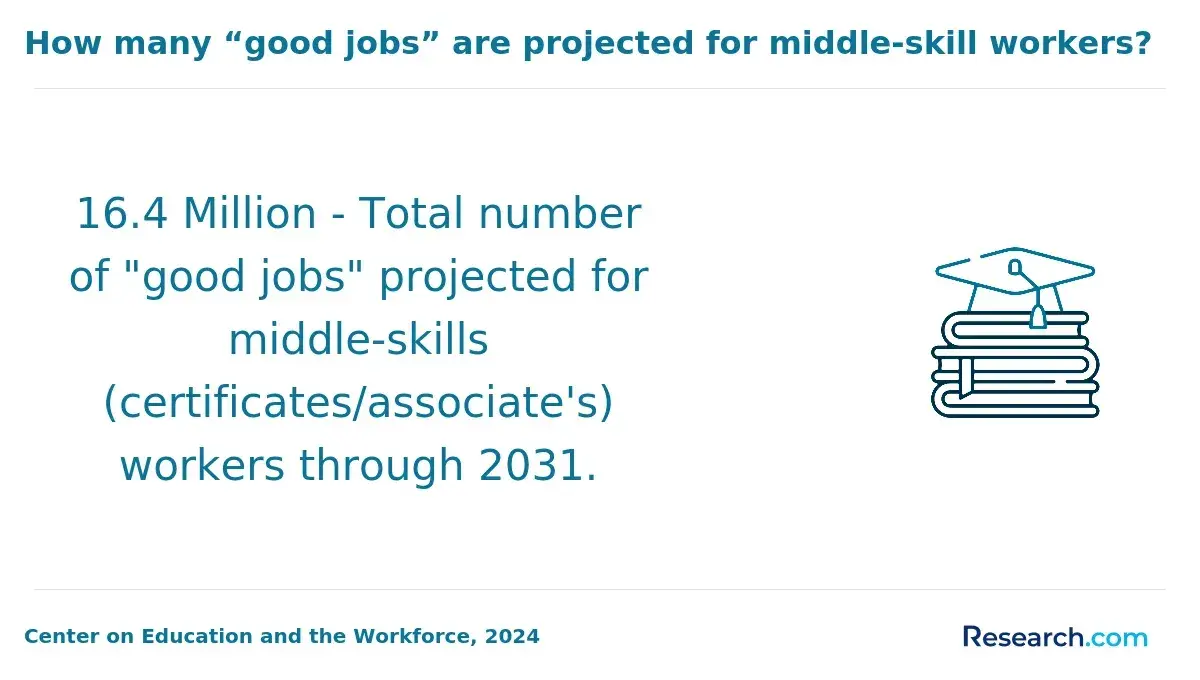
According to the Georgetown University Center on Education and the Workforce, individuals with a bachelor's degree in sports-related management fields earn a median salary more than 20% higher than those with only a high school diploma.
To increase your ROI with a sports management degree, consider the following practical strategies:
- Focus on Internships: Hands-on experience during your undergraduate program builds industry connections and practical skills. Internships often lead to higher starting salaries and quicker career advancement in sports management.
- Choose High-Demand Specializations: Areas such as sports marketing, event management, and analytics are highly sought after by employers. Specializing in these fields can significantly boost your earning potential and align your skills with market needs.
- Build a Professional Network Early: Connecting with alumni, mentors, and sports industry professionals opens doors to exclusive roles and information about lucrative opportunities. Early networking positively impacts career growth and job prospects.
- Target High-Revenue Markets: Positions within major leagues or sports organizations in regions with strong revenue generation usually come with better compensation and advancement chances, improving long-term ROI.
- Develop Leadership and Communication Skills: Demonstrating strong project management and interpersonal abilities helps secure promotion opportunities and salary increases. Effective communication is a crucial asset in maximizing career progression.
For those interested in advancing further without committing to graduate school, exploring an online master degree can offer flexible pathways suitable for working professionals, complementing these strategies to increase career advancement in sports management without graduate school.
When Is Graduate School Worth It for Sports Management Careers?
Deciding whether graduate school is worth it for sports management careers depends on your specific professional goals, industry standards, and anticipated return on investment. Many roles can be accessed with a bachelor's degree, yet master's degree holders in related fields often earn about 20% more according to labor statistics.
Weighing this salary advantage against the time and cost of advanced study is crucial. Considering these factors helps identify when pursuing graduate education becomes a strategic decision.
Graduate school tends to offer the most value in specialized roles such as sports law, sports analytics, or executive leadership positions requiring business acumen and strategic expertise. Careers that involve regulatory requirements or research-oriented paths also benefit significantly from advanced degrees.
For most entry-level positions, practical experience and networking may outweigh formal education, making a graduate degree less essential.
Those exploring opportunities in areas like event coordination or facility management may find pursuing an online graphic design bachelor degree or comparable undergraduate credentials more effective for their goals when considering graduate school benefits for sports management careers.
What Graduates Say About Sports Management Degree Careers That Offer the Best Return Without Graduate School
- Lawrence: "Deciding not to pursue a graduate degree was one of the best choices I made after earning my sports management degree. Instead, I took proactive steps like gaining internships and networking within the industry to build practical experience. This hands-on approach led me directly into a rewarding career, proving that graduate school isn't the only path to success in this field."
- Yitzchok: "Reflecting on my career, my sports management degree gave me the foundation I needed without the need for further academic study. I focused on certifications and attending industry conferences, which maximized my knowledge and connections. It's clear that strategic professional development can greatly enhance your prospects without the time and expense of graduate school."
- Cameron: "My sports management degree had a profound impact on my professional life, even without attending graduate school. I embraced leadership roles early on and leveraged practical skills learned during undergrad to climb the ranks quickly. This experience taught me that career growth in sports management hinges more on real-world application than additional degrees."
Other Things You Should Know About Sports Management Degrees
Networking is critical in sports management careers, especially for those without a graduate degree. Building relationships with industry professionals can open doors to internships, job opportunities, and mentorships. Strong networks often compensate for the absence of advanced credentials by providing practical access to career advancement.
Yes, internships play a vital role in gaining relevant experience and improving employability in sports management. They offer hands-on learning and help students develop industry contacts. Employers often prioritize candidates who have completed internships, even more so than additional academic degrees.
Entry-level positions such as event coordinator, sales representative, or marketing assistant in sports organizations often serve as stepping stones. Performing well in these roles can lead to promotions into management or specialized positions that offer higher salaries. Practical experience in these jobs is highly valued by employers.
In 2027, continuing education outside of graduate school can be beneficial but is not strictly necessary for success in sports management careers. Skills such as data analytics, digital marketing, and contract negotiation can be learned through workshops and online courses, enhancing career advancement opportunities.
References
- Sport Management Degree Jobs (Skills, Duties & Salaries) https://activecareers.org.uk/articles/sport-management-degree-jobs
- 17 Best Graduate Certificates & Diplomas Sports Management courses abroad 2026 https://www.hotcoursesabroad.com/study/training-degrees/international/graduate-certificate-diploma/sports-management-courses/slevel/13-3-3/cgory/ma.61-4/sin/ct/programs.html
- 25 Best Return On Investment Degrees in Sports Management (Bachelor's) 2021 - Sports Management Degree Guide https://www.sports-management-degrees.com/best-bachelors-roi/
- 19 Best-Paid Sports Occupations in 2025 (With Salary Guide) https://create.fit/blogs/best-paid-sports-occupations-with-salary-guide/
- Turn Passion into Profession with a BBA in Sports Management | George Group of Colleges https://www.georgecollege.org/blog/turn-passion-into-profession-with-bba-in-sports-management/
- What can you do with a sports management degree? - AISTS https://aists.org/what-can-you-do-with-a-sports-management-degree/
- Advanced Certificates | Bundle, Save, & Specialize https://www.sportsmanagementworldwide.com/advanced_certificates


