
2027 Which Theology Degree Careers Offer the Best Return Without Graduate School?

Co-Founder and Chief Data Scientist
Rising tuition fees and mounting student debt compel many prospective theology graduates to rethink the value of pursuing graduate studies. Over 60% of theology bachelor's degree holders enter the workforce directly, seeking roles that offer competitive wages and solid career growth without additional schooling.
Entry-level positions, such as religious educators, community outreach coordinators, and nonprofit managers, often require only a bachelor's degree while providing a stable income. This article explores which theology degree careers yield the best financial return without graduate school and outlines the key factors enabling these roles to support a successful professional path.
Key Benefits of Theology Degree Careers That Offer the Best Return Without Graduate School
- Theology careers often show early salary growth, with median starting wages around $45,000, enhancing long-term return on investment without the need for graduate education.
- Stable job demand in ministry, counseling, and education offers consistent career growth, supporting financial security over time for bachelor's degree holders.
- Accessible entry requirements without graduate school enable faster workforce participation, reducing debt and accelerating income accumulation compared to extended academic paths.
Which Theology Careers Offer the Best Return Without Graduate School?
Evaluating the return on investment in theology careers is crucial for students seeking strong financial and professional outcomes without committing to graduate education. The U.S. Bureau of Labor Statistics reports a median annual wage of $51,940 for clergy, illustrating the earning potential of theology degree holders.
Several high-return roles require only a bachelor's degree, combining salary potential, career longevity, and advancement opportunities.
- Religious Educator: This role involves teaching theology and related subjects in churches, community programs, or faith-based schools. It offers steady demand and meaningful career growth without the need for graduate study, making it a viable high-paying theology job without advanced degrees.
- Pastoral Associate: Supporting lead clergy through administrative and outreach tasks, pastoral associates enjoy stable employment within congregations. This position values practical experience paired with a bachelor's degree in theology, providing lasting job security and advancement prospects.
- Nonprofit Program Coordinator: Managing programs such as fundraising and volunteer efforts for faith-based organizations, these coordinators develop leadership and organizational skills. This career path shows strong salary potential and long-term financial sustainability without requiring advanced degrees.
- Chaplain Assistant: Working in settings like hospitals or the military, chaplain assistants provide essential spiritual support alongside chaplains. The role has continuous demand and supports long-term employment using primarily a bachelor's credential.
What Are the Highest-Paying Theology Jobs Without a Master's Degree?
For bachelor's degree holders in theology seeking rewarding career paths without graduate education, understanding salary potential is essential. Religious workers with this level of education typically earn between $40,000 and $70,000 annually, according to the U.S. Bureau of Labor Statistics.
The following roles offer strong salaries and meaningful work, providing excellent return on investment without requiring a master's degree.
- Religious Program Director: These professionals earn approximately $50,000 to $75,000 per year by managing religious education and community initiatives. Their leadership in organizing programs and overseeing administrative duties makes this a top-paying theology position without advanced degrees.
- Chaplain Assistant: Earning between $45,000 and $65,000 annually, chaplain assistants support spiritual care in hospitals, military, and other settings. Their role is vital in supplementing chaplains' work and maintaining community well-being.
- Religious Educator: With salaries ranging from $40,000 to $60,000, these educators teach theology in schools or community environments. Their capacity to engage learners effectively without graduate credentials secures their place among well-compensated careers.
- Religious Writer or Editor: Those skilled in writing and theology can expect to earn $45,000 to $70,000 contributing content to religious media and publications. This niche combines theological expertise with communication skills for competitive pay.
Which Industries Offer High Salaries Without Graduate School?
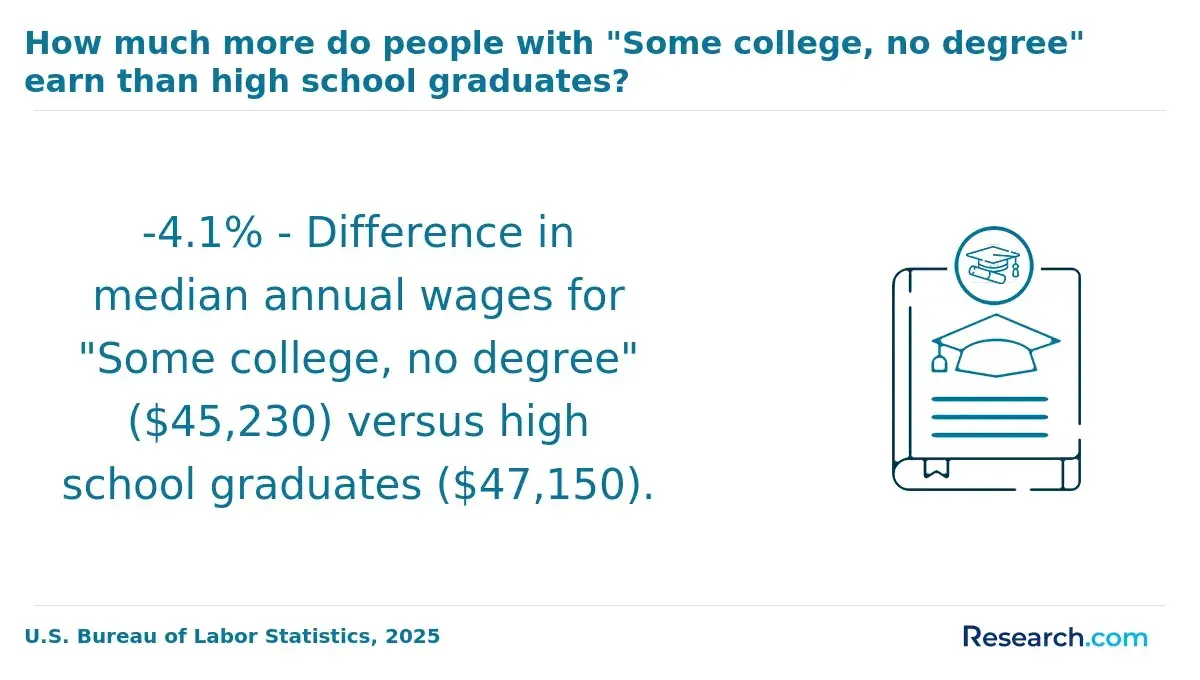
Choosing the industry is a key factor that shapes earning potential for those with a bachelor's degree in theology. According to U.S. Bureau of Labor Statistics data, median wages can differ by over 30% across sectors employing similar degree holders. Identifying industries with stable demand and financial strength can significantly enhance salary prospects and long-term return on investment.
Here are several fields where theology graduates often find attractive compensation without needing advanced degrees.
- Religious Organizations: These institutions highly value theological expertise and leadership abilities. While compensation varies, senior administrative and development positions in large or resource-rich organizations offer competitive salaries that reflect both responsibility and organizational impact.
- Healthcare: Hospitals and care facilities employ chaplains and spiritual counselors whose roles are critical to patient well-being. This demand, combined with steady employment growth, results in compensation that tends to outperform average wage levels in many regions.
- Education: Private and religious schools, along with adult education centers, frequently seek theology graduates for teaching and administrative duties. Established institutions with solid funding streams often provide higher salary ranges, making this a financially viable pathway.
- Corporate Social Responsibility: Increasingly, corporations integrate ethics and employee wellness programs, creating roles for theology graduates with expertise in counseling and ethical frameworks. These positions generally offer competitive pay tied to corporate budgets and strategic initiatives.
- Media and Communications: Faith-oriented publishing houses, broadcasters, and digital media outlets employ theology graduates to develop content that aligns with their audience's values, benefiting from diverse revenue channels that support attractive compensation.
When asked about which industries deliver strong salaries without graduate school, a theology degree graduate shared his experience navigating this landscape. He described the challenge of balancing passion with financial realities, mentioning how he initially faced uncertainty in finding roles that matched both criteria.
Over time, he emphasized, "It became clear that aligning with organizations valuing theological insight but also offering financial stability was crucial." He recalled moments of frustration during job searches but ultimately found rewarding opportunities by focusing on sectors with clear growth and funding, reflecting a pragmatic approach to maximizing the value of his degree.
What Entry-Level Theology Jobs Have the Best Growth Potential?
Selecting entry-level theology roles with solid growth prospects is essential for building a rewarding career with potential for advancement. The U.S. Bureau of Labor Statistics highlights employment increases of 8% to 12% in ministry, religious education, and counseling fields over the next decade.
Below are promising positions that often serve as gateways to leadership and specialized ministry roles.
- Ministerial Assistant: This hands-on role involves supporting church operations and pastoral activities, which helps develop leadership, public speaking, and organizational skills. Many ministerial assistants progress to become lead pastors, worship leaders, or nonprofit directors within faith-based organizations.
- Religious Educator: Teaching theology to youth or adults builds communication and curriculum development expertise. These skills often lead to administrative roles in education or specialized ministry programs.
- Chaplain Assistant: Working in hospitals, military, or correctional settings provides valuable experience in counseling and crisis intervention. Chaplain assistants commonly advance to full chaplaincy positions that involve greater responsibility and management.
- Community Outreach Coordinator: Engaging faith-based communities through public programs fosters project management and networking abilities. This foundation can lead to senior roles in nonprofit or interfaith organizations.
For those exploring education options to enter counseling sectors within theology, programs like the cheapest online master's in mental health counseling provide affordable pathways that complement ministry career development.
What Skills Increase Salary Without a Master's Degree?
Focusing on skill development can significantly increase earnings for those holding a theology degree, even without additional graduate education. Research shows that 67% of employers emphasize specific skills over formal degrees, reflecting how valuable practical abilities are in boosting salary prospects.
Below are key skills that notably enhance income potential in theology-related fields.
- Effective Communication: Mastering clear and persuasive verbal and written communication allows theology graduates to articulate complex ideas, engage diverse groups, and create impactful content that attracts better-compensated roles.
- Analytical Thinking: The ability to critically interpret religious texts and ethical issues sharpens decision-making and problem-solving skills, qualities that employers frequently reward with higher pay.
- Leadership Abilities: Leading teams, organizing events, and managing projects demonstrate organizational strengths that often lead to greater responsibilities and improved compensation.
- Empathy and Counseling: Developing strong interpersonal connections through active listening and emotional support increases trust and demand, which can translate into better pay.
- Digital Proficiency: Being skilled in online research, communication technologies, and media tools boosts efficiency and outreach, positioning candidates for higher salary opportunities.
When speaking with a professional with a Theology degree about salary growth without a master's, she emphasized how honing communication and counseling skills was a turning point. "Early on, I struggled with feeling underqualified among peers who had advanced degrees," she shared. "But by focusing on how I connected with people and conveyed ideas, I gradually gained roles that valued those strengths highly."
She recalled the challenge of bridging doctrinal concepts for diverse audiences and how refining that ability opened doors to leadership opportunities. The process required patience and continuous learning, but ultimately led to a rewarding path where her unique skill set commanded respect and a sustainable income.
What Certifications Can Replace a Master's Degree in Theology Fields?
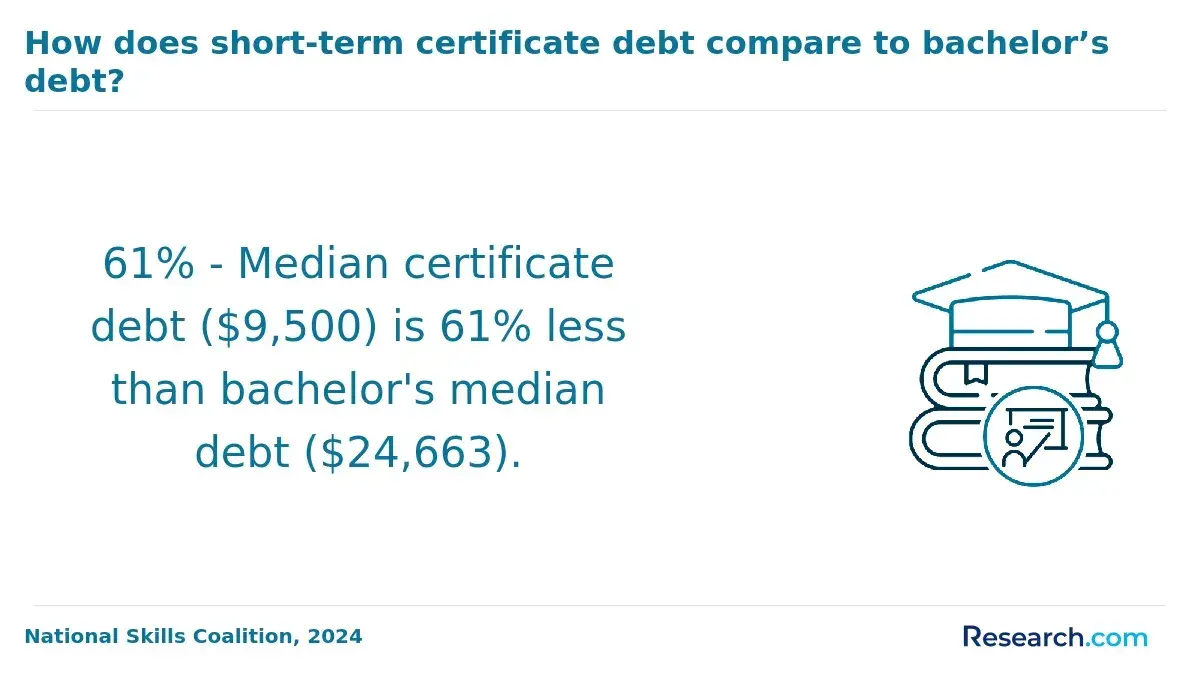
Certifications offer a practical way to build expertise and professional recognition in theology-related fields without pursuing a master's degree. Research from the National Association of Colleges and Employers in 2023 shows that candidates with relevant certifications typically earn about 15% higher starting salaries, illustrating their value in the job market.
Below are some key certifications that theology graduates can consider to boost their credentials and career options.
- Certified Religious Program Director: Designed for those managing religious organizations, this certification develops leadership and administrative skills, enhancing the ability to lead programs and initiatives in churches and faith-based groups.
- Certified Chaplain: Awarded by professional chaplaincy bodies, it confirms expertise in spiritual support and counseling, expanding opportunities in healthcare facilities, the military, correctional institutions, and corporate environments needing chaplain services.
- Faith-Based Nonprofit Management Certificate: This credential focuses on nonprofit management tailored to religious organizations, preparing graduates to excel in fundraising, program oversight, and leadership roles within charitable faith institutions.
- Pastoral Counseling Certification: Strengthening counseling skills within ministry contexts, this certification broadens career pathways related to pastoral care and counseling without requiring a full graduate degree in psychology or counseling.
- Biblical Studies Certification: Concentrating on advanced scriptural knowledge and interpretation, this certification supports teaching, ministry leadership, and other roles that benefit from a deep understanding of biblical texts.
Can Experience Replace a Graduate Degree for Career Growth?
Professional experience can significantly contribute to career advancement in many theology-related fields by showcasing demonstrated skills, practical problem-solving, and effective communication. Employers frequently prioritize on-the-job learning and proven performance over formal credentials, especially in roles that demand leadership and interpersonal abilities.
This experience helps individuals build strong portfolios, deepen their contextual understanding of ministry or counseling, and develop essential networks. As a result, many positions, such as youth ministry director or outreach coordinator, often reward practical experience paired with soft skills rather than graduate degrees.
However, relying exclusively on experience may pose limitations, particularly in specialized careers like hospital chaplaincy or licensed counseling, where graduate-level education and professional certifications are required. Entry into higher-paying or more responsible positions can be slower without these credentials, and advancement might plateau.
Experience becomes most valuable when combined with ongoing informal learning, such as workshops or certificate programs from online colleges, which can enhance professional development without the need for a full graduate degree. Organizations with limited budgets or less stringent academic demands often place greater emphasis on proven experience, making continuous growth outside traditional degree paths essential.
What Are the Downsides of Not Pursuing a Graduate Degree?
Many individuals considering careers in theology without graduate school carefully weigh the trade-offs involved. According to the U.S. Bureau of Labor Statistics, workers with master's degrees earn about 20% more annually than those holding only a bachelor's degree in comparable fields.
These differences highlight several key challenges for professionals stopping at the bachelor's level, especially when factoring in the limitations of having no graduate degree in theology careers.
- Slower Career Advancement: Graduates without advanced degrees often experience slower progress in roles requiring greater responsibility. Many senior or specialized positions within religious organizations or educational settings favor candidates with graduate training, placing bachelor's-only holders at a competitive disadvantage.
- Limited Specialized Access: Graduate programs typically provide deeper expertise in fields like pastoral counseling, academic research, or interfaith dialogue. Without this training, opportunities to enter specialized roles are reduced, affecting both job variety and earning potential.
- Hiring Barriers: Certain jobs, such as hospital or military chaplaincy roles, frequently require a Master of Divinity or equivalent. This prerequisite limits entry for those with just a bachelor's degree, regardless of relevant experience.
- Income Disparities: The salary gap between bachelor's degree holders and those with graduate education can be significant, reflecting the broader value employers place on advanced theological training.
- Reduced Scholarly Credibility: Pursuing research or teaching roles in higher education is often more challenging without graduate credentials, as advanced degrees strengthen analytical and research skills essential for these paths.
Those focused on careers in theology without graduate school must consider these factors alongside their vocational goals. For related information on graduate pathways, explore best PsyD programs and opportunities in advanced professional education.
How Can You Maximize ROI With a Theology Degree?
Return on investment (ROI) in education balances the costs and time spent against career earnings and advancement after graduation. Bachelor's degree holders earn approximately 65% more over their lifetime than those with only a high school diploma, highlighting the importance of strategic choices within degree paths.
For students seeking a theology degree, career options with the highest return on investment, focusing on specific strategies can significantly improve long-term outcomes.
- Specialize in High-Demand Areas: Concentrate on branches like counseling, nonprofit leadership, or education within theology programs. These areas align with growing job markets and often offer higher salary potential compared to more traditional roles.
- Gain Practical Experience: Engaging in internships and volunteering within religious or community organizations builds relevant skills and networks. This practical exposure enhances employability and opens doors to better initial salaries and advancement opportunities.
- Develop Transferable Skills: Emphasize skills such as communication, ethics, critical thinking, and leadership throughout your coursework. These competencies are valued broadly, increasing versatility and access to diverse career paths.
- Leverage Technology: Incorporate technological competence related to digital ministry, media, or administration. This can differentiate graduates and connect them with more lucrative and emerging roles in the field.
- Network Strategically: Building relationships early with mentors and leaders in religious, educational, and nonprofit sectors accelerates access to job leads and career growth, enhancing overall ROI without additional graduate education.
For those exploring options on how to increase earnings without graduate school in theology, focusing on these areas can provide measurable benefits. Prospective students may also consider degrees complementary to theology, such as a sport management degree online, to expand their career versatility and earnings potential.
When Is Graduate School Worth It for Theology Careers?
Deciding whether to pursue graduate school for theology careers in the United States often hinges on specific career goals, industry standards, and weighing the financial benefits of advanced degrees in theology careers. Research indicates that workers with a master's degree in religious fields tend to earn approximately 15-20% more than those with only a bachelor's degree, particularly over the span of a full career.
However, this income boost is most notable in roles requiring graduate-level qualifications rather than entry-level positions. Those considering graduate education should carefully assess their objectives before investing time and resources, as alternative routes with strong salary potential do exist.
Graduate study is usually worthwhile when aiming for leadership roles that demand specialized training or entry into regulated professions like ordained ministry or chaplaincy. It also unlocks pathways to research-focused careers or advanced academic positions that necessitate theological scholarship beyond a bachelor's.
For students interested in exploring cost-effective educational options, programs such as affordable online masters in history may provide valuable models for balancing expenses with credential advancement. Ultimately, pursuing graduate education should align with a clear strategy targeting roles where advanced degrees deliver measurable professional advantages.
What Graduates Say About Theology Degree Careers That Offer the Best Return Without Graduate School
- Mordechai: "Choosing not to pursue a graduate degree in theology was initially daunting, but it turned out to be the best decision for me. I focused on gaining practical experience through internships and community service, which helped me build a strong professional network. Today, my theology degree serves as a foundation that enriches my role in nonprofit leadership without the financial burden of additional schooling."
- Casen: "Reflecting on my career path, I realized that maximizing my theology degree involved developing complementary skills like counseling and public speaking. I deliberately sought job opportunities that valued critical thinking and ethical frameworks, which my theology background deeply supports. Without graduate school, I've been able to accelerate my career growth in education administration while maintaining a steady income."
- Walker: "My theology degree profoundly influenced my work in corporate ethics, even without pursuing graduate studies. The critical analysis and historic perspectives I gained equipped me to navigate complex moral decisions in business. By applying these insights directly to my professional environment, I've experienced meaningful career advancement that many expect requires further schooling."
Other Things You Should Know About Theology Degrees
In 2027, theology graduates can find rewarding careers in chaplaincy, nonprofit management, religious education, and counseling. With a bachelor's degree, positions such as community outreach coordinator, youth minister, and director of religious education offer good returns both financially and in job satisfaction.
Networking is critical in theology careers that do not require graduate education. Connections within religious communities, volunteer opportunities, and local faith-based events can lead to job openings and mentorship. Building relationships with clergy and community leaders often helps graduates gain credibility and find positions that align with their skills and interests.
Continuing education, such as workshops, certificate programs, and online courses, can enhance a bachelor's degree holder's qualifications and keep their knowledge current. While not equivalent to graduate school, these opportunities improve skills in areas like counseling, leadership, or interfaith work. They also demonstrate commitment to professional growth, which can increase job prospects and earning potential.
Yes, personal qualities such as empathy, communication skills, cultural sensitivity, and adaptability are highly valued in theology-related careers. These traits enable graduates to connect with diverse populations and address complex social and spiritual issues. Strong ethical judgment and leadership abilities also contribute to success in various roles, including community engagement and faith-based program management.
References
- Should I Pursue a Master’s Degree in Theology or Ministry? https://apcbiblecollege.org/should-i-pursue-a-masters-degree-in-theology-or-ministry
- 20 Job Options With a Degree in Theology: Career Guide | Franciscan School of Theology https://www.fst.edu/jobs-in-theology/
- Exploring Theology Graduate Careers: A Deep Dive at Mount Carmel Seminary https://mcscollege.com/resources/uncovering-the-potential-of-theology-graduate-careers
- Who should (and should not) pursue a PhD in theology or biblical studies https://canterbridge.org/2008/05/23/who-should-and-should-not-pursue-a-phd-in-theology-or-biblical-studies/
- What can you do with a degree in theology? https://www.catholicmoraltheology.com/p/what-can-you-do-with-a-degree-in-theology
- What Can You Do with a Theology Degree? | Calvin Seminary https://calvinseminary.edu/blog/what-can-you-do-with-theology-degree/
- Catholic Online Graduate Programs & Certificates: Theology, Bioethics - St. Bernard's https://www.stbernards.edu/certificate-programs
- Don’t Waste Your Graduate Degree - The Gospel Coalition | Australia https://au.thegospelcoalition.org/article/dont-waste-your-graduate-degree/
- Exploring Career Paths After Graduating in Theology: Beyond the Pulpit https://la.oikos.edu/the-highest-ranked-university/
- 30 Highest Paying Jobs in Theology and Ministry - Online Christian Colleges https://www.onlinechristiancolleges.com/highest-paying-jobs-in-theology-and-ministry/


