
2027 Certified Nurse Aide (CNA) License Education Requirements in Kentucky

Co-Founder and Chief Data Scientist
Getting your Certified Nurse Aide (CNA) license in Kentucky is a smart move, especially since the state expects a 10% growth in healthcare jobs over the next decade. This means more opportunities and job security in a field that truly makes a difference. If you want to start helping patients and advancing your career, knowing the education requirements for a CNA license is essential.
This article breaks down what you need to qualify for a CNA license in Kentucky. Prepared by career planning experts, it offers clear, reliable information to help you find everything about the education process and get you started on the right path.
Key Things to Know About CNA License Education Requirements in Kentucky
- CNA candidates in Kentucky must complete a state-approved training program with at least 75 hours of instruction, including 16 hours of clinical practice to gain hands-on experience.
- Programs cover essential skills like basic nursing care, infection control, and patient rights, preparing students for Kentucky's competency exam required for certification.
- The high demand for CNAs in Kentucky means many training programs offer flexible schedules and financial aid, helping about 20,000 new CNAs enter the workforce annually.
- What are the education requirements to become a CNA in Kentucky? CNA Requirements
- What subjects are taught in CNA classes in Kentucky? What subjects are taught in CNA classes in Kentucky?
- What steps are required to get a CNA license in Kentucky? CNA Licensing
- How long does it take to receive a CNA license in Kentucky? How long does it take to receive a CNA license in Kentucky?
- How often do you need to renew your CNA license in Kentucky? How often do you need to renew your CNA license in Kentucky?
- What continuing education is required for CNAs in Kentucky? What continuing education is required for CNAs in Kentucky?
- Can out-of-state CNAs transfer their license to Kentucky? Can out-of-state CNAs transfer their license to Kentucky?
- Which employers hire newly certified nurse aides in Kentucky? Which employers hire newly certified nurse aides in Kentucky?
- What is the average salary for CNAs in Kentucky? Salary
- How can CNAs in Kentucky advance to higher nursing roles? How can CNAs in Kentucky advance to higher nursing roles?
What are the education requirements to become a CNA in Kentucky?
Getting proper education and training is the backbone of becoming a skilled Certified Nurse Aide (CNA) in Kentucky. These steps make sure you're ready to handle real-world patient care, offering safe help in hospitals, nursing homes, and other healthcare settings. If you're wondering what it takes, here's a quick rundown of the essential education requirements to get you started.
- Age and Background Check: You need to be at least 16 years old and clear a background check to ensure a safe environment for patients. This step also involves proving citizenship or legal residency, which helps keep the profession trustworthy.
- High School Diploma or Equivalent: Most CNA programs in Kentucky expect you to have a high school diploma or GED. This basic education helps ensure you can grasp the course material and communicate effectively.
- State-Approved CNA Training Program: Completing a state-approved program is crucial because it includes at least 75 hours of classroom and hands-on learning. This part lays the foundation for practical nursing skills as well as understanding patient rights and infection control.
- Clinical Training: You'll also need at least 16 hours of supervised clinical experience in a healthcare setting. This real-world practice is where theory meets action, helping you feel confident and competent around patients.
- Passing the Certification Exam: Once training is done, you must pass the National Nurse Aide Assessment Program exam, which includes both written and practical parts. Passing this confirms you meet Kentucky CNA training program requirements and are ready to work.
For those curious about nursing paths beyond CNA, learning about FNP vs AGNP key differences can be pretty enlightening.
What subjects are taught in CNA classes in Kentucky?
CNA training programs in Kentucky are designed to give you the essential knowledge and hands-on skills needed to provide quality patient care in a variety of settings. These programs make sure you're well-prepared to handle the real-world demands of the job, focusing on both theory and supervised practice. Here's a quick look at the key subjects you'll encounter in Kentucky CNA course curriculum:
- Communication and Interpersonal Skills: You'll learn how to communicate clearly and effectively with patients, families, and your healthcare team. This includes active listening, proper documentation, and teamwork - all vital for building trust and ensuring smooth care.
- Infection Control: This covers the basics of stopping infections before they spread - think hand hygiene, using personal protective equipment, and safely disposing of hazardous materials. It's a must-know to keep everyone safe.
- Safety and Emergency Procedures: Know how to spot safety hazards and respond quickly in emergencies, like clearing blocked airways or following evacuation steps. These skills help prevent injuries and prepare you for urgent situations.
- Personal Care Skills: You'll get hands-on experience assisting with daily activities such as bathing, dressing, feeding, and mobility. These skills support resident comfort and dignity every day.
- Basic Nursing Skills: From measuring vital signs to helping with recovery exercises, this training builds your confidence in monitoring patient health and supporting their well-being.
- Anatomy and Physiology: Understanding how the human body works and changes with disease or age helps you provide better care and recognize when something's wrong.
- Nutrition and Hydration: Learn how to assist with proper feeding techniques and keep track of residents' nutritional needs, which are crucial for their overall health.
- Documentation and Reporting: Keeping accurate records and reporting changes in condition ensure smooth communication among healthcare providers and help maintain legal standards.
- Psychosocial and Cultural Needs: This focuses on recognizing and respecting the emotional, social, and cultural backgrounds of residents, promoting compassionate, individualized care.
If you want to explore what comes after CNA training, check out the nurse practitioner job requirements to see how your career can grow.
What steps are required to get a CNA license in Kentucky?
Getting your CNA license in Kentucky is a key step to make sure you're ready to provide safe, quality care to patients. The licensing process helps protect both patients and healthcare facilities by confirming you've got the skills, knowledge, and background needed for this important role. Here's a quick rundown of the main steps you'll take to get licensed:
- Meet Basic Eligibility Requirements: You generally need to be at least 16 and able to read and write English, with some programs preferring a high school diploma or GED. These basics help make sure you're prepared for training and the job itself.
- Pass a Background Check: This step confirms you don't have any criminal history that could be a safety risk. It's required by federal law for jobs in many healthcare settings.
- Complete a State-Approved CNA Training Program: You'll do at least 75 hours of classroom and hands-on training covering essential skills like infection control and patient care, all overseen by the Kentucky Board of Nursing.
- Pass the Competency Exam (NNAAP): This includes a written or oral test plus a skills demonstration to prove you can safely perform CNA duties. You need to score 70% or higher to pass.
- Apply for State Certification and Registry Listing: After passing the exam, you send in your application to get officially certified and added to the state's nurse aide registry, which employers use to verify your status.
How long does it take to receive a CNA license in Kentucky?
The total time it takes to become a licensed certified nurse aide (CNA) in Kentucky can really vary depending on a few things. How long your training program lasts, when you can schedule your certification exam, and how fast the state processes your application all play a role. Because of these factors, the timeline isn't the same for everyone, and some delays may pop up along the way.
Generally, the training itself takes about four to eight weeks, depending if you're attending full-time or part-time. After completing your coursework and clinical hours, you'll need to pass the state's competency exam, which includes both a written or oral test and a hands-on skills demonstration. Scheduling the exam might take some extra time if testing spots are limited. Once you pass, the state adds you to their Nurse Aide Registry and officially licenses you. Processing through the state's online system tends to be quick but background checks or administrative backlogs can slow things down. All told, most people get their CNA license within two to three months, though it can take longer in some cases.
I recently spoke with a certified nurse aide from Kentucky who graduated from a local school. He shared that while the classes and practical skills training felt intense but manageable, the wait to schedule his exam was a bit frustrating because slots filled up fast. After passing the test, he mentioned the online application was straightforward, but the background check took a few weeks longer than expected. He said, "It felt like a bit of a waiting game at that stage, but looking back it made me appreciate finally getting that confirmation." His experience really highlighted how the timeline isn't always smooth but staying patient and focused is key to crossing that finish line.
How often do you need to renew your CNA license in Kentucky?
Keeping your Certified Nurse Aide (CNA) license current in Kentucky is crucial to staying legally certified, maintaining your skills in patient care, and meeting healthcare standards in the state. Renewing on time helps ensure CNAs are prepared and competent, which benefits both patients and employers. Here's a simple breakdown of the key points you should know about CNA license renewal requirements in Kentucky:
- Renewal Frequency: CNAs in Kentucky need to renew their certification every two years (24 months). This schedule helps keep nurse aides active and familiar with essential care duties.
- Renewal Deadlines and Reminders: The Kentucky Nurse Aide Registry handles renewals but doesn't send out reminders or certification letters. You're responsible for remembering your renewal date and can check your status anytime online.
- Renewal Fees: Good news-there's no fee to renew your CNA certification in Kentucky, making it easier to maintain your active status without added costs.
- Continued Eligibility - Work Hours: To renew, you must have worked a minimum of 8 paid hours providing nursing or nursing-related care during the last two years. Your employer has to verify and document this with the Registry.
- Continuing Education: Requirements here are a bit flexible; while some say no formal continuing education is needed, others mention 12 hours during the renewal period. Employers might also have their own policies for ongoing training.
For those exploring advanced opportunities, consider checking out the best online acute care nurse practitioner program to further your career.
What continuing education is required for CNAs in Kentucky?
Continuing education plays a vital role for certified nurse aides (CNAs) in Kentucky, not just to keep their licenses current but also to sharpen their patient care skills and stay aligned with evolving healthcare practices. This ongoing learning helps CNAs provide safer, more effective support, particularly as the needs of Kentucky's patients continue to change. Here's a quick rundown of the main continuing education requirements for CNAs in the state.
- Work Requirement for Renewal: CNAs need to complete at least 8 hours of paid nursing or nursing-related duties every 24 months to keep their certification active. This on-the-job experience is essential and replaces the need for classroom hours when renewing.
- Approved Training Topics: The work hours should involve direct patient care and cover important areas like safety, infection control, communication, and resident rights. These duties must happen in an approved healthcare environment.
- Acceptable Formats: The 8 hours must come from actual employment doing CNA tasks rather than online or classroom courses. Though online options like post MSN FNP certificate programs online exist, they do not count toward renewal hours.
- Recordkeeping Expectations: Both CNAs and their employers must keep detailed records of these 8 hours worked within the 24-month period. These documents may be requested during audits by the Kentucky Nurse Aide Registry.
- Additional Employer-Based In-Service Training: While not a state mandate, many employers offer extra training on topics like infection control and emergency procedures to help CNAs stay up to date and meet federal or facility standards.
Can out-of-state CNAs transfer their license to Kentucky?
Yes, Kentucky does allow out-of-state certified nurse aides (CNAs) to transfer their licenses through a process called reciprocity or endorsement. To qualify, CNAs must hold an active certification free of any substantiated abuse or neglect findings. The state doesn't require extra background checks or verification from the original state, which simplifies things quite a bit. You just need to be in good standing with your current license.
The transfer process is straightforward: create an account on the Kentucky Board of Nursing's portal, complete the online reciprocity application, and upload some documents like your Social Security card, driver's license, and current CNA certification. There's no fee, and no additional testing or state exam is required. The review is usually quick, and once approved, you're added to the Kentucky Nurse Aide Registry. You've got a year to finish the process before reapplying.
I recently spoke with a certified nurse aide from Kentucky, who shared her journey after graduating from a local CNA program. She found that transferring her out-of-state license was "surprisingly smooth" but recalled feeling "a bit anxious not knowing if all the paperwork would be accepted." She appreciated not having to retake exams, saying it "saved me time and stress," and she liked that the state handled most of the process. Her experience highlighted that while the system is streamlined, staying organized and patient is key to making the move hassle-free.
How do CNAs compare to medical assistants in Kentucky?
While Certified Nurse Aides focus on direct patient care under supervision, medical assistants typically perform a blend of clinical and administrative tasks. In Kentucky, transitioning from a CNA role to that of a medical assistant involves additional training and certification, which may broaden job responsibilities and career flexibility. Professionals considering this path should evaluate the differences in daily duties, regulatory guidelines, and potential earnings. For further insight on an alternative career trajectory, review how to become a medical assistant in Kentucky.
Which employers hire newly certified nurse aides in Kentucky?
Newly certified nurse aides in Kentucky can find work in a variety of healthcare settings that focus on direct patient care and supporting licensed nurses. There's a solid demand for entry-level CNAs across different facilities because quality long-term and acute care is always needed. Here's a quick look at the main types of employers bringing new CNAs on board:
- Hospitals: CNAs in hospitals assist with vital signs, help patients move around, and support basic care needs. Hospitals often hire new CNAs because they have structured training programs and supervision that help newbies get comfortable in a fast-paced environment.
- Nursing Homes and Long-Term Care Facilities: These places are some of the biggest employers for CNAs, where aides help residents with daily tasks like dressing and grooming. They value new graduates since there's a constant need for caregivers who can build foundational skills while caring for people needing ongoing support.
- Assisted Living Communities: CNAs here focus on helping residents stay independent by providing care like medication reminders and daily living assistance. These facilities often hire newbies because it's a less intense setting that still offers meaningful patient relationships.
- Home Health Agencies: CNAs travel to patients' homes to provide one-on-one care like personal hygiene and vital sign checks. New CNAs who show reliability and independence fit well here, especially since the job often comes with flexible hours.
- Rehabilitation Centers: In rehab centers, CNAs help patients with exercises and safe transfers while supporting recovery plans. These employers look for new CNAs eager to learn specialized care to assist patients through healing.
What is the average salary for CNAs in Kentucky?
Salaries for certified nurse aides in Kentucky can really vary depending on where you work, how much experience you have, and the type of healthcare setting you're in. Knowing these salary trends can help you map out your career path and figure out which job opportunities make the most sense for your goals. Here are some key points to keep in mind about the average CNA salary in Kentucky:
- Average Hourly and Annual Pay: Most CNAs in Kentucky earn between $32,700 and $34,800 annually, which breaks down to about $16 per hour. Some jobs even offer up to $18.06 per hour, especially when overtime is factored in.
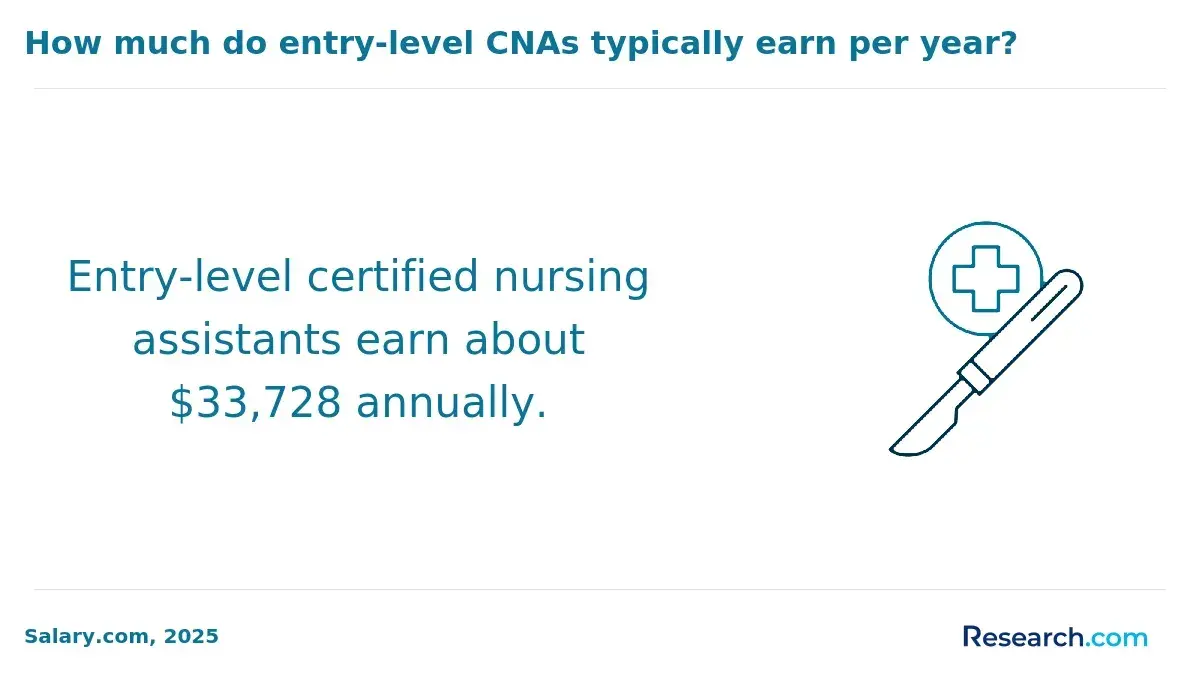
- Pay by Experience Level: Entry-level CNAs usually start around $28,977 per year, while those with more experience can make close to $42,000. That means as you build your skills and time on the job, your certified nursing assistant pay rates Kentucky can improve significantly.
- Differences Across Healthcare Facilities: Hospitals and large health systems generally pay more than nursing homes or home health agencies. If you find a role in acute care or specialty clinics, you might score extra pay for additional certifications or night shifts.
- Regional Pay Variation: Urban spots like Louisville and Lexington tend to offer higher wages because the cost of living and demand are greater. Rural areas usually pay less but sometimes throw in bonuses to attract workers.
- Additional Earnings Factors: Many CNAs boost their income with overtime, shift differentials, or by advancing their careers. If you're thinking of further education, check out affordable online psychiatric nurse practitioner programs for a potential big jump in salary and opportunities.
How can CNAs in Kentucky advance to higher nursing roles?
Many CNAs in Kentucky use their hands-on experience as a foundation to move up the nursing ladder. While the CNA role offers great patient care insights, advancing usually means more schooling, certifications, and clinical practice. Most practitioners look for online programs, just as they have completed their affordable CNA programs online.
Here's a quick look at common next steps for CNAs aiming higher in nursing careers.
- Licensed Practical Nurse (LPN): Complete a one-year practical nursing program, then pass the NCLEX-PN exam. LPNs earn about $47,000 annually and handle more complex care tasks.
- Registered Nurse (RN): Earn an associate or bachelor's degree in nursing over 2 to 4 years and pass the NCLEX-RN exam. RNs make around $65,000 and have broader responsibilities including supervising others.
- Nurse Practitioner (NP): After a BSN, pursue a master's or doctoral degree plus certification. NPs earn over $100,000 and enjoy full practice authority, managing patient care independently.
- Specialized Certifications: Get credentials like Certified Medication Aide or focus on areas like gerontology to boost skills and pay.
- Employer-Sponsored Programs: Take advantage of career ladder programs offering paid training, tuition help, and flexible schedules to grow while you work.
What Do CNAs in Kentucky Say About Their Career?
- Marcus: "Completing my CNA training at Bluegrass Health Academy was a decisive step towards a fulfilling career. The program was thorough, balancing hands-on skills with compassionate care techniques, which prepared me well to start working in a local school setting. There, I quickly saw how impactful a caring aide can be in supporting students with special health needs, contributing to a positive learning environment every day. The stability and respect this role offers in Kentucky's community make me proud to call this my profession. "
- Jina: "Going through the certified nurse aide program at Appalachian Care Institute was transformative both personally and professionally. Working in a school environment allowed me to witness firsthand the importance of attentive care for young people, especially in rural areas where resources can be limited. Kentucky's unique blend of small communities gives a tight-knit feel to the job, and I've grown immensely in my ability to connect with and uplift each student. This career path offers real opportunity for advancement and continuous learning, which keeps me motivated every day. "
- Leonard: "My experience starting as a certified nurse aide after training at Louisville Medical Training Center has been exceptionally rewarding. The program's focus on practical skills equipped me well to meet the challenges of assisting students in a busy academic setting. Kentucky's diverse population means I get to work with kids from many different backgrounds, enriching my perspective and enhancing my professional skills. I feel honored to play a role in supporting student health and wellbeing, knowing this job offers a meaningful career trajectory and community impact. "
Related Articles for Nearby States
- 2027 Certified Nurse Aide (CNA) License Education Requirements in Indiana
- 2027 Certified Nurse Aide (CNA) License Education Requirements in Ohio
- 2027 Certified Nurse Aide (CNA) License Education Requirements in Tennessee
- 2027 Certified Nurse Aide (CNA) License Education Requirements in West Virginia
- 2027 Certified Nurse Aide (CNA) License Education Requirements in Virginia
- 2027 Certified Nurse Aide (CNA) License Education Requirements in Illinois
- 2027 Certified Nurse Aide (CNA) License Education Requirements in Missouri
- 2027 Certified Nurse Aide (CNA) License Education Requirements in North Carolina
- 2027 Certified Nurse Aide (CNA) License Education Requirements in Georgia
- 2027 Certified Nurse Aide (CNA) License Education Requirements in Mississippi
References
- AMN Healthcare. (n.d.). Per diem nursing jobs for Certified Nurse Assistant in Kentucky up to $17.
- CareerStaff. (n.d.). Travel nursing: How to transfer CNA license to another state.
- Glassdoor. (n.d.). 549 certified nursing assistant jobs in Kentucky, October 2025.
- Kentucky Board of Nursing. (n.d.). Home (State Registered Nurse Aide).
- Marvel Medical Staffing. (n.d.). How to get certified in other states as a traveling CNA.
- NetCE. (n.d.). Kentucky nurses CE requirements, accreditations & approvals.
- Suhre & Associates DUI and Criminal Defense Lawyers. (n.d.). Nursing licenses and DUI's in Kentucky.
- University of Kentucky College of Nursing. (n.d.). State Registered Nurse Aide (SRNA) training program.
- Vivian Community Hub. (n.d.). CNA reciprocity and certification requirements by state.
Other Things You Should Know About CNA License Education Requirements in Kentucky
To apply for a Certified Nurse Aide license in Kentucky in 2027, you must complete a state-approved training program consisting of at least 75 hours, including a minimum of 16 clinical hours. Upon completion, candidates need to pass the Kentucky CNA competency exam. Once these steps are completed, you can then apply for your license through the Kentucky Board of Nursing.
To obtain a CNA license in Kentucky in 2027, applicants must complete a state-approved nurse aide training program comprising at least 75 hours of training, including 16 hours of clinical experience. They must then pass both written and skills competency exams to qualify for certification.
In 2027, to obtain a CNA license in Kentucky, applicants must complete a state-approved nurse aide training program that includes at least 75 hours of instruction, pass a competency exam, and undergo a criminal background check. These steps help ensure that CNAs are well-prepared and qualified for their roles.


