
2027 Certified Nurse Aide (CNA) License Education Requirements in Louisiana

Co-Founder and Chief Data Scientist
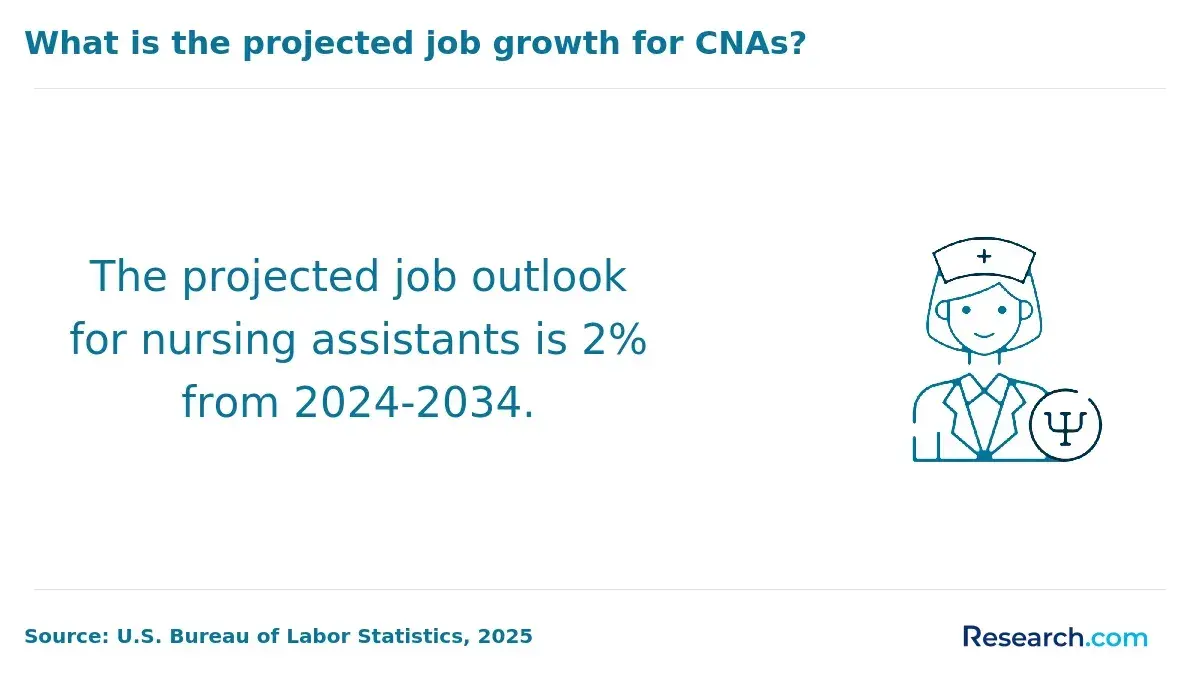
Louisiana requires aspiring Certified Nurse Aides (CNAs) to complete an approved training program and pass a competency examination to obtain licensure. The state's growing healthcare industry offers a promising job outlook, with employment for nursing assistants expected to increase by over 15% in the coming decade. This demand underscores the value of pursuing a CNA license in Louisiana as a strategic career choice, providing stable employment and opportunities for advancement within healthcare facilities statewide.
This article, prepared by experts in career planning, details the specific education requirements necessary to become a licensed CNA in Louisiana. It aims to equip readers with accurate, comprehensive information critical for navigating the licensure process efficiently and successfully.
Key Things to Know About CNA License Education Requirements in Louisiana
- Completion of a state-approved CNA training program is mandatory, typically requiring at least 75 hours of combined classroom and clinical instruction.
- CNA programs in Louisiana emphasize both theoretical knowledge and hands-on patient care skills to meet the standards set by the Louisiana State Board of Nursing.
- Successful candidates must pass the National Nurse Aide Assessment Program (NNAAP) exam, ensuring competence and readiness for workforce demands in healthcare facilities statewide.
- What are the education requirements to become a CNA in Louisiana?
- What subjects are taught in CNA classes in Louisiana?
- What steps are required to get a CNA license in Louisiana?
- How long does it take to receive a CNA license in Louisiana?
- How often do you need to renew your CNA license in Louisiana?
- What continuing education is required for CNAs in Louisiana?
- Which additional certifications can boost my career as a CNA in Louisiana?
- Can out-of-state CNAs transfer their license to Louisiana?
- Which employers hire newly certified nurse aides in Louisiana?
- What is the average salary for CNAs in Louisiana?
- How can CNAs in Louisiana advance to higher nursing roles?
What are the education requirements to become a CNA in Louisiana?
Formal education and structured training are essential to prepare Certified Nurse Aides (CNAs) in Louisiana for delivering safe, effective care in diverse healthcare environments. Comprehensive preparation ensures CNAs possess the clinical knowledge, technical skills, and ethical standards required to uphold patient safety and meet employer expectations. Below are the key CNA training program requirements in Louisiana that establish a solid foundation for competent care delivery.
- Completion of a State-Approved CNA Training Program: Candidates must enroll in and finish a nurse aide training and competency evaluation program (NATCEP) approved by the Louisiana Department of Health. These programs, offered through community colleges, technical schools, or healthcare facilities, align with federal and state curriculum standards to ensure quality education.
- Minimum Training Hours: Louisiana mandates at least 80 hours of combined instruction, including 40 hours of classroom theory and 40 hours of supervised clinical practice. This balanced approach equips students with both practical skills and foundational knowledge essential for safe patient care.
- High School Diploma or Equivalent: Most CNA programs require applicants to hold a high school diploma, GED, or HiSET, though some admit younger students without these credentials. A diploma or its equivalent helps candidates qualify for financial aid and is generally preferred by employers seeking strong foundational education.
- Criminal Background Check: All candidates must undergo a statewide criminal background screening, including a review through the National Sex Offenders Public Registry, safeguarding patients by ensuring CNAs meet ethical and safety standards.
- Health and Immunization Documentation: Applicants are required to demonstrate adequate physical health and provide proof of current immunizations or a negative tuberculosis test before beginning clinical training. These requirements prevent the transmission of infectious diseases within healthcare settings.
- Certification Exam: After training completion, candidates must pass the National Nurse Aide Assessment Program (NNAAP), which includes both written/oral and practical skills evaluations. A passing score of 70% is required, with up to three attempts permitted.
For those interested in advancing within healthcare, knowledge of related roles such as the aesthetic nurse practitioner can offer valuable career perspectives.
What subjects are taught in CNA classes in Louisiana?
Certified nurse aide training programs in Louisiana are carefully structured to provide students with the essential knowledge and practical skills required to deliver high-quality patient care. These programs integrate both classroom learning and clinical practice, ensuring that students develop the competence needed to support medical teams effectively. Understanding the CNA training curriculum in Louisiana is vital for those preparing to enter this healthcare profession.
The following outlines the key subjects typically covered in Louisiana CNA course subjects:
- Basic Nursing Skills: This subject includes training in fundamental nursing procedures such as bathing, dressing, and feeding patients. It also involves measuring vital signs and learning basic life support, laying the foundation for safe and compassionate patient care.
- Anatomy and Physiology: Students gain a comprehensive understanding of the human body's structure and function. This knowledge helps CNAs recognize changes in patient conditions and understand the implications of various health issues.
- Infection Control: This subject teaches the importance of maintaining hygienic environments to prevent illness spread. Topics include proper hand hygiene, use of personal protective equipment, and isolation protocols essential for patient and staff safety.
- Communication Techniques: Effective communication skills are developed for interacting with patients, families, and healthcare professionals. This subject emphasizes empathy, understanding patient needs, and maintaining confidentiality.
- Patient Safety Procedures: Training covers accident prevention strategies, such as fall prevention, correct lifting techniques, and emergency responses. Prioritizing patient safety is critical to minimizing harm and sustaining trust in healthcare settings.
- Psychosocial Care: CNAs learn to address patients' emotional, social, and mental health needs, promoting dignity and overall well-being through supportive interactions.
- Cultural Competence: This subject focuses on respecting diverse cultural backgrounds by understanding differences in communication, dietary needs, and religious practices, ensuring personalized and respectful care.
- Legal and Ethical Issues: Students are taught about patient rights, confidentiality, and professional responsibilities, fostering compliance with healthcare laws and ethical standards.
For individuals interested in advancing within the nursing field, it is helpful to know what do I need to start working as adult gerontology nurse practitioner, as these roles require further specialized education beyond CNA training.
What steps are required to get a CNA license in Louisiana?
Completing the licensing process ensures that Certified Nurse Aides (CNAs) in Louisiana adhere to essential standards of safety, competency, and ethical patient care established by state and federal regulations. These requirements support a skilled healthcare workforce capable of delivering high-quality services to vulnerable populations. The following are the key steps involved in obtaining a CNA license in Louisiana:
- Meet Eligibility Requirements: Applicants must be at least 16 years old and in good physical health. Documentation of immunizations or a negative tuberculosis test is required, along with a criminal background check including fingerprinting, to verify suitability for working with patients.
- Complete State-Approved Training: Enrollment in a Nurse Aide Training and Competency Evaluation Program (NATCEP) is mandatory. These programs provide a minimum of 80 hours of instruction combining classroom education and supervised clinical practice, ensuring foundational nursing skills and patient care knowledge.
- Pass Competency Exam: Candidates must successfully complete both a written or oral test and a practical skills assessment under the National Nurse Aide Assessment Program (NNAAP). A score of 70% or higher in each section is required to demonstrate proficiency and safety in caregiving.
- Undergo Criminal Background Check: A thorough background screening is conducted by the Louisiana Department of Health to identify any disqualifying offenses, ensuring patient safety in healthcare environments.
- Apply for State Certification and Registry Listing: After passing examinations and clearance, candidates submit an application to be listed on the Louisiana Nurse Aide Registry, the official record confirming CNA certification and eligibility for employment.
How long does it take to receive a CNA license in Louisiana?
The total timeline to obtain a certified nurse aide (CNA) license in Louisiana varies depending on several key factors, including the duration of the training program, the availability of certification exam dates, and the state's processing times for licensure. These variables contribute to differences in how quickly applicants can complete all requirements and receive official certification. While many candidates progress through the steps within a few months, some may experience longer waits due to circumstances beyond their control.
Typically, state-approved CNA training programs in Louisiana last between four and eight weeks. Upon completion, candidates must pass a nationally standardized competency exam comprising written and clinical components. Scheduling this exam depends largely on the availability of testing sites, which occasionally results in delays during periods of high demand.
Once the exam is successfully completed, the certification results are forwarded to the Louisiana Nurse Aide Registry, where official licensure processing occurs. State administrative procedures can take from a few days to several weeks to finalize the listing. While background checks are not mandatory during training application, candidates entering the workforce might face additional steps, potentially extending the timeline.
On average, the entire process from starting training to receiving the CNA license takes approximately two to three months, though individual experiences may vary due to exam scheduling and documentation requirements.
When asked about his experience, a certified nurse aide from Louisiana who graduated from a local program shared that the journey felt both challenging and rewarding. He recalled, "The training itself went smoothly, but I remember waiting almost a month to schedule my exam because slots were limited." After passing the test, he explained the waiting period for official certification was "a bit nerve-racking," as paperwork processing took several weeks.
Despite these hurdles, he expressed satisfaction with the support received from his school and noted, "It's important to stay patient and persistent, as delays can happen, but the goal is worth it." His reflections highlight the practical challenges faced but also the positive outcome of becoming licensed in the state.
How often do you need to renew your CNA license in Louisiana?
Maintaining an active Certified Nurse Aide (CNA) license in Louisiana is essential for demonstrating continued competency and complying with healthcare standards that safeguard patient care. The renewal process ensures CNAs are engaged in relevant clinical work, preserving both their skills and credibility within Louisiana's healthcare system. Below are the key details outlining the CNA license renewal requirements Louisiana professionals must follow.
- Renewal Frequency: CNAs must renew their license every two years, a schedule designed to keep professionals current and aligned with state healthcare standards.
- Work Requirement: Eligibility for renewal requires documentation of at least eight hours of paid employment performing nursing or nursing-related duties under supervision within the prior 24 months, ensuring practical experience is maintained.
- Renewal Process and Employer Reporting: Louisiana employs an automatic renewal system where employers report qualifying work hours to the Department of Health, eliminating the need for personal renewal applications or fees.
- Renewal Fees: There is no fee for renewing a CNA license on time, making Louisiana's process more accessible compared to other states with mandatory fees.
- Expired Licenses: If a license remains inactive for over two years, CNAs must retake and pass the competency exam to regain licensure and eligibility to work.
- No Continuing Education Required: Unlike some nursing certifications, Louisiana does not mandate continuing education for CNAs to renew; maintaining the minimum paid work hours suffices.
- Employment Outlook and Salary: With a projected job growth of 8% by 2028 and an average salary of $32,818 in 2022, maintaining certification through timely renewal is critical for competitiveness in this expanding field.
For those exploring advanced nursing education pathways, the ranking of the best acute care nurse practitioner programs offers valuable guidance on further career development.
What continuing education is required for CNAs in Louisiana?
Maintaining licensure through continuing education is vital for certified nurse aides (CNAs) in Louisiana to uphold high standards of patient care and comply with state regulations. Engaging in ongoing learning allows CNAs to refine their skills and remain current with evolving healthcare practices. Below are the key details regarding Louisiana CNA continuing education requirements.
Minimum Employment Requirement
CNAs must complete at least 8 hours of paid work providing nursing or nurse-related services in an approved healthcare setting every 24 months to stay listed on the Louisiana Nurse Aide Registry. Approved settings include nursing homes, hospitals, hospice agencies, assisted living programs, and other facilities licensed by the Louisiana Department of Health.
Approved Training Topics
Although there is no mandated number of continuing education hours for recertification, initial training covers essential subjects such as communication, infection control, safety, patient rights, and basic nursing skills. Engaging in further professional development in these areas is strongly advised to enhance competence, even if not compulsory.
Acceptable Course Formats
Recertification primarily relies on employment verification rather than formal continuing education. However, CNAs may voluntarily pursue additional education through online or in-person courses offered by employers, community colleges, or accredited providers to expand their expertise. For those exploring advanced opportunities, the shortest PMHNP program online can be an option for career growth.
Recordkeeping Expectations
Employers report CNA employment to the Nurse Aide Registry to verify eligibility. CNAs are encouraged to maintain personal documentation of their employment history and any continuing education completed to facilitate verifications during audits or disputes.
Recertification and Lapse Policy
Failure to meet the employment requirement within 24 months allows one retesting opportunity within two years post-expiration. If unsuccessful, the CNA must complete a new state-approved training program before re-certification is granted.
Which additional certifications can boost my career as a CNA in Louisiana?
Expanding your skill set through targeted certifications can open up new professional opportunities and lead to higher earnings. CNAs in Louisiana may consider pursuing specialized training programs that complement their current competencies and broaden their scope of practice. For instance, cross-training in allied health roles can enhance clinical expertise and provide a competitive edge in diverse healthcare settings. Evaluating accredited programs and gaining additional certification helps in demonstrating a commitment to professional growth while increasing career flexibility. Explore how to become a medical assistant in Louisiana for further insights on diversifying your credentials.
Can out-of-state CNAs transfer their license to Louisiana?
Louisiana permits certified nurse aides (CNAs) from other states to transfer their licenses through a reciprocity process, provided they hold an active, unencumbered CNA certification in good standing. Applicants must submit proof of current certification, pay a $35 administrative fee, and provide identification such as a Louisiana or military ID if they live near the border.
Unlike many states, Louisiana does not routinely require fingerprinting, background checks, or additional employer verification for reciprocity. Verification of certification is handled directly by Prometric, the state's contractor managing CNA credentials.
The transfer process involves completing an application form-either online or by mail-attaching required documents like a social security card and state ID, and paying the fee. No additional state-specific testing is necessary if all criteria are met. Processing generally takes several weeks to a couple of months before the CNA is listed on the Louisiana Nurse Aide Registry and eligible to work.
When speaking with a certified nurse aide who graduated from a local Louisiana program and recently facilitated her out-of-state colleague's license transfer, she reflected on the experience with enthusiasm. "The process was surprisingly straightforward," she shared. "My friend was relieved not to have to retake exams or submit excessive paperwork, which eased her transition back home."
She noted some nervousness initially about waiting for confirmation but appreciated the clear guidance from Prometric and the Department of Health. "Knowing there's a structured system in place helped her focus on preparing for her new role rather than bureaucratic hurdles."
Which employers hire newly certified nurse aides in Louisiana?
Newly certified nurse aides in Louisiana can find employment across a range of healthcare environments that involve direct patient care and support for licensed nursing staff. The demand for entry-level CNAs spans multiple facility types due to an ongoing need for quality long-term and acute care services throughout the state.
- Hospitals: Hospitals, including major systems in Louisiana, regularly hire newly certified CNAs to assist in specialized units such as medical-surgical floors and intensive care. CNAs work under registered nurses' supervision, performing tasks like obtaining vital signs, assisting patients with daily activities, and promptly responding to call lights, making them valuable members of interdisciplinary care teams.
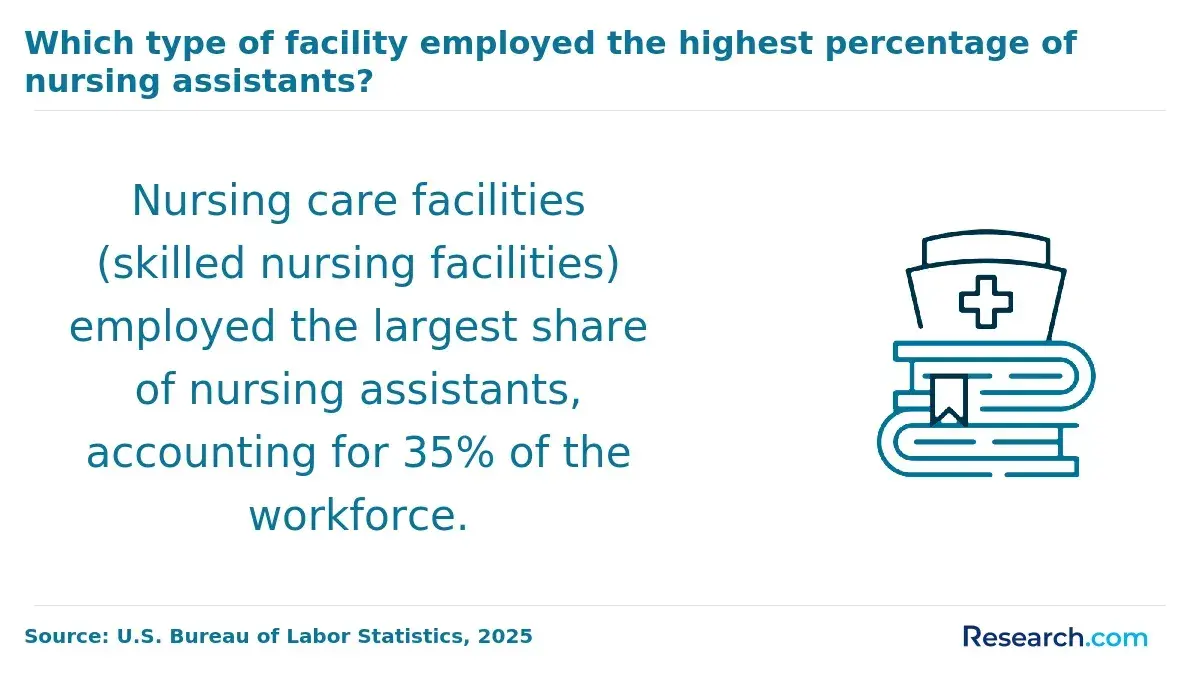
- Nursing Homes and Long-Term Care Facilities: These facilities represent a significant employment sector for new CNAs. They require round-the-clock care for elderly and chronically ill residents, where CNAs help with bathing, feeding, grooming, and monitoring vital signs. New graduates are preferred due to their training focus on long-term care and certification through the state's Nurse Aide Registry.
- Assisted Living Communities: Assisted living settings hire CNAs to provide basic nursing care and help residents with daily activities in a more independent environment. Duties often include medication reminders and mobility assistance, offering new CNAs a supportive role that fosters resident independence.
- Home Health Agencies: Home health agencies employ CNAs to deliver in-home care which includes personal care, light housekeeping, and health monitoring under nurse supervision. This setting allows CNAs flexibility and diverse experience through one-on-one patient interactions.
- Rehabilitation Centers: Rehabilitation facilities hire CNAs to assist patients recovering from surgery or injury by supporting mobility exercises and personal care. This environment exposes new CNAs to recovery-focused care and patient progress within interdisciplinary teams.
What is the average salary for CNAs in Louisiana?
CNA pay in Louisiana healthcare varies notably based on several factors, including experience, work setting, and geographic location. These differences are important for CNAs to consider when planning their career paths and evaluating job opportunities within the state. Below are key salary insights for certified nurse aides in Louisiana:
- Average Hourly and Annual Pay: The average certified nurse aide salary Louisiana ranges from $13 to $17 per hour, depending on employer and city. Annually, salaries typically fall between $31,000 and $35,000, which is somewhat below the national average.
- Pay Variation by Experience Level: Entry-level CNAs usually earn around $13 to $15 per hour, while those with years of experience may earn $18 or more per hour. More experienced CNAs nationally can exceed $22 per hour, although Louisiana rates are generally lower.
- Salary Differences Across Healthcare Facilities: Hospital-based CNAs tend to receive higher wages and better benefits compared to those working in nursing homes, home health agencies, or assisted living communities. Home healthcare positions typically offer lower pay but greater scheduling flexibility.
- Regional Pay Trends Within Louisiana: Urban areas like New Orleans and Baton Rouge offer higher wages, occasionally reaching $17 per hour, while smaller towns often see lower rates, sometimes as low as $10 to $15 per hour. Opportunities for overtime and shift differentials in cities can further enhance earnings.
- Additional Factors Influencing Earnings: Shift differentials, overtime, bonuses, union presence, and advancement toward licenses such as LPN or RN contribute to income variation. Job demand and facility funding also play significant roles in salary levels.
For those considering career advancement beyond CNA roles, exploring what are the easiest pediatric nurse practitioner online programs to get into can provide pathways to higher wages and professional growth.
How can CNAs in Louisiana advance to higher nursing roles?
Many certified nurse aides (CNAs) in Louisiana leverage their foundational healthcare experience as a valuable stepping stone toward more advanced nursing careers. Progression to higher nursing roles typically necessitates additional education, new certifications, and supervised clinical training. The following outlines common pathways for CNAs seeking advancement within the nursing profession in Louisiana.
- Licensed Practical Nurse (LPN): CNAs can enroll in LPN programs requiring a high school diploma or equivalent, typically completed within 12 to 18 months. Louisiana awards credit for prior CNA experience, facilitating entry and reducing coursework. LPNs earn a median annual salary of approximately $48,000, reflecting a substantial increase from CNA earnings.
- Registered Nurse (RN): After gaining CNA or LPN experience, individuals may pursue either an Associate Degree in Nursing (ADN) or a Bachelor of Science in Nursing (BSN). ADN programs take about two years, while BSN programs require four years. Prior credits reduce program length for LPNs, with median RN salaries near $70,000 annually.
- Specialized Nursing Roles and Advanced Practice: Nurses with BSN and RN credentials can seek further specialization or graduate degrees such as an MSN or DNP. Advanced practice roles, including nurse practitioners, offer salaries typically exceeding $100,000, depending on specialty and practice setting.
- Healthcare Administration and Education: Experienced nurses with advanced degrees may transition to administrative or educational positions. Roles often require a BSN or higher, with salaries ranging from $65,000 to over $90,000 depending on responsibilities.
- Bridge and Articulation Programs: Louisiana supports programs that recognize previous education and clinical experience, allowing CNAs to accelerate their nursing education by receiving credits that shorten the duration and cost of LPN or RN programs.
What do CNAs in Louisiana say about their career?
- Jasmine: "Completing my CNA program at Baton Rouge Healthcare Academy was a life-changing experience. The hands-on training prepared me thoroughly, and starting my career in a local school allowed me to make a meaningful impact on young students' health and safety. Louisiana's diverse culture brings unique challenges, but it also enriches my work environment daily. I love being part of a community that values care and resilience. This career has given me both stability and a real sense of purpose."
- Marcus: "After graduating from New Orleans Nursing Institute, I began working as a certified nurse aide in a local academic institution. This role has offered me incredible opportunities for professional development, with chances to advance and specialize within healthcare. The rich cultural fabric of Louisiana often influences the kind of care I provide, requiring adaptability and empathy. Reflecting on my journey, I'm proud to contribute to a supportive learning environment for students and staff alike."
- Latoya: "Attending Lafayette Care Academy gave me the clinical skills and confidence needed to serve as a CNA in a Louisiana school setting. Beyond the technical training, this career path has allowed me to grow personally and give back to my community. I find joy in helping students feel safe and cared for, especially in a state where family and community ties run deep. The blend of cultural richness and unique healthcare needs here makes every day a rewarding experience."
Related Articles for Nearby States
- 2027 Certified Nurse Aide (CNA) License Education Requirements in Mississippi
- 2027 Certified Nurse Aide (CNA) License Education Requirements in Arkansas
- 2027 Certified Nurse Aide (CNA) License Education Requirements in Texas
- 2027 Certified Nurse Aide (CNA) License Education Requirements in Alabama
- 2027 Certified Nurse Aide (CNA) License Education Requirements in Tennessee
- 2027 Certified Nurse Aide (CNA) License Education Requirements in Missouri
- 2027 Certified Nurse Aide (CNA) License Education Requirements in Oklahoma
- 2027 Certified Nurse Aide (CNA) License Education Requirements in Florida
- 2027 Certified Nurse Aide (CNA) License Education Requirements in Kentucky
- 2027 Certified Nurse Aide (CNA) License Education Requirements in Georgia
References
- Certified Nurse Aide Exam | Testing https://www.solacc.edu/students/testing/cnatest
- Certified Nurse Assistant (CNA) Salary by State | 2025 https://nurse.org/education/CNA-salary/
- Continuing Education - Louisiana State Board of Nursing https://www.lsbn.state.la.us/continuing-education-2/
- Delgado Community College https://www.dcc.edu/academics/charity-school-nursing/programs/certified-nursing-assistant.aspx
- Nurse Aide Training Programs | Louisiana Department of Health https://ldh.la.gov/health-standards-section/nurse-aide-training-programs
- Exploring Career Pathways: From Nurse Aide to Advanced Healthcare Roles - WeCareOnlineClasses https://wecareonlineclasses.com/exploring-career-pathways-from-nurse-aide-to-advanced-healthcare-roles/
- Salary: Certified Nursing Assistant in Louisiana 2025 | Glassdoor https://www.glassdoor.com/Salaries/louisiana-certified-nursing-assistant-salary-SRCH_IL.0,9_IS2792_KO10,37.htm
- Louisiana CNA License | Transfer, Renewal & Verification https://www.cnalicense.org/by-state/louisiana/
- Certified Nurse Aide Exam | BRCC https://mybrcc.edu/academics/nursing-and-allied-health/nurseaide.php
- Louisiana CEU Requirements | CEUfast https://ceufast.com/staterequirements/louisiana
Other Things You Should Know About Certified Nurse Aide (CNA) License Education Requirements in Louisiana
If your CNA license application is denied in Louisiana, first review the denial letter to understand the reasons. You may then choose to appeal the decision by submitting a request to the state board. It's advisable to address the outlined issues and seek clarification or assistance from the relevant authorities.
To renew an expired Certified Nurse Aide (CNA) license in Louisiana, individuals must first determine how long their license has been expired, as the process varies depending on the duration. If the license has been expired for less than two years, renewal typically involves completing the required continuing education and submitting a renewal application with applicable fees to the Louisiana State Board of Nursing.
For licenses expired over two years, CNAs may be required to retake the CNA competency exam or complete a state-approved nursing assistant training program before reapplying. It is important to act promptly to avoid additional requirements and ensure compliance with state regulations for maintaining certification and eligibility to work in healthcare facilities.
In 2027, to obtain a CNA license in Louisiana, candidates must complete a state-approved nurse aide training program comprising at least 80 hours, including both classroom instruction and clinical experience. Candidates must then pass the National Nurse Aide Assessment Program (NNAAP) exam to be listed on the Louisiana Nurse Aide Registry.


