
2027 Certified Nurse Aide (CNA) License Education Requirements in Nevada

Co-Founder and Chief Data Scientist
Obtaining a Certified Nurse Aide (CNA) license in Nevada offers strong career opportunities due to the state's growing healthcare sector. Nevada projects a 15% increase in CNA employment over the next decade, reflecting rising demand for skilled nursing support in hospitals and eldercare facilities. This growth makes pursuing a CNA license a strategic choice for job security and advancement within healthcare.
This article details the specific education requirements to earn a CNA license in Nevada. Developed by experts in career planning, it delivers clear, actionable guidance to help prospective CNAs understand mandatory training hours, approved coursework, and state exam procedures. This resource ensures readers can efficiently navigate the path to licensure with confidence and accuracy.
Key Things to Know About CNA License Education Requirements in Nevada
- CNA candidates in Nevada must complete a state-approved training program consisting of at least 100 hours, including 50 hours of clinical practice to ensure hands-on experience.
- Applicants are required to pass the Nevada Nurse Aide Competency Exam, which includes both a written test and a practical skills evaluation.
- Continuing education is essential for license renewal every 24 months, with ongoing workforce demand supporting thousands of CNA jobs statewide.
- What are the education requirements to become a CNA in Nevada?
- What subjects are taught in CNA classes in Nevada?
- What steps are required to get a CNA license in Nevada?
- How long does it take to receive a CNA license in Nevada?
- How often do you need to renew your CNA license in Nevada?
- What continuing education is required for CNAs in Nevada?
- Can CNAs Transition to Allied Healthcare Roles in Nevada?
- Can out-of-state CNAs transfer their license to Nevada?
- Which employers hire newly certified nurse aides in Nevada?
- What is the average salary for CNAs in Nevada?
- How can CNAs in Nevada advance to higher nursing roles?
What are the education requirements to become a CNA in Nevada?
Formal education and training form the foundation for Certified Nurse Aides (CNAs) in Nevada to provide safe, effective patient care across diverse healthcare settings. These requirements ensure candidates develop crucial skills and knowledge needed for the demanding responsibilities they face. Meeting Nevada CNA education requirements is a vital step for those aiming to work confidently and competently in this role.
Key elements of the state-approved CNA training program in Nevada include the following:
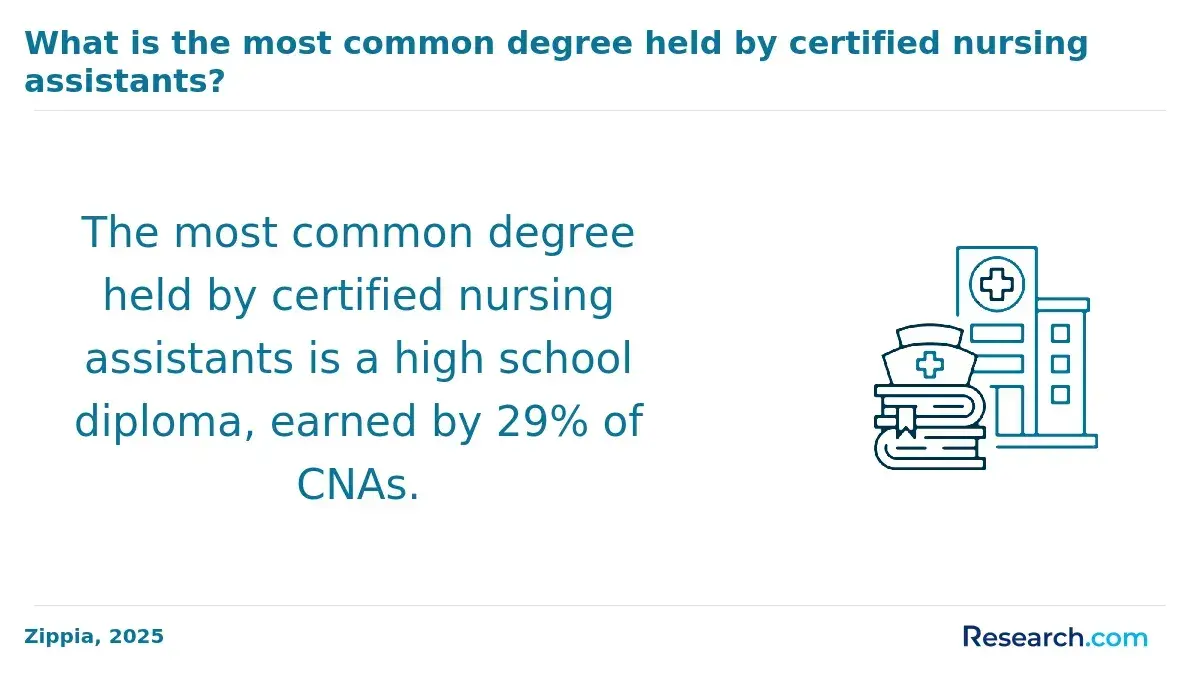
- High School Diploma or Equivalent: Prospective CNAs must hold a high school diploma or GED. This provides essential literacy and numeracy skills that support understanding medical instructions and maintaining accurate records.
- State-Approved CNA Training Program: Candidates must complete an approved program offering at least 75 hours of instruction, including classroom theory and practical skills labs. These programs ensure standardized, comprehensive preparation consistent with state healthcare standards.
- Clinical Hands-On Training: A minimum of 16 hours in supervised clinical settings equips students with real-world patient care experience, covering infection control, emergency response, and effective communication with patients and staff.
- Minimum Age Requirement: Enrollment is generally restricted to individuals 18 years or older, guaranteeing a basic level of maturity for the responsibilities involved.
- Background Check and Health Requirements: Applicants must pass a criminal background check and provide proof of immunizations such as tuberculosis screening. These measures protect vulnerable patient populations by ensuring the health and trustworthiness of CNAs.
- State Competency Exam: After training, candidates must pass the Nevada CNA certification exam to demonstrate readiness for practice and uphold quality care standards.
For those considering advancing in nursing, understanding the requirements of entry-level roles like CNA can provide a strong foundation. Explore further details on a psychiatric nurse practitioner career for insight into progression opportunities within healthcare.
What subjects are taught in CNA classes in Nevada?
Certified Nurse Aide (CNA) training programs in Nevada are carefully designed to equip students with essential knowledge and practical skills needed for effective patient care in diverse healthcare settings. These programs blend theory with hands-on practice to ensure that graduates are ready to meet professional standards and workplace challenges. Below is an overview of the key subjects typically covered in CNA classes, reflecting the comprehensive CNA course curriculum in Nevada.
- Basic Nursing Skills: This subject teaches clinical tasks such as measuring vital signs, assisting with mobility, and providing hygiene care. Mastering these skills enables CNAs to support patient health monitoring and daily care efficiently.
- Anatomy and Physiology: Students learn how the human body functions and how organ systems work together. This foundation helps CNAs recognize normal versus abnormal conditions, improving patient support and communication.
- Infection Control: Training covers the use of personal protective equipment, hand hygiene, and cleaning protocols. Strong infection control knowledge is vital to protect patients and staff from healthcare-associated infections.
- Communication and Interpersonal Skills: CNA classes emphasize clear verbal and non-verbal communication with patients and healthcare teams. These skills build trust and ensure accurate reporting, which are crucial for patient safety.
- Patient Safety and Emergency Procedures: Instruction includes fall prevention, safe transfers, CPR, and hazard recognition. CNAs learn to respond swiftly and correctly to emergencies to maintain secure care environments.
- Personal Care Skills: This topic focuses on assisting with activities like bathing, dressing, and feeding. Proficiency here supports patient comfort, dignity, and independence, especially in long-term care.
- Psychosocial and Emotional Support: Students are taught to address the emotional and mental health needs of patients, including those with dementia. Compassionate care improves overall patient well-being.
- Residents' Rights and Ethics: CNAs learn about legal responsibilities, confidentiality, and respect for diversity. This ensures ethical care compliant with state regulations.
- Observation, Reporting, and Documentation: Emphasis is placed on accurately noting patient changes and communicating concerns. These skills uphold care continuity and meet regulatory requirements.
- Quality Improvement and Teamwork: Training highlights CNAs' roles in enhancing care quality and cooperating within healthcare teams. This fosters a culture of safety and excellence.
For those planning career progression, understanding what are the average salaries of a registered nurse and a nurse practitioner can provide valuable insight into future opportunities beyond CNA training.
What steps are required to get a CNA license in Nevada?
Completing the certified nurse aide (CNA) licensing process in Nevada ensures that CNAs meet state-mandated professional standards and are fully prepared to provide safe and competent patient care. The process involves several key steps designed to verify applicants' education, skills, and suitability for the role. Below are the essential steps to obtain a CNA license in Nevada.
- Meet Basic Eligibility Requirements: Applicants must be at least 18 years old, have a high school diploma or equivalent, and maintain good physical health. Up-to-date immunizations and a tuberculosis (TB) test are also required to promote safety in clinical settings.
- Complete a State-Approved CNA Training Program: Candidates must graduate from a Nevada Board of Nursing-approved program offering at least 75 hours of instruction, including a minimum of 16 hours of supervised clinical training. This comprehensive training ensures both theoretical knowledge and practical skills.
- Pass the Nevada CNA Competency Exam: After training, candidates must successfully complete a written (or oral) exam and a hands-on clinical skills assessment. This exam certifies their ability to perform essential nursing tasks safely and effectively.
- Undergo a Criminal Background Check: A background screening is mandatory to protect patients by ensuring applicants have no disqualifying criminal history.
- Submit Application for State Certification: Candidates must provide proof of eligibility, training completion, exam passage, and background check clearance to the Nevada Board of Nursing. Successful applicants are added to the Nevada Nurse Aide Registry, allowing legal CNA employment.
- Maintain Certification and Complete Renewal Requirements: CNAs must renew certification every two years by documenting 24 hours of in-service training and verifying recent employment at a licensed facility. Failure to comply may require retesting and retraining.
How long does it take to receive a CNA license in Nevada?
The total timeline to become a licensed certified nurse aide (CNA) in Nevada varies based on the training program length, exam scheduling, and the state's processing times. These factors affect how quickly a candidate moves from starting coursework to obtaining official licensure. Planning ahead and understanding each step's requirements can help manage expectations and streamline the process.
On average, completing an approved CNA training program takes between six weeks and a year, depending on the program's structure, with a minimum of 75 hours of combined classroom and clinical instruction. After finishing training, candidates apply for and schedule the state certification exam, which can be administered through certified testing centers. Once the exam is passed, the Nevada State Board of Nursing processes the licensure application, including mandatory background checks and fingerprinting. This stage can take from several days to a few weeks, though delays sometimes occur due to limited testing availability or long background check processing, which, in rare cases, may extend up to four months. It is important to submit a valid application promptly, as it must be processed within one year.
A certified nurse aide from Nevada who graduated from a local school shared that his journey took almost four months from the moment he completed training to receiving his CNA license. "The training itself was straightforward, but scheduling the exam was tricky since slots filled up quickly," he recalled. After passing the test, the waiting period for background check clearance required patience. He noted, "Having clear guidance from the school helped me stay organized, but the unexpected waiting was the hardest part." Despite the challenges, he described the experience as rewarding, emphasizing that understanding how flexible the timeline can be helped him stay motivated throughout the process.
How often do you need to renew your CNA license in Nevada?
Renewing a Certified Nurse Aide (CNA) license in Nevada is essential for maintaining certification, ensuring competency, and meeting evolving healthcare standards in the state. Regular renewal helps CNAs stay current with best practices and regulatory changes that impact patient care quality. Below are the critical details about Nevada CNA License Renewal Requirements to keep your license active and valid.
- Renewal Frequency: CNA licenses in Nevada must be renewed every two years, ensuring ongoing compliance and professional competence. This timeline supports the continuous update of skills necessary for safe and effective nursing assistance.
- Renewal Deadlines: Licenses must be renewed within 60 days before expiration to prevent any lapse in certification. Monitoring your license status via the Nevada Nurse Portal is recommended to avoid inactivity and the need for license reactivation.
- Renewal Fees: The renewal fee is $50 if submitted before expiration. Letting a license expire for over two years could require passing a competency exam, which entails additional costs and delays.
- Continuing Education Requirements: CNAs must complete 24 hours of relevant continuing education every two years, with at least 12 hours at a Nevada-licensed or certified healthcare facility. This ensures that learning is grounded in recognized practical settings.
- Work Requirements: Evidence of at least 40 hours of paid nursing-related work under licensed supervision within the previous two years is required. This monthly engagement confirms active skill application and readiness to provide patient care.
For CNAs interested in advancing their healthcare careers, exploring BSN to FNP programs can be a valuable next step.
What continuing education is required for CNAs in Nevada?
Continuing education is vital for CNAs in Nevada to maintain their licenses and refine their patient care skills in a rapidly evolving healthcare environment. Staying current with best practices and regulatory updates ensures that CNAs provide safe, effective, and compassionate care. The following outlines the key Nevada CNA continuing education requirements to help professionals meet these standards effectively.
- Required Hours: CNAs must complete 24 hours of continuing education in relevant topics every two years. This consistent updating of skills supports ongoing competency and patient safety.
- Approved Training Topics: Education must focus on areas such as infection control, communication, safety, basic nursing skills, personal care, and patient rights to align with CNA scope of practice.
- Course Formats: Courses accepted by the Nevada State Board of Nursing can be taken online, in-person, or through hybrid methods, providing flexibility for busy schedules.
- Employment Requirement: Besides education, CNAs must work at least 40 hours under supervision of a registered nurse or licensed practical nurse within the two years before renewal to maintain hands-on skills.
- Recordkeeping: CNAs should keep detailed records of completed continuing education and employment hours as these may be audited by the state during license renewal.
- Verification and Resources: For accurate information and to ensure a course meets the requirements, CNAs can consult the Nevada State Board of Nursing or explore programs related to nurse practitioner schooling which may offer relevant continuing education options.
Can CNAs Transition to Allied Healthcare Roles in Nevada?
CNAs can leverage their hands-on patient care skills and clinical experience to explore adjacent healthcare roles that offer expanded responsibilities. For example, some professionals build on their CNA background to pursue specialized certifications in fields that complement their experience. Learning about pathways such as how to become a medical assistant in Nevada can provide strategic insights for diversifying career opportunities while maintaining quality patient care expertise. This approach enables CNAs to expand their professional scope and adapt to the evolving demands of the healthcare industry.
Can out-of-state CNAs transfer their license to Nevada?
Nevada allows certified nurse aides (CNAs) from other states to transfer their license through a process called reciprocity or endorsement. To qualify, CNAs must hold an active certification in good standing and meet specific state requirements, including verification from their original state's nurse aide registry and passing a criminal background check if required. This process enables CNAs to work in Nevada without repeating training or retaking the state certification exam.
To transfer a CNA license, candidates submit an application for endorsement through the Nevada Nursing Portal and pay a $50 fee. They must provide proof of their current active certification and have the original state complete an endorsement form confirming their good standing. The review usually takes a few weeks, and once approved, the CNA is added to Nevada's registry to work legally. No additional state exam is necessary if all documentation is complete.
A Nevada-certified nurse aide who graduated from a local CNA program spoke about her experience with license transfer. She mentioned that while the paperwork seemed overwhelming at first, the endorsement process was straightforward once she gathered all necessary documents. "The key was making sure my original state sent the verification form quickly and my background check was clear," she explained. Reflecting on the process, she noted that having a local education background helped her adapt to Nevada's specific work requirements smoothly, but transferring her license was essential to start working here without delay. Her story highlights that although there can be administrative hurdles, out-of-state CNAs can confidently navigate this path with proper preparation.
Which employers hire newly certified nurse aides in Nevada?
Newly certified nurse aides in Nevada can secure employment in various healthcare environments that rely on CNAs to provide direct patient care and assist licensed nurses. Entry-level CNAs are highly sought after across multiple facility types due to the consistent need for quality long-term and acute care services throughout the state.
- Hospitals: CNAs in hospitals help with essential patient care activities like bathing, dressing, and feeding. They also monitor vital signs and alert nursing staff to any significant changes. Hospitals hire new CNAs because they require dependable support staff to handle the fast pace and high patient turnover.
- Nursing Homes and Long-Term Care Facilities: These settings are major employers of CNAs, who assist residents with daily living tasks such as grooming, dressing, and personal hygiene. New graduates are welcomed here to provide compassionate, steady care that these facilities demand.
- Assisted Living Communities: CNAs support more independent residents by helping with medication management, personal care, and social engagement activities. New CNAs fit well in these roles due to the need for adaptable and empathetic caregivers.
- Home Health Agencies: Working in patients' homes, CNAs assist with daily activities and health monitoring, offering a more personalized care environment. This option appeals to new CNAs seeking flexible and varied opportunities outside traditional facilities.
- Rehabilitation Centers: CNAs contribute by assisting patients recovering from injuries or illnesses, supporting physical therapy, and tracking progress. Rehabilitation centers recruit new CNAs to maintain a consistent, supportive care team throughout the recovery process.
What is the average salary for CNAs in Nevada?
Certified nurse aide pay in Nevada varies notably based on experience, healthcare facility, and geographic location. These variations in the average CNA salary in Nevada impact career decisions and realistic expectations for job opportunities across the state. Recognizing these salary trends enables CNAs to plan their professional paths more strategically. Below are key salary insights for certified nurse aides in Nevada.
- Average Hourly and Annual Pay: Hourly wages for CNAs in Nevada generally range from $16.77 to $20.43, with annual salaries roughly between $34,900 and $44,360. These differences arise from varying data sources and methodologies but provide a practical pay range to consider.
- Pay Variation by Experience Level: Salaries tend to increase with experience. Entry-level CNAs earn closer to $16-17 per hour, while those with over ten years of experience may see wages around $22 per hour or more.
- Differences Across Healthcare Facilities: Hospitals and government facilities typically offer the highest pay rates, whereas nursing homes and home health agencies generally pay less. Urban medical centers, especially in cities like Las Vegas, often provide better compensation packages.
- Regional Pay Trends Within Nevada: Urban areas such as Las Vegas have notably higher wages, reflecting local demand and living costs. Rural areas often have lower pay, making location a crucial factor for salary considerations.
- Additional Factors Influencing Earnings: Shift differentials, overtime, bonuses, and certifications all enhance total compensation. Pursuing further education or specialized credentials can substantially increase earning potential. For those interested in advancing nursing careers, exploring the list of most affordable online womens health nurse practitioner degree programs can be a valuable step.
How can CNAs in Nevada advance to higher nursing roles?
Many certified nurse aides (CNAs) in Nevada leverage their foundational healthcare experience as a stepping stone toward more advanced nursing careers. Progressing within the nursing field often requires additional education, certification, and clinical training tailored to specific roles. Below are common career advancement paths for CNAs in Nevada, detailing necessary training, duration, and the opportunities each path provides.
- Restorative Aide or Medication Aide: CNAs can obtain specialized certification in a few months by completing targeted programs and passing exams. These roles offer hands-on experience assisting physical therapists or licensed nurses, supporting patient mobility and medication administration.
- Lead Certified Nursing Assistant: With experience, CNAs may advance to supervisory positions after leadership training, typically lasting several weeks to months. This role involves overseeing care standards and managing team workflows, enhancing responsibility and professional growth.
- Licensed Practical Nurse (LPN) or Licensed Vocational Nurse (LVN): This requires completing a one-year accredited program and passing the NCLEX-PN exam. LPNs/LVNs deliver direct patient care and supervise CNAs, representing a significant step up in both duties and salary.
- Registered Nurse (RN): CNAs can pursue an ADN or BSN degree over two to four years, followed by the NCLEX-RN exam. Registered nurses handle comprehensive patient care, diagnostics, and supervise nursing staff, marking the highest level of advancement for CNAs.
What Do CNAs in Nevada Say About Their Career?
- Completing my Certified Nurse Aide program at Silver State Health Academy was a turning point in my life. The hands-on training prepared me well for the realities of the job, and starting my career as a CNA in a local school gave me the chance to connect deeply with the students I care for every day. Working in Nevada's diverse communities has enriched my experience, allowing me to embrace unique cultural perspectives that influence how I provide care. I love knowing that what I do helps create a safe, nurturing environment where kids can thrive and learn. It's a career that truly blends my passion for healthcare with community support. Tyra
- My journey began at the Nevada Healthcare Training Center, and one of the most rewarding parts of being a CNA here is the professional growth I've experienced. Starting out in a local school setting challenged me to develop patience and adaptability, skills I hadn't fully realized I needed. Reflecting on my work, I feel proud knowing that I'm making a tangible impact on young lives and contributing positively to their well-being in a community that values resilience. The stability of CNA roles in Nevada's academic institutions also gives me confidence in building a lasting career with room to advance. Isabella
- Training as a CNA at Desert Valley Medical Academy opened doors I never expected, especially working around Nevada's unique environment and cultural tapestry. Starting my career in a local school allowed me to face challenges like managing diverse health needs and responding to emergencies with calm professionalism. I appreciate how this role pushes me to grow continually while giving back to a community that has supported my own journey fiercely. The opportunities for advancement in this field make it an exciting, fulfilling path where I can expand my skills and help others simultaneously. Allison
Related Articles for Nearby States
- 2027 Certified Nurse Aide (CNA) License Education Requirements in California
- 2027 Certified Nurse Aide (CNA) License Education Requirements in Oregon
- 2027 Certified Nurse Aide (CNA) License Education Requirements in Idaho
- 2027 Certified Nurse Aide (CNA) License Education Requirements in Arizona
- 2027 Certified Nurse Aide (CNA) License Education Requirements in Utah
- 2027 Certified Nurse Aide (CNA) License Education Requirements in Washington
- 2027 Certified Nurse Aide (CNA) License Education Requirements in Montana
- 2027 Certified Nurse Aide (CNA) License Education Requirements in Wyoming
- 2027 Certified Nurse Aide (CNA) License Education Requirements in Colorado
- 2027 Certified Nurse Aide (CNA) License Education Requirements in New Mexico
References:
- Exploring Career Pathways: From Nurse Aide to Advanced Healthcare Roles - WeCareOnlineClasses https://wecareonlineclasses.com/exploring-career-pathways-from-nurse-aide-to-advanced-healthcare-roles/
- Nevada Nursing Assistants CE Requirements, Accreditations & Approvals - NetCE https://www.netce.com/ce-requirements/certified-nurse-assistant/nv/
- (FAQ)Frequently Asked Questions - Nevada - Handbook https://kb-nv.credentia.com/en/article/faqfrequently-asked-questions
- Nevada CNA License | Transfer, Renewal & Verification https://www.cnalicense.org/by-state/nevada/
- Salary: Nurse Aide in Nevada 2025 | Glassdoor https://www.glassdoor.com/Salaries/nevada-nurse-aide-salary-SRCH_IL.0,6_IS2756_KO7,17.htm
- Certified Nursing Assistant | UNLV Lifelong Learning https://continuingeducation.unlv.edu/programs/certified-nursing-assistant
- What Are the Free CNA Reciprocity States? | IntelyCare https://www.intelycare.com/career-advice/what-are-the-free-cna-reciprocity-states/
- Nevada CNA Requirements - NursingHome411 https://nursinghome411.org/cna-reqs/reqs-nv/
- Travel Nursing: How to Transfer CNA License to Another State https://www.careerstaff.com/clinician-life-blog/how-to-transfer-your-cna-license-to-another-state/
- $32k-$95k Nursing Aide Jobs in Nevada (NOW HIRING) Oct 2025 https://www.ziprecruiter.com/Jobs/Nursing-Aide/--in-Nevada
Other Things You Should Know About Certified Nurse Aide (CNA) License Education Requirements in Nevada
To obtain a CNA license in Nevada in 2027, candidates must complete a state-approved training program comprising at least 75 hours of instruction, which includes both classroom and clinical practice. Upon completing the training, candidates must pass the state competency exam to receive certification.
For the 2027 CNA application in Nevada, candidates need to submit proof of completed training from a state-approved program, a fingerprint card for background checks, and a valid photo ID. Additional documentation may be required based on specific circumstances.


