
2027 Certified Nurse Aide (CNA) License Education Requirements in Utah

Co-Founder and Chief Data Scientist
Utah's healthcare sector demonstrates a growing demand for Certified Nurse Aides (CNAs), with employment projected to increase by 15% over the next decade. This growth supports the value of obtaining a CNA license in the state, offering stable career opportunities and competitive compensation. The rigorous standards established ensure that CNAs possess essential skills to provide quality patient care in various healthcare settings across Utah.
This article thoroughly examines the specific education requirements mandated for CNA licensure in Utah. Developed by experts in career planning, it aims to guide prospective candidates through the necessary training, certification processes, and regulatory expectations. The information presented will equip readers with a clear understanding of how to achieve certification and succeed as a CNA in Utah's healthcare environment.
Key Things to Know About CNA License Education Requirements in Utah
- Completion of a state-approved CNA training program is mandatory in Utah, featuring at least 75 hours of instruction combining classroom learning and clinical practice.
- Applicants must pass the Utah Nurse Aide Competency Examination, which includes a written test and a practical skills evaluation to ensure readiness for patient care.
- Continuing education and periodic recertification every two years are required to maintain licensure, reflecting Utah's emphasis on updated skills amid growing healthcare demands.
- What are the education requirements to become a CNA in Utah?
- What subjects are taught in CNA classes in Utah?
- What steps are required to get a CNA license in Utah?
- How long does it take to receive a CNA license in Utah?
- How often do you need to renew your CNA license in Utah?
- What continuing education is required for CNAs in Utah?
- What professional development resources are available for CNAs in Utah?
- Can out-of-state CNAs transfer their license to Utah?
- Which employers hire newly certified nurse aides in Utah?
- What is the average salary for CNAs in Utah?
- How can CNAs in Utah advance to higher nursing roles?
What are the education requirements to become a CNA in Utah?
Formal education and training are fundamental to preparing Certified Nurse Aides (CNAs) in Utah to deliver safe and effective patient care in diverse healthcare environments, including hospitals and long-term care facilities. Comprehensive preparation equips CNAs with the knowledge and skills necessary to meet regulatory standards while adapting to Utah's evolving healthcare demands. Below are the typical minimum education and training requirements for becoming a certified nurse aide in Utah:
Completion of a State-Approved CNA Training Program
Candidates must complete a CNA training program approved by the Utah Nursing Assistant Registry, encompassing at least 80 hours of combined classroom and clinical instruction. These programs, offered by community colleges and vocational institutions, ensure students gain foundational medical knowledge and hands-on skills.
High School Diploma or GED
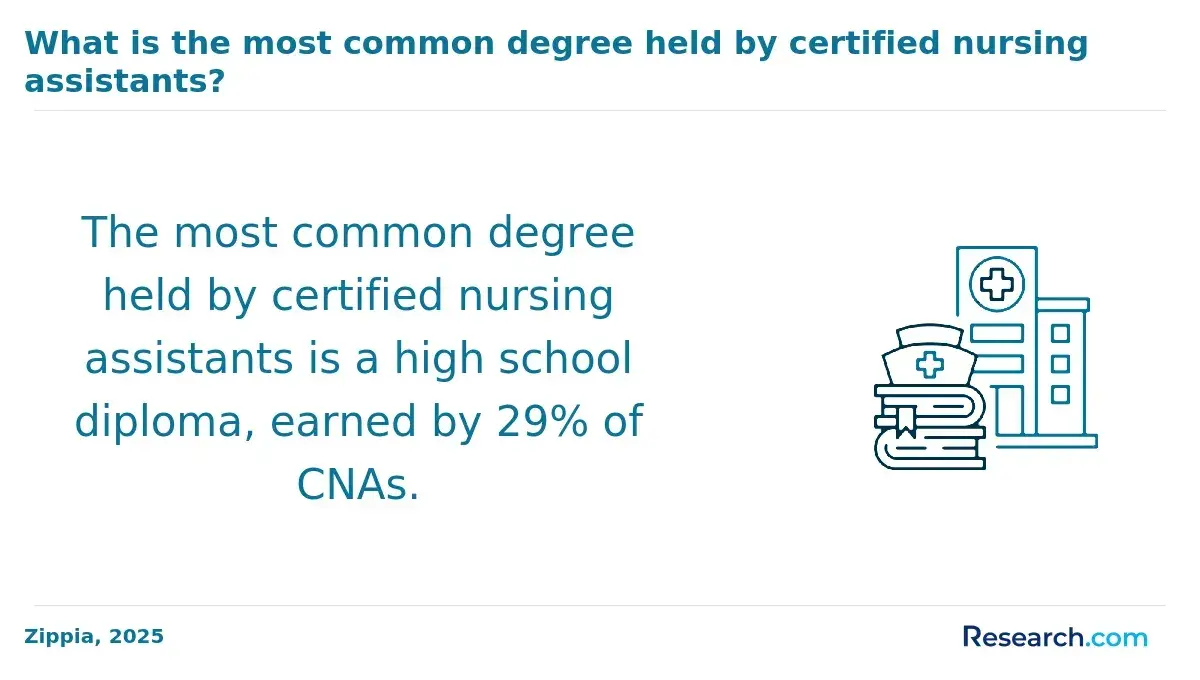
Although not universally mandatory, many training programs recommend or require a high school diploma or GED to support students' ability to comprehend medical terminology, anatomy, and essential communication skills, thereby enhancing overall academic readiness.
Clinical Training Experience
Utah mandates a minimum of 24 hours of supervised clinical practice in healthcare settings such as hospitals or long-term care facilities. This practical experience is critical for developing competency in patient hygiene, mobility support, infection control, and vital sign monitoring.
Passing the Nurse Aide Competency Exam
After training, candidates must pass a state-administered competency exam, which includes written and manual skills components, typically costing $55 per attempt. This certification validates the candidate's ability to provide quality patient care independently.
Background Check, Immunizations, and Drug Screening
To safeguard patient health and comply with regulations, CNA candidates are required to undergo criminal background checks, provide proof of updated immunizations, and complete drug screenings before certification.
For those exploring career paths in healthcare, understanding the Utah CNA education requirements is essential. Individuals aspiring to advance within the field may consider related professions such as psychiatric nurse practitioner careers, which demand further specialized education and certification.
What subjects are taught in CNA classes in Utah?
CNA training programs in Utah are carefully structured to equip students with both the essential knowledge and practical skills necessary to deliver high-quality patient care across various healthcare environments. These programs follow a rigorous CNA course curriculum in Utah that ensures students receive comprehensive instruction and supervised hands-on experience. The training covers a broad range of topics that together prepare nursing assistants to meet state certification standards and perform competently in their roles.
The key subjects covered in Utah nurse aide training typically include the following:
- Certification and Healthcare Structure: This subject familiarizes students with the regulatory requirements for CNA certification and renewal in Utah, including the role of the Utah Nursing Assistant Registry. Understanding the healthcare system and professional boundaries is vital for safe and ethical practice within care teams.
- Resident Rights and Legal Responsibilities: Students learn about patient rights, privacy laws such as HIPAA, and the protocols for reporting abuse and neglect. This subject emphasizes the legal and ethical duties that CNAs must uphold to protect vulnerable populations.
- Communication and Interpersonal Skills: Effective communication techniques are taught to foster respectful interactions with residents, families, and healthcare professionals. This includes person-centered approaches that support resident dignity and independence.
- Infection Prevention and Control: This essential topic addresses practices such as hand hygiene, use of personal protective equipment, and standard precautions to prevent disease transmission, crucial for maintaining safe care environments.
- Basic Safety and Emergency Procedures: Training includes fall prevention, emergency response, fire safety, and safe body mechanics to ensure both resident and caregiver safety in diverse care settings.
- Basic Nursing Skills: Core clinical skills such as taking vital signs, assisting with mobility, and providing hygiene care are practiced extensively to ensure competency before entering healthcare facilities.
- Body Systems and Disease Processes: Instruction covers anatomy, physiology, and common illnesses affecting key body systems, enabling CNAs to recognize and report changes in resident health.
- Nutrition and Meal Assistance: This subject educates students on dietary needs, feeding techniques, and cultural considerations to support residents' nutritional health effectively.
- Mental Health and Cognitive Impairment: Students learn approaches for caring for residents with mental illness, dementia, and cognitive challenges, emphasizing compassionate and specialized support.
- End of Life Care: Training emphasizes compassionate care for dying residents and support for their families, including recognizing signs of approaching death.
For those considering further advancement, understanding these foundations can also be a stepping stone toward becoming a nurse practitioner and expanding one's role within healthcare.
What steps are required to get a CNA license in Utah?
Completing the licensing process for certified nurse aides (CNAs) in Utah is essential to ensuring that individuals meet rigorous professional and state standards for patient care. This process safeguards patient safety and promotes high-quality healthcare delivery across the state. The steps below detail the necessary actions candidates must undertake to become licensed CNAs in Utah.
- Meet Age and Eligibility Requirements: Applicants must be at least 16 years old to begin the certification process. This age requirement ensures candidates have the maturity needed to manage the responsibilities involved in direct patient care.
- Complete a State-Approved CNA Training Program: Candidates must enroll in a Utah Nursing Assistant Registry (UNAR)-approved training course comprising at least 100 hours of combined classroom and clinical instruction. This program equips candidates with essential skills in patient safety, infection control, and nursing fundamentals.
- Pass the State CNA Competency Exams: After training completion, candidates must pass both the Written Knowledge Exam and the Manual Skills Exam. Each exam costs $55 per attempt, and candidates have up to three attempts within one year to successfully complete both portions.
- Submit to a Criminal Background Check: A background check is mandatory to verify the candidate's suitability for patient care roles. This step ensures the protection of vulnerable populations by screening for any disqualifying criminal history.
- Apply for State Certification with UNAR: Upon passing exams and clearing the background check, applicants submit their certification application to be listed on the official Utah CNA Registry, authorizing legal employment within the state.
How long does it take to receive a CNA license in Utah?
The total timeline to become a licensed certified nurse aide (CNA) in Utah varies depending on multiple factors, such as the length of the approved training program, the availability and scheduling of exams, and the time required for state processing of certification documents. These variables can lead to different experiences among candidates in completing certification.
Typically, Utah CNA training programs take about 4 to 8 weeks to complete, depending on whether they are full-time or part-time. After training, candidates must pass both the State Written Knowledge Exam and the State Manual Skills Exam, which may be scheduled within days to several weeks following program completion. Once exams are passed, the candidate submits necessary documentation to the Utah Nursing Assistant Registry for licensure processing. This final step generally takes a few business days to a couple of weeks, provided all paperwork is complete and background checks are clear. Some candidates may encounter delays due to high testing demand, background check reviews, or incomplete applications. Most individuals receive their official CNA license within 2 to 3 months from starting training to certification, though timelines can vary based on individual circumstances.
When discussing how long it took to receive his CNA license, a certified nurse aide from Utah who graduated from a local program remarked, "The structured classes made the academic part straightforward, but scheduling the exams required patience." He recalled that while training lasted about six weeks, securing a spot for the skills exam took nearly three weeks longer than expected. "Waiting for the registry to process my application was surprisingly quick once all documents were submitted. Still, it felt like a long journey," he said reflectively. His experience highlights the unpredictable nature of exam timing and administrative processing that can extend the certification timeline beyond initial expectations.
How often do you need to renew your CNA license in Utah?
Renewing a Certified Nurse Aide (CNA) license is vital for maintaining professional certification, confirming ongoing competency, and adhering to healthcare standards in Utah. Timely renewal also ensures CNAs continue to meet state regulations critical to patient safety and quality care. Below are the key points regarding the CNA license renewal process in Utah:
- Renewal Frequency: A CNA license in Utah must be renewed every two years based on the expiration date on the current certificate. It is the responsibility of each CNA to track this period to avoid lapses in certification.
- Renewal Deadlines and Process: Renewal notices are sent at least 40 days before expiration to the address registered with the Utah Nursing Assistant Registry. CNAs must submit a renewal form, signed by a supervising licensed nurse, before their certificate expires to maintain active status.
- Renewal Fee: The standard fee to renew a CNA license in Utah is $20. This payment must accompany the renewal application to complete the process.
- Minimum Employment Requirement: CNAs must document at least 200 hours of paid work in nursing or nursing-related duties under supervision within the previous 24 months. This requirement must be fulfilled before the license expiration, with no extensions granted.
- Continuing Education Requirements: Unlike other states, Utah does not require specific continuing education hours for CNA license renewal. The focus remains on verifying paid work experience rather than coursework or in-service training.
- Lapse and Reinstatement: If renewal is missed, CNAs have up to six months post-expiration to renew with additional conditions. Licenses expired beyond that may require retesting or retraining to regain certification.
- Registry Information Updates: Maintaining current contact and employment information with the Utah Nursing Assistant Registry is essential to receive renewal notifications and prevent certification lapses.
Those interested in advancing their healthcare career may explore a list of best BSN to NP degree programs to build on their CNA experience.
What continuing education is required for CNAs in Utah?
Continuing education is vital for certified nurse aides (CNAs) in Utah to maintain their licenses, sharpen their clinical skills, and provide safe, effective patient care aligned with the latest healthcare standards. It also equips CNAs to navigate ongoing legal, ethical, and technological developments in the healthcare sector. Below are the principal requirements for CNA continuing education in Utah:
- In-Service Training Requirement: Utah mandates CNAs to complete at least 12 hours of continuing education annually, focusing on topics relevant to their work environment and patient safety to meet federal standards.
- Work Experience Documentation: CNAs must submit proof of at least 200 hours of paid nursing assistant employment within the past 24 months as a condition for certification renewal.
- Approved Training Topics: Required continuing education covers essential subjects including infection control, residents' rights, communication skills, emergency procedures, basic nursing techniques, and identification and reporting of abuse or neglect.
- Acceptable Formats for Training: Training may be completed through various methods such as in-person classes, online courses, or employer-sponsored sessions, provided they are recognized by the Utah Nursing Assistant Registry and comply with federal regulations. For those seeking advanced credentials, exploring an FNP post graduate certificate can be a beneficial next step.
- Recordkeeping and Documentation: CNAs must maintain records of all completed continuing education and in-service hours. Although employers often supply documentation, CNAs should keep personal copies for audits or recertification processes.
- Registry Verification: The Utah Nursing Assistant Registry oversees tracking certification status, including in-service training and work experience verification, so CNAs must ensure their records are current.
What professional development resources are available for CNAs in Utah?
Utilizing structured professional development programs can improve clinical expertise and career progression for CNAs in Utah. Local healthcare associations, credentialing bodies, and continuing education workshops offer practical training sessions, online seminars, and career networking events tailored specifically for nurse aides. Many employers also collaborate with industry experts to provide mentorship programs and in-service training that help CNAs refine clinical skills and leadership abilities. Exploring alternative career paths is another effective strategy; for example, learn how to become a medical assistant in Utah to broaden clinical capabilities and diversify professional opportunities.
Can out-of-state CNAs transfer their license to Utah?
Utah permits certified nurse aides (CNAs) licensed in other states to transfer their credentials through a process called reciprocity or endorsement. Applicants must hold an active, non-expired nursing assistant certification in good standing from their original state, free of disciplinary actions. The state requires background verification and documentation proving current certification. This ensures all CNAs practicing in Utah meet consistent professional and competency standards required by federal and state laws for healthcare providers, especially those involved in Medicare and Medicaid services.
To transfer a CNA license, individuals submit an Application for Certification by Reciprocity to the Utah Nursing Assistant Registry along with a $50 processing fee and required documents, including proof of training and valid identification. No additional state examination is necessary if valid credentials are held. The process includes electronic fee payment and document submission in approved formats, with typical processing times varying based on application completeness and optional expedited services.
When I spoke with a certified nurse aide from Utah who graduated locally, she reflected on her experience assisting an out-of-state colleague through this transfer. She noted, "It was reassuring to see that the system recognizes certifications from other states, which made the transition smoother for them. However, attention to detail was vital - any mismatched documents could delay approval." Her positive outlook stemmed from observing how reciprocity supports mobility while maintaining rigorous standards for patient care.
Which employers hire newly certified nurse aides in Utah?
Newly certified nurse aides in Utah have a broad spectrum of employment opportunities across various healthcare settings where they deliver direct patient care and support licensed nursing staff. The demand for entry-level CNAs remains robust due to the persistent need for high-quality care in both long-term and acute environments, reflecting Utah's evolving healthcare landscape.
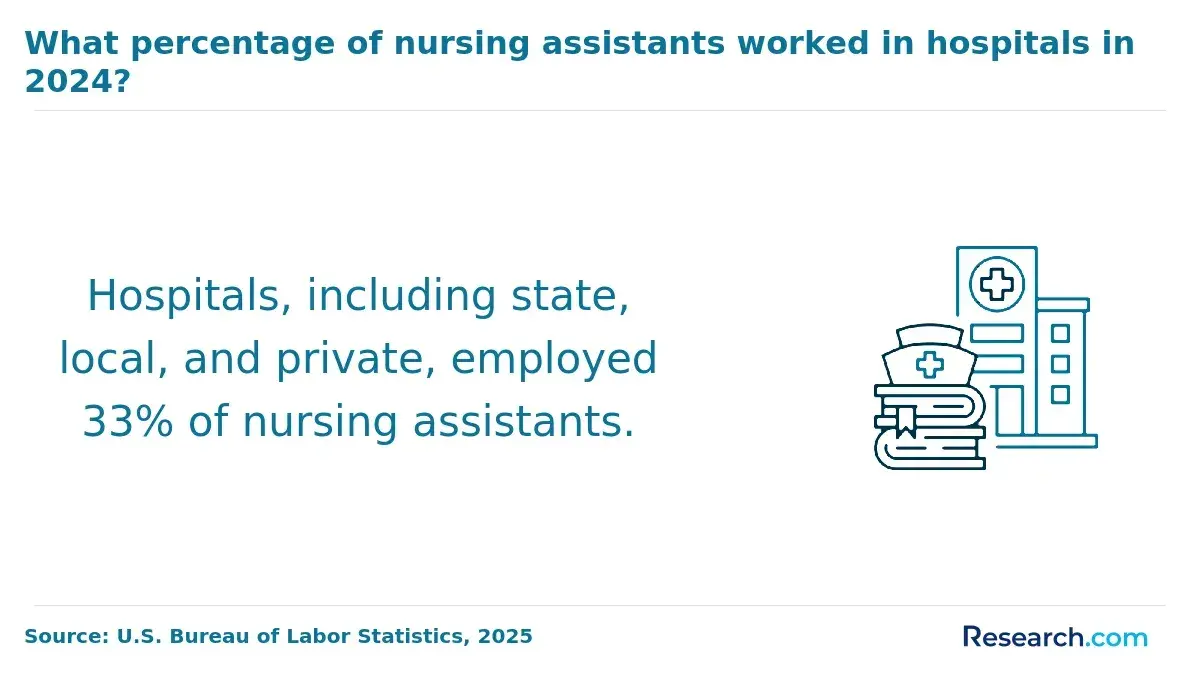
- Hospitals: CNAs in hospitals assist with vital signs, meal support, and monitoring patient conditions. These settings prioritize hiring new CNAs to strengthen nursing teams-especially in acute care units requiring skilled, attentive support.
- Nursing Homes and Long-Term Care Facilities: These facilities employ CNAs to aid geriatric patients with daily activities such as bathing, dressing, and feeding. The continuous, hands-on care environment often attracts new CNAs motivated by meaningful resident interaction and teamwork.
- Assisted Living Communities: Although not all staff must be CNAs, these communities require at least one CNA on-site at all times. Newly certified CNAs play a vital role assisting residents with daily living tasks and fostering a supportive, quality living environment.
- Home Health Agencies: CNAs here provide in-home care, traveling between patients and working independently. Flexible scheduling and mileage reimbursement make this setting appealing for CNAs seeking autonomy and variety in their work.
- Rehabilitation Centers: In rehabilitation facilities, CNAs support patients recovering from injuries or illnesses by assisting with physical therapy exercises, medication reminders, and everyday activities. This dynamic environment offers CNAs the chance to contribute directly to patient recovery processes.
What is the average salary for CNAs in Utah?
Certified Nursing Assistant salary Utah varies based on experience, employment setting, and geographic location within the state. These factors influence overall compensation and are important for CNAs to consider as they plan their career development and assess potential job opportunities. Gaining insight into these salary trends provides a clearer perspective on earning potential and workplace choices. Below are key salary insights for CNAs in Utah:
- Average Hourly and Annual Pay: The Utah CNA salary average is approximately $18.27 per hour, amounting to an annual salary near $35,224. Most CNAs earn between $32,115 and $38,945 yearly, with the typical salary range spanning from $29,285 to $42,334.
- Pay Variation by Experience: Salaries rise with experience, where entry-level CNAs may earn toward the low end of the range, while those with over ten years can exceed $22 per hour in more advanced or specialized positions.
- Differences Across Healthcare Facilities: Compensation differs among hospitals, nursing homes, and home healthcare agencies. Hospital-employed CNAs generally receive higher wages, followed by nursing homes, with home health settings tending to pay less, reflecting national trends.
- Regional Pay Trends within Utah: Urban areas such as Salt Lake City and Provo often offer higher CNA wages due to increased demand and living costs, whereas rural locations typically align closer to the state average, though with moderate variation.
- Additional Factors Influencing Earnings: Overtime, night or weekend shift differentials, bonuses, and hazard pay for high-risk roles contribute to earnings. CNAs who pursue extra certifications or work in specialized units may increase their salary potential.
For CNAs aiming to advance their careers, pursuing further education to become licensed practical nurses or registered nurses is a common pathway. For those interested in continuing education, exploring programs such as an online RN degree can offer practical options to boost credentials and earning possibilities.
How can CNAs in Utah advance to higher nursing roles?
Many certified nurse aides (CNAs) in Utah leverage their foundational healthcare experience as a stepping stone toward more advanced nursing careers. Career progression typically necessitates additional education, certification, and comprehensive clinical training to meet the requirements of higher-level nursing roles. Below are some common pathways that CNAs can pursue to advance their nursing careers in Utah.
- Restorative Aide or Medication Aide: CNAs can obtain specialized certification by completing a few months of additional training and passing a certification exam. These roles involve assisting therapists or administering medications, offering increased responsibility and modest salary growth.
- Lead Certified Nursing Assistant: Advancement to lead CNA requires experience and leadership training, enabling supervision of other CNAs and higher wages. Training costs vary but generally fall between $500 and $2,000.
- Licensed Practical Nurse (LPN): CNAs must complete an accredited one-year practical nursing program and pass the NCLEX-PN exam. LPNs earn significantly higher salaries and take on broader clinical duties.
- Registered Nurse (RN): Becoming an RN requires completing either a two-year ADN or four-year BSN degree and passing the NCLEX-RN exam, offering substantial salary increases and expanded responsibilities.
- Bachelor of Science in Nursing (BSN): A BSN opens doors to advanced roles such as nurse educator or manager, with access to the highest salary brackets in clinical nursing.
What do CNAs in Utah say about their career?
- Laila: "Completing my CNA program at Mountain View Healthcare Academy truly set the foundation for my career. The hands-on training equipped me with skills I use daily as I support students in a local school. There's something incredibly rewarding about being part of the educational environment, knowing my efforts help ensure kids feel safe and cared for. Utah's close-knit communities make the work feel even more impactful, and I'm proud to contribute to their well-being. The job security here is reassuring, especially as I continue to grow professionally."
- Marcus: "After finishing my CNA certification through Wasatch Medical Institute, I quickly found employment working in a local school setting. The role challenged me to adapt in ways I hadn't anticipated, balancing medical care with a nurturing approach tailored for young individuals. Living and working in Utah, I've come to appreciate the unique healthcare needs shaped by our environment, like addressing seasonal illnesses and supporting active families. This career has also given me a deep sense of personal fulfillment as I witness the positive changes in the students' lives. I look forward to exploring further certifications and advancing in this meaningful path."
- Jin: "Training at Zion Care Academy opened doors for me in the education sector where I work as a certified nurse aide in a local school. My experience here has shaped my approach to community health, especially in rural areas of Utah where resources can be limited. This career has been a journey of continuous learning and professional development, and I'm grateful for the stability it offers. Knowing that my work directly supports children's health and helps bridge gaps in care motivates me every day. It feels amazing to make a tangible difference within my community."
Related Articles for Nearby States
- 2027 Certified Nurse Aide (CNA) License Education Requirements in Nevada
- 2027 Certified Nurse Aide (CNA) License Education Requirements in Arizona
- 2027 Certified Nurse Aide (CNA) License Education Requirements in Idaho
- 2027 Certified Nurse Aide (CNA) License Education Requirements in Wyoming
- 2027 Certified Nurse Aide (CNA) License Education Requirements in Colorado
- 2027 Certified Nurse Aide (CNA) License Education Requirements in New Mexico
- 2027 Certified Nurse Aide (CNA) License Education Requirements in California
- 2027 Certified Nurse Aide (CNA) License Education Requirements in Montana
- 2027 Certified Nurse Aide (CNA) License Education Requirements in Oregon
- 2027 Certified Nurse Aide (CNA) License Education Requirements in Washington
References
- Salary: Nursing Aide in Utah 2025 | Glassdoor https://www.glassdoor.com/Salaries/utah-nursing-aide-salary-SRCH_IL.0,4_IS255_KO5,17.htm
- Exploring Career Pathways: From Nurse Aide to Advanced Healthcare Roles - WeCareOnlineClasses https://wecareonlineclasses.com/exploring-career-pathways-from-nurse-aide-to-advanced-healthcare-roles/
- Utah CNA License | Transfer, Renewal & Verification https://www.cnalicense.org/by-state/utah/
- Utah Nursing Assistant Registry https://utahcnaregistry.com/frequently-asked-questions
- 97 Certified Nurse Aide jobs in Salt Lake City, Utah, United States (12 new) https://www.linkedin.com/jobs/certified-nurse-aide-jobs-salt-lake-city-ut
- Launch Your CNA Career In Kaysville, UT | Utah CNA https://www.utahcnacenters.com/kaysville-ut/
- Nursing Assistant - MTECH https://mtec.edu/programs/nursing-assistant/
- Job Outlook for Nurses in Utah | AZCN https://www.arizonacollege.edu/salt-lake-city-utah-nursing-school/job-outlook-for-nurses-in-utah/
- CNA License Renewal Guide – Clipboard (Professional) https://workers.clipboardhealth.com/hc/en-us/articles/32804421847703-CNA-License-Renewal-Guide
- Certified Nurse Assistant (CNA) Salary by State | 2025 https://nurse.org/education/CNA-salary/
Other Things You Should Know About Certified Nurse Aide (CNA) License Education Requirements in Utah
To obtain a CNA license in Utah in 2027, candidates must complete a state-approved nurse aide training program, which typically includes at least 100 hours of instruction, divided between classroom learning and clinical experience. Additionally, they must pass the Utah Nurse Aide Competency Exam to become certified.
To renew an expired CNA license in Utah in 2027, CNAs need to complete a certain number of practice hours or continuing education courses as stipulated by the Utah Nursing Assistant Registry. They must also pass a competency evaluation exam if they have been inactive for over two years.
In Utah, to renew a CNA license in 2027, nurse aides must complete a required number of education units during the certification period and submit documentation of recent employment in the field. Continuing education is essential to ensure CNAs remain up-to-date with healthcare practices.


