
2027 Certified Nurse Aide (CNA) License Education Requirements in Wisconsin

Co-Founder and Chief Data Scientist
Wisconsin offers a strong demand for Certified Nurse Aides (CNAs), with employment projected to grow 12% over the next decade. This growth underscores the value of obtaining a CNA license in the state. CNAs play a vital role in healthcare by providing essential patient care in hospitals, nursing homes, and community facilities. Pursuing a CNA license in Wisconsin not only opens doors to a stable career but also provides a foundation for further advancement in healthcare.
This article details the specific education requirements for obtaining a CNA license in Wisconsin. It is prepared by experts in career planning to guide readers through each step. The information presented will help prospective students understand exactly what is needed to qualify for licensure, ensuring a clear path toward starting a career as a CNA in Wisconsin.
Key Things to Know About CNA License Education Requirements in Wisconsin
- Complete a state-approved CNA training program with at least 75 hours, including 16 hours of supervised clinical practice, to meet Wisconsin's minimum education standards.
- Pass the Wisconsin Nurse Aide Competency Exam, which tests both written and skills proficiency, a required step following training completion.
- Renew certification every 24 months by working at least 8 hours as a CNA or completing continuing education, ensuring compliance with state workforce regulations.
- What are the education requirements to become a CNA in Wisconsin?
- What subjects are taught in CNA classes in Wisconsin?
- What steps are required to get a CNA license in Wisconsin?
- How long does it take to receive a CNA license in Wisconsin?
- How often do you need to renew your CNA license in Wisconsin?
- What continuing education is required for CNAs in Wisconsin?
- What are the costs and funding options for CNA training in Wisconsin?
- Can out-of-state CNAs transfer their license to Wisconsin?
- Which employers hire newly certified nurse aides in Wisconsin?
- What is the average salary for CNAs in Wisconsin?
- How can CNAs in Wisconsin advance to higher nursing roles?
What are the education requirements to become a CNA in Wisconsin?
Formal education and structured training are crucial for preparing Certified Nurse Aides to deliver safe and effective care in Wisconsin's diverse healthcare environments. Proper instruction ensures CNAs develop the skills, knowledge, and ethical foundation necessary to meet patient needs and regulatory standards. Below is an outline of the key education and training steps required.
- State-Approved CNA Training Program in Wisconsin: Completing a state-approved nurse aide training program is mandatory. These programs combine classroom education with supervised clinical practice, typically requiring at least 75 hours of training, including 16 hours of hands-on experience under licensed nurse supervision.
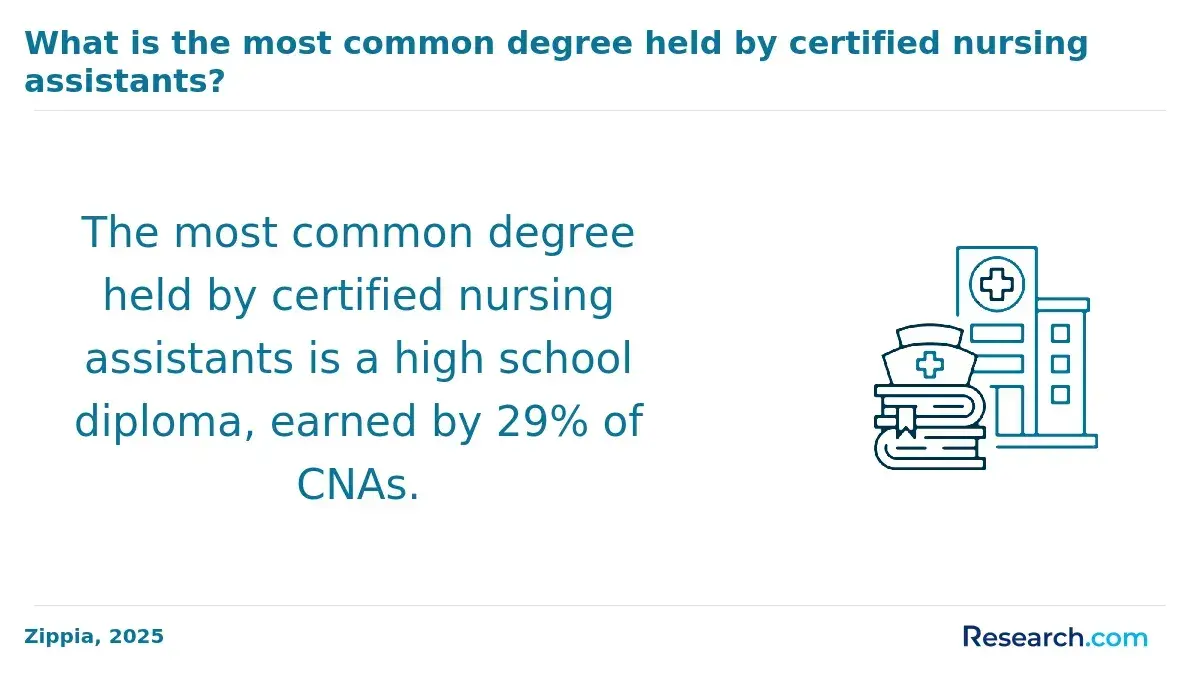
- High School Diploma or GED: While not always mandatory, many training providers prefer candidates to have a high school diploma or GED. Some programs allow applicants actively pursuing these credentials, supporting diverse entry pathways into the profession.
- Clinical Training Component: A significant portion of the curriculum focuses on clinical skills, such as vital signs monitoring, patient mobility assistance, and infection control. This practical experience ensures graduates can handle the physical and interpersonal demands of caregiving.
- Background Check and Age Requirements: Candidates must generally be at least 16 years old and pass a criminal background check, which safeguards patient safety and aligns with employment standards.
- Competency Examination: After training completion, candidates must pass a written or oral knowledge test along with a practical skills evaluation within one year. Certification depends on achieving passing scores, with retesting protocols in place for those who don't pass initially.
Those interested in career advancement may explore nursing roles and find options for the highest paying nursing job opportunities after CNA certification.
What subjects are taught in CNA classes in Wisconsin?
CNA training programs in Wisconsin are carefully developed to provide students with a balanced combination of essential knowledge and practical skills required for effective patient care. These programs ensure that learners gain hands-on experience while understanding critical healthcare principles. This approach aligns with the Wisconsin CNA training curriculum, designed to prepare students for the realities of working in diverse medical settings. Below are the key subjects addressed in certified nurse aide classes:
- Interpersonal Communication and Social Interaction: This subject focuses on developing effective communication skills with patients and healthcare teams. It emphasizes understanding patients' emotional and social needs, fostering respect for their dignity, and promoting age-appropriate interactions critical to patient-centered care.
- Basic Nursing Skills: Students learn core nursing tasks such as bed making, vital signs measurement, safe patient transfers, and infection control. These skills form the foundation of daily CNA responsibilities and ensure patient safety and comfort in healthcare environments.
- Personal Care Skills: This area covers assistance with daily living activities like bathing, grooming, dressing, toileting, and feeding. Maintaining patient dignity and providing compassionate care are key priorities taught in this subject.
- Basic Restorative Services: Instruction includes use of assistive devices, exercises for mobility, proper positioning, and care of prosthetics. These skills support patients in regaining or maintaining independence.
- Clients' Rights: Students explore legal and ethical principles safeguarding patient dignity, privacy, and autonomy. Understanding these rights is vital to ethical CNA practice and patient protection.
- Dementia Care: Focused on clients with cognitive impairments, this subject teaches specialized care techniques to manage behaviors while promoting safety and respect.
- Infection Control and Safety: Covered early in training, this subject stresses disease prevention through proper hygiene, use of protective equipment, and emergency response procedures.
For those considering a broader healthcare path, reviewing information on womens health nurse practitioner how to become can offer valuable insight into advancing your career beyond CNA training. Overall, the CNA education in Wisconsin programs aim to equip students with the practical and theoretical foundation necessary to succeed in this critical healthcare role.
What steps are required to get a CNA license in Wisconsin?
Completing the licensing process for a Certified Nurse Aide (CNA) in Wisconsin ensures candidates meet rigorous professional and state standards required to provide safe and effective patient care. This process protects patients and maintains the quality of the healthcare workforce within the state. Below are the essential steps for obtaining CNA licensure in Wisconsin.
- Complete a State-Approved CNA Training Program: Enroll in a Wisconsin Department of Health Services-approved nurse aide training program that includes at least 75 hours of combined classroom instruction and supervised clinical experience. This training builds foundational skills necessary for patient safety and care.
- Pass the CNA Competency Exam: Successfully pass both the written (or oral) exam and a hands-on skills evaluation. This demonstrates mastery of the knowledge and practical skills required to deliver competent nursing assistance.
- Undergo a Caregiver Background Check: Submit to a thorough background screening to identify any disqualifying criminal history, ensuring that only trustworthy individuals work in direct patient care roles.
- Submit Health and Immunization Records: Provide proof of immunizations and health screenings as required by training programs or clinical sites, confirming readiness to safely participate in patient care environments.
- Apply for State Certification and Registry Placement: After meeting educational, exam, and background requirements, apply to be listed on the Wisconsin Nurse Aide Registry, which is mandatory for employment as a CNA in the state.
How long does it take to receive a CNA license in Wisconsin?
The total timeline to obtain a certified nurse aide (CNA) license in Wisconsin depends on several factors such as the length of the chosen training program, scheduling of the certification exam, and the state's processing speed. These variables can cause the process to vary significantly between candidates, making it important to plan each step carefully to avoid unnecessary delays.
Typically, candidates complete state-approved CNA training programs that require at least 75 hours, including clinical experience. Full-time programs can be finished within three to four weeks, while part-time or evening courses may extend up to four months. After training, passing the two-part competency exam (written and skills) is mandatory, and exam availability depends on local testing centers, which may occasionally cause scheduling setbacks.
Once the exam is passed and documentation submitted, including background checks, state registry processing usually takes several days to a few weeks. However, delays can occur due to test center backlogs or slower background check results, especially in rural or high-demand areas. Generally, the entire process takes between one to two months for most candidates.
When I spoke with a certified nurse aide from Wisconsin who graduated from a local school, he reflected on his experience with the timeline. "Completing the training was straightforward, though finding an immediate exam date took a few weeks due to limited slots," he explained. He mentioned waiting anxiously during the background check period but found communication with the registry helpful in managing expectations.
"From start to official licensure, it was about two months. It felt like a marathon of small steps, but each completed action brought me closer to working with patients," he shared. This careful pacing and persistence helped him remain positive throughout the process.
How often do you need to renew your CNA license in Wisconsin?
Renewing your Certified Nurse Aide (CNA) license in Wisconsin is essential to maintain your certification and demonstrate ongoing competency in healthcare settings. This process not only helps ensure you meet current healthcare standards but also keeps you qualified to work in federally certified facilities. Below are the key steps and requirements to navigate the renewal process smoothly.
- Renewal Frequency: You need to renew your CNA license Wisconsin every 24 months. This biennial schedule ensures your certification stays active and helps you remain compliant with the state's healthcare regulations.
- Renewal Deadlines and Process: The renewal window opens within 60 days before your current eligibility expires. To start, log into your TMU account to report your work history, confirming you have at least eight hours of paid work as a nurse aide in the past two years.
- Renewal Fees: There is no specified fee by the state for renewing your CNA license in Wisconsin. The process focuses mainly on verifying work experience and meeting regulatory requirements rather than collecting a renewal charge.
- Continuing Education Requirements: Unlike registered nurses, CNAs in Wisconsin are not required to complete continuing education for renewal. However, staying engaged in hands-on care under RN or LPN supervision is important to maintain your skills and eligibility.
- Minimum Work Hours: Working at least eight hours in a paid nurse aide role within the 24-month period prior to renewal is mandatory. This requirement helps prove you have recent practical experience to provide quality care.
- Employer Verification: Your employer must confirm your work hours, which supports extending your eligibility on the Wisconsin nurse aide registry renewal requirements. This verification is crucial to completing the process successfully.
- Re-Testing Requirements: If you have not worked the required hours in the last 24 months, you must re-test to regain certification. This includes passing both a skills assessment and a written exam, ensuring you meet competency standards before returning.
For further education advancement in nursing care, consider exploring specialized programs like acute care PNP programs that can enhance your qualifications and career prospects.
What continuing education is required for CNAs in Wisconsin?
Maintaining a Wisconsin CNA license requires consistent professional development to ensure high-quality patient care and adapt to evolving healthcare standards. Beyond initial certification, continuing education supports skill enhancement and practical competency. Here's a breakdown of the continuing education requirements for CNAs in Wisconsin to help you stay compliant and effective in your role.
- No Formal Continuing Education Credit Requirement: Wisconsin does not require CNAs to complete specific continuing education hours or credits. Instead, maintaining active work experience is prioritized to demonstrate ongoing competency and practical skills.
- Work Requirement for Certification Renewal: CNAs must complete at least eight hours of paid nursing or related duties under the supervision of an RN or LPN within every 24 months. This work must occur in a state-approved healthcare setting to qualify for registry renewal.
- Approved Healthcare Settings: Work must be performed in federally certified nursing homes, state-licensed hospitals, hospices, home health agencies, or other designated facilities such as intermediate care centers and certain rural medical locations.
- In-Service Training and Voluntary Education: Although not mandated, many employers offer in-service training on important topics like infection control and safety. Taking advantage of these opportunities can support your professional growth and ensure you stay up to date with healthcare developments.
- Acceptable Course Formats: Supplemental education, if pursued, is typically available both online and in-person depending on the provider. These courses can enhance skills but do not replace the hands-on work requirements.
- Recordkeeping Expectations: Keep thorough documentation of your paid work hours and any completed training. This documentation may be requested during audits or when confirming your eligibility for license renewal, helping you meet Wisconsin CNA license renewal requirements effectively.
For those considering advancement beyond CNA roles, exploring how to become a nurse practitioner in NZ offers a clear pathway to expanding your career options in healthcare.
What are the costs and funding options for CNA training in Wisconsin?
Pursuing CNA certification in Wisconsin requires an investment that covers tuition for state-approved training programs, examination fees, and licensing application costs. Training costs can vary significantly by institution and program format. Many schools offer financial aid, scholarships, or flexible payment plans to help offset the upfront expenses. Prospective CNAs are advised to review various programs and contact training providers directly for detailed pricing and available funding options. Additionally, individuals interested in complementary healthcare roles may consider reviewing how to become a medical assistant in Wisconsin for alternative career pathways.
Can out-of-state CNAs transfer their license to Wisconsin?
Wisconsin allows certified nurse aides (CNAs) from other states to transfer their licenses through a process called reciprocity or endorsement. To qualify, CNAs must hold an active, unencumbered certification and meet Wisconsin's requirements, including a criminal background check and verification from their original state's nurse aide registry. This process means CNAs do not have to retake Wisconsin's CNA exam or complete extra training if their certification is current and valid.
The steps to transfer a CNA license include submitting a reciprocity application with proof of certification and training, completing verification from the original state, paying a $25 application fee, and undergoing the required background check. Processing usually takes a few weeks. This streamlined approach supports CNAs relocating to Wisconsin by minimizing delays and extra testing.
An experienced Wisconsin certified nurse aide, who graduated from a local school, shared that when she moved here, she was relieved to discover the reciprocity process was straightforward and helped her avoid repeating training she'd already completed. Although she faced some paperwork challenges, the clear guidance and reasonable fees made transitioning smooth. "It was reassuring to know that my out-of-state experience counted," she said, highlighting that reciprocity encourages qualified CNAs to join Wisconsin's healthcare workforce without unnecessary obstacles.
Which employers hire newly certified nurse aides in Wisconsin?
Newly certified nurse aides (CNAs) in Wisconsin have a wide range of employment opportunities across various healthcare settings that provide direct patient care and support to licensed nurses. Entry-level CNAs are in demand due to ongoing needs in both long-term and acute care environments, especially with Wisconsin's aging population and workforce shortages. This creates multiple pathways for CNAs to start their careers promptly after certification.
- Hospitals: CNAs assist with basic patient care such as monitoring vital signs, helping with mobility, and supporting nurses with daily tasks. Hospitals often hire new CNAs in units like medical-surgical, emergency, and specialized care, offering experience with diverse patient needs in fast-paced settings.
- Nursing Homes and Long-Term Care Facilities: These are large employers of CNAs, where aides help residents with daily activities like bathing, dressing, and eating. Facilities frequently recruit new CNAs to fill staffing shortages and maintain care quality, often supported by programs aimed at entry-level workers.
- Assisted Living Communities: CNAs provide personal care and medication reminders in settings that balance independence with assistance. New CNAs are valued for their current training and energy, helping create a supportive, home-like environment.
- Home Health Agencies: CNAs deliver in-home care including hygiene support, mobility aid, and companionship. This setting appeals to those seeking flexibility and closer client relationships as demand for home care continues to grow.
- Rehabilitation Centers: CNAs assist patients recovering from surgery or illness by supporting therapies and monitoring progress. These facilities rely on CNAs to complement licensed staff and encourage patient recovery.
What is the average salary for CNAs in Wisconsin?
CNA salaries in Wisconsin vary widely depending on experience, work setting, and location within the state. These factors influence how much certified nurse aides can expect to earn, helping them plan their career paths and evaluate job opportunities effectively. Below are key salary insights for certified nurse aides in Wisconsin:
- Average Salary Statewide: The average annual salary for CNAs in Wisconsin is approximately $36,594, with hourly wages near $15.04. This hourly rate is lower than the national average, reflecting regional market conditions and the type of facilities employing CNAs.
- Pay Variation by Experience Level: Earnings increase with experience; new CNAs may start at lower rates, while those with over ten years of experience can earn significantly more hourly. This range encourages continual skill development and longevity in the profession.
- Differences Across Healthcare Facilities: Hospitals generally offer the highest wages, often exceeding $27 per hour, especially in specialty units. Nursing care and home health agencies typically pay less, with rates closer to the statewide average.
- Regional Pay Differences: Urban areas like Milwaukee, Waunakee, and Algoma offer higher wages, sometimes topping $30 per hour. Rural regions tend to provide salaries near or just below the average, reflecting local demand and cost of living.
- Other Factors Influencing Earnings: Shift differentials, overtime, and bonuses for night or weekend work can boost pay. Some employers add sign-on incentives or hazard pay, emphasizing the value of flexible and committed CNAs.
CNAs interested in advancing their careers can explore further education such as becoming an LPN or RN, which significantly raises salary potential. For those wondering if are online RN to FNP degree programs affordable, this can be a practical route to higher earnings and expanded job options.
How can CNAs in Wisconsin advance to higher nursing roles?
Many certified nurse aides (CNAs) in Wisconsin leverage their foundational healthcare experience as a stepping stone toward more advanced nursing careers. Progression typically requires pursuing additional education, certifications, and clinical training to qualify for roles with greater responsibility and higher pay. Below are common advancement paths for CNAs in Wisconsin.
- Licensed Practical Nurse (LPN): Enroll in a state-approved practical nursing program, usually lasting about 12 months full time. After passing the NCLEX-PN exam, individuals become licensed as LPNs, earning a median salary near $51,000.
- Registered Nurse (RN): Complete an Associate Degree in Nursing (2 years) or a Bachelor of Science in Nursing (4 years) and pass the NCLEX-RN exam. RNs earn around $77,000 annually, with expanded clinical responsibilities.
- Certified Medication Assistant (CMA): Complete a 4-6 week specialized training course and pass a competency evaluation. CMAs gain skills to administer medications and often see a modest pay increase.
- Specialty Nursing Roles: Obtain certification in areas like geriatrics, home health, or rehabilitation through additional courses and training. These roles can boost earnings and job security without requiring a new license.
- Nursing Leadership and Education: Pursue advanced degrees such as a BSN or MSN to qualify for supervisory or educator roles, offering higher salaries and significant influence in healthcare settings.
- Healthcare Administration: With further education in healthcare management, CNAs can move into administrative roles that oversee operations and compliance, typically earning more than clinical positions.
What CNAs in Wisconsin Say About Their Career
Completing the CNA program at Madison Technical College was a turning point in my life. The hands-on training really prepared me to handle real-world challenges in a local school's healthcare setting. It's incredibly rewarding to contribute to the well-being of students and see how much of a difference quality care can make in their daily lives. Wisconsin's supportive community and focus on educational health resources make this career uniquely fulfilling for me. Tariq
Starting my career as a certified nurse aide in a local school after graduating from Green Bay Health Academy opened up so many avenues for my personal and professional growth. The stability of the profession here in Wisconsin is reassuring, and I appreciate how the state values healthcare workers in the education system. Being part of students' daily lives and helping create a healthy environment has truly deepened my passion for care and community service. Janelle
My experience at the Milwaukee Allied Health Institute was excellent preparation for working as a CNA in Wisconsin's school system. This career offers unique challenges, especially balancing the diverse needs of students from various backgrounds, but it also presents great opportunities for advancement and continuous learning. I'm proud to contribute to a profession that directly supports young people's health in our dynamic and growing communities. Andre
Related Articles for Nearby States
- 2027 Certified Nurse Aide (CNA) License Education Requirements in Minnesota
- 2027 Certified Nurse Aide (CNA) License Education Requirements in Iowa
- 2027 Certified Nurse Aide (CNA) License Education Requirements in Illinois
- 2027 Certified Nurse Aide (CNA) License Education Requirements in Michigan
- 2027 Certified Nurse Aide (CNA) License Education Requirements in Indiana
- 2027 Certified Nurse Aide (CNA) License Education Requirements in Missouri
- 2027 Certified Nurse Aide (CNA) License Education Requirements in Ohio
- 2027 Certified Nurse Aide (CNA) License Education Requirements in South Dakota
- 2027 Certified Nurse Aide (CNA) License Education Requirements in Nebraska
- 2027 Certified Nurse Aide (CNA) License Education Requirements in Kentucky
References
- Im being denied my CNA Licence because of a misdemeanor of theft - Legal Answers https://www.avvo.com/legal-answers/im-being-denied-my-cna-licence-because-of-a-misdem-1763995.html
- CNA Travelers/Travel Assignments | How long does it takes to get Wisconsin CNA license | Facebook https://www.facebook.com/groups/755905511198718/posts/how-long-does-it-takes-to-get-wisconsin-cna-license/9709800432475803/
- 60 cna prn Jobs in Wisconsin, October 2025 | Glassdoor https://www.glassdoor.com/Job/cna-prn-Wisconsin-SRCH_KO0,7_IL.8,17_IS481.htm
- Free Certified Nursing Assistant (CNA) Program | WisCaregiver Careers https://wiscaregivercna.com/careers/what-is-certified-nursing-assistant/
- CNA License Renewal by State – 2025 Complete Guide https://www.cnalicense.org/renewal/
- Certified Nursing Assistant Salary in Wisconsin (October 01, 2025) | Salary.com https://www.salary.com/research/salary/benchmark/certified-nursing-assistant-salary/wi
- Exploring Career Pathways: From Nurse Aide to Advanced Healthcare Roles - WeCareOnlineClasses https://wecareonlineclasses.com/exploring-career-pathways-from-nurse-aide-to-advanced-healthcare-roles/
- Wisconsin CNA Requirements - NursingHome411 https://nursinghome411.org/cna-reqs/reqs-wi/
- CNA to LPN: Bridge to the Next Level of Nursing https://www.herzing.edu/pathway/cna-to-lpn
Other Things You Should Know About CNA License Education Requirements in Wisconsin
In 2027, aspiring CNAs in Wisconsin must complete a state-approved training program with at least 75 hours of instruction, including both classroom learning and clinical practice. The program focuses on essential nursing skills, personal care, and effective communication with patients.
In 2027, a Certified Nurse Aide in Wisconsin must renew their license every two years. This process requires proof of at least eight hours of paid work under a licensed nurse’s supervision and the completion of any required continuing education.


