
2027 Cyber Intelligence vs. Cyber Security: Explaining the Difference

Co-Founder and Chief Data Scientist
Many businesses in 2027 are losing their competitive edge because they fail to distinguish between cyber intelligence and cyber security—two fields that, while interconnected, demand different strategies for digital protection and growth. Without understanding their unique roles, organizations risk missing critical insights that could prevent attacks and safeguard their reputation.
With global cybercrime losses projected to exceed $10.5 trillion annually by 2027, understanding these roles is critical. This article, developed with career planning experts, explains the key differences, career paths, and how mastering both can strengthen any organization’s digital defense.
Key Benefits of Careers in Cyber Intelligence and Cyber Security
- Qualify for high-demand roles such as cyber intelligence analyst, network security engineer, or threat detection specialist across government and private sectors.
- Earn a median annual salary of around $120,000, with senior positions in both fields offering even higher pay potential.
- Gain career flexibility and accessibility through online degree programs, allowing professionals to advance their skills while working remotely or full-time.
- What is the difference between cyber intelligence and cyber security? Cyber Intelligence vs. Cyber Security
- What does a career in cyber intelligence involve? Cyber Intelligence Career
- What does a career in cyber security involve? Cyber Security Career
- Which field is better for beginners—cyber intelligence or cyber security? Which field is better for beginners—cyber intelligence or cyber security?
- How do bootcamps compare to traditional degree programs for cyber careers? Bootcamps
- How important are data analytics and AI in modern cyber roles? Data Analytics & AI
- What new threats are emerging due to AI-powered cyber attacks? What new threats are emerging due to AI-powered cyber attacks?
- How do remote work trends affect data security and intelligence gathering? Remote Work
- What is the average salary for cyber intelligence professionals in 2027? Salary
- What are the benefits of earning a cyber security or intelligence degree online? What are the benefits of earning a cyber security or intelligence degree online?
- How do regulatory requirements shape cyber intelligence and cyber security strategies? How do regulatory requirements shape cyber intelligence and cyber security strategies?
What is the difference between cyber intelligence and cyber security?
The difference between cyber intelligence and cyber security lies mainly in their purpose and approach—similar to how what is the difference between a med tech and a medical assistant distinguishes two related but distinct healthcare roles.
Cyber intelligence focuses on gathering and analyzing information about potential threats before they occur, while cyber security centers on protecting networks, systems, and data from active attacks. In short, cyber intelligence is proactive, and cyber security is reactive.
Cyber intelligence professionals monitor hacker activity, analyze threat patterns, and anticipate vulnerabilities to help organizations prepare in advance. Cyber security specialists, meanwhile, apply technical safeguards—like firewalls, intrusion detection systems, and encryption—to block and respond to attacks in real time.
By 2027, both fields have become indispensable in managing digital risk. Cyber intelligence provides foresight and context, helping decision-makers stay one step ahead, while cyber security ensures the infrastructure is resilient against evolving cyber threats. Working together, they create a full-circle defense strategy that keeps data, operations, and users secure.
What does a career in cyber intelligence involve?
A career in cyber intelligence involves identifying, analyzing, and predicting cyber threats before they occur. Much like pursuing a fast-track hospitality management degree online to gain specialized skills quickly, professionals in this field use advanced data analysis, threat modeling, and investigative techniques to understand who the attackers are, what their motivations might be, and how to protect organizations from them.
As cybercrime becomes more sophisticated, careers in cyber intelligence are gaining importance across industries such as government, finance, defense, and technology.
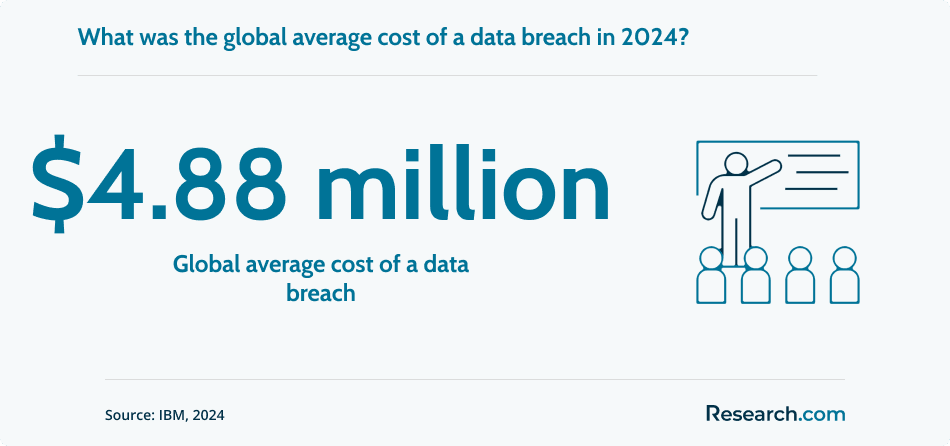
Recent data emphasizes the urgency of this work. According to IBM, the global average cost of a data breach reached $4.88 million in 2024 — the highest on record. This sharp rise in financial losses highlights how critical cyber intelligence has become in helping organizations prevent attacks before they happen.
Core Responsibilities
Cyber intelligence professionals gather and analyze data from sources like OSINT, network logs, and the dark web to detect threats and predict attacks. They create threat reports, monitor global activity, and collaborate with law enforcement to stop cybercriminals before damage occurs.
Required Skills and Tools
Success in this field requires strong analytical and technical skills. Professionals use tools such as threat intelligence platforms, malware analyzers, and data visualization systems, often supported by programming knowledge in Python or SQL. Clear communication is also key to turning complex findings into actionable insights for decision-makers.
Career Opportunities and Advancement
Cyber intelligence specialists work across government, defense, finance, and tech sectors. Common roles include Cyber Threat Analyst, Intelligence Researcher, and Threat Intelligence Manager. With experience, professionals can advance to leadership roles like Cyber Intelligence Director or CISO—enjoying strong job growth and long-term stability.
What does a career in cyber security involve?
A career in cyber security involves protecting computer systems, networks, and data from digital attacks, unauthorized access, and damage. Much like enrolling in the cheapest maintenance technician classes online to build practical, hands-on skills efficiently, professionals in this field develop the technical expertise needed to safeguard digital infrastructures. As cyber threats continue to evolve, careers in cyber security have become essential across industries such as healthcare, finance, government, and technology.
Data from the U.S. Bureau of Labor Statistics highlights where many of these professionals work today. The largest employers of information security analysts include computer systems design and related services (22%), finance and insurance (16%), management of companies and enterprises (10%), information (9%), and management, scientific, and technical consulting services (6%). This spread shows that cyber security expertise is vital across both the private and public sectors, reinforcing the field’s importance in nearly every industry.
Core Responsibilities
Cyber security professionals protect an organization’s digital assets by monitoring systems, testing defenses, and implementing security measures like firewalls, encryption, and multi-factor authentication. They conduct audits, risk assessments, and incident response, while collaborating with IT and leadership teams to develop policies, train staff, and ensure regulatory compliance.
Required Skills and Tools
Success in cyber security combines technical expertise, problem-solving, and strategic thinking. Key tools include intrusion detection systems, vulnerability scanners, and endpoint protection platforms. Knowledge of network protocols, cloud security, and programming (Python, JavaScript) is valuable, and certifications like CompTIA Security+, CISSP, or CEH are often preferred. Strong communication and teamwork skills are essential for coordinating responses.
Career Opportunities and Advancement
Cyber security offers roles from technical positions like Security Analyst or Penetration Tester to leadership roles such as Security Architect or CISO. Demand for qualified professionals continues to grow, offering competitive salaries, job stability, and the chance to protect critical digital infrastructure.
Which field is better for beginners—cyber intelligence or cyber security?
For most beginners, cyber security is generally the better starting point because it offers clearer entry-level paths and more accessible training opportunities. Similar to how students might look for the shortest fashion merchandising programs online to quickly build industry-specific skills, aspiring cyber professionals can enroll in short-term certification programs to gain practical knowledge fast.
Many cyber security roles, such as Security Analyst or Network Administrator, let newcomers build technical skills while gaining practical experience. Certifications like CompTIA Security+ and CEH help beginners qualify for jobs without years of prior experience.
A 2025 survey of 7,698 cybersecurity professionals highlights the most in-demand skills: cloud security (36%), security engineering (28%), and risk management (27%). These skills are often taught in entry-level programs, making cybersecurity an accessible entry point for those new to the field.
Cyber intelligence is more advanced, requiring expertise in data analysis, threat modeling, and intelligence gathering, often after prior experience in security, IT, or national defense. Both fields offer strong career potential: those who enjoy technical problem-solving may prefer cyber security, while research-focused individuals may thrive in intelligence. Many professionals start in cyber security before specializing in intelligence.
How do bootcamps compare to traditional degree programs for cyber careers?
Both bootcamps and traditional degree programs can prepare students for careers in cyber security or cyber intelligence, but they differ in structure, duration, and depth. Much like the shortest hospitality management online programs that allow students to quickly build career-ready skills, cyber bootcamps focus on practical, hands-on training designed to rapidly prepare students for entry-level roles.
Degree programs, meanwhile, offer a broader academic foundation and long-term career development. Choosing between the two depends on your career goals, learning style, and how quickly you want to enter the workforce.
Learning Approach and Duration
Cyber bootcamps are short programs, typically a few weeks to six months, focused on hands-on, job-ready skills through projects and labs. They’re ideal for career changers or those seeking quick skill development. Traditional degrees take longer but provide a strong foundation in theory, ethics, and research, preparing students for broader career opportunities.
Cost and Accessibility
Bootcamps are generally cheaper and more flexible, often online or hybrid, making them accessible to working professionals. However, they may carry less recognition than degrees, which are costlier and time-intensive but offer financial aid, networking, and stronger credibility for mid- to senior-level roles.
Career Outcomes and Opportunities
Both paths lead to cyber careers, though trajectories differ. Bootcamp grads usually start in entry-level roles like Security Analyst or SOC Technician, while degree holders access leadership and research positions in corporate, government, or defense sectors. Many combine both approaches—earning a degree for foundational knowledge and bootcamps or certifications to stay current with evolving technologies.
How important are data analytics and AI in modern cyber roles?
Data analytics and artificial intelligence (AI) have become crucial tools in modern cyber roles, transforming how professionals detect, predict, and respond to threats. With the growing volume of digital data, manual analysis is no longer sufficient to keep up with real-time risks. AI-driven systems and data models now help security teams process vast information faster and with greater accuracy—spotting patterns and anomalies that human analysts might miss.
Recent spending trends also reflect the growing importance of AI and analytics in cybersecurity. According to a survey of 587 corporate security executives, the average security budget as a percentage of total IT spending rose from 8.6% in 2020 to a peak of 11.9% in 2024 before dipping slightly to 10.9% in 2025. This upward trend shows that organizations are continuing to prioritize advanced tools and technologies—particularly AI-driven solutions—to strengthen their defenses and adapt to evolving threats.
In cyber intelligence, data analytics plays a key role in uncovering hidden trends within threat data. Analysts use AI to automate the collection and interpretation of intelligence from multiple sources, such as network logs, social media, and dark web activity. This allows them to identify potential attackers, understand their tactics, and predict future attacks before they occur. The integration of predictive analytics has made cyber intelligence more proactive and precise than ever before.
For cyber security specialists, AI enhances defensive operations through automation and real-time monitoring. Machine learning models can detect suspicious activity instantly, reducing response times and minimizing damage from breaches. As a result, AI and data analytics not only improve efficiency but also redefine the skill set needed in the field—making technical literacy in these tools an essential requirement for modern cyber professionals.
Many professionals considering cybersecurity careers also explore whether is a master's degree in data science worth it, since advanced data analytics and machine learning skills can strengthen their qualifications for AI-driven intelligence and threat modeling roles.
What new threats are emerging due to AI-powered cyber attacks?
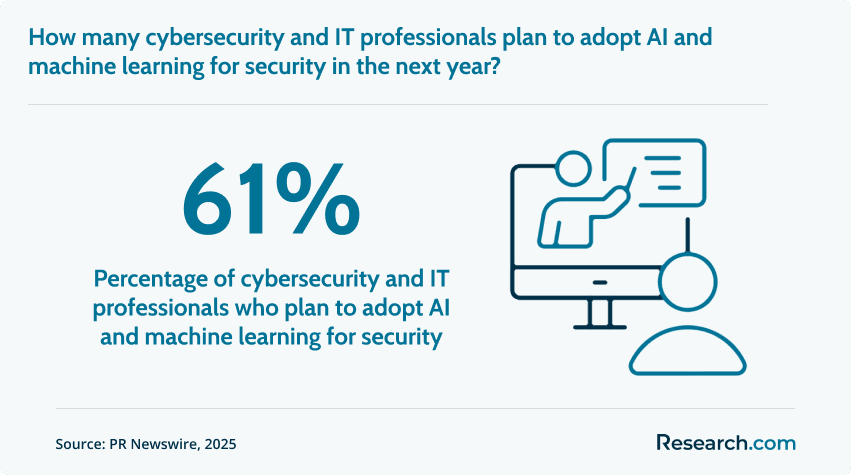
The rise of AI has enabled innovation but also new cyber risks. AI-powered attacks are more sophisticated, adaptive, and harder to detect than traditional threats. As organizations adopt digital and machine learning tools, attackers exploit these technologies to automate and amplify attacks at unprecedented scale. A 2025 survey shows 61% of cybersecurity professionals plan to use AI for defense, highlighting its central role on both sides of the cyber battlefield.
Automated and Adaptive Attacks
AI enables hackers to launch large-scale attacks that evolve in real time. Unlike static malware, these threats adapt to defenses, making them difficult to block. Once an organization strengthens its security, the AI can adjust instantly to bypass new measures.
Deepfakes and Social Engineering
AI-generated deepfakes manipulate video, voice, and text to scam employees or spread misinformation. Cybercriminals can impersonate executives or trusted contacts, making traditional verification methods less reliable.
Data Poisoning and Model Manipulation
Attackers can corrupt training data, causing AI systems to make harmful or incorrect decisions. Protecting the integrity of data and models is critical as AI becomes embedded in daily operations.
This evolving threat landscape mirrors how professional ethics and integrity are emphasized in industries like education and healthcare—raising questions such as why get a masters in curriculum and instruction, where understanding data ethics and responsible AI use is becoming increasingly relevant across multiple sectors.
How do remote work trends affect data security and intelligence gathering?
The shift to remote and hybrid work has transformed how organizations manage and protect digital information. While remote setups offer flexibility and access to global talent, they also create new challenges in maintaining secure networks and reliable intelligence operations. As more employees connect from personal devices and unsecured networks, the risk of cyber threats and data leaks continues to rise.
Increased Vulnerability to Cyber Attacks
Remote work environments often rely on home Wi-Fi networks and cloud-based tools, which can lack the enterprise-level security of on-site systems. This opens new attack surfaces for cybercriminals, including phishing, ransomware, and unauthorized access attempts. Without strict endpoint protection and multi-factor authentication, sensitive business data becomes far more vulnerable to breaches.
Challenges in Intelligence Collection
For cyber intelligence teams, remote work has complicated the process of monitoring and collecting digital threat data. Distributed workforces make it harder to track patterns of network behavior and identify anomalies in real time. To adapt, many organizations are adopting cloud-native monitoring tools and advanced analytics to detect suspicious activity across remote endpoints.
Strengthening Security in Distributed Environments
To counter these risks, companies are investing in zero-trust architectures, virtual private networks (VPNs), and continuous employee cybersecurity training. Strengthening data security in remote setups requires balancing accessibility with protection—ensuring that employees can work efficiently while maintaining strict control over sensitive information.
This balance between flexibility and protection parallels trends in digital learning, where professionals now compare correspondence vs online courses to pursue cybersecurity education from home while maintaining hands-on access to labs and real-time simulations.
What is the average salary for cyber intelligence professionals in 2027?
In the United States, cyber intelligence professionals earn some of the highest salaries in the cybersecurity sector. As of 2025, the average annual salary for a cyber intelligence analyst is around $130,000, according to national compensation data. Entry-level analysts often start between $85,000 and $100,000, while experienced professionals working in government or defense can exceed $160,000 per year.
Specialized roles such as cyber threat intelligence analysts or intelligence managers tend to earn more, averaging between $140,000 and $180,000, depending on expertise and the sensitivity of the work. Those with advanced certifications, such as CISSP or GIAC, and experience in AI-driven threat modeling can command premium pay across both public and private sectors.
Geographic location also plays a major role in compensation. Professionals based in Washington, D.C., Virginia, and California often earn the highest salaries due to the strong presence of federal agencies and major tech companies. With demand for cyber intelligence continuing to grow nationwide, salary prospects remain highly competitive and are projected to rise further in the coming years.
To contextualize these earnings, cyber intelligence salaries often exceed those in related fields—similar to how analysts compare CFA vs CFP salary in finance when assessing return on education and certification investment. Both cases highlight how specialized credentials and technical mastery translate into higher earning potential.
What are the benefits of earning a cyber security or intelligence degree online?
Pursuing a cyber security or cyber intelligence degree online offers flexibility and opportunity for those who want to build a tech-focused career without putting their life or work on hold. Online programs are designed to deliver the same rigorous curriculum as on-campus degrees—covering key areas like network defense, digital forensics, and threat intelligence—while allowing students to study from anywhere and on their own schedule.
- Flexible learning schedules: Students can complete coursework at their own pace, balancing studies with full-time work or family commitments.
- Access to industry-relevant training: Many online programs integrate virtual labs, simulations, and case studies that reflect real-world security challenges.
- Lower overall costs: Online degrees often reduce expenses related to housing, commuting, and campus fees while offering the same accreditation.
- Networking and career support: Top universities and online platforms connect students to cyber security communities, alumni networks, and career placement services.
- Global learning opportunities: Online formats attract professionals from around the world, creating diverse perspectives and collaborative problem-solving experiences.
Earning your degree online doesn’t mean sacrificing quality or career potential. With the global demand for cyber professionals continuing to rise, an accredited online program can be a practical and powerful way to enter or advance in the field—equipping you with the same skills, credentials, and connections as traditional classroom-based degrees.
How do regulatory requirements shape cyber intelligence and cyber security strategies?
Compliance with evolving legal and regulatory frameworks plays a pivotal role in shaping operational strategies within both cyber intelligence and cyber security. Organizations must continuously monitor legislative changes—from data protection laws to industry-specific mandates—and integrate these requirements into their risk management and defense protocols. This involves establishing robust compliance programs, investing in ongoing education for professionals, and leveraging technology that supports automated monitoring of legal standards. In parallel, upskilling through affordable educational pathways—such as pursuing the cheapest cyber security degree online—can equip teams with the specialized knowledge needed to navigate complex regulatory landscapes effectively.
Key Findings
- The global average cost of a data breach reached $4.88 million in 2024, marking one of the highest figures on record and highlighting the growing financial impact of cyber incidents worldwide.
- The largest employers of information security analysts include computer systems design and related services (22%) and finance and insurance (16%), showing that cybersecurity professionals are in highest demand across technology and financial sectors.
- Hiring managers in 2025 identified cloud computing security (36%) as the top technical skill in demand, followed by security engineering (28%) and risk assessment and management (27%), underscoring the value of specialized expertise in protecting digital infrastructure.
- Average security budgets as a share of total IT spending increased from 8.6% in 2020 to a peak of 11.9% in 2024, before slightly declining to 10.9% in 2025—suggesting organizations continue prioritizing cybersecurity investments despite budget adjustments.
- 61% of cybersecurity and IT professionals plan to adopt AI and machine learning for security within the next year, reflecting the growing integration of intelligent technologies to enhance threat detection and response capabilities.
Here’s What Graduates Have to Say About Cyber Intelligence vs. Cyber Security
- Alice: "Working in cyber security has been incredibly rewarding. I get to protect organizations from real-world threats while constantly learning about new technologies and defense strategies. It’s a career that feels meaningful and future-proof. "
- Harry: "My career in cyber intelligence has shown me how powerful data can be in preventing attacks before they happen. Analyzing threat patterns and staying ahead of cybercriminals gives me a real sense of purpose every day. "
- Lee: "Entering the cybersecurity field gave me job stability, strong income potential, and endless learning opportunities. The demand for skilled professionals continues to grow, and it feels great to know my work truly makes an impact."
References:
- ISC2. (2024, October 31). 2024 ISC2 Cybersecurity Workforce Study. ISC2.
- IBM. (2025). Cost of a Data Breach Report 2025. IBM.
- McCann, D. (2025, August 13). Growth in cybersecurity budget slows this year. CFO.com.
- PR Newswire. (2024). 61% of cybersecurity professionals plan AI adoption as manufacturing faces growing cyber risks. PR Newswire.
- U.S. Bureau of Labor Statistics. (2024). Information Security Analysts. In Occupational Outlook Handbook. BLS.
Other Things You Should Know About Cyber Intelligence vs. Cyber Security
In 2027, relevant academic disciplines for cyber intelligence include computer science, information technology, and data analytics, while cyber security benefits from expertise in network security, cryptography, and ethical hacking. These fields provide essential knowledge and skills for understanding and protecting digital environments.
Cyber security is expected to have more robust job prospects in 2026 due to an escalating need for protection against cyber threats. However, demand for cyber intelligence roles is also rising as organizations seek insight into potential threats and vulnerabilities, necessitating a strategic understanding of both fields.


