
2027 How Long Does It Take to Be a Teacher in Maine?

Co-Founder and Chief Data Scientist
Becoming a teacher in Maine is a rewarding pursuit that impacts communities and shapes future generations. The state reported that the demand for qualified teachers is expected to grow by 8% over the next decade, highlighting a promising career outlook. Maine offers supportive education pathways and competitive salaries compared to the national average, making it an attractive choice for aspiring educators.
This article explores how long it takes to become a teacher in Maine, providing clear guidance crafted by experts in career planning. Readers will find valuable insights to confidently navigate their journey toward a fulfilling teaching career.
Key Things to Know About How Long It Takes to Be a Teacher in Maine
- Completing a bachelor's degree typically takes four years and is essential for Maine teaching certification, providing a strong foundation in education and subject expertise.
- After graduation, passing the Praxis exams and applying for certification usually adds several months, ensuring candidates meet Maine's standards for effective teaching.
- Many aspiring teachers benefit from Maine’s alternative routes or graduate programs, which can shorten the timeline to becoming a licensed teacher while gaining valuable classroom experience.
- How long does it take to earn a teaching degree in Maine?
- How long does teacher certification take in Maine?
- Do career changers take less time to become teachers in Maine?
- Do advanced degrees shorten the teacher certification process in Maine?
- Are online programs speeding up the process of becoming a teacher in Maine?
- Do elementary and secondary teachers have different timelines in Maine?
- What are the ongoing professional development and recertification requirements for Maine teachers?
- How long is the probationary teaching period in Maine?
- How much does it cost to complete the education requirements in Maine?
- How long after certification can you get hired as a teacher in Maine?
- How does a teacher's salary in Maine increase over the career timeline?
How long does it take to earn a teaching degree in Maine?
The time required to earn a teaching degree in Maine varies depending on factors such as whether students enroll full-time or part-time, the specific education program they choose, and any previous college credits they may have earned. These factors influence how long a student may take to meet Maine teacher education requirements, but the traditional pathway offers a clear, structured timeline. For most aspiring educators pursuing a standard bachelor’s degree in education, the timeline typically follows a consistent four-year plan:
- General Timeline (4 Years): Typically, earning a teaching degree in Maine takes four years of full-time study, aligning with national undergraduate standards.
- General Education Requirements: During the first one to two years, students complete foundational courses in subjects like English, math, science, and social studies to meet state and university standards.
- Education Major Coursework: In the sophomore or junior years, students focus on core educational topics such as pedagogy, curriculum development, and classroom management.
- Field Experiences: Practical learning happens throughout the degree with classroom observations, tutoring, and assisting in schools to build hands-on teaching skills.
- Student Teaching Internship: In the final year, students complete a semester-long supervised internship in a Maine K–12 classroom, providing crucial real-world experience.
- Degree Completion and Certification Eligibility: After finishing all academic and practical requirements, graduates receive their bachelor’s degree and become eligible to apply for teacher certification in Maine.
If you want to explore options further, it’s helpful to research what is the best online bachelors in education program for your needs, as online paths may offer flexibility for different timelines and learning styles.
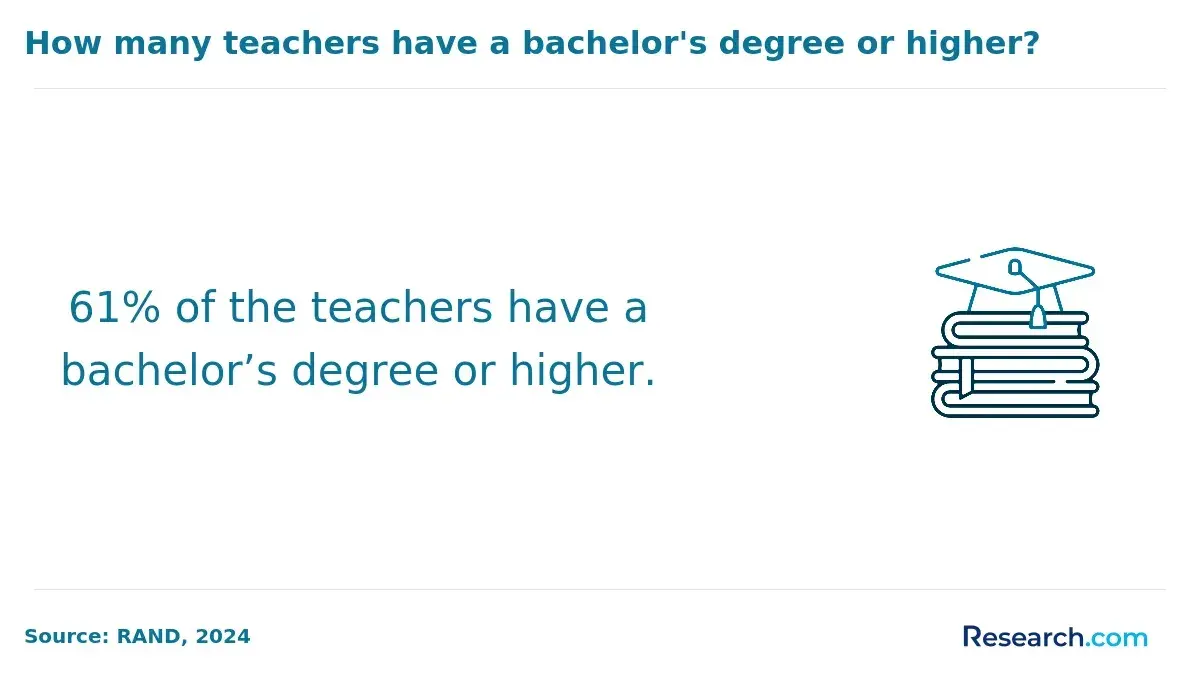
How long does teacher certification take in Maine?
The timeframe for becoming a certified teacher in Maine varies depending on your educational background, the certification type you pursue, and whether you follow a traditional or alternative route. Each pathway offers unique steps, but all aim to prepare you thoroughly for a rewarding teaching career.
- Bachelor’s Degree and Teacher Preparation Program: Earning at least a bachelor’s degree with a state-approved teacher preparation program takes about four years of full-time study. This foundational stage equips you with essential knowledge and practical skills for the classroom.
- Student Teaching Experience: You must complete around 15 weeks of full-time student teaching, often during your final year. This immersive experience under a certified teacher’s guidance builds confidence and real-world understanding.
- Certification Exams and Coursework: While previously requiring Praxis exams, Maine now emphasizes specific coursework, including diversity studies and educational psychology. These requirements ensure you're ready to meet modern classroom challenges effectively.
- Fingerprinting and Background Check: A thorough background check through Maine’s approved vendor, IdentoGO, must be completed before licensure. This process typically takes days to weeks, depending on scheduling availability.
- Application Submission and Processing: After fulfilling all requirements, submit your certification application with supporting documents and a fee. The Maine teacher certification processing time generally ranges from four to six weeks, ensuring a careful review of your qualifications.
- Advancing from Provisional to Professional Certification: New educators start with provisional certification valid for two years, after which they can apply for a professional certificate valid for five years once they have sufficient teaching experience.
Individuals interested in flexible options may explore the list of best online bachelors degree in special education, which can complement traditional steps and provide additional pathways to certification. Understanding the Maine teacher certification processing time and how long does it take to get teacher certification in Maine helps set realistic expectations, guiding your progress toward an inspiring career in education.
Do career changers take less time to become teachers in Maine?
Alternative certification pathways in Maine are tailored to empower professionals from diverse backgrounds to join the teaching workforce more rapidly. These programs leverage flexibility and prior experience to accelerate the transition, making teaching careers accessible without unnecessary delay.
- Teaching While Completing Coursework: Candidates can obtain a conditional certificate allowing them to teach and earn a salary while fulfilling education requirements. This hands-on experience enriches learning and fast-tracks entry into the classroom.
- Waived or Modified Requirements Based on Prior Education: Relevant degrees or professional licenses may exempt candidates from some coursework, especially in career and technical education fields, recognizing the value of existing expertise.
- Accelerated Master’s Degree and Certificate Options: Several programs offer condensed timelines of 8 to 10 months, including master's pathways, enabling career changers to complete certification much faster than traditional four-year routes.
- Mentoring and On-the-Job Support: New teachers receive guidance through mentoring programs, helping them adapt quickly and confidently while meeting certification goals.
- Flexible Field Experience Requirements: Candidates can complete practical placements locally or while working, reducing logistical challenges and speeding program completion.
When I spoke with a teacher from Maine who graduated from a local school and transitioned into teaching after years in a different profession, he shared how meaningful the experience was despite its challenges. “Balancing a full-time job with coursework wasn’t easy,” he reflected, “but knowing I could start teaching right away made every late night worth it.” He emphasized how the program’s flexibility helped him manage family commitments while gaining real classroom experience. “The mentors were my anchor — their support turned uncertainty into confidence.” His journey underscored that career changers do often take less time to become teachers in Maine, but it’s the blend of opportunity and support that truly makes the difference.
Do advanced degrees shorten the teacher certification process in Maine?
Holding a master’s or doctoral degree can significantly accelerate the teacher certification process in Maine. Advanced degrees often allow candidates to bypass certain requirements, making their path to becoming certified teachers more efficient and focused. Below are some of the ways advanced degrees can shorten the teaching certification process in Maine:
- Waiving Prerequisite Coursework: Candidates with graduate degrees, especially in education or related fields, may be exempt from some prerequisite courses. The Maine Department of Education reviews transcripts to identify completed requirements, which reduces the needed classes before certification.
- Accelerated Certification Programs: Maine offers fast-track options like the University of Southern Maine’s Extended Teacher Education Program (ETEP). This intensive program lasts about 10 months, considerably shorter than traditional multi-year routes.
- Reduced Student Teaching Requirements: Some programs permit graduate-level candidates to complete student teaching in a condensed timeframe. For example, integrated master’s programs may combine coursework and a 15-week full-time student teaching experience.
- Eligibility for Transcript Analysis and Customized Pathways: Advanced degree holders can request transcript analysis to waive unnecessary education courses. This process creates a tailored certification plan that saves time and effort.
- Access to Graduate-Level Preparation and Credentialing: Graduate programs often allow earning a teaching credential simultaneously with a master’s degree. This dual-purpose path, available at institutions like the University of Maine, shortens overall certification duration for career changers and professionals.
Are online programs speeding up the process of becoming a teacher in Maine?
Flexible online teacher preparation programs are reshaping how quickly aspiring educators in Maine achieve certification. By offering adaptable, remote learning options tailored to busy lives, these programs provide opportunities to accelerate the journey into teaching. With innovative formats and supportive pathways, candidates can often bypass traditional timeframes and enter classrooms sooner than ever.
- Self-Paced Coursework: Many programs allow candidates to move through material at their own speed, focusing more time on challenging concepts and less on areas they quickly master. This tailored approach enables motivated learners to complete requirements faster without compromising quality.
- Condensed Program Formats: Some accelerated tracks deliver full certification coursework within 10 to 12 months, significantly reducing the usual two to five years traditional programs require. These intensive schedules are designed for those eager to start teaching promptly.
- Online Course Availability: Fully online courses eliminate barriers like commuting and scheduling conflicts, allowing candidates to study from anywhere in Maine. This convenience helps maintain momentum and avoid delays in completing academic requirements.
- Concurrent Employment and Coursework: Many flexible programs support candidates who continue working in education-related roles while progressing toward certification. Spreading student teaching over multiple semesters allows part-time or full-time employment alongside coursework.
- Alternate and Provisional Certification Pathways: Maine’s provisional certificate permits candidates to begin teaching while completing outstanding requirements online within two years. This policy accelerates entry into the workforce, combining practical experience with ongoing education.
When I spoke with a teacher from Maine who graduated recently through one of these flexible online programs, she reflected on the impact it had on her career path. “Balancing family and work made traditional programs feel overwhelming,” she explained. “The online format allowed me to study late at night and progress when I was ready, not according to someone else’s schedule.” She described feeling empowered to move quickly, noting how the ability to start teaching under a provisional certificate while finishing courses kept her motivated and financially secure. “It wasn’t easy—there were late nights and moments of doubt—but the flexibility and support made it possible to become a teacher in less time than I ever expected.” Her story captures how these innovative programs can truly transform the pace and accessibility of teacher certification in Maine.
Do elementary and secondary teachers have different timelines in Maine?
In Maine, both elementary and secondary teacher candidates share a common foundation: earning a bachelor’s degree with a state-approved teacher preparation program, typically lasting four years, and completing at least 15 weeks of student teaching. This hands-on experience builds confidence and practical skills for any grade level. While the path is similar, elementary candidates usually pursue degrees in Elementary Education (K-8), preparing them to teach multiple subjects across several grades. Secondary candidates focus on a specific content area like math or English, tailoring their coursework to their chosen specialty.
Testing requirements have become more flexible, with Maine no longer mandating standardized certification exams for most endorsements, which brings the timelines closer together. Both pathways include coursework in diversity and child development, supporting well-rounded preparation. Overall, the timeline ranges from four to five years, with minor extensions possible for specialized secondary endorsements or alternative certification routes, making the journey adaptable to each student’s goals.
What are the ongoing professional development and recertification requirements for Maine teachers?
Maine mandates continuous professional development to sustain and renew teaching certifications. Educators must complete designated hours of approved learning activities—such as workshops, seminars, or accredited courses—within each recertification cycle. These requirements ensure that teachers remain updated on contemporary pedagogical strategies and subject-specific innovations. For educators seeking specialized career pathways, resources like how to become a PE teacher in Maine offer targeted guidance. Proactive planning and regular engagement in professional development not only comply with state regulations but also contribute to a culture of ongoing instructional excellence.
How long is the probationary teaching period in Maine?
The Maine teacher probationary period length is set by state law at a maximum of two years, making it one of the shortest probationary periods in the country. This two-year span applies equally to teachers across both elementary and secondary education levels, ensuring a consistent standard regardless of the grade taught. During this time, new teachers work under annual contracts that require yearly renewal through nomination and approval by local superintendents and school boards, reflecting a rigorous but fair review process. Importantly, local districts do not have the authority to extend this probationary timeline, emphasizing the state’s commitment to a uniform period of evaluation that encourages focused growth and professional development early in a teacher’s career.
The probationary contract requirements for teachers in Maine emphasize demonstrating effective classroom instruction, professionalism, and successful completion of a personalized Teacher Action Plan, often with guidance from mentors or a Certification Support Team. Those who meet these standards and receive favorable evaluations are typically offered a continuing contract, which functions as tenure and provides stronger job security. This structure inspires new teachers to excel during their probationary period, knowing that clear goals and support systems are in place to help them succeed. For ambitious educators seeking affordable pathways to advance their qualifications, exploring an affordable online EdD program can be a valuable step toward long-term career growth and stability in education.
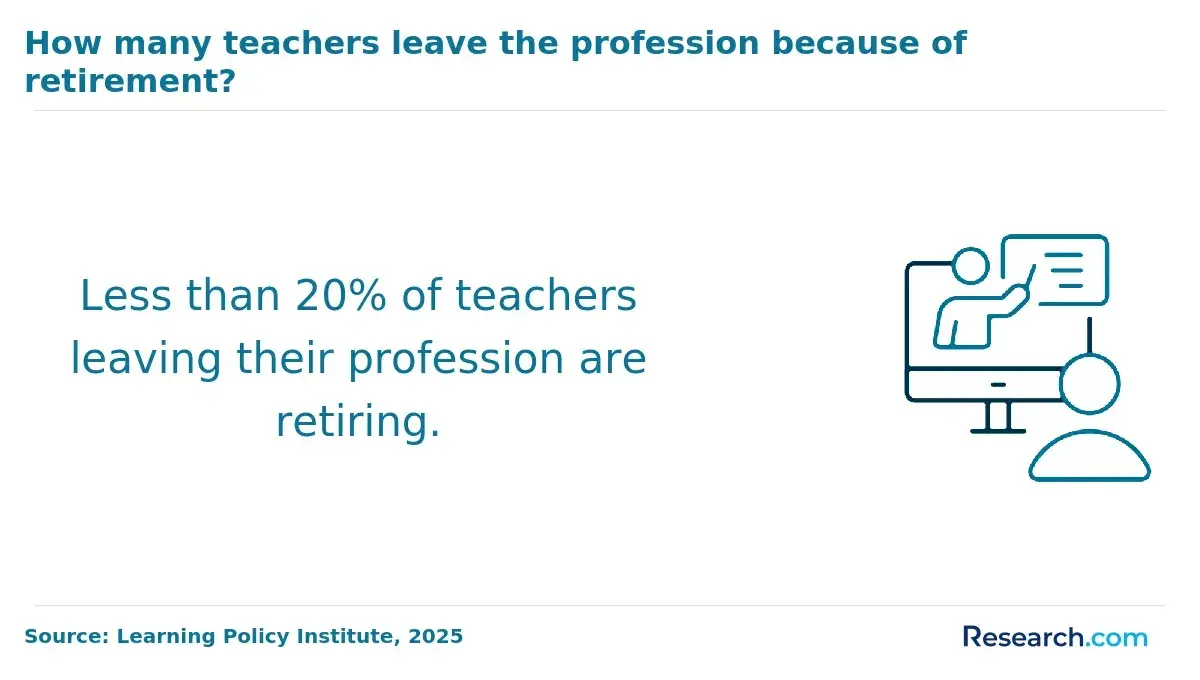
How much does it cost to complete the education requirements in Maine?
Expenses for completing teacher education requirements in Maine can vary significantly based on program type, institution, and residency. Knowing these costs upfront helps aspiring educators plan financially and select the best path for their goals. The cost of teacher education in Maine includes tuition for degrees, alternative certification, and necessary fees that support state licensure.
- Bachelor’s Degree Tuition and Fees: Earning a bachelor’s degree from an accredited university is often the first step toward certification. Tuition for in-state students at public institutions like the University of Maine is about $11,640 per year, while out-of-state students may pay around $32,100. Completing this degree provides a strong educational foundation respected by school districts and essential for licensing.
- Master’s Degree Tuition and Fees: Though not always required initially, a master’s degree can open doors to advanced teaching roles and higher pay. In-state tuition at Maine public universities ranges from $7,000 to $12,000 annually, with private schools often charging more. This investment signals professional commitment and enhances competitiveness in the job market, making the Maine teacher certification program tuition worth considering for career growth.
- Alternative Certification Program Costs: For those who already hold a bachelor’s degree, shorter and more affordable alternative certification programs offer a faster route into teaching. Costs typically range from $3,000 to $8,000 total, depending on the provider. These programs attract districts seeking educators with diverse skills and experiences, supporting varied classroom environments.
- Testing, Application, and Background Check Fees: State exams such as Praxis Core and Praxis II cost between $90 and $150 each. Certification application fees range from $100 to $150, while fingerprints and background checks add $55 to $75. These steps ensure candidates meet high standards for safety and proficiency.
For those exploring further educational options, affordable paths including cheap online masters degrees provide flexible alternatives that balance cost with quality and convenience.
How long after certification can you get hired as a teacher in Maine?
The timeline for securing a teaching position in Maine after certification varies based on several important factors. While many candidates are fortunate to find roles quickly, others might need to wait until the next hiring season to receive offers. Understanding these influences can help you navigate the process confidently and plan your next steps effectively.
- Hiring Seasons: Maine schools generally conduct most hiring from May through August for the upcoming academic year, meaning certification timing plays a big role in how fast you can be hired.
- Subject and Grade-Level Demand: Those qualified in high-need areas like STEM, special education, and world languages often experience faster hiring due to ongoing shortages.
- Geographic Location: Employment chances can improve significantly by being open to positions in rural or less competitive districts, which often have more frequent openings.
- Networking and Substitute Teaching: Engaging with schools, attending job fairs, and substituting allow you to build valuable connections that often lead to permanent roles sooner.
- Application Readiness: Completing all requirements promptly, including background checks and paperwork, ensures you are ready to apply as soon as opportunities arise.
- Reciprocity for Out-of-State Teachers: Teachers coming from other states with valid credentials may transition smoothly, especially when targeting shortage areas, though fingerprinting must still be completed.
On average, new teachers who meet all requirements and apply during peak times can expect to land a job within one to three months of certification. For those curious about the Maine teaching degree requirements or wondering how long does it take to become a teacher in Maine, exploring the easiest teaching degree options could be a helpful starting point to accelerate your pathway.
How does a teacher's salary in Maine increase over the career timeline?
In Maine, a teacher’s salary naturally grows over time, closely linked to their years of service and commitment to professional development. This progression reflects the value placed on experience and continuous learning within the state’s education system, creating clear pathways to increased earnings for dedicated educators. The structure of salary growth encourages teachers to advance their skills while rewarding their long-term contributions.
- Years of Experience and Step Increases: Salaries rise incrementally each year, especially during early and mid-career stages, moving teachers through higher pay brackets as they accumulate more time in the classroom.
- Educational Attainment and Professional Development: Earning advanced degrees or additional certifications opens access to higher salary lanes, recognizing ongoing expertise and dedication to learning.
- Tenure and Longevity Bonuses: Milestone bonuses for 10, 15, or 20 years of service provide added financial rewards, emphasizing the value of sustained commitment.
- Promotion to Advanced Roles: Taking on leadership positions such as department chair or instructional coach brings substantial salary increases beyond the base teaching scale.
- Collective Bargaining and Policy Adjustments: Locally negotiated agreements and statewide minimum salary policies ensure structured raises and protections, anchoring salary growth across districts.
What Do Teachers in Maine Say About Their Career?
- Completing my teacher preparation program at Portland Arts & Technology High School truly set the foundation for my educational career. The hands-on experience paired with supportive faculty helped me hit the ground running when I started working in a local school. Maine’s close-knit communities allow teachers to connect deeply with students and families, which makes the role especially rewarding. Every day, I feel like I’m making a real difference while growing both professionally and personally. Ivan
- Reflecting on my journey, graduating from Bangor Christian Academy gave me a solid toolkit to manage classroom challenges unique to Maine’s rural environment. Starting as a teacher in a local school brought its ups and downs, but the state’s commitment to education stability made me feel secure in pursuing this path. I appreciate the opportunity to nurture local youth who often face challenges outside the classroom, which pushes me to be patient and inventive. Teaching here isn’t just a job—it’s a continual learning experience that deeply impacts the community. Janelle
- My time at Lewiston Regional Technical Center opened doors to unique career advancement opportunities in Maine’s education system that I hadn’t anticipated. The professional development programs offered are robust and foster growth in ways that benefit both educators and students. I am also inspired by Maine’s natural environment, which I incorporate into my curriculum to engage students in meaningful, place-based learning. Teaching here satisfies my passion for lifelong learning and allows me to contribute meaningfully to the future of our youth. Torrie
Related Articles for Nearby States
- 2027 How Long Does It Take to Be a Teacher in New Hampshire?
- 2027 How Long Does It Take to Be a Teacher in Massachusetts?
- 2027 How Long Does It Take to Be a Teacher in Vermont?
- 2027 How Long Does It Take to Be a Teacher in Connecticut?
- 2027 How Long Does It Take to Be a Teacher in Rhode Island?
- 2027 How Long Does It Take to Be a Teacher in New York?
- 2027 How Long Does It Take to Be a Teacher in New Jersey?
- 2027 How Long Does It Take to Be a Teacher in Pennsylvania?
- 2027 How Long Does It Take to Be a Teacher in Delaware?
- 2027 How Long Does It Take to Be a Teacher in Maryland?
References:
- How to Become a Maine Educator | Department of Education http://www.maine.gov/doe/cert/initial
- How to Become a Teacher in Maine - What to Know in 2025 | Teachers of Tomorrow https://www.teachersoftomorrow.org/blog/insights/how-to-become-a-teacher-in-maine/
- Become a Teacher in Maine https://teach.com/careers/become-a-teacher/teaching-credential/state-requirements/maine/
- Alternate Approaches to Maine Teacher Certification - Career Services - University of Maine at Farmington https://www.umf.maine.edu/careers/education-student-resources/alternate-approaches-to-maine-teacher-certification/
- Maine State Teacher Certification Guide | All Education Schools https://www.alleducationschools.com/teacher-certification/maine/
- Teach in Maine | Live + Work in Maine | Resources for Living & Working in ME https://www.liveandworkinmaine.com/teach
- Maine teacher shortage prompts multipronged approach https://www.pressherald.com/2025/03/23/maine-teacher-shortage-prompts-multi-pronged-approach/
- Field Experience and Student Teaching – Teacher Education https://usm.maine.edu/teacher-education/field-experience-and-student-teaching/
Other Things You Should Know About How Long it Takes to be a Teacher in Maine
Expedited pathways to becoming a teacher in Maine by 2026 may include alternative certification programs such as Teach for America, conditional certification for those with relevant experience or degrees, or programs through educational institutions offering fast-track pathways tailored for career switchers.
In Maine, substitute teachers are generally not required to complete student teaching as part of their certification process. Unlike full-time licensed teachers who must fulfill student teaching to demonstrate classroom readiness and gain practical experience, substitutes often obtain a more flexible certification that focuses on maintaining classroom management and instructional continuity temporarily. This distinction exists because substitutes are usually hired for short-term assignments, and the state emphasizes streamlined requirements to fill these roles quickly and efficiently. However, some substitutes who wish to transition into full-time teaching positions will need to complete student teaching as part of the standard licensure pathway.
Teaching certification in Maine requires a bachelor's degree from an accredited institution. Applicants must also complete a state-approved teacher preparation program, which includes coursework and supervised student teaching, to satisfy Maine's specific educational prerequisites for initial teacher licensure by 2027.


