
2027 How Long Does It Take to Be a Teacher in Rhode Island?

Co-Founder and Chief Data Scientist
Becoming a teacher in Rhode Island unfolds as a journey woven with dedication and precise milestones. With 20.3% of Rhode Island educators holding advanced degrees, the state values expertise and commitment. Teaching here merges opportunity with community impact, creating a fertile ground for career growth. The process demands more than time; it requires navigating licensure, education, and practical experience. This article, crafted by career planning specialists, explores the exact timeline to enter the Rhode Island teaching profession. It guides readers through certification steps, educational prerequisites, and the unique local requirements—ensuring a clear path toward joining the state’s respected educational workforce.
Key Things to Know About How Long It Takes to Be a Teacher in Rhode Island
- Rhode Island requires a bachelor's degree plus completion of an approved teacher preparation program, typically taking about 4 to 5 years.
- Passing the Rhode Island Educator Certification exams usually adds a few months to the timeline, as candidates must demonstrate subject mastery and teaching skills.
- First-year teachers enter with an Initial Educator License valid for five years, during which they complete mentoring and professional development to earn the Professional License.
- How long does it take to earn a teaching degree in Rhode Island?
- How long does teacher certification take in Rhode Island?
- Do career changers take less time to become teachers in Rhode Island?
- Do advanced degrees shorten the teacher certification process in Rhode Island?
- Are online programs speeding up the process of becoming a teacher in Rhode Island?
- Do elementary and secondary teachers have different timelines in Rhode Island?
- What professional development opportunities are available for teachers in Rhode Island?
- How long is the probationary teaching period in Rhode Island?
- How much does it cost to complete the education requirements in Rhode Island?
- How long after certification can you get hired as a teacher in Rhode Island?
- How does a teacher's salary in Rhode Island increase over the career timeline?
How long does it take to earn a teaching degree in Rhode Island?
The journey to earning a teaching degree in Rhode Island isn't a one‑size‑fits‑all timeline. Factors such as whether a student pursues full-time or part-time studies, the specific education program chosen, and any previous college credits can stretch or contract the length of enrollment. Prior learning can accelerate progress, but the traditional path remains the most common framework for many candidates aiming to enter the classroom.
- Typical Program Length: The standard bachelor’s degree in education generally requires four years of full-time study at an accredited institution, providing a solid foundation for teaching careers in Rhode Island.
- General Education Coursework: The initial two years immerse students in foundational subjects like mathematics, science, literature, and social sciences, alongside introductory education courses.
- Major-Specific Requirements: The last two years concentrate on specialized classes covering teaching methods, adolescent psychology, curriculum planning, and classroom management essentials.
- Student Teaching Practicum: A vital element is a semester-long supervised teaching experience in the senior year, integral to fulfilling state certification prerequisites.
- Rhode Island Academic Standards: State mandates include at least six semester hours of student teaching and 18 semester hours in specialized areas such as adolescent psychology and reading instruction.
- Graduation and Certification Eligibility: Completing coursework and practicum readies candidates to apply for initial Rhode Island teacher certification, contingent on passing required assessments.
This comprehensive structure underlines why the question of how long does it take to get a teaching degree in Rhode Island can vary but often centers around this traditional four-year curriculum. Students looking for accelerated alternatives might explore other options, including best rated 1 year online masters in education program, but for the bachelor's degree, this remains the foundational timeline.
How long does teacher certification take in Rhode Island?
Time to navigate the teacher certification process timeline in Rhode Island morphs with each candidate’s educational background, the kind of teaching license they pursue, and whether they’re charting a traditional or alternative route. The duration isn’t set in stone—it's a tailored journey that blends coursework, field experience, exams, and bureaucracy into an evolving timeline.
- Bachelor’s Degree and Teacher Preparation: Most candidates spend around four years earning a bachelor’s degree, including a state-approved teacher preparation program. Those opting for alternative pathways may condense this into one to two years if they already have relevant coursework or experience.
- Field Experience and Student Teaching: Essential yet immovable milestones include 60 hours of field experience and at least 12 weeks of full-time student teaching, often undertaken in the final academic phase, anchoring practical skills and classroom readiness.
- Certification Exams: Passing the Praxis Subject Tests is mandatory. The time required varies since preparation happens alongside other steps, but scheduling exams and retakes adds several weeks beyond coursework.
- Application Submission and Background Checks: After meeting educational and exam requirements, candidates apply through the Rhode Island Department of Education portal. This step includes fingerprint-based background checks and can extend the timeline by 8–10 weeks for initial certification approval.
- Alternative Pathways and Reciprocity: Qualified educators with prior credentials or involvement in programs like Teach for America may accelerate certification, sometimes completing it in a year or two. Out-of-state teachers can pursue reciprocity, contingent on meeting state-specific requirements.
In total, how long to get teaching license in Rhode Island typically spans four to five years for new college students, while those taking alternative or credential review paths may shorten the process to as little as 12–24 months. For those curious about overlapping academic options, combining a library and information science degree online alongside teaching certification could open additional interdisciplinary doors.
Do career changers take less time to become teachers in Rhode Island?
Alternative certification pathways in Rhode Island act as a fast lane for professionals eager to change careers and dive into teaching without the usual detours. These programs creatively reshape the timeline, blending real-world experience with classroom readiness to reimagine how quickly a new teacher can step up.
- Teaching While Completing Coursework: Candidates become the teacher of record right away, juggling lesson plans and grading while tackling coursework. This plunge into the classroom waters offers an authentic experience alongside a paycheck, erasing the unpaid student teaching gap typical of traditional routes.
- Waivers for Prior Experience: If you’ve clocked years in a related field or hold significant credentials, some program hurdles drop away. For example, extensive work experience or advanced licenses can waive parts of the curriculum or testing, speeding you closer to certification.
- Accelerated Graduate Programs: Instead of multi-year degrees, intensive post-baccalaureate certificates or master’s programs pack months of training and practice into a single academic year, often coupled with summer boot camps and ongoing classroom immersion.
- Intensive Pre-Service Training: Before the classroom spotlight hits, candidates face a condensed boot camp of at least five weeks—a focused sprint replacing the slow crawl of traditional theory-heavy courses, priming them swiftly for teaching challenges.
- Expedited Preliminary Certification: Starting with a verified job offer, teachers can enter the classroom under a special preliminary certificate, then move to full licensure after a successful first year and completing program benchmarks.
- Focus on High-Need Areas: Targeted pathways prioritize subjects like math and science and underserved communities, often layering extra flexibility and fast-track options for those with matchless expertise.
The teacher from Rhode Island I spoke with, a graduate of a local university who pivoted from a career in technology, described the whirlwind shift with a smile. “It wasn’t easy juggling a new certificate program with full classroom responsibility,” he reflected, “but the intensive pre-service training felt like boot camp preparing me for battle. Each day tested my endurance, creativity, and patience.”
He also noted that bypassing certain traditional requirements — thanks to his prior experience — saved him valuable time, but “the real challenge was learning to think like a teacher on your feet.” That blend of readiness and rapid adaptation, he said, was what made the alternative route “a tough but rewarding shortcut.” Through his experience, it’s clear that for career changers in Rhode Island, the clock moves faster, but so does the heartbeat of transformation.

Do advanced degrees shorten the teacher certification process in Rhode Island?
Holding a master’s or doctoral degree in Rhode Island influences the teacher certification journey by offering several avenues to ease and sometimes accelerate the process. Although it does not automatically shorten the timeline, advanced degrees can unlock flexibility in meeting certification requirements and enable alternative paths to licensure. Below are some of the ways advanced degrees may shorten the teaching certification process:
- Waiver of Prerequisite Coursework: Candidates with advanced degrees often have completed equivalent coursework to traditional teacher programs. This prior study may allow them to bypass required foundational classes through a Credential Review.
- Alternative Certification Pathways: Those without education majors but holding advanced degrees may qualify for programs that permit teaching while finishing critical pedagogical courses. This approach can reduce overall certification time.
- Fulfilling Advanced Certificate Requirements: Earning a master’s or doctoral degree is recognized as a key benchmark for moving from a Professional to an Advanced Certificate license, removing the need for other distinctions.
- Adding Certification Areas with Fewer Additional Requirements: Experienced teachers with advanced degrees in specific subjects might demonstrate expertise by transcript analysis alone, avoiding a full second preparation program.
- Reduced Student Teaching Requirements (in Some Cases): Some alternative routes may modify or lessen student teaching duration based on prior experience or coursework, though this varies individually.
Are online programs speeding up the process of becoming a teacher in Rhode Island?
Flexible, online teacher preparation programs are transforming the timeline for aspiring educators in Rhode Island, breaking the traditional mold of campus-bound semesters and rigid schedules. These innovative pathways harness technology and adaptability, unlocking ways to stretch or compress the journey to certification as needed.
- Self-Paced and Year-Round Coursework: By allowing candidates to choose when and how quickly they complete classes—including evenings and weekends—online programs remove the constraints of fixed semesters. This personal pace accelerates progress, especially for those balancing work or family commitments.
- Condensed and Accelerated Formats: Some offerings, like Rhode Island’s 13-month accelerated certifications, combine focused coursework with practical teaching experience in a streamlined model. This condensed approach trims months or even years compared to traditional routes.
- Concurrent Teaching and Coursework: Certain hybrid models enable candidates to teach full-time while completing certification requirements simultaneously. This dual engagement provides income, real-world experience, and academic credits in parallel, effectively shaving time off the process.
- Remote Exam Preparation: Online platforms equip candidates with targeted resources for the Praxis® and Foundations of Reading™ tests, allowing them to study smartly from anywhere. Efficient exam readiness reduces potential delays tied to testing schedules.
- Out-of-State Reciprocity Programs: Rhode Island residents can sometimes complete approved teacher preparation programs based in other states online, then apply their credentials locally. This option may offer even more flexible, accelerated pathways than in-state courses.
When I spoke with a teacher from Rhode Island who graduated locally, she shared how embracing online coursework was a game-changer for her certification timeline. Balancing a part-time job and family, she described how the ability to “chip away” at classes evenings and weekends helped her maintain momentum without burnout. The 13-month program’s blend of teaching in a real classroom while finishing her courses felt “demanding but empowering,” letting her apply lessons immediately rather than waiting months.
“It’s like the pieces finally clicked together, instead of feeling like school was in one box and work in another,” she explained. This synergy of learning and doing, paired with the flexibility of remote test prep, cut her path to becoming a licensed teacher by nearly half compared to friends who took traditional routes. Her experience illustrates how, in Rhode Island, online programs don’t just speed things up—they reshape what timing and teaching can mean altogether.
Do elementary and secondary teachers have different timelines in Rhode Island?
The journey to become a certified teacher in Rhode Island largely unfolds over four to five years, whether your heart is set on inspiring young minds in elementary classrooms or guiding teenagers through complex secondary subjects. Both elementary and secondary candidates start with a bachelor’s degree and a state-approved teacher preparation program, topped with at least 60 hours of fieldwork and a 12-week student teaching stint. Testing is a shared hurdle, but the specifics pivot on the grade level: elementary hopefuls tackle the Praxis Elementary Multiple Subjects Test, while secondary aspirants dive deeper, facing specialized Praxis Subject Assessments and the Principles of Learning and Teaching Test (7–12).
Where the timelines subtly stretch is in subject focus and coursework. Elementary certification casts a broad net across multiple subjects, smoothing the path and potentially speeding things up. Secondary teachers, however, often weave through intensive content-study—sometimes 30 or more semester hours—to meet the rigor of specialized disciplines like Science, English, or History. This deep dive, plus adolescent psychology classes, can extend preparation, especially if prior studies don’t align. Rhode Island’s tiered certification and renewal policies hold steady for both, but secondary tracks might feel longer if prerequisite courses sneak into the schedule.
What professional development opportunities are available for teachers in Rhode Island?
Rhode Island provides educators with a spectrum of professional development options designed to keep teaching practices innovative and aligned with current educational standards. School districts and higher education institutions offer regular workshops, seminars, and online training modules that focus on advanced teaching methodologies, effective classroom management, and subject-specific strategies. Teachers can also take advantage of mentorship programs and peer learning networks that foster collaborative growth and continuous improvement. For those aiming to specialize further, resources such as how to become a PE teacher in Rhode Island provide targeted guidance that integrates ongoing education with career advancement opportunities.
How long is the probationary teaching period in Rhode Island?
The probationary teaching period in Rhode Island is a steadfast three years, a timeline that extends uniformly across both elementary and secondary public school teachers. Unlike some states where local districts carve out their own probation lengths, Rhode Island’s system anchors this period firmly in state law, requiring educators to serve three annual contracts within five successive school years. This rhythm of evaluation serves as a kind of professional crucible, testing steady commitment and growth.
Upon emerging successfully from this phase, teachers transition into tenure—a status that offers more than just job security. Tenure in Rhode Island signals a shift from the precarious dance of contract renewals to a position safeguarded by law, where dismissal occurs only for clearly defined, just causes accompanied by due process. This stability creates a fertile ground for educators to cultivate their craft without the unsettling shadow of capricious contract decisions, reflecting a balance between accountability and professional assurance.
Advancing beyond the probationary stage demands more than mere perseverance; Rhode Island teacher tenure requirements hinge on demonstrated effectiveness. Teachers must consistently showcase satisfactory performance, typically gauged by annual evaluations, where ratings of “effective” or higher open the door to tenure. Even those who sparkle less consistently but demonstrate a willingness to learn can continue if they satisfactorily complete targeted professional development following “developing” ratings.
This approach underlines a progressive philosophy: tenure isn’t simply a reward for time served but a recognition of sustained professional standards. For those considering entering this profession, it’s wise to explore all types of degrees in education, as a solid educational foundation is the bedrock upon which successful teaching careers are built. This system artfully intertwines time, performance, and growth, symbolizing Rhode Island’s commitment to nurturing competent educators ready to inspire across the state’s schools.
How much does it cost to complete the education requirements in Rhode Island?
The total cost of teacher education in Rhode Island is a pivotal factor influencing where and how prospective educators plan their studies. Tuition and fees can differ dramatically, swayed by the choice between public or private institutions, in-state versus out-of-state status, and the pathway selected—each shaping the financial landscape of certification and career launch.
- Bachelor’s Degree in Education: Rhode Island College, the cornerstone for teacher education in the state, charges in-state students about $10,966 annually, while out-of-state students face around $25,966. Private institutions can push beyond $40,000 per year. This degree is the bedrock credential, opening doors to licensure and providing essential foundational knowledge that school districts respect for new teachers.
- Master’s Degree in Education: Although not mandatory for initial licensure, a master’s degree often fuels career advancement and salary boosts, costing around $8,300 per year at public schools for residents, with private colleges charging more. Many teachers see this as a strategic investment in gaining leadership and specialized roles, reflecting the nuanced value advanced degrees hold for districts.
- Alternative Certification Programs: Designed for those pivoting from other fields, programs like Teach For America or Rhode Island Teaching Fellows offer fast-tracked entry with fees typically between $3,000 and $7,000. These programs inject diversity and address shortages, offering practical classroom experience that enriches the profession's fabric.
- Additional Expenses: Beyond tuition, candidates must budget for testing fees ranging $120 to $200 per exam, $100 for application processing, and $35 to $50 for background checks. These costs underpin the rigorous standards ensuring teacher readiness and compliance, critical for maintaining public trust and safety.
For those evaluating whether to pursue graduate studies remotely, it’s useful to see how are online masters degrees in teaching affordable compared to traditional routes, adding another layer to the cost of teacher certification in Rhode Island.
How long after certification can you get hired as a teacher in Rhode Island?
The journey from certification to stepping into a Rhode Island classroom can be a dance with timing, chance, and preparation. Some candidates find their rhythm quickly, landing teaching roles within weeks, while others wait patiently until the next hiring cycle swings open the doors. The path is shaped by many interwoven factors that affect how swiftly you transition from newly certified to fully employed.
- Hiring Season and School Calendar: Most openings appear between late spring and mid-summer, aligning with district preparations for the school year, so timing your certification around this peak significantly boosts your chances.
- Subject Area and Demand: High-need subjects like mathematics, science, special education, and ESL often open doors faster, while elementary or social studies roles tend to have more competition, potentially extending the waiting period.
- Certification Type and Pathway: Traditional, emergency, or alternative routes may allow immediate hiring, provided onboarding and background checks are complete; emergency certificates offer a one-year window to progress toward full licensure.
- Networking and Experience: Connections forged through internships, student teaching, or substitute roles within Rhode Island can create faster job offers, making professional relationships a powerful key in your career launch.
- Processing Time: Certification paperwork and background checks typically take 8–10 weeks, so any delay here directly affects when you become eligible for hire.
- Certificate of Eligibility for Employment (CEE): This three-year valid credential allows candidates to apply broadly and renew if needed, providing flexibility if immediate employment isn't secured.
- District Hiring Practices: Some districts may extend contingent offers before certification finalization, allowing a head start contingent on clearing all onboarding, while salary and tenure are finalized post-certification.
For those wondering about the time investment in becoming a teacher, understanding how long does it take to get a teaching degree in Rhode Island ties closely to these factors. Taking advantage of fully funded EdD programs online can also accelerate your qualification journey, equipping you with advanced credentials and possibly expediting your entry into a classroom role.
How does a teacher's salary in Rhode Island increase over the career timeline?
In Rhode Island, a teacher’s salary metamorphoses as they traverse their career, growing steadily with both years of service and professional development. This progression is less like a mere paycheck increment and more akin to a carefully choreographed dance between experience, education, and evolving responsibilities—each step unlocking new financial horizons.
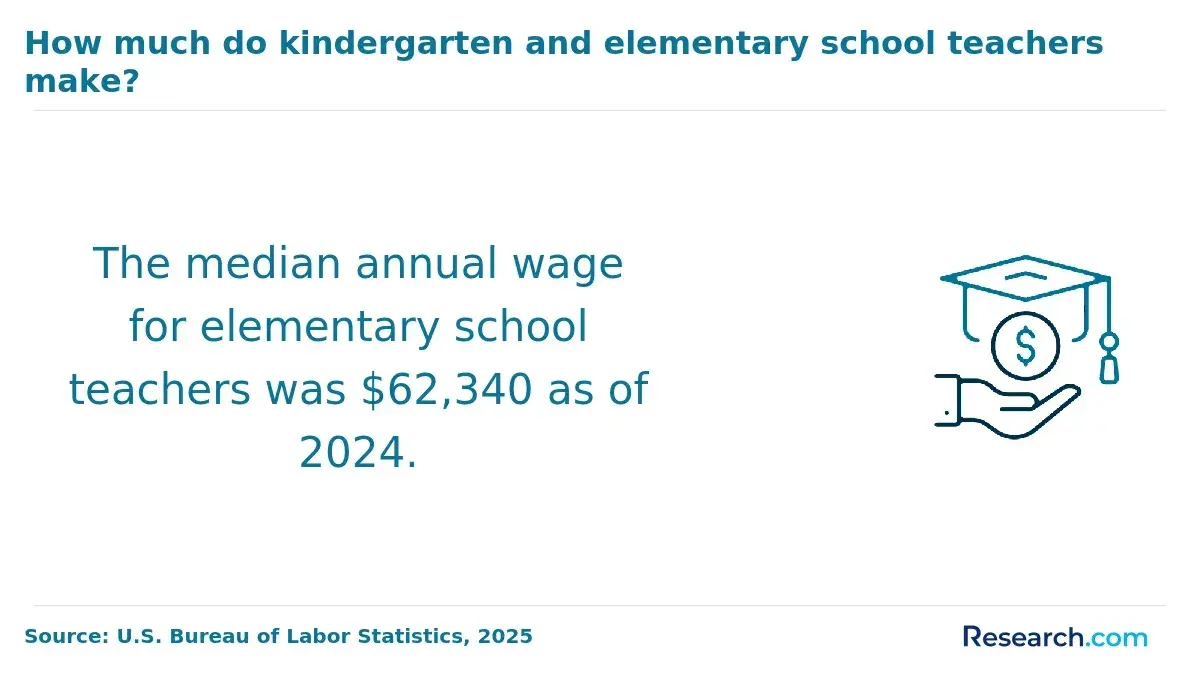
- Years of Experience and Tenure: Starting salaries hover around $47,205 for new teachers, climbing annually or biannually with accumulated experience. Veteran teachers can earn upwards of $82,189, placing Rhode Island among the nation’s top ten states for teacher pay.
- Educational Attainment and Professional Development: Advanced degrees and certifications transform pay scales—master’s or doctorate holders often secure thousands more annually, incentivizing lifelong learning and skill advancement.
- Promotions and Added Responsibilities: Transitioning into leadership roles, such as department heads or principals, can yield salaries exceeding $120,000, reflecting both seniority and added expertise.
- Longevity Bonuses and Step Increases: Automatic negotiated raises and milestone bonuses reward loyalty, with some districts offering lump sums for 15 or 20 years of service.
What Do Teachers in Rhode Island Say About Their Career?
- Completing my teacher preparation at Metcalf Elementary Academy in Providence gave me a solid foundation, especially with its focus on inclusive education and community engagement. Starting my teaching career in a local school reinforced how much Rhode Island values close-knit relationships between educators and families. I’ve witnessed firsthand the positive impact we can make when we understand and reflect the unique cultural backgrounds of our students. The support from my colleagues and the opportunities for professional growth here keep me motivated every day. Allysa
- Teaching in Rhode Island has been a profoundly rewarding experience, particularly because of the state's rich cultural diversity and commitment to environmental education. I graduated from Tiverton High School’s teacher training program, where I developed a passion for integrating local history and ecology into the classroom. Starting my career in a local school meant adapting to the challenges and rewards of smaller class sizes and closer community ties. It’s inspiring to see how my role as an educator contributes to growing a socially aware and engaged generation of students. Roni
- The professional development opportunities available in Rhode Island's education system are outstanding. After finishing my certification program at Blackstone Valley Prep, I entered the workforce feeling confident and prepared to support my students’ diverse needs. Rhode Island’s emphasis on collaboration among educators has allowed me to advance my career while continuously learning from peers and mentors. I feel proud to play a part in shaping futures and addressing the educational challenges unique to this state’s communities. Jim
Related Articles for Nearby States
- 2027 How Long Does It Take to Be a Teacher in Massachusetts?
- 2027 How Long Does It Take to Be a Teacher in Connecticut?
- 2027 How Long Does It Take to Be a Teacher in New York?
- 2027 How Long Does It Take to Be a Teacher in New Jersey?
- 2027 How Long Does It Take to Be a Teacher in Vermont?
- 2027 How Long Does It Take to Be a Teacher in New Hampshire?
- 2027 How Long Does It Take to Be a Teacher in Pennsylvania?
- 2027 How Long Does It Take to Be a Teacher in Delaware?
- 2027 How Long Does It Take to Be a Teacher in Maine?
- 2027 How Long Does It Take to Be a Teacher in Maryland?
References
- Teacher Certification Program https://graduate.providence.edu/a-new-chapter-pursuing-a-teaching-career-as-a-career-changer/
- Rhode Island State Teacher Certification Guide | All Education Schools https://www.alleducationschools.com/teacher-certification/rhode-island/
- NowTeach - Why career change can take time. https://nowteach.org.uk/advice-and-insight/blog/i-d-like-to-teach-in-the-someday-islands-why-career-change-can-take-time/
- Teacher Certification – Feinstein College of Education https://web.uri.edu/education/student-resources/teacher-certification-and-testing/teacher-certification/
- Rhode Island General Laws Title 16. Education § 16-13-3 | FindLaw https://codes.findlaw.com/ri/title-16-education/ri-gen-laws-sect-16-13-3/
- Section 16-13-3 Probationary period - Tenure after probation. https://www.legalfix.com/statutes/state-codes/rhode-island/title-16/chapter-16-13/section-16-13-3
- Teach For America Rhode Island https://www.teachforamerica.org/rhode-island
- Become a Teacher in Rhode Island https://teach.com/careers/become-a-teacher/teaching-credential/state-requirements/rhode-island/
- Rhode Island Alternative Teaching Certification Requirements https://www.teachercertificationdegrees.com/certification/rhode-island-alternative/
Other Things You Should Know About How Long it Takes to be a Teacher in Rhode Island
In 2027, the standard path to becoming a fully licensed teacher in Rhode Island typically involves earning a bachelor's degree in education, completing a teacher preparation program, and accumulating student teaching experience. Afterwards, candidates must pass the necessary certification exams and apply for a teaching license through the Rhode Island Department of Education.
Typically, completing a teacher preparation program in Rhode Island takes about 1 to 2 years after earning a bachelor's degree. This includes coursework and a student teaching component, providing the necessary skills and experience to apply for a teaching license by 2026.
By 2026, obtaining a teaching license in Rhode Island could cost several hundred to over a thousand dollars. This includes fees for application, certification exams, and, in some cases, additional coursework. Applicants should verify the current fee structure as costs can change.


