
2027 How to Become a BCBA in Honolulu, HI: Education Requirements & Certification

Co-Founder and Chief Data Scientist
If you're pursuing a career in behavior analysis and considering where to put down roots, Honolulu offers more than just island views—it’s a place where clinical need and community impact meet. With a growing demand for Board Certified Behavior Analysts (BCBAs), especially in educational and healthcare settings, the city is positioned for professionals looking to make a difference.
Becoming a BCBA in Honolulu involves more than just completing coursework and passing an exam—it’s about aligning with a community that values compassionate, evidence-based care. Whether you’re starting from a bachelor’s degree or already pursuing graduate study, understanding the certification steps is key to building a successful path forward.
In this article, we’ll break down exactly what it takes to earn BCBA certification in Honolulu—from education and supervised fieldwork to exam prep and job prospects. Whether you're local to Oʻahu or planning a move, this guide will help you navigate the journey with clarity and confidence.
Key Things to Know About Becoming a BCBA in Honolulu, HI
- BCBA job growth in Honolulu, HI, is projected at 20% over the next decade, reflecting strong demand for applied behavior analysis professionals in the region.
- The median annual salary for BCBAs in Honolulu is approximately $87,972, which is above the national average for this profession.
- Accredited BCBA programs in Honolulu typically require 1.5 to 2 years of graduate-level coursework combined with supervised fieldwork to meet certification standards.
- What are the BCBA certification requirements in Honolulu, HI?
- How do I meet supervised fieldwork requirements in Honolulu, HI?
- What BCBA programs and universities are available in Honolulu, HI?
- How much does it cost to become a BCBA in Honolulu, HI?
- How do I apply for and pass the BCBA exam?
- Are there Honolulu, HI-specific BCBA licensure or registration rules?
- How much do BCBAs make in Honolulu, HI?
- What is the job outlook for BCBAs in Honolulu, HI?
- What are common career paths for BCBAs in Honolulu, HI?
- Can additional mental health credentials complement your BCBA career in Honolulu, HI?
- How can partnering with special education professionals enhance your BCBA practice in Honolulu, HI?
- How can I find BCBA mentorship or networking opportunities in Honolulu, HI?
- What should I know about working with clients as a new BCBA in Honolulu, HI?
- How can interdisciplinary partnerships boost your BCBA practice in Honolulu, HI?
What are the BCBA certification requirements in Honolulu, HI?
The pathway to becoming a BCBA in Hawaii demands rigorous training and a deep understanding of the city's unique social and educational dynamics. Whether you’re planning to stay local or move to the islands, this path will challenge you to grow both professionally and personally.
Here’s a breakdown of the key certification requirements in Honolulu:
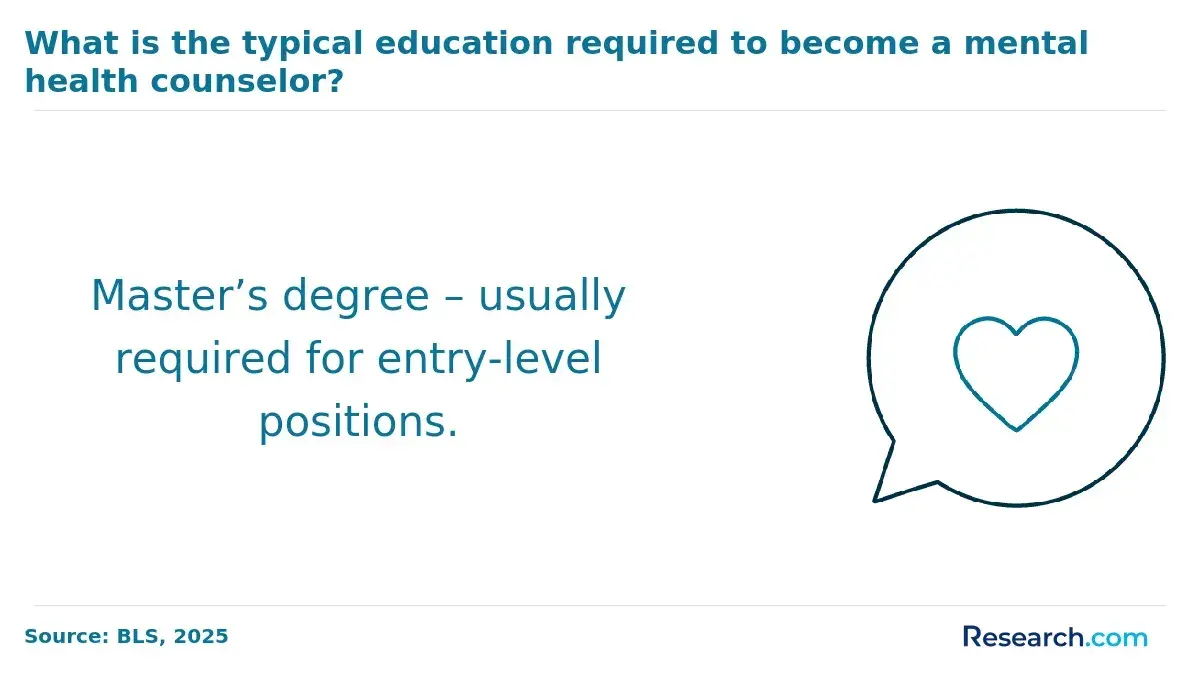
- Education and Verified Course Sequence: Earn a master’s degree in behavior analysis or a related field through a program that includes a BACB-verified course sequence—while considering Hawaii-specific options and cultural emphases.
- Supervised Fieldwork Experience: Complete the required number of supervised hours under a qualified BCBA, ideally within Hawaii-based settings such as schools or health agencies that reflect local cultural and socioeconomic realities.
- Certification Exam and State Licensure: Pass the national BCBA exam and apply for state licensure through Hawaii’s Professional and Vocational Licensing Division, which mirrors BACB standards but includes a separate application and verification process.
- Licensure by Endorsement: If you’re already licensed in another state, you may qualify for Hawaii licensure by endorsement—pending full documentation of your credentials and prior experience.
- Cultural Competency and Professional Expectations: Develop strong cultural awareness to effectively serve Honolulu’s diverse communities, and meet ongoing professional development and continuing education requirements to maintain your license.
The road to certification in Honolulu is as rewarding as it is rigorous. By meeting these requirements with care and intention, you'll be well-prepared to support individuals and families across the islands with skill, empathy, and cultural sensitivity.
How do I meet supervised fieldwork requirements in Honolulu, HI?
Meeting supervised BCBA fieldwork requirements in Honolulu involves adhering to specific guidelines designed to ensure quality training and professional readiness. Candidates must accumulate a set number of hours under qualified supervision, balancing direct client contact with broader ABA activities.
The key points for supervised BCBA fieldwork in Honolulu HI include:
- A total of 2,000 supervised hours or 1,500 hours for concentrated supervised fieldwork, with 5% to 10% of those hours under direct supervision by a BCBA or equivalent.
- Supervision sessions must occur at least biweekly, with monthly minimums ensuring consistent guidance.
- Fieldwork can only begin after securing a qualified supervisor and signing a supervision contract, reflecting the critical role of formal agreements in this process.
- Hours must comprise both restricted activities (direct client work) and unrestricted activities (program development and assessment).
- Remote supervision is accepted due to Honolulu’s geographic challenges, allowing flexibility while still meeting BACB standards.
Given the limited but active pool of supervisors in Honolulu, it is important to start early and consider diverse settings for experience. This approach aligns with BCBA supervision requirements Honolulu, ensuring trainees develop cultural competence and practical expertise.
If you're wondering, what are the differences between RBT and BCBA? Our guide can clarify the gray areas, professional expectations, and training commitments of the two roles.
What BCBA programs and universities are available in Honolulu, HI?
Finding the right BCBA program in Honolulu means balancing flexibility, cultural relevance, and access to supervision—all within the unique geography of island life. Whether you're aiming to stay close to home or need an online option with local fieldwork support, your choice of program can shape your experience and readiness to serve Hawaii’s communities.
Fortunately, several options cater to the needs of aspiring BCBAs in the state. Below is a breakdown of the available programs and pathways in Honolulu:
- University of Hawaiʻi at Mānoa ABA Program: Offers a BACB-verified course sequence with a strong focus on culturally responsive, community-based practice—though limited in-person offerings may pose challenges for students seeking face-to-face learning.
- Online and Hybrid BCBA Programs in Honolulu: Nationally accredited institutions offer online ABA master’s and certification tracks that can be paired with local supervised fieldwork—ideal for working professionals balancing education and employment.
Choosing the right BCBA program is about more than coursework—it’s about finding a structure and mission that align with Hawaii’s cultural landscape and your long-term goals. With thoughtful planning, Honolulu provides meaningful paths to a career in behavior analysis.
How much does it cost to become a BCBA in Honolulu, HI?
Training to become a BCBA in Honolulu can be financially daunting. From graduate school tuition to licensing fees and supervision costs, the total investment can vary widely depending on your path. Understanding these expenses upfront is essential for building a sustainable, well-supported plan.
Here’s a clear look at what to expect financially:
- Graduate Tuition: In-state tuition at the University of Hawaiʻi at Mānoa is around $20,150 for 31 credit hours, while out-of-state students pay more than twice that amount; additional fieldwork credits may apply.
- Certification and Licensing Fees: Includes BACB exam fees and licensing costs through the Hawaii Department of Commerce and Consumer Affairs—typically adding a few hundred dollars to the total.
- Supervision and Travel Expenses: Fieldwork may involve supervision fees or travel costs, especially for students placed outside Oʻahu or in remote areas.
- Financial Aid and Scholarships: Options include federal loans, need-based grants, local scholarships, and employer support—some of which are geared specifically toward Hawaii residents or public service careers.
Weighing costs against future earnings is a personal equation, but with careful planning and available aid, a BCBA career in Honolulu can offer both purpose and financial stability.
How do I apply for and pass the BCBA exam?
Successfully navigating the BCBA exam application process in Honolulu involves multiple critical steps, each requiring careful attention to local nuances and resources. Candidates must strategically manage education, supervised experience, and exam logistics to improve their chances of passing.
Here’s a step-by-step guide to applying for and passing the BCBA exam:
- Meet Educational Requirements: Complete a graduate degree in behavior analysis or a related field; programs like UH Mānoa’s online M.Ed. in Special Education (ABA focus) also support local fieldwork.
- Complete Supervised Fieldwork: Accumulate 2,000 hours with 5% supervision or 1,500 hours with 10%; building local connections is key to finding qualified supervisors and relevant placements.
- Submit Application to BACB: Once education and fieldwork are complete, apply through the BACB portal and register for the exam—Honolulu hosts the most accessible test center for local candidates.
- Study Strategically: Prepare for the computer-based exam covering nine content areas; supplement your studies with local study groups, online tools, and events from the Hawaii Association for Behavior Analysis.
- Know Exam-Day Protocols: Bring two valid IDs that match your registration, and expect strict testing security—lockers are provided, but all personal items must be stored before entry.
By breaking the process into manageable steps and tapping into local resources, you can approach the BCBA exam with confidence—and take one step closer to serving Hawaii’s diverse communities. Candidates should also consider exploring the best applied behavior analysis program in the USA to supplement their preparation and career planning.
The chart below shows how many individuals sat for the BCBA exam in 2024, offering insight into the field’s continued growth and interest:
Are there Honolulu, HI-specific BCBA licensure or registration rules?
The state of Hawaii has its own licensure process that every practicing BCBA must complete. Administered by the Hawaii Department of Commerce and Consumer Affairs, these requirements ensure practitioners are not only nationally certified but also aligned with local standards for ethical and effective practice.
Applicants must:
- Hold a master’s degree with a Verified Course Sequence in behavior analysis, education, or psychology from an accredited institution.
- Complete supervised fieldwork hours under a qualified BCBA to gain practical experience.
- Pass the national BCBA certification exam administered by the BACB.
- Apply through Hawaii’s Professional & Vocational Licensing Division (PVLD) with documentation proving education, supervised experience, and certification.
- Maintain both active BACB certification and state licensure to legally practice in Honolulu.
One Honolulu-based BCBA recalls the lengthy verification process by the PVLD as a test of patience but found local professional networks invaluable for navigating state-specific paperwork and compliance issues. This experience highlights the importance of early preparation and community support in meeting licensure demands.
How much do BCBAs make in Honolulu, HI?
BCBAs in Honolulu earn approximately $87,972 annually, with some experienced professionals making over $130,000. This range is slightly above the national average, reflecting Honolulu’s higher cost of living and workforce scarcity.
Several factors influence these salaries:
- Cost of Living: Housing and transportation expenses in Honolulu are notably high, prompting employers to offer adjusted compensation, though disposable income remains limited for some.
- Demand and Supply: The island’s geographic isolation limits the pool of credentialed BCBAs, increasing competition and salary offers, especially in autism and developmental disability services.
- Licensure Requirements: Hawaii mandates state licensure since 2016, which can enhance salary prospects for fully licensed professionals.
- Experience and Specialization: Advanced credentials and supervisory roles often lead to higher pay.
Compared to neighboring states like California, where BCBA salaries range more widely and sometimes higher due to larger markets, Honolulu’s salaries are competitive but constrained by geographic and economic factors. In contrast, some mainland states may offer lower salaries but with reduced living costs, presenting trade-offs for those considering relocation.
To better understand how earnings evolve over time, here’s a breakdown of average BCBA salaries in the US by years of experience:
What is the job outlook for BCBAs in Honolulu, HI?
In Honolulu, the demand for Board Certified Behavior Analysts is rising steadily, fueled by increased awareness of autism spectrum disorders and strengthened state mandates requiring insurance coverage for ABA services.
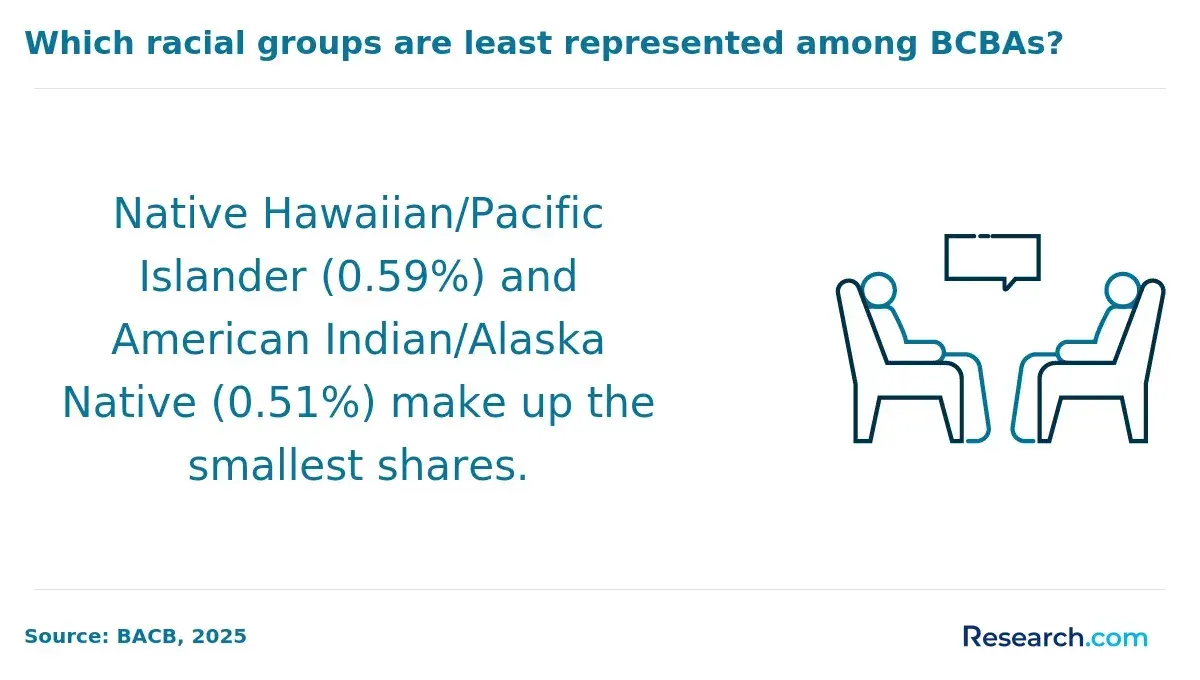
While Native Hawaiian BCBAs currently represent a smaller portion of the workforce, there is a growing emphasis on building a more representative and culturally attuned practitioner base. This effort supports more effective, community-centered care and opens meaningful opportunities for local professionals to lead and shape the future of behavior analysis in Hawaii.
Here’s a closer look at the job outlook for BCBAs in Honolulu:
- High Demand for ABA Services: Increased recognition of autism and developmental needs, paired with policy-driven insurance coverage, continues to fuel strong demand for certified behavior analysts.
- Concentration in Specific Settings: Most job opportunities are clustered in clinics, schools, and in-home support services—offering stable options but potentially limited diversity in practice settings.
- Geographic and Access Challenges: While Honolulu sees the highest concentration of openings, rural and neighbor island areas face provider shortages, creating both challenges and high-need opportunities.
- Supportive Local Infrastructure: Educational programs and state initiatives are helping to grow the BCBA workforce locally, though gaps still remain in underserved regions.
- Long-Term Career Stability: The combination of state support and community need points to strong job security and room for professional growth across Hawaii.
For those evaluating career paths, it is advisable to assess the broader behavioral health landscape and evolving legislative environment in Hawaii. Exploring options through best behavioral psychology degree programs online may provide flexible training routes aligned with local market needs and support long-term career development.
What are common career paths for BCBAs in Honolulu, HI?
From school systems to telehealth platforms, the variety of BCBA career paths in Honolulu allows professionals to choose work that aligns with their interests, values, and expertise. While some paths offer clinical intensity, others provide leadership, flexibility, or academic engagement.
Here’s a breakdown of common BCBA roles in Honolulu:
- Clinical BCBA Roles in Private Practice and Agencies: Many BCBAs work in private clinics or agencies, offering direct services—though competition and agency structures may limit autonomy and upward mobility.
- School-Based and Educational Settings: BCBAs support special education teams and develop behavior plans, with opportunities for systemic impact—but often face bureaucratic limits and varied pay scales.
- Supervisory and Clinical Director Positions: Advanced roles in leadership allow BCBAs to oversee teams and shape programs; they offer higher pay but demand management experience and less direct client interaction.
- Telehealth and Remote Service Delivery: Remote roles help expand services across islands, offering flexibility—though they may pose challenges in rapport-building and conducting certain assessments.
- Early Intervention and Home-Based Services: Providers work directly with families, often through Hawaii’s Early Intervention Program, requiring cultural sensitivity and adaptability across home environments.
- Research, University, and Training Roles: Academic roles offer opportunities to teach and contribute to the field’s growth, though they typically come with lower salaries compared to clinical positions.
Whether you're drawn to hands-on care, leadership, or education, Honolulu offers meaningful career pathways for BCBAs looking to make an impact across diverse communities.
For those exploring cost-effective pathways into this field, check out our curated list of affordable online BCBA programs to help you jumpstart your journey without overspending.
Can additional mental health credentials complement your BCBA career in Honolulu, HI?
In Honolulu’s evolving behavioral health landscape, integrating complementary credentials can enhance clinical practice and foster interdisciplinary care. Pursuing supplementary certifications, such as in marriage and family therapy, may broaden treatment strategies and improve collaboration with local mental health professionals. Familiarizing yourself with the Honolulu MFT license requirements can provide actionable insights into aligning diverse therapeutic approaches, ultimately strengthening service delivery and addressing the community's complex needs.
How can partnering with special education professionals enhance your BCBA practice in Honolulu, HI?
Collaborating with special education experts offers BCBAs a unique opportunity to integrate evidence-based behavioral strategies with tailored educational approaches. This partnership can streamline intervention protocols, foster comprehensive treatment plans, and address the holistic needs of clients in culturally diverse settings. By aligning with special education professionals, you ensure a multidimensional approach to behavioral care that enhances both clinical outcomes and educational support. For guidance on diversifying your interdisciplinary collaborations, see how to become a special education teacher in Honolulu.
How can I find BCBA mentorship or networking opportunities in Honolulu, HI?
Mentorship and networking in Honolulu present a blend of traditional and innovative pathways shaped by the city’s geographic isolation and cultural diversity. Local professionals often navigate a complex environment where formal structures coexist with informal, community-driven connections, requiring flexibility and proactive engagement.
Here are key ways to find BCBA mentorship and networking opportunities in Honolulu:
- Employer-Based Mentorship: Many local agencies provide in-house supervision and culturally attuned mentorship programs, despite the limited number of practicing BCBAs in the region.
- Hawaii Association for Behavior Analysis (HABA): Offers annual conferences, local meetups, and ongoing learning events that connect professionals across the islands—though participation may involve travel or virtual attendance.
- Virtual Communities and Online Meetups: Online forums, LinkedIn groups, and video meetups help bridge the gap between island practitioners and mainland experts, expanding mentorship options.
- University-Affiliated Networks: Alumni connections and cross-institution collaborations, even after the BCBA-track program’s suspension at UH Mānoa, continue to support mentorship and fieldwork placement.
- BACB Verified Course Sequence (VCS) Directory: A tool for identifying programs that offer remote supervision or partnerships accessible to Honolulu-based students and professionals.
One Honolulu BCBA recalls the challenge of initially finding mentorship as a newcomer: navigating the limited local pool required persistent outreach and participation in multiple HABA events, which gradually led to meaningful mentorship despite early feelings of professional isolation.
What should I know about working with clients as a new BCBA in Honolulu, HI?
Starting your work as a new BCBA in Honolulu means stepping into a role that blends clinical skill with deep cultural awareness. The diversity of the island’s population—and the logistical realities of providing care across Oʻahu—requires flexibility, empathy, and strong communication.
Here are key things to keep in mind when working with clients in Honolulu:
- Cultural Competence Is Essential: Many families speak languages other than English and may have different views on therapy, making cultural sensitivity crucial to effective intervention.
- Telehealth May Be Necessary: Travel constraints and geographic spread often make telehealth essential—but it isn’t always the right fit for every client, especially young children.
- Caseloads Can Be Heavy: Due to high demand and a limited number of providers, BCBAs in Honolulu often carry large caseloads, which can strain time and care quality.
- Collaborate to Bridge Gaps: Working with interpreters, cultural liaisons, and community professionals strengthens relationships and helps ensure clarity in treatment planning.
- Legal and Ethical Standards Matter: Hawaii’s licensing rules emphasize clear documentation and informed consent, making legal compliance a daily priority.
- Be Flexible in Delivery Models: Whether in homes, schools, or clinics, tailoring services to each environment—and client preference—is key to effective care.
Navigating these challenges helps shape new BCBAs into thoughtful, resilient practitioners. And for those considering the best careers with a behavioral psychology degree, working in Honolulu offers a uniquely rich and rewarding setting to grow your impact.
How can interdisciplinary partnerships boost your BCBA practice in Honolulu, HI?
Integrating behavior analysis with complementary mental health disciplines can enhance service delivery and broaden client support in Honolulu. Collaborating with professionals such as educators, counselors, and local therapists can lead to innovative strategies and improved outcomes. These partnerships enable BCBAs to leverage diverse expertise, address multifaceted client needs, and navigate complex cultural contexts unique to the island setting. For professionals aiming to expand their interdisciplinary network, learning from our guide on how to become a therapist in Honolulu can offer valuable insights into overlapping practices and collaborative frameworks.
What do BCBAs say about their careers in Honolulu, HI?
- "The state-funded BCBA program in Honolulu wasn’t just a stepping stone—it was a deep dive into the cultural and clinical realities of working in Hawai‘i. From day one, I was learning by doing, supported by mentors who understood the local context. That hands-on exposure shaped the way I think about behavior analysis and community care." – Kathy
- "The vocational track here gave me more than textbook knowledge—it dropped me into the heart of the work. Collaborating with local nonprofits pushed me to adapt quickly and think critically. It was the first time I truly saw how behavioral science could ripple through a community in meaningful ways." – Malia
- "Being part of Honolulu’s nonprofit BCBA initiative gave me a sense of purpose I hadn’t expected. Working directly with keiki and their families helped me grow clinical skills while staying grounded in the values that matter most here. That balance of theory, practice, and community connection is what made it more than just training—it made it personal." – Nakoa
Related Articles for Nearby Cities
- 2027 How to Become a BCBA in San Francisco, CA: Education Requirements & Certification
- 2027 How to Become a BCBA in Oakland, CA: Education Requirements & Certification
- 2027 How to Become a BCBA in Fremont, CA: Education Requirements & Certification
- 2027 How to Become a BCBA in San Jose, CA: Education Requirements & Certification
- 2027 How to Become a BCBA in Stockton, CA: Education Requirements & Certification
- 2027 How to Become a BCBA in Sacramento, CA: Education Requirements & Certification
- 2027 How to Become a BCBA in Fresno, CA: Education Requirements & Certification
- 2027 How to Become a BCBA in Bakersfield, CA: Education Requirements & Certification
- 2027 How to Become a BCBA in Long Beach, CA: Education Requirements & Certification
- 2027 How to Become a BCBA in Los Angeles, CA: Education Requirements & Certification
References:
- AppliedBehaviorAnalysisEdu.org. (n.d.). Masters in Applied Behavior Analysis in Hawaii | Online ABA graduate degree programs in HI. Appliedbehavioranalysisedu.org. Retrieved 7 July 2025, from
- AppliedBehaviorAnalysisPrograms.com. (n.d.). University of Hawaii at Manoa – Applied Behavioral Analysis degrees, accreditation, applying, tuition & financial aid. Appliedbehavioranalysisprograms.com. Retrieved 7 July 2025.
- Bay Path University. (n.d.). Professional licensure disclosure: Applied behavior analysis. Baypath.edu. Retrieved 7 July 2025.
- City and County of Honolulu. (n.d.). Public access. Qpublic.net. Retrieved 7 July 2025.
- Department of Customer Services. (n.d.). Home | Department of Customer Services. Honolulu.gov. Retrieved 7 July 2025.
- Hawaii ABA Masters Programs. (n.d.). 1+ Hawaii ABA masters programs [for BCBA certification]. Abamastersprograms.org. Retrieved 7 July 2025.
- Mastermind Behavior Services. (n.d.). Average BCBA salaries. Mastermindbehavior.com. Retrieved 7 July 2025.
- Psychology School Guide. (2025). Popular BCBA programs and certification in Hawaii – Accredited online ABA master's – Best applied behavior analysis programs in Hawaii. Psychologyschoolguide.net. Retrieved 7 July 2025.
- RPAD. (n.d.). Contact us. Realproperty.honolulu.gov. Retrieved 7 July 2025.
- University of Hawaii at Mānoa. (n.d.). Board Certified Behavior Analyst® (BCBA®) – SPED. Coe.hawaii.edu. Retrieved 7 July 2025.
- ZipRecruiter. (n.d.). BCBA salary in Honolulu, HI. Ziprecruiter.com. Retrieved 7 July 2025.
Other Things You Need to Know About Becoming a BCBA in Honolulu, HI
To become a BCBA in Honolulu by 2026, you'll need a relevant master's degree, complete the required supervised experience, and pass the BCBA exam. Additionally, meeting specific state licensure requirements might be necessary. Check for updates from the BACB and Hawaii licensing boards.
In 2027, the University of Hawai'i at Mānoa offers a BCBA-approved program through its Psychology Department, conforming to standards set by the Association for Behavior Analysis International (ABAI). Ensure the program you choose is accredited and follows ABAI curriculum guidelines for BCBA eligibility.


