
2027 How to Become a Caregiver: Certification Requirements in Kentucky

Co-Founder and Chief Data Scientist
Starting a career as a caregiver in Kentucky is a smart move. The state expects a 15% job growth for healthcare support roles by 2030, reflecting strong demand. Caregiving jobs pay steadily and offer personal fulfillment through helping others. Kentucky requires caregivers to complete specific certification steps to ensure quality care.
This article, crafted by career planning experts, breaks down those certification requirements clearly. It also covers how to navigate the process smoothly and boost career prospects. If you’re aiming to become a certified caregiver in Kentucky, this guide will help you understand every important detail with confidence.
Key Things to Know About Becoming a Caregiver in Kentucky
- Kentucky requires completion of a 75-hour training program that covers safety, basic care skills, and residents’ rights before certification.
- After training, passing a competency evaluation, including a written and skills test, is mandatory to become officially certified.
- The state emphasizes ongoing education to keep caregivers updated, helping maintain a strong workforce serving over 20,000 residents annually.
- What education is required to become a certified caregiver in Kentucky?
- How many training hours are required for caregiver certification in Kentucky?
- What topics are covered in caregiver training programs in Kentucky?
- Is there a state exam for caregiver certification in Kentucky?
- How do you apply for caregiver certification in Kentucky?
- How much does it cost to get caregiver certification in Kentucky?
- How often do you need to renew caregiver certification in Kentucky?
- Can Caregivers Advance Their Careers with Specialized Training in Kentucky?
- What continuing education is required for caregivers in Kentucky?
- What is the salary for certified caregivers in Kentucky?
- What jobs can you get with caregiver certification in Kentucky?
What education is required to become a certified caregiver in Kentucky?
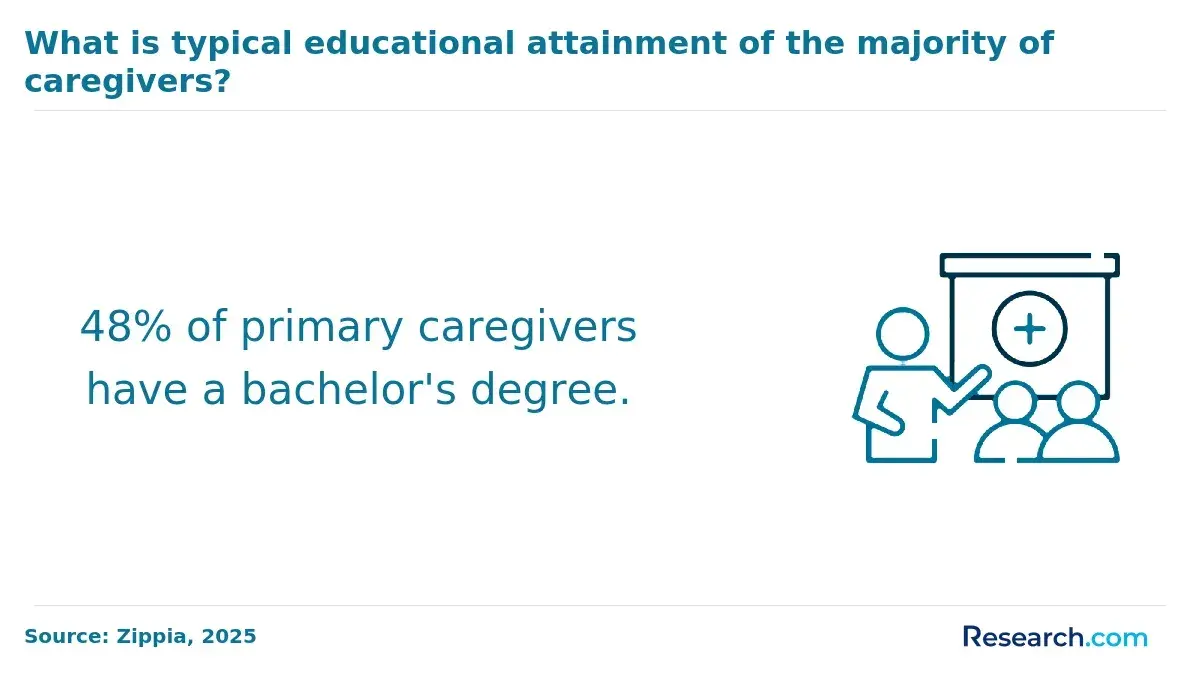
Meeting the education requirements to become a certified caregiver in Kentucky is key to providing quality care and advancing in this field. Here’s a quick rundown of what you’ll need educationally to get started. The education requirements for caregivers in Kentucky highlight both foundational credentials and more specialized training for those aiming for medical caregiving roles.
- Minimum Degree Requirement: You must have at least a high school diploma or GED, which is the basic qualification for most entry-level caregiver roles.
- Specialized Postsecondary Education: For roles like Certified Nursing Assistant or Home Health Aide, completing an approved postsecondary training program is essential, typically offered through community colleges or technical schools.
- Background in Human Services or Health Fields: While not mandatory, coursework in nursing, psychology, social work, or health sciences improves your job prospects and prepares you for advanced caregiving tasks.
- Continuing Education Opportunities: Though not required initially, ongoing education through workshops, certificate programs, or college courses helps maintain and sharpen caregiver skills over time.
- Statistical Insight: Over 60% of caregivers in Kentucky hold postsecondary credentials relevant to healthcare or human services, showing how valued formal education is in this competitive field.
For those thinking about further health-related education, it’s helpful to understand how long is medical billing and coding online school, as these programs can complement caregiver training and open additional career paths.
How many training hours are required for caregiver certification in Kentucky?
Training hours play a crucial role in preparing caregivers to provide safe and effective care, especially when working with vulnerable groups like seniors or individuals with disabilities. They ensure caregivers not only understand essential caregiving principles but can also apply them confidently in real-life situations. In Kentucky, the basic certification for non-medical caregivers or personal care aides typically requires 8 hours of initial training, designed to cover the key knowledge and skills needed in this field.
- Initial Training Hours: Kentucky generally mandates 8 hours of caregiver training for entry-level aides. This training can be completed online or in person, and it focuses on fundamental topics such as infection control, communication, safety, and everyday care activities.
- Training Format: The 8 hours often combine classroom instruction and online modules, which may include videos, readings, and interactive tests. This setup helps caregivers learn flexibly while ensuring they cover all critical areas.
- Competency Assessment: At the end of the training, caregivers must pass an exam or practical evaluation. Successfully completing this step is required to receive certification and work with most home care agencies.
- Annual Renewal: Beyond initial certification, caregivers need about 8 hours of yearly refresher training. This keeps them updated on new best practices, regulations, and evolving care needs.
What topics are covered in caregiver training programs in Kentucky?
Caregiver training programs in Kentucky focus on equipping you with the skills needed to provide compassionate and effective care. This kind of training is essential for building your confidence while ensuring clients get the quality service they deserve. Knowing what’s covered in the Kentucky caregiver certification course content can help you prepare for what lies ahead.
- Personal Care Skills: You’ll learn how to assist with daily activities like bathing, dressing, and mobility, all while maintaining client dignity and comfort.
- Infection Control: Training covers how to prevent disease spread with proper hand hygiene, use of protective gear, and cleaning routines to keep everyone safe.
- Effective Communication: This teaches ways to interact clearly and compassionately with clients, especially those with dementia or speech difficulties.
- Medication Assistance: You’ll understand how to safely help clients manage medications, including recognizing common drugs and following legal guidelines.
- Safety Procedures: Learn how to spot hazards, prevent falls, and use assistive devices to create a safe environment for clients.
- Emergency Response: First aid and CPR certification are part of the training, helping you respond quickly and properly in urgent medical situations.
- Abuse, Neglect, and Exploitation Prevention: You’ll be trained to identify, report, and prevent any mistreatment of vulnerable adults or children according to Kentucky law.
- Patient Rights and Confidentiality: Understanding client privacy, HIPAA, and ethical care standards is key to respecting those you serve.
- Care Planning and Documentation: This covers how to develop care plans and keep accurate records to ensure consistent and personalized care delivery.
- Medical Terminology and Anatomy: Some courses introduce basic anatomy and healthcare terms, helping you communicate better with medical staff.
Since Kentucky caregiver certification course content is competency-based, the training you receive prepares you well for the challenges of caregiving. If you’re curious about other healthcare career paths, check out becoming a medical biller and coder, which also requires specialized training but focuses more on healthcare administration.
Is there a state exam for caregiver certification in Kentucky?
Some states require a caregiver certification exam to make sure caregivers have the skills and knowledge needed to provide safe, quality care. These exams help keep standards consistent and protect both caregivers and those they assist. In Kentucky, you do need to pass a competency exam to get certified as a caregiver.
The Kentucky caregiver exam usually has two parts: a written test and a practical skills demonstration. The written portion checks your understanding of caregiving basics like safety, client rights, and proper procedures. The skills exam lets you show you can actually perform tasks such as helping with daily activities, infection control, and emergency responses. Before taking the exam, you must complete a state-approved training program that covers essential topics and also get CPR and first aid certified.
If you’re aiming for a Certified Nursing Aide (CNA) role, there’s a separate state CNA exam that includes similar written and hands-on parts. For regular caregiver certification, passing this competency exam is key, as it confirms you meet Kentucky’s standards. Once you finish training and pass the exam, your certification is usually granted by the training provider or relevant state agency.
How do you apply for caregiver certification in Kentucky?
Getting certified as a caregiver in Kentucky means following some important steps to meet state rules and secure your spot in this growing field. The process is designed to make sure you’re well-prepared and ready to provide quality care, plus it helps speed up your approval so you can start working without delays.
- Confirm Basic Eligibility: You need to be at least 18 and have a high school diploma or GED; some employers look for qualities like patience and good communication too.
- Choose a State-Approved Training Program: Enroll in a Kentucky Cabinet for Health and Family Services-approved program, offered by colleges or online, that meets the required training hours.
- Complete Training Hours: Finish at least 75 hours of training, including 16 clinical hours for hands-on experience with caregiving skills and safety.
- Get CPR and First Aid Certification: Obtain certifications from an accredited provider, which is a must-have for caregiver jobs in Kentucky.
- Submit Your Application: Send in proof of training completion, CPR/First Aid certificates, and ID to the proper registry or employer; some roles need registration with the Nurse Aide Registry.
- Pass a Criminal Background Check: A clean record is essential, usually handled by your training program or employer, ensuring client safety.
- Register and Pass the Competency Exam: Take and pass the Kentucky Nurse Aide Registry exam that covers both theory and practical caregiving skills.
- Maintain Certification Annually: Stay up-to-date with continuing education or in-service training if required.
- Specialized Certifications: Some roles, like working with medical cannabis patients, require extra registration through state portals.
A caregiver from Kentucky I spoke with, who graduated from a local community college, shared how the application process was both challenging and rewarding. She said, “Balancing work and completing the 75 training hours took some juggling, but the hands-on clinical part really prepared me.” The background check and paperwork slowed things down more than expected, yet having clear steps made it manageable. Passing the competency exam felt like a real milestone, opening the door to her first caregiving job. Her experience highlighted how thorough preparation and patience are key to navigating the certification journey successfully in Kentucky.
How much does it cost to get caregiver certification in Kentucky?
Knowing the caregiver certification cost in Kentucky helps you plan your budget and avoid surprises as you pursue training. Since fees can vary based on the provider and certification level, understanding the breakdown of Kentucky caregiver training program fees lets you choose the best option for your career goals.
- Training Program Tuition: Basic caregiver certification courses usually range from $99 to $149, with some bundles going up to $199 depending on what’s included.
- Textbooks and Materials: Many courses provide digital materials at no extra charge, but physical textbooks or extra resources can add $0 to $50 to your costs.
- Application or Registration Fees: Most national programs don’t charge a separate application fee, but some local providers might add a $10 to $25 registration fee.
- Background Checks: These are commonly required by Kentucky employers and generally cost between $25 and $50 if you need to pay independently.
- Exam Fees: Exam fees are typically included with the tuition for basic caregiver certification, but a Certified Nursing Assistant (CNA) exam, if you pursue that path, costs an additional $75 to $100.
- Optional Membership Fees: Organizations like the American Caregiver Association offer voluntary annual memberships for around $50, which may offer extra benefits for professionals.
- Cost Factors: Prices fluctuate, whether you choose an online national certifying organization or a local community college, and advanced certifications usually carry higher fees.
- Financial Aid: Some employers or workforce programs might reimburse training costs or offer tuition assistance, so it’s worth checking available support.
If you want to expand your skill set with related training, consider exploring a free medical billing and coding course to complement your certification.
How often do you need to renew caregiver certification in Kentucky?
Renewing caregiver certification in Kentucky is important to keep skills sharp and stay in line with state rules. It also shows employers and families that a caregiver is trusted and up-to-date with best practices. Regular renewal helps prevent any gaps in certification, which could affect job opportunities or the ability to provide care legally. Staying current means caregivers can confidently continue doing their vital work.
In Kentucky, caregivers with national certifications like those from the American Caregiver Association need to renew every year, with fees usually between $59 and $149 depending on the certification type. For state registered nurse aides (SRNAs), renewal happens every two years and requires submitting an application along with a nonrefundable fee. Missing renewal deadlines can lead to inactive status, which might limit working options. So, it’s essential to keep track of these dates and fees to maintain active certification.
Can Caregivers Advance Their Careers with Specialized Training in Kentucky?
Pursuing advanced training can open opportunities for career growth beyond basic caregiving roles. Specialized certifications empower caregivers to take on increased responsibilities, contribute to multidisciplinary healthcare teams, and potentially access higher-paying positions. Professionals exploring further specialization can consider programs that extend beyond initial certification requirements, thereby enhancing both competence and marketability. For example, specialized training in related fields may lead to roles with greater scope, such as exploring how to become an occupational therapist in Kentucky. Investigate these pathways to align your skills with emerging trends in Kentucky’s healthcare industry.
What continuing education is required for caregivers in Kentucky?
Continuing education is a key part of being a caregiver in Kentucky. It helps caregivers keep their skills sharp, guarantees that the people they care for get the best support possible, and makes sure state rules are followed. Staying up-to-date with training means caregivers stay confident and effective in their jobs.
- For Direct Support Professionals (DSPs): At least six hours of training annually focused on skills like personal care, communication, behavior management, and emergency procedures. This is required within six months of starting and is maintained yearly.
- For Licensed Nurses (LPNs and RNs): Continuing education courses are required every year to renew licenses, including special one‑time topics such as Alzheimer’s care and domestic violence training, depending on licensure date.
- For Unlicensed Personal Caregivers: No state mandate for ongoing education, but many employers recommend or require in-service training on topics like first aid, CPR, and elder abuse prevention.
I spoke with a caregiver from Kentucky who graduated from a local program and shared how continuing education shapes their journey. They told me, “Keeping up with the required classes isn’t always easy—balancing work, family, and training takes effort.” They found that the online courses offered through the Kentucky College of Direct Support were a game-changer, letting them learn on their own schedule. “The training really boosted my confidence, especially in handling emergencies or communicating better with clients. It’s rewarding knowing these hours keep my certification valid and help me do a better job every day.” Their story shows how ongoing learning isn’t just paperwork—it’s a vital, practical part of caregiving life in Kentucky.
What is the salary for certified caregivers in Kentucky?
Several factors shape the salary for certified caregivers in Kentucky, including where they work within the state, the type of employer (like private homes or healthcare agencies), and their experience and certification level. Urban locations and specialized roles tend to pay more, while entry-level positions or those without certification usually earn less. The local cost of living and demand for elder care also play a big role in determining wages.
- Average Pay: Certified caregivers in Kentucky earn about $28,065 per year, or roughly $13.49 an hour, which is a bit below the national average due to the state’s regional wage trends and cost of living.
- Salary Range: Most wages fall between $24,800 and $31,300 yearly, with top earners making up to $34,306 annually, or around $16 per hour.
- Live-in Caregivers: Those providing live-in care generally make more—averaging $40,597 a year or $19.52 an hour, with the highest-paid live-ins earning as much as $65,139 annually.
- Regional Differences: Caregivers in cities like Hazard, Hopkinsville, and Corbin can earn up to 20% more than the statewide average, sometimes exceeding $16.29 per hour.
- National Comparison: Kentucky’s certified caregiver pay ranks near the bottom in the U.S., trailing behind most other states.
For those interested in boosting their credentials, exploring free online classes for medical billing and coding with free laptop could be a helpful step toward enhancing career prospects in healthcare-related fields.
What jobs can you get with caregiver certification in Kentucky?
Getting caregiver certification in Kentucky unlocks a variety of rewarding career paths in healthcare and support services. Whether you enjoy working closely with individuals at home or prefer facility-based roles, certified caregivers find lots of opportunities. If you’re exploring caregiver jobs in Kentucky, here’s a quick look at some popular options.
- Home Health Aide: Home health aides assist clients with personal care like bathing and grooming in their homes, often under nurse supervision.
- Personal Care Attendant: These attendants help with non-medical needs such as meal prep and light housekeeping, enabling clients to live independently.
- Residential Care Aide: Working in assisted living or group homes, residential care aides support daily activities and maintain a safe environment.
- Hospice Aide: Hospice aides focus on comfort care for terminally ill patients, usually in home or hospice settings.
- Direct Support Professional (DSP): DSPs assist people with developmental disabilities, helping with routines and community involvement.
- In-Home Pediatric Caregiver: These caregivers specialize in caring for children with medical needs, collaborating closely with families and healthcare professionals.
- Companion Caregiver: Companion caregivers provide emotional support and social interaction for elderly or disabled clients.
- Family Caregiver (Medicaid HCBS Waiver Program): Certified family members can get paid for caregiving under Kentucky’s HCBS waiver program if they meet certification rules.
Many who pursue home health aide positions in Kentucky enjoy flexible schedules and competitive pay, often around $20–$25 per hour depending on experience. If healthcare interests you, combining caregiver certification with courses like certified medical coder and biller requirements can broaden your skill set and career options even further.
What Do Caregivers in Kentucky Say About Their Career
- Completing my caregiver certification at Bluegrass Community and Technical College was a transformative experience. The program’s hands-on approach gave me the confidence I needed to begin working at a local school, where I’ve witnessed firsthand the positive difference caregivers make in children’s lives. Kentucky’s close-knit communities make every day rewarding because I see the direct impact of my work on families around me. The stability and growth potential in this career are encouraging, especially as I continue to deepen my skills and knowledge. I’m proud to contribute to a field that supports not only academic success but also emotional well-being. Jonathan
- Starting my caregiver career after finishing the program at Jefferson Community College has been both challenging and inspiring. Working in a local school, I quickly learned how important cultural sensitivity and understanding Kentucky’s unique social environment are to truly support the kids. The experience pushed me to grow professionally while being deeply connected to my community. I appreciate the ongoing opportunities for advancement and professional workshops provided by my employer, which help me refine my approach and stay motivated every day of the job. Anica
- Attending Somerset Community College to become a certified caregiver was a significant step for me, especially as someone passionate about helping young people thrive in rural areas of Kentucky. The program’s curriculum aligned well with the real-world challenges I face working in local schools here, from resource limitations to cultural diversity. This role has fostered my personal growth and dedication to community service by allowing me to advocate for vulnerable students. The sense of professional fulfillment and the strong bonds I build with students make this career path incredibly rewarding and meaningful. Jordan
Related Articles for Nearby States
- 2027 How to Become a Caregiver: Certification Requirements in Indiana
- 2027 How to Become a Caregiver: Certification Requirements in Ohio
- 2027 How to Become a Caregiver: Certification Requirements in Tennessee
- 2027 How to Become a Caregiver: Certification Requirements in West Virginia
- 2027 How to Become a Caregiver: Certification Requirements in Virginia
- 2027 How to Become a Caregiver: Certification Requirements in Illinois
- 2027 How to Become a Caregiver: Certification Requirements in Missouri
- 2027 How to Become a Caregiver: Certification Requirements in North Carolina
- 2027 How to Become a Caregiver: Certification Requirements in Georgia
- 2027 How to Become a Caregiver: Certification Requirements in Mississippi
References:
- Caregiver Support Services https://chfs.ky.gov/agencies/dail/Pages/caregiversupport.aspx
- How to Become a Caregiver in Kentucky (2024) | Dreambound https://dreambound.com/blog/how-to-become-a-caregiver-in-kentucky
- Kentucky Caregiver Training & Certification for Home Care - CaregiverList.com https://www.caregiverlist.com/kentucky/caregiver-training-certification
- 404 Error - learn2care https://www.learn2care.us/ebook-pdf/Kentucky-ebook.pdf
- Kentucky Caregiver Training | myCNAjobs.com https://www.mycnajobs.com/caregiver-training/kentucky/
- Get Paid as a Family Caregiver in Kentucky | Givers https://www.joingivers.com/how-to-get-paid-caregiver/kentucky
- How to Become a Professional Caregiver https://www.comfortkeepers.com/offices/kentucky/somerset/resources/resources/how-to-become-a-professional-caregiver-training-skills-and-what-to-expect/
- For those thinking about further health-related education, it’s helpful to understand https://research.com/careers/how-long-is-medical-billing-and-coding-school
- Renewal https://kbn.ky.gov/state-registered-nurse-aide/Pages/srna-renewal.aspx
- Kentucky Caregiver Training Course & Free Certification https://caredemy.us/product/certified-nurse-aide-cna-course-for-kentucky/
Other Things You Should Know About Becoming a Caregiver in Kentucky
In 2027, to work as a caregiver in Kentucky, obtaining a Certified Nurse Aide (CNA) certification is typically required. This includes completing a state-approved training program and passing a competency exam. Compliance ensures the caregiver meets healthcare standards and provides qualified care.
In Kentucky, you can become a certified caregiver without prior experience, as the state primarily requires completion of specific training programs rather than a work history. Prospective caregivers must complete a state-approved training course that covers essential caregiving skills and pass a competency evaluation. While no previous experience is necessary to enroll in these programs, practical skills and knowledge gained during training are crucial to meet certification standards. This approach allows individuals new to caregiving to enter the field by focusing on education and demonstrated capability rather than prior job experience.
Yes, in Kentucky, aspiring caregivers must undergo a criminal background check as part of the certification process. This is mandated to ensure the safety and well-being of those receiving care, and it must be completed prior to certification approval.


