
2027 How to Become a Licensed Therapist (LPC) in Anchorage, AK

Co-Founder and Chief Data Scientist
Becoming a Licensed Professional Counselor (LPC) in Anchorage requires understanding the unique landscape of mental health services in Alaska’s largest city. According to our research, Anchorage faces a growing demand for qualified counselors to address diverse community needs, including rural outreach and culturally sensitive care.
For aspiring LPCs, this environment offers both challenges and rewarding opportunities for professional growth. This article provides a clear overview of the licensing process and local considerations, helping readers navigate their path to becoming an LPC in Anchorage.
Key Things to Know About Becoming an LPC in Anchorage
- Anchorage offers diverse counseling opportunities with strong community support, making it an ideal location for LPCs to practice and grow.
- The average salary for LPCs in Anchorage ranges around $60,000 to $75,000 annually, reflecting competitive compensation within Alaska’s healthcare sector.
- Noteworthy employers include Providence Alaska Medical Center, Alaska Psychiatric Institute, and the Anchorage School District, all of which are prominent providers of mental health services.
- What are the educational requirements to become an LPC in Anchorage?
- How do you apply for licensure as a counselor in Anchorage?
- Which schools in Anchorage offer programs for aspiring LPCs?
- Are there internship or practicum opportunities for counseling students in Anchorage?
- How much do LPCs make in Anchorage?
- What are the supervision requirements for LPCs in Anchorage?
- Is Anchorage a good place to work as an LPC?
- Can LPCs Transition to Marriage and Family Therapy in Anchorage?
- What are the professional development opportunities for LPCs in Anchorage?
- How can I become a mental health counselor in Anchorage?
- Can LPCs Benefit from Advanced Certifications in Anchorage?
- How competitive is the job market for LPCs in Anchorage?
- Are there counseling associations in Anchorage?
- Which are the most popular employers of LPCs in Anchorage?
- How can LPCs explore substance abuse counseling opportunities in Anchorage?
- What LPCs in Anchorage Say About Their Careers
What are the educational requirements to become an LPC in Anchorage?
Would-be LPCs in Anchorage must meet specific educational standards to prepare them for effective practice. Understanding these requirements is essential for selecting the right graduate program and gaining the necessary skills. Below is our concise overview of the key educational criteria prospective LPCs should fulfill.
- Obtain a master’s degree or higher in counseling, psychology, or a closely related field from a regionally accredited institution.
- Ensure the graduate program includes coursework focused on counseling theories, human development, assessment methods, and professional ethics.
- Select programs designed to meet counseling education standards recognized nationally and suitable for Alaska’s licensure requirements.
- Complete a significant amount of supervised practicum or internship hours during graduate studies, typically at least 600 clock hours.
- Include direct client contact within practicum hours, as Alaska emphasizes hands-on experience to develop clinical competence.
- Consider that local options in Anchorage are limited; many candidates pursue relevant degrees at the University of Alaska Anchorage or opt for distance learning and programs offered in nearby cities like Fairbanks or Juneau that specialize in LPC training.
How do you apply for licensure as a counselor in Anchorage?
Candidates must follow a clear licensure application process managed by the Alaska Board of Professional Counselors. This process ensures that counselors meet professional and ethical standards required to practice in the state.
Based on our findings, the Anchorage counselor licensure application process begins with completing the required supervised clinical experience. Applicants must accumulate at least 3,000 hours of supervised practice after earning their degree, typically over a period of two years. A portion of these hours must be under the direct supervision of a licensed mental health professional who meets Alaska’s criteria for supervision quality and ethics.
Once the supervised experience is complete, candidates submit their application to the Alaska Board of Professional Counselors. This application must include detailed documentation of supervised hours and professional references. Additionally, applicants must pass the National Counselor Examination (NCE) or an equivalent board-approved exam that evaluates counseling knowledge and skills.
Alaska also requires proof of good moral character, which involves background checks and disclosure of any disciplinary history. After licensure, counselors must comply with ongoing continuing education and ethical standards to maintain their license. Understanding how to become a licensed professional counselor in Anchorage is essential for meeting these requirements efficiently.
The steps for the licensing process are straightforward and designed to maintain high standards:
- Complete 3,000 hours of supervised clinical experience post-degree.
- Apply to the Alaska Board of Professional Counselors with supporting documentation.
- Pass the National Counselor Examination (NCE) or an equivalent exam.
- Submit to background checks and demonstrate good moral character.
- Comply with continuing education requirements after licensure.
For those exploring career options within counseling, knowing the highest paying counseling jobs can help guide professional goals and educational investments.
Which schools in Anchorage offer programs for aspiring LPCs?
Anchorage offers easy access to quality educational programs designed to meet state licensure requirements. Choosing the right mental health counseling degrees Anchorage involves considering accreditation, curriculum, and practicum opportunities to ensure eligibility for licensure.
We recommend the following programs for your consideration:
- The University of Alaska Anchorage (UAA) offers a Master of Arts in Counseling program. This CACREP-accredited program covers counseling theories, ethical practice, and supervised clinical experiences essential for LPC licensure.
- Alaska Pacific University (APU) in Anchorage provides a Master of Arts in Clinical Counseling emphasizing culturally responsive counseling skills tailored to Alaska’s diverse populations. APU’s CACREP accreditation ensures alignment with national standards and includes required supervised practicum hours.
- The University of Alaska Fairbanks offers counseling-related graduate programs meeting LPC coursework requirements. Prospective students should verify accreditation and practicum specifics to confirm licensure eligibility in Alaska.
Anchorage’s educational pathways stand out for their CACREP accreditation, which supports licensure and professional development within the state. Those exploring options might also benefit from researching the best genetic counseling programs as a complementary field or alternative career path.
2023 saw the biggest enrollees in programs accredited by the CACREP.
Are there internship or practicum opportunities for counseling students in Anchorage?
Counseling students aiming to become an LPC in Anchorage must complete supervised clinical hours through internships or practicums. These hands-on experiences are vital for applying classroom knowledge in real clinical environments and fulfilling Alaska’s licensure requirements. Below are key internship opportunities available in Anchorage that provide valuable training and exposure to diverse client populations.
- Catholic Social Services offers internships where students provide individual and group counseling, crisis intervention, and case management, focusing on family support and mental health within the local community.
- The Alaska Behavioral Health Network provides placements centered on substance abuse counseling, treatment for co-occurring disorders, and outreach initiatives, helping students build expertise in integrated behavioral healthcare.
- Anchorage Community Mental Health Services allows interns to assist with client assessments, develop treatment plans, and facilitate therapeutic groups, gaining experience with various mental health conditions such as trauma and depression.
Each setting requires close collaboration with licensed supervisors to maintain ethical standards and promote professional development. These diverse environments prepare counseling students for independent practice by enhancing clinical skills and offering insight into Alaska’s unique cultural and community contexts, including working with indigenous populations and addressing rural mental health issues.
When speaking with a therapist from Anchorage about her internship experience, she shared with us the demanding yet rewarding nature of the process: “Balancing paperwork, client sessions, and supervision was challenging, but it truly shaped my confidence as a clinician.” She also noted how immersing herself in the community’s specific needs helped her develop a deeper empathy and adaptability essential for effective counseling in Alaska.
How much do LPCs make in Anchorage?
For those considering this career path, it is important to explore typical earnings and factors that influence salary growth in the region. Anchorage, as Alaska’s largest city, presents a unique employment landscape for mental health professionals.
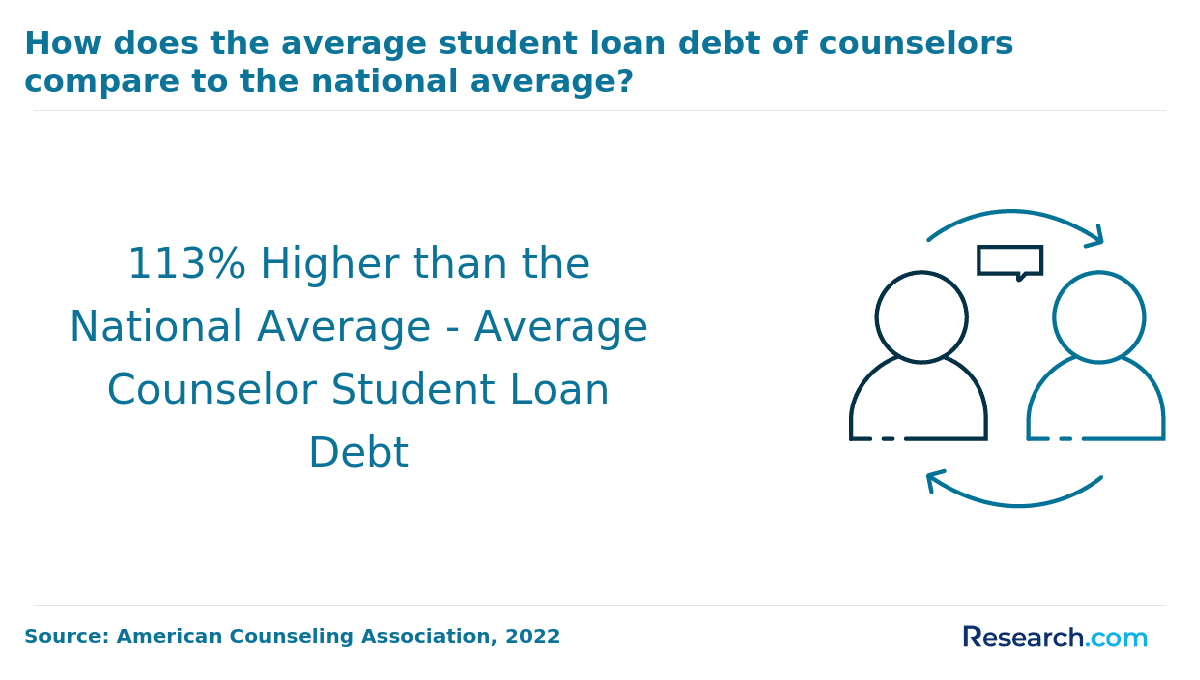
Licensed professional counselor salary Anchorage figures generally range from $55,000 to $75,000 annually. This range varies widely depending on experience, employer type, and work setting. We discovered that entry-level LPCs or those employed by nonprofit organizations typically earn toward the lower end of the scale, while experienced counselors in private practice or specialized clinical roles can command higher salaries. Compared to similar professions like licensed clinical social workers (LCSWs) or marriage and family therapists (MFTs), LPC earnings remain competitive, though LCSWs may have a slight edge due to insurance billing roles and licensure differences.
Experience significantly impacts average LPC earnings in Anchorage Alaska. Counselors with several years of practice, additional certifications, or supervisory experience often see salary increases exceeding 20%. As the city expands its mental health infrastructure, pursuing continuing education and specializing in high-demand areas such as trauma or substance abuse counseling can further enhance salary prospects. For those preparing to enter the field, understanding the counseling certification requirements is a crucial step toward securing higher earning potential and career stability.
What are the supervision requirements for LPCs in Anchorage?
Supervision is a key component in becoming an LPC in Anchorage. It ensures that candidates build essential clinical skills while working under expert guidance. Understanding these requirements helps aspiring therapists prepare effectively.
To meet licensure standards, candidates must complete at least 3,000 hours of supervised professional experience. This typically spans a minimum of two years, giving ample time to gain hands-on practice in counseling. The supervision must be conducted by a board-approved professional who holds a current and valid counseling or related mental health license.
Approved supervision settings include community mental health centers, private practices, hospitals, and other clinical environments recognized by Anchorage licensing authorities. These diverse workplaces expose candidates to a variety of client needs and therapeutic challenges, enriching their training experience. Supervision involves direct client interactions paired with regular, structured meetings with the supervisor to review cases and address ethical and professional development topics.
We believe that this rigorous process not only accumulates required hours but also fosters critical reflection and skill refinement. Candidates receive ongoing feedback and mentorship to ensure they meet ethical standards, develop cultural competence, and master effective counseling strategies. Completing these supervision requirements is an essential step toward full licensure and a rewarding counseling career in Anchorage.
Is Anchorage a good place to work as an LPC?
Choosing to work as an LPC in Anchorage involves weighing several local factors that shape the professional environment. Understanding these key aspects can help you decide if this city aligns with your career goals and lifestyle preferences. Here are our pointers when evaluating Anchorage as a workplace for LPCs:
- Cultural Diversity and Community Needs: Anchorage’s rich mix of cultural backgrounds, especially its notable Indigenous population, requires counselors to be culturally sensitive and adaptable, creating a rewarding but demanding practice environment.
- Economic Variability: The city’s economy depends largely on the oil sector, which can fluctuate and influence funding availability for mental health services as well as clients’ financial capacity to afford counseling, impacting job stability.
- Healthcare Access and Professional Networks: As the primary urban center in Alaska, Anchorage offers valuable access to mental health resources and collaborative opportunities, though statewide provider shortages may increase individual caseloads and pressure.
- Financial Realities: Despite the city’s relatively high living expenses, LPC salaries tend to be moderate, which may challenge long-term financial comfort and job satisfaction for counselors.
A therapist from Anchorage shared, “Starting my practice here meant learning to balance the demands of a diverse client base with limited resources. While the workload can be intense, the deep connections I build with clients make this journey truly fulfilling.”
Therapists usually work in the offices of other health practitioners.
Can LPCs Transition to Marriage and Family Therapy in Anchorage?
For LPCs seeking to expand their clinical expertise, transitioning into marriage and family therapy offers a viable pathway to serve a broader clientele. This shift requires meeting additional certification or licensure criteria specific to family systems approaches and completing targeted continuing education. Reviewing updated state board requirements and engaging in specialized training can streamline the process, while networking with professionals already in the field provides practical insights. For further guidance on bridging this career transition, explore our guide on how to become a marriage and family therapist in Anchorage.
What are the professional development opportunities for LPCs in Anchorage?
Anchorage offers LPCs a range of professional development avenues that support lifelong learning and career growth. Candidates can access advanced training programs, targeted workshops, and certification courses in emerging specialties, such as trauma-informed practices and culturally responsive care. Networking events and mentorship programs organized by local institutions and professional associations further enhance skill refinement and career progression. Additionally, exploring alternative educational resources—like the cheapest way to become a teacher in Anchorage—can provide insights into streamlined credentialing processes and interdisciplinary learning opportunities.
How can I become a mental health counselor in Anchorage?
LPC candidates aiming to transition into mental health counseling should focus on aligning advanced academic credentials with practical, community-based experience. Evaluating accredited programs that emphasize culturally sensitive practices and emerging treatment methodologies can enhance clinical competence while meeting state requirements. Establishing connections with experienced professionals through formal mentorship or local networking events is also crucial for refining specialized skills and career strategies. For comprehensive guidance on structuring your pathway and preparing for evolving industry standards, learn more about how to become a mental health counselor in Anchorage.
Can LPCs Benefit from Advanced Certifications in Anchorage?
Expanding professional credentials beyond standard licensure can position LPCs to offer broader behavioral services and enhance clinical credibility. Advanced certifications provide specialized knowledge that may cater to complex client needs and promote interdisciplinary collaboration. For instance, acquiring competencies in behavior analysis can complement counseling practice, optimize treatment outcomes, and open additional pathways in mental health care. Review further BCBA certification requirements in Anchorage for guidance on integrating these qualifications effectively.
How competitive is the job market for LPCs in Anchorage?
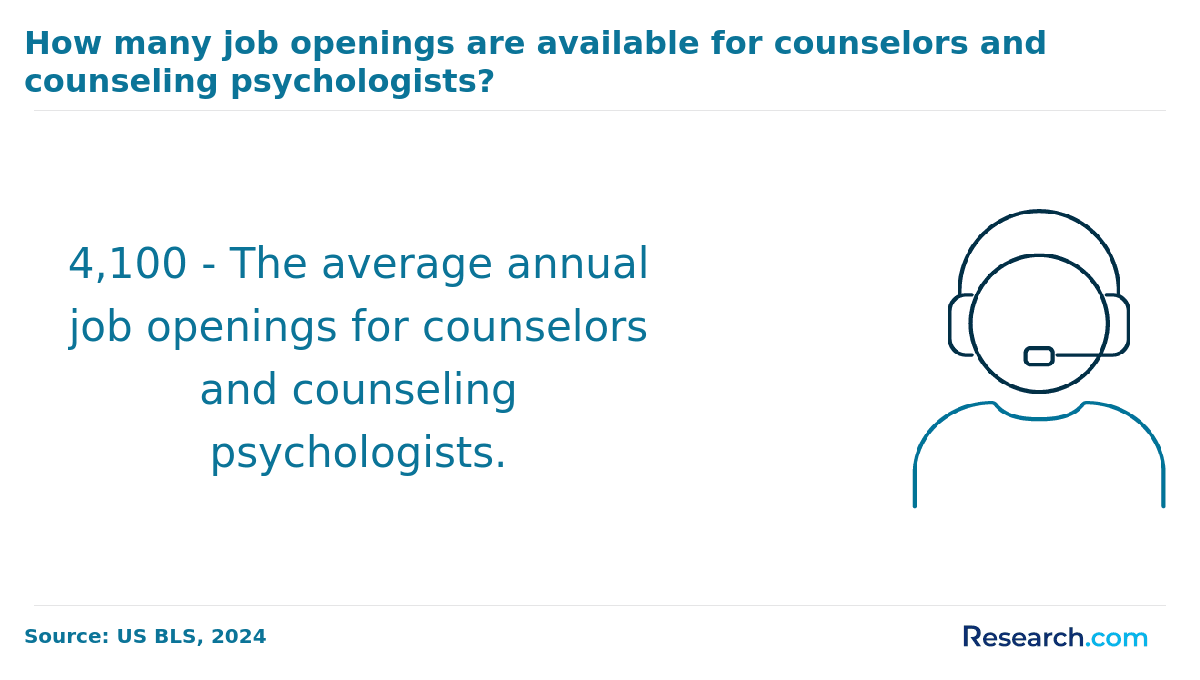
The job market for LPCs in Anchorage is moderately competitive but generally favorable due to steady demand. Anchorage’s geographic isolation and limited healthcare access create a particular need for qualified mental health providers. Compared to larger cities, Anchorage has fewer LPCs per capita, which opens opportunities for new licensees willing to meet local community needs.
For those considering entering this field, understanding the lpc job market anchorage dynamics is essential. Employers often prefer candidates with diverse skills or additional certifications because the population requires specialized support, including trauma and substance abuse counseling. LPCs enjoy advantages over non-licensed therapists, such as better job security, higher salaries, and more clinical advancement options.
Key factors influencing the licensed professional counselor demand anchorage include increased public awareness of mental health, state efforts to expand behavioral health services, and a growing population in need of support. Competition tends to be stronger in nonprofit and government sectors, so flexibility and ongoing professional development are valuable.
To improve your prospects, we urge you to:
- Gain certifications aligned with local needs
- Develop skills in trauma and substance abuse counseling
- Stay informed about state behavioral health initiatives
- Consider the benefits of masters in counseling for career growth
Are there counseling associations in Anchorage?
For licensed therapists in Anchorage, joining professional counseling associations is an essential step to advance their careers and remain connected to the counseling community. These organizations provide valuable resources, networking, and advocacy tailored to local needs. Understanding the key Anchorage counseling professional organizations can help those pursuing or maintaining Licensed Professional Counselor (LPC) credentials stay informed and supported.
- Alaska Counseling Association (ACA): This state-wide organization serves counselors throughout Alaska, including Anchorage. Typical members are licensed therapists and counselors focused on professional growth within the state. The ACA offers networking opportunities, professional development workshops, and advocacy tailored to local licensing requirements and legislative updates affecting practice in Anchorage.
- Alaska Psychological Association (APA): While primarily focused on psychologists, the APA is relevant for counseling professionals interested in interdisciplinary collaboration. Its members benefit from continuing education, research dissemination, and statewide policy advocacy, providing licensed therapists with access to broader psychological resources and a platform for cross-disciplinary engagement.
- American Counseling Association (ACA): As a national organization with a significant presence in Anchorage, the ACA offers extensive professional development, ethical guidelines, and certification opportunities. Membership connects local therapists to a wider network and up-to-date industry standards, enhancing competence and credibility in practice.
Joining one or more of these licensed professional counselor associations in Anchorage can provide essential support and resources for career advancement. We suggest exploring more career options and guidance on what jobs can you get with counseling degree.
Which are the most popular employers of LPCs in Anchorage?
LPCs in Anchorage have access to numerous employment opportunities across organizations dedicated to mental health and social services. Understanding the major employers in the area can help aspiring counselors target their job search effectively. In this section, we list some of the key organizations hiring LPCs and the typical roles they offer.
- Alaska Behavioral Health: LPCs here often work as outpatient therapists or case managers, providing individual and group counseling. They create treatment plans and collaborate with multidisciplinary teams to assist clients facing substance abuse, trauma, and various mental health conditions.
- Providence Alaska Medical Center: This hospital employs LPCs within its behavioral health and psychiatric departments. Counselors assess mental health needs, deliver crisis interventions, and provide ongoing therapy for conditions such as depression and PTSD, coordinating care alongside physicians and healthcare staff.
- Catholic Social Services: LPCs in this organization focus on family therapy, addiction recovery, and youth counseling. They emphasize culturally sensitive care and support vulnerable groups through direct counseling and community outreach efforts aimed at enhancing overall wellness.
How can LPCs explore substance abuse counseling opportunities in Anchorage?
For LPCs aiming to diversify their practice, specializing in substance abuse counseling offers a pathway to address a critical community need while enhancing their clinical expertise. Anchorage provides opportunities for targeted training and certification that align with state requirements and evidence-based practices. Professionals can leverage specialized workshops, advanced coursework, and mentorship programs to develop the necessary skills for effective substance abuse counseling. For detailed guidance on entering this niche, review our insights on how to become a drug counselor in Anchorage.
What LPCs in Anchorage Say About Their Careers
- Working as an LPC in Anchorage has allowed me to deeply engage with a community that values resilience and connection. Graduating from the University of Alaska Anchorage’s counseling program, I've found unique opportunities to support clients navigating both urban and rural challenges. It’s rewarding to see the direct impact of mental health services in a place where nature and culture intertwine so closely. – Martha
- Anchorage offers a distinctive professional landscape for counselors, blending steady job availability with a supportive network of colleagues. Since starting my practice at a local clinic after completing my degree at Alaska Pacific University, I’ve appreciated the region’s commitment to continuous education and career growth. Balancing my work and family life here feels manageable, thanks to the city’s affordable living and outdoor lifestyle. – Diane
- As a seasoned LPC nearing retirement, I reflect on how Anchorage’s diverse population and environmental context shaped my counseling approach. My years at a community mental health center have been enriched by cultural diversity and the challenge of addressing complex trauma related to Alaskan life. It’s a profession that demands ongoing learning, and working here has kept me engaged and professionally fulfilled. – Laila
Related Articles for Nearby Cities
- 2027 How to Become a Licensed Therapist (LPC) in Seattle, WA
- 2027 How to Become a Licensed Therapist (LPC) in Portland, OR
- 2027 How to Become a Licensed Therapist (LPC) in Spokane, WA
- 2027 How to Become a Licensed Therapist (LPC) in Boise, ID
- 2027 How to Become a Licensed Therapist (LPC) in Reno, NV
- 2027 How to Become a Licensed Therapist (LPC) in Sacramento, CA: Counselor License Requirements
- 2027 How to Become a Licensed Therapist (LPC) in San Francisco, CA
- 2027 How to Become a Licensed Therapist (LPC) in Oakland, CA
- 2027 How to Become a Licensed Therapist (LPC) in Stockton, CA
- 2027 How to Become a Licensed Therapist (LPC) in Fremont, CA
References:
- Agents of Change Prep. Alaska Counselor and Therapist Licensure Renewal Dates and CE Requirements. Agents of Change Prep.
- Remnant Counselor Collective. Alaska LPC Licensure Requirements: Step-by-Step Guide to Becoming a Licensed Professional Counselor. Remnant Counselor Collective.
- University of Alaska Anchorage. Accelerated Learning Programs | Community & Technical College. University of Alaska Anchorage
- University of Alaska Fairbanks Catalog. Counseling. University of Alaska Fairbanks Catalog.
Other Things You Should Know About Becoming an LPC in Anchorage
To become a Licensed Professional Counselor (LPC) in Anchorage by 2026, complete a master's degree in counseling, accumulate 3,000 hours of supervised experience, and pass the National Counselor Examination. You must also apply for licensure through the Alaska Board of Professional Counselors and meet ongoing continuing education requirements.
To become an LPC in Anchorage, candidates must hold relevant degrees that prepare them for graduate study and licensure requirements. Selecting the right undergraduate major is crucial for building foundational knowledge and meeting prerequisites. Here are three ideal programs to consider:
- Psychology – University of Alaska Anchorage offers a solid psychology program that covers human behavior and mental health, essential for LPC preparation.
- Counseling or Human Services – Available at nearby institutions like the University of Idaho, this major focuses on practical counseling skills and community support.
- Social Work – Offered by Alaska Pacific University, social work provides a strong background in client advocacy and therapeutic techniques useful for LPC candidates.
To become an LPC in Anchorage by 2027, candidates must pass the National Counselor Examination (NCE). This exam, administered by the National Board for Certified Counselors (NBCC), assesses knowledge, skills, and abilities essential for effective counseling services.
In 2027, to become a Licensed Professional Counselor in Anchorage, AK, you must complete a master's degree in counseling, accrue 3,000 hours of supervised post-graduate experience, and pass the National Counselor Examination for Licensure and Certification (NCE). Additionally, you must complete an ethics course and apply for licensure through the Alaska Board of Professional Counselors.


