
2027 How to Become a Substance Abuse Counselor in Anchorage, AK: Requirements & Certification

Co-Founder and Chief Data Scientist
In Alaska, where vast landscapes can sometimes mirror emotional isolation, the need for substance abuse counselors is especially urgent. According to the Alaska Department of Health, the state consistently ranks among the highest in the U.S. for alcohol-related deaths and drug overdoses. Anchorage, as the largest city, carries much of this burden, but it also holds the potential for change.
If you’ve been thinking about a career that combines empathy with impact, becoming a substance abuse counselor in Anchorage is a meaningful path. Becoming a substance abuse counselor offers a rewarding career helping individuals overcome addiction challenges.
Pursuing this career in Anchorage means access to specialized training programs and licensure pathways tailored to Alaska’s requirements. If you're interested in taking this path, this article provides what you need to know to get started.
Key Points About Becoming a Substance Abuse Counselor in Anchorage, AK
- Anchorage offers growing job opportunities for substance abuse counselors due to increased demand for mental health services in Alaska's largest city.
- The average salary for substance abuse counselors in Anchorage is around $50,000 annually, competitive within the region.
- Starting a career here benefits from Anchorage’s community resources, diverse populations, and state licensing pathways tailored for substance abuse professionals.
- What are the academic requirements to become a substance abuse counselor in Anchorage, AK?
- What are the licensing requirements for substance abuse counselors in Anchorage, AK?
- Can Anchorage, AK substance abuse counselors practice in other states?
- Are there internship opportunities for substance abuse counselors in Anchorage, AK?
- How much do substance abuse counselors in Anchorage, AK earn?
- How can substance abuse counselors pursue advanced licensure opportunities in Anchorage, AK?
- Are substance abuse counselors in demand in Anchorage, AK?
- Where do substance abuse counselors work in Anchorage, AK?
- How can obtaining a BCBA certification complement your practice in Anchorage, AK?
- How do community partnerships enhance treatment outcomes in Anchorage, AK?
- What other careers can substance abuse counselors pursue in Anchorage, AK?
- Is Anchorage, AK a good place to work as a substance abuse counselor?
- Can integrating family therapy enhance treatment effectiveness in Anchorage, AK?
- What professional development opportunities can strengthen your practice in Anchorage, AK?
- What challenges do substance abuse counselors face in Anchorage, AK?
What are the academic requirements to become a substance abuse counselor in Anchorage, AK?
To become a licensed substance abuse counselor in Anchorage AK, meeting specific educational standards is crucial. These requirements ensure that counselors are well-prepared to support individuals struggling with addiction through evidence-based practices and professional training.
Understanding the substance abuse counseling education requirements in Anchorage Alaska helps prospective counselors plan their academic path effectively and align with state licensure criteria.
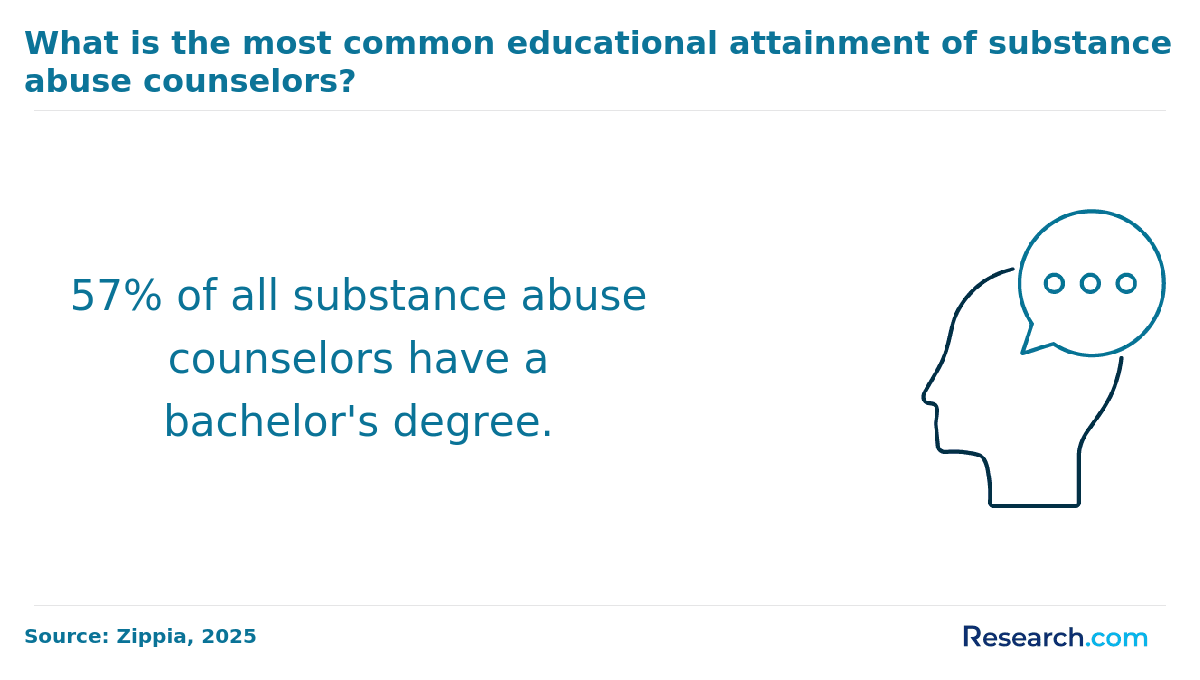
- Obtaining a bachelor’s degree in psychology, social work, or a related human services field: This foundational education provides essential knowledge of behavioral health and addiction theories.
- Enrolling in a master’s program specializing in counseling or addiction studies: Advanced graduate programs deepen expertise and often include coursework in clinical practices and ethical counseling.
- Completing required practicum or internship hours as part of the graduate curriculum: Hands-on experience under supervision is vital for developing practical counseling skills and fulfilling state licensing prerequisites.
- Fulfilling a capstone project or thesis requirement, where applicable: These research or applied projects help demonstrate competency in substance abuse treatment and prepare students for professional challenges.
Many counseling programs emphasize supervised practicum or internship placements, which are instrumental in gaining real-world experience. Graduate-level education often aligns with Alaska’s licensure standards, making it essential for candidates to verify program accreditation and specific state board requirements. This ensures eligibility for certification and employment in Anchorage’s substance abuse counseling field.
For those exploring timelines and pathways in counseling careers, understanding how long does it take to become a school counselor can offer useful parallels in planning educational and professional steps.
What are the licensing requirements for substance abuse counselors in Anchorage, AK?
Becoming a licensed substance abuse counselor in Anchorage, AK, requires following a structured licensure process overseen by the Alaska Behavioral Health and Developmental Disabilities Licensing Board. Understanding the substance abuse counselor license requirements Anchorage AK is essential for professionals aiming to establish their careers in this field.
The key licensure steps include:
- Submit completed application with fee and supervised experience documentation: Candidates must provide proof of supervised work experience in substance abuse counseling, typically ranging from 3,000 to 6,000 hours, verified by a clinical supervisor.
- Pass the state-approved substance abuse counseling exam: This exam evaluates knowledge of counseling practices and ethical standards required in the profession.
- Complete required continuing education hours every renewal cycle: Counselors must fulfill a minimum of 40 hours of approved professional development every two years to stay updated with best practices.
- Submit renewal application with proof of education and fees before expiration: Timely renewal prevents penalties and ensures uninterrupted licensure status.
Maintaining good professional standing and adhering to all state laws and ethical guidelines is critical throughout one’s career. Staying proactive with continuing education and renewal requirements helps counselors remain in compliance and prepared to support individuals struggling with substance abuse effectively.
Can Anchorage, AK substance abuse counselors practice in other states?
Can Anchorage, AK substance abuse counselors practice in other states? Generally, no. Licenses for substance abuse counseling are issued on a state-by-state basis, which means that holding a credential in Alaska does not automatically grant permission to work elsewhere. Each state enforces its own licensing standards and regulations, so counselors must navigate these differences to practice legally outside Alaska.
To work in another state, counselors should first investigate the specific licensing guidelines set by that state’s behavioral health or counseling authority. Often, applying for licensure by endorsement or reciprocity is possible, but this process typically requires verification of existing Alaska credentials. Additional steps may include fulfilling extra coursework, accumulating supervised clinical hours, or passing state-specific examinations.
Maintaining active certification through continuing education is also essential to comply with both national and state requirements. Planning ahead can ease transitions; exploring multi-state credentialing options or obtaining nationally recognized certifications like the Certified Addiction Counselor (CAC) credential can enhance flexibility and career prospects beyond Anchorage.
Are there internship opportunities for substance abuse counselors in Anchorage, AK?
Internships are crucial for aspiring substance abuse counselors, providing essential hands-on experience that supports licensure and career growth. In Anchorage, AK, several internship programs offer practical exposure to diverse client needs and treatment settings. Below are key opportunities for those seeking substance abuse counselor internships Anchorage AK.
- Alaska Behavioral Health: Offers internships lasting 6 to 12 months, exposing interns to a wide range of client populations and treatment approaches, which enhances practical counseling skills in real-world environments.
- Providence Alaska Medical Center: Provides 3 to 6 month internships within hospital-based medical and psychiatric units, allowing interns to collaborate with seasoned counselors and gain insight into integrated care models.
- Southcentral Foundation: Focuses on culturally responsive counseling with Alaska Native populations through 6-month internships, ideal for those interested in community-based and holistic treatment methods.
When considering internship programs for addiction counselors in Anchorage, evaluate the duration, client demographics, and counseling approaches to align the experience with your professional goals and licensure requirements. Additionally, exploring affordable educational pathways such as the cheapest PHD in counseling online can complement practical training and support career advancement in this field.
How much do substance abuse counselors in Anchorage, AK earn?
A substance abuse counselor's salary ranges from approximately $48,000 to $55,000. This range varies depending on factors such as experience, education, and employer type. Entry-level counselors typically start near $40,000, while those with several years of experience or advanced certifications can earn upwards of $60,000 annually.
When compared to other counseling roles in Anchorage, such as mental health counselors who average $50,000 to $58,000, substance abuse counselors receive competitive salaries. The setting also impacts pay, as private clinics often offer higher wages than public agencies or non-profits. Understanding these salary benchmarks is key for those researching substance abuse counselor salaries Anchorage AK.
To improve earning potential, it is important to focus on gaining licensure and specialized training. Recommended strategies include:
- Obtain certification through the Alaska Certification Board for Addiction Professionals (ACBAP).
- Gain experience in diverse treatment environments, including inpatient and outpatient facilities.
- Consider advanced degrees such as a master’s in counseling or social work to qualify for higher-paying roles.
For prospective students interested in pursuing a substance abuse and addiction counseling career, exploring affordable education options is crucial. Pursuing the cheapest online PhD in counseling programs can provide a cost-effective path to advanced qualifications, enhancing career prospects and salary potential. Those interested in the average pay for addiction counselors in Anchorage should weigh educational investments carefully to maximize long-term benefits.
How can substance abuse counselors pursue advanced licensure opportunities in Anchorage, AK?
Substance abuse counselors seeking to broaden their scope of practice can explore advanced certifications and licensure pathways that enhance both their clinical expertise and career longevity. Expanding one’s credentials may involve obtaining additional certifications, such as transitioning to a Licensed Professional Counselor role, which can open doors to supervisory and specialized therapeutic positions. Research local continuing education programs, professional workshops, and state-approved training seminars that emphasize advanced counseling techniques and evidence-based practices. For detailed guidance on expanding licensure credentials, review how to become an LPC in anchorage.
Are substance abuse counselors in demand in Anchorage, AK?
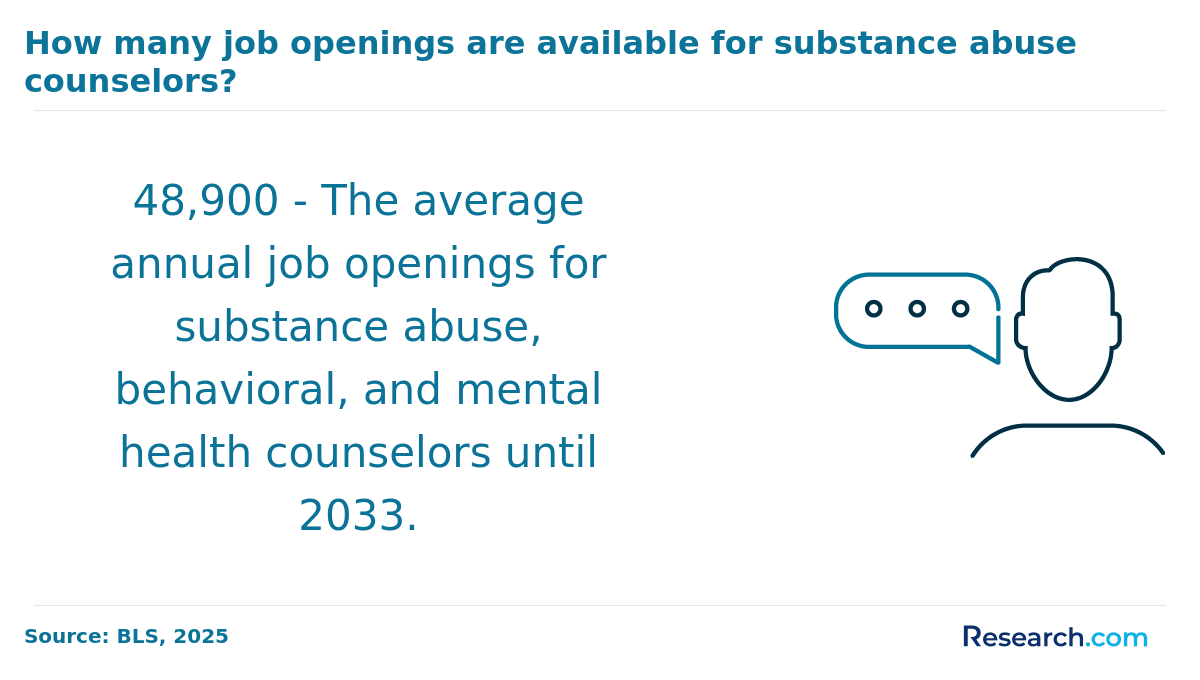
Employment opportunities for substance abuse counselors in Anchorage, AK are expected to rise by about 12% over the next ten years. The city currently has roughly 200 available roles, indicating a consistent demand in this profession. Key factors contributing to this growth include heightened recognition of addiction challenges, broader healthcare access, and increased focus on mental wellness.
To enhance career prospects, individuals should pursue relevant certifications and accumulate clinical experience. It is also beneficial to connect with local medical and counseling professionals and remain updated on Alaska’s licensing regulations.
Where do substance abuse counselors work in Anchorage, AK?
Substance abuse counselors in Anchorage, AK, have access to diverse employment opportunities within organizations dedicated to addiction recovery and mental health support. These roles often involve collaborative and culturally informed approaches to treatment. Below are key employers offering positions for counselors in this field:
- Alaska Native Tribal Health Consortium (ANTHC): Provides culturally relevant treatment programs focused on Alaska Native communities, where counselors conduct assessments, create treatment plans, and lead individual or group therapy sessions while working closely with healthcare teams and community initiatives.
- Catholic Social Services of Anchorage: Offers rehabilitation and supportive services addressing addiction with an emphasis on holistic care, where counselors coordinate cases, facilitate peer support groups, and provide crisis intervention to address social and emotional recovery factors.
- Anchorage Community Mental Health Services (ACMHS): Integrates addiction counseling with mental health care, requiring counselors to screen for co-occurring disorders, deliver therapeutic support, and connect clients to community resources to foster long-term sobriety and mental wellness.
How can obtaining a BCBA certification complement your practice in Anchorage, AK?
Integrating Board Certified Behavior Analyst (BCBA) training can expand a counselor’s toolkit by introducing advanced behavioral assessment and intervention methods. This certification deepens expertise in designing targeted, evidence-based strategies that address complex behavioral patterns often observed in addiction recovery. Embracing BCBA principles can lead to more precise treatment planning and improved client outcomes by systematically analyzing behavior triggers and reinforcing adaptive skills. Learn from our guide on how to become a BCBA in Anchorage for specific guidance on this specialization.
How do community partnerships enhance treatment outcomes in Anchorage, AK?
Collaborating with local community organizations, healthcare facilities, and peer support networks can broaden the impact of substance abuse counseling by integrating diverse expertise and resources. Such partnerships facilitate coordinated care efforts, enable streamlined referral systems, and support the development of community-based programs tailored to local challenges. Engaging with these networks also promotes innovative treatment models that align with evolving mental health counselor requirements in Anchorage, ultimately driving more effective and sustainable recovery outcomes.
What other careers can substance abuse counselors pursue in Anchorage, AK?
Substance abuse counselors in Anchorage, AK, have various alternative career options that build on their expertise while meeting local workforce needs. Exploring these paths can provide new opportunities for professional growth and stability in the region. Here are some practical roles for those considering alternative counseling jobs in Anchorage Alaska.
Mental health counselor: These professionals offer therapy for a range of psychological issues and commonly work in clinics or hospitals. In Anchorage, mental health counselors earn an average salary of $55,000 to $65,000 annually, making this a viable transition for substance abuse counselors seeking clinical roles.
Social worker: Focused on helping individuals and families navigate social services, social workers typically find employment in government agencies or nonprofits. Their responsibilities include case management and connecting clients with community resources, with salaries ranging from $50,000 to $60,000 in Anchorage.
Health educator: Specializing in addiction prevention programs, health educators design and implement educational campaigns in schools or community centers. Anchorage’s emphasis on public health initiatives provides opportunities for counselors to pivot into this role, with earnings near $45,000 annually.
Care coordinator: Working mostly in hospitals or rehabilitation centers, care coordinators manage patient treatment plans and collaborate with medical staff. Earning between $50,000 and $70,000, this position suits counselors who want to remain involved in patient care without providing direct therapy.
Program director: Overseeing operations and staff training in addiction treatment facilities, program directors in Anchorage can earn upwards of $70,000 annually. Experience as a substance abuse counselor offers a strong foundation for these leadership roles.
For those interested in advancing their qualifications, consulting the list of cheapest online masters in substance abuse counseling degrees can provide affordable education pathways to support career growth.
Is Anchorage, AK a good place to work as a substance abuse counselor?
Anchorage, AK offers a unique setting for substance abuse counselors, shaped by both community needs and local challenges. Those considering work in this city should weigh several important factors to determine if it suits their professional and personal goals.
- Strong demand for services: Anchorage experiences elevated rates of substance use disorders, creating consistent job openings in healthcare facilities and nonprofit sectors.
- Meaningful community impact: Counselors engage with diverse populations, including indigenous communities, providing opportunities to develop culturally sensitive skills and contribute significantly to public health.
- Cost of living considerations: The city’s living expenses are above the national norm, making it essential to assess salary offers alongside available benefits and local aid programs.
- Licensing and certification: Compliance with Alaska’s specific licensing requirements is crucial; staying informed about state board regulations helps ensure eligibility to practice.
- Flexible work options: Exploring telehealth roles can supplement income and broaden client access, especially in remote or underserved areas.
- Networking and community involvement: Building connections with regional healthcare providers and community organizations enhances job prospects and deepens understanding of local health challenges.
When I spoke with a substance abuse counselor from Anchorage, AK, he reflected on the rewarding yet demanding nature of his work. He described how partnering with indigenous clients required him to continually adapt his approaches to respect cultural values while addressing addiction. “It’s not just about treatment; it’s about building trust,” he shared, emphasizing the patience and empathy needed to make a real difference. He also noted the challenge of balancing financial pressures with the emotional weight of the job, but found that community support and flexible work options helped him maintain resilience. His experience underscores the nuanced reality of counseling in Anchorage—where professional fulfillment and practical challenges coexist.
Can integrating family therapy enhance treatment effectiveness in Anchorage, AK?
Incorporating family therapy techniques can provide a more holistic approach to addiction recovery by addressing underlying relational dynamics that influence substance abuse patterns. Diversifying expertise to include family-centered interventions allows counselors to support not only individual clients but also the broader family system, thereby creating a more resilient support network. For professionals interested in broadening their clinical scope, examining marriage and family therapist education requirements in Anchorage may reveal complementary educational pathways and strategies that enhance treatment outcomes without duplicating existing certification processes.
What professional development opportunities can strengthen your practice in Anchorage, AK?
Substance abuse counselors in Anchorage, AK can benefit from targeted professional development resources that enhance both clinical and leadership skills. Local workshops, certification courses, and interdisciplinary conferences foster continuous learning and provide platforms for networking with other health professionals. Engaging in structured peer mentoring and tailored continuing education programs can refine therapeutic techniques and support career advancement. For counselors interested in expanding their expertise across allied fields, reviewing our guide on how to become a nurse practitioner in Anchorage may reveal complementary strategies for integrated care.
What challenges do substance abuse counselors face in Anchorage, AK?
Substance abuse counselors working in Anchorage, AK, encounter unique difficulties that demand flexibility and resilience. The city’s diverse population and limited treatment resources create a complex environment for delivering effective care.
Key challenges include:
- High demand and limited resources: Anchorage’s sizable population facing substance use issues often strains treatment centers and staff, resulting in heavy caseloads that challenge personalized care delivery.
- Cultural and socioeconomic diversity: Counselors must navigate the needs of Indigenous communities and other groups, requiring cultural awareness and collaboration with local organizations to build trust and improve outcomes.
- Co-occurring mental health disorders: Many clients experience simultaneous mental health conditions, necessitating integrated treatment plans that address multiple aspects of wellness.
- Transportation and accessibility barriers: Remote locations and unreliable transport options can hinder clients’ ability to attend sessions, limiting consistent engagement in treatment.
- Preventing counselor burnout: The emotionally intense nature of this work makes self-care and professional support essential to maintain counselors’ well-being and effectiveness.
To successfully address these obstacles, counselors should prioritize ongoing training in trauma-informed approaches and cultural competence. Establishing strong partnerships with healthcare providers, social service agencies, and community groups expands available resources. Leveraging telehealth technologies can improve access for underserved clients.
Additionally, maintaining regular supervision and emphasizing personal wellness helps sustain long-term professional performance.
What Substance Abuse Counselors in Anchorage, AK Say About Their Careers
"Working as a substance abuse counselor in Anchorage has provided me with incredible job stability and competitive salaries, which is a huge relief in today’s economy. The community here truly values our work, and I feel rewarded both financially and personally. I recommend this career path to anyone passionate about making a difference." – Emily
"The unique challenges of substance abuse counseling in Anchorage, such as addressing cultural diversity and remote populations, have deeply enriched my professional journey. It’s demanding but incredibly fulfilling to tailor support that respects Alaska’s unique social fabric. This experience has broadened my perspective in ways I never expected." – Marcus
"Anchorage offers excellent professional development opportunities for substance abuse counselors, including workshops and certification programs that keep me at the forefront of best practices. The local networks and support systems foster continuous growth, helping me stay motivated and effective in my role. It’s rewarding to see my skills evolve alongside the community’s needs." – Linda
Related Articles for Nearby Cities
- 2027 How to Become a Substance Abuse Counselor in Seattle, WA: Requirements & Certification
- 2027 How to Become a Substance Abuse Counselor in Portland, OR: Requirements & Certification
- 2027 How to Become a Substance Abuse Counselor in Spokane, WA: Requirements & Certification
- 2027 How to Become a Substance Abuse Couselor in Boise, ID: Requirements & Certification
- 2027 How to Become a Substance Abuse Counselor in Reno, NV: Requirements & Certification
- 2027 How to Become a Substance Abuse Counselor in Sacramento, CA: Requirements & Certification
- 2027 How to Become a Substance Abuse Counselor in San Francisco, CA: Requirements & Certification
- 2027 How to Become a Substance Abuse Counselor in Oakland, CA: Requirements & Certification
- 2027 How to Become a Substance Abuse Counselor in Stockton, CA: Requirements & Certification
- 2027 How to Become a Substance Abuse Counselor in Fremont, CA: Requirements & Certification
References:
- Alaska Commission For Behavioral Health Certification – Home https://akcertification.org/
- Become a Substance Abuse Counselor in Alaska | CDC & LPC in AK https://addiction-counselor.org/how-to-become/alaska/
- Addiction Counselor Certification Reciprocity https://www.addictionacademy.com/addiction-certification-reciprocity/
- Substance Abuse Counselor – Licensure requirements by state | University of Cincinnati https://online.uc.edu/blog/substance-abuse-counselor-licensure-requirements-by-state/
- Training Programs - CHAP Alaska https://www.akchap.org/behavioral-health-aide/access-training-from-our-partners/
- Substance Abuse, Behavioral Disorder, and Mental Health Counselors https://www.bls.gov/oes/2023/may/oes211018.htm
- Alaska Behavioral Health | Employment Opportunities https://alaskabehavioralhealth.org/join-our-team/employment-opportunities/
- Alaska Substance Abuse Counselor Certification and Credentialing Requirements https://www.publichealthonline.org/addiction/substance-abuse-counseling-alaska/
- Alaska Substance Abuse Certification https://centerforaddictionstudies.com/certification-requirements/us-substance-abuse-certification/alaska/
- Behavioral Health | College of Health | University of Alaska Anchorage https://www.uaa.alaska.edu/academics/college-of-health/behavioral-health.cshtml
Other Things You Should Know About Becoming a Substance Abuse Counselor in Anchorage, AK
In 2027, becoming a substance abuse counselor in Anchorage, AK, includes earning a relevant degree, completing supervised work experience, and passing the National Certification Exam. Additionally, you’ll need to apply for licensure with the Alaska Counseling Board.
In 2027, it typically takes four to six years to become a licensed substance abuse counselor in Anchorage, AK. This includes earning a relevant bachelor's or master's degree and completing the required supervised clinical hours and licensure exams.
To become a substance abuse counselor in Anchorage, AK, you typically need a bachelor's degree in a related field like psychology or social work. A master's degree and specific certification may be required for advanced positions.


