
2027 How to Become a Nurse Practitioner in Anchorage, AK: Requirements & Salary

Co-Founder and Chief Data Scientist
Becoming a nurse practitioner in Anchorage, AK, offers a fulfilling career path with strong demand for advanced healthcare providers. Nurse practitioners in Anchorage benefit from competitive salaries and opportunities to serve diverse populations in both urban and rural settings.
The city's growing healthcare infrastructure and aging population create a steady need for skilled practitioners, making it a strategic choice for career growth. Additionally, Anchorage provides access to various educational programs and clinical experiences tailored to nurse practitioners.
This article will guide you through practical steps, licensure requirements, and local resources to help you successfully launch your nurse practitioner career in Anchorage.
Key Points to Know About Becoming a Nurse Practitioner in Anchorage, AK
- Anchorage offers strong demand for nurse practitioners due to its growing healthcare needs and limited rural medical access, enhancing job security and career growth.
- The average salary for nurse practitioners in Anchorage is approximately $110,000 annually, reflecting competitive compensation relative to national averages.
- Anchorage's supportive community, access to diverse clinical settings, and opportunities for continuing education make it an ideal location to launch a nurse practitioner career.
- What are the educational requirements to become a nurse practitioner in Anchorage, AK?
- Are there schools in Anchorage, AK,that offer nurse practitioner programs?
- What skills do you need to become a nurse practitioner in Anchorage, AK?
- What are the requirements for a nurse practitioner in Anchorage, AK?
- What is the licensing process for nurse practitioners in Anchorage, AK?
- How long does it take to become a licensed nurse practitioner in Anchorage, AK?
- Will a nurse practitioner license from Anchorage, AK, allow you to work in other states?
- How can nurse practitioners collaborate with pharmacists in Anchorage, AK?
- What additional certifications can enhance your nursing career in Anchorage, AK?
- How much do Anchorage, AK, nurse practitioners earn?
- Is there a demand for nurse practitioners in Anchorage, AK?
- What ethical and legal guidelines should you observe as a nurse practitioner in Anchorage, AK?
- What ongoing professional development opportunities exist for nurse practitioners in Anchorage, AK?
What are the educational requirements to become a nurse practitioner in Anchorage, AK?
Becoming a nurse practitioner in Anchorage, AK requires completing specific educational and clinical milestones regulated by the Alaska Board of Nursing. These standards ensure you are prepared for advanced nursing practice and independent patient care.
Key nurse practitioner educational requirements include:
- Graduate nurse practitioner programs in Anchorage AK must be at least one year in length, offering a comprehensive curriculum tailored to advanced nursing specialties.
- The program must include at least 500 hours of separate, supervised clinical practice to meet Alaska nurse practitioner clinical education requirements, providing essential hands-on experience.
- Classroom coursework must cover advanced pathophysiology, advanced pharmacotherapeutics, and advanced physical assessment, with at least three credits earned in each subject area.
Before applying for Advanced Practice Registered Nurse (APRN) status, you must hold a valid Registered Nurse (RN) license in Alaska and complete a master’s or doctoral degree from an accredited program approved by the Alaska Board of Nursing and recognized by the U.S. Department of Education.
Although there are no state-mandated apprenticeships, the clinical hours required during graduate education effectively serve as practical experience similar to an apprenticeship. Additionally, national certification in your nurse practitioner specialty is mandatory for independent practice in Alaska.
For those interested in the fastest way to become a psychiatric nurse practitioner, understanding these educational and clinical requirements is essential for planning your path forward.
Are there schools in Anchorage, AK, that offer nurse practitioner programs?
There are nurse practitioner programs in Anchorage Alaska primarily offered through the University of Alaska Anchorage (UAA). UAA’s School of Nursing serves as the main provider of advanced nursing education in the area, offering multiple graduate-level pathways for those aiming to become nurse practitioners.
The Master of Science in Nursing Science (MSN), Family Nurse Practitioner (FNP) program is available in both online and campus-based hybrid formats. It requires 33 credit hours, a minimum 3.0 GPA, and at least one year of RN clinical experience.
The curriculum includes advanced pathophysiology and clinical decision-making, preparing students for national certification. Clinical placements are arranged within Alaska to ensure experience relevant to the state’s healthcare needs.
Another option is the Master of Science in Nursing Science, Psychiatric Mental Health Nurse Practitioner program, which is also offered in a hybrid format. This 33-credit-hour program focuses on advanced psychiatric care and mental health, with extensive clinical experiences throughout Alaska, preparing graduates for national certification.
For nurses who already hold graduate nursing degrees, UAA offers Graduate Certificates in Family Nurse Practitioner and Psychiatric Mental Health Nurse Practitioner specialties. These certificate programs are hybrid and require clinical hours in local communities to build specialized expertise.
Tuition for UAA’s graduate nursing programs typically ranges from about $12,000 to $27,000 for the full program depending on residency status and program choice, though costs may change. Prospective students should check the UAA website for current tuition details.
No other institutions in Anchorage currently provide nurse practitioner degrees with comparable in-person or hybrid options, making UAA a central choice for advanced nursing education in the region.
Those considering this career path may also want to explore related roles and compensation details, such as how much does a forensic nurse make, to better understand the broader nursing field.
The chart below highlights the types of degrees most commonly attained by nurse practitioners—relevant context for those considering programs in Anchorage. As shown, a master’s degree is the predominant path, reinforcing the importance of UAA’s MSN offerings for aspiring nurse practitioners in Alaska.
What skills do you need to become a nurse practitioner in Anchorage, AK?
Becoming a nurse practitioner in Anchorage, AK requires a versatile skill set tailored to the region’s distinct healthcare demands. Practitioners must combine strong clinical expertise with adaptability to serve diverse patient populations effectively.
Key skills for success include:
- Clinical assessment and diagnosis: Ability to thoroughly evaluate patient symptoms and develop precise treatment strategies.
- Pharmacology proficiency: In-depth understanding of medications and drug therapies, supported by specialized education to meet Alaska’s prescribing standards.
- Technological competence: Skilled use of electronic health records and telemedicine platforms, critical for reaching patients in remote locations.
- Experience in urgent and family care: Practical knowledge gained from several years working in fast-paced clinical environments.
- Procedural and emergency management: Capability to perform minor medical procedures, interpret diagnostic tests, and handle urgent health crises common in the area.
- Commitment to ongoing learning: Maintaining up-to-date national certifications and pursuing continuous education relevant to specialty practice.
The chart below illustrates the most common skills nurse practitioners use—many of which are crucial for those practicing in Anchorage. From patient care and diagnosis to managing acute conditions, these competencies align closely with the demands of Alaska’s healthcare environment.
What are the requirements for a nurse practitioner in Anchorage, AK?
Nurse practitioners seeking licensure in Anchorage, Alaska must fulfill several specific requirements set by the Alaska Board of Nursing. These steps ensure candidates meet state standards for education, certification, and professional conduct before practicing.
- APRN License Application: Submit a formal application through the Alaska Board of Nursing’s online portal, including all required fees.
- Criminal Background Check: Complete a fingerprint-based background check using a card requested from the Board’s website for mandatory state and federal screening.
- Official Transcripts: Provide transcripts directly from the educational institution verifying graduate-level coursework in advanced pathophysiology, pharmacotherapeutics, and physical assessment.
- National Certification: Pass a national certification exam in the nurse practitioner specialty or show proof of eligibility to take the exam.
- Continuing Education: Submit evidence of at least 60 hours of continuing education completed within the two years prior to applying, a higher requirement than in many other states.
- Prescription Authority Registration: Register with the Alaska Prescription Drug Monitoring Program within 30 days if seeking prescriptive authority, and obtain DEA registration if prescribing controlled substances.
Processing times for nurse practitioner licensure in Anchorage typically range from 4 to 8 weeks. Applicants needing to begin work sooner may apply for a temporary permit while final approval is pending. For those exploring pathways to advanced practice, finding the best online acute care nurse practitioner program can be a valuable step.
Understanding how to get an Alaska nurse practitioner license involves careful preparation of these requirements to ensure a smooth application process and timely entry into practice.
What is the licensing process for nurse practitioners in Anchorage, AK?
Becoming a licensed nurse practitioner in Anchorage, AK involves a structured process regulated by the Alaska Board of Nursing. After fulfilling education and certification prerequisites, candidates must complete several specific licensing steps to practice independently and safely.
- Application Submission: Complete and send the Advanced Practice Registered Nurse (APRN) application, including official transcripts verifying advanced clinical education in your specialty.
- National Certification: Provide evidence of current certification from an accredited national body relevant to your nurse practitioner specialty, a mandatory requirement.
- Professional References: Submit a completed reference form from one of three designated professionals who can confirm your competency as a nurse practitioner.
- Continuing Education: Document at least 60 hours of continuing education earned within the last two years to demonstrate up-to-date clinical knowledge.
- Consultation and Referral Plan: Present a written plan outlining how you will manage consultations and referrals in your practice, as required by state regulations.
- Licensing Fee: Pay the applicable fee specified by the Board of Nursing to finalize your application.
Applicants can conveniently monitor their licensing status through the Board’s MY LICENSE online portal, which offers real-time updates throughout the approval process. This system ensures that only qualified nurse practitioners serve the Anchorage community with high standards.
When I spoke with a nurse practitioner who graduated from a local Anchorage program, they reflected on the licensing journey as both challenging and rewarding. “Navigating the paperwork and gathering all the required documentation was overwhelming at times,” they admitted.
“But having the MY LICENSE portal made it easier to track progress and reduced anxiety.” They emphasized how the consultation and referral plan pushed them to carefully consider collaborative care models, which ultimately strengthened their clinical practice. “Alaska’s standards really prepare you to work independently while knowing when to seek support,” they noted.
Their experience highlights the importance of thorough preparation and persistence in successfully becoming a licensed nurse practitioner in Anchorage.
How long does it take to become a licensed nurse practitioner in Anchorage, AK?
Becoming a licensed nurse practitioner (NP) in Anchorage, AK requires a clear understanding of the steps and time involved. Knowing the nurse practitioner program length Anchorage Alaska can help you plan your career path effectively.
Here’s a practical breakdown of the key steps:
- First, you must be a licensed Registered Nurse (RN) in Alaska, which is the essential starting point.
- Next, enroll in a graduate-level advanced nursing program approved by the Alaska Board of Nursing. This program typically takes 2 to 3 years full-time, though part-time options can extend the duration.
- The graduate program must include at least one year of study and a minimum of 500 hours of supervised clinical practice integrated into the curriculum, ensuring hands-on experience.
- After graduation, obtain national certification in your nurse practitioner specialty. Preparing for and passing the certification exam usually takes a few months depending on your schedule.
- Once certified, apply for Advanced Practice Registered Nurse (APRN) licensure. Processing times can vary but typically take several weeks to a few months.
Overall, from starting your graduate program to receiving licensure, the journey to becoming an NP in Anchorage generally takes 2.5 to 4 years, depending on your pace and educational path. For those exploring flexible options, consider the best nurse practitioner online program to help manage your timeline effectively.
Will a nurse practitioner license from Anchorage, AK, allow you to work in other states?
Holding a nurse practitioner license from Anchorage, Alaska, does not automatically allow you to practice in other states because Alaska is not part of the Nurse Licensure Compact (NLC). This means there is no multistate license reciprocity for nurse practitioners licensed in Alaska.
To work outside Alaska, you must obtain licensure by endorsement from the state where you intend to practice. This process generally involves:
- Verifying your current Alaska license and professional credentials.
- Providing proof of national certification as a nurse practitioner.
- Fulfilling any additional state-specific requirements, such as background checks or continuing education credits.
- Paying the necessary fees associated with the application.
Since each state’s board of nursing establishes its own endorsement criteria, it’s crucial to thoroughly research the requirements of the target state before moving or accepting a new position. Preparing in advance helps ensure a smoother transition and compliance with all licensing regulations.
How can nurse practitioners collaborate with pharmacists in Anchorage, AK?
Effective interdisciplinary collaboration enhances patient outcomes by bridging clinical expertise with advanced medication management. Nurse practitioners can establish direct communication channels with pharmacists to refine treatment plans, optimize dosing strategies, and provide comprehensive patient education on drug therapies. This integrated approach not only minimizes medication errors but also fosters proactive chronic disease management. Professionals interested in expanding their collaborative network may also explore how to become a pharmacist in Anchorage to gain insights into complementary roles and promote cohesive healthcare delivery.
What additional certifications can enhance your nursing career in Anchorage, AK?
Nurse practitioners in Anchorage can broaden their expertise by pursuing targeted certifications that complement clinical practice with administrative proficiency. Obtaining specialized qualifications can streamline patient documentation and optimize revenue cycle management, thereby enhancing overall practice efficiency. For instance, earning a medical biller and coder certification in Anchorage provides valuable insights into healthcare billing, compliance, and reimbursement processes, further differentiating professionals in a competitive market.
How much do Anchorage, AK, nurse practitioners earn?
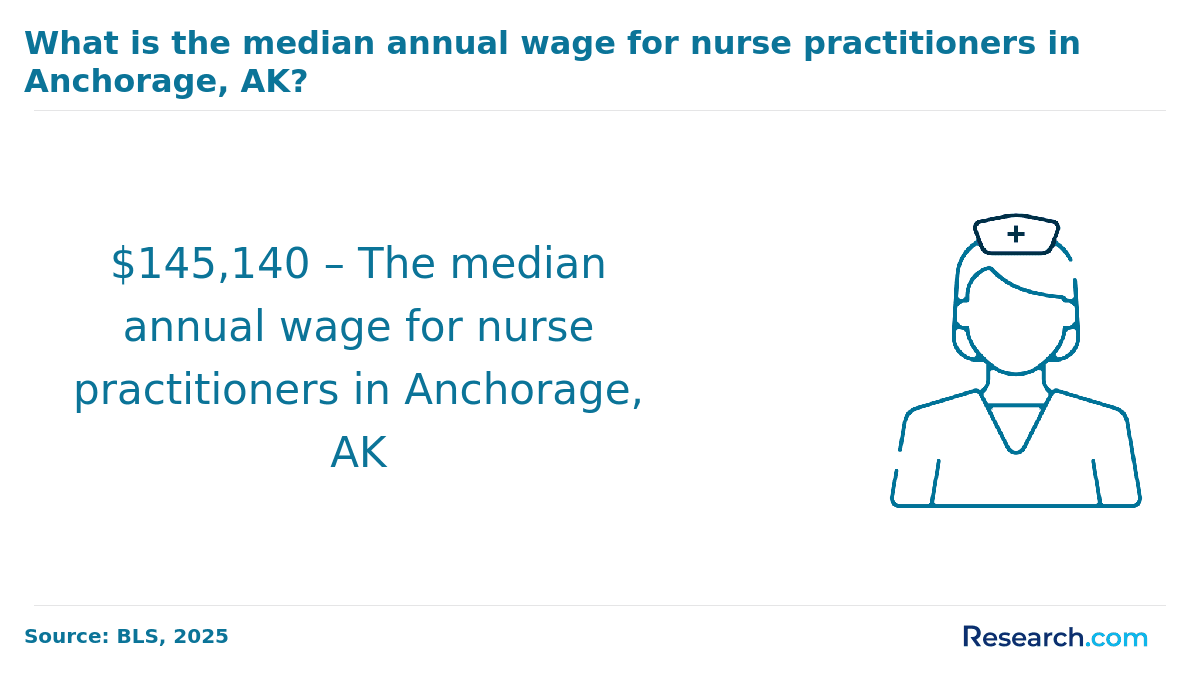
Nurse practitioners in Anchorage, AK enjoy salaries that exceed the national average by about 7%. The typical annual wage is around $126,610, translating to roughly $60.87 per hour. However, pay can fluctuate widely based on experience and specialty.
Entry-level nurse practitioners or those in generalist roles often start near $99,540 annually, while seasoned professionals or those with sought-after specialties can earn $164,840 or more.
High-demand specializations such as psychiatric-mental health, acute care, and family practice tend to offer greater earning potential due to advanced certifications and workforce needs.
To boost income prospects, consider these strategies:
- Pursue advanced certifications or specialize in areas with strong demand.
- Gain experience in underserved or high-need locations.
- Negotiate salary and benefits carefully, as compensation varies among employers and facility types in Anchorage.
Focusing on these practical steps can help nurse practitioners maximize their earnings and career growth in Anchorage’s competitive healthcare market.
Is there a demand for nurse practitioners in Anchorage, AK?
There is strong demand for nurse practitioners in Anchorage, AK, with recent nurse practitioner job openings in Anchorage AK reflecting an active and growing market. Salaries for nurse practitioners in Anchorage range between $133,158 and $141,904 annually, indicating both high demand and competitive compensation packages. These figures also highlight opportunities for advancement based on specialization, experience, and skill level.
The job outlook remains positive due to ongoing healthcare needs in primary and specialized care. Positions for family nurse practitioners, physician assistants, and those with expertise in neonatology are frequently advertised. Given Alaska’s unique rural and urban healthcare challenges, nurse practitioners focusing on family practice, acute care, or specialized roles can expect robust employment prospects.
Aspiring professionals should stay current with licensure requirements and target high-need specialties to maximize opportunities in Anchorage. For those interested in advancing their education, exploring the most affordable PMHNP programs can be a practical step toward specialization and career growth. The demand for nurse practitioners in Anchorage Alaska encourages strategic planning for long-term career success.
What ethical and legal guidelines should you observe as a nurse practitioner in Anchorage, AK?
Nurse practitioners (NPs) practicing in Anchorage, Alaska, operate under a framework that combines state laws and professional ethical standards. Alaska grants full practice authority, allowing NPs to independently conduct patient evaluations, make diagnoses, manage care, and prescribe medications without physician supervision, as long as they comply with regulations set by the Alaska Board of Nursing.
To maintain professional integrity and protect patients, NPs should observe important ethical and legal guidelines while working:
- Patient Advocacy: Actively support and safeguard the rights, health, and safety of patients in all care decisions.
- Professional Accountability: Take full responsibility and exercise sound judgment in all nursing practices.
- Ethical Environment: Foster and contribute to a workplace culture that upholds high standards of ethical healthcare delivery.
- Identity Integrity: Never impersonate another healthcare provider or practice while impaired by illness or disability.
- Risk Avoidance: Avoid any behaviors or actions that could cause significant harm or risk to patients.
- Professional Conduct: Refrain from unprofessional activities, including repeated statutory violations or demonstrating incompetence.
The Alaska Board of Nursing actively monitors compliance, investigating complaints from the public and taking disciplinary measures when necessary. While Anchorage follows statewide laws, local employers may impose additional policies that NPs must also respect to ensure comprehensive adherence to both legal and ethical standards.
What do licensed nurse practitioners in Anchorage, AK, say about their careers?
- Completing my nurse practitioner program at the University of Alaska Anchorage gave me a strong foundation tailored to the unique healthcare needs of this region. Starting my career in a local hospital exposed me to a diverse patient population and a variety of medical challenges that have sharpened my clinical skills. I truly appreciate the sense of community here, where I feel my work directly improves the lives of my neighbors. The balance between professional growth and personal fulfillment in Anchorage is unmatched, and I’m proud to contribute to healthcare in such a vibrant and resilient city. Judy
- Attending the Alaska Pacific University nurse practitioner program was an eye-opening experience that connected me deeply with the local culture and environment. Beginning my practice in a healthcare facility in Anchorage helped me understand the critical role nurse practitioners play in remote and urban settings alike. The opportunity to serve a community that values both tradition and innovation has been incredibly rewarding. I’ve grown not only as a healthcare provider but also as an advocate for accessible care in a city where resources can sometimes be limited. Precious
- My journey through the Carrington College nurse practitioner program equipped me with the skills needed to thrive in Anchorage’s dynamic healthcare landscape. Starting out in a local hospital gave me firsthand experience with the challenges and rewards unique to this area, from harsh weather conditions to diverse patient backgrounds. The professional development opportunities here are outstanding, allowing me to constantly expand my expertise while making a meaningful impact. I’m passionate about helping patients and feel fortunate to advance my career in a city that embraces growth and community well-being. Marla
What ongoing professional development opportunities exist for nurse practitioners in Anchorage, AK?
Nurse practitioners in Anchorage can access a broad range of continuing education and professional development programs tailored to local healthcare practices. Accredited workshops, simulation training sessions, and specialty conferences offer updated insights on emerging treatments and evolving patient care models. Local nursing associations and healthcare systems frequently host seminars and networking events, enabling practitioners to stay compliant with state standards and advance their clinical competencies. Furthermore, integrating interprofessional learning—such as aligning some skills with licensed therapist requirements in Anchorage—strengthens collaborative care models and diversifies clinical expertise.
Related Articles for Nearby Cities
- 2027 How to Become a Nurse Practitioner in Seattle, WA: Requirements & Salary
- 2027 How to Become a Nurse Practitioner in Portland, OR: Requirements & Salary
- 2027 How to Become a Nurse Practitioner in Spokane, WA: Requirements & Salary
- 2027 How to Become a Nurse Practitioner in Boise, ID: Requirements & Salary
- 2027 How to Become a Nurse Practitioner in Reno, NV: Requirements & Salary
- 2027 How to Become a Nurse Practitioner in Sacramento, CA: Requirements & Salary
- 2027 How to Become a Nurse Practitioner in San Francisco, CA: Requirements & Salary
- 2027 How to Become a Nurse Practitioner in Oakland, CA: Requirements & Salary
- 2027 How to Become a Nurse Practitioner in Stockton, CA: Requirements & Salary
- 2027 How to Become a Nurse Practitioner in Fremont, CA: Requirements & Salary
References:
- Alaska APRN Alliance. What is an APRN?
- Barton Associates. Easiest States to Get an NP License.
- Felician University Online. 7 Essential NP Skills.
- International SOS. Nurse Practitioner Job Details.
- Maryville Nursing. 5 Skills Necessary to Succeed as an NP.
- Number Analytics. Mastering Nurse Practitioner Skills.
- Nurse Practitioner License. Alaska Nurse Practitioner Salary - NP Salaries Guide 2025.
- Opportunity Healthcare. Guide for Alaska RN License for Nurse Practitioners.
- Regis College Online. 10 Skills of a Nurse Practitioner.
- Rockhurst University. 10 Essential Nurse Practitioner Skills.
Other Things You Need to Know About Nurse Practitioners in Anchorage, AK
In 2027, prospective nurse practitioners in Anchorage, AK must first obtain a Bachelor of Science in Nursing (BSN) and then complete a Master of Science in Nursing (MSN) or a Doctor of Nursing Practice (DNP) with a focus on a nurse practitioner specialty.
In 2027, the average salary for a nurse practitioner in Anchorage, AK, is approximately $130,000 per year. This figure can vary based on factors such as experience, specialization, and the healthcare facility in which the nurse practitioner is employed.


