
2027 How to Become a Medical Biller & Coder in Anchorage, AK: Education Requirements & Certification

Co-Founder and Chief Data Scientist
Starting a medical billing and coding career in Anchorage, AK means choosing the right training path, understanding which credentials employers recognize, and preparing for healthcare jobs that require accuracy, compliance, and strong technology skills. The challenge is that programs vary widely in length, cost, format, and career value, so picking the first school or fastest option can lead to unnecessary debt or a credential that does not match your goals.
This guide explains how to become a medical biller and coder in Anchorage, including education options, certification choices, salary expectations, high-paying specialties, remote work possibilities, and practical steps for comparing programs. It is designed for career changers, recent high school graduates, healthcare office workers, and anyone in Anchorage who wants a realistic path into medical billing, medical coding, or health information roles.
Quick answer: How do you become a medical biller and coder in Anchorage?
To become a medical biller and coder in Anchorage, you typically need a high school diploma or GED, completion of a medical billing and coding certificate, diploma, occupational endorsement, or associate degree program, and preparation for a national credential such as CPC, CPB, CCA, CCS, CMRS, or NCICS. Many Anchorage employers prefer candidates who understand CPT, ICD-10, HCPCS, insurance rules, electronic health records, HIPAA, and claims processing software. The full path can take about 7 months to 2 years, depending on the program and whether you study full time or part time.
Key Things to Know About Becoming a Medical Biller & Coder in Anchorage, AK
- Anchorage has steady opportunities for trained billers and coders because local hospitals, clinics, specialty practices, and remote healthcare operations need accurate reimbursement and records support.
- Medical billers and coders in Anchorage commonly earn about $45,000 to $55,000 annually, though pay depends on experience, certification, specialty, and employer type.
- Credentials from national organizations such as AAPC or AHIMA can improve employability because many employers prefer or require proof of coding competency.
- Strong candidates are detail-oriented, comfortable with medical terminology and coding systems, and familiar with privacy, compliance, and Alaska-specific healthcare workflow challenges.
- Education requirements for medical billers and coders in Anchorage
- Certification steps for Anchorage medical billing and coding jobs
- Salary expectations for medical billers and coders in Anchorage
- Highest-paying medical billing and coding specialties in Anchorage
- Demand for medical billers and coders in Anchorage
- How long certification takes in Anchorage
- How to move up in a billing and coding career
- How added healthcare credentials can expand career options
- Typical cost of medical billing and coding programs in Anchorage
- How billers and coders can transition into related healthcare roles
- Daily work of a medical biller and coder in Anchorage
- Technology skills employers look for in Anchorage
- Why continuing education matters for advancement
- Remote work options for medical billers and coders in Anchorage
- Key insights before choosing this career path
What education is needed to become a medical biller and coder in Anchorage, AK?
Most Anchorage medical billing and coding jobs do not require a four-year degree, but employers usually expect job-focused training beyond high school. A certificate, diploma, occupational endorsement, or associate degree can help you learn coding systems, insurance procedures, claims workflows, healthcare documentation, and compliance rules before you sit for a certification exam or apply for entry-level roles.
The best education path depends on how quickly you want to start working, how much you can spend, and whether you want a short-term billing role or a longer-term career in coding, auditing, compliance, or health information management.
| Education option | Typical fit | What it usually covers | Decision factor |
| High school diploma or GED | Anyone entering a billing and coding training program | Basic reading, writing, math, and computer skills needed for postsecondary study | This is the minimum starting point, not usually enough by itself for competitive coding jobs. |
| Certificate or diploma program, around 9–12 months | Students who want a faster route into billing, coding, or medical office work | Medical terminology, billing software, insurance procedures, coding systems, and certification exam preparation | Schools such as Alaska Career College and Alaska Career Institute offer focused training that may prepare students for exams such as CPC or NCICS. |
| Associate of Applied Science in Medical Billing and Coding | Students who want broader preparation and more room for advancement | Coding, billing, healthcare administration, and general education coursework | Colleges such as Charter College and the University of Alaska Anchorage offer more extensive programs that may strengthen long-term career options. |
| Occupational Endorsement Certificate in Medical Office Coding | Students who want a targeted credential with a shorter timeline | Medical coding fundamentals and preparation for credentials such as AAPC’s CPC | The University of Alaska Anchorage offers this option for students seeking focused coding preparation. |
| Accredited Health Information Management program | Students interested in health data, privacy, records management, or advancement | Medical records, health data systems, privacy regulations, coding, and information governance | CAHIIM-accredited programs may include externships or RHIT exam preparation and can support broader HIM careers. |
Local and Alaska-focused options mentioned for this field include Alaska Career College, University of Alaska Anchorage, and the Alaska Primary Care Association, which offers a Billing & Coding Specialist apprenticeship that combines classroom instruction with paid on-the-job training. These options serve different needs: a short certificate may help you enter the workforce faster, while a degree or HIM pathway may make more sense if you want advancement into auditing, compliance, or supervisory work.
Before enrolling, ask whether the program prepares students for the specific certification you want, whether it includes practice with real medical documentation, whether job placement support is available, and whether local Anchorage employers recognize the training. A program with career support, exam preparation, coding practice, and employer connections is usually more useful than a program that only provides recorded lectures.
How do I get certified as a medical biller and coder in Anchorage, AK?
Certification is not always legally required for medical billing and coding work, but it is often the credential that helps employers trust your skills. In Anchorage, certification can be especially useful for applicants who are new to healthcare, changing careers, or competing for remote roles where employers may receive applications from outside Alaska.
Training programs in Anchorage and Alaska may last from 9 to 24 months and commonly include medical terminology, anatomy, CPT, HCPCS, ICD coding, payer rules, office software, insurance claims, and compliance. Unlike many clinical healthcare programs, medical billing and coding training generally does not require clinical hours, but practical coding exercises and software experience matter.
Step-by-step certification path
- Confirm your baseline eligibility. Make sure you have a high school diploma or GED and the computer skills needed for online platforms, EHR systems, and coding tools.
- Choose a training format. Compare certificate, diploma, occupational endorsement, associate degree, and apprenticeship options. Alaska Career College’s Medical Insurance Coding and Billing Specialist program is one example that prepares students for credentials such as NCICS and CPC.
- Select the credential that matches your target role. CPC and CPB from AAPC are common choices for physician coding and billing roles. AHIMA’s CCA and CCS are often associated with health information and coding competency. AMBA’s CMRS focuses on medical reimbursement.
- Register for the exam. Apply through the certifying organization and choose an Anchorage testing option or remote proctoring when available through AAPC or the relevant credentialing body.
- Study with official materials. Use current coding manuals, exam outlines, practice tests, and timed exercises. Coding exams test both knowledge and speed, so practice matters.
- Pass the proctored exam. Credentials such as CPC or CBSC demonstrate that you can apply coding and billing rules under exam conditions.
- Keep the credential active. Continuing education is required after certification, such as AAPC’s 36-hour CEU cycle or AMBA’s 15 CEUs annually.
| Credential route | Best for | What to consider before choosing |
| AAPC CPC | Physician office, clinic, and professional-fee coding roles | Useful if you want to work with provider documentation, office visits, and procedure coding. |
| AAPC CPB | Medical billing and reimbursement-focused roles | Good fit if you want claims, payer rules, denials, and revenue cycle work. |
| AHIMA CCA or CCS | Health information and coding roles with broader records emphasis | May be valuable for candidates interested in hospital, records, or HIM-related pathways. |
| AMBA CMRS | Medical reimbursement and billing-focused work | Consider this if your target jobs emphasize reimbursement, billing operations, and claims follow-up. |
| NCICS | Students whose programs prepare directly for this exam | Check whether Anchorage employers in your target setting recognize or request it. |
One practical challenge for Anchorage students is balancing exam preparation with work, family obligations, weather, and travel. Study groups, local mentors, practice reports, and weekend review sessions can help. Alaska’s healthcare environment also includes rural clinics and referral networks, so coders who understand differences between urban facilities and remote-care billing may be better prepared for local work.
How much do medical billers and coders make in Anchorage, AK?
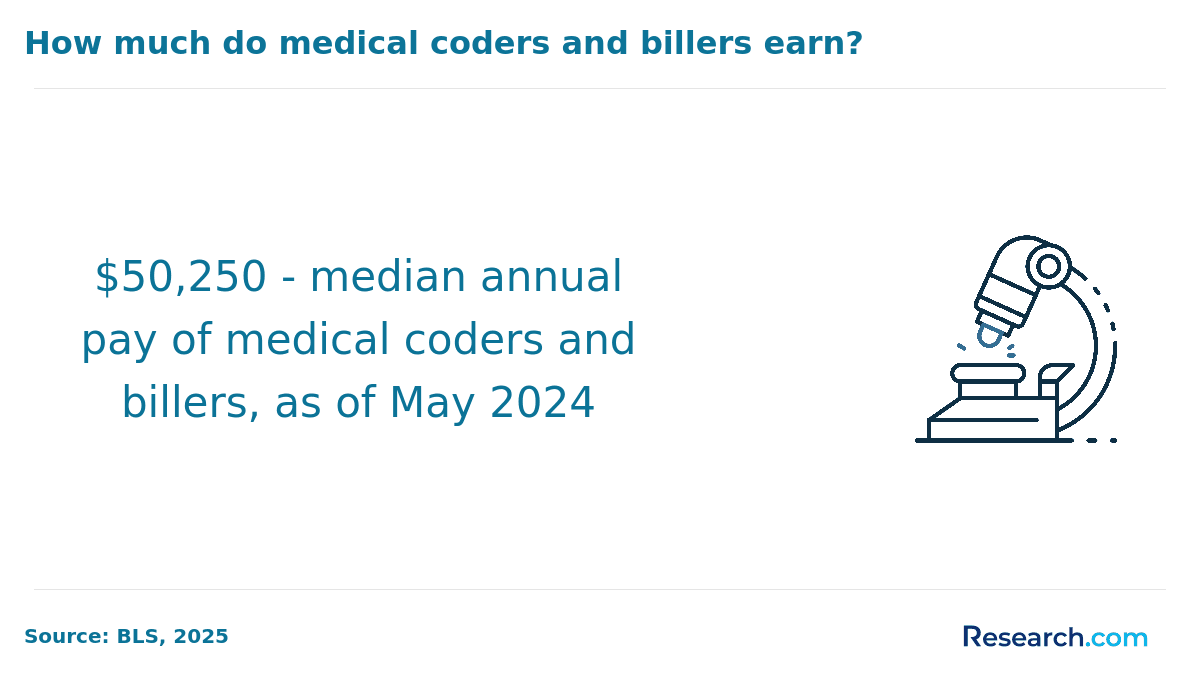
Medical billing and coding pay in Anchorage varies by role, certification, experience, employer, and specialty. The average hourly wage for medical billing and coding professionals typically ranges from $20.23 to $20.97. For positions focused specifically on medical coding billing, hourly pay is often higher, between $22.29 and $22.81.
Annual compensation for medical billers and coders in Anchorage generally falls between $44,867 and $51,201. Medical coders, who may handle more specialized coding responsibilities, average around $60,732 per year, with a typical range from $53,416 to $69,769. On a monthly basis, earnings commonly range between approximately $3,739 and $5,060 depending on role and experience level.
Entry-level workers may begin around $12.80 to $13.91 per hour. Pay can increase as you gain experience, improve accuracy, earn credentials, and move into more complex coding or revenue cycle positions. Advanced credentials such as Certified Professional Coder (CPC) or Certified Coding Specialist (CCS) can support stronger salary prospects, with top earners reaching up to $77,996.
Within Alaska, Anchorage remains a competitive market for billing and coding pay. Coders with deeper specialization may earn an average annual income of about $62,213, with total pay potentially reaching $80,712.
| Role or career stage | Anchorage pay information stated | What may raise earnings |
| Entry-level biller or coder | About $12.80 to $13.91 per hour | Training, accuracy, software skills, and first certification |
| Medical billing and coding professional | $20.23 to $20.97 per hour | Experience, payer knowledge, claims follow-up, and employer type |
| Medical coding billing role | $22.29 to $22.81 per hour | Strong coding knowledge and reimbursement experience |
| Medical biller and coder annual range | $44,867 to $51,201 | Certification, specialty, and years of experience |
| Medical coder | Around $60,732 per year, with a typical range from $53,416 to $69,769 | Advanced coding complexity, CPC or CCS, and specialty expertise |
| Top earners | Up to $77,996; specialized coders may see total pay potentially reaching $80,712 | Advanced credentials, high-demand specialties, auditing, or leadership |
Salary should not be the only factor in your decision. Compare pay with tuition, debt, certification costs, commuting needs, remote work options, benefits, and advancement potential. A lower-cost program with strong exam preparation and employer recognition may produce a better return than a more expensive program with limited career support.
What medical billing and coding specialties pay the most in Anchorage, AK?
Specialization can raise earning potential because complex coding requires deeper knowledge, stronger documentation review skills, and greater accuracy. In Anchorage, higher-paying opportunities often appear in hospital, outpatient facility, specialty clinic, and advanced professional coding settings.
| Specialty | What the work involves | Anchorage pay information stated | Best fit for |
| Inpatient Hospital Coding | Reviewing hospital records for admitted patients and assigning codes tied to diagnoses, procedures, ICD-10-CM, and DRG systems | $26.82 to $40.22 per hour | Coders who are comfortable with lengthy records, complex cases, and facility coding rules |
| Outpatient Facility Coding | Coding clinic, emergency room, and same-day surgery services using CPT, ICD-10-CM, and HCPCS | $25.54 to $38.30 per hour | Coders who can manage high record volume and facility-specific documentation |
| Professional or Physician Coding | Coding provider office visits, minor procedures, and specialty clinic encounters | $22 to $33 per hour | Coders who communicate well with providers and understand physician documentation |
| Cardiology Coding | Coding cardiovascular diagnoses, procedures, and terminology for heart and vascular services | $33 per hour or more with advanced certification and experience | Experienced coders interested in specialty medicine and organizations such as Alaska Heart & Vascular Institute |
| Pain Management Coding | Coding chronic pain services, injections, related procedures, and therapy-linked services | $22 to $28 per hour | Coders who understand both medical and surgical coding concepts and specialty clinic workflows such as AA Spine & Pain Clinic |
If you are new to the field, it may be unrealistic to start directly in the highest-paying specialty. A practical route is to begin in billing, medical office support, or general outpatient coding, then build toward CPC, CCS, auditing, inpatient, cardiology, or specialty coding experience. Local organizations such as the Alaska Health Information Management Association (AKHIMA) and the Anchorage chapter of the American Academy of Professional Coders (AAPC) may provide networking, certification preparation, mentorship, and continuing education opportunities.
Employers such as Alaska Heart & Vascular Institute and Banner Health may also offer internships, mentorships, or entry points for candidates who want practical experience. When comparing specialties, look beyond hourly pay. Consider documentation complexity, productivity expectations, denial risk, certification requirements, and whether the work is onsite, hybrid, or remote.
Is there a high demand for medical billers and coders in Anchorage, AK?
Anchorage has ongoing demand for medical billers and coders because it is Alaska’s largest urban healthcare market and supports hospitals, specialty clinics, private practices, public health organizations, and remote-care networks. At any given time, there are roughly 30 to 38 open positions for medical billers and coders, including roles such as Medical Biller, Coding Specialist, and Certified Professional Coder.
The local market also benefits from Anchorage’s role as a healthcare hub for surrounding communities. Compared with smaller cities such as Fairbanks or Juneau, Anchorage generally offers more employer variety and more opportunities for onsite, hybrid, or remote healthcare administration work.
National labor trends support the outlook as well. The U.S. Bureau of Labor Statistics projects 8% employment growth for medical records specialists, including billers and coders, from 2022 to 2032. This is faster than average for all occupations and reflects the continued need for accurate medical records, electronic health information, claims processing, and healthcare data management.
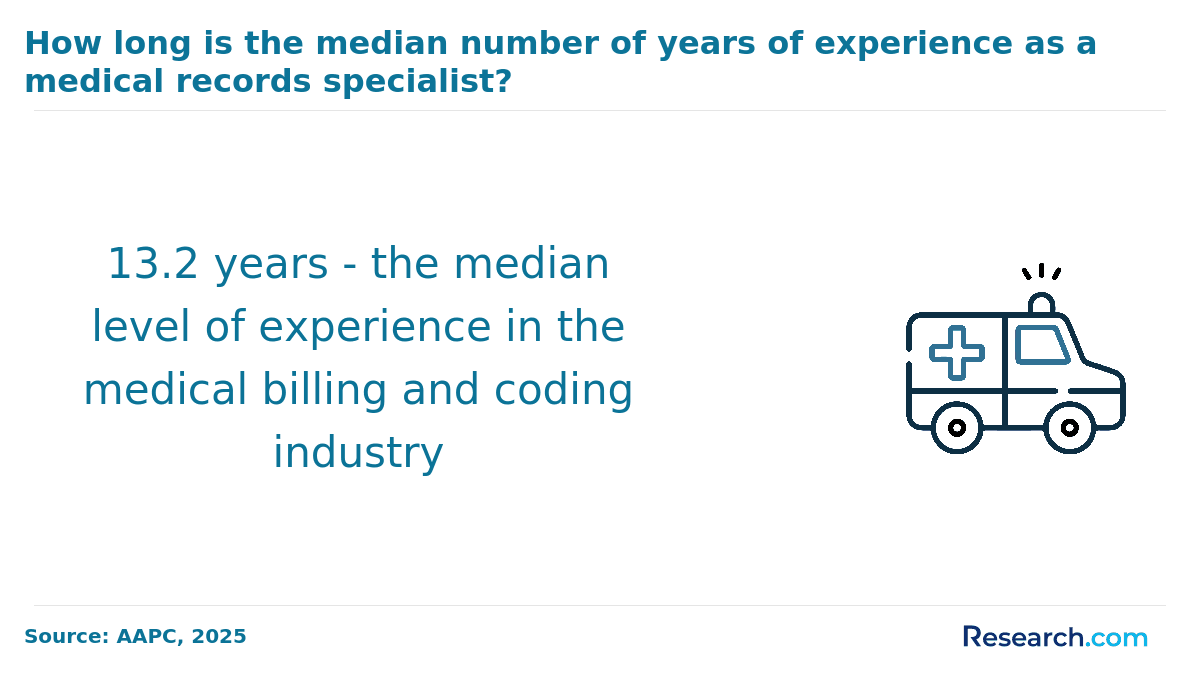
Common Anchorage employer expectations include a medical billing or coding certificate, an associate degree in health information management, or a relevant certification such as Certified Professional Coder (CPC) or Certified Coding Specialist (CCS). Employers also commonly look for CPT, ICD-10, HCPCS, medical terminology, EHR, and insurance knowledge. Some postings ask for one to three years of medical office experience.
If your goal is to enter the job market quickly, a fast track medical billing and coding course may help you build foundational skills, but be careful: a short course should still align with recognized certification requirements and employer expectations. Fast does not always mean job-ready.
Compensation for medical coders in Anchorage typically ranges from $24 to $33 per hour and often includes benefits. That range reflects local demand, employer needs, and the region’s cost of living.
How long does it take to become certified in medical billing and coding in Anchorage, AK?
The certification timeline in Anchorage usually ranges from 7 months to 2 years. The exact length depends on your program, enrollment status, prior credits, healthcare background, exam preparation time, and whether you choose a certificate, associate degree, or accelerated program.
Charter College offers an accelerated online Medical Billing and Coding Associate Degree Completion program that can be finished in as little as 7 months when completed full time. Other options, including Alaska Career College and the University of Alaska Anchorage, may take several months to two years, especially for students who attend part time while working or managing family responsibilities.
Accelerated formats can shorten the timeline. Charter College programs that start every five weeks may provide scheduling flexibility. Some AAPC-approved classroom courses in Alaska require about 80 hours and can waive one year of work experience for certain credentials. Transfer credits, year-round enrollment, and previous healthcare experience can also reduce how long it takes to finish.
| Path | Possible timeline stated | When it makes sense |
| Accelerated online completion program | As little as 7 months | Best for motivated full-time students who can handle a compressed schedule |
| Certificate or diploma program | Several months to around 9–12 months | Useful for students seeking faster workforce entry and certification preparation |
| Associate degree | Up to 2 years | Better for students who want broader education and advancement options |
| AAPC-approved classroom course | About 80 hours | Helpful for focused exam preparation, especially when paired with coding practice |
Before committing to a timeline, review the pros and cons of medical billing and coding, then estimate how many hours you can study each week. Many students underestimate exam preparation time. A slower program with strong practice and support may be more valuable than a fast program that leaves you unprepared for certification or employment.
How can I advance my career in medical billing and coding in Anchorage, AK?
Career advancement usually comes from combining experience, certification, specialization, and workplace credibility. After gaining entry-level experience, Anchorage billers and coders can move toward higher-responsibility work in coding quality review, compliance, auditing, denial management, revenue cycle supervision, provider education, or health information management.
Advanced certifications can help, but they work best when paired with real production experience. For example, a coder who understands payer denials, documentation gaps, and specialty-specific coding rules may be better positioned for auditing or lead roles than someone with certification alone. Networking with local healthcare employers, joining professional associations, and seeking mentorship can also expose you to openings before they are widely advertised.
| Advancement goal | Helpful next step | Why it matters |
| Higher coding pay | Earn CPC, CCS, or specialty-focused credentials | Advanced coding roles often require proof of technical skill. |
| Auditing or compliance | Build expertise in documentation guidelines, payer rules, and denial trends | These roles require accuracy, judgment, and regulatory awareness. |
| Revenue cycle leadership | Learn billing operations, claims follow-up, metrics, and team coordination | Supervisory roles often require workflow knowledge beyond code assignment. |
| Health information management | Consider HIM education and broader records training | HIM can open doors to privacy, data, and records leadership roles. |
| Broader healthcare career change | Research clinical or licensed pathways carefully | Some healthcare careers require a completely different degree, license, or supervised training. |
Some professionals eventually explore other healthcare fields. If you are considering a major shift into a licensed clinical profession, research the education and licensure path early. For example, learning how to become a pharmacist in Anchorage can help you understand how different the requirements are from administrative healthcare roles.
Can expanding healthcare credentials lead to broader career opportunities in Anchorage, AK?
Additional credentials can expand your options, but only when they match a clear career goal. A billing and coding background can support movement into revenue cycle, compliance, health information, office management, or payer-side work. It may also help you understand healthcare systems if you later pursue a clinical path, but it will not replace the education, clinical training, or licensure required for patient care professions.
For professionals who want to move beyond administrative work into advanced clinical practice, the requirements are much more extensive. Researching how to become a nurse practitioner in Anchorage can clarify the difference between coding credentials and clinical nursing education. This comparison is useful before investing in a new degree or switching career tracks.
What’s the average cost of a medical billing and coding program in Anchorage, AK?
Medical billing and coding program costs in Anchorage vary by school, credential level, credit requirements, program length, and delivery format. A short certificate may cost less than an associate degree, but the cheapest option is not always the best value if it lacks exam preparation, employer recognition, or job support.
At Alaska Career College, the Medical Insurance Coding and Billing Specialist Undergraduate Certificate costs about $12,429 if completed within 10.5 months, with graduates averaging a student debt of $7,071. Anchorage-based tuition fees can range from $241 to $290 per credit, so total cost depends heavily on the number of required credits.
Public institutions and online options may reduce costs. The University of Alaska Fairbanks eCampus estimates medical coding program tuition fees at around $4,575, offering a more budget-conscious path for students who need flexibility.
| Cost factor | Why it affects total price | What to ask before enrolling |
| Tuition and fees | Programs may charge by credit, term, or full program | What is the full program cost, not just tuition per credit? |
| Program length | Longer programs may cost more but may offer broader preparation | Does the added time improve employability or transfer options? |
| Books and coding manuals | Certification preparation often requires current coding resources | Are textbooks, manuals, or software included in tuition? |
| Certification exam fees | Exams may be separate from school tuition | Which exam does the program prepare for, and is the fee included? |
| Online versus campus learning | Online study may reduce commuting and Anchorage living-related costs | Does the online program include support, practice, and employer-recognized preparation? |
| Financial aid and debt | Borrowing can change the return on investment | What debt do graduates typically carry, and what completion support is available? |
Students comparing flexible or lower-cost routes can review medical billing associate degree options online. When evaluating cost, calculate the total investment: tuition, fees, books, exam costs, technology, commuting, lost work hours, and loan repayment.
Can medical billers and coders transition to other healthcare roles in Anchorage, AK?
Yes, but the easiest transitions usually stay close to billing, documentation, compliance, records, and healthcare administration. Medical billers and coders already understand terminology, payer rules, patient privacy, claims workflows, and documentation quality, which can apply to revenue cycle roles, medical office management, compliance auditing, credentialing, patient access, prior authorization, or health information positions.
Moving into direct patient care is a bigger shift. Administrative healthcare experience may help you understand the system, but it does not replace required coursework, supervised clinical training, or licensing. If you are drawn to a patient-facing behavioral health role, researching how to become a substance abuse counselor in Anchorage can show what additional education and credentialing may be needed.
What does a medical biller and coder in Anchorage, AK do on a daily basis?
Medical billers and coders support the financial and documentation side of healthcare. They do not diagnose patients or make treatment decisions. Their work depends on provider documentation, coding rules, insurance requirements, and privacy standards.
| Daily responsibility | What it means in practice | Why it matters |
| Assigning medical codes | Reviewing clinical notes and applying CPT, ICD-10, and HCPCS codes for procedures, diagnoses, and services | Correct coding supports reimbursement, reporting, and compliance. |
| Submitting bills and claims | Preparing insurance claims with coded data and required documentation | Accurate claims reduce payment delays and denials. |
| Resolving documentation questions | Working with clinical staff or billing teams to clarify missing or inconsistent information | Clean documentation helps prevent coding errors. |
| Checking eligibility and benefits | Verifying insurance coverage and patient responsibility before or after services | This helps route claims correctly and reduces patient billing confusion. |
| Posting payments and tracking balances | Recording insurer and patient payments and monitoring unpaid accounts | Payment accuracy supports the provider’s revenue cycle. |
| Following up on denials | Reviewing rejected claims, gathering records, submitting appeals, and contacting payers | Denial management can recover revenue and identify process problems. |
| Protecting patient information | Following HIPAA and workplace security policies | Privacy compliance is essential in both onsite and remote roles. |
Anchorage medical billers and coders work in hospitals, specialty clinics, private practices, public health departments, and remote administrative settings. Some jobs require onsite collaboration with providers, while others may allow hybrid or fully remote work after training. Productivity, accuracy, and turnaround time are often closely monitored.
If you want a faster start, accelerated medical billing and coding programs can help you learn basic concepts, but make sure the training includes practical coding exercises and prepares you for recognized certification.
What are the most in-demand tech skills for medical billers and coders in Anchorage, AK?
Technology is now central to medical billing and coding. Anchorage employers increasingly expect candidates to work confidently with electronic records, billing platforms, coding tools, claim tracking systems, spreadsheets, secure connections, and telehealth-related documentation workflows.
- Electronic Health Records management: Billers and coders must find, review, update, and extract patient data accurately from EHR systems used in healthcare settings.
- Medical coding software: Coding tools help with CPT, HCPCS, and ICD-10 lookup, code validation, and error reduction, but coders still need judgment and rule knowledge.
- Billing and claims processing applications: Claims software is used to submit, monitor, reconcile, and correct insurance claims.
- Data security and HIPAA compliance: Remote and onsite workers must protect patient information through secure systems, careful communication, and privacy procedures.
- Microsoft Office skills: Excel and Word remain useful for reports, tracking sheets, documentation, and administrative communication.
- Adaptability with new platforms: Telehealth, automation, and changing payer systems require workers who can learn new tools without sacrificing accuracy.
Technology can improve speed, but it does not eliminate the need for trained coders. Automated suggestions can be wrong when documentation is incomplete, payer rules are complex, or a case requires specialty-specific interpretation. That is why employers value people who can combine software fluency with coding judgment.
Students who need a flexible way to develop these skills can compare online schools that offer medical billing and coding, especially programs that include EHR practice, billing software, exam preparation, and instructor support.
How does continuous professional development enhance career advancement for medical billers and coders in Anchorage, AK?
Medical billing and coding rules change, and employers expect professionals to keep up. Continuing education helps coders stay current on coding updates, payer requirements, compliance expectations, privacy standards, documentation rules, and billing technology. It also helps certified professionals maintain credentials through required CEUs.
Ongoing training can also help you move into specialties or leadership. A biller who studies denial management may move into revenue cycle improvement. A coder who studies compliance and documentation quality may move toward auditing. A professional who builds healthcare communication and behavioral health knowledge may consider related career paths, including researching Anchorage mental health counselor certification requirements if a licensed counseling career becomes the long-term goal.
Can medical billers and coders work from home in Anchorage, AK?
Yes, some medical billers and coders in Anchorage can work from home, but remote work is not guaranteed. Many employers have adopted remote or hybrid options, and job listings on platforms such as ZipRecruiter show over 100 remote positions currently available in Alaska. However, some Anchorage healthcare organizations still require onsite work because of training needs, data security policies, productivity oversight, or collaboration with clinical teams.
Read job postings carefully. Some postings clearly state “NOT REMOTE,” while others offer hybrid schedules or remote work after an onsite training period. If remote work is important to you, ask about location requirements, equipment, productivity metrics, security rules, and whether the employer allows Alaska-based remote work only or nationwide applicants.
| Remote work requirement | Why it matters |
| Reliable computer and secure internet | Claims systems, EHR platforms, and coding tools require stable access. |
| Dual monitors | Many coders review documentation, codes, payer rules, and claims screens at the same time. |
| Employer-approved billing and coding software | Systems must meet workflow and security requirements. |
| VPN or encrypted connection | Secure access is essential for HIPAA compliance and patient data protection. |
| EHR proficiency | Remote workers must navigate records without constant in-person help. |
| Written communication skills | Remote billing and coding often depends on clear messages to providers, payers, and supervisors. |
| Dedicated workspace | Privacy, concentration, and productivity are harder without a controlled work area. |
Remote success depends on more than equipment. You need self-discipline, a consistent schedule, strong documentation habits, comfort with secure systems, and the ability to ask clarifying questions before errors become denied claims. Staying current with coding standards and HIPAA requirements is also essential.
What do medical billers and coders in Anchorage, AK have to say about their careers?
Jay described completing a medical billing and coding program at the University of Alaska Anchorage as a turning point that made local healthcare employment feel more accessible. The training helped connect classroom concepts with Anchorage’s healthcare needs, and the role offered a sense of stability while supporting providers and patients behind the scenes. - Jay
Reece said studying at Alaska Pacific University helped build both technical ability and adaptability. Anchorage’s healthcare environment required resourcefulness, and the work provided a way to contribute to patient experience while remaining connected to the local community and culture. - Reece
Manuel viewed training through Carrs Technical College as a practical career move. The appeal came from combining healthcare, data accuracy, compliance, telehealth-related change, rural outreach, and opportunities for growth in healthcare administration. - Manuel
Related Articles for Nearby Cities
- 2027 How to Become a Medical Biller & Coder in Seattle, WA: Education Requirements & Certification
- 2027 How to Become a Medical Biller & Coder in Portland, OR: Education Requirements & Certification
- 2027 How to Become a Medical Biller & Coder in Spokane, WA: Education Requirements & Certification
- 2027 How to Become a Medical Biller & Coder in Boise, ID: Education Requirements & Certification
- 2027 How to Become a Medical Biller & Coder in Reno, NV: Education Requirements & Certification
- 2027 How to Become a Medical Biller & Coder in Sacramento, CA: Education Requirements & Certification
- 2027 How to Become a Medical Biller & Coder in San Francisco, CA: Education Requirements & Certification
- 2027 How to Become a Medical Biller & Coder in Oakland, CA: Education Requirements & Certification
- 2027 How to Become a Medical Biller & Coder in Stockton, CA: Education Requirements & Certification
- 2027 How to Become a Medical Biller & Coder in Fremont, CA: Education Requirements & Certification
Common mistakes to avoid when choosing a medical billing and coding path in Anchorage
- Choosing only by speed. A very short course may be convenient, but it should still prepare you for recognized certification and real job tasks.
- Ignoring accreditation and employer recognition. Ask whether local employers recognize the school, program, and credential pathway.
- Looking only at tuition. Include books, coding manuals, exam fees, software, commuting, lost work time, and student debt in your cost estimate.
- Assuming certification guarantees a job. Certification helps, but employers may still want experience, accuracy, EHR skills, and strong communication.
- Overlooking remote work requirements. Remote roles often require experience, productivity discipline, secure technology, and HIPAA compliance.
- Skipping hands-on practice. Memorizing codes is not enough; you need practice reading real documentation and resolving incomplete or unclear records.
- Choosing a specialty too early without understanding the work. High-paying specialties can involve complex documentation, strict productivity expectations, and advanced coding rules.
Questions to ask before enrolling in an Anchorage medical billing and coding program
- Which certification exam does the program prepare students to take?
- Are CPT, ICD-10, HCPCS, insurance billing, EHR, and claims software included?
- What is the full cost, including books, exam fees, technology, and supplies?
- Does the program offer job placement, apprenticeships, externships, or employer connections in Anchorage?
- Can credits transfer into a degree or HIM program later?
- What percentage of students complete the program and sit for certification exams?
- Is the program schedule realistic for working adults?
- Do local employers hire graduates from this program?
- Does the program teach remote-work readiness, HIPAA security, and electronic documentation workflows?
Key Insights
- Anchorage medical billing and coding careers usually start with a high school diploma or GED, followed by a certificate, diploma, occupational endorsement, associate degree, or apprenticeship-style training.
- The fastest route is not automatically the best route. Choose a program that prepares you for recognized certification, includes practical coding work, and is respected by employers.
- Certification from organizations such as AAPC, AHIMA, or AMBA can improve job prospects, especially for candidates without prior healthcare experience.
- Pay in Anchorage varies widely, with medical billers and coders generally making between $44,867 and $51,201 annually and specialized coders potentially earning more.
- Higher-paying specialties include inpatient hospital coding, outpatient facility coding, cardiology coding, and other complex documentation areas.
- Remote work is possible, but not universal. Employers may require onsite training, secure systems, productivity tracking, and proven experience.
- Technology skills are no longer optional. EHR systems, billing software, claims platforms, spreadsheets, VPN access, and HIPAA-safe workflows are core job requirements.
- The strongest long-term strategy is to build a foundation in billing and coding, earn a recognized credential, gain experience, and then specialize or move into auditing, compliance, revenue cycle, or health information management.
References:
- Alaska Career College. (2025). Medical Insurance Coding and Billing Specialist. Alaska Career College program page
- DeVry University. (2023). Medical Billing and Coding Examples. DeVry University resource
- Health Job. (2024). How to Become a Medical Biller and Coder in Alaska. Health Job guide
- MedHeave Medical Billing Services. (n.d.). Medical Billing Services in Alaska. MedHeave overview
- MedicalBillingandCoding.org. (2025). Is Medical Billing and Coding a Career Where I Can Work from Home? MedicalBillingandCoding.org Q&A
- Penn Foster. (2022). Your Medical Billing & Coding Salary Guide. Penn Foster salary guide
- Practice Support. (n.d.). Medical Billing and Coding in Alaska. Practice Support location resource
- Trusted Talent. (n.d.). Traveling as a Medical Coder: Requirements, Opportunities, and More. Trusted Talent article
- U.S. Bureau of Labor Statistics. (2025). Occupational Outlook Handbook: Medical Records Specialists. U.S. BLS occupational profile
Other Things You Should Know About Becoming a Medical Biller and Coder in Anchorage, AK
Essential courses include Anatomy and Physiology, Medical Terminology, CPT Coding, ICD-10 Coding, and Healthcare Law. Most programs offer these as part of their curriculum to meet certification requirements for medical billers and coders in Anchorage, AK, by 2027.
In 2026, eligibility requirements to enroll in a medical billing and coding program in Anchorage typically include a high school diploma or GED. Some programs may require passing a background check and proficiency in basic computer skills. Specific prerequisites can vary by institution.


