
2027 How to Become a Medical Biller & Coder in Honolulu, HI: Education Requirements & Certification

Co-Founder and Chief Data Scientist
Honolulu, HI, known for its top hospitals and strong public health system, offers great opportunities in healthcare support jobs. As of 2022, Hawaii employed 600 Medical Records Specialists, highlighting steady demand in a state where accurate healthcare documentation is vital across island communities. With an aging population and growing healthcare needs, trained billing and coding professionals are increasingly valuable across Hawaii’s medical system.
In this article, we will guide you through becoming a medical biller and coder in Honolulu. We will also talk about the required education, certification options, and key skills to help you succeed in this essential and growing healthcare career.
Key Things to Know About Becoming a Medical Biller & Coder in Honolulu, HI
- Medical Billing and Coding professionals in Honolulu, HI earn an average salary of $42,144 per year.
- Medical Records Specialist jobs in Hawaii are expected to grow by 11% from 2022 to 2032.
- Hawaii projects about 50 annual job openings for Medical Records Specialists through 2032.
- What education is needed to become a medical biller and coder in Honolulu, HI?
- How do I get certified as a medical biller and coder in Honolulu, HI?
- How much do medical billers and coders make in Honolulu, HI?
- What medical billing and coding specialties pay the most in Honolulu, HI?
- Is there a high demand for medical billers and coders in Honolulu, HI?
- How long does it take to become certified in medical billing and coding in Honolulu, HI?
- How can I advance my medical billing and coding career in Honolulu, HI?
- Can I transition from medical billing and coding to a clinical career in Honolulu, HI?
- Can additional healthcare certifications boost my career in Honolulu, HI?
- What challenges do medical billers and coders commonly face in Honolulu, HI?
- What’s the average cost of a medical billing and coding program in Honolulu, HI?
- What does a medical biller and coder in Honolulu, HI do on a daily basis?
- What are the most in-demand tech skills for medical billers and coders in Honolulu, HI?
- Can medical billers and coders work from home in Honolulu, HI?
What education is needed to become a medical biller and coder in Honolulu, HI?
Aspiring medical billers and coders in Honolulu, HI, generally start with at least a high school diploma or GED, which serves as the foundation for entering most training programs and qualifying for entry-level positions. While Hawaii does not mandate state licensing for medical billers and coders, pursuing post-secondary education greatly enhances one’s expertise and employability in this competitive field.
Education pathways typically include certificate or diploma programs, which can be completed in about one year, and associate degree programs that usually require up to two years. Certificate programs focus on foundational skills necessary for immediate job placement, whereas associate degrees often incorporate broader general education courses alongside specialized training. Both formats are available through online and in-person options, offering flexibility depending on individual circumstances and learning preferences.
Core courses in these programs usually cover essential subjects such as Medical Terminology, Human Anatomy and Physiology, ICD-10 and CPT Coding Systems, Health Information Management, Medical Office Procedures, and Insurance and Reimbursement Methods. For instance, Kapi‘olani Community College mandates courses in Human Anatomy and Physiology along with Medical Terminology as prerequisites for its medical coding programs, highlighting the importance of a strong foundational knowledge.
Among the prominent educational providers in Honolulu are Hawaii Medical College, which offers diploma and associate degrees completable in as little as 22 months; Kapi‘olani Community College, known for its certificate programs emphasizing foundational sciences; and flexible online programs like those from Penn Foster and the AAPC, catering to students requiring adaptable schedules.
Success in these programs can be bolstered by mastering medical terminology early on, as it facilitates understanding of complex coding systems. Students should also take advantage of local resources such as study groups, tutoring, and career services offered by institutions like Hawaii Medical College. Engagement with professional organizations, including the Hawaii Health Information Management Association, can provide valuable networking and continuing education opportunities, which may be critical for career advancement.
While certification from bodies such as AAPC or AHIMA is not legally required in Hawaii, it is widely regarded as beneficial by employers and can significantly improve job prospects. Given the steady demand in the healthcare sector, students who combine formal education with practical resources and professional engagement are better positioned to succeed in the evolving medical billing and coding landscape.
How do I get certified as a medical biller and coder in Honolulu, HI?
Becoming a certified medical biller and coder in Honolulu, HI, involves several structured steps designed to prepare candidates for the demands of the profession. The process typically begins with completing relevant education, often available through local institutions such as Kapi‘olani Community College or Hawaii Medical College. These programs cover essential subjects like human anatomy, physiology, and medical terminology, which form the foundation for accurate coding and billing.
Next, aspiring professionals must select a certification organization. The most recognized certifying bodies include the American Academy of Professional Coders (AAPC), the American Health Information Management Association (AHIMA), and the National Healthcareer Association (NHA). These organizations offer certifications such as the Certified Professional Coder (CPC), Certified Outpatient Coder (COC), and Certified Coding Associate (CCA), each catering to different specialties within the field.
Eligibility requirements generally involve holding a high school diploma or equivalent and completing an accredited training program or having relevant work experience. Some certification programs waive the experience prerequisite if candidates complete an 80-hour classroom course. Preparation for the certification exam can be pursued through self-paced online courses, in-person classes, or workshops. Honolulu offers three AAPC-approved classroom training programs alongside various online options, which provide flexibility for students balancing work and study.
Certification exams focus on knowledge of diagnostic and procedural coding systems, billing rules, and ethical standards. Importantly, no clinical hours are required since medical billing and coding do not involve direct patient care. This makes the certification process accessible to those who prefer a non-clinical healthcare role.
A medical biller and coder from Honolulu shared their perspective: “The process demanded balancing coursework with a part-time job, which was challenging, especially in the anatomy and coding classes at Kapi‘olani Community College. Local study groups were invaluable, and attending in-person workshops helped me understand complex coding scenarios unique to Hawaii’s diverse patient population. Navigating island-specific insurance policies was a hurdle I hadn’t anticipated. Passing the CPC exam felt like a major accomplishment and opened opportunities at a local clinic. The journey required dedication, but the support of the community and job stability made it worthwhile.”
Tips for success include leveraging local resources such as non-credit medical coding classes and workshops offered by AAPC Honolulu, joining professional organizations for networking and continued education, and staying current with coding updates to ensure accuracy and compliance in billing practices.
How much do medical billers and coders make in Honolulu, HI?
Medical billers and coders in Honolulu, HI, earn wages that reflect both local demand and the city’s higher cost of living. The average annual salary for these professionals is $42,144, with an average hourly rate of $20.26. Most workers earn between $17.31 (25th percentile) and $22.31 (75th percentile) per hour, while top earners make up to $27.06 per hour.
These figures show that medical billing and coding remain a stable and accessible career path in Honolulu. With pay scales influenced by experience and specialization, professionals in this field can steadily increase their earnings over time, especially in Hawaii’s expanding healthcare sector.
Increasing wages in this field often involves obtaining industry-recognized certifications such as the Certified Professional Coder (CPC) credential, gaining specialized experience, or advancing into supervisory positions. Staying updated with evolving coding standards and healthcare technologies can also enhance career prospects and earning potential. While salary growth tends to correlate with experience and qualifications, market conditions and employer demand remain influential factors to consider.
This chart from AAPC shows the medical specialists' mean annual salary by experience.
What medical billing and coding specialties pay the most in Honolulu, HI?
Medical billing and coding professionals in Honolulu, HI can specialize in several areas, each requiring distinct skills and offering varying income potential.
- Inpatient Coding Specialist: These specialists focus on coding diagnoses and procedures for hospitalized patients, demanding a thorough grasp of complex medical records and ICD-10-CM/PCS coding systems. They collaborate closely with physicians and hospital staff to ensure coding accuracy and regulatory compliance. This role is critical for accurate hospital billing and quality reporting. In Honolulu, inpatient coding specialists earn between $33.94 and $42.42 per hour, reflecting high demand and expertise.
- Outpatient Coding Specialist: Outpatient coders handle coding for patients receiving same-day care without overnight admission, including surgeries and emergency visits. Proficiency in CPT, HCPCS, and ICD-10-CM coding is essential for this specialty. Their work supports efficient billing for a wide range of outpatient services. Honolulu outpatient coders typically make $31.37 to $39.21 per hour.
- Risk Adjustment Coder (CRC): CRCs specialize in coding chronic conditions for risk adjustment programs, which influence reimbursement rates under Medicare Advantage and ACA plans. This specialty requires a detailed understanding of diagnostic coding and risk model guidelines. The accuracy of their work directly impacts healthcare organization funding. Hawaii leads the nation in CRC salaries, with an average annual income of $84,375.
- Physician Coding Specialist: These specialists code for physician services such as office visits and consultations, requiring knowledge of both procedural and diagnostic coding. They work closely with providers to clarify documentation and optimize reimbursement while minimizing audit risks. This specialty plays a vital role in physician practice revenue cycles. In Honolulu, physician coding specialists earn between $28.12 and $34.16 per hour.
- Medical Coding Auditor: Auditors review and ensure the accuracy of coding performed by others, enforcing compliance with federal standards and payer guidelines. This role often demands advanced certification and extensive experience, as auditors may train and guide coding staff. Their work helps reduce billing errors and improve reimbursement outcomes. Experienced auditors in Honolulu can earn up to $41.08 per hour.
- Surgical Coding Specialist: Surgical coders focus on accurately coding complex surgical procedures and must stay current with frequent coding updates. They often collaborate with surgeons and billing teams in hospitals or specialty practices to ensure precise coding. This specialty requires detailed anatomical and procedural knowledge. In Honolulu, surgical coding specialists earn between $33 and $41 per hour, comparable to top inpatient and outpatient coders.
Aspiring medical billers and coders in Honolulu have access to educational programs and certification preparation through institutions like Kapiʻolani Community College and the University of Hawaiʻi Community Colleges. Professional organizations such as the Hawaii Health Information Management Association (HHIMA) and the AAPC Honolulu Chapter offer networking, continuing education, and support to keep professionals updated on coding standards. These resources provide an essential foundation for pursuing high-paying specialties within the local healthcare market. Considering these options critically can help prospective students select the right path aligned with their career goals and the evolving demands of medical coding.
Is there a high demand for medical billers and coders in Honolulu, HI?
The demand for medical coders in Honolulu, HI, aligns with broader national trends but includes local characteristics that impact employment. Current employment numbers for medical billers and coders in Honolulu show a steady presence in the healthcare sector. While the job market may not exhibit rapid expansion in terms of new openings compared to larger cities, it remains stable due to ongoing healthcare industry growth, including hospitals, ambulatory surgical centers, and physician practices. This reflects moderate but consistent opportunities for those pursuing medical coding job opportunities in Honolulu, HI.
The employment outlook for medical billers and coders in Honolulu remains strong, with a projected 11% growth from 2022 to 2032. By 2032, employment is expected to reach 670 professionals, with about 50 job openings projected each year.
This growth is fueled by ongoing healthcare needs, especially as the population ages and digital health records become standard. While salaries in Honolulu may be modest compared to other states, the job market offers steady demand and reliable career opportunities.
For those seeking employment in this field, certification plays a crucial role. Common requirements include credentials like the Certified Professional Coder (CPC) or Certified Medical Reimbursement Specialist (CMRS), which significantly enhance job prospects and earning potential. Furthermore, proficiency in healthcare coding systems such as ICD-10, CPT, and HCPCS, along with compliance knowledge of HIPAA regulations, is essential. Candidates considering entering this profession in Honolulu can benefit from enrolling in accredited medical billing and coding training online to meet these standards.
How long does it take to become certified in medical billing and coding in Honolulu, HI?
The time it takes to become certified in medical coding and billing in Honolulu, HI, ranges widely based on program type and individual circumstances. Certificate or diploma programs, which are the most common entry points for medical coding jobs in Honolulu, HI, can often be completed in six months to one year. For instance, Kapi'olani Community College offers an 80-hour online medical coding course that can be finished within a few months, depending on scheduling flexibility.
Accelerated formats also exist, including some online programs approved by the American Academy of Professional Coders (AAPC) that can be completed in as little as 16 weeks. In exceptional cases, highly intensive courses may require just four weeks, though these demand strong prior preparation and significant time commitment. Conversely, associate degree programs, such as the 18-month A.A.S. degree at Hawaii Medical College, offer a longer but more comprehensive education path.
Factors such as part-time attendance, prior experience, transferable credits, and the choice between online self-paced or traditional classes all impact the duration. Students aiming to expedite their journey should consider accelerated courses, full course loads, and credit transfers. Moreover, preparing for certification exams like CPC, CCA, or CBCS immediately after course completion can streamline entry into the field.
Given the demand for medical billers and coders in Honolulu, leveraging resources and support systems during the study is critical. For those wondering is medical billing and coding hard, structured study plans and consistent effort can mitigate challenges and shorten the timeline.
This chart from US BLS displays the top 5 states that employ the most medical coders and billers.
How can I advance my medical billing and coding career in Honolulu, HI?
Medical billing and coding professionals seeking to elevate their careers in Honolulu can benefit from pursuing advanced certifications, specialized training, and leadership roles. Emphasizing continuous education and exposure to evolving technologies prepares individuals for supervisory or quality assurance positions, which in turn may lead to increased responsibilities and higher compensation. Strategically networking with industry professionals and engaging in professional development initiatives can also open doors to diversified roles in healthcare administration. Exploring allied fields, such as learning how to become a pharmacist in Honolulu, provides additional perspectives on career mobility, further enriching professional growth in the dynamic Honolulu healthcare market.
Can I transition from medical billing and coding to a clinical career in Honolulu, HI?
Although medical billing and coding is a non-clinical role focused on administrative precision, certain professionals leverage their comprehensive understanding of healthcare documentation as a foundation for transitioning into clinical positions. A successful shift requires pursuing further accredited education, acquiring hands-on training in patient care, and meeting the specific certification requirements of clinical fields. Evaluating transferable skills and engaging in structured mentorship programs can smooth this transition. For instance, detailed guidance on education paths is available on how to become a nurse practitioner in Honolulu, which outlines the clinical qualifications necessary to advance patient-facing roles.
Can additional healthcare certifications boost my career in Honolulu, HI?
Medical billing and coding professionals may benefit from pursuing complementary healthcare certifications that diversify their expertise and open doors to interdisciplinary roles. By expanding skill sets beyond core administrative functions, candidates can leverage specialized credentials to navigate complex reimbursement protocols and integrated care environments. For instance, obtaining a Honolulu mental health counselor certification provides targeted knowledge in mental health billing standards, enhancing proficiency in managing unique documentation and coding requirements. This strategic cross-training can set professionals apart in Honolulu’s competitive healthcare market while fostering long-term career advancement.
What challenges do medical billers and coders commonly face in Honolulu, HI?
Medical billing and coding in Honolulu, HI come with distinct challenges that may impact both new and experienced professionals. One primary concern is staying current with frequent updates to coding regulations and electronic health record systems amid rapid digital transformation. Balancing the need for accuracy with high productivity expectations can also contribute to workplace stress, particularly when dealing with complex insurance policies and compliance demands. Additionally, the competitive local market and high living expenses require strategic career planning and continuous upskilling to remain economically viable. Proactive measures—such as ongoing professional development, regular training updates, and adaptive work strategies—are essential for mitigating these hurdles. For professionals considering alternative or complementary healthcare roles, exploring insights on how to become a substance abuse counselor in Honolulu may provide a valuable perspective on branching into allied health sectors while leveraging administrative expertise.
What’s the average cost of a medical billing and coding program in Honolulu, HI?
The cost of a medical billing and coding program in Honolulu, HI generally falls between just under $3,000 and $5,000. The variation depends largely on the program format and institution. For instance, community colleges like Kapiʻolani Community College offer programs around $3,995, which often include valuable resources such as coding textbooks, exam vouchers, and professional memberships. Online courses may provide a more affordable route, sometimes starting below $3,000, while comprehensive certification programs can approach $4,999.
Several factors influence the overall expense when considering the average tuition for medical coding schools in Honolulu. Certificate programs typically last from 16 weeks to a year, whereas associate degree programs can extend up to two years and tend to cost more. Students should also consider the inclusion of exam fees, textbooks, and memberships, which might increase upfront costs but reduce expenses later on. More so, the mode of instruction plays a role; online programs may offer flexibility and lower costs, but on-campus options might incur extra fees such as commuting or parking.
It is important to weigh these costs against the local economic context. Honolulu’s higher living expenses can add to the total investment in education, though they are somewhat balanced by the region’s higher average wage for medical billing and coding professionals, which was $48,110 in 2023. Financial aid and payment plans available at some institutions can also help manage tuition fees. Prospective students might find it helpful to explore the pros and cons of medical coding before committing to a program.
What does a medical biller and coder in Honolulu, HI do on a daily basis?
Medical billers and coders in Honolulu, HI have a range of daily responsibilities that require precision and a deep understanding of medical documentation and insurance processes. Their work begins with reviewing and analyzing medical records, including physician notes and lab results, to ensure all diagnoses and treatments are accurately documented for coding purposes. This foundational step supports the medical billing and coding workflow in Honolulu, HI by guaranteeing the integrity of patient information.
- Assigning Medical Codes: Using standardized systems like ICD-10, CPT, and HCPCS, coders translate clinical information into alphanumeric codes essential for submitting insurance claims and regulatory compliance.
- Submitting Claims and Managing Billing: Billers prepare and submit claims to insurers and patients, verify accuracy, handle billing inquiries, and may establish payment plans to support patient financial responsibilities.
- Verifying Insurance Coverage: Checking patient insurance eligibility before billing helps prevent claim denials and delays, making this a critical task to ensure smooth revenue cycles.
- Following Up on Claims: Billers monitor unpaid or denied claims, initiate appeals, and liaise with insurance companies to resolve any discrepancies promptly.
- Maintaining Patient Confidentiality: They adhere strictly to HIPAA regulations to protect sensitive health information throughout all processes.
- Supporting Audits and Quality Assurance: Medical billers and coders assist with audits by providing documentation and clarifying coding decisions to maintain compliance and accuracy.
The scope and limitations of their duties mean that while they are experts in coding and billing accuracy, medical billers and coders do not engage in direct patient care or make clinical decisions. Their role is firmly administrative, requiring collaboration with healthcare providers to clarify clinical information when necessary. This distinction is important for anyone considering a career in this field to understand the boundaries of the profession clearly.
Common work environments for medical billers and coders in Honolulu range from hospitals and physician offices to insurance companies and government agencies. Increasingly, remote home offices are becoming a viable option, reflecting the evolving nature of the healthcare industry. For those interested in advancing their career, exploring affordable online medical billing and coding schools can provide flexible education paths tailored to this dynamic role.
What are the most in-demand tech skills for medical billers and coders in Honolulu, HI?
The medical billing and coding field in Honolulu, HI is undergoing significant technological shifts that reflect broader changes in healthcare delivery. Increasingly, local healthcare providers emphasize electronic workflows, automation, and stringent data security measures. These trends highlight why medical billers and coders must stay current with in-demand medical billing software skills Honolulu to remain competitive. Adaptation to evolving technologies directly impacts job prospects and accuracy in billing processes.
One prominent trend is the growing use of Electronic Health Records (EHRs), which streamline patient data management but require proficiency to ensure compliance and operational efficiency. Moreover, automation tools are transforming claims processing, reducing manual errors, but also demanding that professionals understand new software interfaces. Cybersecurity concerns are also paramount, as protecting sensitive patient data becomes a regulatory and ethical imperative. While some may argue that traditional coding expertise suffices, the rapid expansion of Honolulu’s information sector—growing over 38% recently—suggests that technology fluency increasingly defines career longevity and upward mobility.
Key tech skills essential for medical billers and coders in Honolulu include:
- Electronic Health Records (EHR) Management: Mastery of EHR systems facilitates accurate documentation and retrieval, which is critical for regulatory compliance and efficient workflows.
- Medical Coding Systems (CPT, ICD-10, HCPCS): Deep understanding of these coding classifications remains foundational for accurate billing and insurance reimbursement.
- Medical Billing Software: Familiarity with leading platforms enables faster claims processing and reduces errors in Honolulu’s fast-paced healthcare environment.
- Spreadsheet and Database Skills: Competence in tools like Excel supports data analysis and auditing, helping to identify billing trends and discrepancies.
- Cybersecurity Awareness: Knowledge of data security best practices is vital to protect patient information and maintain HIPAA compliance.
- Cloud Computing: Understanding cloud-based systems enhances adaptability as healthcare providers transition to remote and scalable recordkeeping solutions.
For those considering certification or further education, pursuing a medical billing associate degree can provide structured training in these skills, addressing the demand for top healthcare coding systems expertise Honolulu. Balancing foundational knowledge with ongoing tech skill development is critical to success in this evolving field.
Can medical billers and coders work from home in Honolulu, HI?
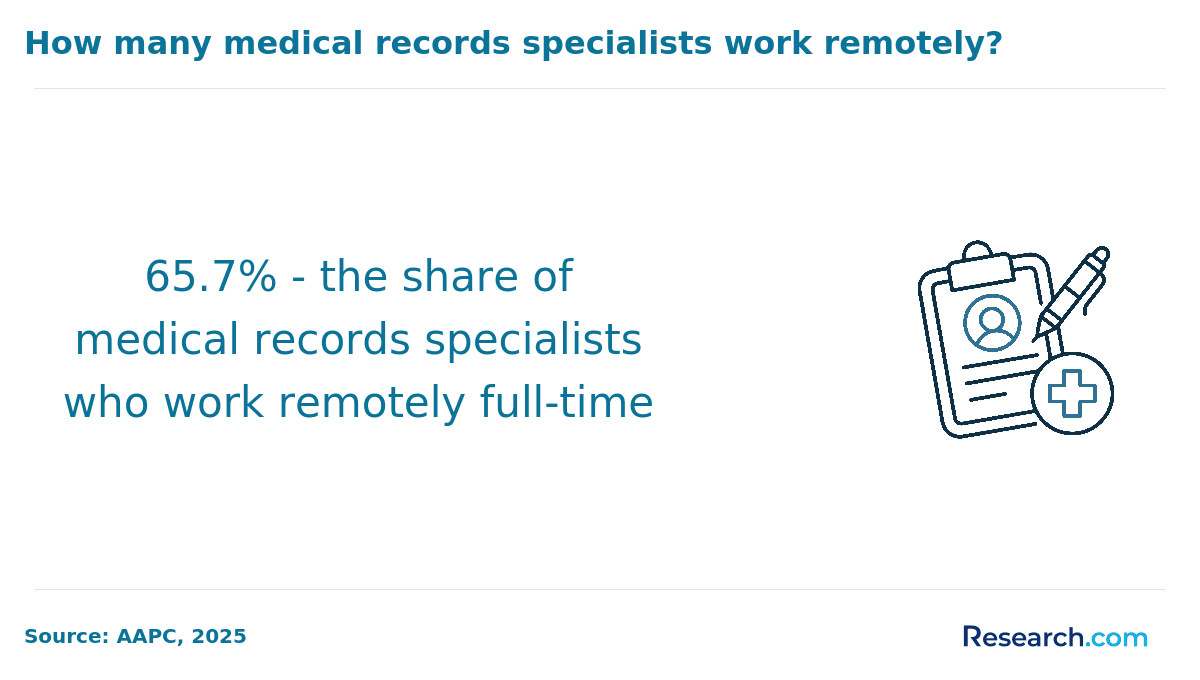
Medical billers and coders in Honolulu, HI are increasingly permitted to work from home, reflecting a broader shift toward remote employment in the healthcare administration sector. While not universally adopted by all employers, the trend toward telecommuting is gaining traction, with job listings showing over 6,400 remote or hybrid opportunities in the Honolulu area alone. This suggests a growing acceptance of flexible work arrangements, driven by advancements in digital health technologies and an emphasis on secure, accurate medical records management.
However, it is important to recognize that not all medical billing and coding positions may offer remote options. Some employers might still prefer onsite work due to specific operational needs or concerns about data security. As such, candidates should carefully research individual job requirements and company policies when considering remote roles.
To effectively perform medical billing and coding tasks from home, professionals generally need reliable equipment and software. Essential tools include a dependable computer, high-speed internet connection, and access to secure billing and coding systems. Familiarity with electronic health record (EHR) platforms and claims processing software is often necessary. More so, encrypted communication channels help ensure compliance with healthcare privacy regulations.
Success in a remote work environment depends on more than just technical setup. Maintaining a dedicated, distraction-free workspace is critical, as is staying organized through digital calendars and task management tools. Proactive communication with healthcare providers and colleagues supports workflow and accuracy. Continuous professional development, including keeping certifications current and engaging in ongoing training, further enhances remote work effectiveness.
While remote work for medical billers and coders in Honolulu is becoming more popular and accessible, prospective professionals should weigh both the opportunities and challenges. Adapting to evolving employer expectations and mastering both technical and self-management skills will be essential for those seeking to thrive in this flexible work model.
What Medical Billers & Coders Say About Their Careers in Honolulu, HI
Completing my medical billing and coding program at Hawaii Pacific University was a game-changer. The hands-on experience combined with the supportive faculty made learning enjoyable and effective. Working in Honolulu’s healthcare system allows me to contribute directly to the well-being of our diverse community, which means a lot to me. I love that my job offers both stability and the chance to keep growing professionally in a city that feels like home. - Kian
Studying medical billing and coding at Chaminade University gave me the skills I needed to enter a field that truly impacts people’s lives. I appreciate the quiet moments of reflection I get while working in Honolulu’s unique healthcare environment, where cultural sensitivity is essential. The career opportunities here are promising, and I feel proud knowing my work supports local clinics serving families and kupuna. It’s fulfilling to be part of something bigger than myself. - Lany
Attending the University of Hawaii at Manoa for my medical billing and coding certification opened doors I hadn’t imagined. Navigating the challenges of Honolulu’s healthcare billing landscape has sharpened my problem-solving skills and deepened my passion for accuracy and efficiency. The professional growth I’ve experienced is incredible, especially in such a vibrant city where healthcare is evolving constantly. I’m excited to see where this career path will take me next. - Dara
Related Articles for Nearby Cities
- 2027 How to Become a Medical Biller & Coder in San Francisco, CA: Education Requirements & Certification
- 2027 How to Become a Medical Biller & Coder in Oakland, CA: Education Requirements & Certification
- 2027 How to Become a Medical Biller & Coder in Fremont, CA: Education Requirements & Certification
- 2027 How to Become a Medical Biller & Coder in San Jose, CA: Education Requirements & Certification
- 2027 How to Become a Medical Biller & Coder in Stockton, CA: Education Requirements & Certification
- 2027 How to Become a Medical Biller & Coder in Sacramento, CA: Education Requirements & Certification
- 2027 How to Become a Medical Biller & Coder in Fresno, CA: Education Requirements & Certification
- 2027 How to Become a Medical Biller & Coder in Bakersfield, CA: Education Requirements & Certification
- 2027 How to Become a Medical Biller & Coder in Long Beach, CA: Education Requirements & Certification
- 2027 How to Become a Medical Biller & Coder in Los Angeles, CA: Education Requirements & Certification
References:
- AAPC (2025). 2025 Medical Coding and Billing Salary Report by Credential. Retrieved from https://www.aapc.com/resources/salary-by-credential?srsltid=AfmBOoqm0m7hdenQHuJsdhpUiBE2BzvdMIQ0tE8JwX6AyOEzodPM50Y-
- O*NET OnLine (n.d.). Hawaii Employment Trends 29-2072.00 - Medical Records Specialists. Retrieved from https://www.onetonline.org/link/localtrends/29-2072.00?st=HI
- US BLS (2025). Medical Records Specialists. Retrieved from https://www.bls.gov/ooh/healthcare/medical-records-and-health-information-technicians.htm#tab-5
- ZipRecruiter (2025). Medical Billing And Coding Specialist Salary in Honolulu, HI. Retrieved from https://www.ziprecruiter.com/Salaries/Medical-Billing-And-Coding-Salary-in-Honolulu,HI#Yearly
Other Things You Should Know About Being a Medical Biller & Coder in Honolulu, HI
To get certified as a medical biller and coder in Honolulu, HI in 2027, you'll typically need to complete a medical billing and coding education program. After that, you can obtain certification through organizations like the AAPC or AHIMA by passing their respective exams.
In Honolulu, HI, 2027, aspiring medical billers and coders typically need a high school diploma or equivalent. Post-secondary training through a certificate or associate’s degree program in medical billing and coding is recommended. Programs should include courses in medical terminology, coding systems, and healthcare regulations.


