
2027 How to Become a Nurse Practitioner in Honolulu, HI: Requirements & Salary

Co-Founder and Chief Data Scientist
Becoming a nurse practitioner in Honolulu, HI offers a potentially rewarding career path that combines clinical expertise with patient-centered care. The demand for nurse practitioners in Honolulu is influenced by the city’s diverse population and unique healthcare needs, which may provide varied professional experiences.
However, it is important to consider factors such as local licensing requirements and the cost of living when evaluating this career choice. This article aims to present a balanced overview, helping prospective students understand both the opportunities and challenges involved in pursuing nurse practitioner roles specifically within Honolulu’s healthcare landscape.
Key Points to Know About Becoming a Nurse Practitioner in Honolulu, HI
- Honolulu offers a positive job outlook for nurse practitioners, driven by a growing aging population and expanding healthcare needs, though competition remains moderate due to local education programs.
- The average salary for nurse practitioners in Honolulu typically exceeds the national average, reflecting the higher cost of living and demand for specialized healthcare services.
- Honolulu’s diverse population and unique healthcare challenges provide valuable clinical experience, making it a strategic location for nurse practitioner career development despite higher living expenses.
- What are the educational requirements to become a nurse practitioner in Honolulu, HI?
- Are there schools in Honolulu, HI that offer nurse practitioner programs?
- What skills do you need to become a nurse practitioner in Honolulu, HI?
- What are the requirements for a nurse practitioner in Honolulu, HI?
- What is the licensing process for nurse practitioners in Honolulu, HI?
- How long does it take to become a licensed nurse practitioner in Honolulu, HI?
- What continuing education options are available for nurse practitioners in Honolulu, HI?
- Are additional certifications beneficial for your nurse practitioner career in Honolulu, HI?
- How can nurse practitioners integrate mental health care into their practice in Honolulu, HI?
- Will a nurse practitioner license from Honolulu, HI allow you to work in other states?
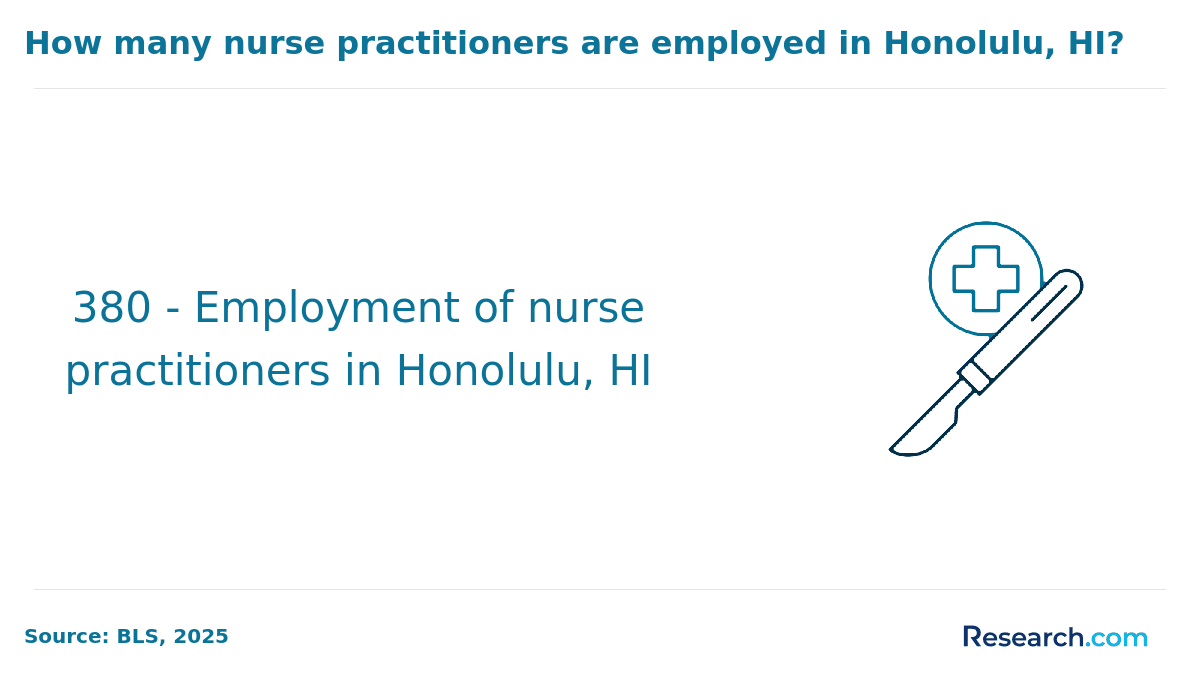
- How much do Honolulu, HI nurse practitioners earn?
- Is there a demand for nurse practitioners in Honolulu, HI?
- What ethical and legal guidelines should you observe as a nurse practitioner in Honolulu, HI?
What are the educational requirements to become a nurse practitioner in Honolulu, HI?
You need to complete several educational and licensure standards that align with national expectations but also reflect specific state requirements. Understanding these criteria is essential for those pursuing advanced nursing roles within the state.
The foundational step involves obtaining an active registered nurse (RN) license in Hawaii, which is granted after completing either an Associate’s Degree in Nursing (ADN) or a Bachelor of Science in Nursing (BSN) and passing the NCLEX-RN exam. From there, candidates must advance their education through graduate-level study.
- RN licensure in Hawaii: Candidates must hold a current, unencumbered license as a registered nurse in the state, typically earned by completing an ADN or BSN program and passing the NCLEX-RN.
- Graduate degree requirement: At least a master’s degree in nursing from an accredited nurse practitioner graduate program in Honolulu HI is mandatory. This program must be specifically designed to prepare nurses for direct patient care and approved by the Hawaii Board of Nursing.
- Clinical practicum: Graduate programs must include extensive supervised clinical practicum hours to ensure competency in advanced nursing practice, as Hawaii does not have a separate formal apprenticeship system.
- Coursework focus: The curriculum should cover advanced assessment, pharmacology, and therapeutic measures relevant to nurse practitioner roles. Programs emphasizing nursing administration or education are not accepted for NP licensure in Hawaii.
- National certification: Obtaining certification from a recognized national certifying body is a non-negotiable requirement.
Those interested in exploring further what requirements are needed to become a family nurse practitioner may find valuable information and guidance at what requirements are needed to become a family nurse practitioner. Meeting Hawaii nurse practitioner master’s degree requirements ensures that candidates are well-prepared for the responsibilities and challenges inherent to advanced nursing practice within the state.
Are there schools in Honolulu, HI that offer nurse practitioner programs?
Prospective students seeking nurse practitioner programs in Honolulu HI have access to three accredited institutions offering advanced nursing education tailored to diverse practice needs.
The University of Hawaii at Manoa provides a full-time, cohort-based Doctor of Nursing Practice (DNP) program with a Family Nurse Practitioner (FNP) track. This program spans three years with 77 credit hours, focusing on primary care across the lifespan and culturally responsive care for Hawaii’s varied populations, including rural and underserved communities.
- Hawai‘i Pacific University (HPU) offers an online Master of Science in Nursing—Family Nurse Practitioner (MSN-FNP) program that is CCNE-accredited and designed for working professionals. Tuition for this program typically falls between $800 and $1,100 per credit. HPU also provides post-master’s certificates in various nurse practitioner specialties, including psychiatric mental health, which can be further explored through resources detailing what does a psychiatric nurse practitioner do.
- Chaminade University of Honolulu offers a Doctor of Nursing Practice (DNP) degree aimed at preparing registered or advanced practice nurses for leadership and clinical roles. Although specific nurse practitioner tracks are not detailed, the curriculum supports pathways toward nurse practitioner certification.
What skills do you need to become a nurse practitioner in Honolulu, HI?
Becoming a nurse practitioner in Honolulu, HI requires a blend of advanced clinical expertise and an understanding of the unique healthcare needs of the region’s diverse population. The skill set goes beyond basic nursing competencies to include critical thinking and cultural sensitivity.
Key skills include:
- Advanced Clinical Assessment: You must be adept at conducting detailed physical exams and gathering comprehensive patient histories, including psychosocial factors, to accurately assess both physical and mental health conditions.
- Diagnostic Interpretation: You need strong analytical abilities to interpret diagnostic tests, such as lab results, imaging, and mental health screening tools, and combine them with clinical observations to form precise diagnoses.
- Pharmacological Management: You should have in-depth knowledge of medications, including dosages, side effects, and interactions, to prescribe and manage treatments such as psychotropics, pain medications, or neonatal drugs safely and effectively.
- Patient Education and Counseling: Strong communication skills are essential for educating patients and families about diagnoses, treatment plans, and medication adherence, as well as delivering therapies such as psychotherapy or grief counseling.
- Cultural Sensitivity and Adaptability: Practicing in Hawaii’s multicultural environment requires cultural awareness and flexibility to tailor approaches that respect patients’ diverse backgrounds and health beliefs.
- Leadership and Clinical Direction: As an NP you often lead care teams, mentor staff, and contribute to protocol development and quality improvement initiatives within your practice setting.
Moreover, cultural competence and adaptability are often highlighted as essential, given the rich ethnic diversity practitioners encounter. While not strictly technical, these qualities significantly enhance the effectiveness of care in the Hawaiian context.
What are the requirements for a nurse practitioner in Honolulu, HI?
Nurse practitioners seeking licensure in Honolulu, HI, must meet several specific criteria reflecting the state's distinct regulatory framework. Understanding these requirements is essential for anyone navigating the nurse practitioner licensure requirements in Honolulu HI.
- Active Hawaii RN license: Candidates must hold a registered nurse license issued by Hawaii, as multistate RN licenses from other states are not recognized.
- Passing required exams: Applicants must pass the NCLEX-RN or the State Board Test Pool Examination (SBTPE) if applying by endorsement from another state.
- Application to Hawaii Board of Nursing: This includes submitting a state-specific application along with primary source verification of credentials, such as official transcripts and national certification directly from certifying agencies.
- Biennial renewal: All nursing licenses, including those for advanced practice registered nurses, must be renewed by June 30 of every odd-numbered year, regardless of the original issuance date.
- Criminal background check and competency: Renewal requires a criminal history record check and proof of continuing competency, typically demonstrated through continuing education or clinical practice hours.
- Prescriptive authority application: APRNs wishing to prescribe medications must apply separately and submit additional qualification documentation.
These steps emphasize Hawaii’s commitment to maintaining rigorous standards, differing from many states by not participating in the enhanced Nurse Licensure Compact (eNLC). For those interested in further education to meet these standards, exploring what is the best BSN to NP degree program can provide valuable guidance. Navigating the advanced practice registered nurse application Honolulu process requires attention to detail, but with the right preparation, candidates can successfully meet these unique requirements.
What is the licensing process for nurse practitioners in Honolulu, HI?
If you are aiming to become a nurse practitioner in Honolulu, HI, understanding the licensing process is a critical step. This section breaks down the key requirements and steps involved in obtaining your Advanced Practice Registered Nurse (APRN) license in Hawaii, ensuring you're fully prepared to meet both state and national standards for practice.
- Application Submission: Candidates submit their application either in person or by mail, accompanied by nonrefundable fees. The Hawaii Board of Nursing accepts deliveries at both its physical downtown Honolulu office and its post office box address.
- Credential Verification: Nursing schools and national certifying bodies are required to send transcripts and specialty certifications directly to the Board. This primary source verification helps maintain the integrity of submitted documents.
- License Verification: Applicants must obtain verification for any current RN or APRN licenses held in other states to confirm good standing and absence of disciplinary actions.
- Criminal Background Check: Completion of fingerprinting through Fieldprint, Hawaii’s authorized fingerprinting service, is mandatory. Timing is crucial, as the application must be filed within 30 days of fingerprinting to prevent processing delays.
- Board Review: The Board of Nursing assesses all submitted materials and makes a final decision on licensure eligibility. Processing times and fees may vary depending on renewal cycles and other factors.
While these steps are essential for maintaining high professional standards, some candidates may find the requirements, particularly the primary source verifications and background checks, time-consuming and occasionally burdensome.
When discussing the licensing process with a nurse practitioner from Honolulu who graduated locally, the experience was described as rigorous but ultimately rewarding. “The background check was stressful because any delay there felt like it held up everything else,” they shared. They emphasized the importance of staying organized, noting that “getting transcripts and certification verifications lined up early made a big difference.”
Reflecting on the journey, they said, “It’s a challenge, but knowing it’s about ensuring quality care for our community makes it worthwhile.” This perspective highlights how the licensing process, while demanding, is integral to professional growth and public trust in Honolulu’s healthcare system.
How long does it take to become a licensed nurse practitioner in Honolulu, HI?
Becoming a licensed nurse practitioner in Honolulu, HI, involves a multi-step process that generally takes six to eight years, though individual timelines can vary. Understanding the nurse practitioner program length in Honolulu HI helps set realistic expectations for aspiring students.
- The first step is to become a registered nurse (RN), which requires completing either a two-year Associate Degree in Nursing (ADN) or a four-year Bachelor of Science in Nursing (BSN). Many prefer the BSN route as it can be more competitive for advanced practice programs.
- After passing the NCLEX-RN exam to earn RN licensure, candidates must complete a graduate-level program, often a Master of Science in Nursing (MSN) or Doctor of Nursing Practice (DNP). This typically takes two to four years depending on full-time or part-time enrollment.
- Graduate programs include clinical internship hours, usually between 500 and 700 hours of supervised practice, though this may vary by school and specialty.
- Once graduate and clinical requirements are met, candidates pursue national certification in their specialty and apply for APRN licensure in Hawaii, a process that can take additional months due to exam schedules and processing times.
Some students may accelerate the process through faster programs or heavier course loads, while others may take longer due to personal or work commitments. For those curious about the selection of programs, what are the easiest nurse practitioner degree programs to get into is a useful resource to explore options.
What continuing education options are available for nurse practitioners in Honolulu, HI?
Nurse practitioners can enhance their clinical expertise and leadership skills by engaging in accredited continuing education programs tailored to Honolulu’s unique healthcare environment. Various local institutions and online platforms offer courses focused on emerging medical practices, innovative patient care models, and evidence-based clinical advancements. Participation in workshops, seminars, and professional conferences not only supports state licensure renewal but also promotes interdisciplinary learning. For instance, exploring pathways such as how to become a pharmacist in Honolulu can provide additional perspectives that complement advanced nursing practice.
Are additional certifications beneficial for your nurse practitioner career in Honolulu, HI?
Expanding your qualifications through supplementary certifications can reinforce your clinical expertise and administrative proficiency, providing a competitive edge in Honolulu’s dynamic healthcare market. Specialized credentials, such as acquiring a medical biller and coder certification in Honolulu, can streamline practice management and foster interdisciplinary coordination, thereby enhancing overall service delivery.
How can nurse practitioners integrate mental health care into their practice in Honolulu, HI?
Nurse practitioners in Honolulu, HI can enhance patient outcomes by incorporating mental health care into their practice through strategic collaborations and targeted training. Leveraging interdisciplinary partnerships can provide a more comprehensive approach to patient wellness, especially in communities where mental health needs are rising. Practitioners may consider pursuing opportunities that expand their clinical strategies in behavioral health management without duplicating clinical roles. To support a smooth integration process, review the licensed therapist requirements in Honolulu for guidance on aligning complementary mental health services with advanced nursing practice.
Will a nurse practitioner license from Honolulu, HI allow you to work in other states?
Obtaining a nurse practitioner license in Honolulu, HI, does not grant automatic authorization to practice in other states. Hawaii does not participate in license reciprocity agreements for nurse practitioners, which means a Hawaii license is limited to that state alone.
For nurse practitioners wishing to work elsewhere, this requires applying for licensure by endorsement in each target state. Typically, this process involves submitting proof of the original Hawaii license, educational credentials, and national certification. Additional requirements may include state-specific background checks, continuing education mandates, or passing state law examinations.
This fragmented licensing landscape can pose challenges for those seeking multi-state practice flexibility. It underscores the importance of thoroughly investigating individual state regulations before pursuing employment outside Hawaii.
- Licensure by endorsement is a common pathway for Hawaii-licensed nurse practitioners moving to new states.
- Each state may impose unique requirements beyond basic verification of credentials.
- The absence of reciprocity highlights the complexity of interstate practice for nurse practitioners.
How much do Honolulu, HI nurse practitioners earn?
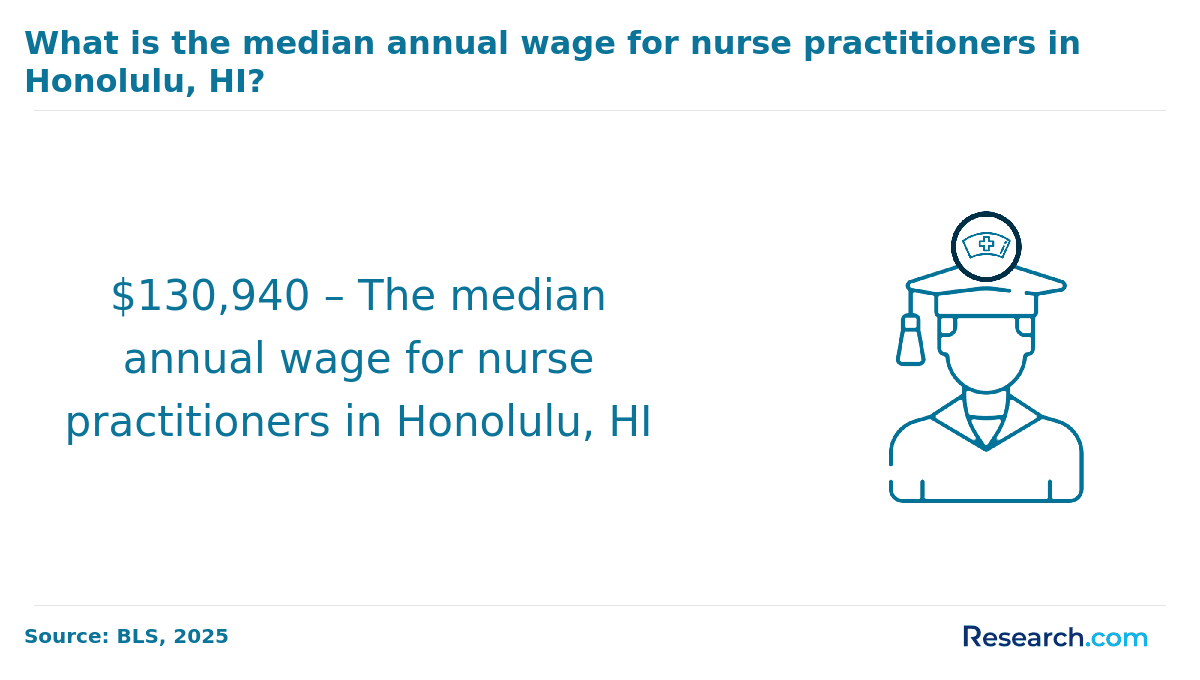
Nurse practitioners (NPs) in Honolulu, HI, receive salaries that are generally competitive within the healthcare industry. The typical annual pay hovers around $135,000, with some sources noting ranges from about $128,000 up to nearly $137,000.
When additional compensation like bonuses and benefits is included, total earnings can approach $164,000, positioning Hawaii among the states offering higher wages for this role.
It is important to recognize that these numbers can fluctuate due to multiple factors influencing pay:
- Experience: New NPs with less than a year in the field tend to earn closer to $127,000, while those with more tenure or specialized credentials might see salaries exceeding $143,000 annually.
- Specialization: The nurse practitioner’s area of focus—whether family care, acute care, or psychiatric health—may affect compensation, though specific data for Honolulu by specialty is sparse.
- Work Environment: Compensation can also vary depending on whether an NP works in a hospital, private practice, or community clinic, reflecting differences in job demands and resources.
While averages offer a helpful snapshot, individual NP salaries in Honolulu result from the interplay of experience, specialty, and employer characteristics, suggesting a nuanced landscape rather than a one-size-fits-all figure.
Is there a demand for nurse practitioners in Honolulu, HI?
There is clear evidence of strong demand for nurse practitioners in Honolulu, HI, with numerous open positions across specialties such as general surgery, urgent care, internal medicine, and psychiatric-mental health.
Salaries are competitive, often ranging from $140 to $160 per hour, reflecting the high cost of living and employer efforts to attract qualified candidates. The job market remains robust, with at least 93 recent nurse practitioner jobs statewide, many concentrated in Honolulu.
Demand varies by specialization; urgent care and internal medicine clinics currently show immediate openings, while neonatal, psychiatric, and travel nurse practitioner roles also appear, indicating diverse but uneven opportunities.
Local factors like hospital capacity and population health needs influence these trends, despite national projections forecasting strong overall growth in nurse practitioner employment. Those evaluating their options may also consider how are online psychiatric nurse practitioner programs affordable as part of their career planning.
Prospective students should research the nurse practitioner employment outlook Honolulu HI to understand how local market conditions could impact their job prospects and specialization choices.
Similarly, understanding the nurse practitioner job demand in Honolulu HI helps clarify where opportunities are concentrated and how competition might vary by area of practice.
What ethical and legal guidelines should you observe as a nurse practitioner in Honolulu, HI?
Nurse practitioners (NPs) working in Honolulu, HI, must comply with detailed ethical and legal standards outlined by Hawaii’s Nurse Practice Act and administrative regulations. These rules are intended to promote safe, ethical, and professional nursing care, but it is important to consider how local adaptations may differ somewhat from national models.
Key ethical and legal obligations for NPs include:
- Scope of Practice: NPs must deliver care strictly within their education, training, and certification limits, ensuring that services align with their verified competencies and specialties.
- Confidentiality and Privacy: Maintaining patient information security in compliance with both state and federal privacy laws is essential.
- Professional Integrity: Clinical interactions require honesty and adherence to ethical conduct to uphold trust and accountability.
- Background Checks: Licensing mandates completion of criminal history screenings, including electronic fingerprint submissions for federal and state checks.
- Continuing Competency: Ongoing education and skill validation are necessary to practice safely and meet evolving standards.
- Delegation and Supervision: NPs must delegate only appropriate tasks to unlicensed personnel, avoiding delegation of clinical decisions or treatments reserved for licensed nurses.
- Regulatory Alignment: Hawaii’s regulations are influenced by the National Council of State Boards of Nursing Model Act but include state-specific modifications that the Hawaii Board of Nursing justifies explicitly.
What do licensed nurse practitioners in Honolulu, HI say about their careers?
Completing my nurse practitioner program at the University of Hawaii at Manoa truly prepared me for the unique healthcare challenges in Honolulu. Starting my career in a busy local hospital, I quickly learned the importance of cultural sensitivity and community-focused care. The diverse patient population here has deepened my passion for holistic healing and preventive medicine. Living and working in such a vibrant city continuously motivates me to grow both personally and professionally while making a meaningful difference. - Reina
Graduating from Chaminade University opened doors to incredible opportunities within Honolulu’s healthcare system. Beginning as a nurse in a local healthcare facility helped me develop a strong foundation in clinical skills and patient communication. What I appreciate most is how my work directly impacts the well-being of the island community, blending modern medicine with respect for local traditions. This career path has been both a rewarding challenge and a source of continual learning. - Alisa
My education at Hawaii Pacific University gave me the professional edge needed to thrive as a nurse practitioner in Honolulu. Working in a hospital here, I’ve gained invaluable experience managing diverse cases while embracing the island’s unique healthcare environment. The balance of professional advancement and community connection fuels my commitment to serve with empathy and expertise. Honolulu’s natural beauty and cultural richness inspire me every day to contribute positively to my patients’ lives. - Elena
Related Articles for Nearby Cities
- 2027 How to Become a Nurse Practitioner in San Francisco, CA: Requirements & Salary
- 2027 How to Become a Nurse Practitioner in Oakland, CA: Requirements & Salary
- 2027 How to Become a Nurse Practitioner in Fremont, CA: Requirements & Salary
- 2027 How to Become a Nurse Practitioner in San Jose, CA: Requirements & Salary
- 2027 How to Become a Nurse Practitioner in Stockton, CA: Requirements & Salary
- 2027 How to Become a Nurse Practitioner in Sacramento, CA: Requirements & Salary
- 2027 How to Become a Nurse Practitioner in Fresno, CA: Requirements & Salary
- 2027 How to Become a Nurse Practitioner in Bakersfield, CA: Requirements & Salary
- 2027 How to Become a Nurse Practitioner in Long Beach, CA: Requirements & Salary
- 2027 How to Become a Nurse Practitioner in Los Angeles, CA: Requirements & Salary
References:
- Barton Associates. (n.d.). Nurse Practitioner Guide to Locum Tenens Jobs in Hawaii. Barton Associates
- Chaminade University. (n.d.). Doctor of Nursing Practice. Chaminade University
- Felician University. (2024). 7 Essential NP Skills. Felician University
- Hawaii Pacific University. (2023). How Long Is Nurse Practitioner School? HPU
- Lee, S. (2025). Mastering Nurse Practitioner Skills. Number Analytics
- Maryville University. (2023). 5 Skills Necessary to Succeed as an NP. Maryville University
- NursePractitionerLicense.com. (2024). Hawaii Nurse Practitioner Licensure Steps. NursePractitionerLicense.com
- Regis University. (n.d.). 10 Skills of a Nurse Practitioner. Regis University
- Rockhurst University. (2025). 10 Essential Nurse Practitioner Skills. Rockhurst University
- Zippia. (2025). Nurse Practitioner Education Requirements. Zippia
Other Things You Should Know About Becoming a Nurse Practitioner in Honolulu, HI
The fastest way to become a nurse practitioner in Honolulu, HI, typically involves enrolling in an accelerated Master of Science in Nursing (MSN) or Doctor of Nursing Practice (DNP) program designed for students with a non-nursing bachelor's degree. Honolulu offers several such programs that condense coursework into 12 to 18 months, enabling quicker entry into the field.
However, these programs still require clinical hours, which cannot be bypassed through internships alone due to state licensing requirements. While some may seek direct clinical experience, formal education combined with supervised practice remains essential in Hawaii for licensing as a nurse practitioner.
In 2027, nurse practitioners in Honolulu, HI, must obtain national certification through recognized bodies such as the ANCC or AANP after completing their education. Additionally, they must secure an APRN license from the Hawaii Board of Nursing to practice legally in the state.
In 2027, a foreign-trained nurse can become a nurse practitioner in Honolulu by obtaining a U.S. nursing license, completing a nurse practitioner program accredited by U.S. agencies, and passing the national certification exam required by Hawaii. They must also meet any state-specific requirements.
After completing a nurse practitioner program in Honolulu, HI, individuals must obtain national certification from organizations like the American Nurses Credentialing Center (ANCC) or the American Association of Nurse Practitioners (AANP) Board. This is required to apply for state licensure to practice as a nurse practitioner in Hawaii.


