
2027 Certified Nurse Aide (CNA) License Education Requirements in Pennsylvania

Co-Founder and Chief Data Scientist
In Pennsylvania, pursuing a Certified Nurse Aide (CNA) license offers a promising pathway into the healthcare field, with over 45,000 active CNAs statewide supporting patient care. The demand for CNAs is steadily growing due to an aging population, making certification a valuable credential that opens doors to stable employment and career advancement. Aspiring CNAs must complete specific education and training requirements that ensure competence and readiness to assist patients effectively.
This article, prepared by experts in career planning, outlines the essential education requirements to obtain a CNA license in Pennsylvania. It will equip you with clear, reliable information about the process, helping you understand how to navigate the steps needed to achieve certification and enter this rewarding profession.
Key Things to Know About CNA License Education Requirements in Pennsylvania
- Complete a state-approved training program with at least 75 hours of combined classroom and clinical instruction to meet Pennsylvania's strict education standards.
- Pass the Pennsylvania Nurse Aide Competency Exam, which includes both written and practical components, ensuring readiness for real-world patient care.
- Maintain ongoing education and state registry enrollment to support career growth in Pennsylvania's expanding healthcare workforce, projected to grow 12% by 2028.
- What are the education requirements to become a CNA in Pennsylvania?
- What subjects are taught in CNA classes in Pennsylvania?
- What steps are required to get a CNA license in Pennsylvania?
- How long does it take to receive a CNA license in Pennsylvania?
- How often do you need to renew your CNA license in Pennsylvania?
- What continuing education is required for CNAs in Pennsylvania?
- Can out-of-state CNAs transfer their license to Pennsylvania?
- Which employers hire newly certified nurse aides in Pennsylvania?
- What is the average salary for CNAs in Pennsylvania?
- How can CNAs in Pennsylvania advance to higher nursing roles?
- What are the emerging career opportunities for CNAs in Pennsylvania?
What are the education requirements to become a CNA in Pennsylvania?
Formal education and training lay the foundation for Certified Nurse Aides (CNAs) to provide compassionate and competent care within Pennsylvania's diverse healthcare settings. These requirements not only equip aspiring CNAs with essential skills but also uphold patient safety and trust in clinical environments. To meet the CNA certification requirements in Pennsylvania, candidates must fulfill several key educational and practical components.
Below are the typical minimum education and training requirements:
- Completion of a State-Approved CNA Training Program in Pennsylvania: Candidates must finish a training course approved by the Pennsylvania Department of Education. These programs offer at least 120 hours combining classroom lessons, skills laboratories, and supervised clinical practice to build both knowledge and hands-on proficiency.
- High School Diploma or GED: Most training programs and employers require a high school diploma or equivalent. This educational background is critical for effective communication and understanding complex healthcare concepts during training.
- Minimum Age Requirement: While candidates can begin programs at 16, many facilities require them to be 18 for employment and clinical rotations, reflecting the maturity needed for patient care responsibilities.
- Criminal Background Clearance: Applicants must pass a state-level background check and, if necessary, an FBI clearance. These safeguards protect vulnerable patients and maintain regulatory compliance.
- Physical Examination and Health Screenings: A physical exam and tuberculosis test ensure candidates are healthy and do not pose risks in clinical settings.
- Completion of Clinical Training: Hands-on experience under supervision allows candidates to apply their skills in real healthcare environments, boosting confidence and competence.
- Passing the State Competency Examination: The final hurdle is passing a comprehensive written and skills test to be listed on the Pennsylvania Nurse Aide Registry legally.
For those exploring career options, understanding the differences between FNP C and FNP BC certification can offer valuable insights into advanced nursing roles beyond CNA certification.
What subjects are taught in CNA classes in Pennsylvania?
CNA training programs in Pennsylvania are thoughtfully designed to equip students with the essential knowledge and hands-on skills necessary to provide compassionate, high-quality care. These programs blend classroom learning with practical experience, ensuring nurse aides are confident and competent in real-world healthcare settings. Below is an overview of the key nurse aide training subjects Pennsylvania students will encounter in their journey.
- Basic Nursing Skills: Students master critical care techniques such as bathing, dressing, feeding, toileting, and mobility assistance. These foundational skills enable CNAs to support patients' daily physical needs safely and effectively.
- Anatomy and Physiology: This subject introduces the structure and function of the human body, helping CNAs understand patient conditions and communicate clearly with medical staff.
- Infection Control: Training focuses on hand hygiene, use of protective equipment, and sanitation protocols. Preventing infection protects both patients and healthcare workers, especially in long-term care facilities.
- Communication and Interpersonal Skills: Effective communication techniques are taught to build respectful relationships with patients, families, and healthcare teams, promoting comfort and accurate information exchange.
- Patient Safety and Emergency Procedures: Students learn to prevent accidents, conduct safe patient transfers, use equipment properly, and respond to emergencies, including performing the Heimlich maneuver when needed.
- Resident Rights and Legal/Ethical Responsibilities: Understanding patients' rights, privacy laws, and ethical considerations prepares CNAs to advocate for and protect those under their care.
- Nutrition and Hydration: This topic covers dietary needs, feeding methods, and monitoring intake, which are vital for maintaining patient health and aiding recovery.
- Personal Care Skills: Instruction includes grooming, oral hygiene, skin care, and toileting assistance, all crucial for preserving patient dignity and preventing complications.
- Psychosocial and Behavioral Health: Students explore emotional and cognitive needs, including care for dementia patients, fostering compassionate and informed support.
- Restorative Care and Rehabilitation: Techniques for helping patients regain independence through mobility exercises and assistive devices are emphasized to improve their quality of life.
- Care of Cognitively Impaired Clients: Special strategies are taught for managing behaviors and providing respectful care to patients with Alzheimer's and other cognitive challenges.
Pennsylvania's CNA course curriculum emphasizes these diverse subjects to build a well-rounded skill set. If you're curious about related healthcare roles or wondering how long does it take to become a forensic nurse, this comprehensive training model highlights the depth of preparation required for effective patient care.
What steps are required to get a CNA license in Pennsylvania?
Completing the CNA licensing process in Pennsylvania ensures that every nurse aide is prepared to deliver safe, compassionate, and competent care. By meeting state standards, CNAs protect patient welfare and uphold the trust placed in healthcare professionals. Here are the essential steps to earn your CNA license in Pennsylvania.
- Complete a State-Approved CNA Training Program: Enroll in a program approved by the Pennsylvania Department of Education that includes at least 75 hours of training. This blends classroom instruction on patient rights and basic care with hands-on clinical practice, laying a strong foundation for your career.
- Pass the Pennsylvania CNA Competency Exam: After training, successfully pass a two-part exam including a written or oral test and a skills demonstration. This ensures you can apply knowledge and perform key tasks confidently in real healthcare settings.
- Undergo a Criminal Background Check: Submit to a background screening as required by law to safeguard vulnerable patients and maintain ethical standards in healthcare.
- Apply for State Certification and Registry Listing: Register with the Pennsylvania Nurse Aide Registry by submitting proof of training and exam completion. Being listed legally qualifies you to work as a CNA in Pennsylvania.
- Maintain Certification through Continuing Education and Employment: Renew your certification every two years by working for at least eight paid hours and completing 12 in-service education hours annually. This keeps your skills current and your license active.
How long does it take to receive a CNA license in Pennsylvania?
The total time it takes to become a licensed certified nurse aide (CNA) in Pennsylvania can vary widely based on several key factors. These include the duration of the training program you choose, how quickly you can schedule and take the certification exam, and the time the state requires to process all final paperwork. Each step involves different timelines that may shift depending on availability and administrative requirements.
Typically, CNA training programs in Pennsylvania last between three and six weeks, depending on whether they are full-time or part-time. After completing your instruction, which often meets or exceeds 80 hours, you must successfully pass the National Nurse Aide Assessment Program exam. Scheduling this exam may add another one to three weeks.
Once passed, submitting your information to the Pennsylvania Nurse Aide Registry can take anywhere from a few days up to two weeks before you receive your official license. It is also important to consider potential delays caused by background checks or paperwork processing. Most candidates complete all steps within six to ten weeks, but timing may vary based on individual circumstances.
When speaking with a certified nurse aide from Pennsylvania who graduated from a local school, he reflected on his journey with a mix of patience and pride. "After finishing the training quickly, I thought the hardest part was over, but scheduling the exam took a couple of weeks more than I expected," he shared.
Navigating the registry process and waiting for background check clearance added some anxious days. Still, he valued the thoroughness, noting, "This wait made me appreciate the responsibility of the role even more." His experience showed that while the timeline can feel long at times, it is manageable with perseverance and focus.
How often do you need to renew your CNA license in Pennsylvania?
Renewing your Certified Nurse Aide (CNA) license in Pennsylvania is a vital step to maintain your certification, ensure your skills stay sharp, and meet the state's healthcare standards. The renewal process verifies that you remain an active and competent professional, ready to provide high-quality care in various healthcare settings. Knowing the specific Pennsylvania CNA license renewal period and requirements helps you stay on track with your career goals. Here are the key details you need to know:
- Renewal Cycle Duration: The Pennsylvania CNA license renewal period occurs every two years. This biennial timeline ensures regular assessment of your professional engagement and competency in the field, so you remain up to date with current healthcare practices.
- Continuing Education Requirements: You must complete at least 24 hours of continuing education within each two-year cycle. These hours keep you informed of new regulations and patient care advancements, helping you provide safe and effective support to those in your care.
- Minimum Work Hour Requirement: To meet the CNA license renewal requirements in PA, you need to have worked at least 8 hours as a certified nursing assistant over the past 24 months. This ensures you maintain practical, hands-on experience necessary for quality care delivery.
- Renewal Application Process: The Pennsylvania Department of Health offers an efficient online renewal through the Nurse Aide Registry. You'll need to submit proof of your continuing education and verify your employment to successfully renew your license before the expiration date.
- Consequences of Late Renewal: If you miss the renewal deadline, your certification will be deactivated, and practicing becomes illegal. Reinstatement often requires additional training or retesting, so timely renewal is crucial to avoid interruptions in your professional journey.
For those considering expanding their healthcare qualifications, exploring acute care nurse practitioner programs online can be a valuable next step.
What continuing education is required for CNAs in Pennsylvania?
Continuing education is essential for certified nurse aides (CNAs) in Pennsylvania to maintain their licenses and provide the highest standard of patient care. Staying current with healthcare advances and evolving practices empowers CNAs to adapt confidently to new challenges and contribute effectively within their teams. The following points summarize the key aspects of CNA continuing education requirements in Pennsylvania.
- License Renewal Requirements: CNAs must perform at least 8 hours of nursing or nursing-related duties every 24 months to meet in-service requirements. This ongoing engagement ensures skills remain fresh and relevant to patients' needs.
- Approved Training Topics: Training programs typically cover essential areas such as residents' rights, abuse prevention, and fundamental nursing skills. These subjects foster a safe and respectful care environment, which is critical to both patient well-being and professional development.
- Course Formats: Pennsylvania allows flexibility with continuing education formats, enabling CNAs to complete courses online or in-person. This adaptability supports diverse learning preferences and busy schedules, making it easier to fulfill Pennsylvania nurse aide renewal training.
- Recordkeeping Expectations: Both CNAs and their employers are responsible for maintaining documentation of completed training and in-service hours. These records verify compliance during license renewal and facility audits, reinforcing accountability.
For those considering advancing their nursing career beyond CNA certification, exploring the easiest nurse practitioner degree program to get into can offer a valuable pathway to increased responsibility and impact in healthcare.
Can out-of-state CNAs transfer their license to Pennsylvania?
Pennsylvania welcomes certified nurse aides (CNAs) from other states by allowing them to transfer their licenses through a process called reciprocity. To qualify, CNAs must hold an active, unencumbered license from their home state. The Commonwealth does not require background checks, fingerprinting, or employer verification as part of this streamlined approach, making the transition smoother for relocating CNAs.
The transfer is fully online via the CNA365 platform, where applicants create an account, upload their current license, and submit their reciprocity request without any application fees. Importantly, no additional exams or testing are required if the original certification is active. Although processing times vary, the online system allows applicants to track their approval status easily.
A certified nurse aide from Pennsylvania, who graduated from a local CNA training program, shared her experience about an out-of-state colleague attempting the transfer. She noted how relieved her colleague was that the process "was completely digital and straightforward" compared to other states that required multiple verifications and fees.
She recalled her colleague saying, "I felt welcomed and didn't have to repeat the whole testing process, which eased my anxiety." This personal insight highlights the state's supportive approach in integrating skilled CNAs into its healthcare system efficiently.
Which employers hire newly certified nurse aides in Pennsylvania?
Newly certified nurse aides in Pennsylvania have a variety of employment opportunities across multiple healthcare settings that focus on direct patient care and supporting licensed nursing staff. The strong demand for entry-level CNAs reflects the state's ongoing need for quality care in both long-term and acute care environments.
- Hospitals: Hospitals frequently hire new CNAs to assist with monitoring patients' vital signs, aiding with daily activities, and supporting nursing staff across various units. These settings offer new graduates exposure to diverse clinical experiences and fast-paced care environments.
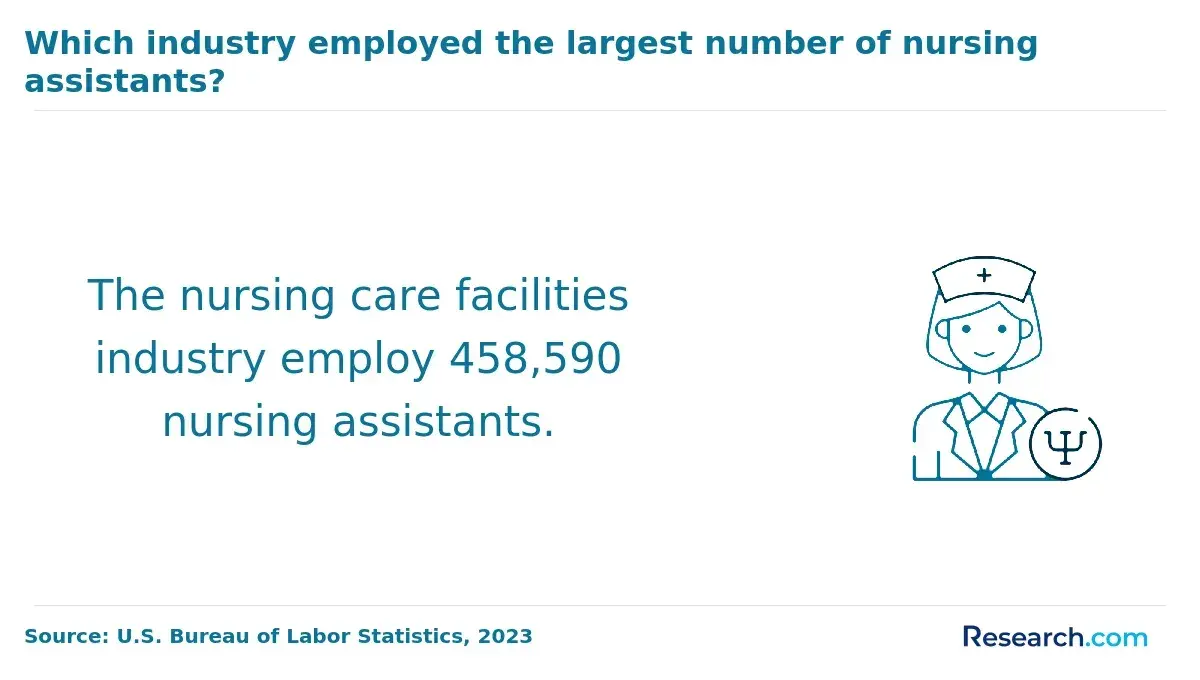
- Nursing Homes and Long-Term Care Facilities: CNAs in nursing homes provide vital assistance with bathing, feeding, and mobility for elderly residents and those with chronic illnesses. These facilities are major employers due to Pennsylvania's sizable senior population and ongoing need for consistent, compassionate care.
- Assisted Living Communities: Assisted living communities employ CNAs to deliver personal care, medication reminders, and help with daily tasks, often valuing the interpersonal skills and patience new CNAs bring to foster residents' independence.
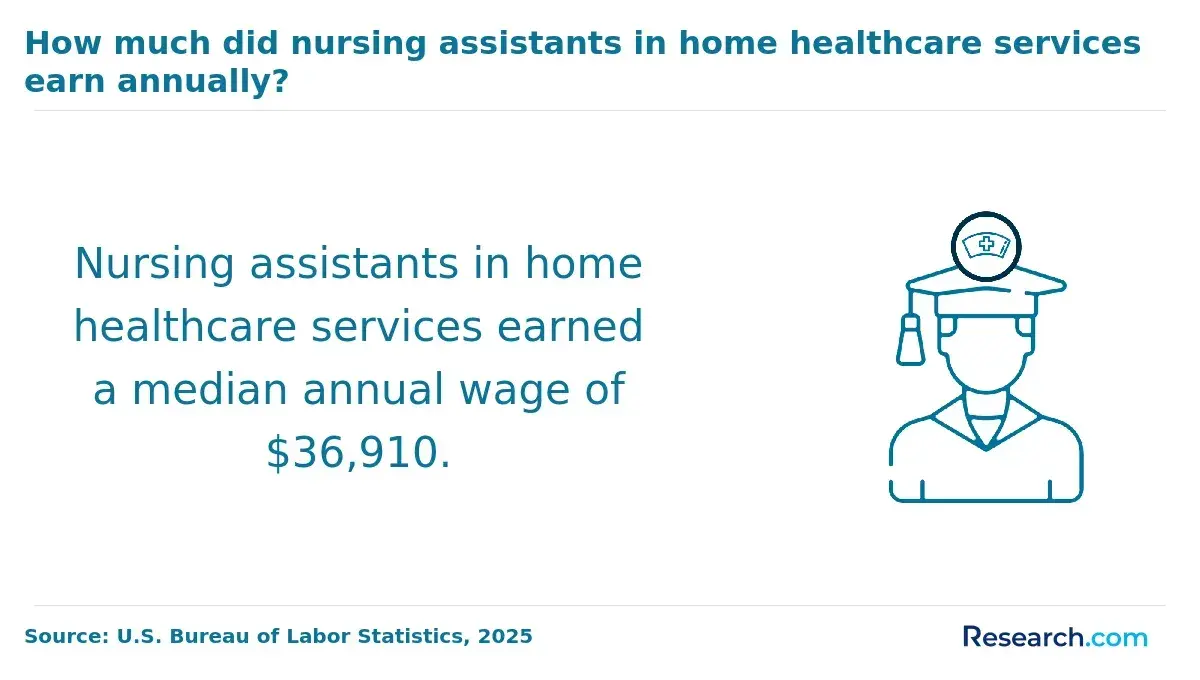
- Home Health Agencies: Home health agencies hire CNAs to provide one-on-one care in patients' homes, assisting with hygiene, light housekeeping, and monitoring health status. This setting offers flexible schedules and opportunities to develop autonomy for newly certified aides.
- Rehabilitation Centers: Rehabilitation centers rely on CNAs to support patients recovering from injury or surgery by helping with mobility exercises and care plan implementation. These employers appreciate the adaptability and eagerness of new CNAs to learn specialized care techniques.
What is the average salary for CNAs in Pennsylvania?
Salaries for certified nurse aides in Pennsylvania vary widely, influenced by factors such as experience, work environment, and geographic location. Knowing how much do CNAs make in Pennsylvania helps those in the field plan their career growth and identify job settings that align with their financial goals. By exploring these salary trends, CNAs can make informed decisions on where to focus their efforts. Below are essential insights to consider.
- Average Hourly and Annual Pay: The average CNA salary in Pennsylvania is approximately $20.11 per hour, which amounts to about $41,835 annually. Other estimates show salaries closer to $36,965 per year, with most CNAs earning between $33,702 and $40,870, reflecting variation depending on data sources.
- Pay Variation by Experience Level: Entry-level CNAs usually start near $16.39 per hour, representing the 25th percentile, while experienced CNAs can earn around $22.64 per hour at the 75th percentile. Specialized skills and additional certifications may increase hourly wages to $26 or higher.
- Differences Across Healthcare Facilities: Those working in hospitals and veterans' health facilities tend to earn more, with veterans hospital CNAs averaging $48,347 annually. In contrast, CNAs in nursing homes or home health agencies often receive lower pay closer to the entry-level range.
- Regional Pay Trends Within Pennsylvania: Urban centers such as Philadelphia and Pittsburgh typically offer higher CNA wages due to higher living costs, while rural areas fall on the lower end. Despite this, the state ranks near the bottom nationally for CNA pay.
- Additional Factors Influencing Earnings: Employer demand, shift differentials, overtime, union representation, and extra responsibilities affect pay significantly. CNAs who expand their skills or work agency shifts often see increased income. Limited market activity in the state may affect wage growth and bargaining leverage.
For CNAs planning their next career steps, exploring opportunities such as the list of most affordable online NP programs can provide pathways to further advancement and improved earnings potential.
How can CNAs in Pennsylvania advance to higher nursing roles?
Many certified nurse aides (CNAs) in Pennsylvania use their foundational healthcare experience as a stepping stone toward more advanced nursing careers. Progression in this field often requires further education, certification, and hands-on clinical training to develop new skills and increase responsibilities. Below are common career advancement paths for CNAs in Pennsylvania, highlighting education requirements, training duration, and potential salary increases.
- Restorative Aide or Medication Aide: CNAs can obtain specialized certifications involving a few months of training and costs between $300 and $1,500. These roles provide moderate salary increases and enhanced clinical experience by assisting with patient mobility or medication administration.
- Lead Certified Nursing Assistant: With experience and leadership training costing between $500 and $2,000, CNAs can advance to lead roles overseeing care teams, earning higher wages and gaining supervisory responsibilities.
- Licensed Practical Nurse (LPN): Enrolling in a state-approved LPN program, usually lasting about one year and costing $5,000 to $15,000, allows CNAs to achieve licensure by passing the NCLEX-PN exam with substantial salary improvement.
- Registered Nurse (RN): CNAs may pursue an ADN (2 years) or BSN (4 years), with tuition ranging from $10,000 to $100,000, followed by the NCLEX-RN exam. RNs have expanded duties and often earn well over $75,000 annually.
- Other Allied Health Professions: CNAs might explore roles such as physical therapy or occupational therapy assistant by completing specialized associate's or bachelor's degree programs, with variable training times and salary prospects.
What are the emerging career opportunities for CNAs in Pennsylvania?
As the healthcare landscape evolves, CNAs in Pennsylvania can enhance their career trajectory by pursuing niche certifications and specialized training that align with interdisciplinary care models. Expanding skill sets to include advanced tasks can lead to roles in supervisory positions, team coordination, and integrated patient management. For example, acquiring competencies in medical assisting through programs that detail how to become a medical assistant in Pennsylvania can diversify a CNA’s expertise and offer a pathway into broader clinical functions. This strategic diversification not only meets the rising demand for multifaceted healthcare professionals but also positions CNAs to leverage industry innovations and evolving patient care methodologies.
What do CNAs in Pennsylvania say about their career?
- Javier: "Completing my CNA program at Keystone Health Academy was a rewarding challenge that opened many doors for me. Starting my career working in a local school environment allowed me to combine my passion for healthcare with my love for helping children. The job stability in Pennsylvania's education system gave me peace of mind, and every day I feel like I'm making a real difference in the lives of young students. I appreciate that Pennsylvania values professional development, which motivates me to continue learning and growing in this field."
- Shanice: "Training at Liberty Training Institute was the first significant step in a journey that reshaped my outlook on nursing and community care. Working as a certified nurse aide in a school setting enriches me both personally and professionally. The experience has strengthened my communication skills and deepened my empathy, especially given the unique health challenges many children face in Pennsylvania. This career path has truly allowed me to contribute positively to the well-being of my community, and I feel proud of the impact I've made so far."
- Marcus: "Attending Allegheny Nurse Academy gave me the technical skills I needed, but the real growth came from serving as a CNA in a local school. Pennsylvania's diverse populations and the blend of urban and rural settings have presented unique challenges that keep me engaged and evolving as a professional. I value the ongoing professional development opportunities here and the chance to advance my career within the healthcare system. Helping students manage their health has become both a passion and a rewarding responsibility."
Related Articles for Nearby States
- 2027 Certified Nurse Aide (CNA) License Education Requirements in New Jersey
- 2027 Certified Nurse Aide (CNA) License Education Requirements in Delaware
- 2027 Certified Nurse Aide (CNA) License Education Requirements in Maryland
- 2027 Certified Nurse Aide (CNA) License Education Requirements in New York
- 2027 Certified Nurse Aide (CNA) License Education Requirements in West Virginia
- 2027 Certified Nurse Aide (CNA) License Education Requirements in Ohio
- 2027 Certified Nurse Aide (CNA) License Education Requirements in Virginia
- 2027 Certified Nurse Aide (CNA) License Education Requirements in Connecticut
- 2027 Certified Nurse Aide (CNA) License Education Requirements in Rhode Island
- 2027 Certified Nurse Aide (CNA) License Education Requirements in Massachusetts
References
- CNA Certification Expired or Needs Renewal in 2022? | FAQs | CynaMed https://cynamed.com/faq/cna-certification-expired-or-needs-renewal-in-2022-lets-get-back-on-track/
- Certified Nursing Assistant Salary in Pennsylvania (October 01, 2025) | Salary.com https://www.salary.com/research/salary/benchmark/certified-nursing-assistant-salary/pa
- Nurse Aide Training | Bucks County Community College https://www.bucks.edu/healthcare/nurse-aide/
- What is the fastest way to be a CNA nursing assistant in Pennsylvania? https://www.carebridgeacademy.com/what-is-the-fastest-way-to-be-a-cna-nursing-assistant-in-pennsylvania/
- Nurse Aide | Department of Labor and Industry | Commonwealth of Pennsylvania https://www.pa.gov/agencies/dli/programs-services/disability-and-vocational-rehabilitation/cti-at-hgac/programs/healthcare/nurse-aide
- CNA Classes & Programs in Pennsylvania https://www.registerednursing.org/certified-nursing-assistant/programs/pennsylvania/
- In-demand job: Certified nursing assistant - WorkingNation https://workingnation.com/in-demand-job-certified-nursing-assistant/
- Pennsylvania CEU Requirements | CEUfast https://ceufast.com/staterequirements/pennsylvania
- How Long is a CNA License Good for in Pennsylvania? - CNA Classes in Pittsburgh https://cnaclassespittsburgh.com/how-long-is-a-cna-license-good-for-in-pennsylvania/
- Average Certified Nursing Assistant Salary in Pennsylvania https://www.vivian.com/cna/pennsylvania/salary/
Other Things You Should Know About Certified Nurse Aide (CNA) License Education Requirements in Pennsylvania
To obtain a CNA license in Pennsylvania in 2027, you must complete a state-approved nurse aide training program, which includes at least 80 hours of instruction, and pass the Pennsylvania Nurse Aide Competency Examination, both the written and skills sections.
To renew an expired Certified Nurse Aide (CNA) license in Pennsylvania, individuals must complete the state-mandated renewal process, which typically includes submitting a renewal application and paying the required fee. If the license has been expired for more than two years, CNAs are usually required to retake the competency evaluation or complete additional training to reinstate their certification. It is important to check with the Pennsylvania Department of Health or the state's Nurse Aide Registry for specific details and deadlines. Maintaining current certification ensures compliance with state regulations and continued eligibility for employment in healthcare settings.
In Pennsylvania, aspiring CNAs must have at least a high school diploma or equivalent in 2027 to enroll in a state-approved nurse aide training program. This educational requirement ensures candidates possess the foundational skills necessary for CNA responsibilities.


