
2027 How to Become a Mechanic in Utah: Requirements & Certification

Co-Founder and Chief Data Scientist
Recent data indicates that Utah faces a growing shortage of skilled automotive mechanics, with demand expected to increase by over 10% in the next decade. Many individuals interested in this field struggle to understand the specific steps and qualifications required to enter the profession within the state.
This article, prepared by experts in career planning, provides a detailed overview of how to become a mechanic in Utah. It covers educational pathways, certification requirements, and practical tips, offering clear guidance to help aspiring mechanics navigate the process effectively and meet the workforce needs of Utah’s automotive industry.
Key Things to Know About Becoming a Mechanic in Utah
- Utah’s mechanic job growth rate is projected at 8% over the next decade, exceeding the national average of 5%, indicating strong local demand.
- The median annual salary for mechanics in Utah is approximately $46,000, with experienced technicians earning up to $60,000 per year.
- Automotive technology programs in Utah typically last 12 to 24 months, combining classroom instruction with hands-on training to prepare students for ASE certification.
Table of Contents
- What are the steps to become a mechanic in Utah?
- What training and education options are available in Utah?
- Do you need certifications to work as a mechanic in Utah?
- How long does it take to become a mechanic in Utah?
- How much does it cost to become a mechanic in Utah?
- What job opportunities are available for mechanics in Utah?
- Can mechanics benefit from cross-training in related technical fields in Utah?
- Should mechanics enhance their electrical expertise in Utah?
- How much do mechanics make in Utah?
- What emerging technologies are shaping the future of automotive repair in Utah?
- Can diversifying technical skills lead to broader career opportunities?
- What tools and skills do mechanics need to succeed?
- What are the career growth opportunities for mechanics in Utah?
- What are the pros and cons of becoming a mechanic in Utah?
- How can mechanics enhance their business acumen for career success?
What are the steps to become a mechanic in Utah?
f you're looking to become a mechanic in Utah, you'll need to follow a series of steps to gain the necessary education, experience, and certifications.
Meet Basic Qualifications
Prospective mechanics in Utah typically need a high school diploma or General Educational Development (GED). Employers also value strong problem-solving abilities, effective communication skills, and prior hands-on experience with vehicles.
Complete Relevant Education
Many begin their training through high school automotive programs, which cover foundational topics like engine repair, brakes, and electric vehicle technology. Post-secondary options include certificate programs, associate degrees, and apprenticeships that combine classroom instruction with practical work experience.
Enroll in Accredited Training Programs
Utah hosts several reputable institutions offering automotive technology courses. Notable examples include Salt Lake Community College, Weber State University, and Mountainland Technical College. These schools follow industry standards and prepare students for certification exams.
Gain Practical Experience
Hands-on industry experience is critical and often a prerequisite for certification. Apprenticeships provide paid opportunities to develop skills under professional supervision while learning manufacturer-specific technologies.
Obtain ASE Certification
Although not legally mandated, ASE certification is widely recognized as a mark of professional competence. Candidates must pass standardized exams and usually have one to two years of relevant work experience. Achieving ASE credentials enhances employment prospects and validates expertise in specialties such as brakes, engine repair, and electrical systems.
What training and education options are available in Utah?
Utah provides a variety of comprehensive educational pathways designed to equip aspiring mechanics with the necessary skills and certifications to succeed in the automotive industry. These options emphasize practical experience, technical knowledge, and industry-recognized credentials.
Available training and education options include:
- Technical College Programs: Institutions such as Mountainland Technical College (MTECH), Dixie Technical College, Ogden-Weber Technical College, and Southwest Technical College offer hands-on training aligned with industry standards. These programs often accommodate high school juniors and seniors and provide flexible scheduling, including open enrollment and part-time options.
- Community College and University Programs: Salt Lake Community College (SLCC) and Weber State University deliver accredited associate degrees and certificates focusing on automotive technology and collision repair, blending theoretical study with practical application suited for advanced career development.
- Industry Certifications: While ASE certification is not state-mandated, it is highly valued by Utah employers. Most postsecondary programs prepare students for ASE exams in areas such as engine repair and brakes, enhancing employment prospects and earning potential.
- State Support and Financial Aid: Scholarships and grants are widely available across technical and community colleges, reducing financial barriers. The Utah System of Technical Colleges (USTC) ensures program quality and facilitates connections to employers and apprenticeships, aiding workforce entry.
For those researching utah automotive technician training programs, understanding these structured options is crucial. Additionally, prospective students focused on auto mechanic schools in salt lake city and utah will find institutions like SLCC offering accredited credentials. These programs prepare candidates for careers in a sector identified as a high demand trades definition, reflecting strong job security and growth potential.
Here's a look at the distribution of automotive mechanics by educational attainment:
Do you need certifications to work as a mechanic in Utah?
Utah does not impose formal licensing or certification requirements for mechanics, allowing individuals to enter the automotive repair field without a state-issued credential. This regulatory environment places greater emphasis on voluntary certifications, especially ASE certification, which holds significant industry value.
ASE certification for auto mechanics in Utah is widely regarded as a mark of professional competence and technical expertise. Although not mandated by state law, many employers prioritize ASE-certified technicians when making hiring decisions or considering promotions. The certification process requires passing specialized exams and demonstrating relevant work experience, reflecting a technician’s ability to handle complex automotive systems.
Mechanics who obtain ASE certification benefit from increased job opportunities, enhanced credibility with employers and customers, and access to specialized roles within Utah’s automotive industry. Given the absence of state-mandated credentials, ASE certification effectively serves as the standard for professional recognition and career advancement in Utah.
Prospective mechanics should consider formal education through trade schools or community colleges, which often provide foundational training and prepare students for ASE exams. Additionally, ASE’s Entry-Level Certification can accelerate early career progress by crediting work experience.
For those exploring related career paths, understanding specific training and certification standards is essential. Resources detailing HVAC technician requirements offer valuable insights into comparable technical professions and the importance of certification in competitive job markets.
The chart below shows the number of ASE-certified professionals by specialty.
How long does it take to become a mechanic in Utah?
Becoming a certified mechanic in Utah typically requires one to two years of dedicated study and practical training beyond high school. This timeframe varies according to the educational pathway chosen and the pace at which hands-on experience is acquired.
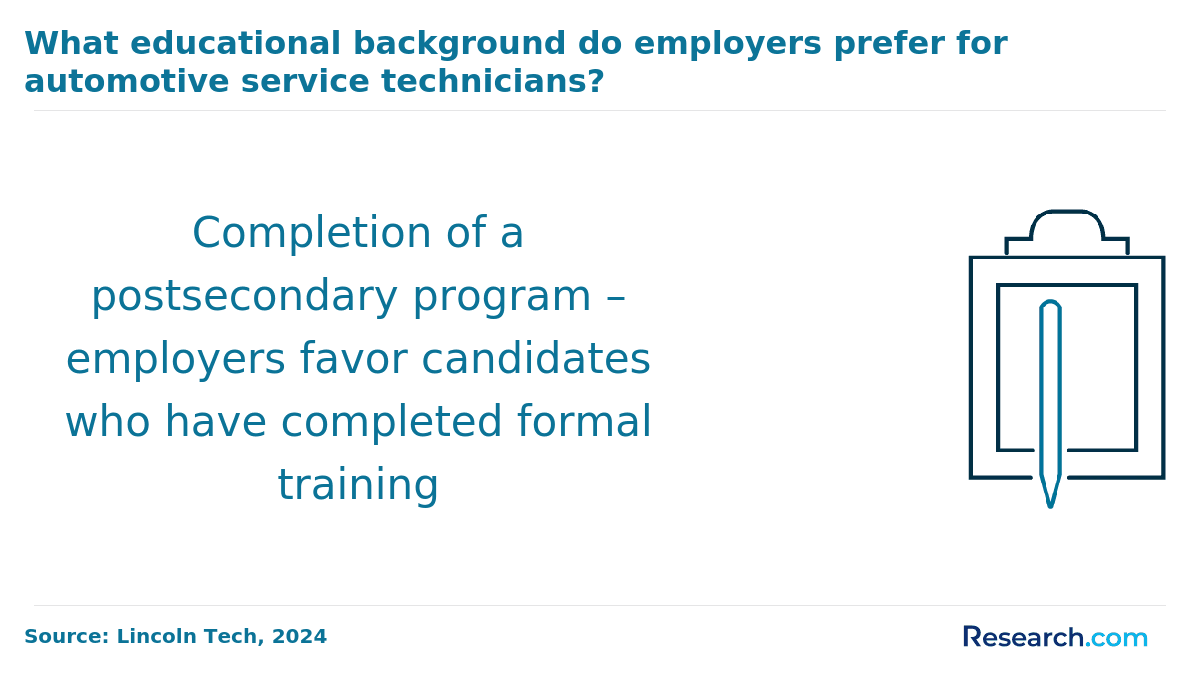
Most candidates begin with a high school diploma or GED, which is necessary to enter technical programs or apprenticeships. Following this, enrollment in an automotive technology program at a technical school or community college generally takes between six months to two years, depending on whether the student pursues a certificate or an Associate of Applied Science degree. Practical experience is gained concurrently or immediately after formal education, often through apprenticeships or entry-level roles under supervision.
A critical milestone is obtaining ASE certification, which, while not legally mandated in Utah, is widely recognized and preferred by employers. This certification validates a mechanic’s proficiency and can significantly enhance employment prospects. Accelerated certificate programs and the option to work part-time during education can shorten the overall timeline. Additionally, prior automotive experience may allow candidates to test out of certain requirements or fast-track certification.
One Utah-based mechanic recalled the challenge of balancing evening classes with daytime work at a local dealership, describing the process as exhausting yet rewarding. He noted that completing the program not only built his technical skills but also strengthened his confidence in pursuing ASE certification.
How much does it cost to become a mechanic in Utah?
Becoming a certified mechanic in Utah generally requires an investment of roughly $5,700 to $7,800 for full enrollment in an automotive technician program, depending on the institution. These programs provide comprehensive training designed to prepare students for industry certification and entry-level employment.
- Mountainland Technical College (MTECH) charges approximately $7,795, which includes tuition, industry exam fees, and core training components.
- Southwest Technical College (STECH) offers a program priced around $5,710, covering tuition, books, fees, and necessary supplies.
- Dixie Technical College’s Automotive Technology program costs about $6,840 and includes tuition and course fees.
Beyond tuition, aspiring mechanics must consider additional costs such as industry certification exam fees, notably Automotive Service Excellence (ASE) exams, which at MTECH total around $835. Acquisition of diagnostic tools and personal toolkits may add between $600 and $2,100, depending on quality and brand preferences. Additional expenses include books, uniforms, and specialized licensing such as the Environmental Protection Agency (EPA) 609 Refrigerant Handling License, which costs approximately $25.
Financial aid options are widely available through scholarships, grants, and employer tuition assistance programs, some providing reimbursement up to $10,000. Utah’s Department of Workforce Services and the Utah System of Technical Colleges (UTech) also offer support for training costs and job placement.
For those evaluating automotive technician program costs Utah, it is advisable to consider these associated expenses and leverage employer programs or state resources to mitigate out-of-pocket spending. Prospective students might also explore shorter or individual courses at institutions like Utah Valley University to manage costs effectively. For further career insights, explore easy trades to learn that pay well.
What job opportunities are available for mechanics in Utah?
In Utah, mechanics have a range of job opportunities across various specialties within the automotive and related industries. The demand for skilled technicians remains strong, driven by technological advancements and the state's role as a transportation hub.
Automotive Service Technicians and Mechanics
General automotive repair technicians in Utah maintain steady demand, providing essential diagnostic and maintenance services for cars and light trucks. These positions are prevalent across both urban centers and rural communities, offering diverse employment opportunities.
Diesel Mechanics
Diesel mechanics specializing in trucks, buses, and heavy equipment benefit from Utah’s strategic location as a transportation corridor. The consistent need for diesel vehicle maintenance supports a robust job market in this field, particularly in regions with significant freight and commercial traffic.
Electric Vehicle Specialists
As electric vehicle adoption rises nationally, specialists trained in EV systems are increasingly sought after in Utah’s urban areas such as Salt Lake City and Provo. These roles demand advanced technical skills and offer promising growth aligned with evolving automotive technologies.
Automotive Body Repair Technicians
Collision repair professionals continue to experience stable demand regardless of economic fluctuations, ensuring reliable employment opportunities. Their expertise in restoring vehicle bodies is critical to the automotive service industry statewide.
A Utah mechanic recalled the challenge of transitioning from general repair to electric vehicle specialization, emphasizing the need for continuous education and certification to remain competitive. He found that building connections within local industry networks was crucial in securing positions aligned with his evolving skills.
Mechanics seeking to advance their careers in Utah may consider obtaining certification and specialized training, such as those offered by automotive technology bachelor degree schools. The diverse job opportunities reflect the state’s growing automotive sector and its demand for qualified automotive technician positions Utah-wide.
Can mechanics benefit from cross-training in related technical fields in Utah?
Expanding technical expertise beyond traditional automotive repair can create additional career pathways in Utah. Cross-training in related fields such as HVAC not only diversifies a mechanic’s skill set but also meets the rising market demand for hybrid technical competencies. Diversified training can lead to enhanced job security and open opportunities in both repair and installation sectors, creating a competitive edge in an evolving industry. For mechanics seeking to broaden their professional portfolio, understanding complementary certifications is essential—learn more from our article on how to get HVAC license in Utah.
Should mechanics enhance their electrical expertise in Utah?
As automotive systems increasingly incorporate advanced electronic components, expanding technical competencies into electrical diagnostics and repair can significantly broaden career opportunities. Mechanics proficient in hybrid and electric vehicle technology benefit from an enhanced ability to troubleshoot complex circuits, high voltage systems, and computerized controls. This additional expertise not only positions professionals ahead of evolving industry trends but also complements traditional mechanical skills in an integrated automotive landscape. For insights on transitioning and cross-training, explore how to become an electrician in Utah.
How much do mechanics make in Utah?
Mechanics in Utah earn competitive wages that vary by experience, specialization, and location. The average mechanic salary in Utah typically ranges from entry-level figures around $45,760 annually up to $70,200 for highly experienced professionals.
The hourly wage for automotive mechanics averages about $23.79, while a broader category of mechanics earns approximately $26.76 per hour. Annual salaries for automotive mechanics often fall between $46,549 and $52,803, reflecting the state’s mid-tier positioning nationally.
Several factors influence earnings:
- Experience level, with entry-level salaries near $45,760 to $47,531 and seasoned mechanics reaching $70,200
- Specialization, including diesel, hybrid, or heavy equipment repair, which can command higher pay
- Geographic location, as wages range from $14–16 up to $30.25 per hour depending on the employer and city
- Certification and training, such as ASE credentials, which typically enhance earning potential
Maximizing income involves pursuing specialized training and targeting employers who offer higher hourly rates, such as Maverik or Staker Parson Companies. Additionally, overtime pay averaging $5,712 annually can notably increase total compensation.
For those interested in advancing their career or considering further education, exploring programs like the ranking of most affordable online mechanical engineering degree programs can provide valuable opportunities for growth beyond traditional mechanic roles.
What emerging technologies are shaping the future of automotive repair in Utah?
Mechanics in Utah are increasingly expected to integrate advanced diagnostic systems, digital interfaces, and data-driven maintenance methods into their daily routines. Adapting to technologies such as predictive maintenance algorithms and IoT-enabled vehicle monitoring enhances efficiency and paves the way for higher precision in repairs. These innovations not only improve service quality but also prepare professionals to meet evolving industry standards and regulatory requirements. Additionally, exploring cross-disciplinary technical certifications, for example Utah ultrasound technician requirements, can provide insights into emerging best practices that further refine technical competencies and operational excellence.
Can diversifying technical skills lead to broader career opportunities?
Expanding expertise beyond traditional automotive repair can open pathways into complementary technical fields and enhance problem-solving capabilities. Acquiring additional certifications and cross-training in emerging technologies promotes adaptability and fosters a competitive advantage in a rapidly evolving market. Mechanics who pursue continuing education in areas such as advanced diagnostics or electronic systems can apply these transferable skills to related roles, thereby broadening their career options. For professionals exploring cross-disciplinary opportunities, learning how to become a radiology technician in Utah illustrates the potential benefits of diversifying technical expertise and adapting to diverse industry demands.
What tools and skills do mechanics need to succeed?
Success as an automotive mechanic in Utah requires a blend of technical expertise, practical skills, and familiarity with evolving vehicle technologies. Mastery of both traditional mechanical tools and advanced diagnostic equipment is essential for meeting industry demands.
Key tools and skills necessary for mechanics include:
- Proficiency with standard hand tools such as wrenches, screwdrivers, and pliers for routine repairs and maintenance.
- Competence in using specialized diagnostic devices to identify issues in modern vehicles, including computerized scan tools for engine and electrical system analysis.
- Knowledge of hybrid and electric vehicle systems, reflecting Utah’s growing investment in sustainable transportation technologies.
- Ability to interpret technical manuals and wiring diagrams accurately to ensure proper troubleshooting and repair.
- Strong problem-solving skills to diagnose complex mechanical and electronic malfunctions efficiently.
- Hands-on experience gained through accredited training programs or apprenticeships, which fosters practical application of theoretical knowledge.
- Commitment to continuous education, particularly in emerging automotive technologies and ASE certification maintenance requirements.
- Effective communication skills for interacting professionally with customers and colleagues, facilitating clear explanations of repairs and maintenance needs.
- Adherence to safety protocols and compliance with state regulations, including licensing and business operation standards where applicable.
What are the career growth opportunities for mechanics in Utah?
Career growth opportunities for mechanics in Utah are diverse and can be significantly influenced by continuous learning, specialization, and professional networking.
Advancement Through Certification and Specialized Training
Mechanics in Utah can significantly enhance their career prospects by obtaining industry-recognized certifications, particularly from the National Institute for Automotive Service Excellence (ASE). ASE certification validates expertise in specific automotive repair areas, making certified technicians more attractive to employers and increasing their earning potential. Additionally, completing accredited training programs, such as those offered by Mountainland Technical College, equips mechanics with advanced diagnostic and repair skills that align with industry standards.
Opportunities in Specialized Fields
Beyond general automotive repair, Utah offers career growth in specialized mechanic roles, including elevator mechanics, which require rigorous licensing through the Utah Division of Occupational and Professional Licensing (DOPL). Meeting these licensing standards involves extensive training hours and successful completion of state examinations, opening pathways to higher responsibility positions and niche markets within the state’s workforce.
Impact of Local Industry and Legislative Environment
The expanding automotive industry along the Wasatch Front and urban centers like Salt Lake City fuels demand for skilled mechanics, fostering a competitive job market. Recent legislative initiatives aimed at refining business regulations for automotive shops underscore the importance of compliance knowledge for mechanics seeking leadership or ownership roles. Staying informed about these changes can position mechanics for advancement within established businesses or entrepreneurial ventures.
Networking and Practical Experience
Building a professional network through job fairs, industry events, and relationships with local automotive businesses is crucial for career development. Hands-on experience gained via apprenticeships or entry-level roles complements formal education, enabling mechanics to develop practical skills and industry connections that facilitate upward mobility in Utah’s automotive sector.
Meanwhile, here is the distribution of automotive mechanics by race:
What are the pros and cons of becoming a mechanic in Utah?
Choosing a career as a mechanic in Utah involves weighing various advantages and challenges related to education, training, and job prospects.
Pros
Utah offers accessible pathways to enter the automotive repair field, with options ranging from high school diplomas to specialized trade school programs. Formal training programs at community colleges and technical schools typically last six to twelve months, allowing for relatively quick entry into the workforce. Institutions such as Salt Lake Community College provide comprehensive hands-on training and preparation for recognized certification exams, enhancing job readiness and employability. Additionally, platforms like Dreambound facilitate easy comparison and exploration of local vocational courses, helping candidates find programs tailored to their needs. The demand for skilled mechanics remains steady, supported by a growing automotive market and ongoing technological advances that require continuous learning and expertise.
Cons
While the minimum requirement is a high school diploma or GED, many employers prefer candidates with formal training, which can be a barrier for those unable to commit time or resources to such programs. The relatively short duration of trade school programs may limit depth of knowledge in some areas, necessitating further on-the-job training. Furthermore, evolving automotive technologies require mechanics to continually update their skills, which may involve additional education and certification costs. Geographic disparities in program availability within Utah can also pose challenges for prospective students in rural areas. Finally, competition for well-paying positions may be intense, particularly for those without advanced credentials or specialized experience.
How can mechanics enhance their business acumen for career success?
Mechanics seeking to advance beyond technical roles can benefit from strengthening their business skills to better manage operations, optimize customer relations, and strategically plan for growth. Individuals transitioning into supervisory or ownership positions should consider practical training in financial management, marketing strategies, and operational logistics. By complementing hands-on technical expertise with focused business education, mechanics can improve profitability and streamline workflow efficiencies. For structured business training tailored to local market demands, consider exploring top business schools in Utah.
What do mechanics say about their careers in Utah?
Joining the Utah State Vocational Program gave me hands-on experience with real engines early on, which made learning both practical and rewarding. The instructors emphasized precision and safety, helping me gain confidence before entering the workforce. - Andy
The nonprofit program in Salt Lake City connected me with local shops where I could practice diagnostic skills daily, turning theory into action. It was fulfilling to see how my work directly helped customers and kept vehicles running smoothly. - Erwin
The state-sponsored apprenticeship allowed me to work alongside seasoned mechanics while earning a paycheck, which made mastering the trade feel achievable and steady. I appreciate how the program balanced technical training with real-world problem solving. - Allen
Related Articles for Nearby States
- 2027 How to Become a Mechanic in Nevada: Requirements & Certification
- 2027 How to Become a Mechanic in Arizona: Requirements & Certification
- 2027 How to Become a Mechanic in Idaho: Requirements & Certification
- 2027 How to Become a Mechanic in Wyoming: Requirements & Certification
- 2027 How to Become a Mechanic in Colorado: Requirements & Certification
- 2027 How to Become a Mechanic in New Mexico: Requirements & Certification
- 2027 How to Become a Mechanic in California: Requirements & Certification
- 2027 How to Become a Mechanic in Montana: Requirements & Certification
- 2027 How to Become a Mechanic in Oregon: Requirements & Certification
- 2027 How to Become a Mechanic in Washington: Requirements & Certification
References:
- Auto Mechanic Schools in Utah https://automechanicschools.com/utah
- Automotive Service - Bridgerland Technical College https://btech.edu/automotive-service
- Automotive Service Technology | Ogden-Weber Technical College https://www.otech.edu/automotive-technician
- AUTOMOTIVE TECHNICIAN - Southwest Technical College - Cedar City, Utah https://stech.edu/programs/automotive
- Automotive Technology - MTECH https://mtec.edu/programs/automotive-technology
- Explore Degrees and Majors Offered at Utah State University https://www.usu.edu/degrees-majors/automotive-technology_aas_cc
- Master Automobile Service Technician | SLCC https://www.slcc.edu/sltech/areas/automotive/automotive-technician.aspx
- Mechanical + Maintenance Careers https://careers.rideuta.com/search/mechanical-plus-maintenance/jobs/in
- Mobile Equipment Maintenance Technician (Diesel Mechanic) Jobs in Grantsville UT \ EnergySolutions Waste Management Job Recruiters https://jobs.energysolutions.com/jb/Mobile-Equipment-Maintenance-Technician-Diesel-Mechanic-Jobs-in-Grantsville-UT/11621465
Other Things You Should Know About Becoming a Mechanic in Utah
In 2027, Utah does not mandate specific state licensing for general automotive mechanics. However, obtaining certifications like the ASE (Automotive Service Excellence) is highly recommended as they can enhance employability and demonstrate proficiency in particular areas of automotive repair.
To become a mechanic in Utah in 2027, one must typically complete a high school diploma or GED, enroll in a post-secondary automotive technology program, and gain hands-on experience through an apprenticeship or on-the-job training. Additionally, obtaining ASE certification is recommended to enhance job prospects.


