
2027 How to Become a Medical Assistant in Tennessee Online

Co-Founder and Chief Data Scientist
Tennessee boasts a growing healthcare sector, employing over 46,000 medical assistants statewide. This demand fuels promising career prospects and competitive salaries for those entering the field. Pursuing a medical assistant career in Tennessee offers stability and opportunities for growth in diverse clinical settings. Exploring online pathways allows flexible access to accredited programs while balancing life’s commitments.
This article, crafted by career planning experts, provides a clear roadmap to becoming a medical assistant in Tennessee through online education. Readers will discover essential steps, reputable programs, and certification guidance, empowering informed decisions toward this rewarding healthcare profession.
Key Things to Know About Becoming a Medical Assistant in Tennessee
- Enroll in an accredited online medical assisting program approved by the Tennessee Board of Medical Examiners to ensure your education meets state standards.
- Complete required coursework and hands-on clinical training; Tennessee mandates practical experience, which many programs coordinate locally for online students.
- Prepare for certification exams like the CMA or RMA, as certified medical assistants in Tennessee enjoy better job prospects in a growing healthcare workforce with over 10,000 medical assistants statewide.
- Can you become a medical assistant in Tennessee through online programs?
- How long are online medical assistant programs in Tennessee?
- Are online medical assistant programs in Tennessee accredited?
- How do you get certified as a medical assistant in Tennessee online?
- How long does it take to become a medical assistant in Tennessee?
- How much does it cost to complete a medical assistant program in Tennessee online?
- Can you get financial aid for online medical assistant training in Tennessee?
- What is the average salary for medical assistants in Tennessee?
- Are online-trained medical assistants hired as often as campus-trained ones in Tennessee?
- Do online medical assistant programs in Tennessee lead to advanced healthcare careers?
- What Are the Long-Term Career Advancement Opportunities for Medical Assistants in Tennessee?
Can you become a medical assistant in Tennessee through online programs?
Online medical assistant programs in Tennessee open up an adventurous path for those seeking flexibility while managing busy lives. They allow students across the state to tailor their study pace and locations, yet hands-on clinical training remains an indispensable part of becoming proficient in real-world skills. Striking a balance between remote learning and in-person experience is key. To become a certified medical assistant online in Tennessee, students will encounter several important program features:
- Online Coursework: Foundational topics like medical terminology and healthcare systems are delivered fully online through interactive lessons and quizzes, enabling self-paced learning.
- Hybrid Learning Models: Many programs blend remote instruction with required in-person sessions, such as clinical labs or proctored skills assessments, to ensure practical competence.
- Clinical Training and Externships: Essential patient care skills must be developed on-site; students complete 160 to 180 hours of supervised externship at health facilities, typically near the program’s end.
- Self-Paced and Flexible Schedules: Offering multiple start dates and adjustable timelines, these programs cater to diverse student needs, with completion times ranging from a few months to over a year.
- Support and Virtual Resources: Academic advising, tutoring, and tech help are available virtually, helping remote learners navigate challenges and succeed.
- Responsibility for Securing Clinical Sites: While some schools offer assistance, students often must proactively arrange their own externship locations within Tennessee.
The growing demand for qualified medical assistants in Tennessee relates to the rising job outlook, making it an exciting field to enter. Understanding how to efficiently medical billing and coding career path can complement clinical skills and also enhance career prospects.
How long are online medical assistant programs in Tennessee?
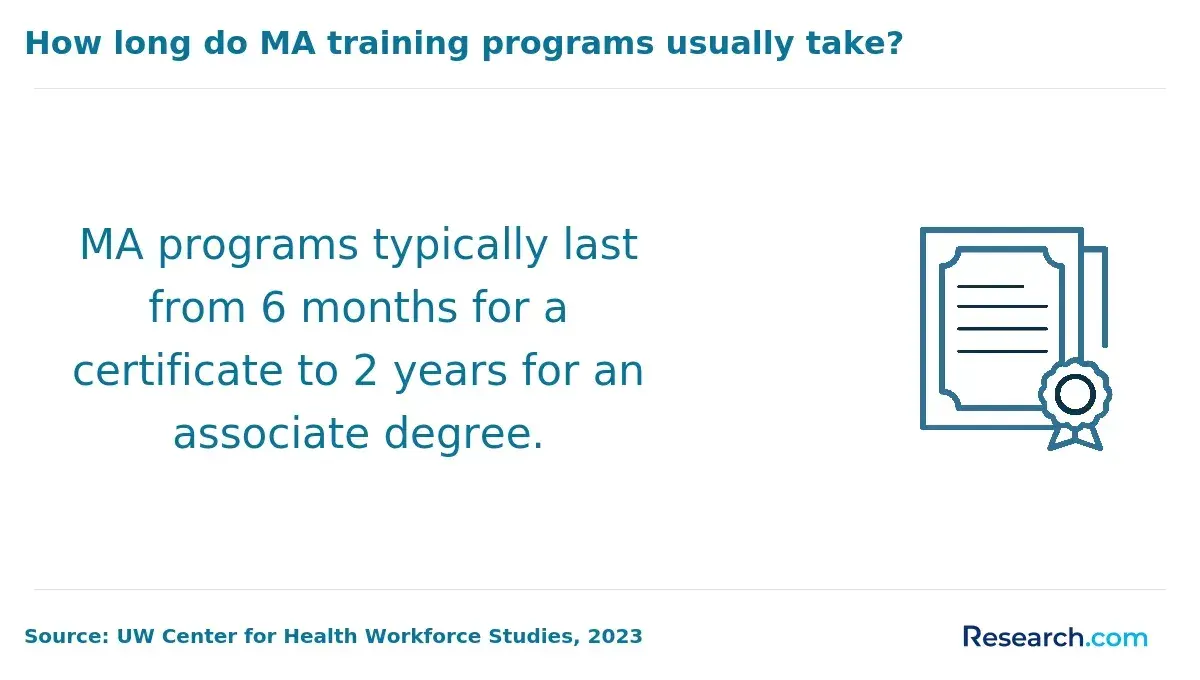
The duration of online medical assistant programs in Tennessee varies based on the credential you choose—certificate, diploma, or associate degree—and your pace of study. Whether you want to dive quickly into the field or prefer a more comprehensive education, there’s a program timeline for every ambition. Exploring how long is medical assistant school online in Tennessee can help you map out your journey effectively.
- Certificate Programs (6–12 months): These programs offer a fast track into medical assisting by focusing on essential skills and preparing students for certification exams. Many certificate programs can be completed in under a year, with a blend of online coursework and short hands-on clinical sessions, perfect for those eager to start their career swiftly.
- Diploma Programs (9–12 months): Slightly longer than certificates, diploma programs provide a more in-depth curriculum and often include an externship experience. This option balances convenience and comprehensive training, enabling graduates to gain solid clinical and administrative skills for a variety of healthcare roles within about a year.
- Associate Degree Programs (16–24 months): For those looking to expand their knowledge beyond basic medical assisting, associate degrees offer a robust education, including general studies alongside clinical training. Typically lasting up to two years, these programs open doors to greater career advancement and higher earning potential while ensuring practical experience through externships.
Choosing the right duration of online medical assistant programs in Tennessee means aligning your educational goals with your lifestyle and career ambitions. It’s an exciting decision that can lead to many rewarding opportunities in healthcare. For students curious about various medical-related paths, exploring the medical biller and coder career path might also offer interesting alternatives.
Are online medical assistant programs in Tennessee accredited?
Choosing an accredited online medical assistant program in Tennessee is vital for ensuring the education you receive meets rigorous standards and truly prepares you for the demands of the healthcare field. Accreditation acts as a mark of quality, signaling that a program delivers comprehensive training and equips students to succeed professionally. Without proper accreditation, the value of your education and credentials may be limited, affecting your career trajectory.
In Tennessee, the authority overseeing Tennessee medical assistant program accreditation is the Commission on Accreditation of Allied Health Education Programs (CAAHEP). This organization carefully evaluates programs on their curriculum, faculty expertise, and their success in preparing graduates for certification and employment. Successfully accredited online medical assistant programs in Tennessee have proven their alignment with nationally recognized standards, offering students both a credible education and confidence that their training is respected across the healthcare industry.
Accreditation by CAAHEP directly influences your path after graduation. Completing a CAAHEP-accredited online medical assistant program not only makes you eligible to take the Certified Medical Assistant (CMA) exam but also increases your chances of securing quality clinical experiences and job placements. Employers in Tennessee and beyond prefer candidates who have graduated from accredited programs, recognizing their comprehensive preparation for real-world challenges. For those curious about the broader scope of allied health careers, it’s helpful to explore the job tasks for medical billers and coders, related roles that also value specialized training.
How do you get certified as a medical assistant in Tennessee online?
Certification opens doors for medical assistants by proving their skills and boosting job prospects in Tennessee’s competitive healthcare field. Online education adds a flexible layer, letting you study at your own pace while balancing life’s demands.
- Choose an Accredited Program: Start by selecting an online or hybrid program recognized by official accrediting bodies that meets Tennessee’s standards and prepares you for certification exams like the CCMA or RMA.
- Complete Online Coursework: Engage in interactive lessons covering medical terminology, clinical procedures, and administrative duties. These programs often provide self-paced modules with supportive tools to enhance learning.
- Fulfill Clinical Requirements: Even with remote study, hands-on experience is essential. You’ll complete in-person clinical labs and externships in Tennessee healthcare facilities to hone real-world skills.
- Prepare for Certification Exams: Use study guides and practice tests offered by the program to get ready for exams such as the Certified Clinical Medical Assistant (CCMA) or Registered Medical Assistant (RMA). Some programs also assist with exam fees.
- Meet Eligibility Criteria: Ensure you hold a high school diploma or GED and have completed an approved training program within the last five years or possess relevant work experience.
- Register and Take the Exam: Sign up online and choose to test either in-person or via remote proctoring. Results usually arrive quickly, often within two days for online exams.
The blend of online study with required clinical practice makes certification achievable without compromising quality. This approach suits busy learners and aligns with professional standards, opening paths to meaningful careers in Tennessee’s healthcare sector.
How long does it take to become a medical assistant in Tennessee?
The journey to becoming a medical assistant in Tennessee is shaped by several key factors that influence how long it takes to enter the field. Program length can range widely, from concise certificate courses lasting just a few months to more extensive associate degree programs that span up to two years. Certification requirements, while not mandatory in Tennessee, often encourage students to dedicate time to exam preparation, adding an additional layer to the timeline. Clinical training is another essential component, providing hands-on experience that can vary in duration depending on the program’s structure. These elements combined create a flexible but sometimes unpredictable timeline for prospective medical assistants.
Most students find themselves completing their training and ready to work within a timeframe of several months to two years, depending largely on the selected educational path and individual pacing. Certificate programs offer a quicker route but may require balancing practical rotations alongside coursework. Conversely, an associate degree often provides deeper knowledge and potentially broader opportunities but comes with a longer commitment. Some students accelerate their progress through online options or intensive schedules, while others may take longer due to work and personal responsibilities. This range reflects the diverse experiences of those pursuing this career in Tennessee.
When speaking with a medical assistant from Tennessee who graduated from a local online program, he reflected on the fluid nature of his timeline. “I expected it to be just about finishing classes, but the clinical hours took careful planning and sometimes felt like a puzzle,” he shared. Balancing study time with virtual lectures and real-world clinical shifts stretched the timeline in unexpected ways, yet he appreciated the flexibility that online learning provided. “It wasn’t always straightforward, but looking back, all that time preparing made stepping into the job much more confident,” he said. His experience underscores how timelines are uniquely personal, shaped by both program choices and life circumstances.
How much does it cost to complete a medical assistant program in Tennessee online?
Costs for completing a medical assistant program online in Tennessee vary widely depending on the institution’s format, program length, and included services. Tuition tends to be the largest expense, but additional fees, textbooks, certification exam costs, and supplies also contribute. Exploring these elements helps paint a clearer picture of what to expect financially.
- Tuition: Tuition is the core investment. Some self-paced programs charge about $79 per month, usually completed within 4 to 7 months, totaling roughly $316 to $553, plus possible application fees. Community colleges and universities often have higher tuition, especially for diploma or associate degree programs that take longer to finish.
- Textbooks and Supplies: Textbooks and materials can represent a hefty secondary cost. For example, bundled textbooks may cost close to $300, with additional supplies like online access codes or specialized texts adding another $140 to $185. Some programs include ebooks or materials within tuition, but confirmation is necessary.
- Technology Fees: Supporting virtual learning platforms and online resources often means extra technology fees. These might be charged per term or as a one-time fee, typically ranging between $50 and $150 depending on the school’s policy.
- Certification Exam and Preparation Costs: After completing the program, certification exams such as the CCMA carry their own expenses. Some programs integrate this cost and study materials into tuition, but otherwise, budgeting several hundred dollars for exam fees and prep is essential.
Knowing these costs upfront allows students to budget wisely, comparing programs while anticipating expenses beyond tuition so surprises don’t cloud their learning adventure. This awareness empowers thoughtful financial planning on the road to becoming a medical assistant in Tennessee.
Can you get financial aid for online medical assistant training in Tennessee?
Financial aid opens doors to online medical assistant training in Tennessee, easing financial worries and making career goals achievable. With numerous options available, students can find support tailored to their needs and circumstances.
- Federal Grants: Pell Grants and other need-based funds help students cover tuition without repayment requirements. Completing the FAFSA unlocks access to these valuable resources at accredited schools.
- Federal Student Loans: Offering lower interest rates and flexible repayment, these loans assist with tuition and related expenses, with payments typically starting after program completion.
- State Grants and Scholarships: Programs like the Tennessee Student Assistance Award provide extra financial backing for eligible residents, often combining well with federal aid.
- Institutional Scholarships: Many colleges award scholarships based on merit or need, sometimes partnering with local groups to support healthcare students specifically.
- Employer Tuition Assistance: Some healthcare employers reimburse or directly fund training costs, helping employees advance their skills while working.
A medical assistant from Tennessee shared how navigating financial aid felt daunting at first. “I wasn’t sure which options I qualified for,” she said, “but my school’s financial aid office was incredibly helpful.” After completing the FAFSA, she received a Pell Grant and an institutional scholarship that together covered most tuition costs. Even employer assistance came into play once she secured a part-time healthcare job. “It made me realize that with persistence, these financial pathways truly exist, making online training accessible and realistic.” Her experience reflects the variety and accessibility of funding options here in Tennessee.
What is the average salary for medical assistants in Tennessee?
Exploring medical assistant salaries in Tennessee reveals a landscape shaped by location, experience, and healthcare settings. Interestingly, whether training is completed online or in person does not significantly impact starting pay, as employers emphasize accredited certification over delivery method. Understanding these nuances is key for anyone embarking on this career path in Tennessee.
- Entry-Level Pay: New medical assistants often start at around $32,180 annually, reflecting limited experience and are more common in smaller towns or less competitive markets.
- Median Salary: The state’s median salary stands at approximately $38,150 per year, or $18 per hour, positioned below the national median but balanced by Tennessee’s lower cost of living and absence of state income tax.
- Experienced Medical Assistant Wages: Seasoned professionals can earn between $44,140 and $48,080 annually, with certified assistants sometimes reaching nearly $49,000.
- Differences Across Healthcare Settings: Metropolitan areas and hospitals often offer higher wages; for instance, Nashville’s median salary is $41,500, while private practices and rural clinics tend to pay closer to the state median or less.
Grasping these salary patterns empowers prospective medical assistants in Tennessee to make informed decisions about their education, certification, and career strategies, setting a solid foundation for growth and opportunity.
Are online-trained medical assistants hired as often as campus-trained ones in Tennessee?
Employers in Tennessee often weigh the differences between online and campus-based medical assistant training by considering hands-on experience and clinical skills. While campus programs usually offer direct patient interactions, online courses are growing in reputation for delivering flexible learning and thorough preparation for certification exams essential to many healthcare roles.
- Clinical Training Requirements: Practical skills remain a top priority for employers, who seek candidates with both theoretical knowledge and real-world clinical experience. Some online programs cleverly incorporate clinical labs or partnerships with local health providers to bridge this gap and build confidence in hands-on procedures.
- Employer Preferences: Certification and proven capability often tip the scales in hiring decisions. Programs that emphasize exam readiness and offer certification pathways attract employers eager to find candidates ready to hit the ground running.
- Job Readiness: Whether online or campus-trained, medical assistants must juggle administrative duties with clinical care. Comprehensive online courses that include medical terminology and patient coordination equip graduates to meet varied workplace demands and improve their job opportunities for online medical assistants in Tennessee.
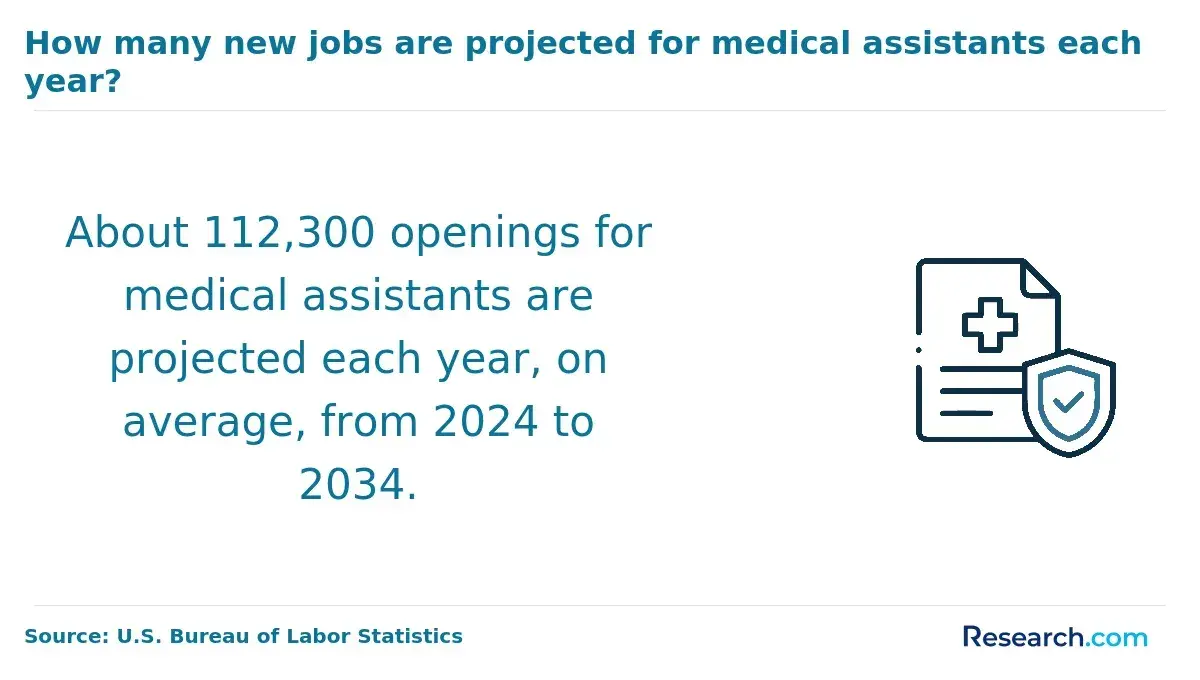
- Regional Workforce Needs: With a robust 16% projected growth in the medical assistant field, Tennessee employers increasingly embrace graduates from diverse training backgrounds. This growing demand encourages a more open-minded view of hiring rates of online medical assistant graduates in Tennessee.
For those curious about enhancing administrative healthcare skills online, certain medical billing and coding classes provide valuable complementary training, expanding career possibilities beyond clinical tasks.
Do online medical assistant programs in Tennessee lead to advanced healthcare careers?
Medical assisting is an excellent gateway into healthcare, offering a versatile blend of clinical and administrative skills. Online learning adds a new level of career flexibility, enabling students to earn credentials while managing work or family duties. These Tennessee medical assistant degree pathways to healthcare careers can truly open doors to higher roles within the field.
- Registered Nursing (RN): Starting as a medical assistant often leads to nursing careers, with bridge programs in Tennessee that recognize your prior experience. Many choose accelerated routes to become Licensed Practical Nurses (LPNs) or Registered Nurses (RNs), making the transition smoother and faster.
- Healthcare Administration: The skills learned in medical assisting, from billing to office management, can evolve into leadership roles by pursuing further education. Associate or bachelor’s degrees in healthcare management, frequently available online, prepare graduates for supervisory positions in various clinical environments.
- Specialized Medical Assisting: Advancing into specialties like ophthalmology or podiatry with certifications such as Certified Ophthalmic Assistant (COA) allows for focused expertise and higher pay. These paths require additional training but build on the foundation gained through medical assistant programs.
- Allied Health Professions: Medical assisting credits may transfer toward programs like radiologic technologist or respiratory therapist, shortening the journey to new allied health certifications. This flexibility supports exploration into broader healthcare fields supported by technical schools across Tennessee.
- Advanced Certifications: Earning credentials like Certified Medical Assistant (CMA) or Registered Medical Assistant (RMA) can boost your salary and expand your career options. Many employers prefer certified candidates, making national certification an important step. For those interested in billing and coding careers, learning how many years to become a certified medical coder and biller can also complement a medical assisting background.
What Do Medical Assistants in Tennessee Say About Their Career
- Completing my medical assistant training through River Valley Academy's online program allowed me to balance work and family while gaining hands-on skills virtually. The flexibility was incredible, and now I’m proud to support the wellness of students in my local school. It feels rewarding to know my efforts contribute directly to the health and success of young people here in Tennessee’s unique communities. The experience has truly shaped my passion for healthcare and education simultaneously. Jodie
- Starting my career as a medical assistant in a local Tennessee school brought a refreshing sense of purpose. The online certification I completed through Appalachian Health Institute prepared me well for the medical demands within an academic environment. Tennessee’s mix of rural and urban settings exposed me to diverse cultural backgrounds and health challenges, which deepened my professional skills and empathy. This job is more than just work; it’s a chance to grow and impact the community positively every day. Paul
- The journey through my medical assistant program at Southern State Training Center sparked significant personal growth. Being part of an online cohort made me realize how resilient and self-accountable I could be. Professionally, Tennessee’s healthcare landscape offers promising opportunities for advancement, especially in school-based health settings. I’m inspired by the role I play in ensuring students receive essential care, and it motivates me to pursue further certifications. It’s rewarding to merge professional development with meaningful community engagement here in Tennessee. Sasha
What Are the Long-Term Career Advancement Opportunities for Medical Assistants in Tennessee?
Medical assistants in Tennessee can elevate their careers by pursuing specialized certifications, gaining leadership experience, or transitioning into niche roles that require advanced clinical or administrative expertise. Strategies such as targeted continuing education, professional networking, and on-the-job skill enhancement empower these professionals to move into supervisory positions, specialized care units, or related allied health fields. Additionally, some choose to diversify their clinical expertise by exploring alternative career paths; for example, learn more about how to become an occupational therapist in Tennessee to assess complementary opportunities that build on their healthcare foundation.
Related Articles for Nearby States
- 2027 How to Become a Medical Assistant in Kentucky Online
- 2027 How to Become a Medical Assistant in Mississippi Online
- 2027 How to Become a Medical Assistant in Alabama Online
- 2027 How to Become a Medical Assistant in Georgia Online
- 2027 How to Become a Medical Assistant in North Carolina Online
- 2027 How to Become a Medical Assistant in Missouri Online
- 2027 How to Become a Medical Assistant in Arkansas Online
- 2027 How to Become a Medical Assistant in Virginia Online
- 2027 How to Become a Medical Assistant in Indiana Online
- 2027 How to Become a Medical Assistant in South Carolina Online
References:
- Online Medical Assisting Programs for Tennessee Residents https://www.herzing.edu/healthcare/medical-assisting/tennessee
- Tennessee Online Medical Assistant Certificate Program | Self-Paced Course https://www.uscareerinstitute.edu/online-medical-assistant-school/tennessee
- Online Medical Assistant and Electronic Health Records Course | TCAT Knoxville https://tcatknoxville.edu/business-industry/online-medical-assistant-and-electronic-health-records-course
- Clinical Medical Assistant Program in Chattanooga, TN | UTC https://www.utc.edu/academic-affairs/center-for-professional-education/professional-development/medical-career-academies/clinical-medical-assistant
- Certificate in Medical Assisting - South College https://www.south.edu/program/certificate-in-medical-assisting/
- Tennessee Online Medical Assistant Programs: Comparing Top Schools https://www.edumed.org/online-schools/medical-assistant-programs/tennessee-tn/
- Online Certified Clinical Medical Assistant (CCMA) (Voucher Included) from University of Tennessee at Martin https://careertraining.utm.edu/training-programs/certified_clinical_medical_assistant/
- Online Medical Assistant Program | CCMA Certification https://www.stepful.com/medical-assistant
Other Things You Should Know About Becoming a Medical Assistant Online in Tennessee
Familiarity with medical billing software such as Epic or Cerner is crucial for online medical assistant programs in Tennessee. Additionally, proficiency in Microsoft Office and electronic health record (EHR) systems is often required to manage patient information efficiently in 2027.
Yes, even with online medical assistant programs in Tennessee, you will typically need to complete an in-person clinical internship or externship. This hands-on experience is essential for gaining practical skills and meeting certification requirements. Always verify specific program requirements before enrolling.


