
2027 How to Become a Medical Assistant in West Virginia Online

Co-Founder and Chief Data Scientist
West Virginia’s healthcare sector is projected to grow steadily, with medical assistant positions expected to increase by 15% over the next decade. This growth reflects rising demand for skilled professionals in both rural and urban areas.
Pursuing a career as a medical assistant in West Virginia offers stability and a range of opportunities in clinics, hospitals, and specialized care facilities. Advancements in online education now allow aspiring medical assistants to complete training flexibly and remotely, increasing access to this vital career path.
This article, prepared by experts in career planning, explores how to become a medical assistant in West Virginia online, providing essential guidance and future-focused insights.
Key Things to Know About Becoming a Medical Assistant in West Virginia
- Choose accredited online programs that meet West Virginia’s evolving healthcare standards to ensure eligibility for certification exams.
- Focus on gaining hands-on clinical experience through local healthcare partnerships, as online theory courses are often paired with in-person practicums.
- Stay informed about workforce demand in West Virginia, projected to grow by over 15% through 2030, signaling increasing opportunities for medical assistants.
- Can you become a medical assistant in West Virginia through online programs?
- How long are online medical assistant programs in West Virginia?
- Are online medical assistant programs in West Virginia accredited?
- How do you get certified as a medical assistant in West Virginia online?
- How long does it take to become a medical assistant in West Virginia?
- How much does it cost to complete a medical assistant program in West Virginia online?
- Can you get financial aid for online medical assistant training in West Virginia?
- What further certifications or specializations can boost a medical assistant’s career in West Virginia?
- What is the average salary for medical assistants in West Virginia?
- Are online-trained medical assistants hired as often as campus-trained ones in West Virginia?
- Do online medical assistant programs in West Virginia lead to advanced healthcare careers?
Can you become a medical assistant in West Virginia through online programs?
Online programs offer a flexible pathway to become a certified medical assistant online in West Virginia, allowing students to balance their education with other commitments. However, the primary challenge remains the limited direct hands-on training essential for practical skills in medical assisting roles, which many programs try to address through innovative models. Key aspects of online education for medical assistants in West Virginia include:
- Online Coursework: Coursework typically covers foundational topics like anatomy, physiology, and infection control using interactive tools and virtual simulations, designed to accommodate varied pacing and learning styles.
- Hybrid Learning Models: Many programs combine online theory with on-site clinical labs or externships, bridging the gap between knowledge and real-world patient care experience.
- Clinical Training and Externships: Partnerships with healthcare facilities provide students with hands-on externship opportunities critical for skill development in actual medical environments.
- Certification Preparation: Programs often focus on preparing students for certification exams such as the Certified Clinical Medical Assistant (CCMA), sometimes including exam fees and study materials to enhance success rates.
Looking ahead, the integration of advanced virtual reality and augmented reality tools could revolutionize the hands-on aspect typically missing from online programs, making the pursuit to become a medical assistant online in West Virginia more comprehensive. Meanwhile, students interested in medical office careers may also explore related paths such as a medical billing and coding career path, which offers complementary skills in healthcare administration and can be pursued online with fewer clinical requirements.
How long are online medical assistant programs in West Virginia?
The online medical assistant program length in West Virginia varies significantly based on the credential you aim to earn. Whether you choose a certificate, diploma, or associate degree influences how many months is medical assistant training in West Virginia, offering flexible pathways tailored to your career timeline and educational needs.
- Certificate Programs (as short as 4 months): Designed for quick entry into the healthcare workforce, these programs focus on core medical assisting skills and can be completed rapidly. Students often spend around 20 hours per week to meet coursework and externship requirements, preparing them for certification exams efficiently.
- Diploma Programs (typically 9–12 months): Providing a more in-depth curriculum, diploma programs balance online instruction with essential clinical experiences. They offer a middle ground for those seeking comprehensive training without committing to a full degree, enabling graduates to gain certifications and hands-on skills within about a year.
- Associate Degree Programs (roughly 16–24 months): For those interested in a broader education, including general studies and healthcare administration, associate degrees offer extended training. These programs prepare students for advanced roles and further education opportunities while maintaining a strong clinical focus.
Looking ahead, evolving online education technologies and demand for medical assistants in West Virginia are likely to shape even more flexible and accelerated options. Integrating virtual simulations with traditional externships could shorten training time while maintaining quality. Additionally, understanding the key differences between CPC and CBCS certification may help graduates position themselves more strategically in the job market.
Are online medical assistant programs in West Virginia accredited?
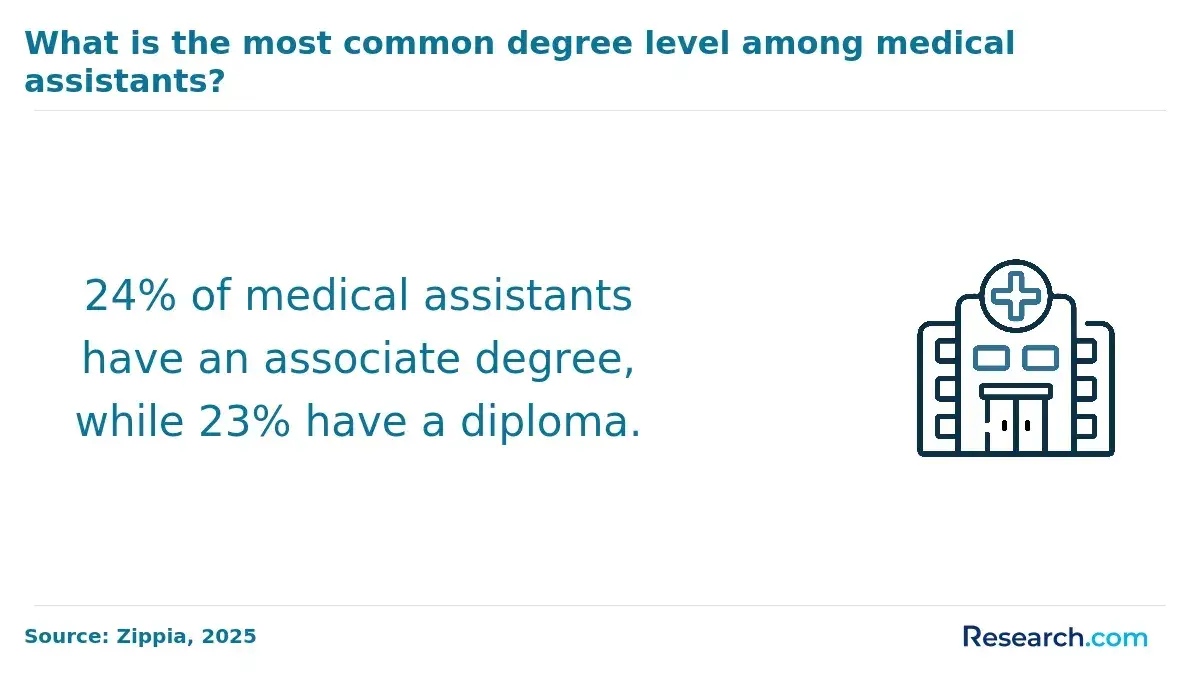
Accreditation is essential for ensuring the quality and credibility of medical assistant programs, particularly for those pursuing healthcare careers. It confirms that the curriculum meets industry standards and effectively prepares students for certification and professional practice. In West Virginia, the Commission on Accreditation of Allied Health Education Programs (CAAHEP) serves as the primary accrediting authority, evaluating programs based on curriculum relevance, faculty qualifications, and student outcomes. CAAHEP-accredited online medical assistant programs meet national benchmarks for educational excellence and prepare students for credentials such as the Certified Medical Assistant (CMA) exam. By maintaining accreditation, these programs ensure alignment with evolving healthcare practices and employer expectations, equipping graduates with the knowledge and skills needed to succeed in a rapidly changing medical environment.
Choosing a West Virginia medical assistant program accreditation under CAAHEP directly benefits students by enhancing their training experience and job prospects. Accreditation assures employers that graduates possess the necessary clinical skills, administrative competencies, and ethical awareness required in healthcare settings. Graduates of these accredited programs are typically eligible to sit for nationally recognized certification exams, which can significantly improve hiring opportunities and earning potential. The emphasis on accreditation also supports long-term career growth in a state where medical assistant roles continue to expand, responding to an increasing demand for proficient healthcare support staff. For those comparing options, exploring an introduction to medical billing and coding alongside their medical assistant training may further diversify professional opportunities in West Virginia’s healthcare environment.
How do you get certified as a medical assistant in West Virginia online?
Certification elevates a medical assistant's professional credibility and broadens career opportunities by validating nationally recognized skills. Online education increasingly supports this process, allowing flexible, self-paced study while maintaining essential hands-on experience through local clinical placements.
- Complete an Accredited Online or Hybrid Program: Choose a program accredited by bodies like CAAHEP or ABHES, ensuring the curriculum prepares you for certification exams and meets industry standards. Programs generally last 4 to 12 months and blend administrative and clinical skills.
- Fulfill In-Person Clinical Requirements: Gain supervised practical experience through externships in healthcare settings, practicing vital skills such as taking vitals and assisting with procedures. This real-world training is crucial for competency and exam eligibility.
- Prepare for Certification Exams: Study medical terminology, anatomy, and clinical practices to pass exams like the CMA or RMA. Certification exams assess both knowledge and practical readiness, often requiring a minimum score to pass.
- Apply for and Maintain Certification: After passing the exam, apply through the relevant certifying organization. Periodic renewal and continuing education are required to keep credentials current and align with evolving healthcare standards.
Online pathways will likely expand with improved virtual simulations and remote proctoring, further balancing flexibility with rigorous training standards. These advances promise to make certification increasingly accessible without compromising the quality needed to meet future healthcare demands.
How long does it take to become a medical assistant in West Virginia?
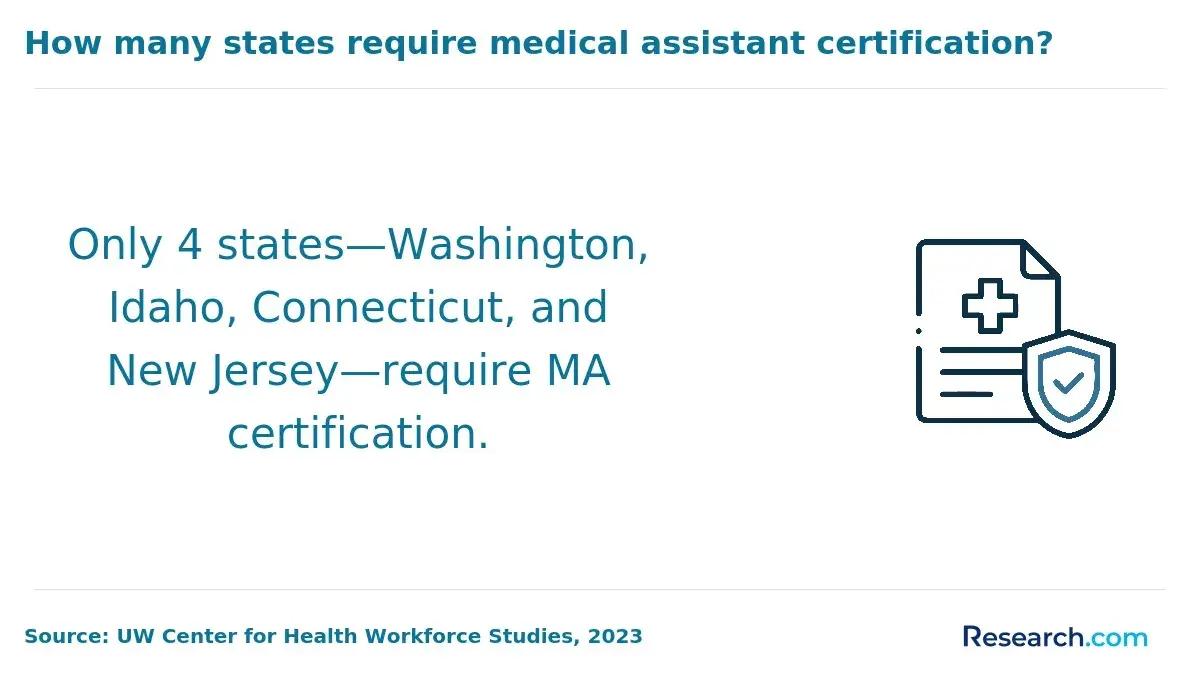
The timeline to become a medical assistant in West Virginia is influenced by several interrelated factors, such as the length of educational programs, certification steps, and required clinical experience. Certificate and diploma programs typically last between nine to twelve months and combine classroom learning with practical externships. Associate degree programs offer a more comprehensive curriculum, extending training to about eighteen to twenty-four months. Although certification like the Certified Medical Assistant (CMA) is not mandated by the state, preparing for and obtaining national certification can add one to three months to the timeline, yet it significantly enhances job prospects and earning potential. For some, on-the-job training offers an immediate entry path, but this often limits long-term career growth.
Most aspiring medical assistants in West Virginia complete their training within a range of nine months to two years before entering the workforce fully prepared. The exact duration depends on the chosen educational path and whether students seek certification afterward. Programs that blend online coursework with local clinical placements can accelerate this process for motivated learners, while balancing work or family responsibilities may extend completion times. Ultimately, the pathway chosen shapes both how quickly a candidate is workforce-ready and their future opportunities within healthcare settings.
When I spoke with a medical assistant from West Virginia who completed his training through a local online program, he reflected on his journey: “Balancing online classes with hands-on externships was demanding, especially coordinating schedules with family life. It took just under a year, which felt intense but manageable. The support from instructors made the difference, turning what seemed like a tight timeline into a rewarding experience. Looking back, the flexibility of the program was crucial to getting me into the field without delay.”
How much does it cost to complete a medical assistant program in West Virginia online?
The cost to complete a medical assistant program online in West Virginia depends on the program type—certificate, diploma, or associate degree—and the institution’s accreditation and reputation. Public and private schools offer a range of pricing that also reflects what expenses are bundled with tuition and which are billed separately.
- Tuition: Tuition largely varies by program type and school, typically ranging from around $1,439 to $2,195 for certificate programs. Diploma and associate degree options usually come at a higher cost, especially at private institutions, and payment plans may affect the final amount.
- Textbooks and Supplies: Some programs include books and essential medical tools like stethoscopes within tuition, but for others, these can add $200 to $400. It’s important to confirm which materials are covered and budget accordingly for items that may be required separately.
- Technology Fees: Many online programs charge fees of $50 to $150 per term to support digital learning platforms and technical resources. Occasionally, these fees are part of the tuition package, but they often need to be added to the total cost.
- Certification Exam and Preparation: Certification exams, such as the CCMA, may incur extra costs unless included in tuition. The exam fee alone can be $259, plus costs for study guides or practice tests if not provided by the program.
- Externship Costs (if applicable): Externship placements are often supported by schools without extra fees, but transportation, uniforms, and immunizations might involve additional spending depending on the student’s local situation.
- Application and Administrative Fees: Non-refundable application or registration fees, usually $25 to $50, are common and should be factored into the overall budget.
Being aware of these components allows prospective students to prepare a complete financial plan, minimizing surprises and easing the path through education. As online medical assistant programs evolve, anticipating which costs may be bundled or separate will become increasingly important for effective budgeting.
Can you get financial aid for online medical assistant training in West Virginia?
Financial aid plays a crucial role in making online medical assistant training in West Virginia more accessible by easing tuition costs and providing flexible support options. As these programs continue to expand, prospective students can expect evolving aid opportunities tailored to diverse financial needs.
- Federal Grants: Need-based grants like the Pell Grant offer funds that do not require repayment. These grants depend on FAFSA eligibility and can cover significant tuition portions at accredited programs.
- Federal Student Loans: Subsidized and unsubsidized loans provide lower interest rates and flexible repayment plans, helping students manage education costs responsibly.
- State Scholarships and Grants: West Virginia-specific awards, such as the Higher Education Grant and Promise Scholarship, support residents who meet enrollment or academic criteria.
- Employer Tuition Assistance: Some healthcare employers reimburse or assist with tuition for employees advancing their qualifications, easing the financial burden.
When I discussed financial aid with a medical assistant who graduated from a West Virginia online program, she reflected on the initial uncertainty navigating the process. “Applying for FAFSA was daunting at first,” she admitted, “but the state grants I received made a big difference.” Balancing work and study, she appreciated employer tuition assistance, which helped cover costs without accumulating excessive debt. Her experience highlighted the importance of combining multiple aid sources while maintaining communication with financial aid offices to seize every available opportunity.
What further certifications or specializations can boost a medical assistant’s career in West Virginia?
Medical assistants looking to distinguish themselves in West Virginia’s competitive healthcare market can pursue additional certifications and specialized training. Earning advanced credentials in areas such as phlebotomy, EHR management, or clinical coding can complement core clinical competencies and broaden employment opportunities. In addition, exploring related healthcare roles may provide an alternative pathway into advanced patient care settings. For example, professionals interested in expanding their scope of practice might also review how to become an occupational therapist in West Virginia as a potential progression from their current role.
What is the average salary for medical assistants in West Virginia?
Salaries for medical assistants in West Virginia vary significantly depending on factors such as geographic location, years of experience, and healthcare setting. Notably, completing online training programs typically does not reduce earning potential, as employers prioritize certification and skills over the mode of education. This evolving acceptance of flexible training methods could influence future workforce trends.
- Entry-Level Pay: New medical assistants generally earn around $15.40 per hour or about $32,027 annually, with starting wages ranging from $13.22 to $16.92 per hour depending on regional demand and employer.
- Median Salary: The median wage stands near $15.40 hourly, reflecting a midpoint where half earn more and half earn less, providing a useful benchmark for newcomers.
- Experienced Wages: With certifications like CMA and additional experience, wages can increase to approximately $17.88 per hour or $37,190 annually, with top earners reaching $19 per hour.
- Healthcare Setting Differences: Salaries tend to be higher in hospitals and larger clinics compared to smaller private practices due to organizational scale and patient volume.
Understanding these salary dynamics helps prospective medical assistants in West Virginia set realistic expectations and make informed decisions about their education and career paths amid shifting healthcare demands.
Are online-trained medical assistants hired as often as campus-trained ones in West Virginia?
Employers in West Virginia often weigh the value of hands-on clinical experience heavily when comparing online-trained and campus-trained medical assistants. While online programs offer convenience, some employers may remain cautious, favoring candidates who have demonstrated in-person practical skills. However, as accredited online programs increasingly incorporate mandatory clinical labs and externships, this gap is narrowing, influencing how online medical assistant job opportunities in West Virginia evolve.
- Clinical Training Requirements: Both online and on-campus medical assistant programs must include hands-on clinical labs and externships to meet industry standards. This ensures that students, regardless of training format, acquire essential practical skills needed for patient care and office procedures.
- Employer Preferences: Certification and demonstrated competence are prioritized over the mode of education by West Virginia healthcare employers. Hospitals and clinics often focus more on whether candidates hold national credentials and practical experience than on whether they studied online or on campus.
- Job Readiness: Accredited online programs are designed to prepare students thoroughly for national certification exams like the CCMA or RMA. Their curricula emphasize both administrative and clinical skills, assuring employers that graduates—no matter their training setting—are ready to perform effectively.
- Regional Workforce Needs: Given the high demand for medical assistants throughout the state, employers are becoming more flexible about the educational pathway as long as candidates meet certification and clinical training requirements. This trend suggests that online-trained medical assistants may see growing acceptance and hiring rates in the future.
For those considering starting their healthcare support career with flexibility, exploring accredited online options such as medical billing and coding online schools may complement clinical training pathways effectively.
Do online medical assistant programs in West Virginia lead to advanced healthcare careers?
Medical assisting is often a strategic entry point into the healthcare field, offering practical experience and foundational knowledge. Online medical assisting programs in West Virginia provide flexibility that enables students to balance education with personal and professional commitments while paving the way for future career advancement. As the healthcare landscape evolves, graduates of these programs may pursue a variety of advanced career pathways:
- Registered Nursing (RN): Many medical assistants leverage their clinical experience to advance into nursing programs, such as associate or bachelor’s degrees in nursing, enabling them to take on expanded patient care responsibilities and higher earning potential.
- Healthcare Administration: Transitioning into administrative roles allows medical assistants to oversee healthcare operations, manage practices, and influence policy. This path often requires complementary education in healthcare management or business.
- Specialized Medical Assisting: With additional certifications, medical assistants can specialize in areas like podiatry, ophthalmology, or cardiology. Specialization often leads to higher wages and more focused career options.
- Advanced Certifications: Earning credentials such as Certified Medical Assistant (CMA) or Registered Medical Assistant (RMA) enhances professional credentials, opening doors to supervisory positions and specialized clinical tasks.
The growing availability of accredited online programs for medical coding and billing further enriches the online medical assisting programs West Virginia pathway to healthcare careers, blending administrative expertise with clinical skills. This hybrid knowledge positions graduates for diverse roles, including health information management and insurance coordination, creating a versatile foundation for long-term career growth.
What Do Medical Assistants in West Virginia Say About Their Career
- Completing my medical assistant training online at Appalachian Health Academy allowed me to balance my family responsibilities while gaining valuable skills. The program's flexibility meant I could learn at my own pace, and the instructors were always available to help with real-world scenarios. Now that I’m working in a local school, I feel proud to support the health and wellness of children in my community, making a tangible difference every day. This career has truly given me purpose and stability in West Virginia’s changing job market. Jolene
- Starting my career as a medical assistant in a local school has been an incredibly rewarding journey. The opportunity to work closely with students and staff has deepened my passion for healthcare and education. Through constant interaction and teamwork, I’ve grown professionally and personally, learning how to adapt to the unique needs of West Virginia’s youth and rural environment. Witnessing the positive impact on young lives motivates me to continue advancing in this field. Irma
- Pursuing an online medical assistant program with Mountain State Health Institute not only provided me with professional skills but also helped me embrace the rich heritage and challenges of serving rural communities here in West Virginia. The training emphasized community health and resource management, which prepared me to contribute meaningfully to local clinics and schools. This career path has enhanced my ability to grow within the state’s healthcare network while fostering connections that uplift our underserved populations. Orly
Related Articles for Nearby States
- 2027 How to Become a Medical Assistant in Virginia Online
- 2027 How to Become a Medical Assistant in Ohio Online
- 2027 How to Become a Medical Assistant in Kentucky Online
- 2027 How to Become a Medical Assistant in Pennsylvania Online
- 2027 How to Become a Medical Assistant in Maryland Online
- 2027 How to Become a Medical Assistant in North Carolina Online
- 2027 How to Become a Medical Assistant in Tennessee Online
- 2027 How to Become a Medical Assistant in Indiana Online
- 2027 How to Become a Medical Assistant in South Carolina Online
- 2027 How to Become a Medical Assistant in Georgia Online
References:
- Medical Assisting-12 Mos | Become A Medical Assistant | WVJC https://www.wvjc.edu/medical-assisting/
- 4-Month West Virginia Medical Assistant Certification Program https://www.stepful.com/program/west-virginia-medical-assistant-certification-program
- How to Become a Medical Assistant in West Virginia https://www.healthjob.org/guide/how-to-become-a-medical-assistant-in-west-virginia
- Medical Assistant Certification Ona West Virginia — NPS https://npscerts.com/medical-assistant-certification-ona-west-virginia/
- Medical Assisting, Clinical Medical Assistant, A.A.S. | Career Pathways & Programs | West Virginia Northern Community College | You Belong Here https://www.wvncc.edu/career-pathways-and-programs/medical-assisting-clinical-medical-assistant-a.a.s./2948
- Online Medical Assisting Programs for West Virginia Residents https://www.herzing.edu/healthcare/medical-assisting/west-virginia
- West Virginia Online Medical Assistant Certificate Program | Self-Paced Course https://www.uscareerinstitute.edu/online-medical-assistant-school/west-virginia
- Medical Assistant - Eastern West Virginia Community and Technical College https://easternwv.edu/workforce-education/medical-assistant/
- West Virginia Medical Assistant Certification Exam, WV CMA RMA exam https://www.tests.com/West-Virginia-Medical-Assistant-Certification-Exam
Other Things You Need to Know About Becoming a Medical Assistant in Maryland Online
In 2027, reputable online programs for medical assistant certification in West Virginia include options from Ashworth College, Herzing University, and Penn Foster. These programs offer flexible schedules and comprehensive curriculums to prepare students for certification exams.
To enroll in an online medical assistant program in West Virginia in 2027, follow these steps: research accredited programs, ensure you meet prerequisites such as a high school diploma or GED, submit your application with required documents, and secure financial aid if needed. After acceptance, complete the enrollment process as instructed by the institution.


