
2027 How to Become a Nursing Administrator: Salary & Career Paths

Co-Founder and Chief Data Scientist
Considering a career that blends your passion for nursing with leadership and strategic impact? The role of a nursing administrator offers a dynamic and rewarding path for experienced registered nurses seeking to shape the future of healthcare delivery. This comprehensive guide will navigate the essential steps to becoming a successful nursing administrator, exploring the necessary education, experience, diverse career trajectories available, and providing valuable insights into potential salary expectations in this vital field.
Key Things You Should Know About Becoming a Nursing Administrator
- A Bachelor of Science in Nursing (BSN) is the foundational educational requirement. Following graduation, passing the National Council Licensure Examination (NCLEX-RN) to become a Registered Nurse (RN) is mandatory.
- While some entry-level administrative roles might be accessible with a BSN and relevant experience, a Master of Science in Nursing (MSN) or a related advanced degree in healthcare administration is often preferred or required for career advancement and higher-level positions.
- Beyond clinical expertise, nursing administrators need a strong set of leadership, management, and interpersonal skills. They should also be adaptable, detail-oriented, and possess strong ethical principles to navigate complex healthcare environments and advocate for both staff and patients.
- The field of nursing administration offers a variety of career paths across different healthcare settings. Roles can range from nurse manager and supervisor to Director of Nursing and Chief Nursing Officer (CNO). Specialization within nursing administration is also possible, focusing on areas like quality improvement, risk management, informatics, or specific clinical departments.
- While academic qualifications are crucial, significant clinical nursing experience is essential before transitioning into administration.
- The salary for nursing administrators can vary significantly based on factors such as education level, years of experience, job title, geographic location, and the size and type of healthcare organization. While the average annual salary in the United States is around $84,000, top earners can exceed $116,000 annually.
- What is a nursing administrator?
- What are the responsibilities of a nursing administrator in 2027?
- How is a nursing administrator different from a nurse manager?
- What degree do you need to become a nursing administrator?
- How long does it take to become a nursing administrator?
- Do nursing administrators need specialized training or certifications?
- How does nursing administrator certification impact salary and job opportunities?
- Should I Consider an ADN to MSN Bridge Program for Nursing Administration?
- Can online accelerated programs expedite my transition to nursing administration?
- What is the average salary for a nursing administrator?
- How can aspiring nursing administrators build a robust professional network?
- How Can Pursuing Advanced Education Impact a Nursing Administrator’s Career?
- How Can Emerging Technology and Innovation Enhance Nursing Administration?
- How can advanced clinical training support the transition to nursing administration?
- What are the career paths for a nursing administrator?
- What challenges and trends are shaping nursing administration?
- What is the job outlook for nursing administrators?
What is a nursing administrator?
A nursing administrator is a senior-level healthcare professional responsible for managing and coordinating nursing staff and services within a healthcare facility. Unlike bedside nurses who provide direct patient care, nursing administrators focus on operational efficiency, policy development, budgeting, staffing, and ensuring compliance with healthcare regulations.
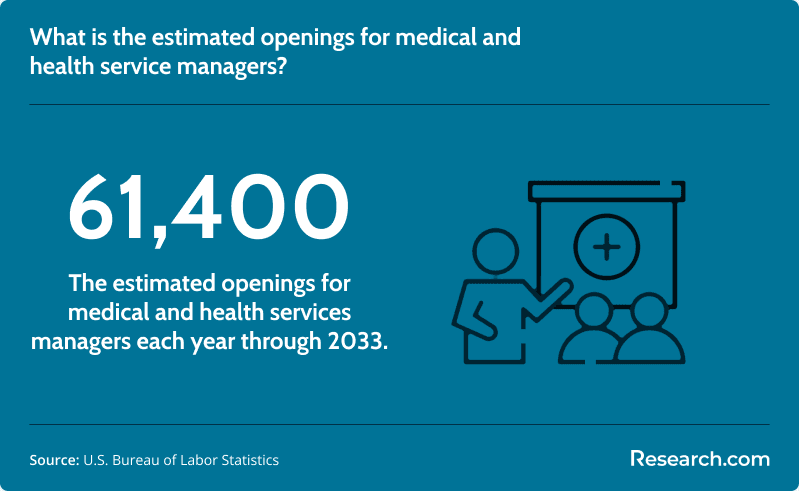
Over the next decade, about 61,400 openings for medical and health services managers are projected each year. Nursing administrators serve as the bridge between nursing teams and upper management, making decisions that affect the quality of care, resource allocation, and overall patient outcomes. Their leadership directly influences the workplace environment and the effectiveness of healthcare delivery.
Nursing administrators often oversee entire departments or facilities, depending on the size of the organization. They are involved in strategic planning, performance evaluations, and implementing clinical protocols to improve patient care. This role requires not only a strong background in nursing but also advanced education in healthcare management or administration. Successful nurse administrators are skilled communicators, problem-solvers, and leaders who can adapt to evolving healthcare challenges while supporting both staff and patients.
What are the responsibilities of a nursing administrator in 2027?
The responsibilities of a nursing administrator span clinical oversight, staff management, and strategic healthcare operations. Aside from administrative work, nursing administrators identified quality improvement (78%), conflict resolution (71%), and employee retention (70%) efforts as among the top tasks that they regularly do.
While duties may vary depending on the size and type of healthcare facility, common responsibilities typically include:
Staff Management and Supervision
- Hiring, training, and evaluating nursing staff
- Creating work schedules and managing shift coverage
- Resolving staffing conflicts and promoting team cohesion
Budgeting and Resource Allocation
- Developing and managing departmental budgets
- Approving purchases for medical supplies and equipment
- Ensuring cost-effective use of resources without compromising patient care
Policy and Compliance Oversight
- Creating and enforcing nursing policies and procedures
- Ensuring compliance with local, state, and federal healthcare regulations
- Coordinating with legal and quality assurance teams during audits or inspections
Strategic Planning and Leadership
- Setting long-term goals for the nursing department
- Leading initiatives to improve patient care and operational efficiency
- Collaborating with physicians, executives, and other healthcare leaders
Patient Care Quality and Safety Monitoring
- Evaluating patient outcomes and implementing quality improvement measures
- Investigating incidents or complaints related to nursing services
- Promoting evidence-based practices and staff education
How is a nursing administrator different from a nurse manager?
While both nursing administrators and nurse managers hold leadership roles within healthcare facilities, their responsibilities differ in scope and focus. A nurse manager typically oversees a specific unit or department, such as the emergency room or intensive care unit, and is responsible for managing day-to-day clinical operations, supervising nurses, and ensuring patient care standards are met within that unit. They are more directly involved in patient care coordination, staff scheduling, conflict resolution, and maintaining team morale at the ground level.
In contrast, a nursing administrator operates at a higher, often organizational or system-wide level, with responsibilities that extend beyond individual departments. Their role is more strategic and policy-driven, involving budget planning, regulatory compliance, interdepartmental coordination, and long-term workforce planning. Nursing administrators may supervise multiple nurse managers and are more likely to be involved in executive decision-making, which makes them one of the highest paid nurses. While nurse managers focus on tactical execution, nursing administrators concentrate on strategic oversight and leadership across the broader healthcare system.
What degree do you need to become a nursing administrator?
To become a nursing administrator, you typically need at least a Bachelor of Science in Nursing (BSN), but most employers prefer candidates with a master’s degree in a relevant field. In 2023, individuals in medical and health services management, including nurse administrators, earned a median annual salary of $110,680, highlighting the potential financial rewards of this career path.
The most common and competitive educational paths include:
- Bachelor of Science in Nursing (BSN): This is the foundational degree required to become a registered nurse (RN), which is a prerequisite for entering nursing administration. BSN-prepared nurses earn, on average, $17,000 more annually than their ADN-prepared counterparts.
- MSN in Nursing Administration or Leadership: This degree is highly recommended for those aiming for administrative roles and provides training in healthcare policy, organizational management, and leadership strategies. Check for direct entry MSN programs online offered by universities and nursing colleges.
- Master of Healthcare Administration (MHA) or Master of Business Administration (MBA) in Healthcare Management: These degrees are also valued, especially for roles that require a strong focus on finance, operations, and strategic planning in a healthcare setting.
Some advanced roles may even require a Doctor of Nursing Practice (DNP) with a specialization in executive leadership. While a BSN and RN license may get you into lower-level supervisory positions, a master’s or doctoral degree significantly enhances your qualifications for senior nursing administrator positions.
The following chart illustrates the median annual earnings for medical and health services managers across various sectors as of 2023. This data provides insight into the potential salary expectations for professionals in this field, including aspiring nursing administrators.
How long does it take to become a nursing administrator?
Becoming a nursing administrator typically takes six to 10 years, depending on your educational path and the amount of clinical experience required. Here’s a general breakdown:
- Earn a BSN (Bachelor of Science in Nursing): This program typically takes four years, or 2–3 years if you already have an associate degree in nursing and pursue an RN-to-BSN program.
- Gain Clinical Experience as a Registered Nurse: Most employers require two to five years of hands-on nursing experience before moving into an administrative role.
- Pursue a Master’s Degree (MSN, MHA, or MBA): Depending on whether you study full-time or part-time, an MSN may take 1.5 to 3 years.
Some aspiring nurse administrators may choose to fast-track their education through accelerated nursing programs, which can shorten the timeline. However, gaining real-world experience is critical for building leadership and clinical decision-making skills. Overall, expect to invest close to a decade if you're starting from scratch, but timelines can vary based on your starting point and pace.
Do nursing administrators need specialized training or certifications?
Aside from completing online nursing programs, nursing administrators often benefit from specialized training and certifications, especially if they want to stand out in a competitive job market or advance into higher leadership roles. While certifications are not always mandatory, many employers prefer or require them as a sign of expertise and commitment to the profession.
Common certifications for nursing administrators include:
- Certified Nurse Manager and Leader (CNML): Offered by the American Organization for Nursing Leadership (AONL), this certification is designed for nurse managers and emerging leaders.
- Nurse Executive Certification (NE-BC or NEA-BC): Provided by the American Nurses Credentialing Center (ANCC), these certifications are for mid- to high-level nurse executives. NE-BC is for nurse managers and administrators, while NEA-BC is for advanced nurse executives.
- Certified in Executive Nursing Practice (CENP): Also offered by AONL, this certification is geared toward nurse leaders in executive roles and requires a master's degree in nursing or healthcare administration.
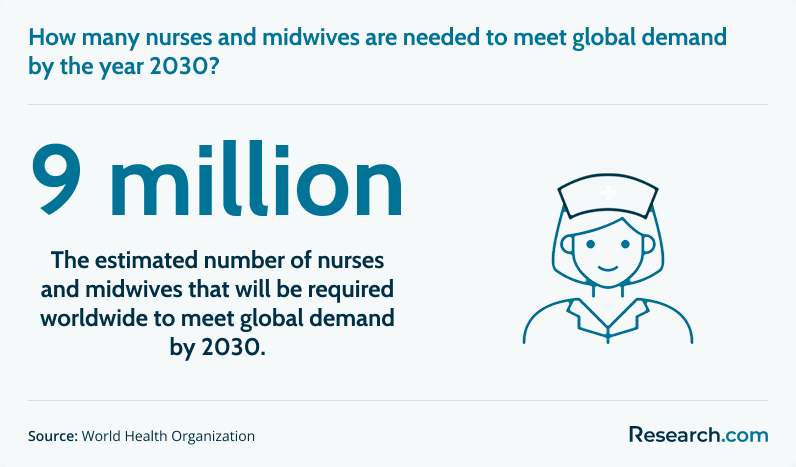
In addition to certifications, continuing education and leadership training—such as courses in healthcare finance, human resources, or strategic planning—can also enhance your qualifications. The World Health Organization estimates that by 2030, an additional 9 million nurses and midwives will be required worldwide to meet global demands. These credentials not only boost your resume but also equip you with the skills to manage complex healthcare systems more effectively.
How does nursing administrator certification impact salary and job opportunities?
Earning a nursing administrator certification can significantly enhance both salary potential and job opportunities. Certifications demonstrate your advanced knowledge, leadership capabilities, and commitment to professional growth, which can make you a more attractive candidate for high-level administrative roles.
Certified nurse administrators often command higher salaries than their non-certified peers. In fact, based on industry data:
- Professionals with certifications like NE-BC, CNML, or CENP can earn 10% to 20% more on average.
- Employers are more likely to offer salary increases, bonuses, or leadership stipends to certified administrators.
Prior to completing their first nursing degree, 70% of RNs indicated that they were employed in a health-related job. The most common positions were nursing assistant (45%), licensed practical nurse/licensed vocational nurse (LPN/LVN) (16%), or home health aide (10%).
Impact on Job Opportunities:
- Many hospitals and healthcare organizations prefer or require nursing certifications for mid- to senior-level leadership roles.
- Certification can give you a competitive edge when applying for executive positions, such as Chief Nursing Officer (CNO) or Director of Nursing.
- Certified professionals may be fast-tracked for promotions, considered for larger department oversight, or invited to lead strategic initiatives.
Certification not only validates your expertise but also opens doors to higher-paying jobs, greater responsibilities, and career advancement in nursing leadership.
The chart below details the various healthcare roles held by U.S. nurses before they obtained their Registered Nurse (RN) licensure. This provides insight into the common career paths and prior experiences of individuals entering the RN profession.
Should I Consider an ADN to MSN Bridge Program for Nursing Administration?
For nursing professionals aiming to advance into leadership roles, targeted bridging programs offer a focused curriculum that integrates clinical expertise with strategic management. ADN to MSN bridge programs streamline the transition by providing coursework focused on budget planning, regulatory compliance, and executive decision-making tailored for nursing administration. These programs help build the essential skills needed to excel in complex healthcare environments and accelerate career progression without redundant coursework. Explore comprehensive details on available options through ADN to MSN.
Can online accelerated programs expedite my transition to nursing administration?
Online accelerated programs offer a flexible approach that enables experienced nursing professionals to enhance leadership skills without pausing their careers. These programs emphasize current healthcare management practices, integrating coursework on regulatory compliance, budgeting, and strategic planning with practical applications that mirror the fast-evolving industry standards. In addition, many of these programs provide mentorship components that foster real-world insights and networking opportunities, crucial for navigating complex administrative roles. For more information on streamlined pathways to advanced practice, consider taking the shortest online nurse practitioner program.
What is the average salary for a nursing administrator?
The average salary for a nursing administrator in the United States varies based on factors such as experience, education, geographic location, and the specific healthcare facility. According to the U.S. Bureau of Labor Statistics (BLS), medical and health services managers, which include nurse administrators, had a median annual salary of $110,680 as of 2023.
Other sources provide varying figures. For instance, Glassdoor estimates the total annual pay for a nurse administrator to be around $120,314, with an average base salary of $102,276. Similarly, NursingEducation.org reports an average annual salary of $134,440 for nurse administrators.
It is important to note that salaries can differ significantly depending on the state and city of employment. For example, nurse administrators in New York may earn higher salaries compared to those in other regions. Additionally, factors such as healthcare certifications, years of experience, and the size of the employing organization can influence earning potential.
How can aspiring nursing administrators build a robust professional network?
Building a strong professional network is critical for leadership roles in nursing administration. Engage with professional organizations, attend healthcare management conferences, and participate in specialized workshops to connect with seasoned executives and peers. Establish strategic mentoring relationships to gain insights on navigating complex administrative challenges and to identify emerging opportunities. Consider enrolling in programs such as the easiest RN program to accelerate your growth and integrate into influential networks that support career advancement.
How Can Pursuing Advanced Education Impact a Nursing Administrator’s Career?
Advanced education provides nurse administrators with expanded expertise in leadership strategies, financial stewardship, and regulatory compliance, directly affecting their capability to manage complex healthcare systems. Enhancing academic credentials through targeted programs can lead to improved strategic decision-making and operational oversight. Enrolling in a cheap online doctor of nursing practice program may offer a cost-effective pathway to attaining the advanced knowledge necessary for impactful leadership in healthcare.
How Can Emerging Technology and Innovation Enhance Nursing Administration?
Rapid technological advancements offer nursing administrators valuable opportunities to optimize operations and improve decision-making processes. Integrating data analytics, advanced electronic health record systems, and AI-driven patient monitoring can lead to more precise resource allocation and enhanced patient care outcomes. Modern virtual platforms streamline leadership communication and support real-time collaboration, enabling proactive management of emerging challenges without compromising quality. For administrators aiming to combine clinical acumen with innovative leadership strategies, enrolling in a shortest online DNP program can serve as a strategic investment toward advancing their technical and executive capabilities.
How can advanced clinical training support the transition to nursing administration?
Integrating advanced clinical training can refine decision‐making capabilities and enhance strategic leadership in complex healthcare environments. Programs that focus on clinical excellence complement administrative responsibilities by fostering a deep understanding of patient care dynamics and resource allocation challenges. For example, participation in a nurse practitioner direct entry program may provide candidates with a robust clinical foundation, equipping them with insights that improve communication between clinical staff and executive management while strengthening problem-solving skills under high-pressure conditions.
What are the career paths for a nursing administrators?
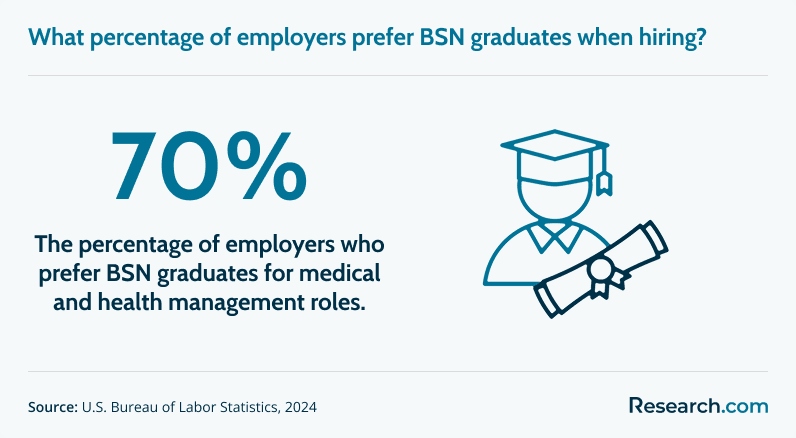
The career paths for a nursing administrator can be diverse and offer various opportunities for advancement within healthcare management. According to the American Association of Colleges of Nursing (AACN), 70% of employers prefer BSN graduates, and 25% require a BSN for new hires. As nursing administrators gain experience, they can move into higher leadership roles or specialize in different areas of healthcare. Here are some potential career paths:
1. Nurse Executive
A nurse executive, such as a Chief Nursing Officer (CNO) or Vice President of Nursing, holds a top leadership position within a hospital or healthcare system. They oversee all nursing operations, set strategic goals, and collaborate with other healthcare executives. This role typically requires significant experience in nursing administration and may require additional qualifications, such as a Master of Healthcare Administration (MHA) or Doctor of Nursing Practice (DNP).
2. Healthcare Administrator (Hospital or Healthcare System)
As a healthcare administrator, you may oversee the operations of an entire hospital or a large healthcare organization. This role involves managing budgets, overseeing department heads, ensuring regulatory compliance, and improving patient care services. This role may be reached after years of experience in nursing leadership, possibly requiring additional certifications or advanced degrees in healthcare administration.
3. Nurse Manager
A nurse manager typically oversees a specific department or unit, such as ICU or Emergency Department. They are responsible for staffing, budgeting, quality control, and ensuring optimal patient care within their department. Nurse managers often move into more senior administrative roles after gaining years of hands-on management experience.
4. Clinical Nurse Leader
This role blends clinical expertise with leadership skills. Clinical nurse leaders are responsible for improving patient care quality, implementing evidence-based practices, and coordinating multidisciplinary teams. Many nurse administrators transition into this role if they wish to focus more on clinical outcomes and direct patient care management.
5. Director of Nursing
The Director of Nursing oversees nursing staff and ensures that care standards are met across various departments or facilities. They are responsible for the implementation of nursing policies, compliance, and staff development. This position is often a stepping stone to more senior executive roles like CNO, requiring advanced management skills and leadership experience.
6. Nurse Educator/Trainer in Healthcare Administration
Nurse administrators may move into teaching or training roles, educating the next generation of nurses and healthcare administrators. This could involve teaching at nursing schools, developing curricula, or conducting workshops for nursing staff. Moving into academia may require a terminal degree (like a DNP or PhD in nursing or healthcare education) along with teaching experience.
7. Consulting
Experienced nursing administrators may choose to become healthcare consultants, advising healthcare facilities on operational improvements, policy development, staffing issues, and regulatory compliance. This path typically requires a strong professional network, in-depth industry knowledge, and excellent problem-solving skills.
8. Policy and Advocacy Roles
Some nursing administrators may transition into roles that focus on healthcare policy, either working for government agencies or advocacy organizations. This could involve influencing healthcare regulations, working on health reforms, or advocating for improved nursing practices. This career shift may require involvement in policy research, public health, or law, in addition to clinical and administrative experience.
What challenges and trends are shaping nursing administration?
Nursing administrators currently navigate increasing regulatory complexities, rapid technological advancements, and evolving patient care models. Leaders must ensure that systems are agile enough to integrate digital tools such as telehealth and data analytics while maintaining high standards of care and managing workforce burnout. Staying informed on emerging trends, including healthcare cybersecurity and AI-driven decision-making, is crucial for long-term success. Pursuing targeted education, such as a bachelor of nursing online fast track, can provide the competitive edge needed to address these challenges and drive strategic innovation.
What is the job outlook for nursing administrators?
The job outlook for nursing administrators is exceptionally strong, reflecting the expanding complexity of healthcare systems and the increasing demand for skilled management.
According to the U.S. Bureau of Labor Statistics (BLS), employment of medical and health services managers—including nursing administrators—is projected to grow 29% from 2023 to 2033, which is much faster than the average for all occupations. This growth is expected to result in approximately 61,400 openings each year over the decade, driven by the need to replace workers who transfer to different occupations or exit the labor force.
The increasing demand for healthcare services, particularly as the population ages, necessitates more complex healthcare delivery systems and, consequently, more administrative oversight. Nursing administrators play a crucial role in overseeing these systems, ensuring efficient operations, and maintaining high-quality patient care standards. Their expertise is vital in navigating the evolving healthcare landscape, making their roles indispensable and in high demand.
Here’s What Professionals Have to Say About Becoming a Nursing Administrator
- Moving into administration allowed me to leverage my years of clinical experience to impact patient care on a much broader scale. I now have the privilege of empowering my nursing team, fostering a supportive environment, and seeing the positive ripple effects on our patients and their families. It's incredibly rewarding to lead and shape the future of nursing within our hospital. Sarah
- While I initially missed direct patient interaction, the strategic challenges and the ability to implement system-wide improvements have been incredibly fulfilling. Seeing our team thrive under effective leadership and witnessing tangible improvements in patient outcomes due to our initiatives brings a unique sense of accomplishment. This career path has allowed me to grow both professionally and personally. Mark
- Transitioning to a nurse administrator role provided a fantastic opportunity to combine my passion for nursing with my interest in leadership and organization. I appreciate the autonomy to develop and implement innovative programs that directly enhance the quality of care and create a more positive work environment for our nurses. It's a demanding but deeply meaningful career. Lisa
Key Findings
- Roughly 61,400 medical and health services manager positions are expected to open annually over the next decade.
- Beyond administration, nursing administrators frequently handle quality improvement (78%), conflict resolution (71%), and employee retention (70%).
- BSN-prepared nurses earn approximately $17,000 more per year than ADN-prepared nurses.
- The WHO projects a need for an 9 million more nurses and midwives globally by 2030.
- Medical and health services managers, including nurse administrators, had a median annual salary of $110,680 in 2023 (BLS).
- 70% of employers prefer BSN graduates, and 25% require a BSN for new nursing hires (AACN).
- Employment for medical and health services managers, including nursing administrators, is projected to increase by 29% from 2023 to 2033 (BLS).
References:
- American Organization for Nursing Leadership. (2023). AONL workforce compendium.
- American Organization for Nursing Leadership. (2024). Quantifying nurse manager impact.
- American Organization for Nursing Leadership. (2025). AONL nursing leadership insight study 2025.
- American Organization for Nursing Leadership. (2025). Nursing leadership survey.
- American Organization for Nursing Leadership. (n.d.). Quantifying nurse manager impact.
- U.S. Bureau of Labor Statistics. (2023). Medical and health services managers. Occupational Outlook Handbook.
Other Things You Should Know About Becoming a Nursing Administrator
In 2027, the demand for nursing administrators is expected to grow due to an aging population and the increasing complexity of healthcare systems. This growth enhances job prospects, with an expected steady increase in roles and competitive salaries across healthcare settings.
Typically, you need at least 2-5 years of clinical nursing experience to transition into a nursing administrator role. This experience provides necessary insights into patient care and hospital operations, aiding in effective leadership and management.


