
2027 How to Become a Physical Education Teacher in Alabama

Co-Founder and Chief Data Scientist
Alabama offers a rewarding path for those eager to become physical education teachers. With over 1.2 million K-12 students enrolled statewide, the demand for qualified PE educators remains strong. Pursuing this career promotes physical health and wellness while shaping the next generation’s habits and discipline.
The profession not only fosters community well-being but also provides stable employment opportunities backed by state education initiatives supporting teacher development. Choosing physical education teaching in Alabama means contributing meaningfully to students' lives through active learning environments and promoting lifelong fitness values.
This article, crafted by seasoned experts in career planning, will guide aspiring teachers through the specific steps to obtain certification, meet state requirements, and succeed in Alabama’s education system. Readers will gain clear, practical information essential for starting a fulfilling career as a physical education teacher in Alabama.
Key Things to Know About Becoming a Physical Education Teacher in Alabama
- Earn a bachelor’s degree in physical education or a related field from an accredited Alabama institution to meet state educational standards.
- Complete an approved teacher preparation program that includes student teaching to gain hands-on classroom experience.
- Pass the Alabama Educator Certification Exam and apply for state licensure, essential to legally teach physical education in public schools.
- What are the education requirements to become a physical education teacher in Alabama?
- What skills are essential for physical education teachers in Alabama?
- Do PE teachers in Alabama need a teaching license?
- How do you get certified as a PE teacher in Alabama?
- Can out-of-state teachers transfer their license to Alabama for PE teaching?
- How long does it take to become a PE teacher in Alabama?
- What are the career advancement opportunities for PE teachers in Alabama?
- How much does it cost to become a PE teacher in Alabama?
- Are there scholarships for physical education teaching students in Alabama?
- Is there demand for physical education teachers in Alabama?
- What is the average salary of a PE teacher in Alabama?
What are the education requirements to become a physical education teacher in Alabama?
Formal education lays the foundation for effective physical education teaching in Alabama by equipping educators with the knowledge and skills necessary to create impactful PE programs that support student wellness. Strong academic preparation aligns teaching methods with the state’s health and fitness standards, ensuring activities are safe, inclusive, and developmentally appropriate.
Below are the essential education requirements to meet Alabama physical education teacher certification requirements and succeed in this rewarding profession.
- Bachelor’s Degree in Physical Education or Related Field: A minimum of a bachelor’s degree is required, typically in physical education, kinesiology, or a closely related discipline. Programs usually cover essential topics such as motor development, wellness, sports, and instructional methods that are crucial for delivering comprehensive physical education.
- Completion of a State-Approved Teacher Preparation Program: Your degree must come from a program approved by Alabama that integrates coursework with supervised field experiences. These programs provide hands-on training through internships or practicums across different grade levels, preparing you to teach physical education effectively from elementary through high school.
- Coursework Emphasizing Child Development and Pedagogy: In-depth study includes courses focused on teaching strategies, motor skill development, adapted physical education, and student assessment aligned with Alabama’s curriculum. This coursework prepares you to address diverse learner needs and administer state-mandated physical fitness assessments.
- Hands-On Teaching Experience: Extensive practical experience in school settings is vital. These internships develop your classroom management and lesson adaptation skills, ensuring that you can meet various student needs while adhering to state learning outcomes.
For those exploring options, reviewing a list of best bachelors in education online can help find reputable programs that align with physical education degree requirements in Alabama.
What skills are essential for physical education teachers in Alabama?
To thrive as a physical education teacher in Alabama, you need a diverse set of talents that go beyond simply leading exercises. These essential skills help you engage students, encourage healthy lifestyles, and effectively manage classrooms that include learners from different backgrounds and abilities.
Developing these competencies will prepare you to meet the unique demands of the job and create a positive impact on youth health and fitness. Here are key capabilities to focus on as you build your career:
- Communication: Clear and effective communication is vital for explaining activities, safety rules, and educational goals to students, parents, and staff alike. Being able to interpret and convey complex instructional materials ensures everyone is on the same page, which fosters a supportive school community.
- Leadership: Strong leadership skills enable you to organize group activities, maintain discipline, and inspire participation. As a physical education teacher, you also manage equipment and facilities, so your ability to lead by example and organize resources impacts student engagement and safety.
- Adaptability: Classrooms in Alabama often include students with varying ages, abilities, and backgrounds. Being adaptable means modifying lessons to include everyone, adjusting plans for special needs, and responding calmly to unexpected situations, all while maintaining inclusivity and compliance with state requirements.
- Knowledge of Fitness and Health: A thorough understanding of exercise science, injury prevention, and wellness allows you to teach comprehensive programs that cover everything from sports skills to health education. This expertise underpins the ability to deliver safe, evidence-based instruction and administer assessments required by the state.
If you’re exploring pathways to develop these physical education teacher competencies in Alabama, it is helpful to review a list of the best online education degrees that can equip you with the necessary foundation and credentials.
Do PE teachers in Alabama need a teaching license?
Licensing requirements are essential in Alabama to maintain consistent teaching standards and ensure positive student outcomes, especially in physical education where health and well-being play a key role. A state-issued teaching license confirms that educators not only understand their subject but also have the pedagogical skills and ethics needed to support student development effectively.
In Alabama public schools, physical education teachers must hold a valid Professional Educator Certificate specific to physical education. This certification requires completing a state-approved bachelor’s degree program, passing the Praxis Core exams and the Praxis Physical Education: Content Knowledge exam, as well as the edTPA performance assessment.
Candidates also undergo thorough state and federal background checks. The license is valid for five years and can be renewed through professional development or teaching experience. This strict licensing policy ensures that public school PE teachers are well-prepared to deliver quality instruction and meet state educational standards.
Private and charter schools in Alabama offer more flexibility, as licensure is not always mandatory. Many private schools prefer licensed teachers to uphold standards, but they may also consider candidates with relevant degrees or coaching experience. Charter schools, while publicly funded, often set their own hiring requirements that can differ widely.
This flexibility opens alternative pathways for aspiring PE teachers, though holding a valid license expands career opportunities, increases earning potential, and allows easier mobility across different educational settings in Alabama.
How do you get certified as a PE teacher in Alabama?
Certification is an essential milestone for physical education teachers in Alabama, ensuring they are fully equipped to promote student fitness, wellness, and healthy habits. This process guarantees teachers have the right blend of knowledge and practical skills to inspire students across all grade levels. Here are the key steps to become a certified PE teacher in Alabama:
- Earn a Bachelor’s Degree in Physical Education or a Related Field: Complete a bachelor’s program in physical education, health, or a related discipline from an accredited institution. This typically involves around 120 credit hours covering teaching methods, motor development, sports safety, and wellness principles.
- Complete a State-Approved Teacher Preparation Program: Finish a program approved by the Alabama State Department of Education that combines classroom instruction with hands-on teaching experience, preparing you to effectively instruct students from kindergarten through 12th grade.
- Pass Required State Examinations: Successfully pass the Praxis Subject Assessments for physical education and the edTPA teaching portfolio, which evaluates your readiness through practical, real-world teaching scenarios.
- Apply for State Certification: Submit your application for the Class B Professional Certificate in Physical Education (P-12), allowing you to legally teach PE in Alabama public schools.
- Maintain Certification Through Professional Development: Engage in ongoing learning and development activities to renew your certification and stay current with evolving educational standards and best practices.
A PE teacher from Alabama shared his reflections on this journey after graduating from a local university. He described the certification process as rigorous but rewarding, especially the balance between theory and field experience. “Passing the Praxis exams felt challenging, but preparing for the edTPA portfolio pushed me to reflect deeply on my teaching approach,” he said.
He also highlighted the importance of the teacher preparation program’s hands-on practice, which built his confidence before stepping into the classroom. Though navigating the administrative steps sometimes felt overwhelming, he found that each phase strengthened his skills and commitment to fostering student wellness. “Certification isn’t just a requirement; it’s a journey that truly prepares you to make a positive impact,” he reflected.
Can out-of-state teachers transfer their license to Alabama for PE teaching?
Alabama does offer a pathway for out-of-state physical education teachers to transfer their teaching license through a reciprocity process. This means if you hold a valid professional educator certificate from another state, you can apply for a comparable certificate in Alabama.
To qualify, you must have at least a bachelor's degree from a regionally accredited institution and hold a valid professional certificate in physical education or a related area. However, if you do not have at least three years of full-time professional experience in your certification area, you may be required to pass the Praxis subject area tests or an equivalent content knowledge exam.
This ensures that all educators meet Alabama's standards, maintaining a high quality of instruction for students across the state. While coursework or temporary licensing may not be mandatory, meeting these testing or experience criteria is essential to secure a full license.
For physical education teachers relocating to Alabama, these reciprocity rules mean your journey can be smoother if you bring sufficient experience and proper certification. Meeting the experience requirement means you can often bypass additional testing, streamlining your licensing process.
If you lack extensive experience, be prepared for the possibility of extra steps like passing content exams, which ultimately help ensure you are well-prepared to teach in Alabama's schools. While this might feel challenging, it reflects the state’s commitment to quality education and helps you maintain a competitive edge.
Alabama is actively supporting educators coming from other states, offering a balanced approach that values your background while upholding standards to benefit students and communities alike.
How long does it take to become a PE teacher in Alabama?
The time required to become a physical education teacher in Alabama can vary depending on the degree program chosen, the teacher preparation curriculum, and how quickly a candidate completes practical experience requirements. These factors combine to shape the overall timeline for certification, which involves academic study, hands-on training, and meeting state licensing standards.
- Bachelor’s Degree Completion: Earning a bachelor’s degree in physical education or a related field typically takes around four years of full-time study. Alabama universities generally require about 120 credit hours, covering essential coursework such as kinesiology, physiology, and teaching methods tailored to physical education.
- Teacher Preparation and Field Experience: Integrated within the degree program, this phase includes supervised practicum and student teaching experiences, usually completed during the final semester. Gaining real-world classroom experience under certified instructors helps solidify teaching skills.
- State Certification Process: After graduation, prospective PE teachers must pass the Praxis exams relevant to physical education and apply for the Class B Professional Educator Certificate. The certification steps typically take several additional months, depending on exam schedules and state processing times.
- Overall Timeline: Most candidates following a traditional path expect the entire process—from starting college to full certification—to take about four to five years. Alternative routes, including post-baccalaureate or master’s level programs, can extend this timeframe by one to two years depending on the program structure.
- Alternative Certification Options: Those with a bachelor’s degree in another field might explore accelerated or alternative pathways to earn certification. These options often involve specialized post-baccalaureate programs designed to prepare teachers for the classroom in a shorter period.
For those curious about other education routes and professional pathways, exploring all types of degrees in education can provide useful insights to help you choose the best fit.
What are the career advancement opportunities for PE teachers in Alabama?
Physical education teachers in Alabama can enhance their career prospects through targeted professional development, advanced certifications, and diversified teaching roles. Pursuing specialized training in areas such as sports administration, health education, or coaching can lead to leadership opportunities within schools. Networking through state and regional education conferences and enrolling in advanced degree programs further supports upward mobility. Additionally, gaining cross-endorsements in related subject areas can open avenues in curriculum development or administrative positions. For a detailed timeline to expand your teaching qualifications, review how long does it take to become a teacher in Alabama.
How much does it cost to become a PE teacher in Alabama?
The journey to becoming a physical education teacher in Alabama involves several key expenses that contribute to the overall investment in your career. Tuition, certification fees, and testing costs all play a role, and knowing what to expect can help you plan wisely. Below is a breakdown of the main components you'll need to consider.
- Bachelor’s Degree Tuition: The tuition for a physical education degree in Alabama varies depending on the institution. Public in-state tuition generally ranges from $8,000 to $12,000 annually, while private college tuition can be higher. Many students pursue a bachelor’s degree in physical education or a related field to meet certification prerequisites.
- PE Teacher Preparation Program: Completing an approved educator preparation program is essential. Graduate-level alternative certification programs, such as MAT or MEd, typically charge tuition per credit hour. These costs can add up to $14,000–$19,000 depending on the total credits required for completion.
- Licensing and Exam Fees: The cost of the Alabama Educator Certification Testing Program and application fees are important to factor in. Exam fees often fall between $120 to $170 per test, while certification applications usually cost between $30 and $60.
- Background Check and Fingerprinting: These mandatory steps ensure a safe environment for students. Fingerprinting fees through the state vendor are approximately $48.25.
- Books, Materials, and Other Expenses: Additional costs such as textbooks, technology fees, and travel for internships can add several hundred to a few thousand dollars during your studies. For those exploring different learning options, an early childhood education online degree may offer alternative pathways and insights.
Are there scholarships for physical education teaching students in Alabama?
Managing the costs of tuition and certification can be daunting for aspiring physical education teachers in Alabama. Fortunately, a variety of scholarships and financial aid programs exist to ease this burden, making your goal more attainable through targeted support and incentives.
- Federal and State Financial Aid: By completing the FAFSA, students can access Pell Grants and Direct Loans, while state programs like the Alabama Student Assistance Program offer need-based grants to reduce tuition and living costs.
- Institutional Scholarships: Many universities provide scholarships tailored to education majors, including tuition discounts and awards prioritizing academic merit and financial need for those committed to teaching in Alabama.
- Teaching Grants and Loan Forgiveness: Programs like the TEACH Grant and Public Service Loan Forgiveness reward students and educators who serve in high-need areas by offering grants and debt relief in exchange for service commitments.
- Partnership and Tuition Reduction Programs: Initiatives such as Teacher Connect give working paraprofessionals or aides tuition scholarships while they complete their degrees online, linking education with employment.
When I spoke with a PE teacher from Alabama who graduated from a local university, she shared how crucial financial aid was in her journey. “The Black Belt Teacher Corps scholarship was a lifeline,” she recalled, explaining that receiving $2,500 each semester allowed her to focus on coursework without overwhelming debt.
Balancing work and study was challenging, but the scholarship’s requirement to teach in rural schools felt like a meaningful commitment, giving her purpose and direction. “Without that support, I don’t think I would have made it through,” she added, emphasizing the emotional relief and confidence the aid provided during uncertain times.
Is there demand for physical education teachers in Alabama?
The demand for physical education teachers in Alabama is influenced by several key factors including school enrollment trends, state health initiatives, and the rate at which teachers retire.
As student populations change and the state emphasizes health-focused policies, the need for qualified educators in physical education shifts accordingly. Retirement trends among veteran teachers also create openings, shaping a job market that is both dynamic and regionally varied.
In Alabama, the strongest demand for PE teachers exists predominantly in public schools, especially in larger urban districts and underserved rural areas where shortages are more acute. Private schools and alternative education settings also offer opportunities, but public schools remain the primary employers.
Although the national job growth for physical education teachers is projected to be modest, around 3.1% from 2022 to 2032, much of the demand in Alabama stems from turnover and retirements rather than new positions. This means that districts like Birmingham City Schools and others in counties like Geneva and Florence are regularly seeking skilled educators.
For those interested in the PE teacher demand Alabama faces, it’s important to recognize these regional and sector-specific nuances. Candidates with experience in coaching and health education are especially valued in this environment.
These trends highlight steady employment prospects for aspiring teachers, particularly if they are certified and knowledgeable about current health and fitness standards. For those considering advanced credentials to further enhance their career path, exploring whether is getting online doctorate degree in education hard might provide valuable insight into long-term opportunities.
Ultimately, physical education teacher shortage Alabama continues to create openings for dedicated educators ready to make a difference in student wellness and fitness across the state.
What is the average salary of a PE teacher in Alabama?
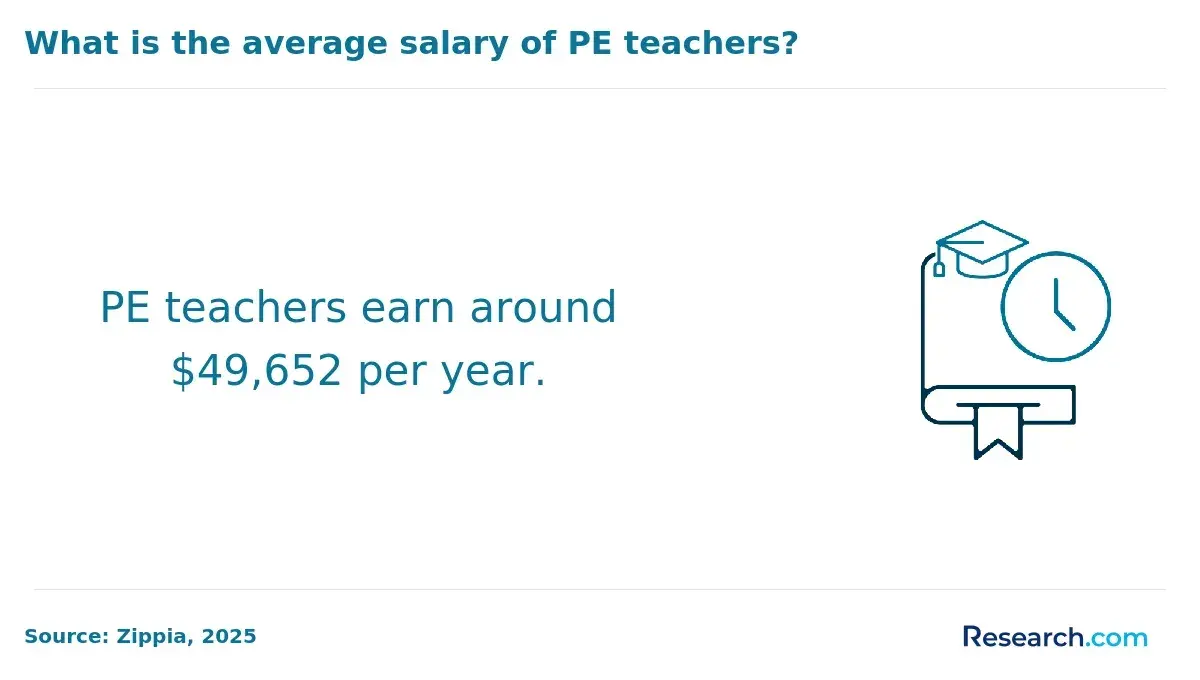
The average salary for physical education (PE) teachers in Alabama is approximately $60,840, which exceeds the national average of about $49,652 for PE educators. Salary is a crucial factor for those considering a career in physical education in Alabama, as it impacts financial security, professional growth, and the ability to support ongoing learning.
Understanding what influences PE teacher salaries in Alabama helps set realistic expectations and guides career planning. The key factors affecting salary include:
- Years of Experience: Salaries increase with experience, with entry-level teachers earning near the lower range, while seasoned educators can earn upwards of $60,700 annually.
- Education Level: Advanced degrees like a master’s or doctorate often qualify teachers for higher salary brackets within districts.
- School Type (Public vs. Private): Public schools generally offer more competitive salaries and benefits compared to private schools, which may compensate through other means.
- Geographic Location: Urban and suburban districts tend to pay more than rural areas due to differences in funding and student populations.
While PE salaries in Alabama may be modest compared to some states, the earning potential increases with experience, education, and additional responsibilities, reflecting both the challenges and rewards of this vital profession.
What Do Physical Education Teachers in Alabama Say About Their Career?
- Completing my physical education program at Birmingham Academy gave me a solid foundation not only in teaching but in understanding the unique needs of Alabama’s youth. Starting my career in a local school, I appreciated the job stability and strong community support that helped me thrive. It’s incredibly rewarding to see how sports and physical activity positively influence students’ health and confidence, especially in underserved areas. This career has truly fueled my passion for contributing to young people's well-being in a meaningful way. Hal
- My experience growing up in Alabama shaped my understanding of the power of community involvement through sports. After finishing my program at Montgomery Preparatory School, starting work as a PE teacher in a local school allowed me to witness firsthand the impact of physical education on students' social skills and academic success. What I love most is the opportunity for continuous professional development and career advancement in this field. It’s fulfilling to grow alongside my students and help build healthier, more active communities. Nia
- Teaching physical education in Alabama presents unique challenges and opportunities due to our diverse environment and culture. Graduating from Mobile Central School, I started my career with great enthusiasm knowing that I could adapt our programs to include outdoor physical activities that incorporate Alabama’s natural resources. This career has pushed me to grow personally, embracing both leadership and innovation to engage students in lifelong fitness habits. I find great satisfaction in seeing how my role influences students’ attitudes towards health and wellness. Simone
Related Articles for Nearby States
- 2027 How to Become a Physical Education Teacher in Mississippi
- 2027 How to Become a Physical Education Teacher in Tennessee
- 2027 How to Become a Physical Education Teacher in Georgia
- 2027 How to Become a Physical Education Teacher in Florida
- 2027 How to Become a Physical Education Teacher in Louisiana
- 2027 How to Become a Physical Education Teacher in Arkansas
- 2027 How to Become a Physical Education Teacher in Kentucky
- 2027 How to Become a Physical Education Teacher in South Carolina
- 2027 How to Become a Physical Education Teacher in North Carolina
- 2027 How to Become a Physical Education Teacher in Missouri
References:
- Alabama Physical Education - Alabama State Department of Education https://www.alabamaachieves.org/content-areas-specialty/physical-education/
- Physical Education (P-12) | Department of Health, Kinesiology, and Sport https://www.southalabama.edu/colleges/ceps/hks/under-physicaled-p-12cert.html
- How to Become a PE Teacher in Alabama | Requirements for PE Teacher Jobs in AL https://www.peteacheredu.org/alabama/
- Physical Education - Teacher Education P-12 https://www.una.edu/kinesiology/programs/physicaleducationp12teachercertification.html
- The Importance of a PE Teacher | University of West Alabama Online https://online.uwa.edu/news/pe-teacher/
- Public Education Employees' Health Insurance Plan | The Retirement Systems of Alabama https://www.rsa-al.gov/peehip/
- NBPTS Main Site In Your State - NBPTS Main Site https://www.nbpts.org/support/in-your-state/al/
- PE Teacher Requirements & Qualifications | P.E. Jobs & Salary https://www.teacher.org/career/pe-teacher/
- Physical Education Degree | Troy University https://www.troy.edu/academics/academic-programs/physical-education-grades-p-12.html
- How To Become A Teacher In Alabama Without A Teaching Degree? https://tallo.com/careers/discovery/how-to-become-a-teacher-in-alabama-without-a-teaching-degree/
Other Things You Should Know About Becoming a PE Teacher in Alabama
To become a PE teacher in Alabama in 2027, you must hold a bachelor's degree in Physical Education or a related field from an accredited institution. Additionally, you must complete a state-approved teacher preparation program and pass the required Praxis exams to be eligible for certification.
To become a certified PE teacher in Alabama, you must pass the Praxis Physical Education: Content Knowledge exam. Additionally, all candidates must take the edTPA assessment for teacher certification in 2027 to ensure they meet the state's educational standards.


