
2027 How to Become a Physical Education Teacher in Michigan

Co-Founder and Chief Data Scientist
Michigan’s demand for physical education teachers is projected to grow by 6% over the next decade, reflecting an increased emphasis on student health and wellness. The state’s commitment to combating childhood obesity and promoting active lifestyles underscores the value of this career path.
Competitive salaries and opportunities for advancement add to the appeal of becoming a physical education teacher in Michigan. Emerging trends such as integrating technology in physical education hint at evolving roles that future educators will embrace, increasing the profession’s relevance and impact.
This article explores how to become a physical education teacher in Michigan. Prepared by career planning experts, it offers a clear roadmap covering certification requirements, educational pathways, and licensure. Readers will find concise, reliable guidance tailored to Michigan’s unique standards, designed to support their ambitions in this growing field.
Key Things to Know About Becoming a Physical Education Teacher in Michigan
- Earn a bachelor’s degree in physical education or a related field along with completing a state-approved teacher preparation program, meeting Michigan’s Educator Talent Collaborative standards.
- Pass the Michigan Test for Teacher Certification (MTTC) in physical education, which assesses knowledge and teaching skills essential for success in Michigan classrooms.
- Obtain state certification through the Michigan Department of Education; due to a growing demand, future teachers may benefit from increased funding and innovative credentialing pathways.
- What are the education requirements to become a physical education teacher in Michigan?
- What skills are essential for physical education teachers in Michigan?
- Do PE teachers in Michigan need a teaching license?
- How do you get certified as a PE teacher in Michigan?
- Can out-of-state teachers transfer their license to Michigan for PE teaching?
- How long does it take to become a PE teacher in Michigan?
- How much does it cost to become a PE teacher in Michigan?
- Are there scholarships for physical education teaching students in Michigan?
- Is there demand for physical education teachers in Michigan?
- What is the average salary of a PE teacher in Michigan?
- What are the professional development opportunities for PE teachers in Michigan?
What are the education requirements to become a physical education teacher in Michigan?
Formal education plays a vital role in preparing Michigan’s physical education teachers to develop dynamic programs that promote student wellness, physical literacy, and lifelong healthy habits. As the demands of education evolve, integrating emerging trends like technology-enhanced fitness and inclusive pedagogy will shape future PE classrooms. Below are the foundational education requirements that form the basis for meeting Michigan physical education teacher certification requirements.
- Bachelor’s Degree in Physical Education or Related Field: Candidates must earn a bachelor’s degree in physical education, kinesiology, health education, or a closely related area from an accredited college or university. This degree offers essential knowledge of exercise science, motor development, and fitness principles foundational to effective teaching.
- Completion of a State-Approved Teacher Preparation Program: Prospective teachers are required to finish a preparation program approved by the Michigan Department of Education. These programs combine pedagogical theory with practical training in curriculum design, assessment methods, and evidence-based practices tailored to Michigan’s standards.
- Field Experience and Student Teaching: Immersive fieldwork within local schools is a crucial step, providing supervised opportunities to refine instructional skills, classroom management, and adapt teaching for diverse learners under real-world conditions.
- Minimum GPA Requirements: Many institutions set academic standards such as maintaining a 2.7 GPA in pre-professional coursework and a 3.0 GPA in specialized courses to ensure mastery of important concepts and readiness for professional practice.
- Core Coursework in Physical Education and Health: The curriculum often includes classes on anatomy, physiology, motor learning, fitness, curriculum development, and health behavior change. Prospective educators can explore a range of options, including best online bachelors in education programs to meet these requirements while accommodating flexible schedules.
What skills are essential for physical education teachers in Michigan?
Success as a physical education teacher in Michigan relies on a unique blend of skills that engage students, foster lifelong healthy habits, and manage classroom diversity effectively. These competencies not only support student development but also prepare teachers to meet evolving educational demands. To thrive in this dynamic role, physical education professionals must emphasize certain core abilities. Here are the essential skills for Michigan physical education teachers:
- Communication Skills: Mastery of clear and motivating communication is fundamental. Teachers must give precise instructions and offer timely feedback to guide students safely and effectively. Strong communication and classroom management skills Michigan PE teachers develop also help in building rapport with diverse student populations, ensuring inclusive participation.
- Leadership and Motivation: Inspiring students to stay active involves setting positive examples and nurturing teamwork. Effective PE teachers encourage fair play and persistence, fostering environments where all students feel motivated regardless of skill level. Leadership in physical education includes cultivating personal and social skills that extend beyond the gymnasium.
- Adaptability and Classroom Management: The ability to adjust lesson plans to suit varying abilities and interests will become increasingly important as classrooms grow more diverse. Skilled teachers anticipate challenges and maintain safety, ensuring all students have equitable access to activities and equipment. Adaptability is key to managing dynamic, sometimes unpredictable, school settings.
- Knowledge of Fitness, Health, and Curriculum Standards: In-depth understanding of exercise science, nutrition, and state curriculum requirements is essential. Teachers must align instruction with Michigan’s rigorous standards and prepare students for graduation requirements in physical education and health. Staying current with these areas ensures teachers can foster informed, healthy lifestyle choices.
For those looking to build a career in this field, exploring the best online education degrees can provide the foundation needed to develop these critical skills and meet certification demands.
Do PE teachers in Michigan need a teaching license?
Licensing requirements in Michigan play a key role in maintaining uniform teaching quality and promoting positive student outcomes in physical education. By enforcing credential standards, the state helps ensure that PE teachers are well-prepared to support student health and physical literacy throughout K–12 education.
For public schools, a state-issued teaching license with a Health and Physical Education (K–12) endorsement is mandatory. This licensure process demands completion of an approved teacher preparation program, focused coursework, supervised fieldwork, and passing the Michigan Test for Teacher Certification. Such a framework guarantees that public school PE teachers meet rigorous standards aligned with both state and national expectations.
As public schools remain the primary employers of PE teachers in Michigan, this certification unlocks access to stable, well-supported career paths within the state's largest education sector.
Private and charter schools often have more flexible requirements for PE instructors, sometimes accepting candidates with relevant degrees, coaching experience, or alternative credentials instead of formal state certification. This difference creates a more varied employment landscape where licensure is not always strictly necessary, though it may still be preferred for quality assurance.
Looking ahead, this flexibility may evolve as charter authorizers or private institutions seek to balance regulatory expectations with competitive hiring. Ultimately, obtaining state licensure offers the most expansive and secure career opportunities, especially as education standards and accountability measures continue to develop across Michigan’s diverse school settings.
How do you get certified as a PE teacher in Michigan?
Certification is an essential credential for physical education teachers in Michigan, ensuring they are fully equipped to encourage student fitness, wellness, and healthy habits throughout their careers. This process guarantees educators meet professional standards while adapting to evolving health and pedagogical guidelines. Below are the key steps involved in becoming a certified PE teacher in Michigan.
- Complete a Bachelor’s Degree: Candidates need to earn a bachelor’s degree in physical education, health education, or a related field from an accredited institution. This foundational education covers anatomy, physiology, motor learning, and teaching methods tailored for K–12 students.
- Finish a State-Approved Teacher Preparation Program: Prospective teachers must complete a Michigan Department of Education-approved program that combines coursework with supervised teaching experiences focused on physical and health education.
- Pass Required State Exams: Passing the Michigan Test for Teacher Certification (MTTC) Physical Education exam demonstrates proficiency in content and teaching skills necessary for K–12 PE instruction.
- Apply for Certification: Teachers submit their academic records and exam results through the Michigan Online Educator Certification System to receive official certification.
- Obtain K–12 Endorsement: This endorsement allows teaching physical education across all grades, with additional training required for some health education topics.
One PE teacher from Michigan shared his experience navigating this process after graduating from a local university. He described the mixture of excitement and pressure when preparing for the MTTC exam, emphasizing how demanding the content was but also how it strengthened his confidence as an educator. “The supervised teaching during the preparation program was invaluable,” he explained, noting that real classroom experience helped bridge theory and practice. He also mentioned that submitting the application through the online system was straightforward but required meticulous documentation. Reflecting on the journey, he appreciated how the certification steps collectively prepared him to deliver impactful lessons that motivate students to embrace lifelong healthy lifestyles.
Can out-of-state teachers transfer their license to Michigan for PE teaching?
Michigan does not offer full reciprocity for out-of-state physical education teaching licenses but provides defined pathways for qualified educators to obtain Michigan certification. Teachers moving from other states typically must complete additional steps such as passing Michigan-specific assessments, fulfilling coursework requirements, or obtaining temporary authorization to teach while completing these prerequisites.
Experienced teachers with at least three years of successful teaching in physical education who hold a valid out-of-state certificate and meet educational criteria—like completing eighteen semester hours in a planned program after initial certification—may be eligible for a Michigan Professional License without further testing.
However, for those who do not meet these benchmarks, Michigan issues temporary teaching authorization for up to one year to allow time for completing required tests or coursework. Each application is reviewed individually, and any gaps in qualifications must be addressed before full licensure.
The impact of these rules on physical education teachers relocating to Michigan is significant. Experienced teachers can benefit from a streamlined transition that reduces teaching interruptions, while less experienced educators face additional hurdles like passing state assessments or completing specialized coursework, potentially delaying full licensure. The temporary authorization serves as a valuable bridge, enabling new arrivals to start teaching immediately while meeting Michigan’s standards.
Looking forward, these requirements may evolve with a growing demand for quality PE teachers in Michigan, possibly allowing more flexible or expedited pathways as the state balances teacher shortage challenges with maintaining high instructional standards.
How long does it take to become a PE teacher in Michigan?
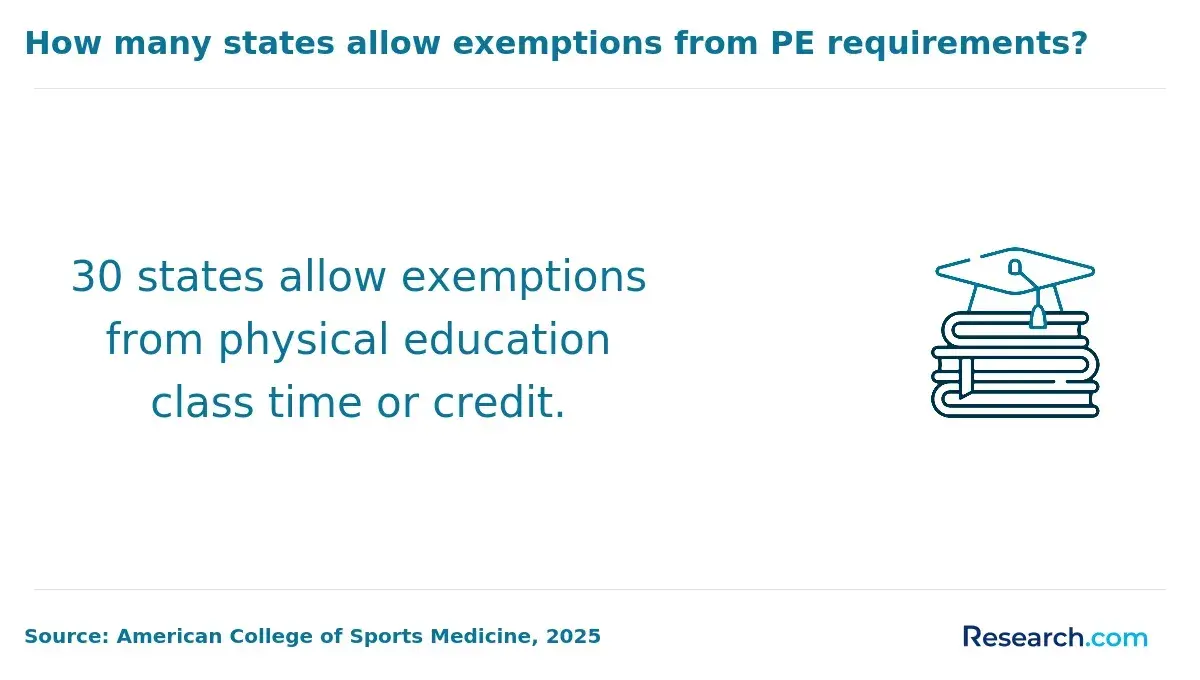
The time it takes to become a physical education teacher in Michigan depends on several factors, including the type of degree program chosen, how quickly certification requirements are met, and the length of practical teaching experiences. This variability means that while some candidates follow a traditional timeline, others may explore accelerated or alternate routes.
Here is a breakdown of the typical stages and their timeframes involved in the physical education teacher certification timeline Michigan:
- Bachelor’s Degree Completion: Earning a bachelor’s degree from an approved educator preparation program usually requires four years of full-time study. Candidates focus on physical education or related fields, completing coursework aligned with Michigan’s state standards.
- Teacher Preparation Program: Either integrated within the undergraduate program or as a separate post-baccalaureate, this stage generally takes one year if not done concurrently. It includes essential supervised student teaching experiences that demonstrate classroom proficiency.
- MTTC Physical Education Exam: Preparing for and passing the Michigan Tests for Teacher Certification in Physical Education often occurs during the final year of study or preparation. This process may take several months depending on test availability and readiness.
- Provisional Certification and Induction: After passing the MTTC, candidates receive a provisional teaching certificate valid for up to six years. The first three years involve a structured induction program with mentorship and professional development focusing on effective teaching.
- Professional Certification: Following induction and meeting continuing education requirements, teachers can apply for professional certification. This step is typically completed after three years of teaching combined with additional coursework or development hours.
- Alternate and Endorsement Pathways: For educators already certified in Michigan who want to add PE endorsement, about one to two years are needed, including 20 hours of approved coursework and passing the PE MTTC. This route suits those seeking faster certification.
Given evolving educational models, future pathways might offer even more flexibility, such as competency-based progress or hybrid programs. For students exploring their options, consulting a list of the top education degree types may help identify programs that fit individual timelines and goals.
How much does it cost to become a PE teacher in Michigan?
Various fees and expenses contribute to the overall cost of becoming a physical education teacher in Michigan, including tuition, certification, and testing fees. These elements reflect how extensive and layered the investment can be, especially as education evolves and new training models emerge. Below is an outline of the main expenses to consider when planning financially for this career path.
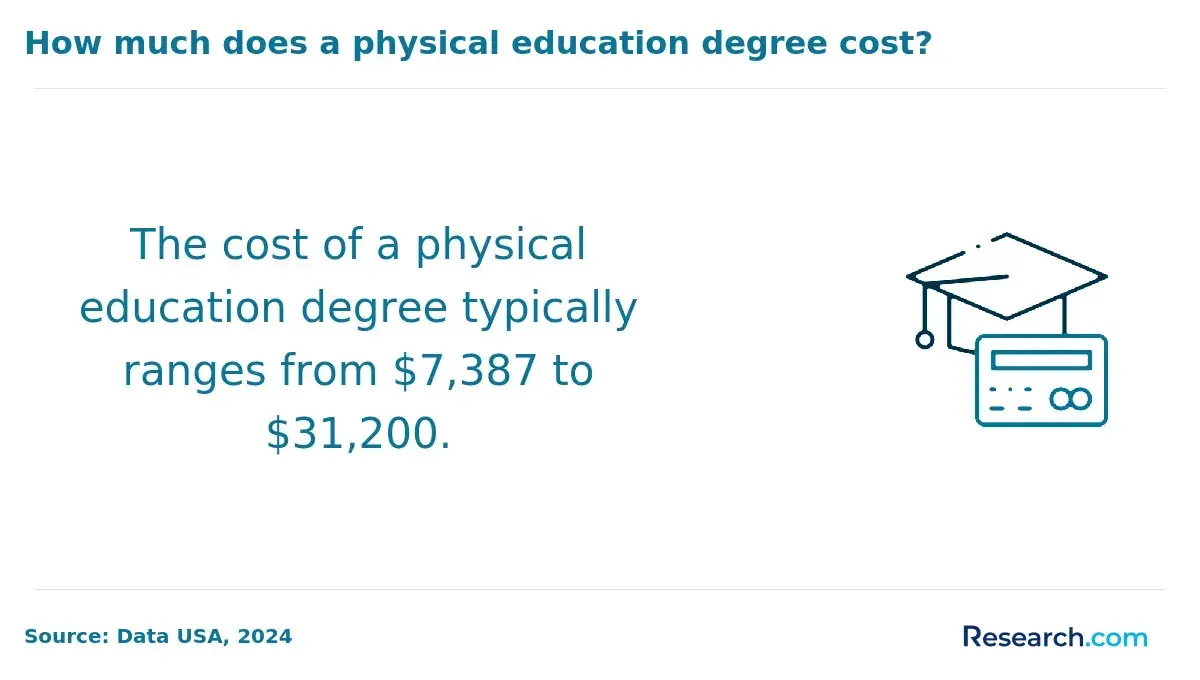
- Tuition for a Bachelor’s Degree: Most candidates pursue a traditional four-year bachelor’s degree in physical education or a related field. In Michigan, public university tuition for in-state students typically ranges between $12,000 and $16,000 annually, amounting to $48,000–$64,000 for the full program, excluding living expenses and other fees.
- PE Teacher Preparation Program Expenses: Alternative certification paths, such as the Michigan Alternate Route to Certification (M-ARC) program, offer a flexible yet costly option with fees that can total between $6,000 and $9,720 depending on the certification level. Programs like Michigan Teachers of Tomorrow also provide a more affordable alternative, costing about $6,395 in total, which reflects changing trends in teacher training affordability and access.
- Licensing and Exam Fees: The Michigan Department of Education charges $160 for a teaching certificate application, with additional endorsement fees around $50 each. State-mandated tests like the Michigan Test for Teacher Certification (MTTC) typically cost about $129 per subject, reflecting a steady expenditure many candidates must anticipate for credentialing.
- Additional Costs (Books, Background Checks, etc.): Candidates should budget for textbooks and supplies, potentially several hundred dollars annually. Background checks and fingerprinting required by law add approximately $50–$70, representing necessary administrative costs often overlooked in initial budgeting.
For those seeking a balance of cost and credentialing, exploring financial aid options or alternative certification pathways could make a significant difference. Additionally, considering programs like the cheapest online master's in library science may offer insight into affordable educational models as the landscape evolves.
Are there scholarships for physical education teaching students in Michigan?
Managing the costs of education and certification can be a significant hurdle for physical education teaching students in Michigan. Scholarships and financial aid not only ease these financial burdens but also encourage more talented individuals to enter this vital profession, helping to address teacher shortages in the state.
- Federal and State Financial Aid: Students should complete the FAFSA to access federal grants, loans, and work-study programs. Michigan also offers need-based state scholarships like the Michigan Competitive Scholarship and Tuition Grant to support in-state students.
- Institutional Scholarships: Many universities provide scholarships specific to physical education majors, such as endowed scholarships at public institutions that support both undergraduate and graduate studies in the field.
- Teaching Grants and Alternative Certification: Innovative programs offer scholarships covering fees for alternative certification routes, making teaching careers more accessible for career changers and non-traditional candidates.
- Loan Forgiveness Programs: Federal programs forgive student loan balances after service in qualifying schools, providing financial relief for PE teachers committed to educating in under-resourced communities.
A PE teacher from Michigan, who graduated from a local university, recounted how the MI Future Educator Fellowship was a crucial part of her journey. She described the relief of receiving this scholarship as “a game changer,” especially as it helped cover tuition costs while she balanced student teaching and part-time work. She emphasized how the financial support allowed her to focus more on preparing to teach rather than struggling with bills, noting, “Without that scholarship, finishing my degree would have felt overwhelming.” Her experience highlights the real impact these opportunities have on aspiring educators in the state.
Is there demand for physical education teachers in Michigan?
The demand for physical education teachers in Michigan is closely influenced by factors such as shifting school enrollment numbers, statewide health initiatives, and a wave of retirements among experienced educators. As public focus intensifies on combating childhood obesity and promoting student wellness, the need for qualified PE teachers grows in response. These dynamics create a unique job market where recruitment and retention efforts must continuously adapt to demographic and policy changes.
Demand tends to be strongest in public school districts, particularly those identified as high-need or underserved. Regions like Kent, Muskegon, and Ottawa counties are focal points for initiatives that aim to attract physical education teachers to districts struggling with chronic shortages.
The job market in Michigan for PE teachers is projected to grow moderately, largely driven by the necessity to replace retiring professionals rather than by significant expansion. Within this context, teaching positions are often concentrated in schools with high staff turnover or expanding health and wellness programs, creating targeted opportunities for teachers with specializations such as adaptive PE or bilingual skills. Those interested in the physical education teacher job market in Michigan should be aware that specialized abilities and certifications greatly enhance employment prospects.
For individuals planning their path to becoming a PE teacher in Michigan, developing relevant endorsements and adaptive teaching skills will become increasingly valuable. With ongoing state support and workforce initiatives, the environment is favorable for candidates who are adaptable and committed to student health. Exploring options such as what is the easiest education degree can also provide helpful insights for prospective educators considering different certification routes.
What is the average salary of a PE teacher in Michigan?
In Michigan, the average salary for PE teachers is considerably higher at about $77,030 annually, reflecting the state's stronger support for education professionals. Salary remains a vital consideration for those entering physical education careers, as it influences both financial stability and professional growth opportunities. Below is an overview of key factors shaping salary trends for PE teachers in Michigan:
- Years of Experience: Salaries tend to rise with experience, ranging from entry-level earnings near $31,230 to over $109,780 for seasoned educators, rewarding long-term commitment.
- Education Level: Advanced degrees such as master’s or doctoral qualifications can increase earning potential, with salaries exceeding $58,000 for highly educated teachers.
- School Type: Public school teachers generally receive higher salaries and benefits compared to private school counterparts, due to standardized pay structures.
- Geographic Location: Urban areas like Detroit and Ann Arbor typically offer greater compensation than rural districts, influenced by cost of living and funding disparities.
The earning landscape for PE teachers in Michigan highlights the balancing act between geographic and institutional challenges and the rewarding prospects available for skilled, experienced educators committed to advancing physical education.
What are the professional development opportunities for PE teachers in Michigan?
Michigan offers a variety of professional development programs tailored to PE teachers, including specialized workshops, seminar series, and state-sponsored training initiatives focused on innovative instructional strategies and emerging health trends. These opportunities not only support certification renewal requirements but also promote the acquisition of advanced techniques in adaptive physical education and technology integration. Prospective educators can gain further perspective on certification timelines and continuing education pathways by consulting how long does it take to become a teacher in Michigan.
What Do Physical Education Teachers in Michigan Say About Their Career?
- Completing my physical education certification at Grand Rapids Academy truly set the foundation for my career. The hands-on experiences and local-focused curriculum prepared me well for starting work in a nearby school, where I’ve been able to foster a love for fitness and teamwork among my students. Michigan’s beautiful seasons provide a natural classroom that allows for outdoor activities year-round, which my students genuinely enjoy. It’s incredibly fulfilling to see young people develop confidence and healthy habits that will last a lifetime. Jenna
- After graduating from Detroit Lakes School of Education, I found that being a PE teacher here is not just a job but a chance to impact community wellness. The stability of employment in Michigan’s school districts gave me peace of mind, while ongoing professional development opportunities helped me grow as an educator. I’m proud to contribute to young people’s physical and emotional health through tailored activities that respect our region’s diverse cultures and needs. Reflecting on my journey, I’m grateful for the balance of challenge and reward in this profession. Derek
- Starting my PE career after finishing the program at Northern Michigan Sports Academy was eye-opening; the unique outdoor education opportunities here give us a chance to integrate nature and physical activity like nowhere else. Teaching students to appreciate both fitness and environmental stewardship has been a highlight of my work. The profession encourages continuous learning and advancement, so I always feel motivated to improve my skills and bring fresh ideas to my classroom. There’s a real sense of pride in shaping healthier futures in our local communities. Riyo
Related Articles for Nearby States
- 2027 How to Become a Physical Education Teacher in Ohio
- 2027 How to Become a Physical Education Teacher in Indiana
- 2027 How to Become a Physical Education Teacher in Wisconsin
- 2027 How to Become a Physical Education Teacher in Illinois
- 2027 How to Become a Physical Education Teacher in Minnesota
- 2027 How to Become a Physical Education Teacher in Pennsylvania
- 2027 How to Become a Physical Education Teacher in Kentucky
- 2027 How to Become a Physical Education Teacher in West Virginia
- 2027 How to Become a Physical Education Teacher in Iowa
- 2027 How to Become a Physical Education Teacher in Missouri
References:
- Physical education teacher salary in Michigan ‐ CareerExplorer https://www.careerexplorer.com/careers/physical-education-teacher/salary/michigan/
- Physical Education Teacher Salary in Michigan (October 01, 2025) | Salary.com https://www.salary.com/research/salary/recruiting/physical-education-teacher-salary/mi
- Physical Education Teacher Salary in Michigan, United States (2025) - SalaryExpert https://www.salaryexpert.com/salary/job/physical-education-teacher/united-states/michigan
- PE Teacher Salary | Physical Education Teacher Salary https://www.peteacheredu.org/salaries/
- How can I become a teacher in Michigan? https://www.michigan.gov/mde/services/ed-serv/ed-cert/cert-guidance/becoming-a-teacher
- How to Become a Certified Teacher in Michigan | Online Certification https://www.teachersoftomorrow.org/michigan/how-it-works/
- Physical and Health Education Teacher Education: K-12 | Academics | Western Michigan University https://wmich.edu/academics/undergraduate/physical-health-education-teacher-education-k12
- How Long Does It Take To Get a Teaching Certificate in 2024 Teacher Guide https://www.simplek12.com/blog/long-does-it-take-teaching-certificate
- Michigan’s PE teacher of the year focuses on interpersonal skills after pandemic trauma https://www.mlive.com/news/kalamazoo/2024/02/michigans-pe-teacher-of-the-year-focuses-on-interpersonal-skills-after-pandemic-trauma.html
- How to Become a PE Teacher: The Complete Guide | ValidGrad https://validgrad.com/blog/become-pe-teacher-guide/
Other Things You Should Know About Becoming a Physical Education Teacher in Michigan
Michigan does offer alternative certification routes for aspiring Physical Education (PE) teachers, designed to accommodate individuals who hold a bachelor’s degree but have not completed a traditional teacher preparation program. Through these pathways, candidates can earn a provisional teaching certificate while completing required coursework and field experiences. This flexibility helps address teacher shortages and allows professionals switching careers to enter the education field more swiftly. However, candidates must still meet state-mandated testing and content requirements specific to PE to obtain full certification.
To become a certified physical education teacher in Michigan in 2027, obtain a bachelor's degree in physical education or a related field, complete a teacher preparation program, and pass the Michigan Test for Teacher Certification (MTTC) in physical education. Apply for certification through the Michigan Department of Education.


