
2027 How to Become a Physical Education Teacher in Utah

Co-Founder and Chief Data Scientist
Utah offers a promising career path for physical education teachers, with employment growth projected at 5.3% over the next decade, exceeding the national average. The state emphasizes wellness and active lifestyles, increasing demand for qualified educators who can inspire youth to engage in physical activity.
This article outlines the essential steps to become a physical education teacher in Utah. Prepared by experts in career planning, it provides clear, authoritative guidance on certification requirements, educational pathways, and professional expectations. Readers will find comprehensive information tailored to Utah’s specific standards and opportunities in this rewarding profession.
Key Things to Know About Becoming a Physical Education Teacher in Utah
- Earn a bachelor’s degree in physical education or a related field from a regionally accredited institution to meet Utah's educational requirements.
- Complete a state-approved teacher preparation program including student teaching to gain practical classroom experience and meet certification standards.
- Pass the Utah Educator Licensing Assessments, including the Praxis exams specific to physical education, to secure professional licensure for teaching in Utah public schools.
- What are the education requirements to become a physical education teacher in Utah?
- What skills are essential for physical education teachers in Utah?
- Do PE teachers in Utah need a teaching license?
- How do you get certified as a PE teacher in Utah?
- Can out-of-state teachers transfer their license to Utah for PE teaching?
- How long does it take to become a PE teacher in Utah?
- What are the long-term professional growth opportunities for PE teachers in Utah?
- How much does it cost to become a PE teacher in Utah?
- Are there scholarships for physical education teaching students in Utah?
- Is there demand for physical education teachers in Utah?
- What is the average salary of a PE teacher in Utah?
What are the education requirements to become a physical education teacher in Utah?
Formal education is critical for preparing physical education teachers in Utah to develop effective programs that enhance student wellness and encourage lifelong healthy habits. Through comprehensive university training, aspiring educators gain the necessary scientific foundation and instructional skills tailored to meet diverse student needs.
Below are the key education requirements for becoming a physical education teacher in Utah.
- Bachelor’s Degree in Physical Education or Related Field: Candidates must obtain at least a bachelor’s degree in physical education, kinesiology, or a related discipline from an accredited institution. Programs such as those at Utah Valley University and the University of Utah are tailored to prepare students specifically for careers in K-12 physical education teaching.
- Completion of General Education Requirements: Students must fulfill general education coursework, including studies in English, mathematics, science, and humanities, to ensure a well-rounded academic foundation essential for effective teaching.
- State-Approved Teacher Preparation Program: Completion of a state-approved program focused on physical education pedagogy is mandatory. This includes both theoretical coursework and practical teaching experiences through student teaching placements in schools.
- Content-Specific Coursework: Required courses cover topics such as exercise physiology, motor learning, adapted physical education, and teaching methods related to fitness and physical activity. Students must also show proficiency in at least two physical activity skills, like volleyball and basketball.
- Minimum GPA and Course Grades: A cumulative GPA of 2.7 or higher is typically required, with no grade below a C in both content and general education courses to meet Utah physical education teacher certification requirements.
- Fitness Requirement: Candidates must maintain a health-enhancing level of fitness in accordance with program standards, reflecting the role of educators as models for healthy behavior.
For those wondering if is getting education associate degree hard, these bachelor’s level criteria set a clear pathway to professional readiness.
What skills are essential for physical education teachers in Utah?
Essential skills for physical education teachers in Utah are vital to engaging students, fostering lifelong healthy habits, and effectively managing diverse classroom settings across multiple grade levels. These skills enable educators to deliver age-appropriate instruction, maintain student motivation, and create inclusive environments that accommodate each learner’s unique needs.
The following core competencies highlight the physical education teaching skills required in Utah.
- Communication and Interpersonal Skills: PE teachers must effectively convey complex movement patterns, safety protocols, and sport strategies to students of varying ages and abilities. Strong communication fosters positive relationships with students, parents, and colleagues, supporting a collaborative and encouraging learning atmosphere.
- Comprehensive Knowledge of Fitness and Health: Teachers should possess an understanding of exercise physiology, anatomy, nutrition, and motor learning principles to design curricula aligned with state standards. Staying current with health and fitness guidelines ensures students receive instruction that promotes well-rounded physical development.
- Adaptability and Differentiated Instruction: Given Utah's diverse student population, instructors must tailor activities to accommodate different developmental levels, including modifications for students with disabilities. This allows teachers to engage kindergarteners learning fundamental skills as well as older students mastering complex game tactics.
- Leadership and Motivational Abilities: Effective physical education teachers serve as role models who inspire students to embrace active lifestyles and persist in participation. They must skillfully manage dynamic groups, encouraging reluctant participants while maintaining a structured and safe environment.
Additionally, aspiring educators can explore options like the list of best online library science degree programs for guidance on related academic paths that enhance instructional skills and educational resources knowledge.
Do PE teachers in Utah need a teaching license?
Licensing requirements establish uniform standards that promote high-quality instruction and consistent student outcomes across Utah’s educational system. By ensuring that physical education teachers demonstrate both subject mastery and pedagogical competence, these regulations support effective teaching practices statewide.
In Utah public schools, physical education teachers must secure a state-issued teaching license administered by the Utah State Board of Education (USBE). This license requires completion of an approved bachelor’s degree program, a state-sanctioned teacher preparation sequence, and student teaching experience.
Prospective educators must also pass the Praxis II subject assessments specific to physical education to demonstrate content knowledge and instructional skills.
Initial certification is granted at Level 1, with further levels contingent on continued professional development and additional qualifications such as the Praxis II Principles of Learning and Teaching exam or National Board Certification. All candidates must pass criminal background checks to ensure ethical standards.
Private and charter schools in Utah often adopt more flexible criteria for hiring physical education teachers. While some private schools insist on state licensure, others may accept educators with relevant degrees and experience absent formal licensing.
Charter schools, though publicly funded, may permit alternative credentials or permits but frequently prefer licensed teachers to meet accountability standards. This divergence affects career prospects significantly: licensed teachers enjoy broader employment opportunities and greater job security within the public education system, which employs the majority of PE teachers in the state.
Conversely, unlicensed educators may face limited roles with varied compensation and less stability in private or charter settings.
How do you get certified as a PE teacher in Utah?
Certification plays a vital role in preparing physical education teachers in Utah to effectively promote student fitness, wellness, and lifelong healthy habits. This rigorous process ensures educators meet state standards and are equipped with both content knowledge and practical skills essential for fostering positive student outcomes.
Below are the key steps involved in becoming a certified physical education teacher in Utah.
- Earn a Bachelor’s Degree: Obtain a bachelor’s degree in physical education, exercise science, or a related field from an accredited institution. Coursework typically includes exercise physiology, motor learning, and teaching methods specific to physical education.
- Complete a State-Approved Teacher Preparation Program: Successfully complete a Utah State Board of Education-approved preparation program that blends pedagogical theory with practical field experiences, including student teaching assignments.
- Fulfill Content-Specific Requirements: Complete required coursework covering nutrition, adapted physical education, and fitness teaching methods. Additionally, hold current first aid and CPR certifications obtained through recognized organizations.
- Pass Required State Exams: Demonstrate competence by passing exams such as the Praxis Subject Assessment in Physical Education, which evaluates knowledge of fitness, health, and instructional methodologies.
- Complete Background Check: Undergo and pass a LiveScan criminal background check as mandated for educators working with minors in Utah.
- Apply for Utah Educator License and PE Endorsement: Submit an application with all necessary documentation to the Utah State Board of Education to obtain professional licensure and the physical education endorsement.
A PE teacher from Utah, who graduated from a local university, shared insights about his certification journey. He recalled that navigating the combination of rigorous coursework and state-approved field experiences was challenging but affirming.
“Balancing full-time student teaching with preparation for the Praxis exam required a focused mindset,” he explained. He found the first aid and CPR certification courses especially valuable, noting they provided practical skills that felt immediately applicable.
The background check added a layer of formality but was straightforward. Reflecting on the process, he described it as “a comprehensive preparation that truly builds confidence to step into the classroom,” highlighting the importance of each requirement in shaping qualified and effective physical education teachers in Utah.
Can out-of-state teachers transfer their license to Utah for PE teaching?
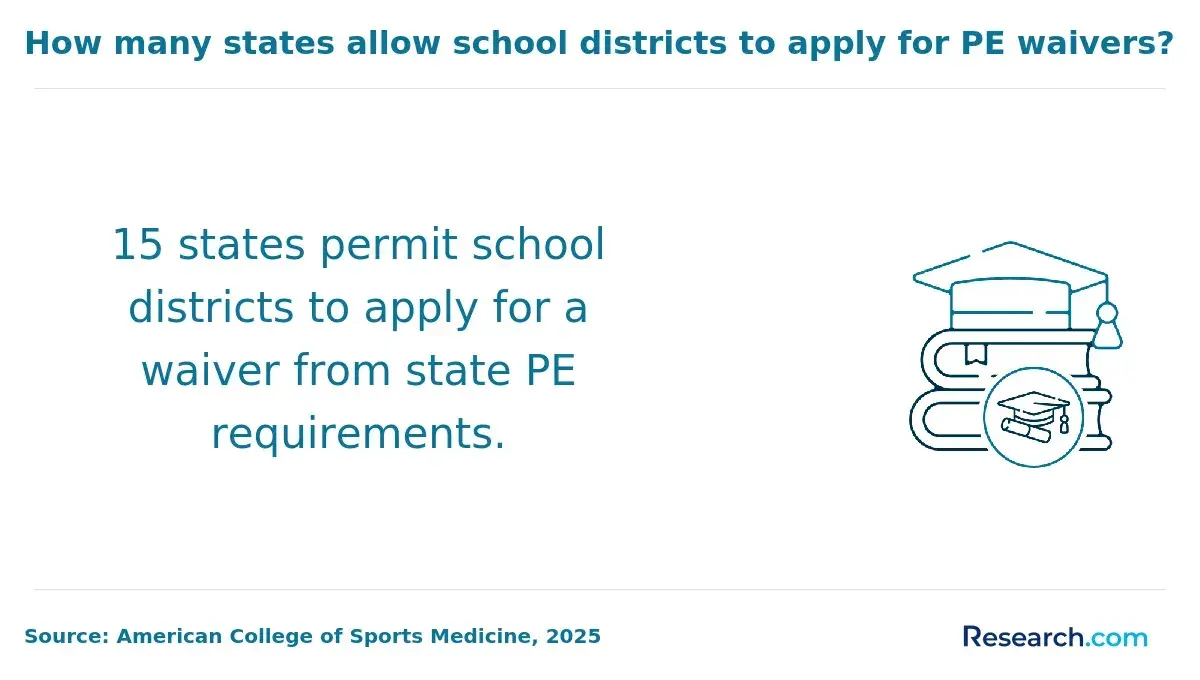
Utah does not grant full license reciprocity for out-of-state physical education teachers. Although Utah participates in the NASDTEC Interstate Agreement, which promotes reciprocity among states, applicants must satisfy Utah-specific requirements before obtaining a standard teaching license.
All out-of-state PE teachers must pass the Praxis II content test for physical education, as Utah does not accept equivalent exam scores from other states. There is no option to bypass this exam. In addition, the Utah State Board of Education reviews candidates’ transcripts and may require additional coursework to ensure alignment with Utah's educational standards.
For teachers with at least three years of consecutive teaching experience, Utah offers a pathway to a Level 2 license after one year of teaching in a Utah school, contingent upon receiving a recommendation from their local school district. Those with less teaching experience need to complete all Level 2 licensing requirements domestically before advancing.
These licensing requirements significantly affect PE teachers relocating to Utah. The obligation to take a Utah-specific content exam poses a challenge, particularly for experienced educators who have already demonstrated subject mastery elsewhere.
Supplemental coursework may lengthen the timeframe before full licensure is granted, which can delay stable employment or necessitate provisional teaching roles.
However, the provision allowing seasoned teachers to work under a conditional license during their initial Utah teaching year offers some relief. This balances the need to address teacher shortages with maintaining a high standard of educator quality.
Ultimately, while the licensing process imposes transitional demands, it aims to ensure that PE teachers entering Utah schools meet the state’s rigorous academic and professional criteria.
How long does it take to become a PE teacher in Utah?
The Utah PE teacher certification timeline is influenced by several factors including the educational path taken, completion of state-mandated certification requirements, and acquisition of practical teaching experience.
Prospective physical education teachers may find that the total time varies depending on whether they pursue integrated teacher preparation programs or alternate routes within Utah's education system.
- Bachelor’s Degree Completion (4 years): Candidates typically begin with a bachelor’s degree in physical education or a closely related field. This undergraduate program, lasting about four years, includes essential coursework in kinesiology, exercise physiology, and teaching pedagogy relevant to physical education teacher requirements Utah.
- Teacher Preparation Program (0–2 years): Many institutions embed state-approved teacher preparation within the bachelor’s degree, enabling simultaneous fulfillment of academic and pedagogical standards. For those who already hold a bachelor’s in another discipline, a separate post-baccalaureate teacher preparation program may be necessary.
- Student Teaching or Field Experience (1 semester): Supervised student teaching, usually completed during the final collegiate year, provides the hands-on training essential for licensure. This experience typically spans one semester and involves direct classroom involvement under certified supervision.
- State Licensure, Exams, and Application (several months): After fulfilling degree and student teaching requirements, candidates must apply for a Utah Professional Educator License. This stage includes passing state licensing exams assessing pedagogical knowledge and specific physical education competencies.
- Optional Additional Credentials (varies): Teachers may pursue specialized endorsements, such as Adapted Physical Education, which can extend preparation time depending on individual goals and district needs.
For those seeking flexible learning options during their preparation, it can be helpful to research what is the most affordable online elementary education program, which may offer pathways or resources adaptable to physical education certification as well.
What are the long-term professional growth opportunities for PE teachers in Utah?
Experienced physical education teachers in Utah can leverage continued learning and advanced certifications to expand their career pathways into leadership, curriculum development, or administrative roles. Pursuing graduate degrees, specialized endorsements, or targeted professional development programs can result in increased responsibilities and salary enhancements over time. Local education districts frequently offer mentorship initiatives and in-house training designed to support career progression while aligning with evolving state and national educational standards. For a detailed timeline of professional preparation, refer to how long does it take to become a teacher in Utah.
How much does it cost to become a PE teacher in Utah?
The cost of becoming a physical education teacher in Utah involves multiple components including tuition, testing, and certification fees. These expenses contribute significantly to the total investment required before entering the profession. Careful planning for each cost element is essential to understand the overall financial commitment.
Below is a breakdown of the primary expenses involved in the cost of PE teacher certification in Utah:
- Bachelor’s Degree Tuition: Obtaining a bachelor’s degree from an accredited university is a fundamental requirement. For in-state students attending public institutions, tuition typically ranges between $6,000 and $9,000 annually, amounting to roughly $24,000 to $36,000 over a four-year period, excluding living costs.
- Teacher Preparation Program Fees: Completion of an approved teacher preparation program is mandatory. Fees for these programs vary widely, from several hundred to a few thousand dollars, depending on whether the program is part of the undergraduate curriculum or a separate post-baccalaureate track.
- Licensing and Exam Fees: Candidates must pay for the Praxis II Physical Education Content Knowledge exam registration, generally around $130. Additional costs include $40 for the Level I Professional Educator License and a $25 processing fee for the Physical Education Endorsement application.
- Books, Materials, and Fitness Requirements: Expenses for textbooks, supplies, and materials can add $1,000 to $2,000 throughout the program. Some programs also require fitness assessments or related coursework, which may incur extra fees.
- Background Check: A LiveScan criminal background check is required for licensure, with an estimated cost of $40 to $60.
Those exploring becoming a PE teacher in Utah costs can also consider financial aid opportunities or scholarships that may help offset some fees. Additionally, exploring options such as an online masters for teachers could be a cost-effective way to advance their credentials after initial certification.
Are there scholarships for physical education teaching students in Utah?
Managing the costs of education and certification is essential for aspiring physical education teachers in Utah. Scholarships and financial assistance significantly reduce financial barriers, enabling candidates to focus on their training and pursue teaching careers with less debt. Various forms of aid address diverse student needs, from grants to loan forgiveness programs.
- Federal and State Financial Aid: Students can access federal aid via FAFSA, including grants, loans, and work-study. Utah-specific programs like the Promise Scholarship offer additional needs-based tuition support.
- Institutional Scholarships: Public universities provide scholarships for PE majors, often requiring strong academic performance and specific applications to support future educators.
- Teaching Grants: Grants such as the TEACH Grant offer funding for those committed to teaching in underserved schools, reducing education costs in exchange for service commitments.
- Loan Forgiveness Programs: Programs like Public Service Loan Forgiveness and state-level assistance reward teachers who remain in qualifying education roles, alleviating student debt over time.
When I asked a PE teacher from Utah about scholarships for physical education students, she reflected on her journey through a local university. “Applying for scholarships was daunting at first,” she recalled, “but the Reed K. Swenson Scholarship lifted a huge financial weight.”
She emphasized how institutional scholarships gave her confidence to continue despite economic challenges. “The extra financial support wasn’t just money—it was encouragement to stay committed,” she explained, highlighting that personalized aid programs made her educational path viable and rewarding.
Is there demand for physical education teachers in Utah?
The demand for physical education teachers in Utah is shaped by several key factors, including increasing student enrollment, state-driven health and wellness initiatives, and retirement trends within the teaching workforce. As the school-age population grows and diversifies, the need for qualified educators in physical education continues to rise.
Simultaneously, state and district programs focused on youth health emphasize comprehensive physical education, while the retirement of experienced teachers creates additional openings that must be filled by new professionals. These combined dynamics contribute to a vigorous physical education teacher job market in Utah.
Demand is particularly strong in public schools, especially in rapidly growing suburban and rural districts where student numbers are rising sharply. Large districts such as Jordan and Washington County consistently advertise openings across elementary to secondary levels, reflecting ongoing recruitment efforts.
Charter schools and nonprofit educational organizations also actively seek physical education instructors, valuing health and activity within their curricula. Although private and specialized schools maintain a smaller but steady need, the majority of opportunities remain concentrated in public education settings.
While specific statewide job growth projections for physical education teachers are limited, the persistent availability of over 50 active postings statewide suggests sustained demand. These trends underscore a favorable outlook for those entering the field, particularly individuals with appropriate state endorsements willing to work in high-needs or underserved areas.
For candidates pursuing advanced credentials, exploring options like the list of shortest edd online degrees can support career advancement and meet evolving educational demands.
What is the average salary of a PE teacher in Utah?
The average salary for PE teachers in Utah is approximately $49,422 per year, which is significantly lower than the national average. Salary remains a crucial factor for individuals considering a career in physical education within Utah, as it directly impacts financial stability, career satisfaction, and the ability to attract skilled educators committed to student health and development.
Below are the primary factors influencing PE teacher salaries in Utah:
- Years of Experience: Salary tends to increase with additional years in the field, with entry-level teachers earning near $40,000 and experienced educators potentially exceeding $60,000 annually.
- Education Level: Advanced degrees and certifications often result in higher compensation, with master’s degree holders earning several thousand dollars more than those holding only a bachelor’s degree.
- School Type (Public vs. Private): Public school PE teachers generally receive higher salaries and more comprehensive benefits than their private school counterparts, reflecting broader district funding and salary schedules.
- Geographic Location within Utah: Salaries vary by region, with urban districts like Salt Lake City offering more competitive pay compared to rural areas due to cost-of-living differences and district resources.
The earning potential for PE teachers in Utah highlights the dual nature of this profession—facing financial challenges compared to national norms while offering the meaningful reward of fostering student well-being through physical education.
What Do Physical Education Teachers in Utah Say About Their Career?
- Pursuing my physical education teaching credential through Utah Valley University's program gave me not only a solid foundation in pedagogy but also a deep connection to the local community. Starting my career in a local school showed me firsthand the incredible influence physical activity has on students' mental and emotional health. Watching kids become more confident and health-conscious inspires me every day, fueling my passion to contribute to their lifelong wellness. Henrick
- Completing my studies at Salt Lake Community College prepared me exceptionally well to face the unique challenges and opportunities present in Utah's diverse environments. Teaching PE here means I get to incorporate outdoor activities that take advantage of our beautiful natural surroundings, from hiking to snow sports, which deeply engages my students. It's rewarding to witness their growth not only physically but also in their appreciation for our state's rich culture and geography. Justine
- Graduating from Weber State University's physical education program was a pivotal step for my professional development. Early in my career at a local school, I valued the strong network of educators and the continuous learning opportunities that Utah provides, allowing me to advance my career and specialize in adaptive physical education. Making a positive impact on students with diverse needs has been profoundly fulfilling, and the state's commitment to education stability encourages me to keep growing in this field. Guillermo
Related Articles for Nearby States
- 2027 How to Become a Physical Education Teacher in Nevada
- 2027 How to Become a Physical Education Teacher in Arizona
- 2027 How to Become a Physical Education Teacher in Idaho
- 2027 How to Become a Physical Education Teacher in Wyoming
- 2027 How to Become a Physical Education Teacher in Colorado
- 2027 How to Become a Physical Education Teacher in New Mexico
- 2027 How to Become a Physical Education Teacher in California
- 2027 How to Become a Physical Education Teacher in Montana
- 2027 How to Become a Physical Education Teacher in Oregon
- 2027 How to Become a Physical Education Teacher in Washington
References:
- Physical education teacher salary in Utah ‐ CareerExplorer https://www.careerexplorer.com/careers/physical-education-teacher/salary/utah/
- Physical Education Teacher Job Board - Utah Nonprofits Association https://members.utahnonprofits.org/job-board/Details/physical-education-teacher-290708
- How to Become a PE Teacher in Utah | Requirements for PE Teacher Jobs in UT https://www.peteacheredu.org/utah/
- Utah Teacher Certification Guide | All Education Schools https://www.alleducationschools.com/teacher-certification/utah/
- PE And Health Endorsements | SLCC https://www.slcc.edu/workforce-training/program/pe-health.aspx
- HLPEBST Program | University of Utah Catalog https://catalog.utah.edu/programs/KINEBS.T
- Best Value Colleges for Physical Education Teaching & Coaching (Income $0-$30k) in Utah https://www.collegefactual.com/majors/education/teacher-education-and-development/physical-education-teaching-and-coaching/rankings/best-value-avg-aid-income1/rocky-mountains/utah/
- Health and Physical Education Teaching - Academic Advising Center - The University of Utah https://advising.utah.edu/majors/quick-look/health-physical-education-teaching.php
- Physical Education Teacher Education, B.S. | Utah Valley University Academic Catalog https://catalog.uvu.edu/education/secondary-special-education/physical-education-teacher-bs/
- You know your from Ogden if | Seperate post, in the state of Utah and in Weber county or surrounding if their similar what’s the process for teaching | Facebook https://www.facebook.com/groups/131635646926724/posts/9919440368146154/
Other Things You Should Know About Becoming a Physical Education Teacher in Utah
In 2027, Utah offers alternative certification for aspiring PE teachers through the Alternative Routes to Licensure (ARL) program. Candidates with a bachelor's degree in any field can pursue this route by completing additional coursework and passing required exams to become certified PE teachers.
To become a PE teacher in Utah in 2027, candidates must earn a bachelor's degree in physical education or a related field, complete a teacher preparation program, pass the Praxis exams required by the Utah State Board of Education, and obtain a teaching license. Additionally, they must undergo a background check.


