
2027 How to Become a Physical Education Teacher in Wisconsin

Co-Founder and Chief Data Scientist
Wisconsin offers strong opportunities for aspiring physical education teachers, with over 4,500 active professionals statewide and a projected job growth of 6% through 2030. This steady demand reflects the state's commitment to promoting student health and fitness, making it a practical career choice for educators focused on physical wellness.
Competitive salaries and benefits further enhance the appeal of working in Wisconsin’s public schools, where physical education remains a vital part of the curriculum.
This article provides expert, step-by-step guidance on becoming a certified physical education teacher in Wisconsin. It covers education requirements, certification processes, and practical tips to help candidates navigate this career path efficiently. The content is tailored to equip readers with the essential information needed to succeed in this rewarding profession.
Key Things to Know About Becoming a Physical Education Teacher in Wisconsin
- Earn a bachelor's degree in physical education or a related field from a regionally accredited institution. Wisconsin requires teacher candidates complete specific coursework aligned with state standards.
- Complete a DPI-approved educator preparation program, including student teaching experience, to meet state licensure eligibility for physical education teachers.
- Pass the Wisconsin Foundations of Reading Test and relevant Praxis exams. Maintain your license with ongoing professional development to stay current in health and fitness education.
- What are the education requirements to become a physical education teacher in Wisconsin?
- What skills are essential for physical education teachers in Wisconsin?
- Do PE teachers in Wisconsin need a teaching license?
- How do you get certified as a PE teacher in Wisconsin?
- Can out-of-state teachers transfer their license to Wisconsin for PE teaching?
- How long does it take to become a PE teacher in Wisconsin?
- What are the career advancement opportunities for PE teachers in Wisconsin?
- How much does it cost to become a PE teacher in Wisconsin?
- Are there scholarships for physical education teaching students in Wisconsin?
- Is there demand for physical education teachers in Wisconsin?
- What is the average salary of a PE teacher in Wisconsin?
- What Do Physical Education Teachers in Wisconsin Say About Their Career?
What are the education requirements to become a physical education teacher in Wisconsin?
Formal education is the backbone for preparing physical education teachers to design effective programs and promote student wellness in Wisconsin schools. It equips educators with the knowledge and practical skills necessary to support lifelong fitness and adapt to diverse student needs.
Below are the key education requirements to meet Wisconsin PE teacher education requirements and begin a successful teaching career.
- Bachelor’s Degree in Physical Education or Related Field: Candidates must earn a bachelor’s degree in physical education, kinesiology, or a closely related area from an accredited institution. This degree offers essential coursework in subjects like anatomy, sports pedagogy, kinesiology, and first aid to build a solid knowledge base for teaching.
- Completion of a State-Approved Teacher Preparation Program: Alongside the degree, aspiring teachers must complete a state-approved program tailored to physical education instruction. These programs focus on curriculum design, classroom management, and teaching strategies specialized for PE, often available as combined or post-baccalaureate options.
- Student Teaching Experience: Practical experience is gained through supervised student teaching placements in Wisconsin public schools. This hands-on training allows candidates to implement lesson plans, manage classes, and adapt teaching methods under professional guidance.
- Coursework in Adapted Physical Education and Health: Many programs require courses addressing adapted PE and health to prepare teachers for inclusive classrooms, ensuring they can effectively serve students with disabilities and support overall wellness.
For those exploring whether is getting education associate degree easy as a stepping stone, these requirements highlight the specialized education needed for a physical education teaching degree Wisconsin candidates must pursue.
What skills are essential for physical education teachers in Wisconsin?
Physical education teachers in Wisconsin must develop a strong set of skills to engage students effectively, encourage lifelong healthy habits, and handle the diverse needs within their classrooms. Mastering these competencies is essential to meet state standards and foster a safe, motivating learning environment.
Below are key skills that define successful Wisconsin physical education teacher competencies.
- Communication Skills: Clear communication is crucial for instructing students of varying ages and abilities. It helps convey rules and provide feedback, which boosts student confidence and safety. Additionally, strong communication supports collaboration with parents, colleagues, and school communities.
- Adaptability and Inclusivity: Being flexible in teaching methods allows educators to accommodate students with different needs, including those with disabilities. This skill ensures all students have equitable access to physical education and that lessons align with Wisconsin’s inclusive education standards.
- Knowledge of Fitness, Health, and Safety: A solid understanding of kinesiology, nutrition, CPR, and first aid equips teachers to promote safe physical activity and healthy lifestyles. Integrating these concepts into daily lessons supports comprehensive wellness among students.
- Leadership and Classroom Management: Effective leadership motivates students and maintains a positive atmosphere. Clear classroom management enables smooth lesson flow and helps keep students engaged and respectful during activities.
Developing these essential skills for physical education teachers in Wisconsin is a practical step toward building a rewarding teaching career. Aspiring educators may benefit from exploring quality online education programs to strengthen their expertise and meet state certification requirements.
Do PE teachers in Wisconsin need a teaching license?
Licensing requirements help maintain consistent teaching quality and ensure students receive effective physical education. In Wisconsin, these standards protect both educators and learners by confirming that teachers have the proper training, skills, and ethical grounding to deliver instruction successfully.
For physical education teachers in Wisconsin public schools, a state-issued teaching license is mandatory. Candidates must earn at least a bachelor’s degree from an accredited institution, complete a state-approved educator preparation program, and pass a background check.
Additionally, PE teachers need to demonstrate specialized content knowledge and pedagogical skills, often through university programs designed for licensing, such as the University of Wisconsin-Eau Claire.
After fulfilling these requirements, they receive a Tier II Provisional Educator License valid for three years. Over 90% of PE positions in public schools are held by licensed teachers, reflecting the state’s commitment to regulated and standardized instruction.
Private and charter schools in Wisconsin have more flexibility regarding licensure. Some private schools prefer or require a license to ensure quality, but others may hire unlicensed teachers with relevant experience or coaching credentials. Charter schools’ requirements vary by their authorizing agency, allowing alternative qualifications in some cases.
This flexibility impacts career pathways: licensed candidates have access to more public school jobs and are more competitive across school types, whereas unlicensed individuals often face limited opportunities and less job stability, especially in the public sector.
How do you get certified as a PE teacher in Wisconsin?
Certification is essential for physical education teachers in Wisconsin, ensuring they possess the skills and knowledge to effectively promote student fitness and overall wellness. This process maintains high professional standards and equips educators to address the needs of students across all grade levels.
Here are the key steps to become a certified PE teacher in Wisconsin:
- Earn a Bachelor’s Degree in Physical Education or a Related Field: Complete a bachelor’s degree program in physical education, health, or a related area from an accredited institution. Many universities in Wisconsin provide state-approved programs tailored for K-12 physical education certification.
- Complete a State-Approved Teacher Preparation Program: Finish a program that covers pedagogy, curriculum development, classroom management, and includes student teaching experiences designed to build practical teaching skills.
- Pass Required State Certification Exams: Demonstrate competency by passing the Praxis Core Academic Skills tests in reading, writing, mathematics, and the Praxis II exam for Physical Education Content Knowledge, meeting Wisconsin’s required scores.
- Satisfy Background Check Requirements: Undergo fingerprinting and complete a Conduct and Competency questionnaire as mandated before entering classrooms or being granted certification.
- Apply for Wisconsin Teacher Licensure: Submit an application through the Wisconsin Department of Public Instruction with documentation of completed education, exams, and background check.
- Consider Additional Endorsements: Explore licenses in related areas like health education or adaptive physical education to enhance qualifications and job opportunities.
When I spoke with a PE teacher from Wisconsin who graduated locally, he described the certification journey as both challenging and rewarding. He recalled navigating the rigorous teacher preparation program while balancing student teaching commitments, which provided invaluable real-world experience despite its demands.
Passing the Praxis exams was stressful, especially the specialized content test, but targeted study and practice boosted his confidence. The background check process felt thorough, adding a layer of seriousness to the entire procedure. He shared, “It wasn’t just about meeting requirements; it was about feeling ready to lead and inspire my students every day.”
His story highlights that while certification requires dedication and persistence, it ultimately builds a strong foundation for a successful teaching career in Wisconsin.
Can out-of-state teachers transfer their license to Wisconsin for PE teaching?
Wisconsin does participate in license reciprocity agreements through the NASDTEC Interstate Agreement, which helps facilitate the transfer of teaching credentials from other states. However, reciprocity is not automatic for physical education (PE) teachers and requires additional steps.
To transfer your license, you must have a valid out-of-state teaching license, a regionally accredited bachelor's degree, completion of a state-approved teacher preparation program, and at least one year of licensed teaching experience.
You will also need to submit fingerprints if requested, provide official documentation of your teaching experience, and present your current out-of-state license in good standing.
Additionally, Wisconsin requires passing the Praxis CORE and the relevant Praxis Subject Assessment exams, with some tests needing to be taken specifically within Wisconsin.
If you have alternative certification or testing-based licenses, these might not qualify for reciprocity. When you don’t meet state-specific requirements immediately, you could receive a provisional license to allow time to complete these obligations.
The rules for transferring a license affect PE teachers keen to continue their careers in Wisconsin by potentially causing delays or extra requirements. If your Praxis Subject exam for physical education wasn’t taken in Wisconsin, you’ll likely need to retake it in-state.
PE teachers with non-traditional certification pathways or those coming from states with different testing standards may face additional challenges proving equivalency. While this system maintains high standards, it can be frustrating for experienced teachers used to different licensing processes.
Timing and preparation are key: expect to submit thorough documentation and possibly undergo extra coursework or testing. Planning ahead by reviewing the Wisconsin Department of Public Instruction’s guidelines and gathering all required materials will help smooth the transition and avoid interruptions in employment opportunities.
How long does it take to become a PE teacher in Wisconsin?
The time it takes to become a physical education teacher in Wisconsin varies depending on your degree pathway, certification requirements, and completion of practical teaching experience. Typically, the process ranges from four to five years for those pursuing a traditional route, but this can extend if additional teacher preparation is needed.
Understanding each stage helps set realistic expectations for how many years to become a PE teacher in Wisconsin.
- Bachelor’s Degree in Physical Education (4 years): Most candidates start with a bachelor’s degree in physical education, kinesiology, or a related field, which normally requires four years of full-time study. This coursework covers health, exercise science, and teaching methods, preparing students for certification and additional licenses if desired.
- Teacher Preparation Program (0–1 year): For many, teacher preparation is integrated within the undergraduate program. However, if you already hold a degree outside education, you may need to complete a post-baccalaureate teacher preparation program, adding about one year to the timeline.
- Student Teaching Practicum (4–6 months): A one-semester student teaching experience is necessary to gain hands-on classroom practice under supervision. This is typically included within the bachelor’s degree timeframe if following a traditional route.
- State Licensure Application (2–6 months): After academic and practical requirements, you must apply for licensure through the Wisconsin Department of Public Instruction. Processing times vary but usually take between two and six months, including background checks and exam completion.
- Optional Additional Certifications (variable): You can pursue extra licenses like health education or coaching concurrently with your degree, which may require more coursework but often won’t extend your overall timeline.
Those exploring alternative pathways should consider that the physical education teacher certification timeline Wisconsin may extend beyond five years. For practical guidance and options related to continuing education, reviewing resources like the best online edd programs can be useful for advanced teaching credentials or leadership roles in education.
What are the career advancement opportunities for PE teachers in Wisconsin?
Physical education teachers in Wisconsin have several pathways for career progression, including transitioning into leadership positions, specialized coaching roles, and curriculum development. Opportunities for advancement also extend to pursuing further certifications or advanced degrees, which can lead to roles such as department heads or district-level coordinators. These career moves not only offer increased responsibilities but also provide a framework for higher salaries and professional growth. For insights on additional requirements and timing, review how long does it take to become a teacher in Wisconsin.
How much does it cost to become a PE teacher in Wisconsin?
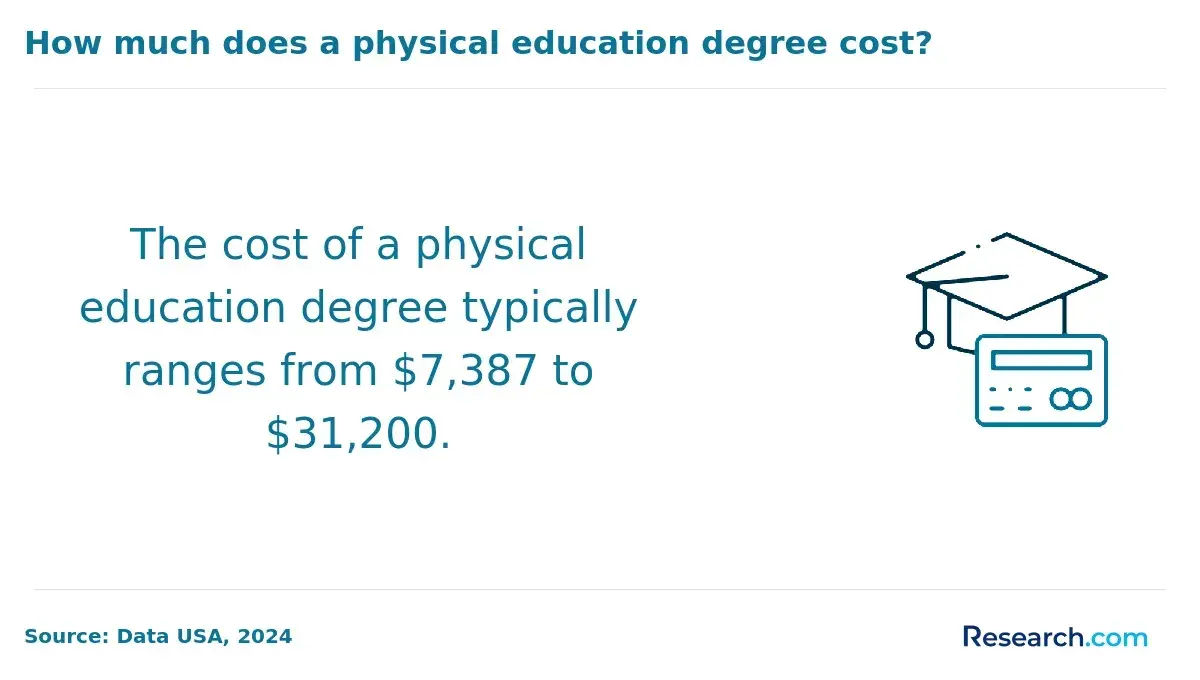
The cost of becoming a physical education teacher in Wisconsin involves several key expenses, including tuition, licensing, and testing fees that cumulatively define the investment required for certification. Careful planning around these expenses helps manage your budget effectively as you pursue this career path.
Below is a practical outline of the main costs to consider for the cost of physical education teacher certification in Wisconsin.
- Bachelor’s Degree Tuition: Completing a state-approved bachelor’s degree with a teacher preparation program is essential. In-state tuition at universities like UW-Whitewater is approximately $376.95 per credit, with a full 120-credit program costing around $45,234 before financial aid. Out-of-state and private institution fees can be considerably higher.
- Teacher Preparation Program Expenses: If you already have a bachelor’s degree, enrolling in a post-baccalaureate teacher preparation program is necessary. For example, a 34-credit online program might cost about $12,816 for Wisconsin residents. Alternative programs such as Educate-WI’s Project Teaching vary between $10,700 and $14,100.
- Licensing and Exam Fees: The initial application for an educator license in Wisconsin costs $125, with additional fees for background checks or multiple applications. Required exams like Praxis I and II typically range from $90 to $150 each, and retakes add to these costs, so budgeting for potential exam repeats is important.
- Books and Materials: Though textbook rental is sometimes included at universities, you should still allocate funds for supplemental course materials and fees that can amount to several hundred dollars annually.
- Background Check: A mandatory criminal background check for licensure usually costs about $45 per application and should be factored into your budget.
Balancing these costs alongside your time investment will position you effectively to manage your educational journey. For a broader perspective on related educational investments, consider whether is getting a online bachelors degree in early childhood education worth it fits your goals, especially if exploring alternative education pathways.
Understanding the Wisconsin PE teacher education tuition and fees in detail will empower you to make informed decisions at each step.
Are there scholarships for physical education teaching students in Wisconsin?
Scholarships and financial aid make a significant difference for Wisconsin students pursuing physical education teaching by easing the burden of tuition and related costs. Access to these resources helps maintain focus on training and certification while reducing financial stress.
- Federal and State Financial Aid: Students can apply for Pell Grants and federal loans through FAFSA, while Wisconsin offers state grants like the Wisconsin Grant to support those demonstrating financial need.
- Institutional Scholarships: Local school districts and foundations provide awards targeted at aspiring PE teachers, often encouraging leadership and athletic involvement.
- Teaching Grants: Organizations such as WHPE offer grants that facilitate professional growth and curriculum development for both current and future educators.
- Loan Forgiveness Programs: Programs like the Teacher Loan Forgiveness and PSLF help reduce federal student loan debt for teachers working in eligible Wisconsin schools.
When I spoke with a PE teacher who graduated from a local Wisconsin school, she recalled the relief she felt receiving the Mabel Amundson Scholarship early in her education. "It wasn’t just the $375—it was the recognition that boosted my confidence," she said.
Navigating financial aid was daunting at first, but connecting with her school’s financial aid office and local foundations made a critical difference. She emphasized how those scholarships allowed her to focus on her studies and gain valuable teaching experience without constant worry about money, a testament to how targeted support shapes successful educators in Wisconsin.
Is there demand for physical education teachers in Wisconsin?
The demand for physical education teachers in Wisconsin is influenced by changes in school enrollment, statewide health initiatives, and the retirement of veteran educators. These factors combine to shape hiring needs as schools prioritize combating childhood obesity and promoting lifelong wellness.
The physical education teacher job market in Wisconsin shows the strongest demand in public school districts, especially in urban centers like Milwaukee, Madison, and Green Bay, where student numbers are higher and budgets tend to be more stable. Positions are also available in private and charter schools, though typically less frequently.
Rural and underserved areas face shortages due to recruitment difficulties, which can create unique opportunities for teachers willing to work in these communities. While the overall growth rate for PE teaching jobs is moderate, around 3.1% nationally from 2022 to 2032, consistent retirements and health-focused policies maintain steady openings statewide.
For aspiring physical education teachers in Wisconsin, understanding these dynamics means preparing with the right credentials and skills to remain competitive. Holding a bachelor’s degree in physical education or related fields and earning state licensure is essential.
Additional qualifications, such as coaching experience or training in adaptive physical education, can give candidates an edge. Those looking to advance further might consider a phd in education online, which can open doors to higher-level positions and specialized roles within the educational system.
What is the average salary of a PE teacher in Wisconsin?
The average salary for physical education (PE) teachers in Wisconsin is approximately $60,840 annually, which is slightly above the national average of about $59,000. For those pursuing a career in physical education in Wisconsin, understanding salary trends is crucial as it affects financial stability, job satisfaction, and long-term professional advancement.
Below are the key factors that influence PE teacher salaries in Wisconsin:
- Years of Experience: Entry-level teachers start around $39,170 per year, while those with extensive experience can earn up to $103,890. Experience increases base salary and often includes additional stipends.
- Education Level: Advanced degrees such as a Master’s or Doctorate typically lead to higher pay. School districts reward graduate-level credits and certifications with increased salary scales.
- School Type (Public vs. Private): Public school teachers usually receive higher salaries and better benefits, whereas private schools may offer non-monetary advantages like smaller class sizes.
- Geographic Location within Wisconsin: Salaries vary by region, with higher pay common in urban and suburban districts like Madison and Milwaukee compared to rural areas.
The earning potential for PE teachers in Wisconsin reflects both the challenges of the profession and the state’s commitment to valuing physical education. Higher-than-average salaries underscore the importance of this role in student development and educational quality.
What Do Physical Education Teachers in Wisconsin Say About Their Career?
- Completing my physical education program at Milwaukee Academy really set the foundation for my career. Starting as a PE teacher in a local school here in Wisconsin gave me a chance to integrate outdoor activities that take full advantage of our state’s beautiful lakes and forests. What I love most is seeing the kids grow stronger and more confident, not just physically but emotionally, as they learn teamwork and perseverance. The sense of community and the support from fellow educators have made this journey incredibly rewarding. Justin
- Graduating from Green Bay Sports Institute was a pivotal moment, and beginning my career in a local school here allowed me to focus deeply on integrating wellness and fitness into the daily lives of students. In Wisconsin, there’s a strong emphasis on fostering lifelong healthy habits, which is exciting for professional growth. It’s fulfilling to help the youth develop both athletic skills and a positive mindset that supports their overall well-being. The balance of professional opportunities and the vibrant culture of this state really keeps me motivated. Gabrielle
- My time at Madison Fitness College prepared me well for the diverse challenges of teaching physical education in Wisconsin schools. I appreciate how Wisconsin’s varied climate invites unique activities throughout the year, making my role both dynamic and engaging. The chance to contribute to students’ physical development while promoting a supportive and inclusive environment has been a deeply meaningful experience. Additionally, the career advancement potential and continuing education options here have empowered me to grow in my profession steadily. Shaun
Related Articles for Nearby States
- 2027 How to Become a Physical Education Teacher in Minnesota
- 2027 How to Become a Physical Education Teacher in Iowa
- 2027 How to Become a Physical Education Teacher in Illinois
- 2027 How to Become a Physical Education Teacher in Michigan
- 2027 How to Become a Physical Education Teacher in Indiana
- 2027 How to Become a Physical Education Teacher in Missouri
- 2027 How to Become a Physical Education Teacher in Ohio
- 2027 How to Become a Physical Education Teacher in South Dakota
- 2027 How to Become a Physical Education Teacher in Nebraska
- 2027 How to Become a Physical Education Teacher in Kentucky
References:
- Physical Education, BS < University of Wisconsin-Madison https://guide.wisc.edu/undergraduate/education/kinesiology/physical-education-bs/
- Best Value Colleges for Physical Education Teaching & Coaching (Income $0-$30k) in Wisconsin - College Factual https://www.collegefactual.com/majors/education/teacher-education-and-development/physical-education-teaching-and-coaching/rankings/best-value-avg-aid-income1/great-lakes/wisconsin/
- License Application Fees | Wisconsin Department of Public Instruction https://dpi.wi.gov/licensing/apply-educator-license/fees
- BS in Physical Education – Kinesiology – UW–Madison https://kinesiology.education.wisc.edu/academics/undergraduate-programs/bs-in-physical-education/
- How to Become a Teacher in Wisconsin - Step by Step Guide 2025 | Teachers of Tomorrow https://www.teachersoftomorrow.org/blog/insights/how-to-become-a-teacher-in-wisconsin/
- For a broader perspective on related educational investments, consider whether fits your goals, especially if exploring alternative education pathways. https://research.com/degrees/online-bachelors-degrees-in-early-childhood-education
- How to Become a PE Teacher in Wisconsin | Requirements for PE Teacher Jobs in WI https://www.peteacheredu.org/wisconsin/
- Physical Education Post-Baccalaureate Certificate | UW-Whitewater https://www.uww.edu/online/certificates/physical-education
- Benefits of Membership – Wisconsin Health and Physical Education https://whpe.us/benefits-of-membership
- Physical Education • Page - West Bend School District https://www.west-bend.k12.wi.us/District/2373-Untitled.html
Other Things You Should Know About Becoming a Physical Education Teacher in Wisconsin
In Wisconsin, as of 2027, physical education teachers can teach other subjects if they obtain the necessary additional endorsements. This process involves completing coursework and passing subject-specific exams as required by the Wisconsin Department of Public Instruction.
In 2027, becoming a PE teacher in Wisconsin without a traditional teaching degree is possible through alternative certification programs. These programs are designed for individuals who hold a bachelor’s degree in a relevant field and wish to transition into teaching, meeting necessary state requisites. --- **Question** Does Wisconsin offer alternative certification for PE teachers? **Answer** As of 2027, Wisconsin provides alternative certification pathways for prospective PE teachers with a bachelor's degree but who lack a formal teaching credential. These programs include earning a Praxis II test score, completing a teacher preparation program, and obtaining a provisional teaching license. **Question** Can PE teachers in Wisconsin teach other subjects with additional endorsements? **Answer** In 2027, PE teachers in Wisconsin can teach other subjects by earning additional endorsements. This process requires completing coursework and passing subject-specific Praxis tests. Successfully doing so allows licensed teachers to expand their qualifications and teach multiple disciplines within the state's education system.
To become a PE teacher in Wisconsin in 2027, you must earn a bachelor's degree in physical education or a related field, complete a state-approved teacher preparation program, and pass the Praxis Subject Assessments. Additionally, you must apply for a teaching license through the Wisconsin Department of Public Instruction.


