
2027 How to Become a Police Officer: Education Requirements in Arizona

Co-Founder and Chief Data Scientist
Arizona offers a dynamic career path for those drawn to law enforcement, with over 15,000 active officers serving its communities. The state’s growing population and diverse regions create unique opportunities for police officers ready to make an impact. Pursuing this profession in Arizona means joining a field with steady demand and the potential for meaningful service. Understanding the education requirements is essential for aspiring officers to navigate the entry process smoothly.
This article explores these educational criteria in detail, crafted by career planning experts to guide readers through the necessary steps and clear doubts about becoming a police officer in Arizona.
Key Things to Know About Becoming a Police Officer in Arizona
- Arizona requires candidates to have a high school diploma or GED before starting police academy training, ensuring fundamental education is met.
- Completion of the Arizona Peace Officer Standards and Training (AZPOST) certification is mandatory, involving over 800 hours of rigorous instruction and field training.
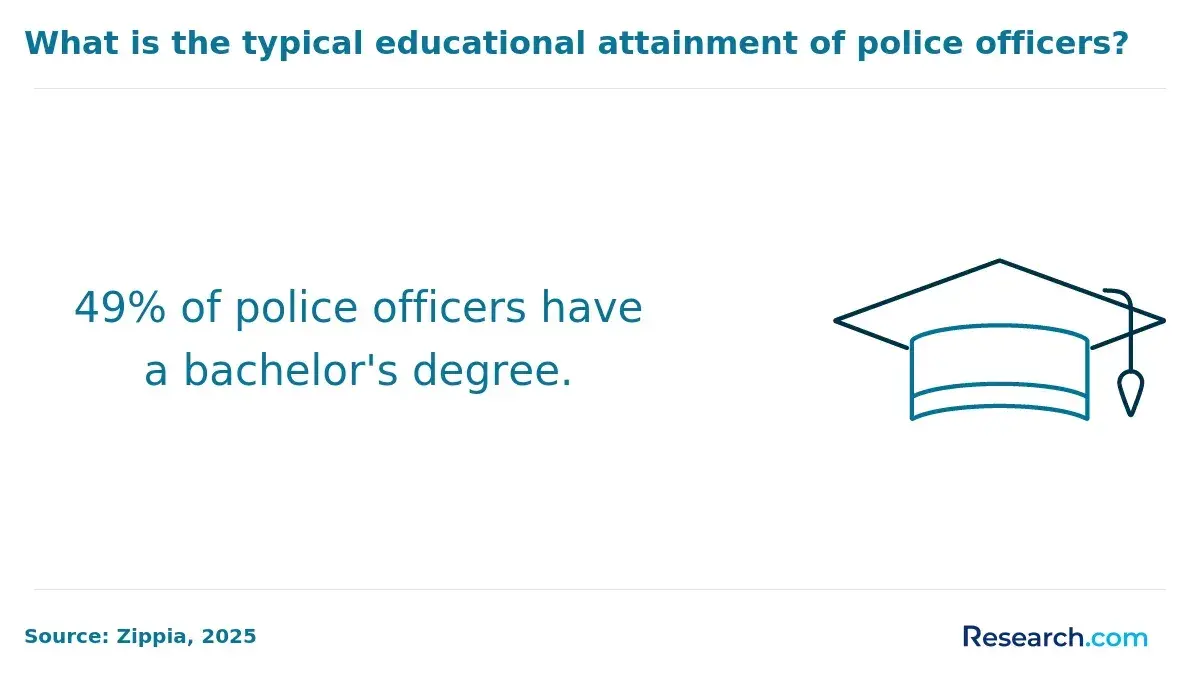
- Many officers enhance career prospects by earning associate or bachelor’s degrees in criminal justice or related fields, though not strictly required statewide.
- What is the minimum education requirement to become a police officer in Arizona?
- Which majors are most recommended for aspiring police officers in Arizona?
- What subjects are taught in Arizona police academy?
- Can military service replace education requirements for police officers in Arizona?
- How much does it cost to get a police officer education in Arizona?
- Are scholarships available for aspiring police officers in Arizona?
- What certifications benefit a police officer's career development in Arizona?
- What roles can you get as a police officer in Arizona?
- What is the average salary of police officers in Arizona?
- What education trends are affecting law enforcement careers in Arizona?
- Are there legal career transitions available for experienced police officers in Arizona?
What is the minimum education requirement to become a police officer in Arizona?
Education forms the backbone of effective law enforcement, sharpening an officer’s ability to communicate, solve problems, and interpret laws. Across the United States, these education requirements shift depending on state policies and local priorities, offering a unique landscape of qualification standards to explore. Arizona’s approach sets clear, foundational guidelines to ensure new officers enter their roles ready for the challenges ahead. When aiming to meet the minimum education requirement for police officer in Arizona, candidates must satisfy one of the following criteria:
- High School Diploma: Every applicant must have a standard high school diploma from an accredited institution, establishing a uniform educational baseline for all recruits.
- GED or Equivalent: Those who did not attend a traditional high school may present a General Education Development (GED) certificate or another recognized equivalent credential to fulfill the requirement.
- Home School Diploma: Certain agencies, such as the Phoenix Police Department, accept a home school diploma provided it meets state equivalency standards, expanding access for diverse educational backgrounds.
These standards, maintained by the Arizona Peace Officer Standards and Training Board (AZPOST), are uniformly enforced among major departments like Tucson, Chandler, and Phoenix. Meeting this high school diploma requirement for Arizona police officers is essential not only to enter academy training but also to achieve certification and serve as a peace officer in the state. For those curious about expanding their knowledge in related areas, exploring criminal justice degree programs can provide further insight into career possibilities beyond initial entry requirements.
Which majors are most recommended for aspiring police officers in Arizona?
Choosing the best criminal justice majors in Arizona can give aspiring police officers a competitive edge and open doors to exciting career advancement opportunities. Selecting a degree that aligns with law enforcement needs not only builds essential skills but also positions candidates for leadership roles and specialized assignments within police departments. Below are the recommended degrees for Arizona police officers:
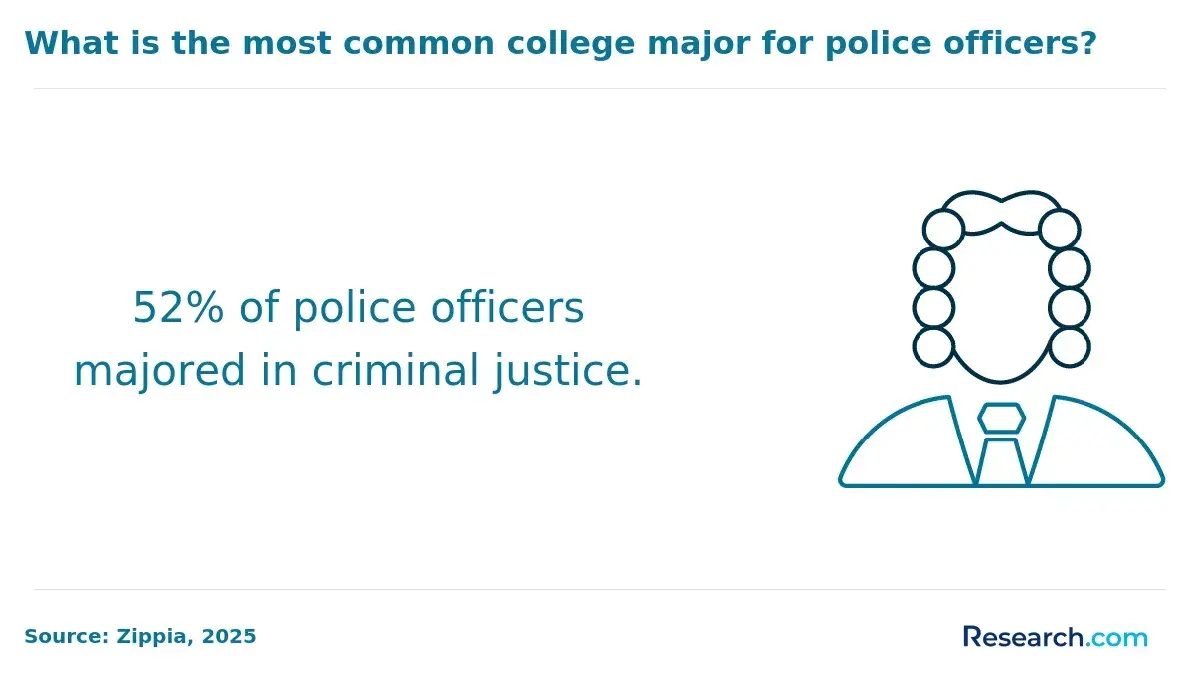
- Criminal Justice: This major offers a comprehensive look at policing strategies, criminal law, and corrections. It equips students with practical knowledge of the justice system and community policing, making graduates highly attractive to Arizona law enforcement agencies.
- Criminology: Focused on the causes and consequences of crime, criminology develops research skills and critical thinking. Graduates can better understand crime patterns and contribute to policy-making and crime prevention efforts in diverse communities.
- Psychology: Understanding human behavior is vital for police work in crisis intervention and negotiation. This major enhances communication and conflict resolution skills, traits valued in roles such as mental health response teams or victim advocacy. For those interested in specialized paths, exploring accredited forensic psychology degrees can also deepen expertise.
- Sociology: By studying social structures and cultural dynamics, sociology prepares officers to engage positively across diverse populations. This background supports building trust and solving community issues in both urban and rural settings.
- Political Science: This field deepens understanding of government, public policy, and legal systems, useful for officers aiming for leadership or policy-influencing positions. It bolsters skills in navigating interagency relations and legislative impacts on policing.
- Law (Pre-Law/Legal Studies): Knowledge of constitutional rights and criminal statutes sharpens decision-making and upholds civil liberties. Arizona departments appreciate officers with legal training for their accuracy in interpreting laws and commitment to due process.
- Public Administration: Focused on management and leadership within public organizations, this major prepares officers for supervisory roles. It fosters skills in budgeting, human resources, and organizational accountability crucial for higher ranks.
What subjects are taught in Arizona police academy?
Training at an Arizona police academy is designed to build a strong foundation in the essential skills, knowledge, and ethical judgment that every effective law enforcement officer must possess. This immersive experience challenges recruits to grow intellectually, physically, and morally, preparing them to face the unpredictable demands of police work with confidence and professionalism.
- Criminal Law and Legal Procedures: Understanding Arizona’s legal system enables recruits to navigate arrests, searches, and investigations lawfully. This knowledge safeguards constitutional rights and ensures officers act within the boundaries of the law.
- Firearms Training: Beyond marksmanship, recruits learn to handle firearms safely and make split-second decisions under pressure. This training instills discipline and responsibility essential for protecting both officers and the public.
- Defensive Tactics: Physical control techniques and use-of-force principles prepare recruits to manage confrontations while minimizing harm. Mastery of these tactics helps maintain safety during volatile encounters.
- Emergency Vehicle Operations: Skilled driving under stress is taught to enhance emergency response effectiveness. Pursuit and defensive driving techniques are crucial for life-saving interventions and officer safety.
- Ethics and Professionalism: Recruits explore real-life dilemmas emphasizing integrity and accountability. This fosters the trust and respect necessary for community-centered policing.
- Community Policing and Cultural Awareness: Building partnerships and appreciating diverse cultures equip officers to reduce conflicts and serve all Arizona communities effectively.
- Physical Conditioning and Wellness: Rigorous fitness development supports resilience in physically demanding situations, promoting long-term health and job performance.
- First Aid and Medical Response: Training in CPR and crisis intervention enables officers to provide critical first-response care before emergency personnel arrive.
- Report Writing and Communication: Clear, precise communication skills are honed for accurate reporting and effective interaction with the public and legal systems.
Can military service replace education requirements for police officers in Arizona?
In Arizona, military service cannot fully replace the education requirements for becoming a police officer. Unlike some states that waive college coursework for veterans, Arizona sets its baseline education standard at a high school diploma, homeschool diploma, or GED equivalency. There is no requirement for college-level education, so military experience does not serve as a substitute for academic credentials. This means that even highly trained and experienced veterans must meet Arizona’s established minimum education standards to qualify for police officer positions. While the Arizona Peace Officer Standards and Training (AZPOST) does not factor military service into education equivalency, veterans are still highly regarded for the skills and discipline they bring to law enforcement.
That said, Arizona police departments value certain types of military experience during the hiring process. Specialized roles such as military police, leadership positions, and advanced tactical training can enhance a candidate’s competitiveness, particularly when applying as a lateral transfer or seeking advancement within the force. These qualifications do not replace education requirements but serve as important supplements, demonstrating a veteran’s readiness and unique capabilities. Departments generally require applicants to have an honorable discharge, and this status positively influences background checks and interviews. In short, while education requirements remain unchanged, military service strongly supports an applicant’s overall profile in Arizona law enforcement recruitment.
When I spoke with a police officer from Arizona who graduated from a local police academy, he shared that although his military background was deeply respected throughout the hiring process, it never replaced the need to meet the high school equivalency standard. He recalled feeling both determined and challenged during the academy, knowing that his military skills provided a solid foundation but that the formal training was essential to succeed as a police officer. "My military experience helped me understand discipline and teamwork, but earning my police certification here required me to adapt to the legal and community-focused training unique to this role," he explained. His story reflects how military veterans must embrace both their past service and the foundational education standards to build a successful law enforcement career in Arizona.
How much does it cost to get a police officer education in Arizona?
The journey to becoming a police officer in Arizona can take several educational paths, each with its own price tag. Whether you choose a college degree, a community college certificate, or the specialized route through a police academy, the overall costs will vary. Exploring the police academy tuition costs in Arizona alongside other related expenses helps paint a clearer picture of the total investment needed.
- Community College Tuition: Programs for law enforcement certificates generally cost between $2,000 and $3,000 for in-state students, with some colleges offering these certificates at no cost under specific eligibility conditions.
- University Degree Tuition: Attaining a bachelor’s degree in criminal justice or a similar field at an Arizona public university typically ranges from $11,000 to $13,000 per year, reaching about $44,000 to $52,000 for the entire four-year degree.
- Police Academy Fees: The cost to become a police officer in Arizona through the AZPOST certification program varies, with fees around $2,500 for WALEA members and up to $4,965 for non-members; fees may differ slightly depending on the academy.
- Uniforms and Equipment: Personal gear including uniforms and duty belts generally adds between $300 and $1,000, depending on academy requirements and agency provisions for materials.
- Medical and Psychological Testing: Required entrance screenings such as medical exams, psychological evaluations, and polygraph tests usually range from $200 to $500 and may sometimes be included in academy fees.
- Textbooks and Study Materials: Educational materials and textbooks typically add $200 to $600, influenced by the curriculum and whether used books are an option.
- Application and Examination Fees: Application and testing fees may be charged by some academies or colleges, typically between $50 and $150, and are often nonrefundable at the time of application.
If you want to explore the variety of criminology careers available after completing your police education, understanding these initial costs will help you prepare financially and academically for the path ahead.
Are scholarships available for aspiring police officers in Arizona?
Scholarships and financial aid play a crucial role in easing the costs associated with education and training for aspiring police officers in Arizona. These resources help reduce tuition expenses and related fees, allowing candidates to focus on developing their skills without the heavy weight of financial stress. Various targeted programs ensure that individuals dedicated to law enforcement have access to support tailored to their unique situations.
- State-Funded Law Enforcement Family Scholarships: Available to spouses and dependents of Arizona law enforcement and correctional officers, these scholarships cover tuition and mandatory fees at public schools or comparable tuition at private institutions, making education more affordable for families committed to public safety.
- Survivors of Fallen Officers Scholarships: Offered by organizations like C.O.P.S. Arizona, these awards assist families of fallen officers with tuition support for a range of educational programs, honoring sacrifice by investing in future opportunities.
- Law Enforcement Association and Community Awards: Local police associations provide scholarships to dependents of active or retired officers, fostering a legacy of public service through partial tuition assistance.
- Criminal Justice and Public Service Scholarships: Merit- or need-based scholarships from Arizona colleges support students pursuing degrees related to law enforcement, often covering tuition, books, and training fees to build a knowledgeable workforce.
- Federal and State Grant Programs: Programs like the Pell Grant and Arizona Promise offer need-based financial aid for tuition and living expenses to eligible students enrolled in criminal justice fields, with no repayment required.
- Institutional Aid and Tuition Waivers: Public universities and community colleges may grant waivers or institutional aid to students in high-demand public service majors, lowering the cost of key credentials for police careers.
When I spoke with a police officer from Arizona who graduated from a local academy, she shared how these scholarships felt like a lifeline during her training. “Paying for tuition was daunting,” she recalled, “but the family scholarship program helped cover more than half my fees, easing the pressure while I focused on learning.” She highlighted the application process as straightforward though competitive, reminding me, “It’s worth applying early because those funds go fast.” Her experience shows that beyond the financial relief, these scholarships offer encouragement and accessibility, making the journey to becoming a police officer not only possible but also inspiring.
What certifications benefit a police officer's career development in Arizona?
Earning specialized certifications is a dynamic way for police officers in Arizona to sharpen their skills, boost job performance, and unlock new career opportunities. These credentials offer focused knowledge that keeps officers ahead in a complex and changing field, making their contributions more impactful and their paths to leadership clearer within law enforcement certification programs in Arizona.
- Firearms and Tactical Training: This certification, required by AZPOST, ensures mastery of firearms and tactical skills essential for officer safety and effective public protection. Advanced courses often lead to specialized roles such as SWAT team members, enhancing an officer’s strategic edge.
- Emergency Medical Response (EMR): EMR certification empowers officers to deliver critical medical care during emergencies, especially valuable in remote or high-risk areas. This ability increases an officer’s effectiveness in crisis moments, boosting community trust.
- Criminal Investigations: Training covers evidence handling, interviewing techniques, and case management, vital for detectives and those aiming for investigative assignments. These skills improve case clearance rates and professional standing.
- Cybercrime and Digital Evidence: As technology crimes rise, cybercrime investigation certifications prepare officers to track digital footprints and secure electronic evidence, making them indispensable in modern policing.
- Crisis Intervention and De-escalation: Focused on managing mental health crises and high-stress encounters, this training promotes culturally sensitive techniques that protect communities and reduce departmental liabilities.
- Leadership and Supervisory Training: Programs like the FOCUS introductory course and ALEAP’s ACE credential develop ethical leadership and decision-making skills. Such training is often a stepping stone to promotion and command roles, reflecting the importance of police leadership training Arizona offers.
For those exploring career paths, it's insightful to consider how these qualifications align with some of the highest paying criminal justice jobs, where specialized skills are a clear advantage.
What roles can you get as a police officer in Arizona?
Law enforcement careers in Arizona open doors to exciting and varied paths beyond standard patrol duties, allowing officers to specialize based on their unique talents and interests. Whether you’re drawn to investigative work, community connection, or tactical response, these roles offer dynamic ways to contribute to public safety.
- Patrol Officer: Serves as the frontline responder to emergencies and crime prevention with continuous AZPOST training, maintaining law and order through visible presence.
- Detective/Investigator: Handles complex crime investigations, requiring advanced training to gather evidence and build cases essential for justice.
- K-9 Unit Officer: Partners with trained police dogs for searches and high-risk support, demanding specialized canine handling skills.
- SWAT Team Member: Faces high-stakes scenarios with intense tactical and firearms training to manage critical threats.
- Community Outreach Officer: Builds trust through education and communication, focusing on conflict resolution and cultural awareness.
- Traffic Enforcement Officer: Enforces road safety laws and investigates accidents, trained in accident reconstruction and sobriety testing.
- Training Instructor: Educates officers on firearms and tactics, requiring certification to keep the force updated on best practices.
What is the average salary of police officers in Arizona?
The average police officer salary in Arizona can vary significantly based on factors like geographic location, years of service, education, and rank within a department. Larger cities tend to offer higher pay, while officers with specialized training or advanced education often receive additional compensation. Understanding these differences is essential when considering the police officer pay scale Arizona offers.
- Entry-Level Police Officers: Starting salaries for new officers usually hover around $45,200 annually, representing the 25th percentile in the state. This reflects initial experience and basic training but may increase with additional education or certifications.
- Mid-Career Police Officers: Officers with five to ten years of experience typically earn around the statewide average of $57,915 per year. This pay scale rewards both improved skills and completion of intermediate law enforcement programs.
- Senior Police Officers: Veterans and supervisors often earn near the 75th percentile at $69,400, with top salaries reaching $85,733 annually. Leadership roles, advanced education, and specialized assignments contribute to these higher wages.
Metropolitan areas like Phoenix offer notably higher salaries, sometimes exceeding $81,000 annually, emphasizing the effect of location on earning potential. Further education can play a critical role in salary growth, so many officers pursue degrees such as a bachelor of forensic science online to enhance their qualifications and pay prospects.
What education trends are affecting law enforcement careers in Arizona?
Arizona’s approach to law enforcement careers is evolving as educational expectations shift to meet modern challenges. Today’s officers are encouraged to pursue advanced knowledge and diverse skills to engage effectively with complex community needs and emerging threats. This trend reflects a broader commitment to professionalism and adaptability in policing.
- Preference for College Degrees: Many agencies prioritize candidates with associate or bachelor’s degrees, which can enhance job prospects and opportunities for promotion.
- Impact of Specialized Majors: Degrees in criminal justice, psychology, and cybersecurity are highly valued for their relevance to addressing mental health crises, cybercrime, and community-focused policing.
- Rise of Continuing Education: Officers increasingly participate in advanced training and certificate programs to stay updated on legal standards, tactical skills, and evolving community expectations.
- Mental Health and Crisis Response Training: Emphasis on de-escalation and communication skills prepares officers to interact sensitively with vulnerable populations.
- Technology and Digital Skills: Cybersecurity and digital forensics expertise provide a hiring advantage amid rising technological crime.
Staying informed about these education trends is vital for both aspiring and active police officers in Arizona. Continuous learning and specialized training not only improve career opportunities but also empower officers to serve their communities with ethical leadership and effective problem-solving.
Are there legal career transitions available for experienced police officers in Arizona?
Experienced police officers often possess valuable skills in investigation, critical analysis, and evidence management that can be effectively transferred to legal support roles. Leveraging this expertise can pave the way for a seamless transition into legal careers, such as positions in legal research, case management, or as a paralegal. Officers interested in diversifying their professional portfolio may explore specialized training and certification opportunities to complement their background. For detailed guidance on alternative pathways, consider reviewing our guide on how to become a paralegal in Arizona.
Related Articles for Nearby States
- 2027 How to Become a Police Officer: Education Requirements in New Mexico
- 2027 How to Become a Police Officer: Education Requirements in Nevada
- 2027 How to Become a Police Officer: Education Requirements in California
- 2027 How to Become a Police Officer: Education Requirements in Utah
- 2027 How to Become a Police Officer: Education Requirements in Colorado
- 2027 How to Become a Police Officer: Education Requirements in Texas
- 2027 How to Become a Police Officer: Education Requirements in Oklahoma
- 2027 How to Become a Police Officer: Education Requirements in Kansas
- 2027 How to Become a Police Officer: Education Requirements in Wyoming
- 2027 How to Become a Police Officer: Education Requirements in Idaho
References:
- Law Enforcement Spouses and Dependents | Arizona Board of Regents https://www.azregents.edu/law-spousesdependents
- Scholarships for Public Safety Families | 100 Club Arizona https://www.100club.org/scholarships/
- C.O.P.S. Arizona Scholarship Program | Educational Support for Survivors https://copsarizona.org/scholarship-program/
- Scholarships https://jaxonfoundation.org/scholarships
- Types of Aid: Specialty ABOR Programs | Office of Scholarships & Financial Aid https://financialaid.arizona.edu/types-of-aid/scholarships/specialty-ABOR-programs
- Qualifications and Hiring Process | University of Arizona Police Department https://uapd.arizona.edu/careers/qualifications
- Police Officer Requirements | Chandler Police Department https://jobs.chandlerazpd.gov/police-officer-requirements
- Sworn - JOINPHXPD https://joinphxpd.com/sworn/
- Arizona Police Officer Requirements | Go Law Enforcement https://golawenforcement.com/police-officer-requirements/arizona-police-officer-requirements/
- Police Officer https://www.scottsdaleaz.gov/police/join-scottsdale-pd/police-officer
Other Things You Need to Know About Becoming a Police Officer in Arizona
Arizona police departments vary in their policies regarding payment for college or academy training, often influenced by department size and funding. Some agencies cover academy costs fully or partially to attract qualified candidates and ensure proper training, while others may require recruits to pay upfront with reimbursement upon completion or employment. Financial support for college-level education is less common but may be offered through tuition assistance or incentive programs to encourage advanced skills. Ultimately, the availability of funding depends on the department’s budget priorities and recruitment strategies.
To become a police officer in Arizona in 2027, candidates typically must have a high school diploma or GED. Some departments may prefer or require college coursework or an associate’s degree in criminal justice or a related field. Aspiring officers must also complete training through an accredited police academy.
To become a police officer in Arizona in 2027, candidates must have at least a high school diploma or GED. While post-secondary education isn't mandatory, an associate or bachelor's degree in criminal justice or a related field can enhance job prospects and potential for advancement.


