
2027 How to Become a Police Officer: Education Requirements in Kansas

Co-Founder and Chief Data Scientist
Choosing a career as a police officer in Kansas opens doors to a stable profession with a 5.2% growth rate expected over the next decade. The role calls for dedication, courage, and a clear understanding of education pathways. Kansas law enforcement agencies value candidates prepared through rigorous training and academic foundations.
This article explores the specific education requirements necessary to join the Kansas police force. Crafted by career planning experts, it aims to guide aspiring officers through the essential qualifications, helping them navigate this rewarding path with clarity and confidence.
Key Things to Know About Becoming a Police Officer in Kansas
- Completion of a high school diploma or GED is the foundational step for aspiring Kansas police officers, ensuring basic educational standards.
- Many departments encourage or require at least 60 college credit hours or an associate’s degree, boosting competitiveness and knowledge.
- Successful graduation from a Kansas Peace Officer Training Center is mandatory, with around 400 hours of specialized academy training to prepare for real-world duties.
- What is the minimum education requirement to become a police officer in Kansas?
- Which majors are most recommended for aspiring police officers in Kansas?
- What subjects are taught in Kansas police academy?
- Can military service replace education requirements for police officers in Kansas?
- How much does it cost to get a police officer education in Kansas?
- Are scholarships available for aspiring police officers in Kansas?
- What certifications benefit a police officer's career development in Kansas?
- How Can Police Experience Open Doors to Legal Careers in Kansas?
- What roles can you get as a police officer in Kansas?
- What is the average salary of police officers in Kansas?
- What education trends are affecting law enforcement careers in Kansas?
What is the minimum education requirement to become a police officer in Kansas?
Education plays a crucial role in preparing police officers for the intellectual and ethical challenges they face on the job. Although requirements can differ widely by state, Kansas sets a clear and straightforward baseline for those pursuing a law enforcement career. In Kansas, the minimum education requirement for police officer positions is designed to ensure candidates have a reliable foundation without demanding extensive academic credentials. Here are the key qualifications:
- High School Diploma: Candidates must have graduated from an accredited high school, which establishes essential literacy, numeracy, and critical thinking skills necessary for police training and responsibilities.
- GED Certificate: Individuals without a traditional high school diploma may qualify by earning a GED certificate, which is recognized as an equivalent credential by Kansas law enforcement agencies.
These education standards align with state law and apply uniformly to all entry-level officers across Kansas, including municipal departments and the Kansas Highway Patrol. No additional post-secondary education is mandated before entering the workforce or basic police training, making the path clear for those who meet these minimum criteria. The structure reflects Kansas’s focus on accessibility while upholding foundational educational requirements. For those considering a career in this field, these qualifications provide a starting point to enter training and progression programs. Exploring the field further, candidates might be curious about relevant program areas, such as the best online forensic science degrees.
Which majors are most recommended for aspiring police officers in Kansas?
Choosing the right college major can significantly enhance a candidate’s qualifications for policing roles in Kansas and open doors to specialized or leadership positions. As departments seek well-rounded officers, certain fields of study stand out for their direct relevance to modern law enforcement challenges. Below are the most recommended majors for aspiring police officers in Kansas:
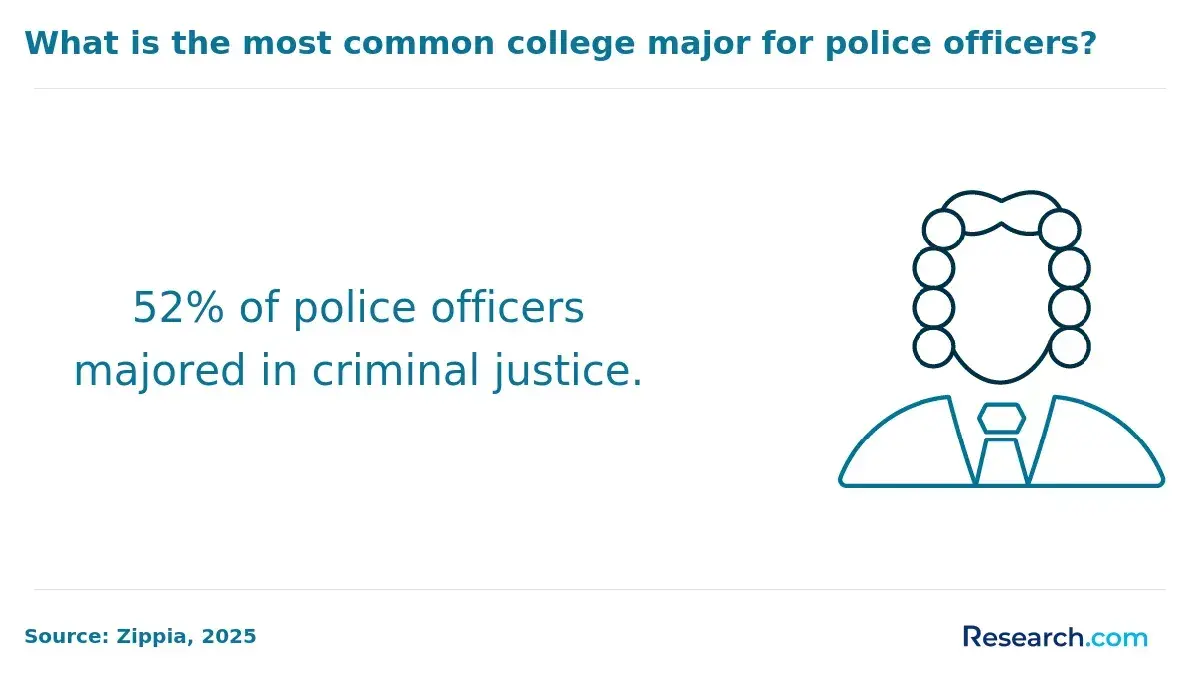
- Criminal Justice: This major offers comprehensive training in law enforcement systems, criminal law, corrections, and investigative methods. Graduates of criminal justice degree programs in Kansas gain practical skills like crime scene analysis and interrogation techniques, preparing them well for frontline policing with familiarity in local statutes.
- Criminology: Focused on understanding the causes and patterns of crime, criminology equips future officers with insight into social and psychological factors. This knowledge supports community policing efforts and proactive crime prevention strategies valued by Kansas law enforcement.
- Psychology: Studying psychology helps officers grasp human behavior and mental health, which are essential for handling crisis intervention and sensitive encounters. Departments increasingly favor candidates who can de-escalate situations and engage diverse populations with empathy.
- Sociology: Sociology examines social structures and community dynamics, enhancing an officer’s ability to build trust and mediate conflicts. This background aligns well with community-oriented policing approaches embraced across Kansas.
- Political Science: Offering an understanding of government and public policy, this major prepares officers to navigate legal frameworks and regulatory environments. It particularly benefits those aspiring to leadership or administrative positions within law enforcement.
- Law or Pre-Law: A foundation in legal research and courtroom procedures is invaluable for roles requiring specialized knowledge or career growth into detective or supervisory ranks. Some programs even combine law degrees with criminal justice studies to deepen expertise.
- Public Administration: Concentrating on organizational leadership and resource management, public administration primes students for administrative or supervisory posts. Skills in budgeting and personnel management are critical for effective law enforcement leadership in Kansas.
For those exploring academic options, a forensic science bachelor’s degree online may also complement these studies, broadening practical expertise. Selecting one of the best majors for police officers in Kansas encourages analytical thinking, ethical judgment, and clear communication tailored to evolving community needs.
What subjects are taught in Kansas police academy?
Police academy training in Kansas immerses recruits in a comprehensive program designed to build expertise, practical skills, and ethical insight essential for law enforcement. This hands-on, dynamic curriculum ensures officers are prepared for the complex challenges they will face on the job.
- Criminal Law and Legal Procedures: Understanding Kansas statutes and constitutional law equips recruits to navigate arrests, searches, and evidence handling properly. This foundation protects citizens' rights and minimizes legal risks for officers.
- Firearms Training: Intensive live-fire exercises develop weapon safety, accuracy, and quick decision-making under pressure, critical for protecting both officers and the public during tense encounters.
- Defensive Tactics and Officer Survival: Through physical and scenario-based drills, recruits learn how to control suspects and defend themselves against attacks, which is vital for personal safety and effective law enforcement.
- Emergency Vehicle Operations: Rigorous driving exercises prepare recruits for high-speed pursuits and emergency responses, balancing speed with safety to reduce accidents.
- Ethics and Professional Conduct: Instruction in integrity and ethical decision-making fosters trust and accountability, shaping officers who serve with honor and respect.
- Community Policing and Service: Training in building partnerships and addressing community concerns enhances transparency and problem-solving beyond traditional crime-fighting roles.
- First Aid and CPR: Certification in lifesaving techniques ensures officers can provide immediate medical aid at critical moments, saving lives before help arrives.
- Patrol Procedures and Investigations: Developing observation and investigative skills prepares officers to collect evidence, interview witnesses, and build strong cases from patrol to prosecution.
Can military service replace education requirements for police officers in Kansas?
In Kansas, military service is not accepted as a substitute for the minimum education requirements to become a police officer. Unlike some states that allow honorable military experience to waive or reduce college credit prerequisites, Kansas maintains a strict baseline: candidates must possess at least a high school diploma or GED, regardless of their prior military background. This educational standard is set by the Kansas Law Enforcement Training Center (KLETC) and upheld consistently across all agencies. While military skills such as leadership under pressure, tactical expertise, and the ability to operate in highly structured environments are highly respected in the hiring process, they do not replace or reduce the mandated education. Every prospective officer must complete the 560-hour state-certified training academy to earn certification.
Though the educational prerequisite remains firm, Kansas police departments actively value the qualities developed through military service. Traits like discipline, adaptability, and stress resilience can give veterans an advantage during interviews and promotional opportunities. However, these attributes complement—not replace—the formal training and educational requirements. A candidate’s military experience enriches their application and readiness for law enforcement but does not exempt them from the state’s baseline standards or training mandates.
I recently spoke with a police officer from Kansas who completed his training at a local academy after serving several years in the military. He reflected, “It was clear from day one that my military background opened doors during the hiring process, but nowhere did it replace the high school diploma requirement or the academy hours. The academy was challenging in a different way than the military — focused on law, ethics, and community interaction. I felt my prior experience helped me stay calm and lead in tough scenarios, but I had to meet the same educational and training standards as everyone else. It was a humbling and rewarding process that prepared me fully for the responsibilities ahead.” This journey highlights how military service enhances but does not substitute the formal education path in Kansas law enforcement careers.
How much does it cost to get a police officer education in Kansas?
Becoming a police officer in Kansas involves different educational and training costs, depending on whether you choose a community college criminal justice program, pursue a four-year college degree, or attend a police academy. Each pathway carries distinct expenses that include tuition, fees, uniforms, and other necessary supplies, shaping the overall investment required. Exploring these options shines light on the police academy tuition cost in Kansas and helps you plan your journey.
- Community College Tuition: In-state students typically pay between $3,200 and $4,800 annually for associate degree programs in criminal justice, with additional costs for books and materials ranging from $500 to $1,000 per year.
- University Tuition: For a bachelor's degree at universities like the University of Kansas or Wichita State University, undergraduate tuition averages from $9,000 to $11,000 per year, excluding room and board.
- Police Academy Fees: Many law enforcement agencies cover tuition for recruits, but self-sponsored students can expect to pay about $5,500 to $6,500, representing a core component of the cost of police officer training in Kansas.
- Uniforms and Equipment: Basic required gear for training tends to add $300 to $400, with some programs specifying amounts near $315 for these essentials.
- Ammunition and Supplies: Recruits may need to purchase ammunition for training, which varies but can be significant depending on academy requirements.
- Application and Testing Fees: Entrance exams and application fees for both college and academy programs usually range between $25 and $75.
- Short-Term Program: The Kansas Highway Patrol offers a one-week Collegiate Law Enforcement Academy for $150, providing comprehensive training without official certification.
- Additional Testing: Some agencies require physical or medical examinations, charging under $100 for these assessments.
- Department Reimbursements: Many agencies furnish recruits with necessary gear or reimburse academy costs upon hiring, sometimes up to $6,500.
For those eager to enhance their knowledge, exploring accredited forensic psychology degrees can add complementary skills valuable in law enforcement careers.
Are scholarships available for aspiring police officers in Kansas?
Scholarships and financial aid can significantly lighten the financial load for those pursuing law enforcement careers in Kansas. With rising education and training costs, these resources open doors to opportunities that might otherwise seem out of reach, making it easier to focus on becoming a capable police officer. Several types of scholarships target different needs and qualifications, helping aspiring officers find support precisely where they need it.
- State-Funded Scholarships and Tuition Waivers: Programs like the Kansas Hero’s Scholarship Act offer tuition and fee waivers to eligible dependents or spouses of public safety officers injured or fallen in the line of duty, reducing costs for families deeply connected to service.
- Law Enforcement Association Scholarships: Groups such as the Kansas Sheriffs’ Association provide multiple scholarships yearly, available to members and their families, assisting with tuition at accredited schools regardless of major.
- Criminal Justice and Public Service Scholarships: Colleges and universities frequently award scholarships to students majoring in criminal justice or public service, rewarding strong academics and commitment to law enforcement careers.
- Professional Certification and Development Scholarships: Organizations like the Kansas City Chapter of ASIS International support officers seeking specialized certifications, covering expenses related to career advancement exams and training.
- Community College and University-Based Aid: Many public institutions offer merit or need-based scholarships for associate and bachelor’s degree candidates in criminal justice, often including funds for tuition, fees, and course materials.
- Local and Regional Awards: Various local law enforcement agencies and municipalities sponsor scholarships for residents planning to serve their communities, encouraging graduates to contribute locally after finishing their education.
When speaking with a police officer from Kansas who graduated locally, she reflected on how scholarships made her journey possible. “At first, the tuition seemed overwhelming,” she shared. “Applying for association scholarships and local grants took time, but every little bit helped take the pressure off.” She emphasized that knowing these financial supports existed gave her confidence to pursue specialized training without fearing the cost. The support bridged the gap between determination and opportunity, proving that the state’s educational aid programs play a vital role in shaping committed officers ready to serve their communities.
What certifications benefit a police officer's career development in Kansas?
Specialized certifications provide Kansas police officers with essential skills that sharpen their effectiveness on the job and push their careers forward. Pursuing these credentials not only enhances practical knowledge but also aligns with the state's ongoing professional development requirements, giving officers a competitive edge for promotions and special assignments within law enforcement. Officers engaged in Kansas law enforcement continuing education certification programs find themselves better equipped for complex duties and emerging challenges. Here are several certifications that stand out for career growth in Kansas:
- Firearms Training and Qualification: This annual certification ensures officers maintain the highest standards in firearm safety and marksmanship. Advanced courses focus on tactical decisions and legal aspects, preparing officers for roles like SWAT or firearms instructors that demand specialized expertise.
- Emergency Medical Response (First Aid and CPR): Officers trained in medical response can provide critical aid during emergencies, making them invaluable in patrol and community policing settings. This skill is highly respected within departments and often enhances teamwork and crisis management effectiveness.
- Criminal Investigations Certification: Comprehensive investigation training covers evidence handling, interrogation techniques, and case management. Officers with this certification are prime candidates for detective work, supported by skills that boost their ability to solve cases thoroughly and efficiently.
- Cybercrime Investigation: As tech-related offenses rise, this certification educates officers about tracking digital crimes, gathering electronic evidence, and understanding cyber law. Mastery in this area opens doors to technology-driven units focusing on today’s evolving threats.
- Crisis Intervention and De-escalation: This training equips officers to safely handle volatile situations, especially those involving mental health crises. Departments value these skills for their role in reducing force incidents and enhancing public trust.
- Leadership and Supervisory Training: Offered through programs such as the Kansas Law Enforcement Training Center’s P.A.T., this certification develops decision-making, ethics, and team management skills. Officers often pursue it to qualify for promotions to supervisory roles.
Embedding Kansas police officer professional development programs into an officer’s career path ensures they remain adaptable and ready for promotion. For those interested in broader fields of investigation beyond traditional roles, exploring the best jobs in forensic psychology can offer valuable complementary paths within the justice system.
How Can Police Experience Open Doors to Legal Careers in Kansas?
Law enforcement expertise sharpens investigative, analytical, and procedural skills that are highly valuable in legal support roles. These transferable skills can position a former officer or an active officer for opportunities in legal research, case preparation, and compliance. Professionals considering this transition may benefit from courses or certifications to meet specific legal standards. For instance, learning how to become a paralegal in Kansas provides insights into the additional qualifications and training required to enter the legal support field.
What roles can you get as a police officer in Kansas?
Law enforcement careers in Kansas open doors to a variety of exciting roles, letting officers tailor their paths to their skills and interests. Beyond patrolling neighborhoods, officers can specialize in areas that deepen their impact on community safety and justice.
- Patrol Officer: The frontline of law enforcement, handling emergencies and crime prevention after completing police academy training.
- Detective: Investigates serious crimes using advanced skills developed through years of patrol experience and specialized training.
- K-9 Unit Officer: Partners with trained dogs for detection and suspect tracking, requiring additional handler certification.
- SWAT Team Member: Tackles high-risk missions with rigorous tactical and firearms training.
- Community Outreach Officer: Builds trust through communication and cultural awareness programs, fostering safer neighborhoods.
- Traffic Enforcement Officer: Specializes in accident investigation and traffic law enforcement to improve road safety.
- Training Instructor: Shares expertise by educating recruits and officers, ensuring ongoing professional development.
What is the average salary of police officers in Kansas?
The average salary of police officers in Kansas is shaped by several factors, such as location, years of service, education, and rank within the department. Salaries tend to be higher in urban centers and grow with experience and promotions to more specialized or supervisory roles. Educational achievements and additional incentives also play a role in increasing overall pay, creating a dynamic salary range for officers across the state.
- Entry-Level Police Officer: Most officers start with an annual salary ranging from $44,100 to $62,254, with larger cities like Topeka offering higher starting pay near $62,254. New officers often benefit from shift differentials and paid academy training that supplement these amounts.
- Mid-Career Police Officer: Officers with several years of service earn between $55,295 and $69,118 per year. For example, Topeka provides yearly wage increases, rewarding each year of service, leading mid-career officers to make around $65,000 to $70,000, depending on their location and duties.
- Senior Police Officer / Supervisor: Senior or supervisory officers, such as sergeants or detectives, can earn between $98,092 and $110,010 annually. Specialist roles and officers with advanced education often reach or exceed these figures, with top earners in bigger departments achieving the higher end of this pay scale.
Kansas police officer salary range varies significantly by city, with places like Wichita averaging $55,587 per year and Lenexa officers earning between $63,759 and $95,870. Rural towns like Lyons offer lower hourly wages, highlighting the geographic influence on compensation. For those exploring law enforcement careers, discovering the path through education and experience can lead to these earning opportunities and more. Exploring top paying criminal justice careers reveals how advancing in rank and education not only enhances your role but also your salary potential in Kansas law enforcement.
What education trends are affecting law enforcement careers in Kansas?
The landscape of law enforcement careers in Kansas is rapidly evolving, driven by increasing demands for advanced education and specialized knowledge. Modern policing now calls for officers who are not only physically prepared but also equipped with comprehensive skills and continuous learning habits to navigate complex community and legal environments.
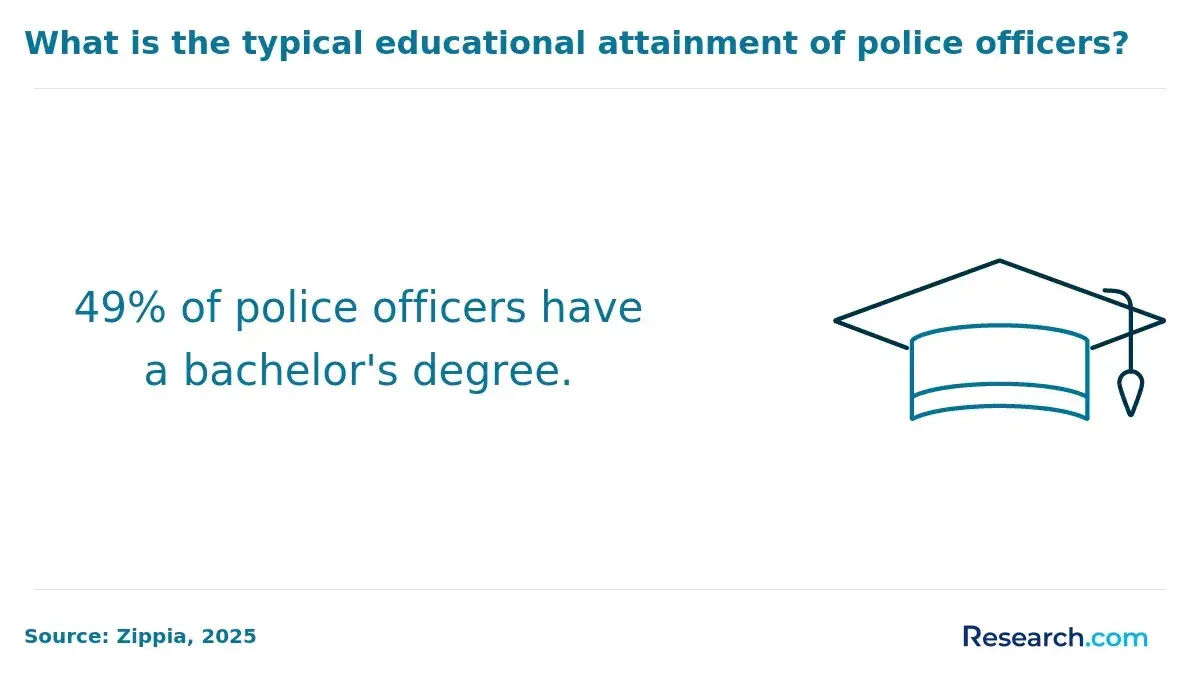
- Rising Preference for College Degrees: While entry-level roles require only a high school diploma or GED, many agencies in Kansas now favor candidates with associate’s or bachelor’s degrees to enhance problem-solving and communication abilities.
- Specialized Majors and Skill Sets: Degrees in criminal justice, psychology, cybersecurity, and social work are highly valued, providing crucial expertise in areas like crisis intervention and digital investigations.
- Expanded Basic Training Requirements: Kansas mandates 560 hours of law enforcement training, with some local academies requiring up to 640 hours to better prepare officers for their duties.
- Mandatory Continuing Education: Officers must complete 40 hours of annual continuing education to maintain certification, addressing both required and emerging topics.
- Advanced and In-House Training: Additional agency-specific training, including fieldwork, sharpens practical skills before officers fully join patrol units.
Staying current with these educational trends is vital for both prospective and active officers, as it influences career advancement and the ability to meet the rising standards of public safety. Embracing ongoing education ensures Kansas law enforcement personnel remain adaptable, knowledgeable, and ready to serve their communities effectively.
What Do Police Officers in Kansas Say About Their Career
- Completing my training at the Wichita Police Academy opened doors I never imagined. Starting my career working as a school resource officer in a local school allowed me to connect deeply with students and staff, fostering a safe environment where young people can thrive. The stability of the job combined with the opportunity to make a tangible difference in the community fuels my passion every day. Kansas’s unique mix of urban and rural challenges keeps me engaged and constantly learning. I feel proud knowing my role contributes directly to the well-being of the next generation. Julz
- Graduating from the Kansas Law Enforcement Training Center gave me a solid foundation to face the diverse demands of policing in this state. My time working in a local school helped refine my communication skills and taught me the value of patience and empathy, especially when helping youth navigate difficult situations. Kansas’s cultural diversity and community-focused spirit have presented unique challenges that pushed me to grow professionally. This career offers promising advancement opportunities, and I appreciate how my efforts directly impact community safety and trust. Grant
- My journey began at the Topeka Police Academy, where rigorous instruction prepared me well for the realities of law enforcement in Kansas. Serving as a police officer in a local school setting has been incredibly rewarding, as it’s where I discovered my true calling: mentoring young people and contributing to a positive school culture. The experience has shaped me both personally and professionally, strengthening my commitment to public service. Kansas’s close-knit communities and expansive natural landscapes create dynamic policing opportunities that I find truly exciting. Dari
Related Articles for Nearby States
- 2027 How to Become a Police Officer: Education Requirements in Nebraska
- 2027 How to Become a Police Officer: Education Requirements in Oklahoma
- 2027 How to Become a Police Officer: Education Requirements in Missouri
- 2027 How to Become a Police Officer: Education Requirements in Colorado
- 2027 How to Become a Police Officer: Education Requirements in Iowa
- 2027 How to Become a Police Officer: Education Requirements in Arkansas
- 2027 How to Become a Police Officer: Education Requirements in Texas
- 2027 How to Become a Police Officer: Education Requirements in South Dakota
- 2027 How to Become a Police Officer: Education Requirements in Wyoming
- 2027 How to Become a Police Officer: Education Requirements in Minnesota
References:
- Who pays for the Academy? http://junctioncity-ks.gov/FAQ.aspx
- Salary & Benefits https://kcpolice.org/careers/salary-benefits/
- Benefits | Wichita, KS https://www.wichita.gov/1344/Benefits
- Our Training | Police Department https://kupolice.ku.edu/our-training
- Police Officers - City of Lenexa, KS https://www.lenexa.com/Government/Careers/Police-Careers/Police-Officers
- Career Opportunities Kansas City, Kansas Police Department https://www.kckpd.org/Department/Career-Opportunities
- Police agencies lower education standards as staffing shortages persist • Kansas Reflector https://kansasreflector.com/2025/09/03/police-agencies-lower-education-standards-as-staffing-shortages-persist/
- Basic Training | Kansas Law Enforcement Training Center https://kletc.org/basic-training
- Police Science https://www.kansasregents.gov/workforce_development/program-alignment/police-science
- Kansas Law Enforcement Training Center Graduates 268th Basic Training Class | Edwards Campus https://edwardscampus.ku.edu/blog/kansas-law-enforcement-training-center-graduates-268th-basic-training-class
Other Things You Need to Know About How to Become a Police Officer in Kansas
In 2027, you must be at least 21 years old to apply for a police officer position in Kansas. This requirement ensures candidates are mature enough to handle the responsibilities of the role, as set by state law and police departments.
In 2027, the Kansas POST (Peace Officer Standards and Training) is responsible for setting educational, training, and certification requirements for all law enforcement officers in the state. The agency ensures officers meet specified standards to maintain professionalism and public trust in the police force.
In 2027, the minimum educational requirement to become a police officer in Kansas is a high school diploma or GED. Some departments may require additional post-secondary education, and possessing an associate's or bachelor's degree can improve prospects for promotion within the police force.


