
2027 How to Become a Police Officer: Education Requirements in North Carolina

Co-Founder and Chief Data Scientist
North Carolina offers a promising path for those seeking a career in law enforcement, with over 20,000 active officers safeguarding communities statewide. The state’s emphasis on professional development and community-oriented policing makes this a rewarding and stable profession. Pursuing this career here not only contributes to public safety but also provides access to competitive salaries and benefits compared to national averages. Understanding the education requirements is crucial for success.
This article, crafted by experts in career planning, explores the specific academic qualifications needed to become a police officer in North Carolina. It aims to provide clear guidance and practical insights for aspiring candidates.
Key Things to Know About Becoming a Police Officer in North Carolina
- Candidates must possess a high school diploma or GED as a minimum educational requirement, reflecting the baseline for entry into law enforcement roles statewide.
- Completion of Basic Law Enforcement Training (BLET) at an accredited North Carolina community college is mandatory; the program spans approximately 600 hours.
- Many agencies prefer or require some college coursework or an associate degree to enhance critical thinking and communication skills, aligning with evolving workforce standards.
- What is the minimum education requirement to become a police officer in North Carolina?
- Which majors are most recommended for aspiring police officers in North Carolina?
- What subjects are taught in North Carolina police academy?
- Can military service replace education requirements for police officers in North Carolina?
- How much does it cost to get a police officer education in North Carolina?
- Are scholarships available for aspiring police officers in North Carolina?
- What certifications benefit a police officer's career development in North Carolina?
- Can a Police Career Open Pathways to Legal Professions in North Carolina?
- What roles can you get as a police officer in North Carolina?
- What is the average salary of police officers in North Carolina?
- What education trends are affecting law enforcement careers in North Carolina?
What is the minimum education requirement to become a police officer in North Carolina?
In North Carolina, the police officer high school diploma requirement is explicit and strict, reflecting the state's commitment to competency and professionalism. The following outline clarifies these minimum standards, providing clarity for aspiring law enforcement professionals.
- High School Diploma: Candidates must hold a diploma from an accredited high school; diplomas earned through correspondence courses are not accepted for law enforcement training or certification.
- GED (General Equivalency Diploma): Individuals without a traditional high school diploma can qualify by passing the official GED test, which proves equivalent academic proficiency.
- Standardized Reading Test: Prior to Basic Law Enforcement Training, applicants must pass a reading comprehension test at or above the tenth-grade level to demonstrate essential literacy skills.
These requirements are enforced by the North Carolina Criminal Justice Education and Training Standards Commission, ensuring statewide consistency across all municipal, county, and state law enforcement agencies. Applicants seeking full-time employment with a criminal justice agency may receive priority admission, but the core education requirements remain constant. For those interested in enhancing their expertise beyond the basics, exploring online forensic science education could provide valuable knowledge complementary to foundational law enforcement skills.
Which majors are most recommended for aspiring police officers in North Carolina?
Choosing the right college major can significantly strengthen a candidate’s qualifications and open doors to advancement opportunities in law enforcement. In North Carolina, where competition for police roles is growing, pursuing a degree aligned with the field’s demands offers a tangible edge. Aspiring officers benefit from targeted knowledge that supports both entry-level duties and long-term career growth in the evolving landscape of policing. Below are the most recommended majors for aspiring police officers in North Carolina:
- Criminal Justice: This major remains the most direct path for those pursuing careers in policing, covering criminal law, investigation techniques, and correctional systems. North Carolina’s law enforcement agencies highly value candidates with criminal justice majors in North Carolina due to their practical training and readiness for diverse assignments.
- Criminology: Focusing on the causes and patterns of crime, criminology equips future officers with insights into criminal behavior and prevention. Its emphasis on sociological and psychological factors aligns well with community-oriented policing models that are gaining ground in the state.
- Psychology: A deep understanding of human behavior, mental health, and crisis intervention is essential for modern policing. Officers with psychology backgrounds are better prepared to handle sensitive situations requiring de-escalation and mental health awareness.
- Sociology: By studying social structures and group interactions, sociology majors develop cultural competency and communication skills crucial for serving North Carolina’s diverse population. This knowledge helps officers build trust and effectively engage with communities.
- Political Science: This major offers knowledge of government systems, public policy, and constitutional law that supports officers involved in policy development or agency administration. Familiarity with legal frameworks enhances an officer’s ability to navigate complex law enforcement environments.
- Law (Pre-Law or Legal Studies): Although not mandatory, a law background deepens understanding of legal procedures and civil rights. This is especially valuable for those interested in investigative assignments or moving into administrative and advisory roles.
- Public Administration: Designed for future leaders, this major focuses on ethics, budgeting, and organizational management within the public sector. It prepares officers who aim for supervisory positions or specialized units within North Carolina police departments.
Those exploring the best law enforcement degree programs in North Carolina might also consider related fields such as forensic science. For detailed information about top online forensic science master’s degrees, candidates can explore specialized options that complement traditional majors and expand career pathways in law enforcement.
What subjects are taught in North Carolina police academy?
Police academy training in North Carolina is carefully structured to develop not only practical skills but also the critical thinking and ethical framework essential for effective law enforcement. Recruits are immersed in a comprehensive curriculum that balances technical competence with community-oriented approaches, ensuring officers are prepared for the complexities of modern policing.
- Criminal Law: This subject provides recruits with a solid understanding of both state and federal laws, enabling them to apply the law accurately while safeguarding constitutional rights. Mastery of criminal statutes is fundamental for fair and lawful enforcement.
- Firearms Training: Beyond marksmanship, recruits learn responsible use and safety protocols, preparing them to make rapid, sound decisions in high-pressure situations where public safety is at stake.
- Defensive Tactics: Training focuses on physical restraint methods and self-defense techniques that prioritize minimizing harm. These skills are critical for managing confrontations effectively without unnecessary injury.
- Emergency Vehicle Operations: Officers develop advanced driving skills tailored for urgent response scenarios, emphasizing both speed and safety, which are crucial for protecting lives on the road.
- Ethics and Professional Conduct: Embedded throughout the curriculum, this area cultivates integrity and accountability, reinforcing the trust placed in officers by the communities they serve.
- Community Policing: Recruits learn strategies for engaging communities positively and proactively addressing concerns, fostering cooperation, and reducing crime through partnership.
- Investigation and Patrol Procedures: This equips officers with techniques for evidence handling, report writing, and effective patrol tactics that are essential for maintaining order and solving crimes.
Can military service replace education requirements for police officers in North Carolina?
In North Carolina, military service cannot replace the basic education requirement of a high school diploma or GED for police applicants. However, veterans with documented military police training may have their experience reviewed by the Criminal Justice Standards Division to determine if it is “substantially equivalent” to Basic Law Enforcement Training (BLET). If approved, they need only complete firearms training and qualification. Those who don’t fully qualify may pursue probationary certification, which requires completing certain BLET topics and passing a written exam within a year.
Military service with roles such as military police in any branch—including the National Guard and Reserves—is especially valued in this evaluation process. Applicants who have performed at least 1,040 hours of military police duties in the past five years can meet core experience benchmarks for certification review. While military service expedites portions of the training and certification process, all candidates must still satisfy standard state requirements like age, citizenship, moral character, and medical screenings. This structure acknowledges the transferable skills veterans bring, yet maintains rigorous standards ensuring all officers meet North Carolina’s professional expectations.
A North Carolina police officer shared that his military experience provided a strong foundation, but did not replace formal education requirements. While the certification process was challenging, he found that adapting to state laws and procedures complemented his training and highlighted the differences between military and civilian policing. He emphasized that his military background gave him confidence and discipline, helping him succeed in BLET and easing the transition into law enforcement.
How much does it cost to get a police officer education in North Carolina?
The pathway to becoming a police officer in North Carolina involves variable expenses depending on whether one pursues a community college Basic Law Enforcement Training (BLET) program, a college degree, or pays police academy fees directly. Understanding the cost of police academy in North Carolina and related police training program fees North Carolina can help candidates plan their educational journey more effectively.
- BLET Program Tuition: This certification at community colleges typically costs around $1,600 for a 16- to 22-week course, covering required instruction by state authorities.
- Associate Degree Tuition: Earning an Associate in Applied Science in Criminal Justice Technology averages between $2,400 and $3,000 for in-state students over two years at North Carolina community colleges.
- Bachelor’s Degree Tuition: Public universities charge approximately $7,000 to $9,000 per year for in-state students pursuing a bachelor’s in criminal justice, excluding room and board.
- Police Academy Fees: Beyond tuition, some academies add registration or administrative fees, usually ranging from $50 to $200.
- Uniforms and Equipment: Required gear such as uniforms and basic equipment often costs between $200 and $500, depending on program demands.
- Books and Materials: Educational resources and manuals typically add $150 to $300 to the overall expense.
- Testing and Certification Fees: The state licensure exam generally requires a fee ranging from $50 to $80.
- Medical and Fitness Screening: Medical clearance and physical fitness assessments may cost between $50 and $150 to fulfill entry requirements.
- Additional Costs: Transportation, parking, and meals throughout training can contribute $200 to $400 to the total investment.
For those considering specialized fields or complementary careers, exploring paths such as how to pursue a forensic psychology career may offer valuable insights. Careful budgeting for these expenses will provide a clearer view of the total commitment required before becoming a sworn officer in North Carolina.
Are scholarships available for aspiring police officers in North Carolina?
Scholarships and financial aid can play a crucial role in lessening the financial challenges associated with pursuing education and training for a law enforcement career in North Carolina. With tuition and related costs often a barrier, especially at public universities and community colleges, these funding opportunities provide much-needed support to those committed to public service.
- State-Funded Criminal Justice Scholarships: Designed for North Carolina residents enrolled in criminal justice or law enforcement programs at state institutions, these scholarships often prioritize families of officers affected by duty-related injuries or deaths and help cover tuition and fees.
- Law Enforcement Association Awards: Offered by organizations like the North State Law Enforcement Officers Association, these awards support academically strong students under 24 who demonstrate community engagement, providing funds for tuition and educational expenses.
- Public Service and Community College Aid: Scholarships available through various community colleges and universities encourage students who pledge to serve in law enforcement, helping to pay for tuition, books, and sometimes fees, often requiring a service commitment after graduation.
- Memorial and Need-Based Scholarships: These awards honor fallen officers by aiding students facing financial hardship, generally allocated to full-time criminal justice students who intend to pursue a law enforcement career.
- Dependent and Survivor Scholarships: Targeted at children of officers killed or disabled in the line of duty, these need-based scholarships assist with tuition, room, board, and books, ensuring the families of public servants have access to education.
- Internship and Public Service Fellowships: Programs offering up to $5,000 support students engaging in unpaid internships in underserved areas, providing both financial relief and practical experience critical for future officers.
When I spoke with a police officer from North Carolina who graduated from a local academy, she reflected on the vital role scholarships played in her journey. “Without the support of a scholarship from a law enforcement association, balancing work and school would have been much harder,” she shared. She emphasized how applying for multiple awards required determination, but provided not only financial aid but also a sense of encouragement from the community. Her personal experience highlighted that while the application process can feel overwhelming, these scholarships often open doors that might otherwise remain closed for many aspiring officers. “It’s not just about the money—it’s about feeling that your career choice is recognized and valued,” she explained, offering a hopeful perspective to those considering this path.
What certifications benefit a police officer's career development in North Carolina?
For police officers in North Carolina, earning specialized certifications not only sharpens essential skills but also enhances daily job performance and unlocks paths to leadership roles. These credentials address critical areas in law enforcement, reflecting a commitment to continuous learning and meeting police officer continuing education requirements North Carolina demands for career longevity and advancement.
- Firearms Training Certification: This certification emphasizes advanced weapons handling, marksmanship, and safe use-of-force protocols. Officers trained in this area are better prepared for tactical situations and often qualify for specialized response teams, which bolsters their career prospects.
- Emergency Medical Response (EMR): Providing expertise in trauma care, first aid, and life-saving interventions, EMR certification equips officers to assist effectively at accident or crime scenes. It is highly regarded within agencies and often required for roles involving supervision or field training.
- Criminal Investigations Certification: This certification enhances skills in evidence management, interviewing, and investigative techniques, essential for officers aiming to advance as detectives or investigators. It strengthens their ability to manage complex cases and contribute significantly to justice outcomes.
- Cybercrime & Digital Evidence: Officers trained in this rapidly evolving field learn digital forensics and online evidence collection, preparing them for challenges posed by modern technology crimes. Holding this certification opens doors to roles in specialized cybercrime units.
- Crisis Intervention Training (CIT): Focused on mental health crisis response, CIT teaches de-escalation techniques and community resource coordination. It is instrumental in reducing use-of-force incidents and fostering improved community relations.
- Leadership and Supervisory Training: This program covers ethics, team leadership, and organizational management, often required for promotions to supervisory ranks. It cultivates future leaders who can guide law enforcement teams effectively.
The path to obtaining a law enforcement professional certificate North Carolina offers includes completing at least 24 credits of in-service training annually, which encourages mastery of these specialized areas. For those interested in further enhancing forensic expertise, exploring top accredited forensic science programs can provide valuable knowledge complementing practical law enforcement skills.
Can a Police Career Open Pathways to Legal Professions in North Carolina?
Officers often develop investigative skills, attention to detail, and a deep understanding of legal procedures that may facilitate a transition into legal support roles. For those interested in leveraging their law enforcement background in a legal setting, paralegal careers are a viable alternative that capitalize on experience in evidence gathering, report writing, and procedural operations. Exploring specialized training and certifications can further bridge the gap between policing and the legal field; for instance, reviewing our post covering how to become a paralegal in North Carolina may offer additional insights and actionable steps.
What roles can you get as a police officer in North Carolina?
Law enforcement careers in North Carolina extend far beyond traditional patrol duties, offering officers diverse opportunities to specialize in ways that suit their strengths and interests. These roles not only enhance individual skills but also contribute to a comprehensive approach to public safety across the state.
- Patrol Officer: Responsible for crime prevention and emergency response through regular monitoring, requiring completion of Basic Law Enforcement Training (BLET) to build foundational skills.
- Detective (Investigator): Focuses on solving crimes by gathering evidence and conducting interviews, relying on additional investigative training and experience as a patrol officer.
- K-9 Unit Officer: Partners with specially trained dogs to detect drugs or find missing persons, requiring specialized canine training.
- SWAT Team Member: Handles high-risk operations like hostage rescues, demanding advanced physical and tactical training beyond standard requirements.
- Community Outreach Officer: Builds community trust through public safety education, needing strong communication skills and training in community policing.
- Traffic Enforcement Officer: Manages traffic safety and accident investigations with specialized training in motor vehicle laws.
- Training Instructor: Educates recruits and officers in law enforcement practices, requiring extensive experience and instructor certification.
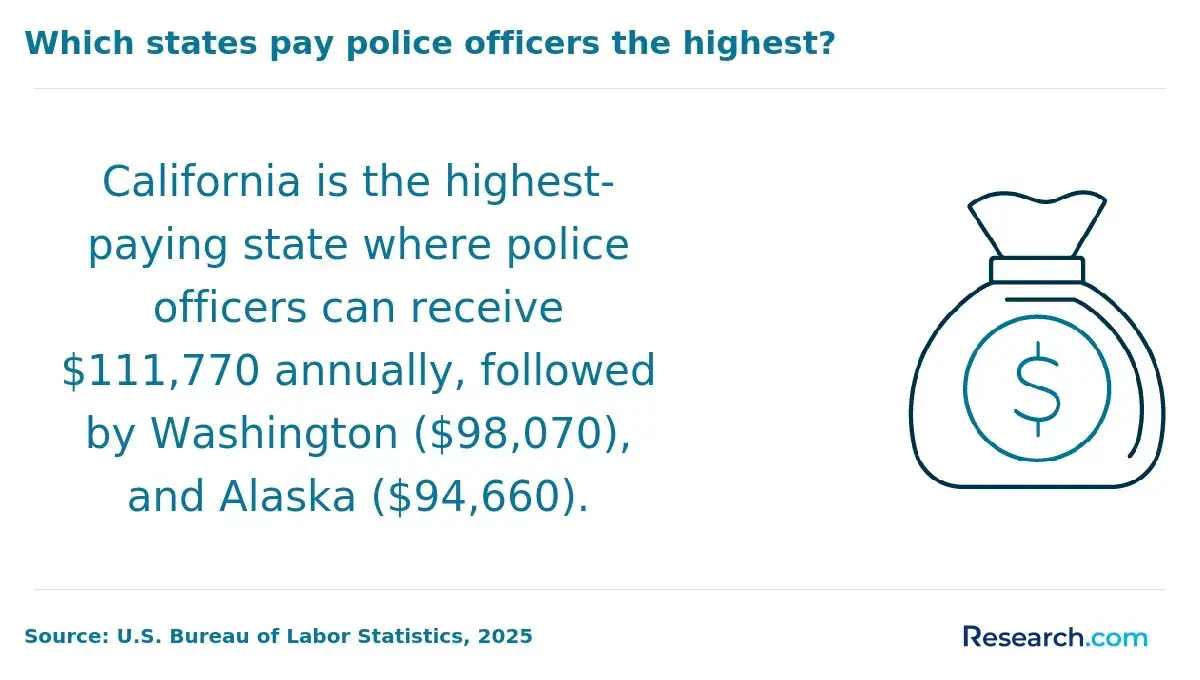
What is the average salary of police officers in North Carolina?
The average police officer salary in North Carolina varies notably based on location, years of service, education level, and rank. Officers in urban areas or larger departments often earn more, while educational achievements and specialized skills can further boost compensation. Understanding the police officer pay scale in North Carolina provides insight into potential earnings at different career stages.
- Entry-Level Police Officer: Starting salaries range from $44,100 to $56,480 annually, with some municipalities offering higher starting pay, such as Wake Forest at $65,093 for new hires without prior experience.
- Mid-Career Police Officer: With three to five years of experience, officers typically earn between $56,480 and $67,700 per year, and pay increases of 2.5% to 5% are often available for those with associate or bachelor’s degrees.
- Senior Police Officer and Supervisory Ranks: Salaries rise substantially for senior officers and supervisors, starting at about $70,000 and reaching over $100,000, with top positions earning upwards of $150,000.
Additional incentives such as fluency bonuses, overtime, and career advancement programs contribute to total earnings. Geographic areas like Charlotte and Kannapolis offer salaries up to 10% above the state average, reflecting localized demand and funding. Earning an advanced degree can further increase base salary by 5% to 7.5%, improving long-term career prospects. For those comparing law enforcement career options, reviewing the best criminal justice jobs salary helps put these figures into broader context. This knowledge aids in making informed decisions about education and career planning within North Carolina’s law enforcement landscape.
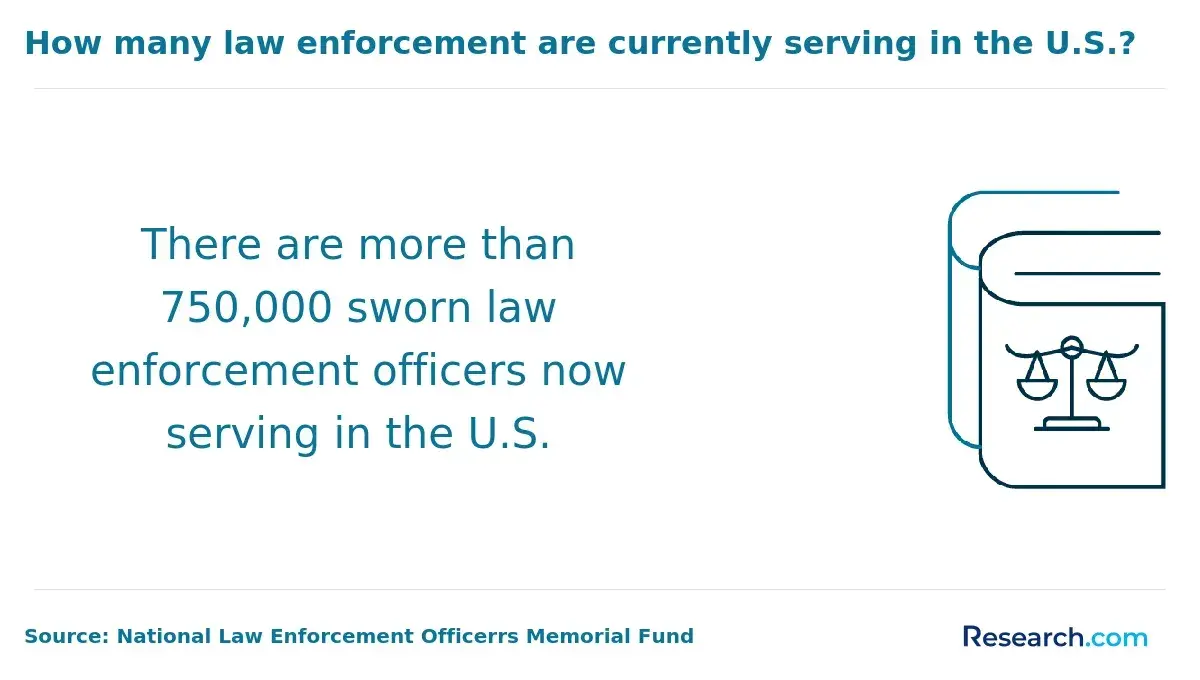
What education trends are affecting law enforcement careers in North Carolina?
Evolving education expectations are significantly reshaping law enforcement careers in North Carolina, reflecting the increasing demands for professionalism and community engagement in modern policing. Departments now prioritize broader academic backgrounds and advanced training to equip officers with the skills required for today’s complex public safety challenges.
- Growing Preference for College Degrees: While a high school diploma or GED remains the basic requirement for Basic Law Enforcement Training (BLET), many agencies favor candidates with associate or bachelor’s degrees, especially for promotions or specialized positions.
- Impact of Specialized Majors: Degrees in criminal justice, psychology, sociology, and cybersecurity are increasingly valued as they provide critical insights into mental health crises, cybercrime, and investigative processes.
- Continuing Education and Advanced Training: Officers must complete at least 24 credits of in-service training annually, covering topics like mental health, ethics, and legal updates, often through flexible online or hybrid formats.
Staying informed about these evolving education trends is vital for those entering or advancing in law enforcement in North Carolina. Ongoing learning not only supports career progression but also fosters better community relations and responsiveness to legislative and technological changes in policing.
What Do Police Officers in North Carolina Say About Their Career
- Completing the program at the Johnston Community College Police Academy gave me a solid foundation in law enforcement principles specific to North Carolina. Beginning my career as a school resource officer has been incredibly rewarding because I get to actively support students' safety while fostering positive relationships. The local communities here offer unique cultural experiences that have deepened my understanding and commitment to this work. I truly appreciate the stability and opportunities North Carolina provides for career growth. Aaron
- Graduating from Fayetteville Technical Community College's law enforcement training opened doors I never imagined. Working within a local school setting, I've witnessed firsthand how impactful a police officer can be in shaping young lives and creating a safe environment for learning. North Carolina's diverse environment challenges me to adapt and grow professionally every day. This career has strengthened my passion for community service, and I look forward to advancing into leadership roles. Chelsea
- The training I received at Cape Fear Community College was both rigorous and deeply connected to North Carolina's unique legal and cultural environment. Serving as a police officer in a local school has allowed me to contribute positively to student well-being and personal growth. The dynamic and supportive culture within the North Carolina law enforcement community fosters continuous development and teamwork. It’s fulfilling to serve a state with such rich resources and opportunities for career advancement. Javier
Related Articles for Nearby States
- 2027 How to Become a Police Officer: Education Requirements in South Carolina
- 2027 How to Become a Police Officer: Education Requirements in Virginia
- 2027 How to Become a Police Officer: Education Requirements in Georgia
- 2027 How to Become a Police Officer: Education Requirements in Tennessee
- 2027 How to Become a Police Officer: Education Requirements in West Virginia
- 2027 How to Become a Police Officer: Education Requirements in Kentucky
- 2027 How to Become a Police Officer: Education Requirements in Florida
- 2027 How to Become a Police Officer: Education Requirements in Maryland
- 2027 How to Become a Police Officer: Education Requirements in Alabama
- 2027 How to Become a Police Officer: Education Requirements in Pennsylvania
References:
- College Scholarships | North Carolina Sheriffs' Association https://ncsheriffs.org/about/scholarships
- Scholarship https://www.ncpea.org/scholarship/
- WSPD Cadet Program, Internships, & Scholarships https://joinwspdnow.org/scholarship-programs/
- North State Law Enforcement Officers Association Scholarship https://www.cfnc.org/pay-for-college/scholarship-search/north-state-law-enforcement-officers-association-scholarship/
- LEEP Scholarship - BigFuture Scholarship Search https://bigfuture.collegeboard.org/scholarships/leep-scholarship
- Top 71 Law Enforcement Scholarships in September 2025 - Scholarships360 https://scholarships360.org/scholarships/law-enforcement-scholarships/
- Law Enforcement Training & Standards https://ncdoj.gov/law-enforcement-training/criminal-justice-fellows-program/
- Sworn Career Development | Kinston, NC https://www.kinstonnc.gov/624/Sworn-Career-Development
- Law Enforcement Training | College of The Albemarle https://www.albemarle.edu/programs-classes/noncredit/courses/law-enforcement-training/
- Administrative Officers Management Program | NC State Online and Distance Education https://online-distance.ncsu.edu/program/administrative-officers-management-program-aomp/
Other Things to Know About Becoming a Police Officer in North Carolina
In 2027, North Carolina does not require a college degree to enter the Basic Law Enforcement Training (BLET) program. Applicants must have a high school diploma or GED, although departments may prefer or require additional education or training.
In North Carolina, police departments generally do not directly pay for college education or academy training; however, many officers receive financial support through state and local programs designed to offset these costs. The North Carolina Justice Academy provides free or subsidized training to recruits from accredited agencies, reducing the financial burden on both departments and trainees. While some departments may offer tuition reimbursement or incentives for officers pursuing higher education, these benefits vary widely and are often contingent on budget constraints or departmental policies. Ultimately, although departments may not always cover full costs upfront, available state resources and selective departmental programs help ensure that officers can obtain necessary training and sometimes pursue college education with financial assistance.
In 2027, aspiring police officers in North Carolina must have at least a high school diploma or GED. While a college degree is not mandatory, having an associate or bachelor's degree in criminal justice or a related field can enhance employment prospects and advancement opportunities.


