2027 How to Become a Police Officer: Education Requirements in Ohio

Co-Founder and Chief Data Scientist
Ohio’s law enforcement field is evolving, with over 28,000 active officers serving statewide, reflecting steady growth and demand. Pursuing a police career in Ohio offers stable employment, competitive benefits, and opportunities for advancement amid increasing community safety initiatives. As technology reshapes law enforcement, education requirements will adapt, emphasizing critical thinking and technological skills.
This article, prepared by career planning experts, explores the current and emerging education requirements to become a police officer in Ohio. It aims to clarify necessary qualifications and guide prospective officers through future pathways in this dynamic profession.
Key Things to Know About Becoming a Police Officer in Ohio
- The minimum requirement is a high school diploma or GED, but many departments prefer candidates with some college coursework or an associate degree.
- Ohio Peace Officer Training Commission (OPOTC) certification is mandatory, involving comprehensive training programs that are evolving to include more technology and community engagement.
- Future trends suggest growing emphasis on bachelor's degrees to address complex law enforcement challenges, improving critical thinking and cultural awareness among officers.
- What is the minimum education requirement to become a police officer in Ohio?
- Which majors are most recommended for aspiring police officers in Ohio?
- What subjects are taught in Ohio police academy?
- Can military service replace education requirements for police officers in Ohio?
- How much does it cost to get a police officer education in Ohio?
- Are scholarships available for aspiring police officers in Ohio?
- How can police experience support a transition to legal careers in Ohio?
- What certifications benefit a police officer's career development in Ohio?
- What roles can you get as a police officer in Ohio?
- What is the average salary of police officers in Ohio?
- What education trends are affecting law enforcement careers in Ohio?
What is the minimum education requirement to become a police officer in Ohio?
Education plays a pivotal role in shaping competent law enforcement professionals by fostering essential knowledge, judgment, and communication skills. Across the US, each state defines different standards to meet the evolving demands of public safety and community engagement. Ohio’s approach to the minimum education requirement for police officers balances accessibility with foundational academic competence.
- High School Diploma: Candidates must hold a high school diploma from an accredited institution, demonstrating fundamental literacy and cognitive skills essential for police duties.
- General Educational Development (GED): Those without a traditional diploma may submit a valid GED certificate, which verifies an equivalent level of academic achievement through standardized testing.
As law enforcement adapts to new community complexities and technological advances, Ohio’s baseline education criterion may evolve to include enhanced training prerequisites. Still, the current emphasis on a high school diploma or GED maintains a broad entry point while ensuring recruits possess critical thinking skills. Finally, individuals seeking to explore career pathways related to law enforcement education can investigate what can you do with a forensic science degree, which aligns closely with evolving public safety roles and educational trends.
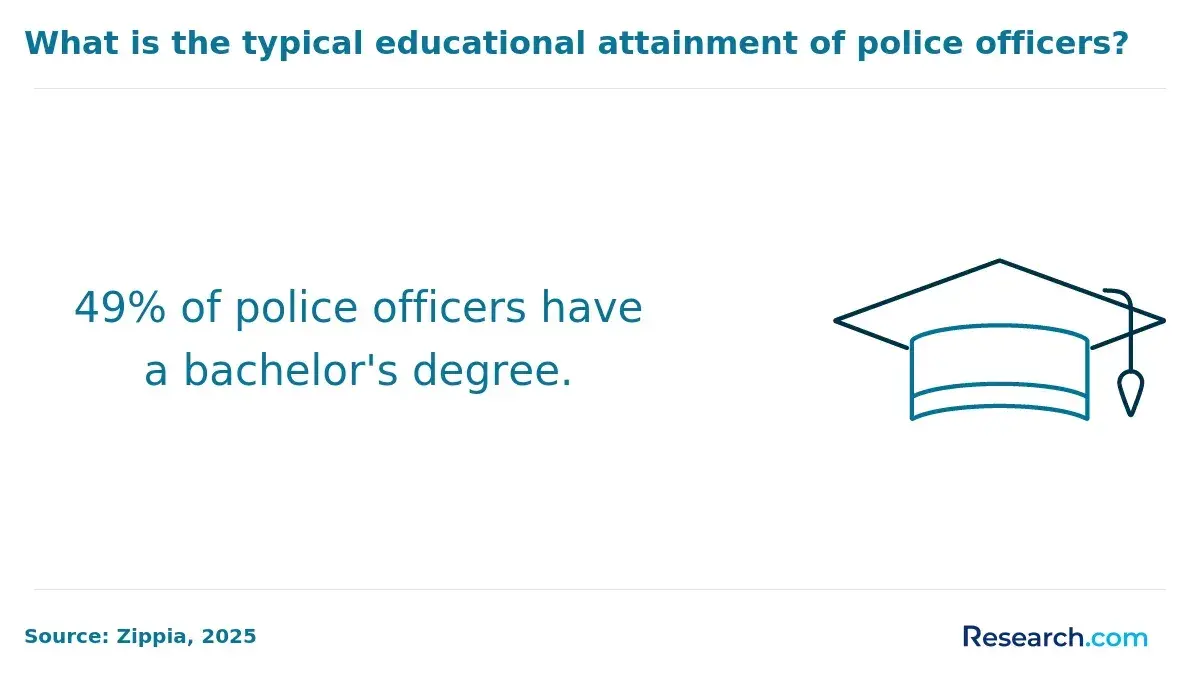
Which majors are most recommended for aspiring police officers in Ohio?
Choosing the right college major can significantly strengthen a candidate’s qualifications and create pathways for advancement within Ohio’s law enforcement agencies. Pursuing relevant fields not only equips future officers with essential skills but positions them competitively for evolving roles that demand specialized knowledge and critical thinking. As departments increasingly value higher education, exploring the best majors for police officers in Ohio becomes a strategic step toward career growth.
- Criminal Justice: This major offers a thorough understanding of legal systems, investigative processes, and law enforcement principles. Degree programs often blend practical exercises with theory and may include training aligned with the Ohio Peace Officer Training Academy, making graduates highly attractive candidates within criminal justice degree programs in Ohio.
- Law Enforcement: Focused specifically on policing skills, public safety, and community relations, this major prepares students for direct entry into police roles, often incorporating hands-on training to ensure graduates are job-ready upon completion.
- Criminology: By examining crime causes and societal responses, criminology fosters analytical abilities crucial for investigative work and detective roles. Officers with this background gain a deeper insight into crime trends, supporting strategic decision-making.
- Psychology: Understanding human behavior and mental health is critical for effective crisis management and communication in policing. This major is increasingly important as departments emphasize de-escalation and community engagement, with a specialized forensic science degree online offering valuable expertise.
- Sociology: Sociology equips officers with insights into social structures and cultural diversity, essential for community-oriented policing that builds trust and addresses social factors impacting crime.
- Political Science: Knowledge of government and public policy prepares officers for administrative and liaison roles, enhancing their capacity to influence policy and collaborate with other agencies.
- Law or Pre-Law: This path offers a critical understanding of constitutional rights and legal procedures, advantageous for leadership, investigative, or legal advisory positions within police departments.
- Public Administration: Focused on management and leadership skills, this major readies officers for supervisory roles and public sector ethics, vital for advancement to command-level positions.
What subjects are taught in Ohio police academy?
Police academy training in Ohio equips recruits with an essential foundation of skills, legal knowledge, and sound judgment to navigate the complex challenges of modern law enforcement. This comprehensive program blends theoretical instruction with practical training to foster both technical proficiency and ethical responsibility in new officers.
- Criminal Law and Legal Procedures: Recruits gain a thorough understanding of state and federal laws, arrest protocols, and courtroom procedures. This knowledge ensures officers operate lawfully while protecting citizens’ rights, reducing departmental liability.
- Firearms Training: Emphasizing safe and accurate weapon handling, this training develops confidence and decision-making under pressure. Mastery of firearms is critical for officers facing potentially dangerous, life-threatening situations.
- Defensive Tactics and Subject Control: Instruction covers self-defense techniques and the use of non-lethal force, focusing on safely controlling resistant individuals. Training in escalation and de-escalation fosters safer outcomes for officers and the public.
- Emergency Vehicle Operations: Recruits learn pursuit strategies and high-speed driving to respond swiftly while minimizing risks. Given traffic-related officer fatalities, these skills are vital for safety and operational effectiveness.
- Ethics and Professionalism: Courses explore integrity and accountability through real-world scenarios, reinforcing the moral compass essential for sustaining public trust in policing.
- Community Policing and Human Relations: Training in cultural awareness and communication prepares officers to engage diverse populations respectfully and build community partnerships that help prevent conflict.
- Investigation and Report Writing: Instruction on evidence collection and documentation develops critical thinking and clarity, enabling thorough and legally sound investigations.
- Physical Conditioning: Ongoing fitness training cultivates endurance and resilience for the physical demands and stresses inherent in law enforcement work.
Can military service replace education requirements for police officers in Ohio?
In Ohio, military service cannot replace the baseline education requirement for police officers, which is a high school diploma or GED. While some states accept military experience as a substitute for formal college education, Ohio maintains this minimum standard uniformly for all applicants. However, military police experience is partially recognized when it comes to training requirements. Candidates who have completed military police or equivalent law enforcement training may submit their records for consideration, potentially reducing the amount of state police academy training they must complete. Despite this, no waiver exists for the educational prerequisite, so all candidates—veterans included—must meet OPOTC standards that demand a high school diploma or GED besides passing academy, physical, and background checks.
Ohio law enforcement agencies highly value the discipline, leadership, and crisis management skills that veterans bring. Many departments offer preference points or higher pay for college coursework, and veterans often benefit from smoother transitions through military-specific financial aid or GI Bill opportunities at affiliated academies. Looking ahead, increasing collaboration between military training programs and police academies could create more streamlined pathways, especially for those with specialized tactical experience.
One Ohio police officer, who graduated from a local academy after active military duty, shared that although his military background didn’t exempt him from educational requirements, it significantly helped him navigate academy challenges and earn respect in his early field assignments. “I had to meet the same education criteria as everyone,” he said, “but my military training made the physical and tactical parts easier. That experience gave me confidence, even if it didn’t replace the diploma I needed to start.”
How much does it cost to get a police officer education in Ohio?
The cost of police academy in Ohio varies greatly depending on the educational path chosen. Candidates may attend a police academy directly, enroll in a community college program, or pursue a bachelor's degree at a university, each with differing tuition and associated fees. Understanding the Ohio police officer training program tuition is essential for planning these expenses effectively.
- Police Academy Tuition: Tuition typically ranges from $5,700 to $6,900, covering basic training with some uniforms and materials included.
- Community College Tuition: In-state tuition averages between $2,000 and $4,000 per year, amounting to roughly $4,000 to $8,000 for a two-year associate degree before adding academy fees.
- University Tuition: Bachelor's degree programs at public universities cost approximately $9,000 to $12,000 annually for in-state students, totaling up to $48,000 over four years.
- Uniforms and Equipment: Some academies include most uniform items in tuition, but students often pay separately for shoes, flashlights, and other essential gear, which can add a few hundred dollars.
- Books and Study Materials: Required materials like the Ohio Criminal Code Handbook may cost between $100 and $120 if not covered by tuition.
- Lab and Miscellaneous Fees: Additional fees, such as lab fees of $1,150 to $1,300, are common, along with charges for materials and application processing.
- Testing and Certification Fees: Physical fitness tests and the Ohio Peace Officer Training Commission certification exam may be included in tuition, but it's important to verify separate charges.
- Personal Expenses: Transportation, meals, and housing costs vary widely and should be considered when budgeting for training.
As Ohio’s police training evolves, integrating advanced technology and focusing on specialized skills could influence future tuition structures and required expenditures. Those interested in complementary fields might explore opportunities such as forensic psychology internships to broaden their expertise within law enforcement. Staying informed about these trends will help prospective students navigate the financial and educational landscape of becoming a police officer in Ohio.
Are scholarships available for aspiring police officers in Ohio?
Scholarships and financial aid play a critical role in reducing the costs associated with police education and training in Ohio, making this career path more attainable for many. Covering tuition, academy fees, and related expenses, these financial supports enable aspiring officers to focus on developing the skills necessary to serve their communities effectively.
- State and Local Law Enforcement Association Scholarships: These scholarships, often offered by organizations like the Fraternal Order of Police Associates, target children of members or high school seniors with financial need, covering tuition and college expenses to foster the next generation of officers.
- First Responder and Public Service Scholarships: Designed for students with parents in law enforcement or emergency services, these awards help honor the public safety legacy and assist with educational costs, sometimes including sizable national prizes.
- Law Enforcement Foundation and Memorial Scholarships: Offered by community organizations and law firms, these scholarships provide modest funding to support costs like books, tuition, or academy fees for students pursuing careers in policing, firefighting, or EMS.
- Criminal Justice or Public Service Academic Scholarships: Many Ohio colleges offer scholarships based on merit and interest in public service, incentivizing strong academic performance and easing the cost of criminal justice degrees.
- Chiefs’ Association and Department-Specific Awards: Scholarships from police chiefs' associations provide support to officers' children, helping with tuition costs and encouraging continuation of service-oriented careers.
- Community College and University-Based Aid: Institutions frequently provide need- or merit-based scholarships tailored for law enforcement programs, often stackable with other financial aid to maximize affordability.
Reflecting on her own journey, a police officer from Ohio shared that when she graduated from a local academy, the financial support she received from a combination of community scholarships and school-based aid was invaluable. “Navigating the cost of training was daunting at first,” she explained, “but earning those scholarships made a huge difference emotionally and financially.” She recalled how the competitive application process also gave her motivation to excel academically and stay committed to her goals. “Knowing these scholarships exist means more people like me can pursue this career without the overwhelming worry of debt,” she added, emphasizing the positive impact such aid had on her longtime dream of serving her community.
How can police experience support a transition to legal careers in Ohio?
Law enforcement roles foster investigative, analytical, and communication skills that are highly transferable to legal professions. Many skills developed on duty—such as detailed report writing, evidence handling, and a strong understanding of courtroom procedures—can create a solid foundation for roles in the legal field. Officers seeking a career pivot may find opportunities in legal support roles where their background provides distinct advantages. For instance, learning how to become a paralegal in Ohio can offer a viable alternative path into the legal sector.
What certifications benefit a police officer's career development in Ohio?
Earning specialized certifications plays a crucial role in advancing a police officer’s career in Ohio. These credentials enhance critical skills, promote professional excellence, and facilitate access to leadership roles and specialized units. The Ohio Peace Officer Training certification remains the foundational credential, preparing officers thoroughly for the demands of law enforcement while opening doors for future progression.
- Ohio Peace Officer Training Certification: This essential certification covers academic knowledge, physical fitness, firearms, and defensive driving, ensuring officers meet statewide standards. It provides the baseline qualification for employment and sets the stage for pursuit of advanced roles.
- Firearms Training Certification: Focused on safe handling and proficiency with weapons, this credential supports tactical unit placement and fortifies officer safety. Mastery here is increasingly critical as law enforcement adapts to evolving threats.
- Emergency Medical Response Certification: By learning first aid and CPR, officers gain the ability to provide immediate care in emergencies, improving public outcomes and departmental reputation. Such skills are likely to integrate further with broader community health initiatives.
- Criminal Investigations Certification: Equipping officers with evidence collection, interview, and crime scene analysis techniques, this certification enhances investigative opportunities and aids prosecution success, forming the backbone of detective careers.
- Cybercrime and Digital Evidence Certification: Responding to rising cyber threats, officers trained in digital evidence and cybercrime investigations are indispensable for modern police work. Departments increasingly prioritize these skills to stay ahead of technological challenges.
- Crisis Intervention Training (CIT): This program develops skills to effectively manage mental health crises, fostering better community engagement and reducing confrontational incidents. The approach aligns with forward-looking policing models emphasizing de-escalation.
- Leadership and Supervisory Training: Preparing officers for management and ethical leadership roles, this training supports career advancement into sergeant and higher ranks. It signals readiness for administrative responsibilities and organizational influence.
Officers pursuing these certifications position themselves advantageously for diverse career paths, including roles in specialized units or supervisory posts. Those interested in the intersection of law enforcement and behavioral sciences may also explore how credentials such as a forensic psychology degree salary align with advanced certifications like the Certified Law Enforcement Executive program Ohio, which is becoming a prestigious credential for senior leadership development within police departments.
What roles can you get as a police officer in Ohio?
Law enforcement careers in Ohio offer diverse paths beyond traditional patrol roles, allowing officers to specialize according to their unique skills and interests. These specialized positions enhance effectiveness and community impact, reflecting the evolving needs of modern policing.
- Patrol Officer: Responsible for patrolling neighborhoods, responding to calls, and conducting traffic enforcement with foundational OPOTA training supporting public safety.
- Detective: Focuses on investigating serious crimes through evidence gathering and interviews, requiring advanced investigative training and experience.
- K-9 Unit Officer: Partners with trained dogs for drug detection and searches, demanding specialized handling skills that boost operational capabilities.
- SWAT Team Member: Handles high-risk incidents with rigorous tactical training and physical fitness, ensuring safety in critical situations.
- Community Outreach Officer: Builds community trust through education and programs, supported by communication and cultural competency training.
- Traffic Enforcement Officer: Enforces traffic laws and investigates accidents, requiring expertise in traffic safety and accident analysis.
- Training Instructor: Educates recruits and officers in laws and tactics, combining advanced knowledge with instructional certification.
What is the average salary of police officers in Ohio?
The average salary of police officers in Ohio varies widely based on factors such as location, years of service, level of education, and rank. Urban centers with higher living costs often offer greater pay, while rural areas generally have lower salaries. Educational attainment, in particular, plays a key role in determining the police officer pay scale in Ohio, with advanced degrees and certifications leading to better compensation.
- Entry-Level Police Officers: New officers typically earn between $46,100 and $55,000 annually, with some urban departments offering starting salaries closer to $60,000.
- Mid-Career Police Officers: After 5 to 10 years of service, many officers’ salaries rise to $70,000–$95,000, reflecting experience, ongoing training, and possible educational incentives.
- Senior Police Officers and Sergeants: Officers with over 10 years of experience or holding supervisory roles can earn between $95,000 and $110,000 or more, often with additional pay for specialized duties or overtime.
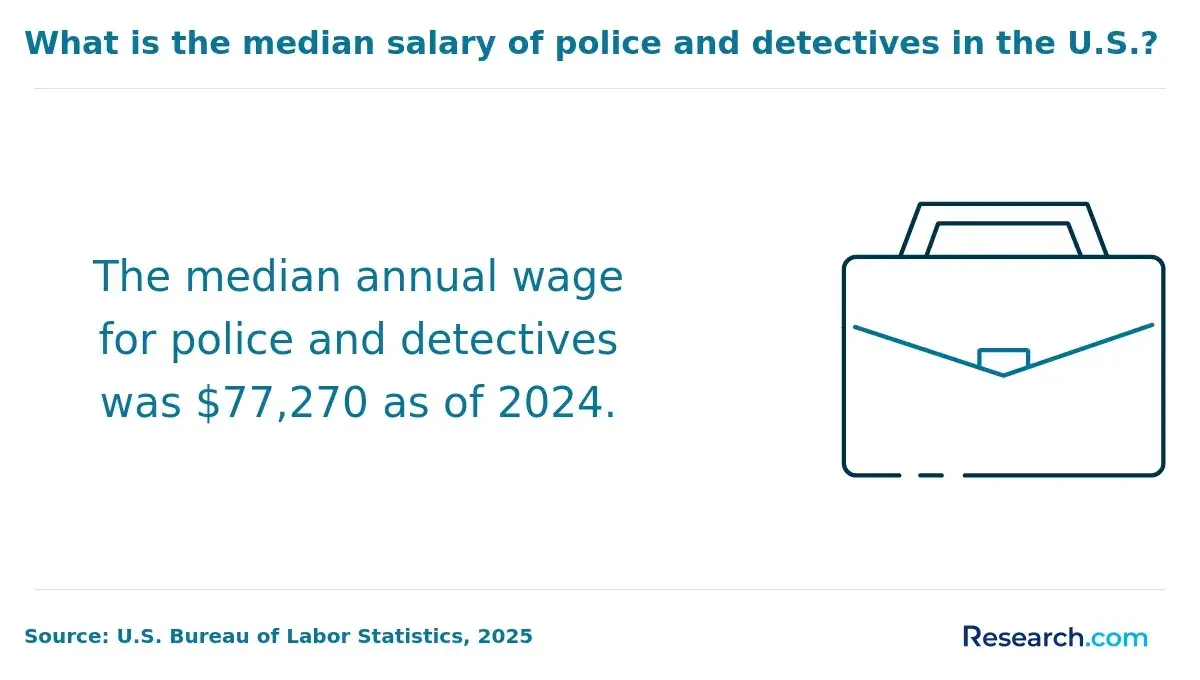
Salary growth is strongly influenced by education, with officers holding degrees such as an associate’s or bachelor’s in criminal justice or related fields earning higher pay. Departments increasingly recognize the value of specialized knowledge, similar to trends seen in careers in criminology, where education directly impacts earning potential. As Ohio continues to modernize its law enforcement agencies, incentives for advanced training and education will likely become more prominent, shaping the future average police officer salary in Ohio.
What education trends are affecting law enforcement careers in Ohio?
Evolving education expectations are transforming policing careers in Ohio, reflecting the need for officers to meet the complexities of modern law enforcement. While a high school diploma or GED remains the minimum requirement, agencies increasingly emphasize advanced education and specialized skills to better equip officers for contemporary challenges.
- Growing Preference for College Degrees: Many Ohio police departments favor candidates with some college education or degrees in criminal justice, often offering higher pay or promotion opportunities for degree holders.
- Impact of Specialized Majors: Degrees in criminal justice, psychology, sociology, and cybersecurity are valued for developing critical thinking, behavioral understanding, and technical expertise crucial for addressing mental health and cybercrime issues.
- Continuing Professional Training Expansion: Ohio now mandates at least 24 hours of annual professional training for certified officers, focusing on legal updates, use-of-force policies, and officer wellness.
- Curriculum Overhaul and Scenario-Based Learning: The Peace Officer Basic Training curriculum is being revamped to include practical skills like crisis mitigation and active shooter response, emphasizing real-world scenarios and critical decision-making.
Staying informed about these trends is essential for current and aspiring officers to remain competitive and effective in an evolving environment. Pursuing higher education and ongoing training equips law enforcement personnel to meet growing societal and operational demands in Ohio.
What Do Police Officers in Ohio Say About Their Career
- Completing my training at the Cleveland Police Academy was a transformative experience that equipped me with the skills needed to serve my community effectively. Starting my career as a school resource officer in a local Ohio school gave me the chance to build meaningful connections with young people, guiding them through challenges and fostering a safer environment. The job stability and opportunities for advancement here have allowed me to grow personally and professionally while making a real difference in students' lives. Bruce
- Graduating from the Toledo Police Training Center opened up a world of possibilities in law enforcement. Working within a school setting initially challenged me to balance enforcement with empathy, which deepened my passion for helping youth overcome adversity. Ohio’s diverse communities and rich cultural heritage provide unique challenges that keep me engaged and constantly learning. This role has not only expanded my skill set but has also solidified my commitment to community-centered policing. Jin
- My time at the Columbus Police Academy was demanding but rewarding, giving me the foundation needed to thrive in a career dedicated to public service. Serving as a police officer in a local school has been especially fulfilling, as it allows me to positively influence young lives and contribute directly to their safety and development. Ohio’s environment encourages collaboration and innovation in law enforcement, which has opened doors for my professional growth and leadership opportunities within the force. Leonard
Related Articles for Nearby States
- 2027 How to Become a Police Officer: Education Requirements in Indiana
- 2027 How to Become a Police Officer: Education Requirements in Kentucky
- 2027 How to Become a Police Officer: Education Requirements in West Virginia
- 2027 How to Become a Police Officer: Education Requirements in Pennsylvania
- 2027 How to Become a Police Officer: Education Requirements in Michigan
- 2027 How to Become a Police Officer: Education Requirements in Illinois
- 2027 How to Become a Police Officer: Education Requirements in Virginia
- 2027 How to Become a Police Officer: Education Requirements in Tennessee
- 2027 How to Become a Police Officer: Education Requirements in North Carolina
- 2027 How to Become a Police Officer: Education Requirements in Missouri
References:
- Ohio Peace Officer Training Academy - Ohio Attorney General Dave Yost https://www.ohioattorneygeneral.gov/Law-Enforcement/Ohio-Peace-Officer-Training-Academy
- UC Clermont Ohio Peace Officer Training Certificate | University of Cincinnati https://ucclermont.edu/academics/academic-departments/business-law/certificates/ohio-peace-officer-training.html
- Becoming a Police Officer - City of Columbus, Ohio https://www.columbus.gov/Government/Jobs/Police-Officer-Recruitment/Becoming-a-Police-Officer
- Law Enforcement Certification and Discipline https://www.ncsl.org/labor-and-employment/law-enforcement-certification-and-discipline
- How to become a police officer in Ohio https://www.police1.com/police-jobs-and-careers/how-to-become-a-police-officer-in-ohio
- Ohio Peace Officer Certificate https://www.hocking.edu/ohio-peace-officer-certificate
- School of Business, Hospitality Management and Public Safety - Owens Community College https://www.owens.edu/business/professional-law-enforcement-certificate/
- Basic Peace Officer Academy (OPOTC) | Rhodes State College https://www.rhodesstate.edu/academic-programs/opota-basic-police-certificate.html
- Basic Peace Officer Academy | Clark State College https://www.clarkstate.edu/academics/degrees-and-certificates/school-of-health-human-and-public-services/basic-peace-officer-academy/
Other Things You Should Know About Becoming a Police Officer in Ohio
In Ohio, the police training curriculum in 2027 includes state-mandated instruction in topics such as law and criminal procedures, emergency response, physical fitness, firearms training, community-police relations, and ethical decision-making. These components are designed to prepare candidates for the practical and ethical challenges of law enforcement duties.
In 2027, you must be at least 21 years old to become a police officer in Ohio. However, some departments may start the hiring process at 20, allowing you to attend police academy training and fulfill other requirements before your 21st birthday.
In 2027, to become a police officer in Ohio, candidates generally need a high school diploma or GED. While a college degree isn't mandatory, pursuing a degree in criminal justice or a related field is beneficial. Training through the Ohio Peace Officer Training Academy is required.