2027 How to Become a Police Officer: Education Requirements in Oklahoma

Co-Founder and Chief Data Scientist
Oklahoma offers promising opportunities for aspiring police officers, with the state experiencing a steady demand for law enforcement personnel. In 2023, Oklahoma employed over 7,000 police officers, reflecting a stable career path with competitive benefits and community respect. The role requires a mix of education and training to ensure public safety and effective law enforcement.
This article covers the specific education requirements to become a police officer in Oklahoma. Developed by career planning experts, it provides clear, practical guidance on meeting these standards. Readers will learn the key steps and educational milestones necessary for a successful law enforcement career in Oklahoma.
Key Things to Know About Becoming a Police Officer in Oklahoma
- A high school diploma or GED is the minimum educational requirement to apply for most police departments in Oklahoma.
- Many agencies prefer candidates with some college coursework or an associate degree, which can improve job prospects and readiness.
- Completion of a police academy program approved by the Oklahoma Council on Law Enforcement Education and Training is mandatory before becoming a certified officer.
- What is the minimum education requirement to become a police officer in Oklahoma?
- Which majors are most recommended for aspiring police officers in Oklahoma?
- What subjects are taught in Oklahoma police academy?
- Can military service replace education requirements for police officers in Oklahoma?
- How much does it cost to get a police officer education in Oklahoma?
- Are scholarships available for aspiring police officers in Oklahoma?
- Can law enforcement experience facilitate a transition to a paralegal career in Oklahoma?
- What certifications benefit a police officer's career development in Oklahoma?
- What roles can you get as a police officer in Oklahoma?
- What is the average salary of police officers in Oklahoma?
- What education trends are affecting law enforcement careers in Oklahoma?
What is the minimum education requirement to become a police officer in Oklahoma?
Education is a key foundation for effective law enforcement, providing officers with the necessary skills to engage their communities, comply with laws, and make ethical decisions. Requirements for joining police forces vary widely across states, so knowing the minimum education requirement for police officers in Oklahoma helps candidates plan their path effectively.
- High school diploma or GED required: The primary education qualification is a high school diploma or a GED certificate, ensuring a basic level of literacy, numeracy, and civic understanding to meet the demands of policing.
- CLEET certification prerequisite: Candidates need to fulfill the educational requirement before enrolling in the CLEET Basic Peace Officer Certification Academy, a 16-week program critical to earning full certification.
- No prior experience necessary: Individuals can apply for police positions without law enforcement or security backgrounds, as the high school diploma requirement suffices for most entry-level roles in Oklahoma.
- Statewide uniformity in standards: Oklahoma maintains consistent requirements across the state, although some cities may enforce higher standards independently.
For those researching criminal justice careers and associated financial prospects, understanding these qualifications helps set realistic expectations. This practical information is useful when exploring options like the best forensic science degrees.
Which majors are most recommended for aspiring police officers in Oklahoma?
Choosing the right major is a practical way to strengthen qualifications and unlock advancement opportunities within Oklahoma’s law enforcement. A focused college education not only builds essential knowledge but also makes candidates stand out to hiring agencies. Considering the best majors for police officers in Oklahoma can help tailor your path toward a successful career.
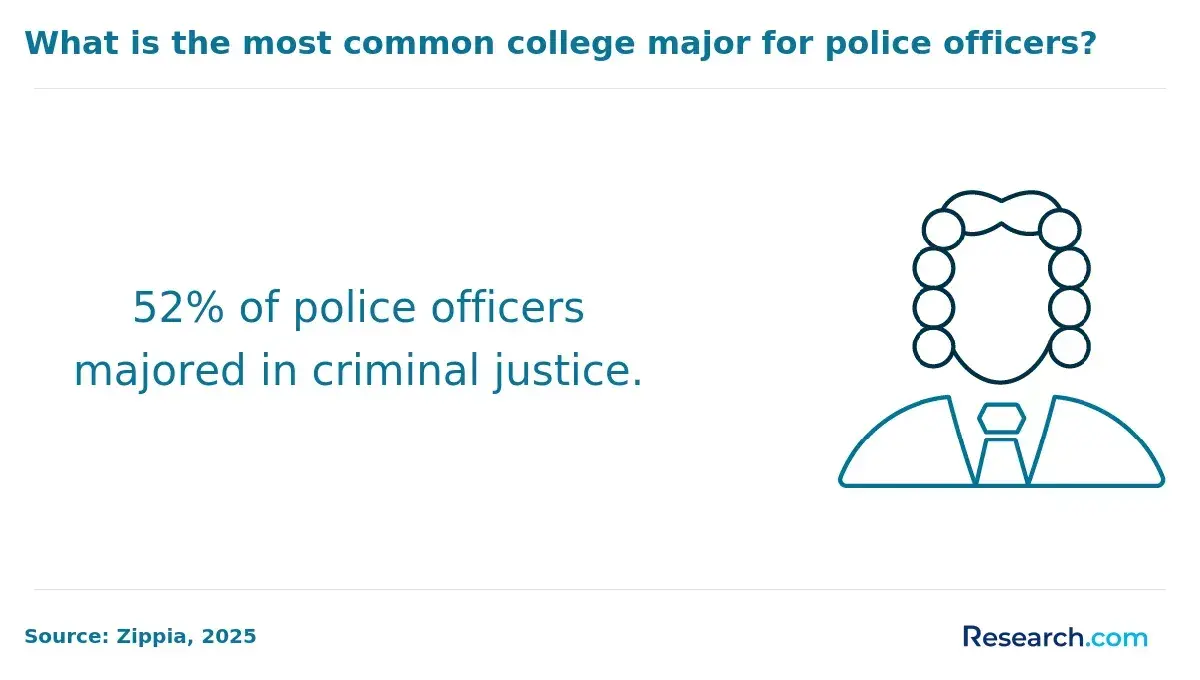
- Criminal Justice: This major offers a direct approach by covering law enforcement procedures, criminal law, corrections, and investigative techniques. It aligns closely with day-to-day police work and is highly valued in criminal justice degree programs in Oklahoma for its practical training.
- Criminology: Focused on the causes and prevention of crime, criminology builds analytical and research skills. It equips future officers to understand crime trends and apply evidence-based strategies effectively in the field.
- Psychology: Insight into human behavior is crucial for crisis intervention and conflict resolution. Psychology degrees help officers better handle de-escalation and support vulnerable populations, complementing knowledge such as forensic psychology and law approaches.
- Sociology: By studying social structures and community dynamics, sociology prepares officers to foster community partnerships and understand social influences on crime. This understanding supports modern community policing models favored in Oklahoma.
- Political Science: This major provides a strong grasp of government operations and public policy, valuable for leadership roles, policy development, and specialized units dealing with governmental agencies.
- Law (Pre-Law): Pre-law programs offer foundational knowledge of legal principles and criminal procedure. This background benefits officers pursuing investigative roles or aiming for advancement into administrative or federal positions.
- Public Administration: Focusing on management, budgeting, and leadership in public service, public administration is ideal for officers seeking supervisory roles or responsibilities in policy-making within departments.
What subjects are taught in Oklahoma police academy?
The Oklahoma police academy provides focused training to ensure recruits gain the essential skills, knowledge, and sound judgment required for effective law enforcement. Through a well-rounded curriculum, cadets are prepared to meet the demands of policing with confidence and professionalism.
- Criminal Law and Legal Matters: This subject ensures recruits understand Oklahoma statutes, procedural law, and constitutional rights. Mastery in these areas helps officers conduct lawful arrests, searches, and court testimony.
- Firearms Training: Cadets receive hands-on practice with handguns, shotguns, and rifles, emphasizing safety and accuracy. Proficiency under simulated stress ensures officers can respond effectively in critical moments.
- Defensive Tactics and Custody Control: Training covers techniques like joint locks, handcuffing, and weapon retention, equipping officers to control suspects safely and protect themselves during confrontations.
- Emergency Vehicle Operations: Recruits learn legal and practical aspects of vehicle control during high-speed responses. This training prioritizes public safety and reduces collision risks in emergencies.
- Ethics and Professional Conduct: Courses reinforce integrity, accountability, and respect, which are vital for maintaining public trust and upholding professional standards.
- Community Policing and Human Relations: Emphasis on communication and cultural awareness prepares officers to build positive relationships and promote proactive crime prevention.
- First Aid and Medical Response: Basic medical training equips officers to manage emergencies and provide critical care on scene.
- Criminal Investigation and Patrol Tactics: Instruction in interviewing, evidence handling, and report writing prepares cadets to conduct thorough investigations and respond appropriately to sensitive cases.
Can military service replace education requirements for police officers in Oklahoma?
In Oklahoma, military service is not typically a substitute for the education requirements to become a police officer. Most agencies, following CLEET’s statewide standard, require only a high school diploma or GED with no college credit substitution. The main exception is the Oklahoma Highway Patrol, which grants up to 30 semester hours of college credit per year of honorable service (up to three years). This reduces—but does not replace—the college requirements for academy entry. Other agencies, like Tulsa PD, rarely accept military service as a substitute, though it may strengthen applications or advancement opportunities.
Prospective officers with military backgrounds should carefully review the requirements of the agency they intend to join and verify substitution policies. When pursuing roles with OHP, gather your military service documentation and confirm how your credits may transfer. For city or county departments, prepare to fulfill education standards even if you have a strong service record, since acceptance of military experience varies and seldom replaces formal education. To strengthen your application, highlight relevant military training such as leadership, security forces, or military police experience, as these are often recognized when advancing within law enforcement.
I spoke with a police officer from Oklahoma who shared his experience entering law enforcement after military service. He graduated from a local police academy and explained that while his honorable discharge and military skills gave him confidence and discipline, they did not exempt him from meeting educational requirements. “I hoped my time in the Army would cover some college hours,” he said, “but the department required me to finish certain classes anyway.” He noted that this was initially frustrating, but ultimately helped him develop a broader understanding valuable in policing. He recommends that fellow veterans start their education early and use their military background as a supplement rather than a substitute. Reflecting on his journey, he said, “The system respects military service, but it’s clear education plays a key role. Knowing this upfront lets you plan better and avoid surprises when applying.” His story highlights the importance of combining both education and service credentials to succeed in Oklahoma law enforcement careers.
How much does it cost to get a police officer education in Oklahoma?
Education and training costs to become a police officer in Oklahoma vary based on the chosen pathway: obtaining a college degree, enrolling in a community college program, or paying tuition for a police academy. Each path comes with different expenses that include tuition, academy fees, uniforms, equipment, and testing costs. Careful planning can help manage the police academy tuition cost in Oklahoma effectively.
- Community College Tuition: In-state tuition and fees typically fall between $3,500 and $5,000 per year for a two-year associate degree in criminal justice or a related field, excluding books and supplies.
- University Tuition: Four-year public universities charge between $7,000 and $10,000 per year for in-state students pursuing a bachelor’s degree, with total costs around $28,000 to $40,000, not counting living expenses.
- CLEET Basic Police Academy Training: The 16-week (600-hour) academy is often sponsored by hiring agencies covering direct costs, but for those paying out-of-pocket, expenses vary depending on agency policies.
- CLEET Reserve Academy Fees: Reserve officers attending the 260-hour program at Northeastern State University pay a $500 course fee plus costs for their own weapons, ammunition, duty gear, and protective equipment.
- Uniforms and Equipment: Many hiring agencies provide initial uniforms, while officers may also receive a uniform allowance; some additional gear and personal accessories are usually the recruit’s responsibility.
- Testing and Application Fees: Background checks, medical exams, and application processing generally cost between $50 and $200 as part of the CLEET certification process.
- Books and Supplies: For degree-seeking students, annual textbook and supply costs range from $1,000 to $1,500, adding to overall expenses.
- College Credit for Academy Training: Completing the CLEET Basic Academy can earn 12 to 34 college credit hours applicable toward a criminal justice degree, which can reduce future education costs.
- Other Miscellaneous Costs: Physical fitness testing, certification courses like CPR, and travel to training sites may add $100 to $300 in expenses.
The overall cost of becoming a police officer in Oklahoma can range from under $1,000 for reserve officers paying only for basic academy and equipment to over $40,000 for those pursuing a full four-year university degree. For those interested in advancing in law enforcement careers, exploring options for criminology career growth can provide valuable insight into education and cost planning.
Are scholarships available for aspiring police officers in Oklahoma?
Scholarships and financial aid can substantially reduce the cost burden of the education and training needed to become a police officer in Oklahoma. These funding opportunities help candidates manage tuition, fees, and other expenses, making law enforcement careers more attainable without excessive debt.
- State-Funded Law Enforcement Training Scholarships: Available through programs like the Alaunna Raffield Fund, these scholarships assist county and municipal agencies in covering training costs, supporting recruits directly or their departments, which helps reduce personal expenses for necessary certification courses.
- Criminal Justice and Public Service Scholarships: Offered by Oklahoma colleges and universities, these target students majoring in criminology or criminal justice, helping cover tuition and fees while encouraging a commitment to careers in law enforcement and related public service fields.
- Law Enforcement Association Awards: Organizations like the Oklahoma Sheriffs’ Association provide scholarships for residents enrolled full-time in state colleges, often renewable for several years, which help ease ongoing tuition expenses for dedicated law enforcement students.
- Community-Based and Memorial Scholarships: These local funds assist students from specific areas, especially those with financial need or public service career plans, thereby removing geographic and economic barriers for many aspiring officers.
- University and Community College-Based Aid: Many institutions offer merit- or need-based scholarships specifically for criminal justice students, covering portions of tuition, fees, or supplies and reducing debt for those pursuing law enforcement education.
A police officer from Oklahoma who graduated from a local academy shared that scholarships were instrumental throughout her training. “When I first looked into becoming an officer, the costs of academy and college classes felt overwhelming,” she said. She applied for multiple scholarships, including one from a regional law enforcement association and aid from her community college. “Each award I received took a big weight off my shoulders,” she reflected, noting that this financial help allowed her to focus more on her training than on worries about funding. She also emphasized how the availability of these scholarships encouraged her perseverance, saying, “Knowing others invested in future officers like me made a real difference.” This experience highlights how accessible and varied scholarship options in Oklahoma can support candidates every step of the way.
Can law enforcement experience facilitate a transition to a paralegal career in Oklahoma?
Police work hones investigative techniques, analytical reasoning, and a solid understanding of legal processes, all of which can be valuable in a paralegal role. Leveraging these skills may ease the transition into legal support functions, such as case analysis and legal research, without duplicating the detailed operational knowledge already acquired in law enforcement. For a comprehensive pathway and specific qualifications required for such a career shift, consult our guide on how to become a paralegal in Oklahoma.
What certifications benefit a police officer's career development in Oklahoma?
Specialized police certifications in Oklahoma significantly enhance an officer’s skills, improve job performance, and create pathways for advancement within law enforcement. These certifications demonstrate an officer’s commitment to professional growth, making them more competitive for leadership roles and specialized assignments.
- Intermediate and Advanced Law Enforcement Certification: Awarded by CLEET, this certification recognizes career progression past the basic level. Officers gain advanced training and experience, positioning themselves for promotions and roles in specialized units, which supports steady career development through proven leadership and expertise.
- Firearms Training Certification: This certification covers mastery in firearms handling and safety, essential for tactical operations. Ongoing advanced courses ensure officers maintain high proficiency, making them reliable candidates for assignments requiring tactical expertise and quick judgment under pressure.
- Emergency Medical Response Certification: Training includes emergency first aid and medical response skills, enabling officers to provide critical care in urgent situations. This credential is especially valuable in rural or high-risk areas and may be mandatory for specific roles or agencies.
- Criminal Investigations Certification: Focused on investigative techniques and evidence handling, this certification prepares officers for detective roles. It signals readiness for complex casework and often leads to opportunities within investigative divisions.
- Cybercrime and Digital Evidence Certification: As digital threats increase, officers with expertise in cybercrime investigations become essential. This certification equips them to manage electronic evidence and handle online offenses, addressing modern law enforcement challenges.
- Crisis Intervention and Mental Health Response Certification: Training here emphasizes crisis de-escalation and mental health incident management, promoting safer community interactions. Departments value this for reducing use-of-force incidents and fostering community trust.
- Leadership and Supervisory Training Certification: Covering leadership, ethics, and management, this certification prepares officers for supervisory roles. It is often required for advancing to sergeant or administrative positions, confirming an officer’s readiness to lead and manage teams effectively.
Officers seeking structured career growth should consider starting with advanced law enforcement certification Oklahoma offers through CLEET standards. Those interested in integrating new technical skills might explore the growing field of cybersecurity, supported by the state’s emphasis on digital crime training. Additionally, for those attracted to forensic and investigative work, reviewing the best online forensic science programs can provide complementary educational opportunities to strengthen investigative credentials.
What roles can you get as a police officer in Oklahoma?
Law enforcement careers in Oklahoma extend beyond standard patrol duties, offering a variety of specialized roles that match an officer’s interests and expertise. These positions require specific training and experience, enabling officers to contribute effectively to community safety through focused functions.
- Patrol Officer: Responsible for patrolling assigned areas, responding to emergencies, and maintaining public order, requiring completion of basic police training and ongoing education.
- Detective: Investigates serious crimes by gathering evidence and interviewing witnesses; requires advanced investigative training and field experience.
- K-9 Unit Officer: Works with police dogs to detect drugs and explosives, and assist in searches; needs specialized animal handling and tactical training.
- SWAT Team Member: Handles high-risk operations like hostage rescues and armed standoffs, requiring rigorous tactical and firearms training.
- Community Outreach Officer: Builds community trust through education and crime prevention programs, with training in communication and public relations.
- Traffic Enforcement Officer: Enforces traffic laws and investigates accidents, often receiving additional training in traffic management.
- Training Instructor: Leads academy classes and workshops, requiring advanced knowledge and teaching credentials.
What is the average salary of police officers in Oklahoma?
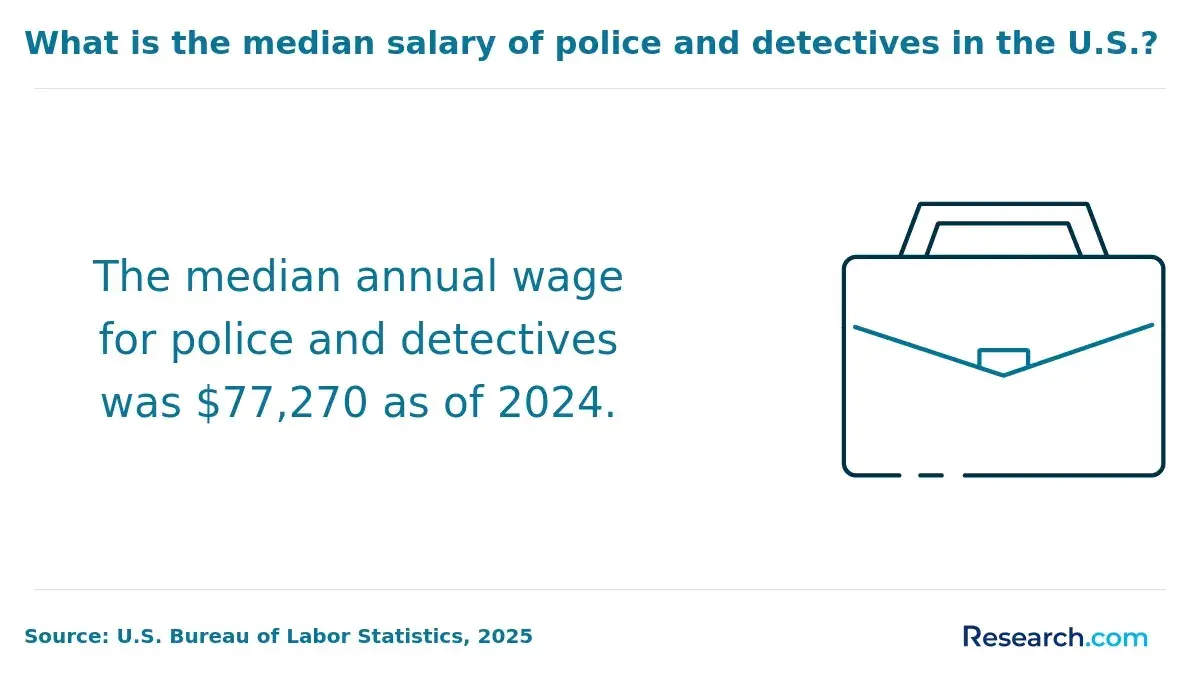
The average police officer salary in Oklahoma varies widely based on location, years of experience, education, and rank within the department. Urban centers like Oklahoma City and Tulsa typically offer higher pay along with additional benefits, while rural areas may start lower but offer opportunities for advancement. Education and specialized skills also play a significant role in eligibility for pay incentives and career growth.
- Entry-Level Police Officer Pay in Oklahoma: New recruits earn around $57,384 annually statewide, with figures ranging from $44,800 to $68,800 depending on the city. In major cities like Oklahoma City, entry-level salaries can reach $66,252, increasing to about $70,094 after completing the first year.
- Mid-Career Police Officer Salary: Officers with several years of service typically earn between $60,000 and $80,000 statewide. In Oklahoma City, a mid-career officer at Step G can expect approximately $80,137 per year.
- Senior Police Officer or Sergeant Pay: Senior roles bring significantly higher pay, starting near $78,822 and reaching over $100,000 with experience, overtime, and incentives, especially in larger departments.
Besides base salary, various incentives improve overall compensation. Officers with higher education receive monthly bonuses, bilingual officers get additional pay, and programs like tuition reimbursement support continuing education. For those exploring criminal justice jobs and careers, understanding these pay scales and benefits can greatly assist in planning a viable path forward.
What education trends are affecting law enforcement careers in Oklahoma?
Evolving education expectations are significantly shaping modern policing careers in Oklahoma, as agencies increasingly seek candidates with advanced knowledge and specialized skills. While a high school diploma remains the minimum, growing trends reflect a shift toward higher education and continuous professional development to meet complex community needs.
- Growing Preference for College Degrees: Major cities like Tulsa require a bachelor’s degree, and agencies such as the Oklahoma Highway Patrol mandate an associate degree or 62 semester hours before academy graduation.
- Impact of Specialized Majors: Degrees in criminal justice, psychology, sociology, and cybersecurity are valued for providing essential skills in analysis, mental health, and technology.
- College Credit for Academy Training: Completing the CLEET academy can earn officers up to 12 college credit hours toward criminal justice degrees at Oklahoma universities.
- Continuing Education and Advanced Training: Expanded curricula now include hybrid learning and cover topics like de-escalation, ethics, and bilingual communication, enhancing ongoing professional development.
Staying informed about these education trends equips aspiring and current officers to meet evolving requirements and seize career advancement opportunities within Oklahoma’s law enforcement landscape.
What Do Police Officers in Oklahoma Say About Their Career
- Completing my law enforcement training at the Tulsa Police Academy gave me a solid foundation that made transitioning into my role at a local school seamless. I truly appreciate the job stability and structured career growth opportunities within Oklahoma’s police departments. Every day, I get to protect and inspire students, which fuels my passion for community service. The combination of rigorous training and the chance to make a real difference in young people’s lives makes this career incredibly fulfilling. Sabrina
- Starting my journey as a police officer in a local academic institution allowed me to witness firsthand the positive impact law enforcement can have directly on youth development. The Oklahoma Department of Public Safety Academy prepared me well for the unique challenges of serving in smaller communities and adapting to the state’s distinct cultural landscape. This role helped me grow personally by deepening my commitment to fairness and trust in law enforcement. The sense of purpose I feel every day encourages me to keep advancing professionally while supporting those I serve. Imee
- Graduating from the Oklahoma City Police Academy was a transformative experience that opened doors to diverse opportunities across the state. Working closely with students in schools has been especially rewarding, as it enables me to contribute positively to their well-being and help shape a safer future. The resources Oklahoma offers, including community outreach programs and professional development, foster an environment where officers can thrive and continuously improve. This career has been both a challenging and inspiring journey, and I’m proud to be part of a force that values growth and community engagement. Sedrick
Related Articles for Nearby States
- 2027 How to Become a Police Officer: Education Requirements in Texas
- 2027 How to Become a Police Officer: Education Requirements in Kansas
- 2027 How to Become a Police Officer: Education Requirements in Arkansas
- 2027 How to Become a Police Officer: Education Requirements in Missouri
- 2027 How to Become a Police Officer: Education Requirements in Colorado
- 2027 How to Become a Police Officer: Education Requirements in New Mexico
- 2027 How to Become a Police Officer: Education Requirements in Nebraska
- 2027 How to Become a Police Officer: Education Requirements in Louisiana
- 2027 How to Become a Police Officer: Education Requirements in Iowa
- 2027 How to Become a Police Officer: Education Requirements in Mississippi
References:
- Online - Continuing Education https://oklahoma.gov/cleet/training/cleet-training/continuing-education-online.html
- Bachelor of Science in Criminal Justice Online | OU Online https://online.ou.edu/program/bs-in-criminal-justice/
- How to Become a Police Officer in Oklahoma - SE https://online.se.edu/programs/undergraduate/bachelors/ba-criminal-justice/become-a-police-officer-in-oklahoma/
- Public Safety | Oklahoma State University https://osuonline.okstate.edu/programs/undergraduate/public-safety.html
- Accredited Oklahoma CLEET Courses | PoliceOne Academy https://www.policeoneacademy.com/accreditation/oklahoma-cleet/
- Scholarship Program | Oklahoma Sheriffs' Association https://www.oklahomasheriffs.org/scholarships
- Sergeant Craig Johnson Scholarship Fund | Tulsa Community Foundation https://tulsacf.org/sgtcraigjohnson/
- Grants & Scholarships — OMAG https://www.omag.org/grants-and-scholarships
- Oklahoma Scholarships - Scholarships.com https://www.scholarships.com/financial-aid/college-scholarships/scholarships-by-state/oklahoma-scholarships
- Top 71 Law Enforcement Scholarships in September 2025 - Scholarships360 https://scholarships360.org/scholarships/law-enforcement-scholarships/
Other Things You Should Know About Being an Police Officer in Oklahoma
In 2027, to become a police officer in Oklahoma, candidates must possess at least a high school diploma or GED. Some departments may prefer or require an associate's or bachelor's degree, especially for advancement opportunities.
Oklahoma police departments vary in their policies regarding payment for college or academy training, with many offering to cover or reimburse costs as a way to attract and retain qualified candidates. Some departments pay for academy training directly, recognizing it as essential preparation for effective law enforcement service. However, not all departments have the budget to fully fund college education, and some require officers to complete their degrees independently or offer partial assistance as an incentive for continued employment. The decision often depends on department funding, size, and recruitment strategies aimed at building a skilled workforce capable of meeting community needs.
Online degrees are increasingly recognized in Oklahoma as a valid form of education for aspiring police officers, provided the programs are accredited by reputable institutions. Many law enforcement agencies and police academies in Oklahoma accept online criminal justice or related degrees, especially when they meet the standards set by the state's Council on Law Enforcement Education and Training (CLEET). However, candidates should verify that their online degree aligns with CLEET’s requirements, as some agencies may have preferences for traditional or hybrid education formats. Overall, online degrees offer a flexible and accessible pathway for those seeking to fulfill education prerequisites in Oklahoma’s law enforcement hiring process.
In 2027, to become a police officer in Oklahoma, individuals must be U.S. citizens, at least 21 years old, and hold a high school diploma or GED. They need to complete police academy training and pass background checks. Some departments might require or prefer additional college coursework or degrees.