2027 How to Become a Police Officer: Education Requirements in Virginia

Co-Founder and Chief Data Scientist
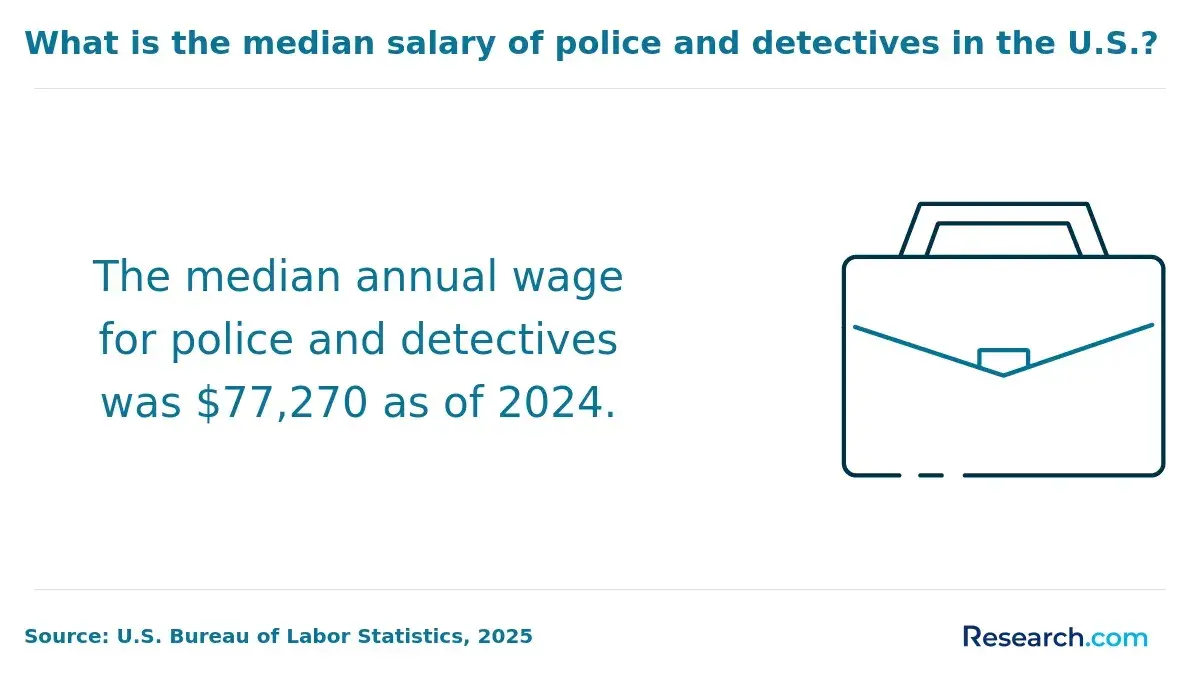
Becoming a police officer in Virginia offers a stable and rewarding career path. The state reports a steady 5% employment growth for law enforcement officers over the next decade, signaling strong demand. This career provides opportunities to serve communities and develop vital skills in leadership and crisis management. Navigating the educational requirements is essential for success and advancement in this field.
This article, crafted by experts in career planning, outlines the specific education prerequisites for aspiring Virginia police officers. It will provide clear guidance to help readers understand and meet these standards with confidence and clarity.
Key Things to Know About Becoming a Police Officer in Virginia
- Applicants must have a high school diploma or GED; however, many agencies prefer candidates with some college credits or an associate’s degree for competitive advantage.
- Successful completion of Basic Law Enforcement Training (BLET), a 720-hour state-certified course, is mandatory and ensures readiness for Virginia’s policing demands.
- Ongoing education is encouraged as Virginia’s workforce trends show officers with higher education tend to advance faster and perform better in complex community roles.
- What is the minimum education requirement to become a police officer in Virginia?
- Which majors are most recommended for aspiring police officers in Virginia?
- What subjects are taught in Virginia police academy?
- Can military service replace education requirements for police officers in Virginia?
- How much does it cost to get a police officer education in Virginia?
- Are scholarships available for aspiring police officers in Virginia?
- How can Virginia police officers transition to related legal careers?
- What certifications benefit a police officer's career development in Virginia?
- What roles can you get as a police officer in Virginia?
- What is the average salary of police officers in Virginia?
- What education trends are affecting law enforcement careers in Virginia?
What is the minimum education requirement to become a police officer in Virginia?
In Virginia, the minimum education requirement for police officer in Virginia is straightforward and focused on foundational academic achievement. This ensures that all officers possess the basic skills necessary to navigate the complexities of modern policing effectively.
- High School Diploma: Applicants must have completed a high school education, verified by a diploma from an accredited institution. This credential confirms an essential level of learning and readiness for the challenges of law enforcement work.
- General Education Diploma (GED): As an alternative to a traditional diploma, a GED is accepted to demonstrate an equivalent educational background. This option broadens accessibility, allowing those who pursued different educational paths to meet entry requirements.
These requirements are consistent across various agencies throughout Virginia, underscoring the importance placed on a high school diploma or GED for Virginia police officer candidates. No statewide legislative obligation exists for college coursework or degrees as a prerequisite for initial appointment. For those interested in the broader context of law enforcement education, exploring the best forensic science colleges offers insight into academic pathways beyond the basic criteria.
Which majors are most recommended for aspiring police officers in Virginia?
Choosing the right college major provides a strong foundation that not only enhances a candidate’s qualifications but also opens pathways to leadership and advancement within law enforcement. Selecting from the best criminal justice majors in Virginia equips aspiring officers with essential skills and knowledge that align with the evolving demands of policing in the state.
Most Recommended Majors for Aspiring Virginia Police Officers
- Criminal Justice: This major offers comprehensive coursework in policing methods, criminal law, and corrections. Graduates gain practical insights that prepare them well for entry-level positions and rapid advancement into investigative or supervisory roles, making it one of the most sought-after recommended degrees for Virginia police officers.
- Criminology: Focused on understanding crime causes and prevention, criminology sharpens analytical skills to assess crime trends and develop problem-solving approaches. This research-based perspective enhances an officer’s ability to respond effectively within modern law enforcement environments.
- Psychology: By exploring human behavior and mental health, psychology programs prepare officers to communicate effectively, de-escalate crises, and engage compassionately with diverse communities—skills increasingly prioritized in community policing efforts. This major also complements specialized tracks, such as forensic psychologist certification.
- Sociology: Sociology offers deep understanding of social dynamics, inequalities, and cultural factors influencing crime. Officers with this background build trust and adapt strategies that resonate with varied populations, fostering stronger community relations.
- Political Science: This major cultivates knowledge of government systems and public policy, which is valuable for officers aspiring to specialize in policy analysis, public administration, or interagency collaboration roles within law enforcement agencies.
- Law (Pre-Law Studies): Although not required for entry-level roles, pre-law studies provide invaluable insight into constitutional rights and legal procedures. This foundation benefits officers pursuing careers as detectives, legal advisors, or leaders interpreting complex statutes.
- Public Administration: Focused on leadership and resource management in the public sector, this major equips candidates for command and administrative positions where budgeting, personnel, and policy development skills are critical.
What subjects are taught in Virginia police academy?
Police academy training in Virginia is meticulously crafted to develop recruits’ skills, judgment, and ethical foundation, essential for effective law enforcement in today’s complex environment. This comprehensive approach ensures officers are not only knowledgeable but also prepared to navigate the diverse challenges they will face on duty.
- Criminal Law and Legal Procedures: Mastering constitutional law and arrest protocols empowers officers to enforce laws correctly and uphold citizens’ rights. This knowledge is vital for maintaining the rule of law and delivering fair justice.
- Firearms Training: Recruits develop proficiency in safely handling and using firearms, gaining critical decision-making skills under pressure. This training promotes public and officer safety through disciplined and responsible weapon use.
- Defensive Tactics: Learning control techniques and minimal force options equips officers to protect themselves while resolving conflicts peacefully. This fosters safer encounters and reduces harm.
- Emergency Vehicle Operations (EVOC): Training in high-speed driving and evasive maneuvers prepares officers for urgent responses while minimizing risks. Mastery here is crucial to preserve life during emergencies.
- Ethics, Leadership, and Police Professionalism: Emphasizing integrity and accountability builds trust within communities and promotes ethical conduct throughout an officer’s career.
- Community Policing and Cultural Diversity: Skills in communication and de-escalation help foster partnerships with diverse populations, reducing conflict and enhancing cooperation.
- Criminal Investigations and Report Writing: Precision in evidence handling and detailed documentation ensures thorough investigations and supports transparency.
- Physical Fitness and Officer Wellness: Ongoing fitness training sustains the resilience and stamina necessary to meet the physical demands of policing effectively.
Can military service replace education requirements for police officers in Virginia?
In Virginia, military service cannot replace the education requirements needed to become a police officer. The state mandates that all candidates must have at least a high school diploma or a GED before they can enter a police training academy. While military experience is highly respected and often provides valuable skills—especially in fields like military police, security forces, or leadership—it is not accepted as a formal substitute for the baseline educational credential. Police departments recognize the discipline and real-world experience veterans bring, but the legal and regulatory framework requires all applicants to prove their academic foundation through documented high school completion or equivalency.
That said, military backgrounds can still offer significant advantages during the hiring process. Veterans often receive preference points or special programs, such as internships, designed to ease the transition from military service to policing careers. Departments may also provide education benefits and tuition reimbursement to support further training and advancement. However, fulfilling the minimum education requirement independently of military service is essential to meet the standard certification path in Virginia law enforcement.
When I spoke with a Virginia police officer who started his career after graduating from a local police academy, he shared that despite his extensive military experience, he still needed to present a high school diploma to qualify for the academy. “Military life taught me to be disciplined and calm under pressure, which definitely helped me during training and on the job,” he reflected. “But when it came to meeting the official education rules, there was no shortcut. I had to ensure my paperwork was in order before even stepping into the academy.” He also mentioned that while his service didn’t replace education requirements, it gave him confidence and respect in the department, easing his integration into the force. “It wasn’t about skipping steps—it was about building on what I already had to become a better officer.”
How much does it cost to get a police officer education in Virginia?
The cost of becoming a police officer in Virginia varies widely, influenced by the educational route you choose. Whether pursuing a college degree, attending community college, or paying for police academy training, expenses can range significantly based on factors like tuition, fees, and necessary equipment. Understanding police academy tuition costs in Virginia and related expenses can help you plan more effectively.
- Community College Tuition: These colleges offer associate degrees or certificates in criminal justice, with annual tuition between $4,500 and $7,500 for in-state students and up to $10,000 to $15,000 for out-of-state students, typically over two years.
- Four-Year College Tuition: A bachelor’s degree in criminal justice at Virginia public universities averages $13,000 to $16,000 yearly for in-state students and $30,000 to $36,000 for out-of-state, with private schools often charging more.
- Police Academy Fees: Tuition for self-sponsored candidates attending police academies ranges from $3,000 to $7,000 depending on the academy and location; some city-run academies may cover these fees for recruits.
- Uniforms and Equipment: Essential gear, including uniforms and footwear, typically costs between $500 and $1,200, though those hired by departments often have these expenses paid by their employer.
- Textbooks and Materials: Expect to spend $300 to $800 annually on textbooks and training resources for college or academy programs.
- Medical and Testing Fees: Physical, psychological, and background examinations generally cost between $200 and $500 unless covered by the hiring agency.
- Application Fees: Applying to colleges or academies usually involves fees ranging from $25 to $75 per application.
- Living Expenses: For those relocating, housing, meals, and transportation can add $8,000 to $15,000 annually, varying largely by lifestyle and location.
The financial commitment can range from around $3,000 to over $64,000 depending on the chosen path and whether recruits receive a salary while attending the academy. For those interested in related fields such as psychology within law enforcement, exploring forensic psychology degrees and careers may offer valuable insights that complement police training and education.
Are scholarships available for aspiring police officers in Virginia?
Scholarships and financial aid play a crucial role in reducing the financial strain associated with education and training for law enforcement careers in Virginia. These opportunities help cover tuition, certification, and academy fees, making police work accessible to a diverse range of candidates dedicated to public service.
- State-Funded and Law Enforcement Organization Scholarships: These scholarships are typically available to Virginia residents studying criminal justice at local colleges, with awards supporting tuition and fees. Programs like those offered through the Virginia Sheriffs’ Institute encourage community ties and commitment to law enforcement careers.
- Needs-Based Program Scholarships: Designed to support officers and applicants from underfunded or small law enforcement agencies, these scholarships often cover a significant portion of program fees and lodging for leadership and professional development courses.
- Specialized Leadership and Veteran Scholarships: Targeted at sworn officers pursuing advanced leadership training or military veterans entering policing, these scholarships provide financial support for tuition and encourage career advancement.
- Criminal Justice and Public Service Academic Scholarships: Offered by various Virginia community colleges and universities, these awards depend on academic merit, financial need, and career intent, assisting students in managing tuition and educational expenses.
- Local and Community-Based Aid: Many sheriff’s offices collaborate to provide localized scholarships tailored to community residents, often requiring participation in community service or residency within a specific jurisdiction.
- Professional Association and Alumni Awards: These scholarships often aid children or dependents of officers and individuals dedicated to public service, recognizing academic achievement and community involvement.
When discussing scholarships, a Virginia police officer who graduated from a local academy reflected on her journey: "Financial challenges were a real concern, especially balancing daily expenses with tuition costs. Thankfully, I qualified for a needs-based scholarship through my department, which eased a huge part of the burden." She also noted that the application process required careful attention to deadlines and documentation but was ultimately rewarding. "It wasn’t just about the money; the support made me feel valued and motivated to succeed." Her experience underscores how these scholarships serve not only as financial tools but also as lasting encouragement for those dedicated to serving their communities.
How can Virginia police officers transition to related legal careers?
Virginia police officers possess transferable skills—such as attention to detail, strong communication, and critical thinking—that are highly applicable in legal and administrative roles. These competencies support successful transitions into areas where legal procedures and investigative insights are essential. Officers evaluating their career paths may consider specialized training to bridge the gap between law enforcement and the legal field, thereby expanding their professional opportunities. For guidance on an alternative career pathway, explore how to become a paralegal in Virginia.
What certifications benefit a police officer's career development in Virginia?
Earning specialized certifications allows police officers in Virginia to sharpen their expertise, boost job effectiveness, and position themselves for advancement within their agencies. These credentials signal a commitment to professional growth, increasing competitiveness for promotions and leadership roles. Integrating certifications into career development is particularly beneficial in structured career development programs for Virginia police officers, which recognize and reward continual education.
- Firearms Training Certification: This covers advanced safety protocols, marksmanship, and legal considerations surrounding weapons. Officers must maintain proficiency through requalification, ensuring readiness and compliance with state standards. Mastery of firearms is often a gateway to specialized units or instructor roles.
- Emergency Medical Response Certification: Officers gain skills in delivering life-saving aid at crime scenes or emergencies. This training enhances public safety impact and may lead to roles in crisis response or community outreach.
- Criminal Investigations Certification: Focused on investigative techniques, evidence handling, and managing complex cases, this certification prepares officers for detective positions. It is crucial for career mobility within law enforcement.
- Cybercrime Certification: Providing knowledge in digital forensics and internet crime prevention, this credential addresses growing threats in modern policing. Officers with this training often spearhead technology-focused task forces.
- Crisis Intervention Training (CIT): CIT equips officers with skills to de-escalate incidents involving mental health challenges. Valued for reducing use-of-force cases, it’s often required for specialized crisis teams.
- Leadership and Supervisory Training: Programs like the Virginia Association of Chiefs of Police Law Enforcement Executive Certification (LEECP) impart management, ethics, and strategic leadership abilities. Holding a law enforcement executive certification in Virginia distinguishes officers as strong candidates for supervisory and executive duties.
To understand how these credentials interface with broader career options, exploring what jobs can you get with a criminal justice degree may offer valuable context for professional pathways beyond traditional policing roles.
What roles can you get as a police officer in Virginia?
Law enforcement careers in Virginia offer a wide range of specialized roles beyond basic patrol duties, allowing officers to align their careers with personal strengths and interests. These diverse positions require additional training and provide meaningful ways to support public safety in distinct, impactful ways.
- Patrol Officer: Enforces laws, responds to incidents, and maintains a visible presence to prevent crime, requiring completion of the Basic Law Enforcement Academy and field instruction.
- Detective (Criminal Investigator): Investigates complex crimes through evidence gathering and witness interviews, usually after gaining patrol experience and additional investigative training.
- K-9 Unit Officer: Works with trained police dogs to detect drugs or track suspects, completing specialized handler training for enhanced search capabilities.
- SWAT Team Member: Handles high-risk situations with advanced tactical and negotiation training, ensuring safety in critical incidents.
- Community Outreach Officer: Builds trust through programs and education, trained in communication and cultural awareness to strengthen police-community relations.
- Traffic Enforcement Officer: Enforces traffic laws and investigates accidents, requiring training in accident reconstruction to reduce roadway injuries.
- Training Instructor: Teaches recruits and provides in-service education, certified in adult education and specialized police training to uphold professional standards.
What is the average salary of police officers in Virginia?
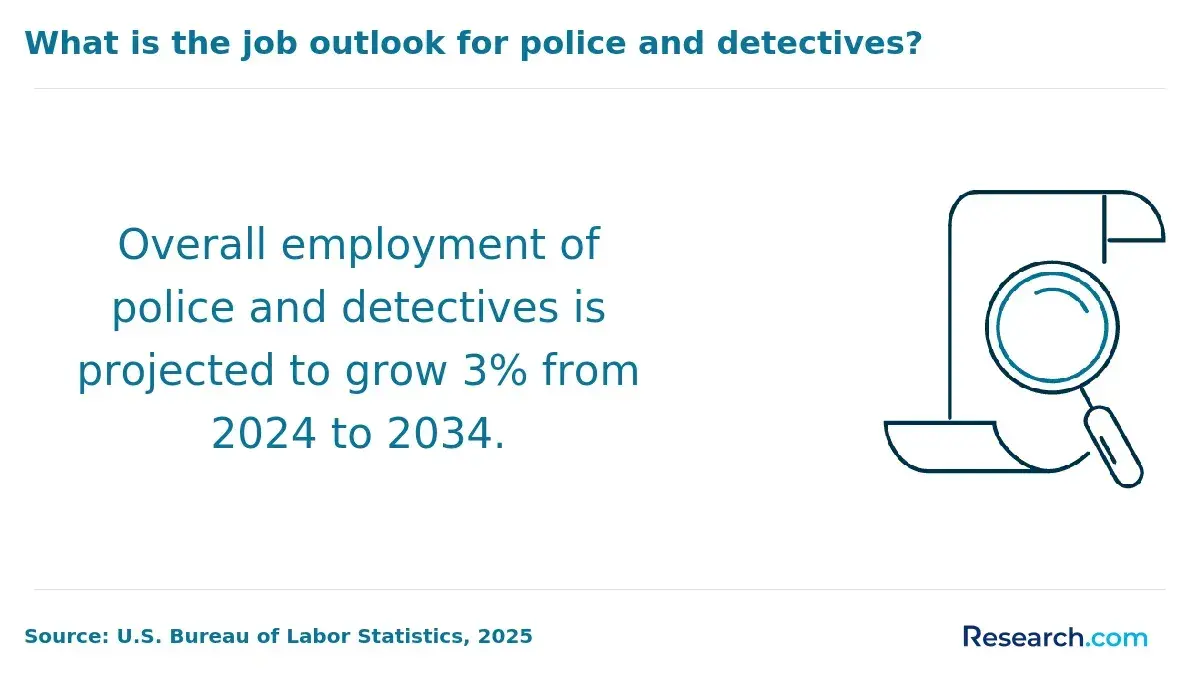
The average police officer salary in Virginia can vary widely depending on geographic location, years of service, educational background, and rank. Urban areas and larger departments tend to offer higher pay, while smaller or rural agencies may provide lower starting salaries. Additionally, officers who pursue advanced education or specialized certifications often benefit from extra stipends and faster advancement.
- Entry-Level Police Officers: Typically earn between $49,875 and $55,100 annually, depending on the department and location. For example, Hampton recruits start at $49,875 and reach $53,325 after academy training, while Chesapeake officers begin at $51,150 and can earn $55,100 upon graduation.
- Mid-Career Police Officers: After three to seven years of service, salaries range from $61,000 to $72,000 per year, with an average Virginia police officer pay range near $61,356. Some departments, such as Chesapeake, offer lateral transfers or certified officers pay up to $72,296.
- Senior Police Officers: Senior officers and supervisors can earn over $100,000 annually, especially in higher-paying regions like Alexandria, where top pay reaches $114,552. These figures often reflect leadership roles and advanced training.
Departments in Virginia, including those involved in police academy training, encourage further education by offering stipends for associate’s and bachelor’s degrees, emphasizing the value of ongoing learning. Related professional opportunities, such as forensic science internships, may also play a role in career development and salary enhancements. Overall, understanding the average police officer salary in Virginia helps prospective officers plan their education and career paths strategically.
What education trends are affecting law enforcement careers in Virginia?
Evolving education expectations are significantly shaping modern policing careers in Virginia, with agencies increasingly valuing higher educational attainment and specialized knowledge among applicants. As law enforcement responsibilities grow more complex, education is not only a tool for effective policing but also a critical pathway to career advancement and professionalization.
- Growing Preference for College Degrees: Although a high school diploma or GED remains the minimum, agencies show a clear preference for candidates with associate’s or bachelor’s degrees, sometimes requiring at least 60 college semester hours for entry or promotion.
- Impact of Specialized Majors: Degrees in criminal justice, psychology, sociology, public administration, and cybersecurity provide recruits with essential expertise aligning with evolving law enforcement needs.
- Rise of Continuing Education and Training: Departments increasingly support ongoing education through tuition reimbursement and advanced training programs, promoting lifelong learning among officers.
Staying informed about these education trends is essential for aspiring and current officers in Virginia, as academic credentials influence hiring, promotion opportunities, and effectiveness in addressing complex challenges. Embracing these evolving standards prepares law enforcement professionals to meet the demands of a modern, dynamic policing environment.
What Do Police Officers in Virginia Say About Their Career
Completing the rigorous training at the Northern Virginia Criminal Justice Training Academy truly prepared me for the complexities of policing in our diverse communities. Starting my career in a local school allowed me to connect deeply with young people, fostering a safer and more supportive environment. The program emphasized both academic knowledge and practical skills, which gave me confidence daily. It’s fulfilling to see the positive impact on students’ lives and the trust we've built within the community. Antonio
After graduating from the Virginia State Police Academy, I was assigned to work in a local school, where I experienced firsthand the importance of proactive engagement in education settings. This role challenged me to develop strong communication skills and emotional intelligence, skills that have enriched my professional growth. Being part of a school community in Virginia—where cultural diversity and history run deep—has broadened my perspective and strengthened my commitment to serve with empathy and fairness. Lena
What stands out most to me about working as a police officer in Virginia is the opportunity for ongoing professional development and career advancement. The Richmond Police Training Center equipped me with specialized techniques suited to our unique environment, from urban centers to rural areas. I appreciate the stability and support the career offers, and making a difference through building relationships in schools is incredibly rewarding. This job continually challenges me to be a better leader and contributor to public safety. Devon
Related Articles for Nearby States
- 2027 How to Become a Police Officer: Education Requirements in West Virginia
- 2027 How to Become a Police Officer: Education Requirements in Maryland
- 2027 How to Become a Police Officer: Education Requirements in North Carolina
- 2027 How to Become a Police Officer: Education Requirements in Tennessee
- 2027 How to Become a Police Officer: Education Requirements in Kentucky
- 2027 How to Become a Police Officer: Education Requirements in Pennsylvania
- 2027 How to Become a Police Officer: Education Requirements in South Carolina
- 2027 How to Become a Police Officer: Education Requirements in Ohio
- 2027 How to Become a Police Officer: Education Requirements in Delaware
- 2027 How to Become a Police Officer: Education Requirements in New Jersey
References:
- Public Integrity reporting leads Virginia to decriminalize its students – Center for Public Integrity https://publicintegrity.org/inside-publici/newsletters/watchdog-newsletter/public-integrity-reporting-leads-virginia-to-decriminalize-students-school-to-prison-pipeline/
- Criminal Priorities in Virginia | VA Law Enforcement Trends https://virginialawfirm.net/law-enforcement-priorities.html
- Virginia Tech study provides new context on troubling school-to-prison-pipeline report | Virginia Tech News | Virginia Tech https://news.vt.edu/articles/2017/05/clahs-school-to-prison-pipeline.html
- ERIC - EJ926234 - The Role of Law Enforcement in Schools: The Virginia Experience--A Practitioner Report, New Directions for Youth Development, 2011 https://eric.ed.gov/
- Best Criminal Justice Schools In Virginia https://www.criminaljusticedegreeschools.com/degree-by-state/virginia/
- 10 Best Criminal Justice Schools in Virginia for 2025 https://legalcareerpath.com/criminal-justice-schools-virginia/
- National Criminal Justice Command College | UVA SCPS https://www.scps.virginia.edu/programs/national-criminal-justice-command-college
- Criminology Degree (Major/Minor) in Virginia https://www.rmc.edu/academics/degrees-and-programs/criminology/
- Criminology Major | College of Liberal Arts and Human Sciences | Virginia Tech https://liberalarts.vt.edu/academics/majors-and-minors/criminology-major.html
- Criminal Justice | Virginia Wesleyan University https://www.vwu.edu/academics/majors/criminal-justice/
Other Things You Should Know About Becoming a Police Officer in Virginia
In 2027, Virginia requires aspiring police officers to have at least a high school diploma or GED. Some departments may prefer or require post-secondary education, such as an associate degree, particularly in criminal justice. Completing a certified police academy program is also mandatory.
As of 2027, law enforcement agencies in Virginia may accept online degrees as meeting education requirements, provided they come from an accredited institution. However, applicants should check with individual departments regarding their specific policies and preferences for online education credentials.