2027 How to Become a Police Officer: Education Requirements in West Virginia

Co-Founder and Chief Data Scientist
West Virginia offers promising opportunities for those aiming to become police officers, with a growing demand for law enforcement professionals reflecting the state’s evolving public safety challenges. Recent data shows that police officer roles in West Virginia are projected to increase by 5% over the next decade, signaling steady career stability. Pursuing this path combines job security with meaningful community impact.
This article explores the specific education requirements in West Virginia needed to enter law enforcement. Prepared by career planning experts, it guides prospective officers through essential qualifications and emerging trends shaping recruitment and training in the state’s policing landscape.
Key Things to Know About Becoming a Police Officer in West Virginia
- Applicants must hold a high school diploma or GED as the minimum education, though increasing numbers pursue an associate degree to enhance career prospects in West Virginia’s evolving law enforcement landscape.
- Completion of a police academy certified by the West Virginia State Police is mandatory, involving 400 hours of training that combines physical, legal, and tactical education tailored to local community needs.
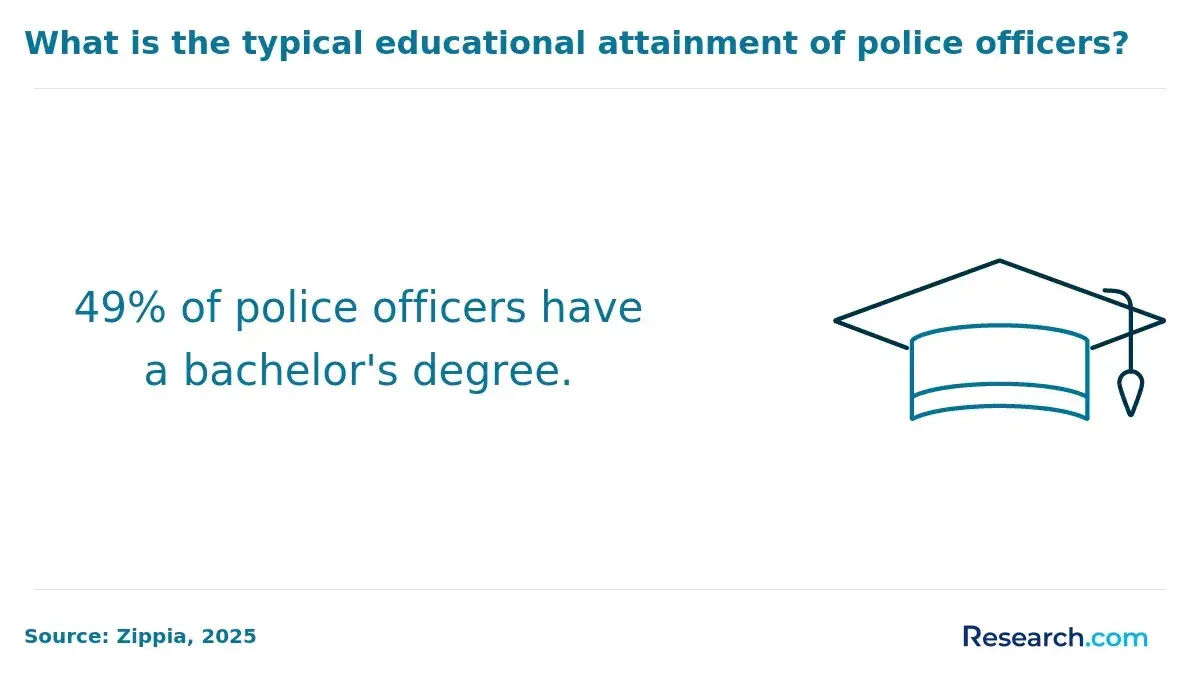
- Emerging trends suggest a future emphasis on bachelor’s degrees focusing on criminal justice or related fields to meet the growing demand for officers skilled in technology and community engagement.
- What is the minimum education requirement to become a police officer in West Virginia?
- Which majors are most recommended for aspiring police officers in West Virginia?
- What subjects are taught in West Virginia police academy?
- Can military service replace education requirements for police officers in West Virginia?
- How much does it cost to get a police officer education in West Virginia?
- Are scholarships available for aspiring police officers in West Virginia?
- What certifications benefit a police officer's career development in West Virginia?
- Can police officers transition to legal careers in West Virginia?
- What roles can you get as a police officer in West Virginia?
- What is the average salary of police officers in West Virginia?
- What education trends are affecting law enforcement careers in West Virginia?
What is the minimum education requirement to become a police officer in West Virginia?
Education plays a vital role in law enforcement, equipping officers with the critical thinking and communication skills needed for effective community engagement. Across the United States, education standards vary by state, reflecting local priorities and resources. In West Virginia, the requirement is clear: applicants must hold a high school diploma or a General Educational Development (GED) certificate. This baseline standard, established by state law, is consistently enforced across local, state, and campus police agencies to ensure recruits have the foundational skills necessary before entering academy training and fieldwork.
While the high school diploma remains the minimum threshold, evolving societal needs and technological advancements may influence future expectations. West Virginia could eventually consider raising education standards or integrating specialized coursework, such as forensic psychology, to strengthen investigative practices and improve community relations. Such changes would not only expand the professional profile of officers but also align law enforcement with the growing complexities of modern policing. Exploring areas like forensic psychology courses could enrich training curricula, marrying traditional requirements with future-oriented competencies that address complex social dynamics and criminal behavior.
Which majors are most recommended for aspiring police officers in West Virginia?
Choosing the right college major can significantly enhance a candidate’s qualifications for law enforcement roles in West Virginia and open pathways to specialized positions and promotions. Departments increasingly recognize the value of higher education in developing critical thinking, leadership, and ethical judgment, which are essential for modern policing challenges.
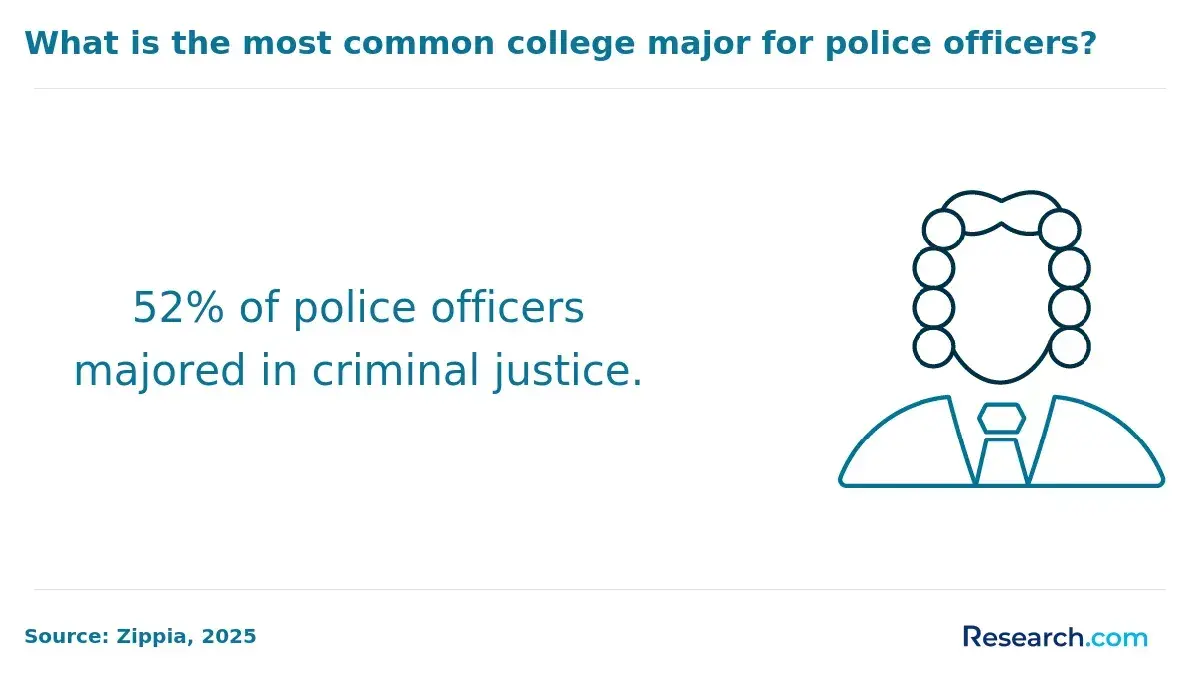
- Criminal Justice: This major provides a deep understanding of the legal system, law enforcement procedures, and correctional practices. It equips students with practical skills and a strong foundation relevant to policing, making it one of the most sought-after criminal justice majors in West Virginia.
- Criminology: Focused on analyzing crime causes and patterns, criminology prepares officers to interpret crime trends and develop evidence-based prevention strategies. Graduates bring a research-driven approach favored by agencies addressing evolving public safety concerns.
- Psychology: Understanding human behavior is vital for police officers, especially in crisis management and community engagement. This major fosters skills in conflict resolution and de-escalation, increasingly important in fostering trust within diverse communities.
- Sociology: Studying social structures and cultural dynamics enables officers to connect effectively with different populations. Sociology helps future law enforcement professionals grasp broader societal factors affecting crime and public relations.
- Political Science: This major prepares candidates to understand governmental systems and policy development, supporting roles related to law enforcement leadership and interagency collaboration.
- Law: A pre-law or legal studies background offers insight into legal principles and due process, useful for investigative and detective work as well as career advancement.
- Public Administration: Training in organizational management and public sector leadership readies officers for supervisory roles, enhancing their ability to manage police department operations efficiently.
- Forensic Science: Specialized forensic science programs, including those accessible through forensic science bachelor’s programs online, teach evidence analysis and crime scene investigation. These skills are critical for supporting investigative units and advancing in technical law enforcement careers.
What subjects are taught in West Virginia police academy?
Police academy training in West Virginia is designed to equip recruits with the essential skills, knowledge, and judgment required for effective law enforcement. This training integrates practical experience with academic instruction, ensuring officers are prepared to handle complex and evolving challenges in their communities.
- Criminal Law and the Criminal Justice System: Understanding both state and federal laws equips recruits to apply legal principles accurately and navigate court procedures effectively, protecting public safety and individual rights.
- Firearms and Non-Lethal Weapons Training: Emphasizing safe handling and responsible use, this training builds crucial decision-making skills for responding to high-risk situations with appropriate force.
- Defensive Tactics and Self-Defense: Physical restraint and non-lethal force techniques prepare officers to manage confrontations ethically, minimizing harm while maintaining control.
- Emergency Vehicle Operations and Defensive Driving: Mastery of pursuit tactics and safe maneuvering reduces risks during high-stress driving situations, a common source of officer injury.
- Ethics and Police Mindset: Reinforcing integrity and accountability, recruits engage with evolving policing philosophies to foster long-term community trust.
- Community Policing and Communication: Training on partnership-building and cultural awareness promotes conflict de-escalation and effective problem-solving within diverse neighborhoods.
- Report Writing and Documentation: Clear, precise documentation skills are emphasized to support investigations and legal processes accurately.
- Specialized Topics (Domestic Violence, Juvenile Justice, Mental Health): Focused instruction addresses the challenges of vulnerable populations, ensuring compassionate and lawful interventions.
Can military service replace education requirements for police officers in West Virginia?
In West Virginia, military service cannot fully replace the minimum education requirement of a high school diploma or equivalent for most police officer positions. State law firmly upholds this basic credential as essential for municipal and state law enforcement roles. While military experience is respected and valued—enhancing candidates’ profiles through discipline, physical fitness, and leadership skills—the legal framework does not allow it to substitute for this educational benchmark. However, certain specialized agencies, such as the West Virginia Division of Natural Resources Police, recognize extended active-duty military service as a partial substitute for higher education or prior law enforcement experience, reflecting a selective acceptance of military training related to policing skills.
Looking ahead, this partial acceptance may evolve as recruitment challenges and the value of military leadership in policing grow more prominent. Increasingly, law enforcement agencies could adopt more flexible standards or expanded credit for military service, particularly as the workforce diversifies and veterans seek career transitions. For today’s candidates, pursuing at least a GED or high school diploma remains a critical step to access most police roles in West Virginia. Military service continues to provide advantages in competitive hiring and examination processes, but cannot entirely replace formal education requirements except in a limited number of specialized contexts.
I recently spoke with a West Virginia police officer who graduated from a local academy after serving in the military. He shared that while his military background enriched his skills and helped him pass physical and tactical assessments with confidence, it did not reduce the need to complete his high school diploma prior to applying. He recalled, “The toughest part was balancing the respect for my service with the realization that formal education was still mandatory. It felt like starting over in some ways, but the training I had definitely gave me an edge once I got into the academy.” His story reflects a positive transition—valuing military experience without bypassing educational standards—highlighting the pathway many veterans face as they enter law enforcement in West Virginia.
How much does it cost to get a police officer education in West Virginia?
The cost to obtain a police officer education in West Virginia varies significantly depending on the path chosen, such as enrolling in a community college, attending a four-year university, or participating in a police academy. Each option has distinct expenses, from tuition and academy fees to uniforms and equipment. Future trends may see these costs fluctuate with evolving training methods and technological advancements in law enforcement education.
- Community College Tuition: Typically ranges from $4,000 to $5,500 per year for in-state students, offering associate degrees in criminal justice that can improve a candidate’s qualifications.
- Four-Year University Tuition: Public universities charge between $8,000 and $9,600 per year for in-state tuition, providing broader educational opportunities for those interested in advanced policing roles.
- Police Academy Fees: West Virginia State Police cadets do not pay for meals or lodging and receive a monthly salary, while local agency-sponsored officers pay about $55 per day covering instruction, meals, and housing.
- Uniform and Equipment: Costs range from $300 to $1,000, varying by department policies on whether they supply these items or require recruits to purchase them.
- Testing and Application Fees: Background checks, medical exams, and fitness tests generally cost between $100 and $300, depending on the jurisdiction.
- Meals and Lodging for Non-Cadets: Non-sponsored students attending training may pay $10 per meal and $25 per night for lodging, adding to their personal expenses.
- Specialized Course Fees: Advanced training, such as firearms instructor certification, costs upwards of $200, with additional expenses for ammunition and personal equipment.
- Transportation: Candidates must cover their own travel expenses to and from training facilities, which vary depending on location and frequency.
As law enforcement training evolves, there may be increased integration of online resources and virtual learning, potentially influencing costs and accessibility. For example, pursuing a forensic science degree master’s online might complement police academy training and offer expanded career pathways. Considering the overall investment, candidates should weigh these expenses carefully when planning their West Virginia police academy training cost in West Virginia or broader police officer education expenses.
Are scholarships available for aspiring police officers in West Virginia?
Scholarships and financial aid can greatly reduce the financial burden for those pursuing careers in law enforcement in West Virginia. Covering costs from tuition to fees, these resources open doors for candidates who might otherwise face economic barriers during their education and training.
- State-Funded Merit and Need-Based Scholarships: Offered to West Virginia residents attending approved in-state institutions, these scholarships reward academic achievement or financial need, covering tuition and mandatory fees and easing undergraduate expenses.
- Criminal Justice and Public Service Scholarships: Targeted at students majoring in criminal justice or related fields, these awards usually require maintaining a minimum GPA and residency in select counties, directly supporting educational paths aligned with policing careers.
- Law Enforcement Association Scholarships: Available largely to children or dependents of law enforcement members, these scholarships assist with tuition and fees and encourage service traditions within families tied to public safety.
- University and Community College-Based Aid: Institutions across West Virginia offer merit or need-based scholarships specifically for criminal justice or public service students, helping cover tuition, books, and sometimes housing costs.
Reflecting on the availability of scholarships, a West Virginia police officer I spoke with shared how financial aid was crucial during her early career steps. Graduating from a local police academy, she recalled the anxiety of affording tuition before receiving a scholarship tied to her academic performance and community ties. She said, “Without those funds, completing the academy might have taken much longer, or I might have had to reconsider my career plans.” Her experience highlights how these financial supports not only alleviate immediate economic pressure but also empower future officers to focus on their training and build a stable foundation for public service.
What certifications benefit a police officer's career development in West Virginia?
Specialized certifications play an essential role in police officer career development programs that West Virginia offers, helping officers build expertise and enhance job performance. These certifications pave the way for advancement by equipping officers with skills tailored to emerging challenges and evolving community needs.
- Firearms Training and Instructor Certification: This certification includes advanced courses like the Long Gun Instructor Course, focusing on shotguns, carbines, and pistols. It prepares officers for tactical roles and qualifies them to train others, increasing their value for supervisory and SWAT positions.
- Emergency Medical Response Certification: Programs such as Adult Mental Health First Aid USA train officers to provide immediate aid during medical crises, crucial for those in community policing or school resource roles. These skills foster public trust and lifesaving intervention abilities.
- Criminal Investigations and Evidence Handling: Certifications covering Accident Investigation, Advanced Roadside Impaired Driving Enforcement, and Social Media Investigations teach officers to conduct thorough inquiries and manage digital evidence. Gaining mastery in these areas opens doors to detective work and specialized task forces.
- Cybercrime and Electronic Evidence: With cybercrime on the rise, certification in electronic evidence handling allows officers to investigate technology-driven offenses effectively. This expertise is increasingly important for roles in digital forensics and cybercrime units.
- Crisis Intervention and Drug Recognition: Training as a Drug Recognition Expert and in crisis intervention equips officers to address mental health crises and substance abuse cases. These skills are valued in community outreach and supervisory roles focused on public safety.
- Leadership and Supervisory Training: Courses like the Law Enforcement Senior Leader Course develop leadership competencies needed for promotion to ranks such as sergeant or lieutenant. Such certification signals readiness for management and policy-making positions.
Officers pursuing advanced law enforcement certifications in West Virginia position themselves advantageously in an increasingly complex field. Those interested in career growth and competitive salary prospects can explore criminal justice jobs with best salary to align their qualifications with future opportunities.
Can police officers transition to legal careers in West Virginia?
Law enforcement experience cultivates analytical, investigative, and interpersonal skills that are highly applicable in legal environments. Officers may leverage their background to pursue roles in legal support and compliance, where investigative techniques and a deep understanding of regulatory frameworks are valued. Enhancing skills in areas such as legal documentation, case management, and court procedures can open alternative pathways that broaden career prospects. For additional guidance on integrating legal training with law enforcement expertise, review how to become a paralegal in West Virginia.
What roles can you get as a police officer in West Virginia?
Law enforcement careers in West Virginia extend well beyond traditional patrol duties, offering officers various specialized roles that align with their skills and professional interests. These roles require targeted training and provide unique ways to support community safety and justice.
- Patrol Officer: Enforces laws, responds to calls, and maintains public order, requiring basic academy training and ongoing education to serve as the frontline of crime prevention.
- Detective: Investigates serious crimes with advanced analytical skills and specialized investigative training, helping solve complex cases.
- K-9 Unit Officer: Works with trained police dogs to detect threats and assist searches, demanding expertise in canine handling and tactical operations.
- SWAT Team Member: Handles high-risk situations with intensive tactical and crisis management training to safely resolve dangerous incidents.
- Community Outreach Officer: Builds community trust through education and communication skills, fostering positive relationships with residents.
- Traffic Enforcement Officer: Focuses on traffic law enforcement and accident investigation, using specialized training to enhance road safety.
- Training Instructor: Provides professional development and certification in various police skills, ensuring continuous advancement within the force.
What is the average salary of police officers in West Virginia?
Police officer salaries in West Virginia depend on several factors including location, years of service, education, and rank. Officers working in urban areas or near larger cities typically earn more, while those with advanced training or degrees can access higher pay and specialized positions. Understanding the West Virginia police officer pay scale is essential to gauge expected earnings throughout a law enforcement career in the state.
- Entry-Level (Probationary Patrolman): New officers generally earn between $37,500 and $53,813 annually. Salaries vary by region, with some cities like Martinsburg offering starting pay toward the higher end of this range.
- Mid-Career (3–10 years of service): After gaining experience and certification, officers usually make between $48,113 and $57,700 per year. Additional overtime and merit pay can also boost income during this stage.
- Senior Officers (10+ years, higher ranks or specialized roles): Long-serving officers or those in supervisory and specialized positions can earn from $59,997 up to $71,223 or more, with some senior roles exceeding these figures significantly.
The average police officer salary in West Virginia, as of recent data, is approximately $48,113 annually, placing the state last nationally in law enforcement compensation. Despite this, officers with higher education, such as associate or bachelor’s degrees, often gain advantages in starting salary and advancement opportunities. Departments sometimes provide tuition reimbursement and pay incentives, making education a valuable investment. For those interested in more lucrative roles, pursuing high-paying criminology careers could further enhance earning potential in West Virginia law enforcement.
What education trends are affecting law enforcement careers in West Virginia?
Evolving education expectations are increasingly shaping careers in law enforcement across West Virginia, reflecting the growing complexity of modern policing demands. Agencies are emphasizing advanced education and specialized skills to meet challenges related to technology, social issues, and community engagement more effectively.
- Preference for College-Educated Candidates: Many departments now prefer applicants with associate or bachelor's degrees, recognizing that higher education enhances critical thinking, communication, and ethical decision-making.
- Impact of Specialized Majors: Degrees in criminal justice, psychology, sociology, and cybersecurity are highly valued, preparing officers for specialized roles in mental health intervention, technology crimes, and social dynamics.
- Rise of Continuing Education: Regular in-service training and advanced coursework are becoming standard, ensuring officers stay current on evolving laws, technology, and community policing practices.
- Advanced and Specialized Training Programs: Officers pursue certifications in crisis intervention, forensic science, and digital investigations to qualify for leadership roles and specialized units.
Staying informed about these education trends is essential for current and aspiring officers in West Virginia to remain competitive and effective in a rapidly changing field. Embracing ongoing learning not only advances individual careers but also strengthens the department’s ability to serve communities with professionalism and integrity.
What Do Police Officers in West Virginia Say About Their Career
- Completing my training at the West Virginia State Police Academy was a challenging yet rewarding experience that prepared me thoroughly for a career in law enforcement. Starting my job in a local school gave me a unique chance to engage directly with youth, helping guide them through difficult times and fostering a safer environment. The strong sense of community here motivates me every day to make a positive impact. It’s inspiring to work in a state where you can truly see the difference you make not just in enforcement, but in education and prevention as well. I feel proud to serve and protect in West Virginia. Annie
- Graduating from the Kanawha Valley Police Training Center opened doors I hadn’t even imagined before. Beginning my police career focused on safety in a local school was demanding, but it enhanced my skills in conflict resolution and community partnership. West Virginia’s diverse landscape—from small towns to mountainous areas—presents challenges that keep me sharp and constantly learning. The professional growth opportunities here are significant, with clear paths to leadership roles within the department. I appreciate that my work not only enforces the law but nurtures trust and respect within the community. Cais
- The Eastern West Virginia Police Academy gave me a solid foundation that launched my career with confidence. Working as a school officer has been incredibly fulfilling, especially seeing firsthand how my presence contributes to the well-being and success of young people. The close-knit communities in West Virginia often face unique challenges, but they also create meaningful chances for personal growth and genuine connection. This job fuels my passion for public service and offers steady career progression in a place I’m proud to call home. It’s truly rewarding to serve where you can build lasting relationships. Jollie
Related Articles for Nearby States
- 2027 How to Become a Police Officer: Education Requirements in Virginia
- 2027 How to Become a Police Officer: Education Requirements in Ohio
- 2027 How to Become a Police Officer: Education Requirements in Kentucky
- 2027 How to Become a Police Officer: Education Requirements in Pennsylvania
- 2027 How to Become a Police Officer: Education Requirements in Maryland
- 2027 How to Become a Police Officer: Education Requirements in North Carolina
- 2027 How to Become a Police Officer: Education Requirements in Tennessee
- 2027 How to Become a Police Officer: Education Requirements in Indiana
- 2027 How to Become a Police Officer: Education Requirements in South Carolina
- 2027 How to Become a Police Officer: Education Requirements in Georgia
References:
- Application Process | Berkeley County, WV https://www.berkeleywv.org/379/Application-Process
- Entry-Level Police Officer Application for MPD https://morgantownwv.gov/FormCenter/Police-Department-13/EntryLevel-Police-Officer-Application-fo-69
- Commonly Asked Questions https://das.wv.gov/JCS/law-enforcement/Pages/Commonly-Asked-Questions.aspx
- Cadet Training https://www.wvsp.gov/careers/Pages/cadettraining.aspx
- How Much Does the Police Academy Cost? https://policeteststudyguide.com/how-much-does-the-police-academy-cost/
- WVCops.com - West Virginia State Police Academy https://www.wvcops.com/academy.htm
- Program: Criminal Justice, Police Academy Concentration, B.S. - Fairmont State University - Modern Campus Catalog™ https://catalog.fairmontstate.edu/preview_program.php
- West Virginia State Police Academy - Wikipedia https://en.wikipedia.org/wiki/West_Virginia_State_Police_Academy
- West Virginia Code | §15-2-5 https://code.wvlegislature.gov/15-2-5/
Other Things You Need to Know About How to Become a Police Officer in West Virginia
Becoming a police officer in West Virginia typically involves completing an associate's degree or relevant college courses, which can take about two years, followed by police academy training, usually lasting 16 to 20 weeks, depending on the program specifics and department requirements.
To become a police officer in West Virginia in 2027, candidates need a high school diploma or GED. While a college degree is not mandatory, it can be advantageous. Completing certified training at a police academy approved by the West Virginia State Police is also required.