
2027 How to Become a Trauma Nurse: Salary & Career Paths

Co-Founder and Chief Data Scientist
Over 3.1 million registered nurses worked in the US in 2023, with trauma nursing being one of the most demanding and specialized fields. Many aspiring nurses are drawn to this challenging and fast-paced environment, but they often struggle to find clear guidance on how to enter the field. Questions about education, certification, and career prospects often create confusion, making it difficult to take the right steps. This article breaks down the essential information on becoming a trauma nurse, from degree options to salary expectations, helping you make informed career decisions.
Key Things You Should Know About How to Become a Trauma Nurse
- Trauma nurses work in high-pressure environments. Trauma nurses provide immediate care to patients with serious injuries in emergency departments or trauma centers. Their role is critical in stabilizing patients and making fast decisions to ensure survival.
- Becoming a trauma nurse requires specialized training. To pursue a career as a trauma nurse in 2025, you must first become a registered nurse by completing a nursing degree (ADN, BSN, or accelerated BSN). Additional certifications like the Trauma Nurse Core Course (TNCC) are also recommended to gain specialized knowledge.
- The salary potential for trauma nurses is competitive. Trauma nurses can expect an average annual salary of $107,028 in 2025, with a range from $58,500 to $158,000 based on experience and location. This is notably higher than the average salary of $94,480 for registered nurses in 2023.
- Job growth is strong in the nursing field. The job outlook for registered nurses, including trauma nurses, is positive, with a 6% growth projected from 2023 to 2033. This equates to 194,500 annual job openings as the demand for nurses, especially in high-demand fields like trauma care, continues to rise.
- Trauma nurses often work in hospitals and high-demand settings. The majority of trauma nurses are employed in general medical and surgical hospitals, with over 1.7 million RNs working in these settings. High-paying states like California and Hawaii offer trauma nurses salaries reaching up to $137,690 and $119,710, respectively.
- What is a trauma nurse?
- How to Become a Trauma Nurse for 2027?
- What are the best certificates for trauma nurses?
- What are the essential skills for a trauma nurse?
- Where can I work as a trauma nurse?
- What is a typical day like for a trauma nurse?
- What are the challenges for trauma nurses?
- How much can I earn as a trauma nurse?
- How can advanced educational programs empower trauma nurses?
- What are emerging trends in trauma nursing?
- Can trauma nurses benefit from pursuing an advanced practice degree?
- How can trauma nurses manage stress and avoid burnout?
- What are the legal and ethical challenges in trauma nursing?
- How does continuous education impact success in trauma nursing?
- How can direct entry NP programs online accelerate my career transition?
- What is the job outlook for trauma nurses?
- What career paths are available for trauma nurses?
- How can I advance my career as a trauma nurse?
What is a trauma nurse?
A trauma nurse is a registered nurse (RN) who specializes in providing urgent care to patients experiencing life-threatening injuries or medical emergencies. They are trained to work in high-pressure environments like emergency departments, trauma centers, and intensive care units, where quick decision-making and immediate action are essential to saving lives. Trauma nurses must be skilled in assessing, stabilizing, and treating patients who are in critical conditions, whether from accidents, surgeries, or sudden medical issues like heart attacks or strokes.
Their role extends beyond just medical care, as they also provide emotional support to patients and families during these stressful and often life-altering situations. As first responders within the hospital setting, trauma nurses work closely with doctors, paramedics, and other healthcare providers to ensure the best outcomes for patients.
Key Responsibilities of a Trauma Nurse
- Initial assessment and triage: Quickly evaluating and prioritizing patients based on the severity of their injuries.
- Administering critical treatments: Providing medications, fluids, or advanced life-saving interventions, often in a fast-paced environment.
- Monitoring vital signs: Continuously assessing patients’ status, adjusting treatments as needed.
- Collaboration with medical teams: Working with surgeons, doctors, and other healthcare professionals to ensure comprehensive care.
- Providing emotional support: Offering comfort to patients and families in times of crisis.
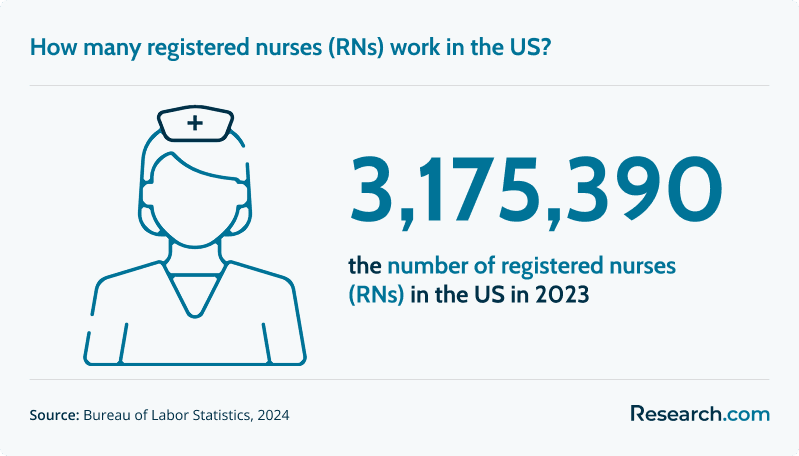
As of 2023, there are 3,175,390 registered nurses in the United States, making up a large portion of the healthcare workforce. Trauma nurses play a vital role within this group, especially in emergency and trauma care settings.
How to Become a Trauma Nurse for 2027?
Becoming a trauma nurse requires a solid foundation in nursing education, specialized certifications, and hands-on experience. Below, we’ll break down the key educational pathways and the next steps in training and certification needed to pursue a career in trauma nursing.
Educational Requirements
To become a trauma nurse, you must first become a registered nurse (RN). This involves completing an accredited nursing program and passing the NCLEX-RN exam. Aspiring nurses typically choose between an Associate Degree in Nursing (ADN) or a Bachelor of Science in Nursing (BSN). While both degrees allow you to sit for the NCLEX-RN exam, a BSN is often preferred by employers and offers more career advancement opportunities, particularly in trauma care.
For those with an ADN, fast track RN to BSN online programs offer a convenient option to further their education while continuing to work as an RN. These programs are flexible and provide the necessary credentials to compete in higher-level nursing roles, including those in trauma care.
Certification and Training Pathways
Once you have your RN license, pursuing specialized certifications and training can greatly enhance your qualifications for trauma nursing. These credentials, along with hands-on experience in trauma care settings, are key to advancing in this field. In the next section, we will dive deeper into the most relevant certifications and training programs for trauma nurses and explore how these can help you excel in this challenging but rewarding profession.
What are the best certificates for trauma nurses?
While certification is not mandatory to work as a trauma nurse, it is highly beneficial. Specialized certifications not only enhance your skills but also improve your credentials, increase your job opportunities, and allow you to stand out in the competitive field of trauma nursing. These certifications demonstrate expertise, which is particularly valuable in high-pressure trauma care settings where specific skills are essential.
Key Trauma Nursing Certifications
- Trauma Nursing Core Course (TNCC): This certification is offered by the Emergency Nurses Association (ENA) and is one of the most recognized credentials for trauma nurses. It focuses on the immediate assessment and management of trauma patients, emphasizing critical care and trauma team collaboration.
- Certified Emergency Nurse (CEN): Administered by the Board of Certification for Emergency Nursing (BCEN), the CEN is designed for nurses working in emergency and trauma care settings. It demonstrates a comprehensive understanding of emergency nursing principles, from trauma to cardiac arrest.
- Advanced Cardiovascular Life Support (ACLS): While not trauma-specific, ACLS certification is important for trauma nurses. It covers the management of patients experiencing life-threatening arrhythmias, a common scenario in trauma cases.
- Pediatric Advanced Life Support (PALS): For trauma nurses working with pediatric patients, PALS certification is invaluable. This certification focuses on the emergency treatment of children in critical care situations, including trauma.
- Certified Pediatric Emergency Nurse (CPEN): The CPEN certification is designed for nurses who specialize in pediatric trauma and emergency care. This credential demonstrates advanced knowledge in handling pediatric trauma patients in emergency settings.
Certification Maintenance
Once you earn these certifications, it is essential to maintain them through periodic continuing education and recertification exams. This ensures you stay updated on the latest trauma care protocols, techniques, and best practices. Additionally, some certifications require a certain number of hours of trauma nursing practice to retain eligibility.
Although these certifications are not required to work as a trauma nurse, they significantly improve your qualifications and may lead to higher-paying positions and more specialized roles within trauma care. Continuing education and certification help you stay competitive and provide the best care for your patients.
What are the essential skills for a trauma nurse?
Trauma nursing demands a unique set of skills that are crucial for providing immediate, high-quality care to critically ill or injured patients. The fast-paced and high-stress nature of trauma care requires nurses to possess both technical and interpersonal abilities. A trauma nurse must be able to quickly assess a patient's condition, prioritize care, and act decisively—all while maintaining a calm and composed demeanor in the face of potentially life-threatening situations.
Essential Skills for Trauma Nurses
- Critical thinking and decision-making: Trauma nurses must be able to assess a patient's condition rapidly and make sound decisions based on limited information. This skill is essential for prioritizing care and responding to changes in a patient's status.
- Advanced clinical knowledge: In-depth knowledge of trauma, anatomy, physiology, and emergency care procedures is necessary. Trauma nurses need to stay up to date with the latest protocols and evidence-based practices.
- Ability to work under pressure: Trauma environments can be fast-paced and chaotic, requiring nurses to stay focused and effective under pressure. They must remain composed, even in life-or-death situations, to ensure the best care for patients.
- Excellent communication skills: Whether interacting with patients, families, or the healthcare team, effective communication is critical. Trauma nurses must relay information clearly, both in emergencies and when explaining complex medical situations to patients and their families.
- Physical stamina: Trauma nurses are often on their feet for long hours and may need to move patients or equipment quickly. Physical endurance and strength are essential for managing the physical demands of the job.
- Teamwork and collaboration: Working as part of a multidisciplinary team is crucial in trauma care. Trauma nurses must be able to collaborate with physicians, surgeons, paramedics, and other healthcare professionals to ensure coordinated and comprehensive patient care.
- Emotional resilience: The nature of trauma nursing means dealing with life-threatening situations, including fatalities. Trauma nurses must manage their own emotions while providing support to families and colleagues in high-stress situations.
The essential skills for trauma nurses go beyond technical expertise. Effective communication, critical thinking, and emotional resilience are all just as important in delivering the best care for trauma patients. Building these skills will not only help you succeed in trauma nursing but also position you for advancement in this high-stakes and rewarding field.
Where can I work as a trauma nurse?
Trauma nurses have a variety of work settings to choose from, depending on their interests and career goals. These settings vary from fast-paced emergency departments to specialized trauma centers. Each environment offers unique challenges and opportunities for growth. Nurses with paramedic experience, for example, may find themselves especially well-suited for certain trauma care settings due to their background in emergency response and patient stabilization. Whether you're drawn to a hospital setting or an outpatient facility, there are multiple paths available for trauma nurses to explore.
Work Settings for Trauma Nurses
- Emergency Departments (EDs). Many trauma nurses begin their careers working in emergency rooms, where they are at the front lines of trauma care. The ED is a fast-paced, high-stress environment that requires quick thinking and a high level of expertise. Trauma nurses in EDs must manage a wide variety of cases, from minor injuries to life-threatening conditions.
- Trauma Centers. Specialized trauma centers are hospitals or facilities equipped to handle severe and life-threatening injuries. Trauma nurses in these centers often work in dedicated trauma units and are part of multidisciplinary teams that provide advanced care to critically injured patients.
- Intensive Care Units (ICUs). Trauma nurses may also work in ICUs, particularly in hospitals that specialize in trauma care. In the ICU, trauma nurses are responsible for providing continuous care to patients who are recovering from major trauma, often requiring complex medical interventions.
- Air Ambulance and Transport Services. Trauma nurses with paramedic experience or training may find roles in air ambulance or transport services, where they assist in stabilizing and transporting critically ill or injured patients. The paramedic to RN bridge program can be particularly valuable for nurses transitioning from a paramedic background to a full RN role, as it provides the skills needed for these high-pressure environments.
- Urgent Care Centers. Though typically less intense than emergency departments, urgent care centers treat patients with non-life-threatening injuries and conditions. Trauma nurses in urgent care settings handle a variety of injuries that may not require a full emergency room intervention but still need skilled care.
- Military and Veteran Hospitals. Military trauma nurses work in environments that require them to treat service members and veterans who have sustained traumatic injuries, often from combat or military-related activities. These settings demand specialized knowledge and the ability to work in high-pressure situations.
- Home Health Care. While less common, some trauma nurses work in home health care, providing rehabilitation and recovery services for patients with chronic conditions or post-trauma recovery needs. Nurses in this setting may help patients regain functionality after an injury.
Trauma nurses have a range of work settings available to them, from emergency departments to specialized trauma centers and air ambulance services. The diversity of these settings offers numerous opportunities for growth, especially for those with a paramedic background.
In general, nurses in the US find employment in a variety of industries, with general medical and surgical hospitals employing the largest number of registered nurses (RNs), followed by outpatient care centers and home health services. These industries offer varying salary levels, with general medical and surgical hospitals averaging $96,830 annually and outpatient care centers providing an average salary of $102,640. For trauma nurses, the choice of work setting is pivotal to shaping their career trajectory and job satisfaction.
What is a typical day like for a trauma nurse?
Trauma nurses play a critical role in emergency care, with a fast-paced, high-stakes environment where no two days are alike. Their days are spent providing immediate care to patients in trauma situations, requiring quick decision-making and a strong ability to handle pressure. The setting is typically an emergency room or trauma center, where patients with serious injuries or life-threatening conditions arrive unexpectedly, requiring rapid intervention.
Key Responsibilities and Daily Duties
- Assessing and prioritizing patient care. Trauma nurses constantly evaluate patient conditions, determine the severity of injuries, and make quick decisions about treatment priorities. They work closely with other medical professionals to ensure the best outcomes.
- Administering emergency treatments. Whether it’s starting IV lines, administering medications, or preparing patients for surgery, trauma nurses are hands-on in delivering life-saving interventions.
- Monitoring vital signs. Constant monitoring of patients’ vital signs is crucial, as conditions can change quickly, and trauma nurses need to act immediately if any issues arise.
- Assisting in surgical procedures. In some cases, trauma nurses assist in the operating room, providing support to surgeons and other medical staff during emergency surgeries.
- Providing emotional support. Trauma nurses also offer psychological support to patients and their families, helping them navigate the stress of a traumatic injury.
- Documenting patient progress: Accurate documentation is key to patient care, so trauma nurses keep thorough records of treatments, medications, and patient status.
A typical day takes place in high-pressure environments, such as trauma bays in emergency departments or specialized trauma centers. The atmosphere is often intense, with multiple patients requiring attention simultaneously. Trauma nurses work with a team of doctors, surgeons, and other medical staff, all focused on delivering care in the most time-sensitive manner.
While the work is demanding, it’s also highly rewarding for those who thrive in fast-paced, life-critical situations.
What are the challenges for trauma nurses?
Trauma nursing is an incredibly demanding specialty. While trauma nurses are essential in providing urgent care, they face numerous challenges that can take a toll both physically and emotionally. The fast-paced nature of the work, combined with staffing shortages and the high demands of the job, makes this profession particularly taxing.
Key Challenges in Trauma Nursing
- High-pressure work environment: Trauma nurses work in high-stress settings, where decisions need to be made rapidly, and patients' lives often hang in the balance. The responsibility of triaging critical cases while managing multiple patients simultaneously can be overwhelming.
- Risk of burnout: The emotional and physical demands of trauma nursing are considerable, with long shifts and the constant need for alertness. Many trauma nurses face burnout due to the continuous exposure to trauma and stress, leading to a higher turnover rate in some areas.
- Staff shortages: The nursing industry, including trauma care, is facing staffing shortages. A shortage of qualified trauma nurses can lead to increased workloads, higher stress levels, and the potential for compromised care.
- Emotional toll: The nature of trauma care means that nurses frequently deal with critical or life-threatening injuries. Over time, this emotional exposure can lead to burnout or compassion fatigue, particularly when dealing with the aftermath of tragic events.
- Physical demands: Trauma nurses often need to perform physically taxing tasks such as lifting patients, assisting with intubations, and standing for long periods, which can lead to physical strain and fatigue.
Trauma nurses may not always be the highest paid nurses in the healthcare system, but they frequently work alongside some of the highest-paid professionals, such as trauma surgeons and specialists. This provides valuable learning opportunities but can also place added pressure on trauma nurses to perform at the highest level.
How much can I earn as a trauma nurse?
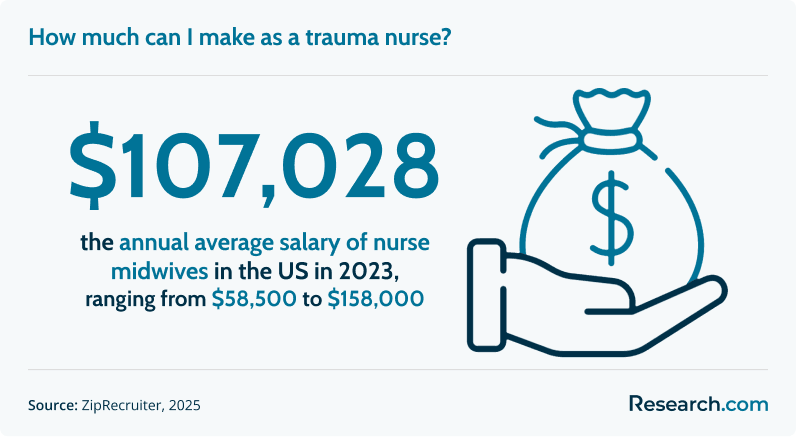
The salary for trauma nurses can vary significantly based on factors such as experience, location, and education. On average, trauma nurses can expect to earn around $107,028 annually in 2025, with salaries ranging from $58,500 to $158,000 depending on their expertise and the healthcare facility they work for. For comparison, registered nurses (RNs) in general earned an average of $94,480 in 2023, with salaries ranging from $63,720 to $132,680.
Pursuing advanced education, such as enrolling in nursing programs online to obtain higher credentials, can open doors to higher-paying opportunities. For trauma nurses, advanced certifications or degrees could lead to increased earning potential and a wider range of career options.
How can advanced educational programs empower trauma nurses?
Trauma nurses looking to expand their clinical expertise and leadership capabilities can benefit from targeted advanced education programs. Pursuing higher degrees not only deepens specialized knowledge and technical skills but also offers access to innovative clinical practices and research opportunities. For example, enrolling in RN to nurse practitioner programs enables nurses to bridge the gap between hands-on trauma care and advanced clinical decision-making roles. This additional education supports a seamless transition into roles that demand a higher degree of autonomy and specialized care in fast-paced trauma settings.
What are emerging trends in trauma nursing?
Emerging trends in trauma nursing are reshaping clinical practice and professional development. Innovative simulation-based training programs are enhancing the ability to manage critical cases, while the integration of telemedicine is expanding access to expert consultations in real time. Data analytics and precision medicine are increasingly influencing treatment protocols, and there is a growing emphasis on digital competency and interdisciplinary collaboration to improve patient outcomes. Advanced educational options, such as accelerated FNP programs online, further support nurses in adapting to these evolving practices and expanding their roles within trauma care.
Can trauma nurses benefit from pursuing an advanced practice degree?
Trauma nurses are uniquely positioned to transition into advanced practice roles, leveraging their high-pressure clinical experience into opportunities that offer greater autonomy, expanded responsibilities, and improved earning potential. Pursuing an advanced degree enables these professionals to move into roles where strategic decision-making and comprehensive patient management are pivotal. Such programs integrate advanced clinical skills with leadership and management training, offering a streamlined path toward roles like nurse practitioner. For those considering this transition, exploring affordable online nurse practitioner programs can provide an efficient and flexible option to further their education while continuing to work in demanding trauma settings.
How can trauma nurses manage stress and avoid burnout?
Trauma nursing requires sustained resilience in high-pressure situations. To alleviate occupational stress and prevent burnout, trauma nurses should implement structured self-care practices such as mindfulness, regular physical activity, and participation in peer support programs. Professional counseling and debriefing after high-intensity shifts are also effective strategies for maintaining mental well-being. Additionally, further education—like pursuing an online RN to BSN no clinical program—can offer fresh perspectives and stress management techniques tailored for healthcare settings.
What are the legal and ethical challenges in trauma nursing?
Trauma nurses operate in high-pressure environments where split-second clinical decisions often intersect with complex legal and ethical standards. They must accurately document patient care, adhere to stringent confidentiality regulations, and manage informed consent—even under urgent conditions where ethical dilemmas, such as triaging care based on limited resources, arise. Understanding state and federal guidelines as well as institutional policies is crucial for mitigating legal risks and ensuring ethical practices in patient management. Pursuing further education, including options like the top accelerated BSN programs online, can reinforce knowledge of legal responsibilities and ethical frameworks that are essential for sustaining professional integrity and patient trust in trauma care.
How does continuous education impact success in trauma nursing?
Continuous education equips trauma nurses with up-to-date clinical practices and emerging technologies essential for optimal patient care during critical situations. By engaging in targeted learning opportunities such as advanced workshops, simulation training, and online academic programs, practitioners can refine decision-making skills and enhance leadership potential without disrupting their professional routines. Flexible opportunities, including self-paced RN to BSN degree programs, facilitate a structured yet adaptable approach to lifelong learning, ensuring trauma nurses remain competitive and effective in rapidly evolving healthcare environments.
How can direct entry NP programs online accelerate my career transition?
Direct entry NP programs online offer trauma nurses a streamlined path to advanced practice roles by integrating enhanced theoretical knowledge with targeted clinical training. These programs focus on areas such as advanced emergency care, critical decision-making, and evidence-based practice, which are pivotal in high-pressure trauma settings. By building leadership skills and expanding clinical competencies, nurses can transition smoothly into nurse practitioner roles that emphasize both patient care and strategic management. For further educational opportunities tailored to this transition, consider exploring our guide on direct entry NP programs online.
What is the job outlook for trauma nurses?
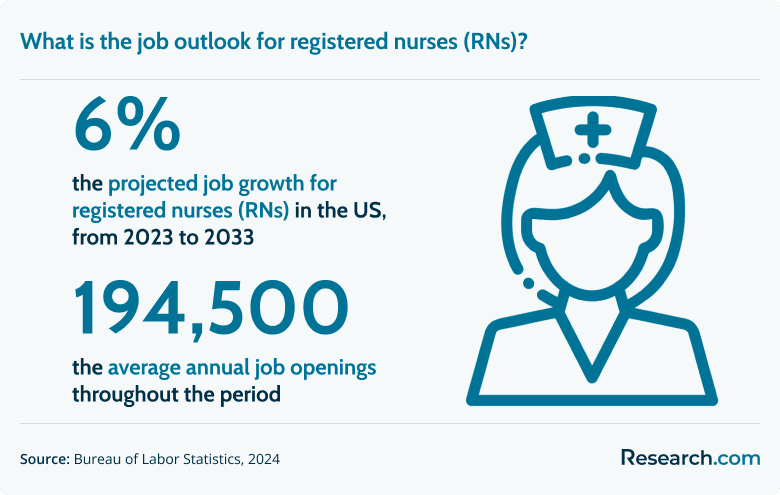
The job outlook for trauma nurses is closely aligned with the overall demand for registered nurses (RNs) in the United States. From 2023 to 2033, the nursing profession is expected to grow by 6%, with an average of 194,500 job openings annually. As the healthcare industry continues to expand and the population ages, the demand for specialized nurses, including trauma nurses, is likely to increase, ensuring strong career prospects in this field.
What career paths are available for trauma nurses?
Trauma nurses have several career paths available to them, offering opportunities for specialization and leadership. Below are some potential directions they can pursue:
Career Paths for Trauma Nurses
- Trauma nurse coordinator. A role that focuses on overseeing and coordinating patient care in trauma units. This involves working closely with doctors, other nurses, and staff to ensure high-quality care.
- Trauma nurse practitioner. For nurses who advance to become advanced practice registered nurses (APRNs), this role includes diagnosing and treating patients with traumatic injuries, often in collaboration with physicians.
- Clinical nurse educator. Some trauma nurses shift into education, training new nurses or offering specialized education about trauma care to enhance skills across healthcare teams.
- Nurse manager or director. Experienced trauma nurses may step into leadership roles within trauma departments, overseeing nursing staff, budgets, and strategic planning.
- Trauma research specialist. Nurses interested in research may specialize in trauma care research, contributing to studies that improve patient outcomes and the quality of trauma care.
- Trauma team leader. In fast-paced emergency situations, trauma nurses can move into leadership positions where they help guide the trauma team through complex and critical care situations.
As you explore potential career paths in trauma nursing, you might wonder: are online nursing degrees respected? The answer is yes—online nursing degrees are widely accepted and can provide nurses with the flexibility they need to advance their careers. With these degrees, you can specialize further, pursue leadership roles, or take on more specialized positions within trauma care. Continuing your education through online programs opens many doors to career advancement in trauma nursing.
How can I advance my career as a trauma nurse?
Advancing your career as a trauma nurse involves gaining additional education, certifications, and leadership experience. Below are several key ways you can grow in this field:
- Pursue higher education. Many trauma nurses enhance their careers by earning advanced degrees such as a Master of Science in Nursing (MSN). This provides opportunities for roles in trauma care management or specialized clinical positions.
- Specialize with acute care. One significant pathway for career advancement is completing online acute care nurse practitioner programs. These programs can prepare you to manage complex trauma cases and take on advanced clinical responsibilities, such as caring for critically ill trauma patients or managing trauma teams.
- Gain certifications. Earning additional certifications, such as Certified Emergency Nurse (CEN) or Trauma Nurse Specialist (TNS), can help differentiate you from other nurses and increase your expertise in trauma care.
- Seek leadership roles. With additional experience and education, you can move into leadership positions like Trauma Nurse Coordinator or Trauma Program Manager, roles that allow you to oversee trauma protocols and lead teams of nurses and other healthcare professionals.
- Engage in continuing education. Staying updated with the latest advancements in trauma care is essential. Enrolling in workshops, attending seminars, or engaging in clinical research can also help you stay competitive in the field.
Pursuing these paths can help you significantly advance your career as a trauma nurse, opening doors to roles with greater responsibilities and financial rewards. As you move forward in your career, consider exploring opportunities to become an Advanced Practice Registered Nurse (APRN), such as a nurse practitioner, nurse anesthetist, or nurse midwife. These advanced roles come with substantial financial rewards. For instance, in 2023, the median annual wages for nurse practitioners reached $126,260, while nurse anesthetists earned $212,650 on average.
Here's What Practitioners Have to Say About Becoming Trauma Nurses
- Working in trauma nursing has given me a sense of purpose like no other job could. The fast-paced environment keeps me on my toes, and every shift is a chance to make a real difference. I’ve held the hands of patients in their most vulnerable moments and watched them walk out of the hospital stronger than before. The emotional highs and lows are intense, but I wouldn’t trade this career for anything. Melissa
- After years as a paramedic, I knew I wanted to take my career further, so I transitioned into trauma nursing. My experience in emergency response gave me a solid foundation, but the level of skill and decision-making required as a trauma nurse took my abilities to the next level. I love knowing that I can provide both immediate interventions and long-term care planning for critical patients. It’s been the best move for my career and personal growth. Brandon
- Trauma nursing has taught me resilience and quick thinking under pressure. You don’t have time to hesitate when a patient’s life is on the line, so every skill you learn becomes second nature. I was nervous when I first started, but the support from my team and the training I received made all the difference. Now, I can’t imagine working in any other specialty. Samantha
Key Findings
- Trauma nurses earn a competitive salary, with an average annual wage of $107,028 in 2025, ranging from $58,500 to $158,000. This is notably higher than the $94,480 average salary of registered nurses (RNs) in 2023, reflecting the specialized skills required in trauma care.
- The demand for registered nurses, including trauma nurses, remains strong, with 3,175,390 RNs employed in the US as of 2023. This workforce supports critical healthcare settings, including emergency departments where trauma nurses play a vital role.
- The job market for registered nurses is projected to grow by 6% from 2023 to 2033, creating an average of 194,500 job openings each year. This steady demand highlights ongoing opportunities for trauma nurses seeking stable employment and career advancement.
- General medical and surgical hospitals employed the highest number of RNs in 2023, with 1,749,320 nurses earning an average salary of $96,830. Trauma nurses working in these settings benefit from access to high-acuity cases and cutting-edge medical technology.
- The nursing shortage is expected to be severe in certain regions, with California projected to face a shortfall of 65,000 nurses by 2037. Meanwhile, states like North Carolina and Washington could see a 22% shortage relative to their population, emphasizing the need for skilled trauma nurses in underserved areas.
- Advanced practice registered nurses (APRNs), such as nurse anesthetists and nurse practitioners, command significantly higher salaries, with median annual wages of $212,650 and $126,260, respectively, in 2023. Trauma nurses pursuing higher education and certifications may transition into these high-paying roles for greater career growth.
References:
- Bureau of Labor Statistics. (2024). Occupational employment and wages, May 2023 - 29-1141 registered nurses. U.S. Department of Labor. Retrieved April 2, 2025, from BLS.
- Bureau of Labor Statistics. (2024). Registered nurses. U.S. Department of Labor. Retrieved April 2, 2025, from BLS.
- Jean, J. Y. (2025, January 29). How to become a trauma nurse. Indeed. Retrieved April 2, 2025, from Indeed.
- University of St. Augustine for Health Sciences. (2024, December 30). Nursing shortage: A 2024 data study reveals key insights. Retrieved April 2, 2025, from USA.edu.
- ZipRecruiter. (2025). Trauma nurse salary. Retrieved April 2, 2025, from ZipRecruiter.
Other Things You Should Know About Becoming a Trauma Nurse
To become a trauma nurse in 2027, you need to obtain Basic Life Support (BLS) and Advanced Cardiac Life Support (ACLS) certifications. The Trauma Nursing Core Course (TNCC) is also highly recommended. These certifications ensure you are prepared to handle critical situations efficiently.
Trauma nurses in 2027 must complete 20 hours of continuing education every two years to maintain their certification. These courses should cover critical care topics like emergency procedures and patient stabilizing techniques, as mandated by the Board of Certification for Emergency Nursing (BCEN).
To become a trauma nurse by 2026, start with a Bachelor of Science in Nursing (BSN) degree and obtain your RN license. Pursue certifications like the Trauma Nurse Core Course (TNCC) and consider advanced credentials such as a Certified Emergency Nurse (CEN) to enhance specialization.


