
2027 How to Become an Occupational Therapist in California

Co-Founder and Chief Data Scientist
California ranks among the top states for employment of occupational therapists, with approximately 8,000 professionals actively working in the field. The state’s growing healthcare sector and aging population drive a strong demand for qualified occupational therapists, offering competitive salaries and diverse career opportunities. Pursuing a career in occupational therapy in California not only promises job stability but also the chance to make a significant impact on patients’ lives across various settings.
This article presents a detailed, expert-backed guide on how to become an occupational therapist in California. It provides clear, step-by-step information designed to assist prospective students and graduates in navigating educational pathways, licensing requirements, and career planning with confidence and clarity.
Key Things to Know About Becoming an Occupational Therapist in California
- Complete a master's or doctoral program accredited by the Accreditation Council for Occupational Therapy Education (ACOTE), as California requires graduation from an accredited institution for licensure.
- Pass the National Board for Certification in Occupational Therapy (NBCOT) exam; California mandates passing this exam to ensure industry competency and align with national standards.
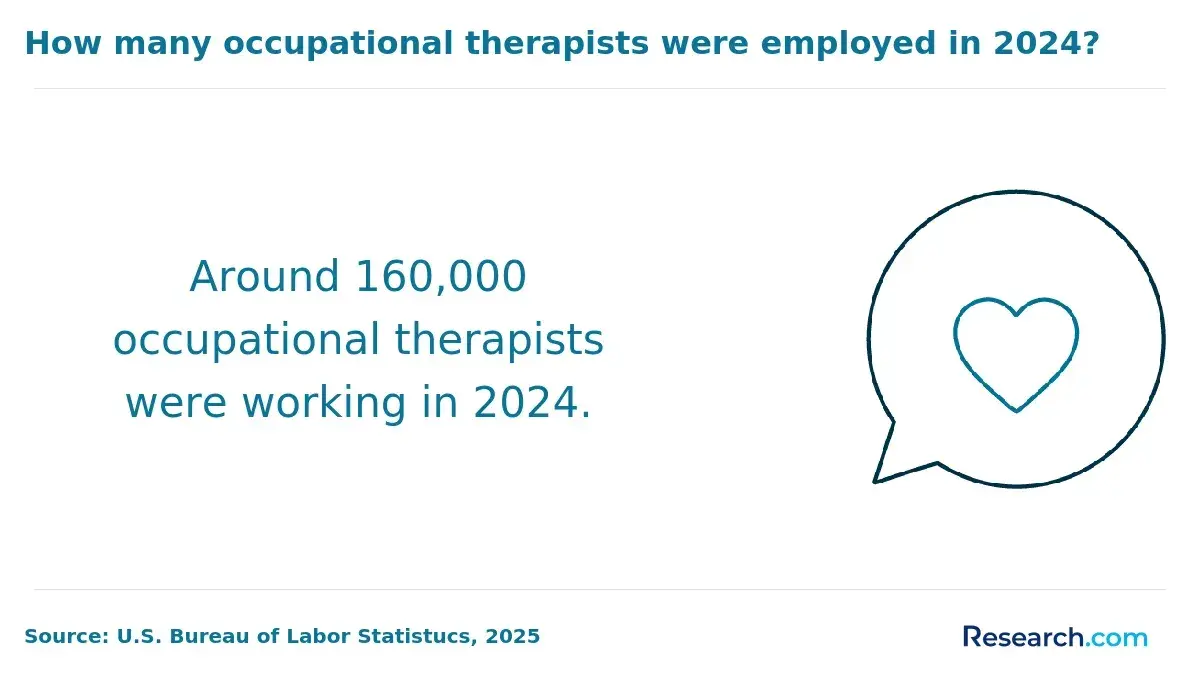
- Apply for state licensure through the California Board of Occupational Therapy, which includes submitting a background check and fulfilling continuing education requirements to maintain active status in a workforce of over 22,000 practitioners.
- What are the education requirements to become an occupational therapist in California?
- How do you get a state license to practice occupational therapy in California?
- How often do you need to renew an OT license in California?
- What continuing education is required for OT license renewal in California?
- How much does it cost to become an occupational therapist in California?
- What financial aid options are available for OT students in California?
- Can out-of-state occupational therapists work in California?
- What skills do you need to be a successful occupational therapist in California?
- What specializations are available for occupational therapists in California?
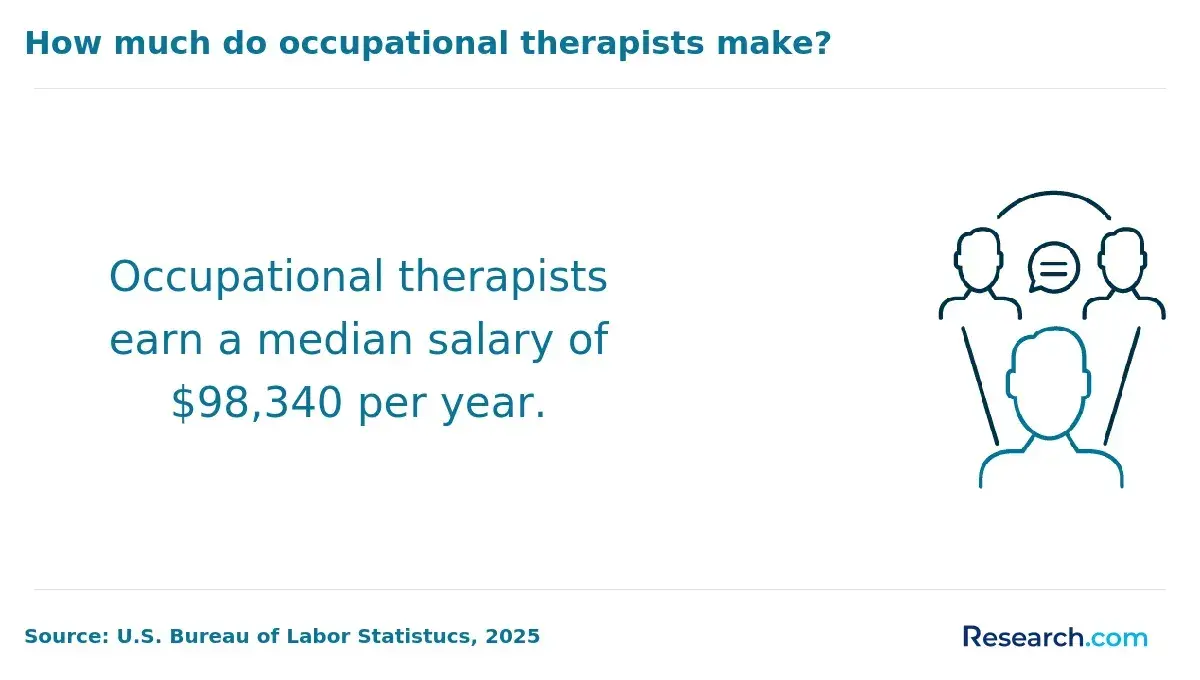
- What is the average salary of an occupational therapist in California?
What are the education requirements to become an occupational therapist in California?
Formal education is essential for preparing occupational therapists to address the multifaceted physical, emotional, and developmental challenges faced by their patients. A rigorous academic foundation provides practitioners with the scientific knowledge, clinical reasoning, and interpersonal skills necessary for effective treatment.
The education pathway in California is structured to ensure candidates are well-equipped to serve the state's diverse population and meet professional standards.
Below are the key education requirements for becoming an occupational therapist in California:
- Earn a Bachelor’s Degree: Candidates must first complete a bachelor's degree, often in psychology, biology, health sciences, or kinesiology. Although no single undergraduate major is required, prerequisite courses such as anatomy, physiology, statistics, and developmental psychology are necessary for admission to graduate programs and align with California occupational therapist degree requirements.
- Complete an Accredited Occupational Therapy Graduate Program: Enrollment in an accredited occupational therapy program in California, either a Master of Occupational Therapy (MOT) or Doctor of Occupational Therapy (OTD), is mandatory. These accredited occupational therapy programs in California cover clinical skills, patient assessment, and intervention planning, preparing students to meet professional and licensing demands.
- Fulfill Supervised Fieldwork Requirements: Graduate students must complete at least 24 weeks of full-time supervised fieldwork in clinical settings. This critical hands-on training bridges academic knowledge and real-world practice and is a prerequisite for licensure.
- Pass the National Certification Exam: To obtain licensure, graduates must pass the Occupational Therapist Registered (OTR) exam administered by the National Board for Certification in Occupational Therapy (NBCOT), validating their readiness to practice.
For those exploring healthcare education paths, understanding how long is medical billing and coding certification can provide additional perspective on related healthcare career timelines.
How do you get a state license to practice occupational therapy in California?
Obtaining a state license to practice occupational therapy in California is essential for establishing professional credibility and complying with the legal requirements necessary for safe and ethical practice. This certification ensures that occupational therapists have met rigorous standards in education, clinical experience, and examination, allowing them to work across diverse healthcare settings.
Below is an outline of the key steps involved in securing a California occupational therapy license.
- Complete an Accredited Occupational Therapy Program: Candidates must graduate from a program accredited by the Accreditation Council for Occupational Therapy Education (ACOTE) or a recognized equivalent. These programs provide the essential theoretical knowledge and clinical training needed to meet California occupational therapy license requirements.
- Accumulate Required Fieldwork Experience: California mandates a minimum of 24 weeks, typically 960 hours, of supervised fieldwork. This hands-on training under licensed therapists ensures that candidates are prepared to apply their skills effectively in real-world clinical environments.
- Pass the NBCOT Certification Examination: After education and fieldwork, candidates must pass the Occupational Therapist Registered (OTR) exam administered by NBCOT. This exam evaluates competencies critical for professional practice and is a prerequisite for applying for a state license.
- Submit a State License Application: Applicants initiate the process by registering with California’s BreEZe Online Services. Required documents include official transcripts, proof of NBCOT certification, a photo, and any necessary verification of licensure from other states. A $50 fee applies, and processing typically takes several weeks.
- Complete a Criminal Background Check: A fingerprint-based background check is mandatory to ensure public safety. California residents use Live Scan, while out-of-state applicants submit fingerprint cards, accompanied by a fee. This step screens for any disqualifying criminal history before licensure.
Following these steps carefully enables applicants to navigate the California occupational therapist licensing process successfully. For those interested in billing or administrative roles within healthcare, understanding what is expected from a medical biller and coder can also be beneficial.
How often do you need to renew an OT license in California?
License renewal is a critical process that upholds professional standards and ensures accountability among occupational therapists in California. It serves as a mechanism for practitioners to stay current with evolving regulations and best practices, safeguarding public health and promoting high-quality care. Renewing a license also reinforces the ethical responsibilities that occupational therapists carry throughout their careers.
In California, occupational therapists are required to renew their licenses biennially, meaning every two years. Renewal deadlines are aligned with the licensee’s birth month, with expiration occurring at midnight on the last day of that month. The specific renewal year—odd or even—is determined by the practitioner’s birth year. The state does not provide an official grace period for late renewals; licenses not renewed by the expiration date are deemed delinquent.
Practicing with an expired license may lead to disciplinary measures or penalties. This structured timeline ensures that therapists remain eligible to practice and actively engaged in professional development, maintaining conformity with the regulatory board’s standards and adapting to changes in the field.
Reflecting on this process, an occupational therapist from California, a graduate of a local university, shared that while the biennial renewal schedule initially felt demanding, it ultimately helped him stay disciplined in tracking his continuing education and license status.
“There’s a clear rhythm to it now,” he said, “and the reminder tied to my birth month makes it easier to plan ahead.” He noted challenges in managing documentation and meeting education requirements but emphasized that these moments fostered a deeper appreciation of the profession’s evolving responsibilities. His experience underscores the renewal system’s role not just as a bureaucratic step but as a professional checkpoint.
What continuing education is required for OT license renewal in California?
Continuing education plays a critical role for occupational therapists in maintaining their professional competence, adhering to California occupational therapy continuing education requirements, and staying informed about advancements in therapeutic techniques and regulations.
Ongoing learning helps ensure that both occupational therapists (OTs) and occupational therapy assistants (OTAs) provide effective, evidence-based care throughout their careers.
- Biennial PDU Requirement: Occupational therapists and occupational therapy assistants must complete 24 professional development units (PDUs), equivalent to 24 contact hours, every two years to renew their licenses in California. This standard maintains consistent professional growth and regulatory compliance.
- Focus on Direct OT Services: At least half of the required PDUs (12 hours) must directly relate to occupational therapy services, emphasizing education that enhances daily clinical practice and core skills development.
- Acceptable Course Providers and Formats: Continuing education can be obtained through recognized organizations like the American Occupational Therapy Association (AOTA) or the Occupational Therapy Association of California, as well as accredited academic coursework. There is no restriction on completing hours online or in-person, providing flexibility for diverse learning preferences.
- Documentation and Audit Procedures: Licensees are not required to submit continuing education proof at renewal but must retain detailed records of activities for four years in case of a board audit to verify compliance and uphold standards.
- Carryover of Excess Hours: Practitioners may carry over up to 6 excess PDUs to the next renewal period, offering some leeway for those exceeding the minimum professional development requirements within a cycle.
- Additional Requirements for OTAs and Inactives: Occupational therapy assistants follow the same renewal PDUs as OTs, while practitioners returning from inactive status after five or more years need to complete 40 PDUs within two years before reactivation. This ensures readiness to resume practice with up-to-date knowledge.
- Renewal Fees and Processing Time: The renewal fee is $220 for OTs and $180 for OTAs, with processing typically taking four to six weeks. Licenses expire on the last day of the licensee’s birth month in alternating years depending on the original issuance.
For those interested in allied health professions, exploring what is a medical billing and coding job can provide additional pathways within healthcare administration and support services, adding valuable knowledge to complement clinical skills. what is a medical billing and coding job.
How much does it cost to become an occupational therapist in California?
The total cost of becoming an occupational therapist in California varies considerably depending on factors such as the chosen educational institution, examination fees, and licensure requirements. A clear understanding of these expenses allows students to effectively plan their financial pathway and manage their investment in the profession.
- Tuition and Fees for Accredited OT Programs: Tuition for master’s or doctoral occupational therapy programs accredited by ACOTE ranges from $20,000 to $50,000 at public universities for in-state students. Private institutions typically charge between $60,000 and over $100,000, with additional costs for mandatory fees, textbooks, and supplies.
- NBCOT Exam Fee: The National Board for Certification in Occupational Therapy exam costs $515 as of 2025. Preparatory courses and study materials may add an extra $100 to $300 depending on candidate needs.
- California State Licensure Application Fee: Applicants must pay $50 for the application and $150 for the initial license through the California Board of Occupational Therapy. These fees are subject to periodic changes and exclude renewal costs.
- Background Checks and Fingerprinting: Criminal background checks and fingerprinting necessary for licensure typically cost between $50 and $100, varying by location and service providers.
- Professional Memberships: Membership in organizations such as the American Occupational Therapy Association or the Occupational Therapy Association of California is optional but recommended. Student memberships cost approximately $75 per year for AOTA and $30 per year for OTAC, providing valuable networking and education opportunities.
What financial aid options are available for OT students in California?
Graduate tuition and related expenses for occupational therapy programs in California often exceed $60,000, making financial aid essential for students to successfully pursue their education and clinical training.
This support helps bridge the financial gap, enabling students to focus on meeting licensure requirements and entering the workforce in a state with high demand for occupational therapists. Below are the common financial aid options available to OT students in California.
- Federal Grants and Loans: OT students typically begin by filing the FAFSA to determine eligibility for federal grants like the Pell Grant and student loans such as Unsubsidized Stafford Loans, which can provide up to $20,500 annually for graduate studies. These funds assist with tuition costs, fees, and living expenses for U.S. citizens and eligible non-citizens attending accredited programs.
- State Grants (Cal Grant C and Others): California residents may qualify for need-based state grants including Cal Grant C, designed to support students in technical education fields by covering tuition, books, and training expenses at approved California colleges.
- University-Based Scholarships: Many institutions, including the University of the Pacific, Dominican University of California, and USC’s Chan Division, offer merit- and need-based scholarships and awards specifically for OT students. Eligibility often requires enrollment in an accredited program and, in some cases, additional application materials.
- Professional and Association-Sponsored Scholarships: Organizations such as the American Occupational Therapy Foundation and the Occupational Therapy Association of California provide competitive scholarships, ranging from several hundred to several thousand dollars, often requiring academic achievement, references, and commitment to the profession.
- Institutional Grants (e.g., OT Futures Grant): Some schools offer targeted grants that reduce tuition costs for eligible students, such as Alliant International University’s Occupational Therapy Futures Grant, which significantly lowers tuition for qualifying full-time students in good academic standing.
- Work-Study and Assistantships: Qualifying students may participate in federal work-study programs or graduate assistantships, enabling them to earn income while gaining practical experience within academic or clinical settings. Eligibility is typically linked to FAFSA results and departmental offerings.
- Loan Forgiveness and Repayment Programs: Graduates serving in shortage or underserved communities may access loan forgiveness programs, including the Allied Healthcare Scholarship Program, which helps repay educational debt in exchange for providing care in critical-need areas across California.
Can out-of-state occupational therapists work in California?
California does not permit out-of-state occupational therapists to practice without obtaining a state license. The state is not part of the Occupational Therapy Licensure Compact, so reciprocity or direct license transfer is not possible.
Therapists licensed elsewhere must submit a full application to the California Board of Occupational Therapy, providing proof of education, completed fieldwork, and successful passage of the NBCOT exam. A background check is also mandatory, involving Live Scan fingerprinting for residents or fingerprint cards for those living out of state.
However, California offers a limited 60-calendar-day grace period allowing out-of-state occupational therapists or occupational therapy assistants to work while their application is processed. This provision helps maintain workforce continuity during credential verification. After meeting all requirements and qualifications, the license is issued and must be renewed biennially with continuing education.
When I spoke with an occupational therapist who graduated from a California university, she reflected on the complexity of navigating the licensure process when she first moved back to the state after working elsewhere.
She recalled, “Even with my California education, starting the application felt daunting because I had to ensure every piece of documentation was flawless. The 60-day grace period really eased the transition, but waiting for approval was stressful.” She emphasized how important it was to stay organized and patient throughout the process, sharing that her experience ultimately strengthened her confidence in California’s thorough licensing system and the state’s commitment to qualified care providers.
What skills do you need to be a successful occupational therapist in California?
Occupational therapists in California require a diverse set of skills to effectively support clients in regaining independence, enhancing their quality of life, and collaborating within integrated healthcare teams. The state’s demographic diversity and evolving healthcare demands necessitate expertise that extends beyond technical knowledge, fostering personalized and culturally sensitive care.
Mastering these essential skills enables therapists to navigate complex clinical environments and deliver impactful interventions. The following are key competencies vital for success as an occupational therapist in California:
What specializations are available for occupational therapists in California?
Specialization enables occupational therapists in California to develop expert knowledge and skills tailored to particular populations, conditions, or practice areas. This focused expertise not only improves the quality of care but also opens doors to advanced career opportunities in a competitive job market. Below are several common occupational therapy specializations that define California occupational therapy career paths.
- Pediatrics: Pediatric occupational therapists assist children experiencing developmental delays, autism spectrum disorders, sensory processing difficulties, and physical disabilities. They primarily work in educational settings, pediatric hospitals, outpatient clinics, and early intervention programs, helping children gain independence in play, learning, and daily activities.
- Geriatrics: Specialists in geriatrics focus on supporting older adults facing age-related challenges such as arthritis, stroke recovery, dementia, and mobility impairments. Their work environments include skilled nursing facilities, assisted living centers, home health services, and rehabilitation clinics, where they promote autonomy and improve quality of life.
- Mental Health: Mental health occupational therapists address psychiatric and emotional conditions like depression, anxiety, and severe mental illnesses. They practice in psychiatric hospitals, community mental health centers, and outpatient clinics, guiding clients in developing coping mechanisms, enhancing social participation, and managing daily routines.
- Hand Therapy: Hand therapists treat patients with injuries or conditions affecting the hands and upper extremities, including fractures, tendon repairs, and carpal tunnel syndrome. They often collaborate with surgeons and physicians in orthopedic clinics, rehabilitation centers, and private practices.
- Physical Rehabilitation: These therapists support clients recovering from injuries, surgeries, or illnesses such as stroke and spinal cord injuries. Their work settings include hospitals, inpatient rehabilitation facilities, and outpatient clinics, where they design individualized therapy programs to restore function and independence.
Additional specializations in California include neurological rehabilitation and assistive technology, contributing further to the diverse occupational therapy specializations in California. For those exploring educational options, there are also opportunities to enhance skills through free medical billing and coding classes online, which can complement healthcare career development.
What is the average salary of an occupational therapist in California?
The average salary occupational therapist California professionals earn varies widely due to experience level, work setting, and geographic location. These factors combine to shape the compensation landscape, influencing earning potential across the state. Below are key elements affecting occupational therapist salary California figures.
- Years of Experience: Entry-level occupational therapists typically earn lower wages, with hourly rates starting near $34.88, while seasoned practitioners with advanced skills and expertise can command salaries reaching up to $103 per hour. This experience-based progression reflects increased clinical competence and professional reputation.
- Type of Employer: Compensation often depends on the employer, with private agencies and specialized healthcare systems offering higher salaries. For example, Core Medical-Perm provides one of the highest average hourly rates at $68, whereas general hospital or school-based positions tend to offer less competitive pay.
- Geographic Location: Salaries fluctuate significantly across California regions. Areas such as Fair Oaks and Woodland Hills report hourly wages near $97.55 and $88.83 respectively, surpassing larger metropolitan areas like Sacramento and Los Angeles, where rates hover closer to the state average of $65.71.
- Practice Setting: Specific healthcare environments, such as home health or pediatric therapy, influence salary levels. Home health agencies may offer between $57 and $71 per hour, while niche sectors like in-home pediatric services often provide premium pay, reflecting specialized skills and service demand.
- Educational Resources: Those considering a career shift or advancement may explore opportunities through online schools for medical billing and coding with financial aid, which can complement occupational therapy practice knowledge and potentially enhance earning prospects.
What Do Occupational Therapists in California Say About Their Career?
- Carmen: "Completing my occupational therapy training at the Pacific Bay Academy truly prepared me for the dynamic environment in California schools. Starting my career in a local academic institution, I quickly realized the impact I could have on students' daily lives, helping them overcome barriers to learning and participation. California’s diverse population presents unique challenges, but also rewarding opportunities to adapt my skills creatively. Witnessing the growth of my students keeps fueling my passion and commitment to this profession. "
- Sandro: "Alejandro My journey began at the Redwood Occupational Therapy Institute, and transitioning into an academic setting allowed me to appreciate the broader influence occupational therapists have on community health. California's resources and emphasis on inclusive education have provided me with continuous professional development opportunities, elevating my expertise year after year. The personal growth I’ve experienced working with students from varied backgrounds has been profound, making this career both fulfilling and meaningful. "
- Sophia: "Graduating from Golden Horizon University was just the start of an exciting pathway that merged my love for the outdoors with occupational therapy. Working in a California school system exposed me to a vibrant culture that values well-being and adaptability. The state’s focus on holistic approaches gives me the chance to design innovative interventions incorporating the environment. This role offers a stable and supportive career while allowing me to contribute positively to the well-being of young people. "
Related Articles for Nearby States
- 2027 How to Become an Occupational Therapist in Nevada
- 2027 How to Become an Occupational Therapist in Oregon
- 2027 How to Become an Occupational Therapist in Arizona
- 2027 How to Become an Occupational Therapist in Idaho
- 2027 How to Become an Occupational Therapist in Utah
- 2027 How to Become an Occupational Therapist in Washington
- 2027 How to Become an Occupational Therapist in New Mexico
- 2027 How to Become an Occupational Therapist in Colorado
- 2027 How to Become an Occupational Therapist in Montana
- 2027 How to Become an Occupational Therapist in Wyoming
References:
- Scholarships https://www.csudh.edu/ot/students/scholarships/
- Top Skills Employers Look for in Occupational Therapists and Speech Therapists https://www.linkedin.com/pulse/top-skills-employers-look-occupational-therapists-speech-isaac-sheikh-rsruf
- OT CEU Requirements and Licensure Renewal by State https://otpotential.com/ot-continuing-education-requirements
- Doctor of Occupational Therapy (OTD) Tuition and Aid | Dominican University of California https://www.dominican.edu/admissions/tuition-and-financial-aid/total-cost-attendance/graduate-tuition-and-aid/doctor-occupational-therapy-otd-tuition-and-aid
- Board of Occupational Therapy https://www.bot.ca.gov/
- USC Chan Division of Occupational Science and Occupational Therapy https://chan.usc.edu/education/entry-level-otd/cost-of-attendance
- California Foundation for Occupational Therapy - Occupational Therapy Schools in California https://www.cfot.org/scholarships-traineeships/occupational-therapy-schools-in-california/
- How to Become an Occupational Therapist in California https://www.alliant.edu/blog/how-to-become-an-occupational-therapist-in-california
- AOTF > Scholarships https://www.aotf.org/scholarships
- How to Become an Occupational Therapy Assistant in CA | ACC https://americancareercollege.edu/guides/how-to-become-an-occupational-therapy-assistant-in-california
Other Things You Need to Know About Becoming an Occupational Therapist in California
To become a licensed occupational therapist in California in 2027, candidates must pass the NBCOT exam after earning an accredited OT degree. They also need to fulfill supervised fieldwork requirements and submit a license application to the California Board of Occupational Therapy.
Becoming a licensed Occupational Therapist (OT) in California typically takes about six to eight years, starting with obtaining a bachelor's degree followed by a master's or doctoral degree in occupational therapy, which usually requires two to three years. After completing the educational requirements, candidates must pass the National Board for Certification in Occupational Therapy (NBCOT) exam and fulfill the California Board of Occupational Therapy’s application and licensing procedures.
Additional time may be needed for supervised fieldwork and processing licensing paperwork, which can take several months. Overall, the process is comprehensive, ensuring candidates are well-prepared to practice safely and effectively in California.
To get into an OT school in California in 2027, you'll typically need college-level courses in biology, psychology, anatomy, and physiology. Some schools might also require statistics or medical terminology to ensure students have foundational knowledge for the program.


