
2027 How to Become an Occupational Therapist in Ohio

Co-Founder and Chief Data Scientist
Ohio’s demand for occupational therapists is projected to grow by 18% over the next decade, outpacing the national average. This surge reflects increasing healthcare needs among aging populations and expanded roles in rehabilitation and mental health.
Professionals in this field can expect competitive salaries combined with opportunities in diverse settings such as hospitals, schools, and community centers. Pursuing this career in Ohio offers both stability and the chance to impact emerging healthcare trends driven by technological advancements and evolving patient care models.
This article explores the pathways to becoming an occupational therapist in Ohio, presenting detailed, expert-reviewed guidance on education, licensure, and career development. It equips prospective students and graduates with essential insights to navigate this advancing profession successfully.
Key Things to Know About Becoming an Occupational Therapist in Ohio
- Complete a Master's or Doctorate in Occupational Therapy from an accredited Ohio program, keeping in mind that Ohio has eight such institutions supporting about 400 new graduates annually.
- Pass the NBCOT national certification exam required for Ohio licensure, a crucial step as the state reported over 5,000 practicing occupational therapists in 2023, reflecting strong workforce demand.
- Obtain and renew an Ohio state license through the Ohio Occupational Therapy, Physical Therapy, and Athletic Trainers Board, anticipating future regulatory updates aligning with telehealth and digital therapy trends.
- What are the education requirements to become an occupational therapist in Ohio?
- How do you get a state license to practice occupational therapy in Ohio?
- How often do you need to renew an OT license in Ohio?
- What continuing education is required for OT license renewal in Ohio?
- How much does it cost to become an occupational therapist in Ohio?
- What financial aid options are available for OT students in Ohio?
- Can out-of-state occupational therapists work in Ohio?
- How Can You Advance Your Occupational Therapy Career in Ohio?
- What skills do you need to be a successful occupational therapist in Ohio?
- What specializations are available for occupational therapists in Ohio?
- What is the average salary of an occupational therapist in Ohio?
What are the education requirements to become an occupational therapist in Ohio?
Formal education is crucial for preparing occupational therapists to meet the multifaceted physical, emotional, and developmental needs of their patients. This education combines rigorous academic study with practical experience, equipping therapists with advanced knowledge and skills for evidence-based practice.
Looking ahead, evolving healthcare demands and emerging technologies may further shape the educational pathways in Ohio. Below are the typical education requirements for becoming an occupational therapist in Ohio:
- Earn a Bachelor’s Degree: Candidates must complete a bachelor’s degree before enrolling in graduate programs. While the degree can be in any field, courses in biology, psychology, or health sciences are often recommended to satisfy prerequisites and build a strong foundational knowledge.
- Complete an ACOTE-Accredited Graduate Program: Prospective therapists must graduate from an Accreditation Council for Occupational Therapy Education (ACOTE)-accredited master’s or doctoral program. Six Ohio institutions currently offer such programs, reflecting growing interest in advanced doctoral training that emphasizes research and leadership development.
- Fulfill Supervised Fieldwork Requirements: Graduate programs require at least six months of Level II Fieldwork under a licensed occupational therapist’s supervision. This hands-on clinical training develops practical skills vital to effective patient care.
- Pass the National Certification Exam: Graduates must successfully complete the National Board for Certification in Occupational Therapy (NBCOT) exam with a minimum score, securing their national certification and eligibility for Ohio state licensure.
- Meet Additional State Requirements: Ohio mandates passing a jurisprudence exam, a criminal background check, and ongoing continuing education to maintain licensure, ensuring therapists stay current in best practices.
As occupational therapy evolves, future educational models might incorporate more interdisciplinary courses and digital health competencies. Those considering the field also might explore accelerated pathways similar to how long does it take to complete medical billing and coding programs to optimize their training time.
How do you get a state license to practice occupational therapy in Ohio?
Obtaining a state license is a pivotal milestone for anyone aiming to become an occupational therapist in Ohio, as it not only grants legal authorization to practice but also establishes professional credibility in a field experiencing steady growth.
Meeting Ohio occupational therapist license requirements ensures that practitioners adhere to strict standards designed to protect public health while enhancing career opportunities. The process involves several key steps to secure a license to practice responsibly and confidently.
To navigate how to apply for an Ohio OT license, consider the following essential steps:
- Graduate from an ACOTE-Accredited Program: Completing an educational program accredited by the Accreditation Council for Occupational Therapy Education is mandatory. Ohio offers several accredited institutions, and candidates typically earn a bachelor’s or master’s degree covering human sciences, occupational therapy theory, and practical skills.
- Complete Supervised Fieldwork Experience: Aspiring therapists must participate in at least six months of supervised fieldwork within an approved clinical or educational setting, gaining hands-on experience under licensed professionals.
- Pass the NBCOT Certification Examination: The Occupational Therapist Registered exam assesses clinical and theoretical knowledge. Achieving a passing score is required before finalizing licensure; applications may be submitted prior but cannot be approved until exam passage.
- Submit an Application to the Ohio OTPTAT Board: Through the official Ohio eLicense portal, candidates submit their application with a $100 fee, transcripts, and NBCOT certification verification. Early applications before exam results expire after one year if not completed.
- Undergo a Criminal Background Check: Ohio law mandates fingerprint submission for an FBI criminal records check to ensure safety and compliance in healthcare practice.
- Pass the Ohio Jurisprudence Exam: Candidates must demonstrate knowledge of Ohio-specific occupational therapy laws and regulations by passing this exam with a score of at least 90 percent.
- Provide Verification of Previous Licensure (if applicable): For those previously licensed in other states, official verification is necessary to confirm credentials and disciplinary history, facilitating smooth license transfer or endorsement.
As demand for occupational therapists grows, staying informed about developments such as innovative educational models or credentialing changes—similar to emerging trends in related healthcare fields like types of medical billers and coders—will be increasingly important.
How often do you need to renew an OT license in Ohio?
Maintaining an active occupational therapy license in Ohio is essential to uphold high professional standards and ensure accountability within the field. This process helps occupational therapists stay aligned with evolving clinical best practices, legal requirements, and ethical guidelines, ultimately protecting the public and promoting quality care.
Regular license renewal also serves as a checkpoint for therapists to validate their ongoing education and professional development, fostering continuous improvement and competency.
In Ohio, occupational therapists are required to renew their licenses every two years, specifically on June 30 of odd-numbered years. The renewal window opens on April 1 prior to the expiration date, providing a limited time frame to complete necessary steps such as submitting renewal applications, paying fees, and verifying continuing education credits.
Ohio enforces these deadlines strictly, with no grace period or option for late renewal, so licenses expire automatically if not renewed on time. This strict schedule ensures that therapists maintain their eligibility to practice lawfully and remain current with state regulations and professional standards, including mandatory continuing education focused on ethics and mental health topics.
When discussing how often you need to renew an OT license in Ohio, an occupational therapist from Ohio, who graduated from a local university, shared his experience: “The two-year cycle keeps you consistently engaged with professional requirements, but the exact deadline felt daunting at first.”
He recalls carefully tracking continuing education hours and preparing his renewal application well before the April start date. “Missing the June 30 deadline isn’t an option—knowing there’s no late period makes you extra vigilant.” Despite the pressure, he finds the process rewarding, noting that it reinforces a disciplined approach to staying informed and connected with the profession’s evolving landscape.
What continuing education is required for OT license renewal in Ohio?
Continuing education plays a critical role for occupational therapists in Ohio, helping them maintain professional competence, meet evolving state standards, and stay updated on the latest therapeutic strategies.
This commitment ensures therapists are equipped to deliver high-quality care while navigating changes in regulations and healthcare trends. As future demands shift, the Ohio occupational therapy CEU requirements may increasingly incorporate innovative learning formats and emerging subject areas.
- License Renewal Hours: Occupational therapists (OTs) and occupational therapy assistants (OTAs) in Ohio must complete a minimum of 20 contact hours of continuing education every two years. This is essential for license renewal, with cycles typically ending on June 30 of odd years for OTs and even years for OTAs. The initial renewal after licensure does not mandate continuing education, but reinstated licenses have specific hour requirements.
- Focused Course Topics: Among the required hours, at least one must cover ethics, jurisprudence, or cultural competence, and another must address mental health or substance use education. Standard employment topics, such as CPR or HIPPA, do not count toward these requirements. Looking forward, expanding coursework could include telehealth or digital therapeutics as the field evolves.
- Reporting and Documentation: Licensees must keep documentation proving completion of their continuing education hours for two years post-renewal and may be randomly audited. Efficient digital tracking systems could soon streamline such processes, allowing real-time reporting and enhanced compliance verification.
- Requirements for OTAs: OTAs follow the same continuing education mandates as OTs without additional specific requirements. This equivalency reflects the evolving role of OTAs, who might see future tailored educational opportunities reflecting their expanding responsibilities.
- Reinstatement Education: For licenses reinstated after being inactive, requirements vary: if valid for less than 12 months, 10 contact hours are needed, including one in ethics or jurisprudence; if valid longer, the full 20 hours apply. These provisions ensure returning professionals update their knowledge accordingly.
As occupational therapy adapts to technological advancements and healthcare integration, staying current with Ohio OT continuing education requirements ensures practitioners not only comply but also enhance their expertise. This dynamic landscape may eventually intersect with other fields—for instance, professionals curious about related areas like what is medical billing and coding—to further enrich their practice and administration skills.
How much does it cost to become an occupational therapist in Ohio?
The total cost of becoming an occupational therapist in Ohio varies widely based on educational choices, examination fees, and licensure requirements. Anticipating these expenses allows students to plan more strategically as evolving program structures and industry standards may influence future costs.
- Tuition and Program Fees: Tuition is the most significant cost, with community college OTA programs typically ranging from $7,600 to $9,400. Master’s and Doctoral level programs in Ohio universities generally require an investment between $63,000 and $90,000, covering tuition and mandatory fees over 2–3 years.
- NBCOT Exam Fees: The National Board for Certification in Occupational Therapy exam currently costs $540 for online registration and $595 for paper applications. Future digital advancements might streamline testing options, possibly affecting fee structures.
- State Licensure Costs: Ohio charges a $100 application fee for occupational therapy licensure. Ongoing renewal fees and compliance expenses are additional considerations, with trends leaning toward more frequent regulatory updates.
- Background Checks and Compliance: Students face $75 to $130 annually for background screenings and fingerprinting, plus extra costs for health screenings and CPR certification. Heightened safety protocols may increase these fees over time.
- Professional Memberships: Joining organizations like the American Occupational Therapy Association typically costs between $75 and $100 annually. Memberships can offer valuable career resources, and their importance is likely to grow as networking and advocacy expand.
What financial aid options are available for OT students in Ohio?
Financial aid plays a critical role in enabling occupational therapy students in Ohio to manage the expenses linked to their education and training. With rising tuition costs and living expenses, accessing diverse funding sources helps reduce financial barriers for aspiring therapists. Below are key financial aid options commonly available to support these students:
- Federal and State Grants: These grants are awarded based on financial need, with federal options like the Pell Grant available nationwide. Ohio also provides limited state grants, particularly for graduate-level programs, helping reduce overall educational costs when students complete the FAFSA application.
- Student Loans: Many OT students turn to federal student loans to cover remaining tuition and fees. These loans feature varied interest rates and repayment plans, and financial aid offices in Ohio institutions often assist students in choosing the best options and managing repayment strategies.
- University-Based Scholarships: Ohio universities, including flagship institutions, offer scholarships based on academic merit or specific criteria. These awards can significantly offset costs but may require additional applications and maintaining certain eligibility standards.
- AOTF Scholarships: The American Occupational Therapy Foundation provides over 50 scholarships annually, ranging widely in amount to support full-time students in accredited OT programs. These scholarships not only ease financial pressures but also encourage professional growth.
- Ohio Occupational Therapy Association Scholarships: Available to Ohio residents enrolled in accredited programs, these awards prioritize financial need and academic achievement. Membership in the association is typically required, fostering a sense of professional community.
- Rosa Hartsook Memorial Scholarship: This specialized scholarship targets occupational therapists and assistants pursuing post-professional education in Ohio, supporting advanced training and career development within the state.
- Choose Ohio First Scholarships: Part of a statewide STEM initiative, these scholarships offer substantial financial incentives including partial to full tuition coverage, helping attract students to healthcare fields like occupational therapy.
Can out-of-state occupational therapists work in Ohio?
Out-of-state occupational therapists can practice in Ohio, but they must obtain a valid Ohio state license through a process called licensure by endorsement. This requires submitting an online application, verifying current licensure in another state, and meeting specific educational and certification standards.
Additional steps may include background checks, official transcripts, and proof of recent practice or continuing education. While Ohio participates in the Occupational Therapy Licensure Compact, enabling qualified therapists from member states to practice across states without separate licenses, full implementation is still underway. Until then, most practitioners must follow the endorsement route.
There is also a temporary seven-year license available for military members and their spouses, easing their transition if they hold valid licenses elsewhere. This evolving landscape suggests greater interstate mobility in the near future, balancing regulatory rigor with flexible access.
When I spoke with an occupational therapist from Ohio who graduated locally, she reflected on her conversations with out-of-state colleagues navigating licensure by endorsement. She noted that while the process felt daunting initially—especially gathering all necessary documentation—many found the state's guidance helpful.
“It’s a thorough system,” she said, “but once you’re through, it opens doors.” Her experience underscores how careful preparation and understanding state requirements can turn challenges into opportunities for therapists seeking to expand their practice into Ohio.
How Can You Advance Your Occupational Therapy Career in Ohio?
Occupational therapists aiming for career advancement in Ohio should pursue strategic professional development and interdisciplinary collaboration. Evaluating emerging leadership programs, expanding clinical competencies through advanced certifications, and leveraging mentorship opportunities can open new pathways beyond direct patient care. Investigating roles in integrated care or administrative settings and acquiring complementary skills—such as how to become a caregiver in Ohio—may further broaden career options in a competitive healthcare landscape. Regular engagement with professional associations and attendance at industry events also play critical roles in staying updated with evolving best practices and networking with influential sector leaders.
What skills do you need to be a successful occupational therapist in Ohio?
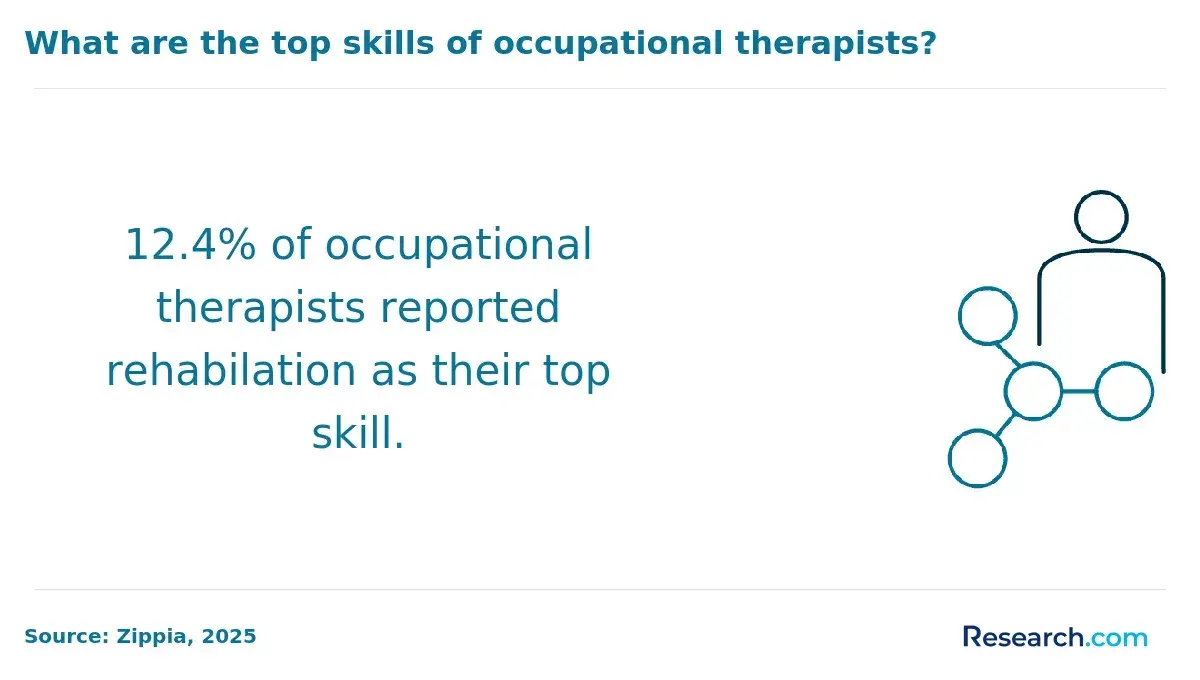
Occupational therapists in Ohio play a crucial role in helping clients regain independence, improve their quality of life, and support collaborative healthcare teams. As the healthcare landscape evolves, therapists must develop a diverse skill set to address complex client needs and adapt to new technologies and treatment approaches.
Mastery of these skills ensures therapists can deliver effective, personalized care in various clinical and community settings. The following key skills are essential for success as an occupational therapist in Ohio:
- Communication and Interpersonal Skills: Clear communication and empathy enable therapists to explain treatment plans effectively and build trust with clients and colleagues, fostering collaborative care within interdisciplinary teams.
- Empathy and Compassion: Understanding clients’ experiences and providing emotional support enhances therapeutic relationships and creates a supportive environment across Ohio’s diverse care settings.
- Problem-Solving and Critical Thinking: The ability to analyze complex situations and adapt interventions promotes timely, individualized care that addresses each client’s unique challenges.
- Technical and Clinical Expertise: A strong foundation in anatomy, therapeutic techniques, and emerging technologies ensures evidence-based treatment and compliance with Ohio licensure requirements.
- Adaptability and Emotional Resilience: Flexibility in approach and the capacity to manage stress are critical for sustaining high-quality care amid evolving client needs and workplace demands.
What specializations are available for occupational therapists in Ohio?
Specialization allows occupational therapists to develop focused expertise in specific populations, health conditions, or practice settings, leading to expanded career opportunities and a deeper impact on patient outcomes in Ohio.
By concentrating on select areas, occupational therapists can meet the evolving demands of healthcare and provide targeted interventions across diverse communities. Below are key occupational therapy specializations available in Ohio that highlight these opportunities.
- Pediatrics: This specialization supports infants, children, and adolescents facing developmental or physical challenges. Pediatric occupational therapists often work in schools, outpatient clinics, and early intervention programs, helping young clients build essential skills for daily life and education. Opportunities abound in pediatric occupational therapist jobs in Ohio, especially as educational and healthcare institutions continue emphasizing early childhood development.
- Geriatrics: Focusing on the aging population, geriatric OTs assist older adults in maintaining independence and managing chronic conditions. They typically serve patients in nursing facilities, rehabilitation centers, and home health settings, a field likely to grow with Ohio’s aging demographics.
- Mental Health: Occupational therapists in mental health improve coping, social participation, and daily function for individuals with psychiatric or emotional disorders. They work within psychiatric hospitals, community centers, and residential treatment facilities, reflecting a rising recognition of mental health’s importance across the lifespan.
- Hand Therapy: This area specializes in rehabilitation following hand, wrist, or arm injuries and often requires advanced certification. Professionals are found in outpatient clinics and hospitals, helping patients recover function after surgery or repetitive strain injuries.
- Rehabilitation: Rehabilitation OTs aid recovery from strokes, brain injuries, and other major health events. They provide intensive therapy in inpatient units and outpatient clinics, with strong demand fueled by advances in acute and post-acute care.
Expanding expertise in these areas enables occupational therapists in Ohio to adapt to shifting healthcare trends while enhancing their career prospects. For individuals interested in related healthcare fields, exploring medical billing and coding classes online can provide complementary skills valuable in clinical and administrative settings.
What is the average salary of an occupational therapist in Ohio?
Salaries for occupational therapists in Ohio are shaped by several important factors, including experience level, the type of employer, and geographic location. These elements combine to create a varied occupational therapist pay range Ohio professionals should be mindful of when considering their financial future. Below are key factors influencing these earnings.
- Years of Experience: Occupational therapists with more years on the job tend to earn significantly higher salaries. Entry-level OTs start closer to the lower end of the scale, while seasoned professionals with specialized skills can command salaries far above the average occupational therapist salary in Ohio.
- Type of Employer: Hospitals, rehabilitation centers, schools, and private practices differ in their ability to pay. Larger healthcare systems and specialty clinics often offer more competitive wages and benefits, impacting overall compensation positively compared to smaller community providers.
- Geographic Location Within Ohio: Salaries fluctuate based on whether one works in metropolitan areas like Columbus or Cleveland versus rural regions. Urban locations generally provide higher pay due to increased demand and cost of living, which balances out the higher local expenses professionals face.
- Specialized Training and Certifications: Occupational therapists who pursue advanced diagnoses or treatments often receive premium pay. Developing niche expertise within high-demand areas can open new financial avenues and career growth.
- Employment Status: Full-time roles typically come with stable salaries and benefits, while contract or travel therapists may earn higher hourly rates but fewer job perks. This distinction affects long-term financial stability.
By understanding these dynamics, those interested in becoming an occupational therapist can better plan career paths. For those curious about related healthcare roles, consider exploring becoming a certified medical coder and biller as an alternative or complementary option.
What Do Occupational Therapists in Ohio Say About Their Career?
- Amani: "Completing my occupational therapy program at Cleveland State University gave me a solid foundation rooted in both theory and practical experience. Starting my career working in a local school allowed me to directly impact children's lives, helping them overcome challenges and reach their full potential. Ohio's diverse population and resources really make every day fulfilling and unique. The support from the community and the state's emphasis on educational development have nurtured my passion and commitment to my profession. "
- Gale: "After graduating from The University of Toledo’s occupational therapy program, I began my career working with students in an academic setting. The stability and demand for occupational therapists in Ohio's school systems have allowed me to grow professionally while making a tangible difference in the well-being of young learners. I appreciate the state’s cultural richness and accessibility to various support networks, which enhance the services I provide. This journey has been both challenging and rewarding, strengthening my dedication every day. "
- Steven: "My time at Wright State University was transformative, giving me the knowledge and confidence to start my occupational therapy career in Ohio schools. I value the unique opportunities here to work with a wide range of students, especially in environments that encourage individual growth and community inclusion. Being part of a profession that fosters positive change and promotes independence in children truly resonates with my personal values. Ohio’s collaborative approach to education and therapy has also given me room for continuous professional development and leadership roles."
Related Articles for Nearby States
- 2027 How to Become an Occupational Therapist in Indiana
- 2027 How to Become an Occupational Therapist in Kentucky
- 2027 How to Become an Occupational Therapist in West Virginia
- 2027 How to Become an Occupational Therapist in Pennsylvania
- 2027 How to Become an Occupational Therapist in Michigan
- 2027 How to Become an Occupational Therapist in Illinois
- 2027 How to Become an Occupational Therapist in Virginia
- 2027 How to Become an Occupational Therapist in Tennessee
- 2027 How to Become an Occupational Therapist in North Carolina
- 2027 How to Become an Occupational Therapist in Missouri
References:
- Tri-C Occupational Therapy Program Costs: Cleveland, Ohio https://www.tri-c.edu/programs/health-careers/occupational-therapy/program-costs.html
- Renew https://www.nbcot.org/certification/renew
- Occupational therapy assistant | Stark State College | North Canton, Ohio https://www.starkstate.edu/academics/programs/occupational-therapy-assistant/
- Occupational Therapy Concentration - Owens Community College https://www.owens.edu/ota/faq/
- Occupational Therapist | Ohio Department of Education and Workforce https://education.ohio.gov/Topics/Special-Education/Related-Services/Occupational-Therapist
- Program Costs - Occupational Therapy | University of Cincinnati https://cahs.uc.edu/academic-programs/graduate-programs/occupational-therapy/program-costs.html
- Ohio - AOTF Scholarship - BigFuture Scholarship Search https://bigfuture.collegeboard.org/scholarships/ohio---aotf-scholarship
- GA/Scholarships | Cleveland State University https://health.csuohio.edu/occupational-therapy/gascholarships
- Doctor of Occupational Therapy (OTD) Professional Licensure Disclosures https://www.okbu.edu/accreditation/otd-professional-licensure-disclosures.html
- Ohio Admin. Code 4755:1-1-05 - Biennial renewal of license | State Regulations | US Law | LII / Legal Information Institute https://www.law.cornell.edu/regulations/ohio/Ohio-Admin-Code-4755-1-1-05
Other Things You Need to Know About Becoming an Occupational Therapist in Ohio
To become an occupational therapist in Ohio in 2027, it typically takes around six to eight years. This includes earning a bachelor's degree (four years), completing a master's program in occupational therapy (two years), and, optionally, pursuing clinical experience or additional specialties.
Occupational therapists in Ohio must complete 20 hours of continuing education every two years to maintain their licenses. This includes two hours of ethics training. The Ohio Occupational Therapy, Physical Therapy, and Athletic Trainers Board sets these requirements for 2027.


