
2027 How to Become an Ultrasound Technician in Arkansas

Co-Founder and Chief Data Scientist
Nearly 15% ultrasound technician job growth is expected in Arkansas over the next decade. This means more opportunities in a stable healthcare career that often offers flexible hours and competitive pay. Arkansas ranks well for ultrasound tech salaries compared to neighboring states, making it an even smarter choice.
This article will guide you through the education, certification, and job search steps needed to launch a rewarding ultrasound technician career in Arkansas.
Key Things to Know About Becoming an Ultrasound Technician in Arkansas
- Get certified through CAAHEP-accredited programs to boost your job chances; Arkansas has several schools offering these courses.
- Pass the ARDMS certification exam—most employers in Arkansas expect this to ensure you're ready for the job.
- Expect an average salary of around $65,000 per year in Arkansas, with strong job growth as healthcare services expand statewide.
- What education is required to become an ultrasound technician in Arkansas?
- What specialties can ultrasound technicians choose from in Arkansas?
- Which certification exams are required to become an ultrasound technician in Arkansas?
- Is a license required to practice as an ultrasound technician in Arkansas?
- What to expect during ultrasound technician clinical training in Arkansas?
- How much does it cost to become an ultrasound technician in Arkansas?
- How can I finance my education as an ultrasound technician in Arkansas?
- How are emerging technologies reshaping ultrasound practices in Arkansas?
- What is the average salary for ultrasound technicians in Arkansas?
- What is the job outlook and demand for ultrasound technicians in Arkansas?
- What are the career advancement steps for ultrasound technicians in Arkansas?
- What are the common challenges ultrasound technicians face in Arkansas?
What education is required to become an ultrasound technician in Arkansas?
To get started as an ultrasound technician in Arkansas, you’ll want to focus on programs that meet the state’s specific educational standards. Here’s a quick rundown of the key ultrasound technician degree requirements Arkansas students should know:
- Minimum Degree Requirement: You need to complete at least an Associate of Science or Associate of Applied Science in diagnostic medical sonography to qualify for entry-level roles.
- Accredited Sonography Programs in Arkansas: Graduation from a CAAHEP or JRC-DMS accredited program is essential, with Arkansas hosting several campus-based options.
- Program Duration: An associate degree usually takes about two years, while pursuing a bachelor’s degree means committing to four years of study.
- Clinical Practicum/Internship: Hands-on clinical rotations are mandatory, providing real-world experience in hospitals or imaging centers.
- Certification Eligibility: Completing an accredited program prepares you to take the ARDMS SPI exam, often preferred or required by employers.
- Prerequisites: Some programs ask for previous radiography training or coursework like anatomy and medical terminology before you start sonography classes.
For those curious about related paths, check out what requirements are needed to become a radiologist to explore more about medical imaging careers.
What specialties can ultrasound technicians choose from in Arkansas?
Ultrasound technicians in Arkansas have a variety of paths to specialize in, depending on their interests and career goals. Whether you're drawn to imaging different body systems or want to maximize job options by learning multiple fields, there’s plenty to choose from. Here’s a quick overview of common ultrasound technician specialties in Arkansas you might consider exploring:
- Abdominal Sonography: Focused on imaging organs like the liver, kidneys, and pancreas, this specialty helps diagnose diseases such as gallbladder and kidney disorders.
- Obstetric and Gynecologic Sonography: This area specializes in monitoring pregnancy and the female reproductive system, a field well supported by numerous OB/GYN sonography programs Arkansas offers.
- Vascular Sonography: Involves examining blood flow and identifying blockages in veins and arteries to aid in diagnosing circulation issues.
- Cardiac (Echocardiography) Sonography: Concentrates on the heart’s function and structure to help detect heart diseases and defects.
- Breast Sonography: Used mainly for detecting lumps and guiding biopsies to support early cancer detection.
- Musculoskeletal Sonography: Focuses on joints and soft tissues to find injuries and inflammation, growing in importance within sports medicine.
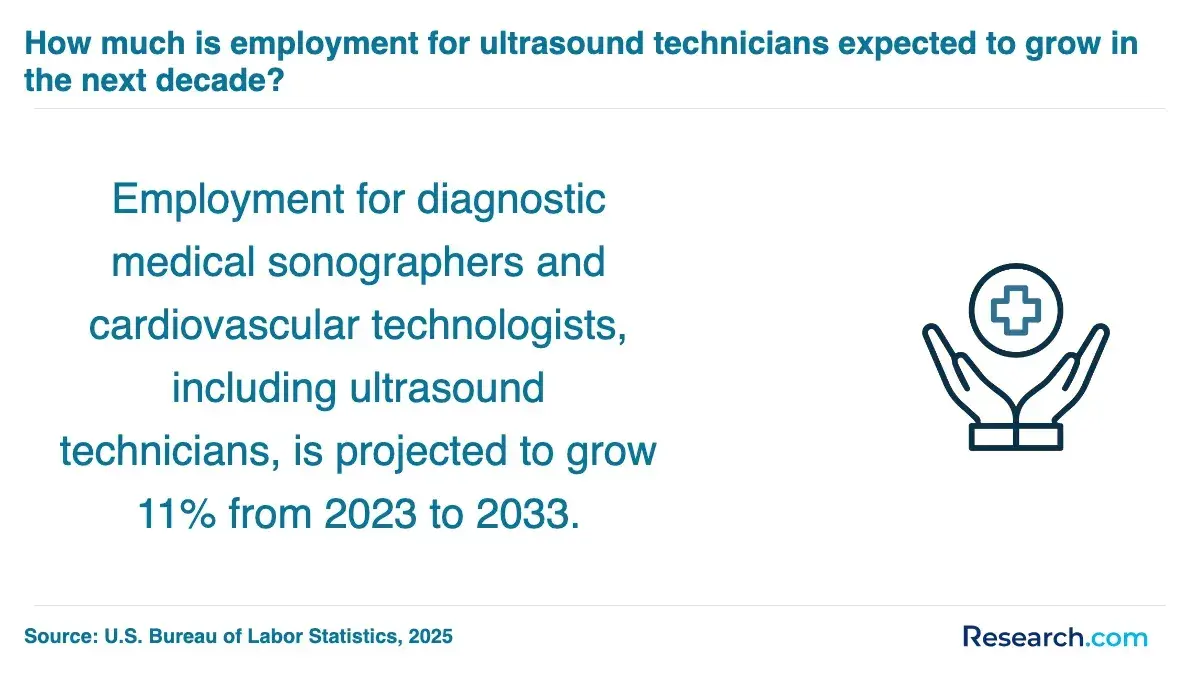
Because ultrasound technician specialties in Arkansas cover diverse medical areas, many choose to cross-train in several to improve their career prospects. If you’re wondering about the educational requirements or can you become an X ray tech without a degree, exploring different sonography programs could be a great first step. The image below illustrates the projected employment growth for ultrasound technicians, highlighting the strong demand that supports these career paths.
Which certification exams are required to become an ultrasound technician in Arkansas?
Getting certified is a big deal if you want to work as an ultrasound technician in Arkansas. Even though the state doesn’t legally require certification, most employers look for it to make sure you know your stuff and can provide safe, accurate care. Plus, having certification opens doors to better jobs and higher pay.
American Registry for Diagnostic Medical Sonography (ARDMS) Certification Exams
This is the go-to credential for sonographers across the U.S., and Arkansas employers definitely prefer it. The ARDMS exams start with the Sonography Principles and Instrumentation (SPI) test, which covers the basics like ultrasound physics and safety. You need to finish an accredited sonography program and gain clinical experience before taking it.
After that, you can dive into specialty exams such as Abdomen (AB) or Obstetrics and Gynecology (OB/GYN), focusing on detailed knowledge in those areas. Arkansas schools prepare students well for these exams. ARDMS runs all these tests.
American Registry of Radiologic Technologists (ARRT) Sonography Exam
This one’s a bit less common but still accepted by some places in Arkansas, especially where they value skills in both sonography and radiologic technology. The ARRT exam covers patient care, imaging procedures, plus physics and instrumentation. To be eligible, you must complete an educational program that ARRT recognizes.
Cardiovascular Credentialing International (CCI) Exams
If you’re aiming to specialize in the heart and blood vessels, CCI offers certifications like Registered Cardiac Sonographer (RCS) or Registered Vascular Specialist (RVS). These tests cover cardiac or vascular anatomy, procedures, and equipment knowledge. You’ll need formal education or relevant clinical experience to apply. The CCI is the certifying organization for these.
Passing these exams not only boosts your professional credibility but also makes you a stronger candidate for Arkansas employers who expect certified sonographers. It’s a smart move that helps ensure you’re meeting industry standards and ready for career growth.
Is a license required to practice as an ultrasound technician in Arkansas?
Arkansas does not require a state license to practice as an ultrasound technician, which allows new professionals to enter the field without navigating a separate state licensing process. Instead, employers in the state rely on national certifications to verify competency, professionalism, and quality of care. This approach shifts the focus from state-specific requirements to meeting widely recognized national standards.
Because ultrasound uses sound waves rather than ionizing radiation, it is not regulated by the Arkansas Department of Health, which oversees professions involving radiation. As a result, there are no state exams, provisional licenses, or supervised practice periods for sonographers. Instead, aspiring technicians are expected to complete an accredited program—typically approved by CAAHEP—and pursue certification through organizations such as the ARDMS.
While certification is not mandated by Arkansas law, it is effectively required in practice since most healthcare employers will only hire certified sonographers. Passing the Sonography Principles & Instrumentation (SPI) exam and a specialty ARDMS exam demonstrates readiness for the profession, builds credibility, and improves job prospects.
In Arkansas, this streamlined path means aspiring ultrasound technicians can focus their efforts on accredited education, national exams, and clinical experience to launch and grow their careers.
What to expect during ultrasound technician clinical training in Arkansas?
Clinical training in Arkansas plays a huge role in getting ultrasound technicians ready for certification and actual work in healthcare. It’s where students get real-world practice, learning patient care and technical skills side-by-side with classroom knowledge. Here’s what you can expect during your clinical training phase:
- Hands-on Patient Care: You’ll work directly with patients, learning how to position them properly and gather important medical histories while providing compassionate and ethical care throughout the procedures.
- Supervised Use of Imaging Equipment: Under the watchful eye of certified sonographers, you’ll operate ultrasound machines and learn how to optimize image quality and troubleshoot technical issues.
- Specialty Rotations: Expect to rotate through different areas like OB/GYN, vascular, abdominal, and cardiac sonography, giving you a well-rounded experience across diverse clinical settings.
- Mentorship from Licensed Professionals: Licensed sonographers and clinical instructors will guide you, offering feedback, practical tips, and career advice to help you grow professionally.
- Program and State Requirements: You’ll need to complete a set number of clinical hours (usually several hundred), pass competency tests, and have up-to-date CPR certification, immunizations, and background clearances before starting clinicals.
All these experiences help sharpen your skills and prepare you to pass national certification exams like ARDMS. Plus, working closely with pros in real healthcare environments gets you ready to hit the ground running once you’re officially an ultrasound tech.
How much does it cost to become an ultrasound technician in Arkansas?
The total cost of ultrasound technician training in Arkansas can vary widely based on the type of institution and program length. Generally, students pursuing certificate, associate, or bachelor’s level programs may expect to invest anywhere from around $7,000 to $30,000 or more in total. The lower end typically represents shorter, in-state community college pathways, while the higher end reflects longer or more specialized programs with additional fees and out-of-state tuition.
Beyond tuition, students should also plan for several essential additional expenses:
- Program-specific fees: Lab access, registries, clinical software, and materials (e.g., uniforms, scrubs) — estimated at several hundred to a few thousand dollars
- Background checks: Drug screens, immunization tracking, and documentation, often bundled in an initial health & safety package ($130–$140 range)
- Textbooks, equipment, and supplies: Can run from several hundred to over a thousand dollars depending on the program length and requirements
- Certification and exam fees: For ARDMS or other credentialing tests — typically several hundred dollars
- Miscellaneous costs: Software access (e.g., reporting/tracking systems), graduation fees, liability/malpractice insurance, and software subscriptions — which altogether may total several hundred dollars
Many students offset these costs through financial aid, scholarships, state grants, or workforce funding. A thoughtful budget that balances tuition with all associated program-related fees helps ensure a realistic estimate of the total investment in training as an ultrasound technician in Arkansas.
How can I finance my education as an ultrasound technician in Arkansas?
Prospective ultrasound technicians can explore various financial aid resources designed to offset tuition and training expenses. Many accredited programs in Arkansas offer dedicated scholarships, grants, and low‐interest loan options specifically for healthcare students. In addition, federal aid programs and state-funded initiatives provide support through grants and subsidized loans for eligible candidates. Reviewing opportunities from local workforce development agencies and professional organizations can reveal unique funding options tailored to medical imaging careers. For guidance on related career pathways and additional financial strategies, please see how to become a radiology technician in Arkansas.
How are emerging technologies reshaping ultrasound practices in Arkansas?
Advancements in imaging equipment and AI-driven diagnostics are redefining ultrasound practices in Arkansas. Modern systems now offer enhanced image resolution and rapid data analysis, which demand that technicians update their technical skills frequently. Staying current involves engaging with ongoing training programs, industry workshops, and hands-on practice with next-generation ultrasound devices. Additionally, aligning with interdisciplinary healthcare trends can broaden one’s clinical perspective—for example, exploring pathways such as how to become a nurse midwife in Arkansas provides insight into complementary diagnostic approaches.
What is the average salary for ultrasound technicians in Arkansas?
The average ultrasound technician salary in Arkansas is about $76,387 per year, which is quite a bit lower than the national average. Arkansas ranks last among all states, with hourly wages around 52% less than the U.S. average. Still, pay varies quite a bit depending on where you work and your experience level.
- Experience Level: Entry-level techs usually start near $59,058, but seasoned sonographers can earn over $93,000.
- Education and Certifications: Holding advanced certifications like ARDMS typically leads to higher salaries compared to basic qualifications.
- Work Setting: Hospitals and specialized outpatient centers generally pay more than smaller clinics or physician offices.
- Geographic Location: Urban areas like Little Rock offer higher wages—around $94,258 annually—while rural salaries are usually lower.
- Specialization: Focusing on OB/GYN, cardiovascular, or abdominal sonography can boost earning potential due to specialized skills.
Salaries in Arkansas reflect the local demand for healthcare services, with bigger cities and advanced skills bringing better pay. It’s a state where knowing your stuff can really make a difference when it comes to earnings.
What is the job outlook and demand for ultrasound technicians in Arkansas?
Employment for ultrasound technicians in Arkansas is expected to grow by 18% through 2030, which is way higher than the national average of 10%. This means job opportunities are on the rise, making it a smart career move if you’re thinking local. Here’s why demand is heating up:
- Population Growth and Aging: More people, especially older adults, mean more scans and diagnostic imaging, since aging brings more health checkups.
- Healthcare Expansion: New clinics, hospitals, and outpatient centers popping up across Arkansas are creating fresh openings for ultrasound techs everywhere.
- Technological Advancements: Cool new ultrasound gadgets are making room for specialists who know the latest tools and techniques.
- Preventive Care Trends: Doctors focus more on early detection now, so ultrasounds are increasingly routine for screenings and catching health issues early.
- Regional Demand Variations: Jobs cluster in cities like Little Rock and Fayetteville, but rural spots also need techs because healthcare pros are short-handed there.
When I talked to an ultrasound technician from Arkansas who graduated from a local program, she told me how busy things have gotten since she started. “Right after school, I noticed hospitals and clinics were really eager to hire,” she said.
“Sometimes it’s been a challenge balancing the pace, especially with newer tech coming in, but it keeps things exciting.” She mentioned local demand means plenty of job offers but also the chance to grow skills in different areas, from cardiac work to prenatal imaging. “It feels great knowing there’s solid stability and room to advance right here in Arkansas.”
What are the career advancement steps for ultrasound technicians in Arkansas?
Ultrasound technicians in Arkansas have plenty of chances to grow their careers by focusing on specialization, earning extra certifications, or stepping into leadership roles. These pathways help boost skills and open doors to better job opportunities. With the healthcare field evolving quickly, taking these steps can make a big difference in your professional journey.
- Specialization: Focusing on areas like OB/GYN, vascular, or cardiac sonography lets technicians work in niche settings and often leads to higher pay and job satisfaction in Arkansas clinics and hospitals.
- Advanced Certifications: Credentials from organizations such as ARDMS, CCI, or ARRT prove expertise and can qualify ultrasound techs for advanced roles with better salaries within the state.
- Higher Education: Earning a bachelor’s or master’s degree, for example at the University of Arkansas for Medical Sciences, expands career options, including supervisory and research positions, making you stand out in the growing healthcare job market.
- Leadership Roles: Experienced sonographers can advance into supervisory or administrative positions, managing imaging teams and operations at Arkansas healthcare facilities, adding valuable management skills to their toolkit.
- Education and Training: Becoming a program instructor or clinical trainer allows seasoned ultrasound technicians to share their knowledge with new students and influence the way sonography is taught statewide.
- Research or Technology Development: For those interested in innovation, participating in medical imaging research or technology development helps push ultrasound tech forward, often partnering with academic or healthcare companies.
Following these advancement steps not only raises earning potential but also broadens your professional impact in Arkansas. If you’re curious about pathways in medical education, check out this ranking of easiest medical degree programs that could complement your ultrasound technician career.
What are the common challenges ultrasound technicians face in Arkansas?
Knowing the challenges for ultrasound technicians in Arkansas can make a big difference when starting your career here. It’s not just about learning the skills but also preparing for what the job really demands on a daily basis. Let’s look at some common hurdles sonographers face in Arkansas.
- Physical Strain and Ergonomics: Repetitive scanning and long hours often cause musculoskeletal issues, especially in the neck, back, and shoulders.
- Emotional Stress: Working with patients during emotionally tough times, like pregnancy complications or cancer screenings, can be draining.
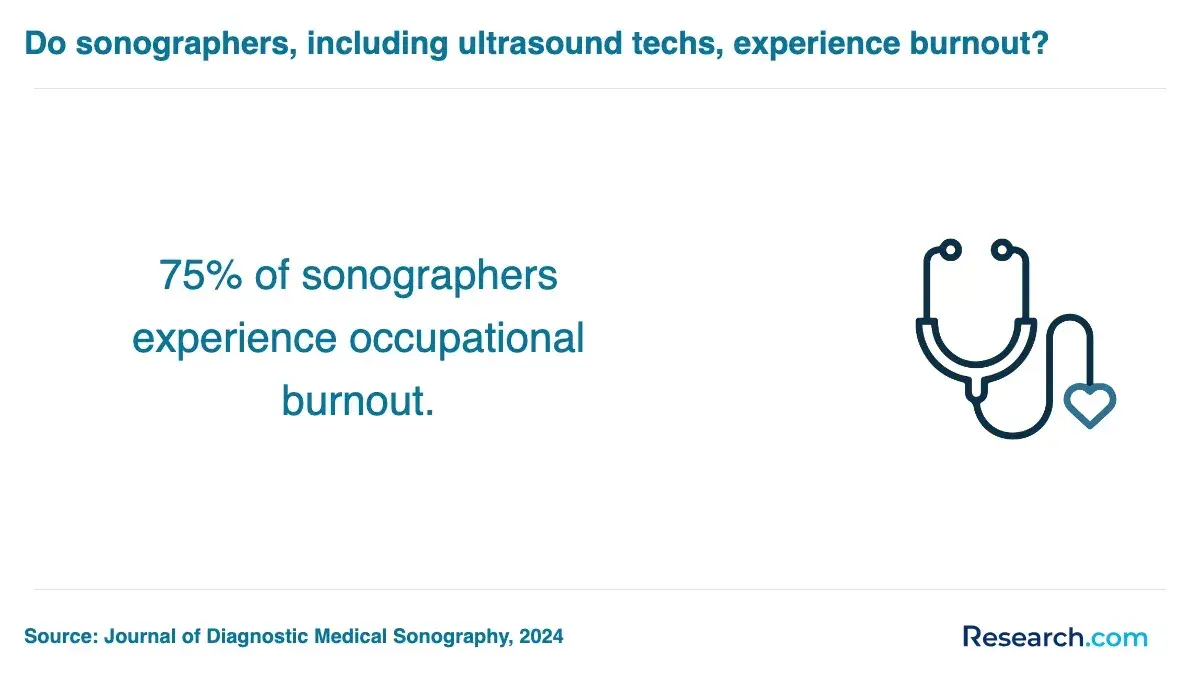
- Workload and Staffing Shortages: Many places have heavy caseloads with limited staff, making it hard to keep up without burning out.
- Certification and Continuing Education Requirements: Staying certified means juggling ongoing learning with busy work schedules.
- Technology Adaptation: Ultrasound equipment keeps evolving, so being flexible with new machines and software is a must.
- Job Market Competition: Demand varies across Arkansas, with urban areas offering more opportunities than rural ones.
Being aware of sonographer job stress in Arkansas helps you manage these realities better. If you’re curious about training options, check out this online ultrasound tech school ranking to find programs that fit your goals.
What do ultrasound technicians in Arkansas say about their career?
- Completing my ultrasound technician training at Northwest Arkansas Community College was a pivotal step in my career. The program was comprehensive and very hands-on, preparing me well for the realities of working in the medical field. Starting my career at a local school gave me a unique perspective on the importance of diagnostic imaging in educational healthcare settings. I love being part of a community that values student wellness and early detection work. It’s fulfilling to know that my efforts directly support young people’s health and futures. Jaden
- Reflecting on my journey, I’m grateful for the rigorous education I received at Arkansas State University, which challenged me intellectually and practically. Launching my career as an ultrasound technician in a local school setting allowed me to experience healthcare in a close-knit environment where cultural sensitivity is crucial. Working in Arkansas has shown me the importance of adaptability when serving diverse populations with unique health backgrounds. I am proud to contribute to public health through precise diagnostic support, knowing I help guide important decisions for students' well-being. Kendra
- Attending Pulaski Technical College jumpstarted my professional development in ways I hadn’t anticipated. The program gave me not only clinical skills but also confidence to face the evolving demands of ultrasound technology. Taking a position as a technician within a local academic institution opened up unique opportunities for career growth and community impact. Arkansas’s rich natural environments give our work special relevance, as many students here benefit from early screening related to rural healthcare challenges. I find great satisfaction in knowing my skills contribute to healthier futures for families throughout the state. Harry
Related Articles for Nearby States
- 2027 How to Become an Ultrasound Technician in Missouri
- 2027 How to Become an Ultrasound Technician in Oklahoma
- 2027 How to Become an Ultrasound Technician in Tennessee
- 2027 How to Become an Ultrasound Technician in Mississippi
- 2027 How to Become an Ultrasound Technician in Louisiana
- 2027 How To Become an Ultrasound Technician in Texas
- 2027 How to Become an Ultrasound Technician in Kentucky
- 2027 How to Become an Ultrasound Technician in Kansas
- 2027 How to Become an Ultrasound Technician in Alabama
- 2027 How to Become an Ultrasound Technician in Illinois
References:
- ARDMS. (2024, December 20). Ultrasound exams & prerequisites. ardms.org.
- Arkansas State University. (n.d.). Radiologic Sciences. astate.edu.
- Arkansas State University-Beebe. (n.d.). Pre-Radiography/Sonography. asub.edu.
- NorthWest Arkansas Community College. (n.d.). Diagnostic Medical Sonography Coursework. nwacc.edu.
- SAU Tech. (n.d.). Diagnostic Medical Sonography. sautech.edu.
- UAMS. (n.d.). About the Bachelor of Science in Diagnostic Medical Sonography Program | Department of Imaging and Radiation Sciences. healthprofessions.uams.edu.
- Ultrasound Schools Info. (n.d.). Ultrasound Technician Schools in Arkansas for 2025. ultrasoundschoolsinfo.com.
- University of Arkansas Forth Smith. (n.d.). Sonography. uafs.edu.
- Zippia. (2025, January 8). Ultrasound Technologist Demographics and Statistics [2025]: Number of ultrasound technologists in the US. zippia.com.
Other Things You Should Know About Becoming an Ultrasound Technician in Arkansas
In 2027, becoming an ultrasound technician in Arkansas typically requires completing a two-year associate degree program in diagnostic medical sonography. Alternatively, students can pursue a one-year certificate if they already hold a relevant healthcare degree. After this, passing a certification exam is usually necessary to begin practicing.
Completing an online ultrasound technician program can be a viable pathway to becoming qualified in Arkansas, provided the program is accredited and meets the state’s certification requirements. Many online programs offer comprehensive coursework and clinical practicum placements to ensure hands-on experience, which is essential for certification eligibility.
However, since clinical training cannot be completed entirely online, students must be prepared to arrange in-person practicums at approved healthcare facilities in Arkansas. Successfully finishing an accredited online program combined with passing credentialing exams can enable graduates to pursue employment as ultrasound technicians within the state.
Ultrasound technicians in Arkansas have growing opportunities to work as freelance or traveling professionals, especially given the increasing demand for mobile diagnostic services. Many healthcare facilities and clinics in the state contract with traveling ultrasound technicians to cover staffing shortages or provide specialized services in remote areas.
Freelance ultrasound techs can find work by partnering with staffing agencies or directly offering services to medical practices, though obtaining proper state licensure and certification is essential. This flexibility appeals to those seeking varied work environments and the chance to expand their clinical experience across different settings within Arkansas.


