
2027 How to Become an Ultrasound Technician in Hawaii

Co-Founder and Chief Data Scientist
Hawaii faces a growing demand for qualified ultrasound technicians, with employment projected to increase by 14% over the next decade, outpacing the national average. This shortage impacts timely diagnostic services across the islands, particularly in rural areas. Pursuing a career in diagnostic medical sonography offers competitive salaries, with Hawaii's median annual wage exceeding $75,000, reflecting high living costs and skilled labor demand.
This article, prepared by expert career analysts, outlines the necessary education, certification, and practical steps to become an ultrasound technician in Hawaii. It provides data-driven guidance to help students navigate and overcome regional employment challenges effectively.
Key Things to Know About Becoming an Ultrasound Technician in Hawaii
- Complete an accredited diagnostic medical sonography program. Hawaii offers few in-state options, so many students enroll online or on the mainland.
- Obtain certification through the American Registry for Diagnostic Medical Sonography (ARDMS). Hawaii employers prefer certified technicians, enhancing job prospects.
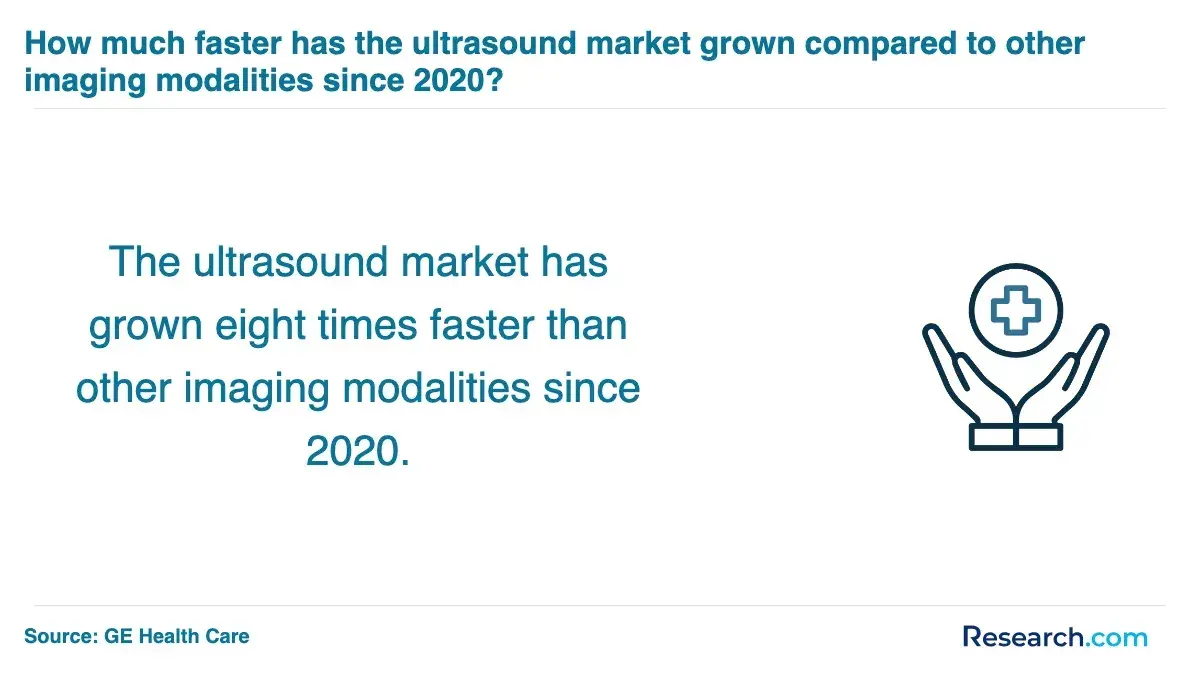
- Understand that Hawaii’s median annual salary for ultrasound technicians is around $75,000, with employment growth projected at 17% by 2030, indicating strong demand in healthcare.
- What education is required to become an ultrasound technician in Hawaii?
- What specialties can ultrasound technicians choose from in Hawaii?
- Which certification exams are required to become an ultrasound technician in Hawaii?
- Is a license required to practice as an ultrasound technician in Hawaii?
- What to expect during ultrasound technician clinical training in Hawaii?
- How much does it cost to become an ultrasound technician in Hawaii?
- What is the average salary for ultrasound technicians in Hawaii?
- How Can Ultrasound Technicians Access Additional Professional Development Resources in Hawaii?
- What is the job outlook and demand for ultrasound technicians in Hawaii?
- What are the career advancement steps for ultrasound technicians in Hawaii?
- What are the common challenges ultrasound technicians face in Hawaii?
- How do ultrasound technician careers compare with other allied health professions in Hawaii?
What education is required to become an ultrasound technician in Hawaii?
The educational path to becoming an ultrasound technician in Hawaii involves accredited programs that combine theoretical knowledge with clinical practice. These programs adhere to strict standards ensuring comprehensive training aligned with Hawaii ultrasound technician education requirements.
- Minimum Degree Requirement: Completion of an accredited program in diagnostic medical sonography is mandatory, typically at the associate or bachelor’s degree level.
- Program Accreditation: Programs must be accredited by CAAHEP or JRC-DMS to meet eligibility criteria for national certification exams.
- Clinical Practicum/Internship: Hands-on clinical experience is required, usually comprising up to 12 months of supervised rotations in healthcare settings.
- CPR Proficiency: Sonographers must demonstrate CPR certification to ensure preparedness for medical emergencies during clinical training.
- Certification Exam: Although state licensure is not required, passing a national certification exam such as those administered by ARDMS or ARRT is highly recommended for employment.
- Continuing Education: Certified technicians must complete 24 hours of approved continuing education every two years to maintain their credentials.
- Program Duration: Educational programs range from one to four years, with the associate degree being the most common entry point.
For those exploring accredited ultrasound technician programs in Hawaii, these educational standards ensure both competency and compliance with industry expectations. Candidates seeking additional professional insights might also review requirements to become a radiologist, which share parallels in healthcare education paths.
What specialties can ultrasound technicians choose from in Hawaii?
Ultrasound technicians in Hawaii have access to a range of specialized fields that enable them to develop targeted expertise and enhance their employability. These specialties reflect the medical imaging demands across the state and often require dedicated clinical training and certification. Professionals seeking a career in ultrasound can focus on several areas, including vascular sonography programs in Hawaii, which are particularly significant for cardiovascular diagnostics.
Below are the common ultrasound specialties in Hawaii:
- Obstetric and Gynecologic Sonography: Focuses on imaging the female reproductive system and monitoring fetal development during pregnancy; it remains one of the most consistently in-demand fields due to prenatal care needs.
- Abdominal Sonography: Involves imaging abdominal organs such as the liver and kidneys to diagnose diseases; technicians in this specialty are essential in hospitals and clinics statewide.
- Vascular Sonography: Concentrates on examining blood vessels for blockages and circulatory issues, often requiring 1,000-1,250 clinical hours; demand is strong in Hawaii, making vascular sonography programs in Hawaii critical for career advancement.
- Echocardiography (Cardiac Sonography): Specializes in heart imaging and function assessment, with some cardiac sonographers working travel contracts offering competitive pay exceeding $3,300 weekly.
- Small Parts Sonography: Covers superficial structures like the thyroid and breast tissue, a specialty vital for various diagnostic purposes across many medical centers.
- Musculoskeletal Sonography: Uses ultrasound to evaluate muscles and joints; although less common, this specialty is growing in demand, especially within sports medicine and orthopedics.
Technicians who pursue certification in these specialties, supported by appropriate clinical hours and training, improve their job prospects and salary potential. For prospective students wondering how much school to be ultrasound tech, specializing through accredited programs can provide a significant advantage in Hawaii’s growing diagnostic imaging market.
Which certification exams are required to become an ultrasound technician in Hawaii?
Certification exams are a vital component for ultrasound technicians in Hawaii, serving as proof of professional skill and adherence to national standards. While Hawaii does not require state licensure for ultrasound technologists, employers strongly prefer candidates who have completed recognized certification. These exams ensure technicians meet competency benchmarks critical for patient safety and quality care in Hawaii’s healthcare system.
- ARDMS) – Sonography Principles & Instrumentation (SPI) Exam: This foundational exam tests knowledge of ultrasound physics, instrumentation, Doppler imaging, and quality assurance. Candidates must pass the SPI alongside a specialty exam within five years to earn ARDMS certification. Eligibility typically requires graduation from a CAAHEP-accredited program or a combination of education and clinical experience. Since no CAAHEP-accredited sonography programs currently exist in Hawaii, candidates often pursue education out of state or online.
- ARDMS Specialty Exams (e.g., Abdomen, Obstetrics & Gynecology, Vascular Technology): After SPI, candidates take specialty exams focusing on clinical areas like abdominal or vascular sonography. For instance, the Vascular Technology exam is necessary for the Registered Vascular Technologist (RVT) credential and covers vascular anatomy and diagnostic techniques. Eligibility usually involves accredited education and documented clinical training.
- American Registry of Radiologic Technologists (ARRT) – Sonography Exam: ARRT certification requires completion of ARRT-approved education and clinical experience. The exam assesses patient care, image production, and procedure knowledge in abdominal and obstetric sonography. Passing this exam supports licensure recognition by Hawaii’s Board of Radiologic Technology in related fields.
- Cardiovascular Credentialing International (CCI) Exams: These certifications target cardiac and vascular sonography, including credentials like Registered Cardiac Sonographer (RCS) and Registered Vascular Specialist (RVS). Eligibility hinges on accredited education or existing credentials. CCI certifications are favored by employers for specialized sonography positions.
- Additional Specialty Certifications: For subspecialty areas such as ophthalmic ultrasound, certification from organizations like the Joint Commission on Allied Health Personnel in Ophthalmology (JCAHPO) may be pursued.
Obtaining these certifications significantly enhances professional credibility and increases access to job opportunities within Hawaii’s competitive healthcare environment. They ensure compliance with industry expectations and help maintain high standards of patient care statewide.
Is a license required to practice as an ultrasound technician in Hawaii?
A state license is not required to practice as an ultrasound technician in Hawaii, which makes the pathway into the profession more flexible. Instead of state mandates, the focus is on national certification to ensure competence and meet employer expectations. Most healthcare providers in Hawaii prefer or require candidates to hold recognized credentials as proof of professional readiness.
Hawaii does not enforce licensure or certification through its Department of Health for diagnostic medical sonographers, unlike radiographers and related professions. Instead, the state relies on national certification bodies such as the ARDMS, ARRT, and CCI. To qualify, candidates typically complete a CAAHEP-accredited program, pass exams like the Sonography Principles & Instrumentation (SPI) and specialty tests, and maintain continuing education credits to stay current and competitive.
While certification is not legally required, exams such as the SPI and specialty tests—available at test centers in Honolulu—play a critical role in employability and professional credibility. National credentialing provides a trusted standard for safe practice, career advancement, and employer confidence, allowing Hawaii’s ultrasound technicians to establish strong professional identities even without state-level licensing.
An ultrasound technician from Hawaii, who graduated from a local CAAHEP-accredited sonography program, shared that navigating the certification process was both challenging and rewarding. He emphasized the importance of passing the ARDMS exams to establish trust with employers, noting, “Even though the state doesn’t require a license, having national certification opened doors for me.”
He described that maintaining certification through continuing education kept him confident and competitive in Honolulu’s job market. Reflecting on his journey, he said, “The absence of a state license meant I had to rely on my credentials and skills, which ultimately strengthened my professional identity.”
What to expect during ultrasound technician clinical training in Hawaii?
Clinical training is a critical stage in preparing ultrasound technicians in Hawaii for certification and professional practice. It provides students with essential hands-on experience and technical knowledge needed to operate effectively in healthcare settings. This training aligns with state and national standards to ensure competence and readiness.
- Hands-On Patient Care: Students actively perform ultrasound scans and learn to communicate with patients, balancing clinical accuracy and patient comfort.
- Supervised Use of Imaging Equipment: Under licensed sonographers’ supervision, trainees practice using advanced ultrasound machines, mastering image capture and equipment upkeep.
- Specialty Rotations: Clinical programs expose students to areas such as OB/GYN, abdominal, vascular, and cardiac sonography, fostering diversified skills and informed career choices.
- Mentorship from Licensed Professionals: Close mentorship by credentialed ultrasound technicians and healthcare providers offers guidance on professional standards and ethical patient care.
- Program and State-Specific Requirements: Hawaii recommends at least 12 months of full-time clinical experience within accredited programs, preparing students for the ARDMS exam and requiring demonstration of core competencies.
- Competency Evaluations: Students undergo assessments of their ability to perform varied sonographic procedures accurately, ensuring alignment with national credentialing criteria.
These comprehensive clinical experiences enhance students’ diagnostic and interpersonal skills while equipping them for certification exams such as the ARDMS. Graduates gain confidence and competence, positioning them to succeed in Hawaii’s competitive healthcare job market.
How much does it cost to become an ultrasound technician in Hawaii?
In Hawaii, the cost of pursuing an ultrasound technician (diagnostic medical sonographer) program varies depending on the institution and degree level. At Kapi‘olani Community College, an associate’s degree in Diagnostic Medical Sonography runs approximately $3,144 per year for in-state students. On the other hand, the University of Hawaii at Mānoa, offering a bachelor’s-level pathway in Medical Technology with a focus on sonography, charges about $11,304 per year for in-state students.
For programs at private institutions, such as Hawaii Medical College, the full associate-level training can cost around $16,000 for the entire program. In general, ultrasound tech programs in Hawaii range from $3,000 to $20,000, with exact figures depending on program type, certificate, associate, or bachelor’s, as well as tuition, fees, and supplies.
Beyond tuition, students should also be mindful of additional expenses that can add up over the course of training. These include costs for textbooks, uniforms, clinical supplies, and potential travel or housing during clinical rotations, factors that vary significantly by student and institution.
What is the average salary for ultrasound technicians in Hawaii?
The average annual salary for ultrasound technicians in Hawaii is approximately $96,000, which is notably higher than the national median salary of $84,470 recorded in 2023. Salaries in Hawaii range broadly from about $84,200 to $142,300, reflecting various influencing factors.
- Experience Level: Entry-level technicians in Hawaii earn near the lower range, around $64,000, while senior sonographers can earn upwards of $110,000 due to increased responsibilities and expertise.
- Education and Certifications: Advanced degrees and credentials such as RDMS boost earning potential by showcasing specialized skills and professional competence.
- Work Setting: Large hospitals and specialized imaging centers typically offer higher salaries compared to physician offices or outpatient clinics owing to workload and facility resources.
- Geographic Location: Urban centers like Honolulu tend to offer higher wages aligned with cost of living, while rural areas may provide incentives to attract staff.
- Specialization: Subspecialties like OB/GYN, cardiovascular, or abdominal sonography command higher pay due to advanced technical knowledge and demand.
Salaries for ultrasound technicians in Hawaii reflect the state’s high living costs and strong demand for healthcare professionals, sustaining competitive wages across the profession, similar to how a radiology tech salary often reflects specialized skills and regional economic factors.
How Can Ultrasound Technicians Access Additional Professional Development Resources in Hawaii?
Ultrasound technicians in Hawaii can further enhance their career by leveraging a variety of professional development resources tailored to evolving industry needs. Specialized training sessions, accredited workshops, and industry conferences offer practical insights into emerging diagnostic technologies and advanced imaging techniques. These initiatives facilitate networking opportunities with peers and experts, ensuring practitioners remain competitive in an ever-changing healthcare landscape. Moreover, exploring integrated educational pathways—such as how to become a radiology technician in Hawaii—provides an additional avenue to diversify technical skills and broaden career prospects.
What is the job outlook and demand for ultrasound technicians in Hawaii?
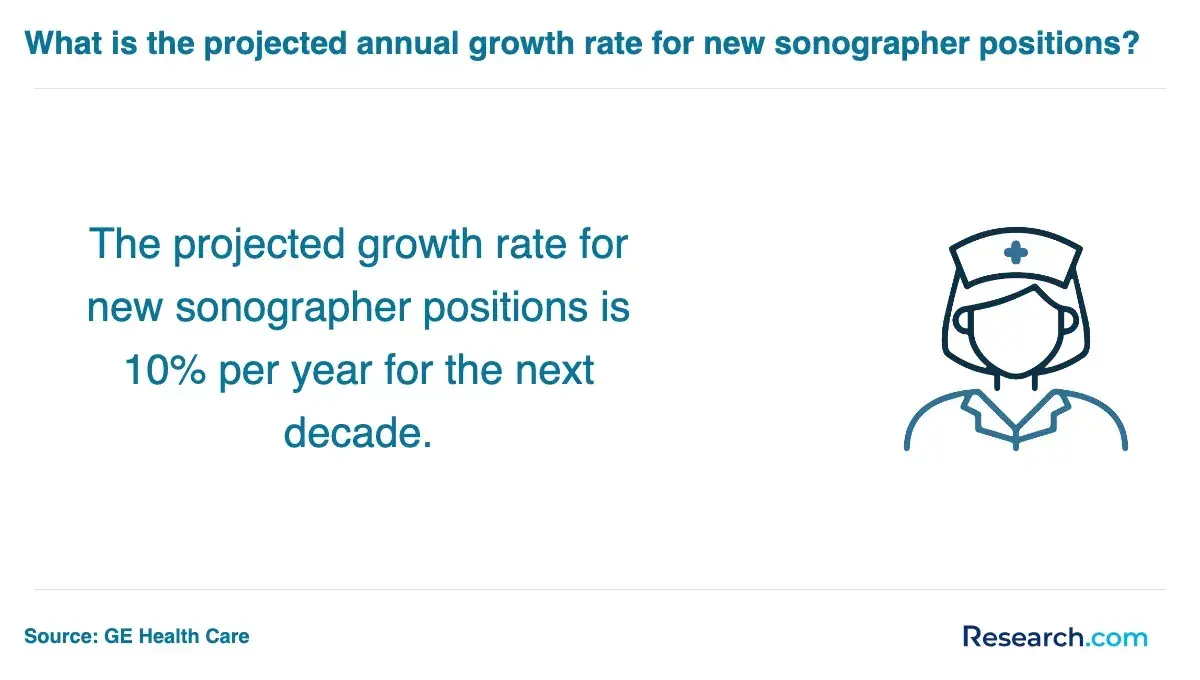
Employment for ultrasound technicians in Hawaii is projected to grow by 17.6% from 2016 to 2026, which is notably slower than the national average growth rate of 23.2% for diagnostic medical sonographers. Despite this, sonographers in Hawaii generally earn higher salaries than the U.S. median, reflecting favorable compensation in the region.
- Population Growth and Aging: Hawaii’s aging population and gradual population increase drive higher demand for imaging services, as more diagnostic procedures are needed for older adults and expanding communities.
- Healthcare Expansion: The rise of new clinics, hospitals, and outpatient centers across the islands fuels the need for ultrasound technicians to support growing healthcare infrastructure.
- Technological Advancements: Innovations such as 3D imaging and portable ultrasound devices create new specialized roles in cardiac and vascular sonography.
- Preventive Care Trends: Increased focus on early diagnosis and preventive screening elevates the reliance on ultrasound technology for routine and specialized examinations.
- Regional Demand Variations: Urban centers like Honolulu and Waipahu present higher job availability and salary prospects, while rural areas offer fewer positions but unique healthcare roles and lifestyle benefits.
When asked about the job outlook and demand, an ultrasound technician from Hawaii shared that graduating from a local program granted her access to a network that eased job placement, especially in Honolulu’s bustling healthcare market. She recalled initial challenges adjusting to rapid technology changes but found those advances also opened doors to specialty areas she hadn’t anticipated. “The demand here is steady, and working in Hawaii means engaging with diverse patient needs across urban and island communities,” she reflected.
Her experience highlights how regional factors combined with evolving medical technology continue to shape a sustainable and rewarding career path in ultrasound sonography.
What are the career advancement steps for ultrasound technicians in Hawaii?
Ultrasound technicians in Hawaii can enhance their career prospects by pursuing specialization, obtaining advanced certifications, or advancing into leadership roles within healthcare settings. These strategies align with the state’s increasing demand for skilled professionals amid workforce shortages and an aging population, boosting both job security and earning potential.
What are the common challenges ultrasound technicians face in Hawaii?
Awareness of common challenges ultrasound technicians face in Hawaii is essential to navigate the unique healthcare environment effectively. The state's geographic isolation and staffing issues impact both day-to-day duties and career growth for sonographers. Understanding these challenges enables technicians to anticipate hurdles and develop coping strategies.
- Physical Strain and Ergonomics: Repetitive scanning and prolonged standing often cause musculoskeletal issues in wrists, shoulders, and back, threatening career longevity.
- Emotional Stress: Sonographers frequently support patients under stress or with critical diagnoses, increasing psychological demands.
- Workload and Staffing Shortages: Hawaii ultrasound technologist staffing issues lead to heavy caseloads, backlogs, and rapid patient turnover in busy imaging centers.
- Certification and Continuing Education Requirements: Maintaining credentials like ARDMS can be difficult due to limited local education options and busy schedules.
- Technology Adaptation: Technicians must keep pace with new ultrasound equipment but may face delayed access or limited training, especially on outer islands.
- Job Market Competition: Regional disparities in demand and state isolation create a competitive landscape for career entry and advancement.
By recognizing challenges for ultrasound technicians in Hawaii, professionals can seek targeted training and prioritize self-care. Resources such as ultrasound tech online programs also provide accessible pathways to meet continuing education requirements despite geographic constraints.
What do ultrasound technicians in Hawaii say about their career?
- Completing my ultrasound technician training at Honolulu Community College was an incredible experience that truly prepared me for the multifaceted challenges of this career. Starting work in a local academic institution allowed me to apply what I learned while contributing to a vibrant community focused on health education. What I appreciate most is the chance to blend modern medical technology with culturally sensitive patient care unique to Hawaii’s diverse population. This career path offers continual growth and the fulfillment of making a difference in the well-being of families across the islands. - Keoni
- My journey in this field began after graduating from Kapiolani Technical School, where the hands-on training was rigorous and rewarding. Starting my role as an ultrasound technician at a local school helped me hone my skills while supporting students’ health needs. The Hawaiian environment adds a special layer of meaning to my work, with opportunities to educate and engage with communities that value aloha and holistic wellness. It’s inspiring to see how my role contributes to better health outcomes and professional development in a culturally rich setting. - Janet
- Reflecting on my career, finishing the program at Maui Medical Institute was the first step toward a truly fulfilling profession. Working within an academic institution in Hawaii offers unique challenges, such as adapting techniques to best serve a diverse island population with varying cultural backgrounds. This position has fueled my personal growth by reinforcing the importance of empathy and cultural awareness. It’s rewarding to know that my work impacts not only patients but helps promote community health education in this extraordinary place. - Andre
How do ultrasound technician careers compare with other allied health professions in Hawaii?
Ultrasound technician roles emphasize diagnostic imaging with specialized technical training and certification, while other allied health professions often focus on direct patient care and broader clinical decision-making. Comparisons between these fields reveal differences in educational pathways, certification requirements, compensation structures, and job responsibilities, which can influence long-term career satisfaction and advancement opportunities. Evaluating these distinctions can help prospective healthcare professionals align their career goals with regional demand and personal expertise. For additional insights into alternative allied health careers, consider reviewing how to become a nurse midwife in Hawaii.
Related Articles for Nearby States
- 2027 How to Become an Ultrasound Technician in Alaska
- 2027 How to Become an Ultrasound Technician in California
- 2027 How to Become an Ultrasound Technician in Oregon
- 2027 How to Become an Ultrasound Technician in Washington
- 2027 How to Become an Ultrasound Technician in Nevada
- 2027 How to Become an Ultrasound Technician in Arizona
- 2027 How to Become an Ultrasound Technician in Idaho
- 2027 How to Become an Ultrasound Technician in Utah
- 2027 How to Become an Ultrasound Technician in Montana
- 2027 How to Become an Ultrasound Technician in Wyoming
References:
- Carlson, K. (2025). How to Become an Ultrasound Technician. BestColleges
- College of Health Care Professions. (2024). How to Become an Ultrasound Technician | CHCP Career Guide. CHCP
- Diagnostic Medical Sonography Ultrasound Schools Info. (n.d). Ultrasound Technician Schools in Hawaii. DMS USI
- Dreambound. (n.d.). How to Become a Medical Sonographer in Hawaii. Dreambound
- HealthJob Editors. (2024). How to Become an Ultrasound Technician in Hawaii. HealthJob
- Heimann, T. (2025). How to Become an Ultrasound Technician. Nurse.org
- University of Hawaii Kapi'olani Community College. Radiologic Technology Program. University of Hawaii
- Washburn University. (n.d.). What is Sonography? WU
- Zippia. (2025). Ultrasound technologist demographics and statistics in the US. Zippia
- Zippia. (2025). Ultrasound technologist salary. Zippia
Other Things You Should Know About Becoming an Ultrasound Technician in Hawaii
In 2027, aspiring ultrasound technicians in Hawaii need to complete an accredited ultrasound technology program, such as an associate degree or a certificate program. Additionally, obtaining certification from a recognized body like the American Registry for Diagnostic Medical Sonography (ARDMS) is typically required for employment.
In 2027, Hawaii requires ultrasound technicians to complete clinical training, which isn't fully offered online. While some coursework may be available online, hands-on experience in a clinical setting is essential for certification and employment.
In 2027, top programs in Hawaii include Kapiolani Community College's Associate in Science in Diagnostic Medical Sonography and the University of Hawai'i at Kapiolani's Certificate in Diagnostic Medical Sonography. Both programs provide comprehensive training and clinical experience essential for a successful career.


