
2027 How to Become an Ultrasound Technician in Montana

Co-Founder and Chief Data Scientist
Montana, known for its vast landscapes and rural communities, faces unique healthcare challenges that create demand for skilled professionals. Employment for radiologic technologists in the state is projected to reach 910 by 2032, highlighting steady growth in medical imaging careers. Ultrasound technicians play a crucial role in diagnosing conditions and supporting patient care across Montana’s hospitals, clinics, and rural health centers, making this career both vital and rewarding.
In this article, I will guide aspiring ultrasound technicians through the educational paths, certification requirements, and career opportunities in Montana. I will also share salary expectations, job growth, specialized roles, and strategies to thrive in this expanding healthcare field.
Key Things to Know About Becoming an Ultrasound Technician in Montana
- In Montana, you will need a CAAHEP-accredited sonography program and ARDMS certification to become a qualified ultrasound technician.
- State licensure is recommended, and maintaining it requires ongoing continuing education to stay competitive in Montana’s healthcare sector.
- Ultrasound technicians in Montana enjoy steady job growth, with employment projected to expand by 15% through 2032.
- What education is required to become an ultrasound technician in Montana?
- What specialties can ultrasound technicians choose from in Montana?
- Which certification exams are required to become an ultrasound technician in Montana?
- Is a license required to practice as an ultrasound technician in Montana?
- What to expect during ultrasound technician clinical training in Montana?
- How much does it cost to become an ultrasound technician in Montana?
- What continuing education and professional development opportunities are available for ultrasound technicians in Montana?
- What is the average salary for ultrasound technicians in Montana?
- What is the job outlook and demand for ultrasound technicians in Montana?
- What are the career advancement steps for ultrasound technicians in Montana?
- What are the common challenges ultrasound technicians face in Montana?
- How are emerging technologies shaping ultrasound practices in Montana?
What education is required to become an ultrasound technician in Montana?
Becoming an ultrasound technician in Montana is a blend of academic rigor and hands-on practice, crafted to forge skilled professionals ready for the healthcare field. Below are the key milestones that pave this pathway through accredited sonography programs in Montana.
- Minimum Degree Requirement: An Associate of Applied Science in Diagnostic Medical Sonography is the foundational academic credential, typically completed in two years.
- Program Accreditation: Selection of a program accredited by the Commission on Accreditation of Allied Health Education Programs (CAAHEP) or an equivalent body is essential to qualify for national certification exams.
- Prerequisite Education: Most programs require applicants to have a high school diploma or GED; some advanced certificates ask for prior allied health or bachelor’s degrees.
- Clinical Internship/Practicum Hours: Programs demand a minimum of 1,600 to 1,680 clinical scan hours to ensure real-world proficiency, with institutions like City College MSU Billings exemplifying these standards.
- Certification Exam Eligibility: Graduates become eligible to attempt nationally recognized exams such as ARDMS or ARRT-S, credentials respected by Montana employers.
- Certification Recommendation: While not state-mandated, obtaining ARDMS or ARRT-S certification is highly advisable to enhance employment prospects.
- Additional Course Requirements: Some programs necessitate completion of prerequisite courses like anatomy and physiology with satisfactory grades before admission.
Considering the robust trajectory laid out by Montana ultrasound technician degree requirements, those interested should also note the strong job outlook and competitive compensation detailed in the ultrasound technician career salary analysis. To further understand the workforce, the chart from Zippia provides an age breakdown of ultrasound technicians, offering additional context on career demographics.
What specialties can ultrasound technicians choose from in Montana?
Ultrasound technicians in Montana have a rich palette of specialties to explore, shaping their careers around various bodily landscapes and patient needs. These sonography career options in Montana offer dynamic paths ranging from the intimate monitoring of new life to the intricate mapping of vascular highways.
Below is a concise guide to the main specialties available, each presenting unique diagnostic frontiers.
- Obstetric/Gynecologic (OB/GYN) Sonography: Centers on visualizing female reproductive health and fetal development, a popular choice especially in outpatient and women’s health settings.
- Abdominal Sonography: Focuses on organs like the liver and kidneys inside the abdominal cavity, forming a core specialty in most Montana training programs.
- Vascular Sonography: Examines blood flow and vascular conditions by imaging arteries and veins, critical for diagnosing circulatory issues in hospitals and clinics.
- Echocardiography (Cardiac Sonography): Delves into heart imaging to assess function and detect abnormalities, often requiring advanced certification beyond basic sonography.
- Small Parts Sonography: Targets superficial structures such as the thyroid and breast, usually integrated with other specialties in Montana curricula.
Those exploring these ultrasound technician specialties in Montana often build skills through hands-on clinical rotations and can expect competitive wages reflecting their specialized expertise. For anyone inspired to become an Xray technician or sonographer, understanding these options is a crucial step in shaping a fulfilling healthcare career.
Which certification exams are required to become an ultrasound technician in Montana?
Certification exams act as the gatekeepers to a successful career as an ultrasound technician in Montana, signifying more than just knowledge; they represent trust, expertise, and a commitment to patient care. While Montana doesn't legally require these certifications, healthcare employers, particularly in larger cities like Billings, strongly value candidates who hold nationally recognized credentials that validate their capabilities.
These exams create a professional currency that opens doors across the state's medical landscape.
- American Registry for Diagnostic Medical Sonography (ARDMS) Exams – These are the gold standard for sonographers, testing mastery in physics, instrumentation, abdominal, obstetrics, gynecology, and vascular sonography. To sit for these exams, candidates must graduate from an accredited program and complete clinical hours. Although Montana law doesn't mandate ARDMS certification, most employers in the state’s premier facilities expect it, endorsing candidates who have earned this national credential administered across the U.S.
- American Registry of Radiologic Technologists (ARRT) Sonography (S) Exam – Offering an alternative certification route, the ARRT Sonography exam focuses on patient care, imaging procedures, and technical knowledge. Eligibility includes graduating from an ARRT-recognized program, like the Associate degree at MSU Billings, plus required clinical experience. Passing grants the RT(S) credential, recognized by Montana employers, especially in hospital settings blending radiologic and ultrasound services.
- Cardiovascular Credentialing International (CCI) Exams – Tailored for cardiovascular sonographers, these exams provide credentials such as Registered Cardiac Sonographer (RCS) and Registered Vascular Specialist (RVS). The focus is on specialized cardiac and vascular ultrasound expertise. Candidates need specific education and clinical hours. Though not mandatory statewide, CCI certification is prized in Montana’s centers specializing in advanced cardiac and vascular imaging.
Successfully passing these exams elevates professional standing, signals a dedication to high standards, and widens job prospects throughout Montana’s competitive healthcare system. For students preparing to take this step, understanding the cost of ultrasound tech programs is an important part of planning their career path.
Is a license required to practice as an ultrasound technician in Montana?
No state license is required to work as an ultrasound technician in Montana, which shifts the focus from local regulation to nationally recognized credentials. Without a state-level licensure process, aspiring professionals must rely on certification pathways to demonstrate competence and meet industry expectations. This approach impacts both entry into the profession and the standards of practice upheld across healthcare settings in the state.
Montana depends on nationally respected organizations such as the ARDMS, ARRT, and CCI to establish professional benchmarks. Employers typically require or strongly prefer these credentials, ensuring consistency in skill and knowledge among ultrasound technicians.
Accredited educational programs, such as those at Montana State University Billings, integrate clinical training and rigorous coursework to prepare students for certification exams like the ARDMS SPI and specialty tests, reinforcing the state’s emphasis on national standards.
Earning certification not only validates technical expertise but also provides career stability, enhances credibility, and opens doors to advancement opportunities. One Montana-based ultrasound technician described his journey: “When I finished school, I realized the real challenge wasn’t a state license but passing national exams. Everyone emphasized ARDMS credentials, which felt like a gateway to a bigger professional community beyond Montana. Preparing for the SPI and specialty exams took months of dedication, but once I passed, employers respected my qualifications immediately.”
What to expect during ultrasound technician clinical training in Montana?
Clinical training in Montana is where ultrasound technician students transform textbook theory into hands-on expertise under real healthcare conditions. This phase is essential for meeting national certification standards and for building professional confidence through practical experience.
- Extensive Clinical Hours: Students must complete between 1,600 and 1,680 clinical scan hours across multiple semesters, which is mandatory before sitting for certification exams like ARDMS or ARRT.
- Hands-On Patient Care: Expect to prepare patients, gather medical histories, and maintain their comfort during procedures—sharp communication and bedside manners develop here.
- Supervised Equipment Operation: You’ll master ultrasound machinery under credentialed sonographers’ watchful eyes, learning image acquisition and troubleshooting to produce high-quality diagnostic images.
- Specialty Rotations: Diverse rotations spanning OB/GYN, abdominal, vascular, and cardiac sonography broaden your skillset and help pinpoint your professional interests.
- Mentorship from Licensed Professionals: Each student pairs with ARDMS-certified instructors who offer ongoing guidance, technical feedback, and model clinical professionalism.
- Program-Specific Requirements: Prerequisites may include 200-level anatomy courses with minimum grades, prior medical certification, and documented patient care; affiliation agreements also lock in clinical site placements.
- Competency Evaluations: Regular assessments ensure your skills meet standards for image quality, safety, and conduct, crucial for graduation and certification eligibility.
- Site Selection and Flexibility: Clinical rotations occur across many Montana healthcare facilities, offering geographic flexibility coordinated by program leadership.
This rigorous, multifaceted training hones technical abilities and clinical judgment, equipping students to excel in certification exams and to enter Montana’s healthcare workforce confidently and competently.
How much does it cost to become an ultrasound technician in Montana?
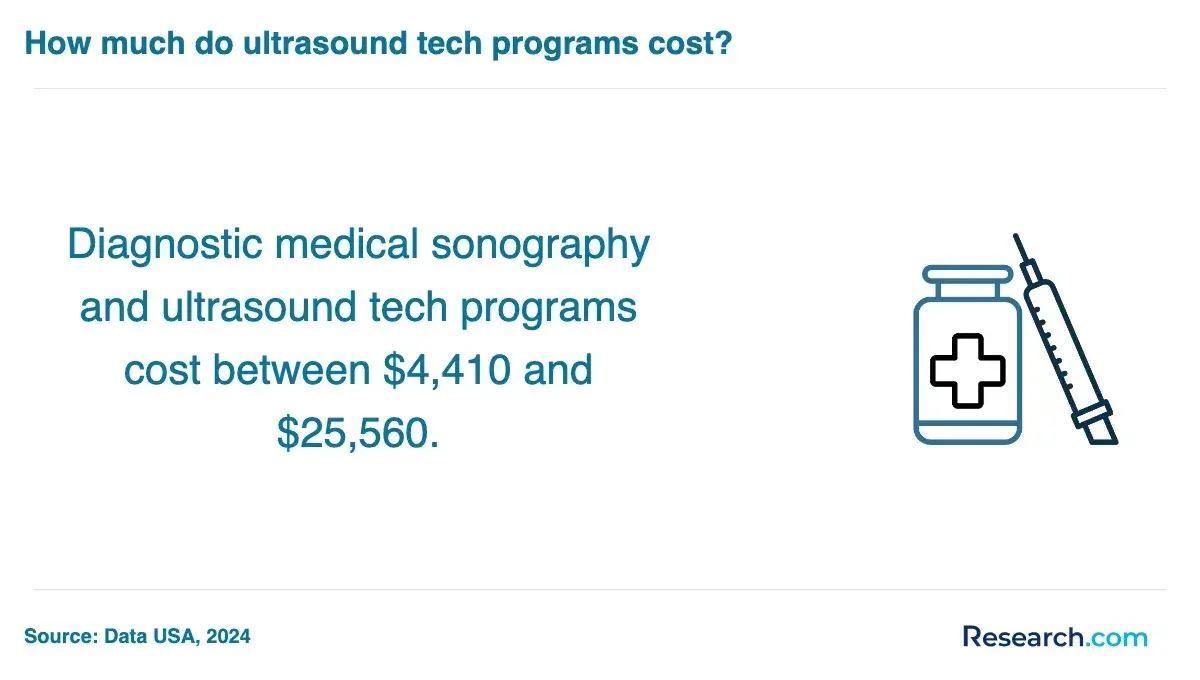
The cost of ultrasound tech programs in Montana typically falls between $10,000 and $16,000 for a two-year associate degree or certificate, but the tuition is just one piece of the financial puzzle. Additional expenses like clinical training, certification exams, materials, and living costs can sway the total investment significantly.
- Tuition and Fees: An Associate of Applied Science or certificate program at schools like Montana State University, Billings City College costs $8,000 to $13,000 for in-state students, with higher rates for out-of-state enrollees.
- Clinical Training Expenses: Lab fees, uniforms, immunizations, and transport during 1,600-plus clinical hours can add $500 to $1,500 to your budget, especially if externships require travel or housing.
- Certification and Exam Fees: Sitting for ARDMS exams costs about $250 to $350 per exam, and most aspiring technicians take at least two exams to qualify.
- Licensing or State Fees: Montana currently does not require state licensing fees for ultrasound technicians.
- Books and Materials: Textbooks, software, and specialty supplies usually range from $400 to $600 for the duration of the program.
- Living Expenses: Full-time students should plan for $8,000 to $12,000 annually, covering housing, food, and personal costs, which vary based on whether they live near urban campuses or rural clinical sites.
The Montana ultrasound technician tuition and fees vary depending on whether you pursue an associate degree, certificate, or bachelor’s degree, and the cost differences between urban and rural areas can be notable. Many students reduce their financial burden thanks to financial aid, scholarships, or employer tuition assistance.
For more insight into program choices, consider exploring the best diagnostic medical sonography programs available nationwide.
What continuing education and professional development opportunities are available for ultrasound technicians in Montana?
Ultrasound technicians in Montana are encouraged to pursue ongoing education to stay current with evolving imaging technologies and clinical best practices. Regular participation in accredited workshops, specialized courses, and professional seminars helps meet certification maintenance requirements while enhancing clinical expertise. Moreover, engaging with local industry bodies and networking events fosters peer collaboration and access to emerging techniques in sonography. For further guidance on expanding clinical competencies and exploring alternative technical pathways, consider reviewing how to become a radiology technician in Montana.
What is the average salary for ultrasound technicians in Montana?
The average annual salary for ultrasound technicians in Montana is $90,199, with weekly earnings ranging from $718 to $3,018 depending on experience, specialization, and work setting.
- Salaries Vary by Role: Ultrasound Technologists (RDMS) earn around $90,199, Day Shift Sonographers make $83,424, and Ultrasound Supervisors earn $82,497.
- Experience Level: Entry-level sonographers earn nearly $61,000 yearly, while seasoned professionals can surpass the $100,000 mark, rewarded for their skill and responsibility.
- Education and Certifications: Advanced degrees and specialty certifications act as salary boosters, opening doors to higher pay and specialized roles beyond the basic associate degree.
- Work Setting: Outpatient centers often offer top pay, hospitals provide steady wages with benefits, and physician offices usually offer lower salaries but stable hours.
- Geographic Location: Sidney leads the state in pay, offering salaries 18.4% above the Montana average, followed by Columbus and Belgrade, with Columbus paying 11.8% higher than average.
- Specialization: Expertise in OB/GYN, cardiovascular, or abdominal sonography often commands a premium, reflecting the market’s hunger for specialized skills.
Salaries in Montana echo the state’s healthcare heartbeat, balancing regional demand, cost of living, and specialized knowledge to shape earnings uniquely.
What is the job outlook and demand for ultrasound technicians in Montana?
The future for ultrasound technicians in Montana reflects a projected 15% growth between 2022 and 2032, with approximately 60 annual job openings during this period. While Montana’s healthcare expansion is moderate compared with national trends, these openings represent valuable opportunities for aspiring sonographers entering the field.
This steady demand ensures that well-trained, certified ultrasound technicians, especially those with specialized skills or advanced credentials, can find rewarding employment across hospitals, clinics, and imaging centers throughout the state. Strategic career planning, combined with hands-on experience, positions technicians to take full advantage of Montana’s evolving healthcare landscape.
- Population Growth and Aging: Montana’s aging and increasing population stretches the demand for diagnostic imaging, as ultrasound becomes essential to unveil age-related health issues earlier and more precisely.
- Healthcare Expansion: The rise of new clinics and outpatient centers scatters fresh seeds of opportunity across the state, crafting more spaces where skilled sonographers are welcomed.
- Technological Advancements: Cutting-edge ultrasound machines beckon specialists who can navigate advanced imaging wizardry, carving out roles that merge technology with human insight.
- Preventive Care Trends: A stronger lean toward prevention weaves ultrasound into earlier diagnostics, turning technicians into frontline guardians of wellness rather than just responders.
- Regional Demand Variations: Urban Montana hums with more job postings, yet rural areas pulse with urgent need, offering both challenge and vital importance to sonographers willing to venture beyond city limits.
These currents form a mosaic of promise where adaptability and passion for evolving healthcare make ultrasound a career anchored in both stability and growth across Montana’s diverse regions.
When I spoke with an ultrasound technician who graduated from a local Montana school, she painted a vivid picture of her journey. “It’s not just about knowing the machines,” she reflected, “it’s about understanding the stories behind every image, especially in rural clinics where resources are sparse but the need is immense.”
She shared how flexibility and a readiness to embrace varied roles helped her navigate a job market that, while quieter than big cities, offered a unique blend of challenge and fulfillment. “Each scanning session feels like a bridge—connecting cutting-edge technology with people's real lives, especially here in Montana, where every job matters deeply.”
What are the career advancement steps for ultrasound technicians in Montana?
Ultrasound technicians in Montana can expand their horizons by diving into specialization, earning advanced certifications, or stepping into leadership roles. Each path unlocks new arenas of expertise and influence, weaving a richer professional tapestry.
For those seeking dynamic growth, the journey is as rewarding as the destination.
- Specialization: Focusing on ultrasound technician specialization opportunities in Montana, such as OB/GYN, vascular, or cardiac sonography, allows technicians to become sought-after experts in niche medical imaging fields, often requiring focused additional training or certification.
- Advanced Certifications: Obtaining credentials from recognized bodies like ARDMS, CCI, or ARRT signals a higher level of expertise and competence, positioning candidates for more lucrative and specialized roles in Montana’s healthcare system.
- Higher Education: Pursuing bachelor’s or master’s degrees broadens career options beyond clinical work, opening doors to research, management, or advanced practice; Montana’s institutions support these pathways for those ready to deepen their knowledge and skills.
- Leadership Roles: Experienced sonographers can ascend into supervisory or administrative positions, where they oversee teams and drive the operational success of imaging departments across hospitals and clinics.
- Education and Training: Becoming instructors or clinical trainers empowers professionals to shape the next generation of ultrasound technicians by teaching and mentoring within Montana’s accredited programs.
- Research or Technology Development: Innovators can engage in cutting-edge medical imaging research or collaborate on technology development, a path often requiring further education or partnership with academia or industry.
Investing in career advancement for ultrasound technicians in Montana not only boosts earning potential, sometimes surpassing $74,000 annually, but also empowers professionals to leave a lasting imprint on healthcare delivery statewide. For those curious about educational routes, exploring the list of easiest medical degree programs can provide valuable guidance on the academic journey ahead.

What are the common challenges ultrasound technicians face in Montana?
Navigating the realities of sonographer work in Montana means facing a blend of unique hurdles that test both body and mind. Awareness of these challenges for ultrasound technicians in Montana equips newcomers to anticipate and manage pressing demands before burnout takes hold.
- Physical Strain and Ergonomics: Repetitive scanning and prolonged standing strain muscles and joints, risking chronic pain if ergonomics are overlooked.
- Emotional Stress: Handling anxious patients undergoing sensitive procedures requires steady compassion, often draining emotional reserves.
- Workload and Staffing Shortages: Sparse teams and rural facility demands multiply caseload pressures, intensifying job stress and burnout.
- Certification and Continuing Education Requirements: Balancing full schedules with ongoing credential maintenance challenges many, especially where education access is limited.
- Technology Adaptation: Keeping pace with swiftly evolving ultrasound systems demands constant learning and flexibility.
- Job Market Competition: Variations in regional demand and salary, like those seen between urban and rural Montana, shape career trajectories amid stiff competition.
By recognizing Montana sonographer job stress and burnout factors early, technicians can seek targeted support and pursue professional growth paths, such as an affordable online associates degree in radiology, to thrive despite obstacles.
How are emerging technologies shaping ultrasound practices in Montana?
Advancements in imaging technology are increasingly influencing patient care and diagnostic precision in Montana. Ultrasound technicians are now integrating innovations such as artificial intelligence-assisted diagnostics, portable ultrasound devices, and enhanced digital imaging tools into their practice. These tools not only streamline workflow efficiency but also elevate diagnostic accuracy and patient outcomes. Professionals are encouraged to engage in targeted continuing education and industry events that spotlight these technological trends. Exploring evolving roles across the healthcare spectrum, such as how to become a nurse midwife in Montana, can broaden skill sets and support a more interconnected approach to patient care.
What do ultrasound technicians in Montana say about their careers?
- Completing my ultrasound technician program at Flathead Valley Community College was a life-changing experience. The hands-on training and close-knit learning environment really prepared me for the realities of working in healthcare here in Montana. Starting my career at a local academic institution gave me the chance to not only develop technical skills but also contribute to educating future healthcare professionals. The mix of rural and urban patients adds a unique dimension to my job, allowing me to serve a diverse community. I feel grateful to be part of a profession that supports wellness and growth in such a meaningful way. - Kiki
- When I enrolled in the ultrasound technician program at Miles Community College, I was motivated by the potential to make a tangible difference in my community. Working in a local school as an ultrasound technician has given me the opportunity to engage deeply with young people and their families, helping to ensure better health outcomes through early detection. Montana’s vast rural landscape can make healthcare access challenging, but it also brings a rewarding sense of purpose to my role. This career has helped me grow both professionally and personally, fueling my passion for serving others. - Jorgina
- The professional development opportunities here in Montana have been outstanding since I finished my program at the University of Providence. Starting my career at a local school gave me a stable foundation and valuable experience in a supportive environment. Montana’s unique mix of cultures and natural resources offers challenges that keep me continuously learning and adapting, which I find incredibly fulfilling. This job isn’t just about diagnostics; it’s about building trust and improving the well-being of our community, which motivates me every day. - Theo
Related Articles for Nearby States
- 2027 How to Become an Ultrasound Technician in Idaho
- 2027 How to Become an Ultrasound Technician in Wyoming
- 2027 How to Become an Ultrasound Technician in North Dakota
- 2027 How to Become an Ultrasound Technician in South Dakota
- 2027 How to Become an Ultrasound Technician in Washington
- 2027 How to Become an Ultrasound Technician in Oregon
- 2027 How to Become an Ultrasound Technician in Utah
- 2027 How to Become an Ultrasound Technician in Nebraska
- 2027 How to Become an Ultrasound Technician in Minnesota
- 2027 How to Become an Ultrasound Technician in Colorado
References:
- Data USA (n.d.). Diagnostic Medical Sonographers. Retrieved from https://datausa.io/profile/soc/diagnostic-medical-sonographers?redirect=true
- O*NET OnLine (n.d.). Montana Employment Trends 29-2034.00 - Radiologic Technologists and Technicians. Retrieved from https://www.onetonline.org/link/localtrends/29-2034.00?st=MT
- Zippia (2025). Ultrasound Technologist Demographics and Statistics in the US. Retrieved from https://www.zippia.com/ultrasound-technologist-jobs/demographics/
- Zippia (2025). Ultrasound Technologist Education Requirements. Retrieved from https://www.zippia.com/ultrasound-technologist-jobs/education/
- ZipRecruiter (2025). Ultrasound Technician Salary in Montana. Retrieved from https://www.ziprecruiter.com/Salaries/Ultrasound-Technician-Salary--in-Montana
Other Things You Should Know About Being an Ultrasound Technician in Montana
To become an ultrasound technician in Montana in 2027, complete an accredited program in diagnostic medical sonography. Obtain clinical experience, and consider obtaining certification through organizations like ARDMS. Ensure you meet all state licensure requirements to practice in Montana.
In 2027, the expected salary for an ultrasound technician in Montana ranges from $65,000 to $80,000 annually, depending on experience, certifications, and the employing facility. Technicians in urban areas may earn more compared to those in rural settings.
In 2027, to become an ultrasound technician in Montana, you need a high school diploma or GED, completion of an accredited sonography program, and passing a certification exam, typically offered by ARDMS. It is also advisable to complete clinical training to enhance practical skills.


