
2027 How to Become an Ultrasound Technician in Nevada

Co-Founder and Chief Data Scientist
Nevada’s healthcare sector expects a 15% growth in diagnostic medical sonography jobs by 2030, outpacing many professions. This rise makes ultrasound technology a promising and stable career choice. Understanding the necessary education, certification, and local job market is crucial for success.
In this article, I will explain precise steps, credentialing advice, and labor market insights tailored to Nevada. I will help you navigate challenges and embark confidently on this rewarding healthcare path.
Key Things to Know About Becoming an Ultrasound Technician in Nevada
- A 15% growth in diagnostic medical sonography jobs by 2030 is expected to happen in Nevada, making a career as an ultrasound technician worthwhile.
- Aspiring ultrasound technicians must obtain certification through the American Registry for Diagnostic Medical Sonography (ARDMS), which Nevada employers prefer and often require.
- Nevada's average ultrasound technician salary is around $100,072, reflecting strong job demand and competitive wages.
- What education is required to become an ultrasound technician in Nevada?
- What specialties can ultrasound technicians choose from in Nevada?
- Which certification exams are required to become an ultrasound technician in Nevada?
- Is a license required to practice as an ultrasound technician in Nevada?
- What to expect during ultrasound technician clinical training in Nevada?
- How much does it cost to become an ultrasound technician in Nevada?
- What is the average salary for ultrasound technicians in Nevada?
- What is the job outlook and demand for ultrasound technicians in Nevada?
- What emerging technologies are shaping the ultrasound technician field in Nevada?
- What are the career advancement steps for ultrasound technicians in Nevada?
- What are the common challenges ultrasound technicians face in Nevada?
- What are the continuing education and professional development opportunities for ultrasound technicians in Nevada?
What education is required to become an ultrasound technician in Nevada?
To become an ultrasound technician in Nevada, completing an accredited ultrasound technician program is essential. These programs combine academic knowledge with hands-on clinical experience to prepare you for certification and employment.
- Minimum Degree Requirement: Earn at least an Associate of Science in Diagnostic Medical Sonography from an accredited institution, which meets the diagnostic medical sonography degree requirements that employers expect.
- High School Prerequisites: Hold a high school diploma or GED. Coursework in science, math, and health is recommended to strengthen foundational skills.
- Accredited Program Enrollment: Enroll in a program accredited by the Commission on Accreditation of Allied Health Education Programs (CAAHEP), as only graduates from these programs qualify for national certification exams.
- Classroom and Clinical Training: Complete combined classroom instruction in anatomy and medical ethics, along with supervised clinical practicum in healthcare settings.
- Practicum Hours Requirement: Fulfill over 1,600 hours of hands-on clinical experience to gain proficiency in ultrasound equipment operation and scanning techniques.
- Certification Exam Eligibility: After graduation, pass the Sonography Principles and Instrumentation (SPI) exam and a specialty exam from ARDMS or the American Registry of Radiologic Technologists (ARRT) to obtain the Registered Diagnostic Medical Sonographer credential.
For those interested in exploring career pathways quickly, see this fast way to become a radiology technician that offers complementary insights.
What specialties can ultrasound technicians choose from in Nevada?
Ultrasound technicians in Nevada can specialize in several focused areas, allowing them to build careers suited to their interests and local healthcare demands. Below are some of the key specialties available for ultrasound professionals in the state.
- Abdominal Sonography: This specialty involves imaging internal abdominal organs like the liver and pancreas, critical for diagnosing a wide range of diseases. It forms a fundamental part of most accredited sonography programs.
- Obstetric and Gynecologic Sonography: Focused on the female reproductive system and fetal monitoring, this specialty is in steady demand across Nevada’s hospitals and clinics.
- Vascular Sonography: Specializing in blood vessel imaging and blood flow evaluation, technicians with this expertise find roles in hospitals and vascular clinics; related vascular sonography programs provide targeted training.
- Cardiac (Echocardiography) Sonography: This involves imaging the heart to assess its function and detect cardiac conditions, often employed within cardiology departments.
- Small Parts Sonography: Covers imaging smaller organs such as the thyroid and breasts, supporting specialties like endocrinology and oncology diagnostics.
- Pediatric Sonography: Requires specialized skills to image infants and children, offered in select Nevada hospitals to address unique pediatric needs.
Aspiring technicians can explore these specialties and understand pathways to certification, which typically involve graduating from a Commission on Accreditation of Allied Health Education Programs-accredited program and obtaining credentials via national bodies like the ARDMS. For those wondering is it hard to become a ultrasound tech, careful consideration of these specialty options alongside accredited education choices can guide career planning effectively.
Connecting this to workforce trends, data show that most ultrasound technicians enter the field with an associate degree, followed by bachelor’s degrees, making the associate degree the most common entry point into the profession.
Which certification exams are required to become an ultrasound technician in Nevada?
Certification exams are vital for ultrasound technicians in Nevada as they verify the necessary medical knowledge and clinical skills required to provide safe and effective patient care. Employers and healthcare facilities commonly require these credentials to meet both industry standards and state expectations. Passing these exams proves professional competence and enhances job prospects within Nevada’s healthcare system.
- SPI Exam (ARDMS): Offered by ARDMS, this exam tests foundational ultrasound physics, instrumentation, and safety concepts. Candidates typically qualify after completing a CAAHEP-accredited sonography program in Nevada. No state-specific variations apply beyond meeting national standards.
- Specialty Certification Exams (ARDMS): After passing the SPI, technicians must pass at least one specialty exam, such as Abdomen, Obstetrics and Gynecology (OB/GYN), or Adult Echocardiography. These exams focus on anatomy, pathology, and patient care relevant to each specialty. Completing both SPI and a specialty exam leads to the Registered Diagnostic Medical Sonographer (RDMS) credential, widely recognized by Nevada employers and often required for licensure.
- American Registry of Radiologic Technologists (ARRT) Sonography Exam: This alternative national exam is available for those with an ARRT-approved educational background and clinical experience. It emphasizes sonographic procedures and patient care. While ARDMS certification is preferred in Nevada, ARRT credentials are accepted and useful, particularly for professionals transitioning from radiologic technology.
- Cardiovascular Credentialing International (CCI) Exams: CCI offers specialized certifications for cardiac and vascular ultrasound, including the Registered Cardiac Sonographer (RCS) and Registered Vascular Specialist (RVS). Eligibility requires relevant education and clinical practice. These credentials are valued in Nevada facilities focused on cardiovascular imaging.
Is a license required to practice as an ultrasound technician in Nevada?
No state license is required to practice as an ultrasound technician in Nevada, which sets it apart from several other allied health professions. Instead, the state focuses on national certification to ensure that professionals meet industry standards. This approach simplifies entry into the field while maintaining quality through recognized credentials.
Nevada does not have any state-specific licensure laws or agencies regulating ultrasound technicians. Professionals are expected to graduate from a CAAHEP-accredited program and obtain national certification from bodies such as ARDMS, ARRT, or Cardiovascular Credentialing International (CCI). There are no provisions for provisional or supervised practice unique to Nevada, making the national certifications the cornerstone of employability and legal practice in the state.
Certification requires passing the SPI exam alongside a specialty test, such as in Abdominal or Obstetrics & Gynecology sonography. The credentials earned, like RDMS, serve as the primary proof of qualification. Meeting these certification standards not only enables legal practice but also enhances professional credibility and job prospects within Nevada’s healthcare facilities.
What to expect during ultrasound technician clinical training in Nevada?
Clinical training is an essential phase for ultrasound technician students in Nevada, combining classroom knowledge with practical, hands-on experience. This training ensures students develop the skills required to operate ultrasound equipment safely and effectively while preparing for certification and professional roles.
- Direct Patient Care: Students engage in live patient assessments, practicing communication, medical history intake, and ensuring patient comfort and safety during imaging procedures.
- Supervised Use of Imaging Equipment: Under professional supervision, students learn to operate, maintain, and troubleshoot ultrasound machines, gaining confidence in both routine and complex imaging tasks.
- Specialty Rotations: Clinical placements include rotations in areas like OB/GYN, vascular, abdominal, and cardiac sonography, broadening diagnostic experience across patient populations.
- Mentorship from Licensed Sonographers: Paired with certified professionals, students receive direct feedback and guidance to refine technical skills and develop workplace professionalism.
- Professionalism and Communication: Training emphasizes effective communication, teamwork, and cultural competence within diverse healthcare settings to promote patient-centered care.
- Competency Evaluations: Students demonstrate proficiency through ongoing evaluations, including observed scans and practical exams, to confirm readiness for independent practice.
- Clinical Hour Requirements: Students complete over 1,400 clinical hours in accredited programs, fulfilling requirements essential for graduation and eligibility for national certification exams.
- State and Program-Specific Requirements: Enrollment in CAAHEP-accredited programs is mandatory to qualify for ARDMS certification exams, such as SPI and specialty tests, which are necessary to work professionally in Nevada.
- Safety and Infection Control: Clinical training includes strict adherence to protocols on infection prevention, patient privacy, and safety, protecting both patients and practitioners.
These structured clinical experiences build the expertise needed to excel in certification exams, develop advanced sonography skills, and foster confidence for seamless integration into Nevada’s healthcare workforce.
How much does it cost to become an ultrasound technician in Nevada?
The average total cost to become an ultrasound technician in Nevada ranges from $6,000 to $30,000, with tuition being the largest expense. Additional costs include clinical training, certification exams, books, and living expenses, which can add several thousand dollars. These factors contribute to the overall investment in a sonography school's tuition and fees.
- Tuition and Fees: Associate’s degree programs typically cost between $6,000 and $15,000 at community colleges, while bachelor’s degrees range from $20,000 to $30,000 at four-year institutions. Certificate programs are usually less expensive but less common, and shorter in duration.
- Clinical Training Expenses: Students generally pay lab fees of $200–$600 per semester, buy uniforms and medical supplies for $100–$400, and maintain liability insurance costing $30–$100 annually. Transportation costs to externship sites vary by location.
- Certification and Exam Fees: The ARDMS exam, required for sonographers, costs $225 per specialty exam, with possible additional fees for preparatory courses or practice exams.
- Licensing or State Fees: Nevada does not require state licensing for diagnostic medical sonographers, so no mandatory state fees apply.
- Books and Materials: Textbooks, access to online resources, and specialized software typically cost between $500 and $1,000 per program depending on curriculum needs.
- Living Expenses: Full-time students living independently can expect housing, food, transportation, and personal expenses to range from $10,000 to $18,000 per year.
Costs vary depending on the type of program selected and location within Nevada. Many students reduce expenses through financial aid, scholarships, or employer tuition assistance programs offered by most accredited schools. For prospective students, it’s useful to research options such as the list of the best online sonography programs to find flexible and cost-effective pathways.
What is the average salary for ultrasound technicians in Nevada?
The average annual salary for ultrasound technicians in Nevada is around $100,072, which is notably higher than the national average of approximately $84,511. Salaries vary depending on several important factors that influence earning potential across the state.
- Experience Level: Entry-level technicians earn less, while senior sonographers with extensive experience can surpass the state average.
- Education and Certifications: Advanced credentials, such as ARDMS certifications, lead to higher pay, especially for those qualified in multiple specialties.
- Work Setting: Hospital-based technicians typically earn more due to the complexity and volume of cases compared to outpatient centers or physician offices.
- Geographic Location: Urban areas like Las Vegas offer higher wages than rural regions, with travel technologists earning a premium above the state average.
- Specialization: Focusing on in-demand fields such as OB/GYN or cardiovascular sonography increases salary potential.
The data also show a strong correlation between education and earnings for ultrasound technicians. Master’s degree holders earn the highest average annual salary at $108,107, compared to $95,683 for bachelor’s graduates and $86,706 for those with an associate degree or some college. This trend underscores the financial benefits of advanced education.
What is the job outlook and demand for ultrasound technicians in Nevada?
Employment for ultrasound technicians in Nevada is projected to grow by approximately 43% by 2024, significantly outpacing the national average growth of about 31% by 2030. This strong growth is driven by multiple factors creating a dynamic job market for sonographers in the state.
- Population Growth and Aging: Nevada’s growing and aging population increases demand for ultrasound imaging as older adults need more frequent screenings for chronic conditions and pregnancies.
- Healthcare Expansion: Opening of new hospitals, clinics, and outpatient centers—especially in urban areas like Las Vegas—creates numerous job opportunities for technicians.
- Preventive Care Trends: The shift toward early detection and preventive medicine boosts the need for skilled sonographers to provide accurate diagnostic services.
- Regional Demand Variations: Job availability is higher in cities like Las Vegas and Reno due to more healthcare facilities, while rural areas have fewer positions but unique staffing needs.
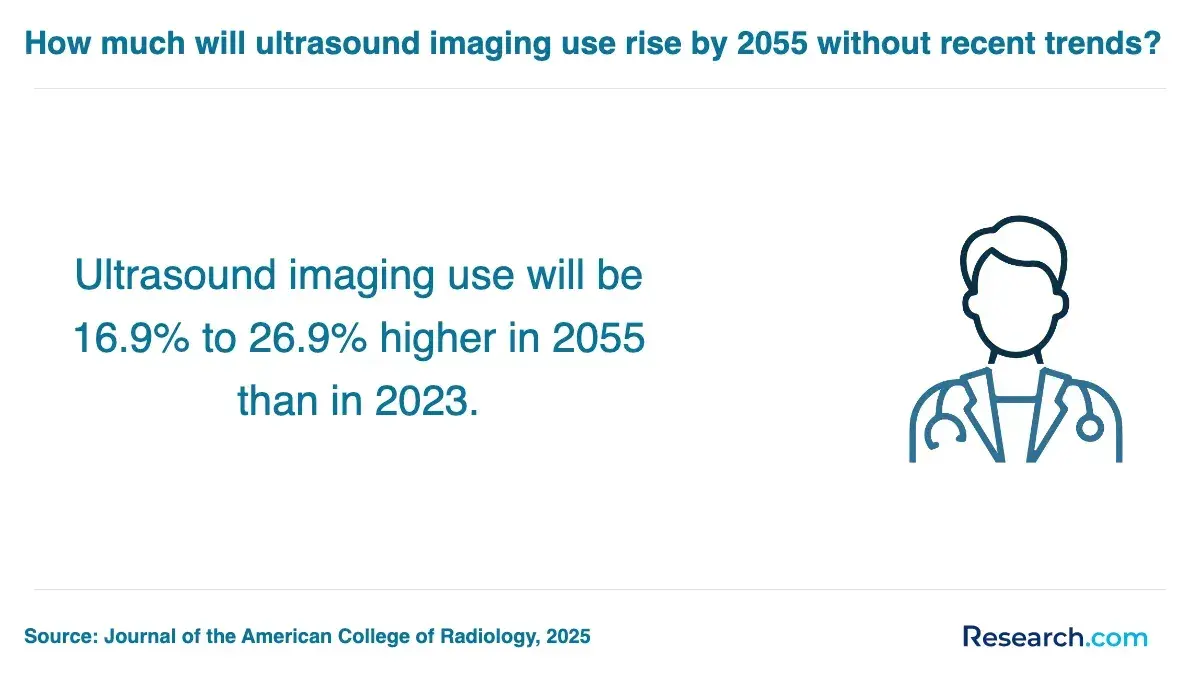
- Technological Advancements: New ultrasound technologies allow for specialized imaging in areas such as vascular and pediatric care, opening career pathways for certified professionals. As these innovations continue to expand, the demand for ultrasound services is projected to grow significantly, as shown in the image below illustrating the increase in use of ultrasound imaging over the next decade.
What emerging technologies are shaping the ultrasound technician field in Nevada?
Advances in imaging systems and digital diagnostics are transforming ultrasound practice in Nevada. New ultrasound devices now integrate AI-driven image analysis, improved resolution, and streamlined data management, which require ongoing technical upskilling. Technicians are encouraged to pursue specialized training in emerging software and equipment to enhance diagnostic accuracy and operational efficiency. For professionals interested in expanding their interdisciplinary expertise, consider exploring how to become a nurse midwife in Nevada to diversify career pathways.
What are the career advancement steps for ultrasound technicians in Nevada?
Ultrasound technicians in Nevada can enhance their careers by pursuing focused ultrasound technician specialization opportunities Nevada, obtaining advanced certifications, or stepping into leadership and educational roles. These strategies not only expand professional skills but also open doors to higher-paying and more responsible positions.
- Specialization: Training in subspecialties such as OB/GYN, vascular, or cardiac sonography often requires extra coursework or certifications, enabling sonographers to perform more complex diagnostic procedures and increase job prospects.
- Advanced Certifications: Earning credentials from organizations like ARDMS, CCI, or ARRT validates specialized expertise, helping sonographers qualify for higher-level roles and specialized positions, such as the Sonography Principles and Instrumentation (SPI) certification.
- Higher Education: Pursuing a bachelor’s or master’s degree in sonography or related health fields broadens career paths, making candidates eligible for management, education, or research roles beyond entry-level positions, which typically require an associate degree in Nevada.
- Leadership Roles: Experienced sonographers can advance into supervisory, lead technologist, or administrative manager positions, overseeing teams and departmental operations within healthcare facilities.
- Education and Training: With added experience, sonographers may become program instructors, clinical trainers, or program directors, contributing directly to the education of new ultrasound professionals in Nevada.
- Research or Technology Development: Opportunities also exist to engage in medical imaging research or collaborate with manufacturers and clinical research teams to innovate new imaging technologies and improve patient care.
Career advancement for ultrasound technicians in Nevada not only boosts earning potential to median salaries ranging approximately from $94,370 to $100,072 per year but also increases their professional influence. Those seeking growth should consider building credentials and education, including exploring radiology technician programs to enhance their qualifications and open further opportunities.
What are the common challenges ultrasound technicians face in Nevada?
Recognizing the challenges for ultrasound technicians in Nevada helps individuals prepare for the realities of the profession and improve their career resilience. Being aware of these common workplace demands ensures better management of physical, emotional, and professional responsibilities.
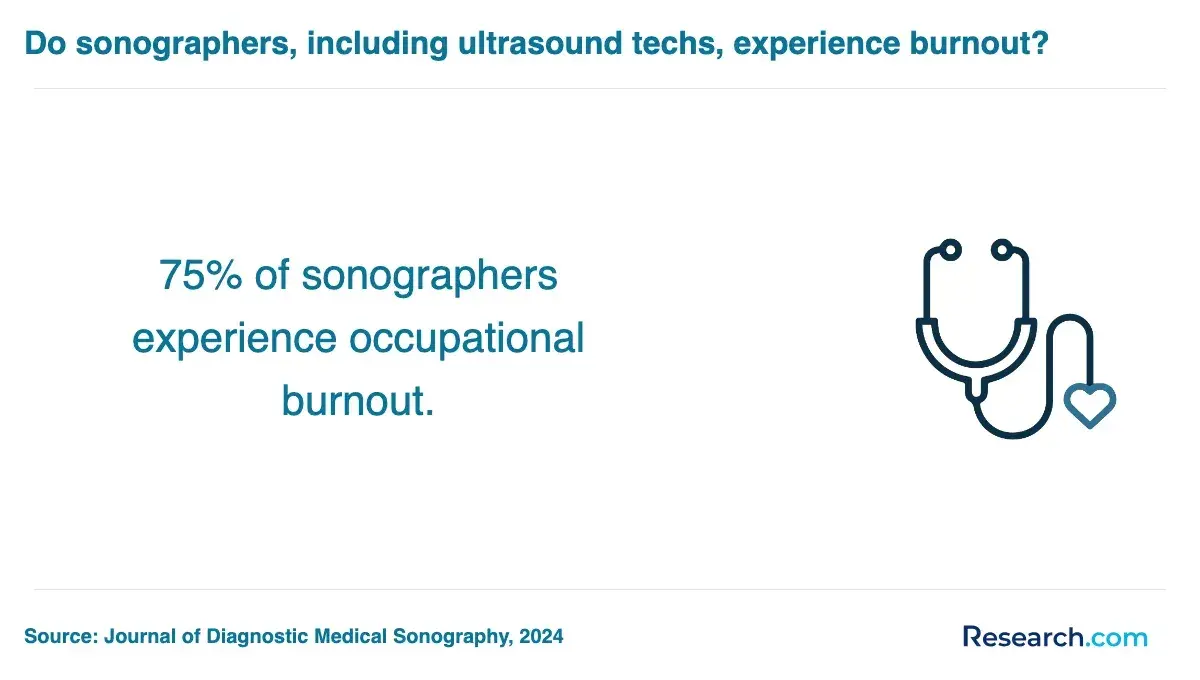
- Physical Strain and Ergonomics: Long hours of scanning and repetitive movements often cause musculoskeletal pain in the back, neck, and shoulders, increasing injury risk without proper ergonomic practices.
- Emotional Stress: Handling patients facing sensitive health issues requires strong emotional resilience and the ability to provide compassionate care under pressure.
- Workload and Staffing Shortages: Limited staff in some Nevada facilities can lead to heavier caseloads and longer shifts, challenging technicians to maintain quality imaging.
- Certification and Continuing Education Requirements: Technicians must keep up with national certifications and ongoing education, which can be tough alongside variable work schedules.
- Technology Adaptation: Rapid advances in ultrasound equipment demand continuous learning to stay proficient with new machines and software.
- Job Market Competition: Opportunities vary widely across urban and rural areas, requiring flexibility and potential relocation for career growth.
By understanding these challenges, aspiring technicians can adopt strategies to protect their health, manage stress, and navigate the online ultrasound tech school rankings and career landscape effectively, ensuring long-term success in Nevada.
What are the continuing education and professional development opportunities for ultrasound technicians in Nevada?
Continuing education is essential for maintaining clinical proficiency and staying ahead of emerging imaging technologies. Ultrasound technicians in Nevada can benefit from accredited workshops, certificate courses, and hands-on training sessions that focus on advanced diagnostic techniques and the latest equipment innovations. Local healthcare institutions and technical schools provide flexible, part-time programs designed to complement work schedules and support lifelong learning. Additionally, exploring career pathways through related fields—such as how to become a radiology technician in Nevada—can offer further professional development and broaden employment opportunities.
What do ultrasound technicians in Nevada say about their career?
- Completing my ultrasound technician program at the College of Southern Nevada was a truly transformative experience. The hands-on training and supportive faculty prepared me well for the workforce, and starting my career at a local school gave me the chance to educate future healthcare professionals. There’s something incredibly rewarding about seeing students develop the same passion I have, and knowing I play a part in shaping their futures. Nevada’s diverse community offers unique cases that constantly challenge and inspire me to grow professionally. - Harold
- After graduating from Truckee Meadows Community College, I found my calling working as an ultrasound technician in an academic environment. It’s fulfilling to blend technical expertise with meaningful interactions, especially when I see how my role positively impacts students’ learning journeys. The state’s vibrant healthcare landscape means I’m surrounded by opportunities to advance my skillset and contribute to community well-being. I feel proud knowing that my work supports the health of local families in a way that truly resonates. - Velma
- My training at Great Basin College set a strong foundation for a career filled with both challenges and rewarding moments unique to Nevada. The state’s rich cultural diversity and evolving healthcare needs require adaptability and ongoing learning. Working as an ultrasound technician in an academic institution lets me stay connected with emerging technologies and collaborate with colleagues who share my goal of making a positive impact on public health. Being part of this profession in such a dynamic environment fuels my commitment to lifelong growth. - Santiago
Related Articles for Nearby States
- 2027 How to Become an Ultrasound Technician in California
- 2027 How to Become an Ultrasound Technician in Oregon
- 2027 How to Become an Ultrasound Technician in Idaho
- 2027 How to Become an Ultrasound Technician in Arizona
- 2027 How to Become an Ultrasound Technician in Utah
- 2027 How to Become an Ultrasound Technician in Washington
- 2027 How to Become an Ultrasound Technician in Montana
- 2027 How to Become an Ultrasound Technician in Wyoming
- 2027 How to Become an Ultrasound Technician in Colorado
- 2027 How to Become an Ultrasound Technician in New Mexico
References:
- Bureau of Labor Statistics. (n.d.). Diagnostic medical sonographers and cardiovascular technologists and technicians: Occupational outlook handbook. U.S. Department of Labor. https://www.bls.gov/ooh/healthcare/diagnostic-medical-sonographers.htm
- Charter College. (n.d.). How to become a diagnostic medical sonographer in Nevada. https://chartercollege.edu/news-hub/medical-sonographer-nevada/
- College of Southern Nevada. (n.d.). Diagnostic medical sonography program. https://www.csn.edu/schools/school-of-health-sciences/department-of-health-related-professions/diagnostic-medical-sonography-program
- Dreambound. (2025). How to become a medical sonographer in Nevada (2025). https://dreambound.com/blog/how-to-become-a-medical-sonographer-in-nevada
- HealthJob. (n.d.). How to become an ultrasound technician in Nevada. https://www.healthjob.org/guide/how-to-become-an-ultrasound-technician-in-nevada
- School of Health Professions, CHCP. (n.d.). How to become an ultrasound technician. College of Health Care Professions. https://www.chcp.edu/blog/how-to-become-an-ultrasound-technician/
- Society of Diagnostic Medical Sonography. (n.d.). Mandated state licensure – Advancing sonography regulation. https://www.sdms.org/advocacy/state-licensure
- The American Registry of Radiologic Technologists. (n.d.). State licensing. https://www.arrt.org/pages/about-the-profession/state-licensing
Other Things to Know About Becoming an Ultrasound Technician in Nevada
In Nevada, becoming an ultrasound technician typically takes about two years. This includes completing an accredited associate degree program in diagnostic medical sonography and gaining relevant clinical experience. Some programs may offer accelerated options, but students should confirm accreditation and state requirements.
In Nevada, ultrasound technicians have opportunities to work as freelancers or traveling professionals, although these paths require careful consideration of licensure and employment regulations. Freelance ultrasound techs often contract with multiple healthcare facilities or private practices, allowing flexibility but necessitating strong networking and business skills.
Traveling ultrasound technicians, who take temporary assignments across different locations, are in demand due to workforce shortages and can benefit from higher pay and varied experience. However, all ultrasound technicians must maintain proper certification and comply with Nevada’s medical licensing standards, regardless of employment type, to ensure legal practice within the state.
To become an ultrasound technician in Nevada in 2027, you need to complete an accredited program, such as an associate degree or certificate in diagnostic medical sonography. These programs typically include coursework and hands-on clinical training. You may also consider obtaining certification from a recognized body like the American Registry for Diagnostic Medical Sonography (ARDMS) to enhance job prospects.


