
2027 How to Become an Ultrasound Technician in Rhode Island

Co-Founder and Chief Data Scientist
Rhode Island faces a growing shortage of skilled ultrasound technicians, with employment expected to rise 14% over the next decade—surpassing the national average. This gap challenges healthcare facilities aiming to deliver precise diagnostic imaging. The demand also reflects advances in medical technology and aging populations requiring more diagnostic services. So it's not surprising that becoming an ultrasound technician here offers stability, competitive salaries, and opportunities in urban centers like Providence.
This article, prepared by career planning experts, unpacks essential steps on how to enter this dynamic field. You will clarity on certification, training pathways, and practical tips to navigate Rhode Island's ultrasound technology career landscape.
Key Things to Know About Becoming an Ultrasound Technician in Rhode Island
- Rhode Island offers accredited sonography courses with hands-on clinical training, a must for mastering imaging tech skills and meeting the American Registry for Diagnostic Medical Sonography (ARDMS) certification standards.
- Passing the ARDMS exam opens doors in this densely competitive market where the median salary hovers around $70,000, reflecting demand.
- Connect with hospitals in Providence and nearby medical centers—internships and mentorships here can accelerate your career with invaluable real-world insight.
- What education is required to become an ultrasound technician in Rhode Island?
- What specialties can ultrasound technicians choose from in Rhode Island?
- Which certification exams are required to become an ultrasound technician in Rhode Island?
- Is a license required to practice as an ultrasound technician in Rhode Island?
- What to expect during ultrasound technician clinical training in Rhode Island?
- How much does it cost to become an ultrasound technician in Rhode Island?
- What is the average salary for ultrasound technicians in Rhode Island?
- What professional associations and support networks can ultrasound technicians join in Rhode Island?
- What is the job outlook and demand for ultrasound technicians in Rhode Island?
- What are the career advancement steps for ultrasound technicians in Rhode Island?
- What are the common challenges ultrasound technicians face in Rhode Island?
- What Are the Continuing Education and Professional Development Options for Ultrasound Technicians in Rhode Island?
What education is required to become an ultrasound technician in Rhode Island?
The path to becoming an ultrasound technician in Rhode Island is built on solid academic foundations combined with immersive clinical experiences. Here are the education requirements you need to obtain in order to enter this rewarding profession:
- High School Diploma or Equivalent: A high school diploma or GED is the gateway credential to apply for sonography programs.
- College Prerequisites: Courses in anatomy and physiology, medical terminology, physics, and college-level math sharpen your readiness and are critical for admission.
- Associate Degree Requirement: The minimum degree for entry is an Associate Degree in Diagnostic Medical Sonography, mastering both theory and practice.
- Bachelor’s Degree Option: Some pursue a Bachelor’s Degree to access expanded opportunities and higher earning potential.
- Program Accreditation: Enrollment in a CAAHEP-accredited sonography program ensures education aligned with industry standards.
- Clinical Training Hours: Hundreds of supervised clinical hours in healthcare settings are embedded within the curriculum to develop hands-on expertise.
- Professional Certification: Most employers require ARDMS certification, attainable after completing an accredited program and passing the exam.
- Admission Requirements: Programs may ask for placement testing or proof of college-level proficiency in English and math, plus official transcripts and sometimes test scores.
Curious about career flexibility? Or are you asking questions like: Can a biomedical engineer become a radiologist? Glean insight into related medical imaging professions beyond the ultrasound technician degree requirements Rhode Island demands.
What specialties can ultrasound technicians choose from in Rhode Island?
Ultrasound technicians in Rhode Island have access to several specialized pathways tailored to diverse medical imaging needs, reflecting the state’s dynamic healthcare environment. These specialties enhance one’s expertise and open doors to specific career trajectories within the diagnostic field. Educational programs here emphasize these focus areas, making them integral to diagnostic medical sonography programs Rhode Island offers.
Below are some of the common ultrasound specialties in Rhode Island:
- Abdominal Sonography: Focuses on detailed imaging of abdominal organs such as the liver and kidneys, essential for identifying conditions from tumors to gallstones.
- Obstetric and Gynecologic Sonography: Concentrates on fetal development and female reproductive health, vital for prenatal and women’s care throughout Rhode Island’s programs.
- Vascular Sonography: Specializes in blood vessel imaging to detect blockages or clots, a skill cultivated in institutions like the Community College of Rhode Island.
- Cardiac (Echocardiography): Dedicated to assessing heart function, addressing the critical cardiovascular diagnostic needs across the state.
- Breast Sonography: Uses ultrasound to examine breast tissue, increasingly crucial due to rising breast cancer awareness and early detection efforts.
- Pediatric Sonography: Focuses on imaging infants and children, with advanced training accessible through programs linked to Brown University Health.
- Musculoskeletal Sonography: Covers muscles and joints imaging to diagnose injuries, offering sonographers a valuable perspective on soft tissue disorders.
For those curious about how to begin, it’s worthwhile to explore how long does it take to become an ultrasound tech after high school as it provides foundational insights into entering these specialty paths.
Which certification exams are required to become an ultrasound technician in Rhode Island?
Certification exams in Rhode Island serve as the compass guiding ultrasound technicians through professional rigor and practical mastery, shaping careers by solidifying expertise. Though the state doesn’t legally demand certification, employers clearly signal its value through hiring preference and career progression, reflecting a nationwide commitment to quality patient care and technical excellence.
- Registered Diagnostic Medical Sonographer (RDMS) – ARDMS: This credential, administered by ARDMS, is the cornerstone for general sonography. Candidates must pass the foundational Sonography Principles and Instrumentation exam, as well as a specialty area, such as abdomen or obstetrics. Eligibility is contingent upon graduating from a Commission on Accreditation of Allied Health Education Programs (CAAHEP)-accredited program and fulfilling the required clinical hour requirements, with two testing sites in Rhode Island available.
- Registered Diagnostic Cardiac Sonographer (RDCS) – ARDMS: Focused on cardiac sonography, the RDCS evaluates knowledge in cardiac anatomy and echocardiography methods. Similar educational and clinical prerequisites as RDMS apply, making it essential for roles within Rhode Island’s cardiac imaging departments.
- Registered Vascular Technologist (RVT) – ARDMS: Tailored for vascular imaging specialists, this exam tests vascular anatomy and diagnostic techniques including carotid and peripheral ultrasound. Candidates must meet comparable education and clinical standards as other ARDMS exams, sought after in Rhode Island’s vascular specialty settings.
- American Registry of Radiologic Technologists (ARRT) Certification in Sonography: Offering both primary and post-primary certifications across abdominal, obstetric, and vascular sonography, the ARRT requires an accredited degree in sonography earned within five years and adherence to ethical standards. Rhode Island employers sometimes prefer this path, especially for cross-trained technologists.
- Cardiovascular Credentialing International (CCI) Exams: Credentials like Registered Cardiac Sonographer and Registered Vascular Specialist provide focused certification for cardiovascular and vascular sonography, with eligibility demanding accredited program completion and clinical experience. While recognized in niche Rhode Island clinics, ARDMS credentials dominate statewide.
Passing these rigorous exams doesn’t just unlock job doors; it weaves a tapestry of professional credibility and aligns ultrasound technicians with Rhode Island’s high standards, elevating their salary potential and standing in a competitive healthcare landscape.
Is a license required to practice as an ultrasound technician in Rhode Island?
Rhode Island does not require a state-issued license for ultrasound technicians. Without state regulation, the profession is instead guided by national standards that determine entry into the field. This distinction shapes both the career pathway for sonographers and the expectations employers maintain.
Rather than relying on state licensure, Rhode Island looks to national certification bodies like the ARDMS. Technicians must pass the Sonography Principles & Instrumentation (SPI) exam and at least one specialty exam, such as Abdomen, OB/GYN, or Vascular Technology. With no provisions for temporary or supervised practice, certification becomes the primary measure of both legal and professional credibility.
For many, earning ARDMS certification serves as the true “license” to practice in Rhode Island. Meeting these standards not only fulfills employer requirements but also secures strong career prospects in a competitive market. As one local graduate reflected, passing the SPI and specialty exams felt like unlocking the real door to the profession—challenging but essential, with certification ultimately proving their skill and readiness for practice.
What to expect during ultrasound technician clinical training in Rhode Island?
Clinical training transforms textbook knowledge into practical expertise for ultrasound technicians in Rhode Island, blending hands-on patient interaction with technical mastery under professional supervision. This immersive phase builds the foundation for certification readiness and real-world medical imaging proficiency.
- Hands-On Patient Care: Engage directly with patients to learn proper positioning and imaging techniques while ensuring comfort and safety during each exam.
- Supervised Equipment Operation: Gain command over ultrasound machines by working alongside licensed sonographers who guide adjustments, troubleshooting, and image quality optimization.
- Specialty Rotations: Experience diverse clinical environments such as OB/GYN, vascular, abdominal, and cardiac sonography to broaden diagnostic skills across patient populations.
- Mentorship From Licensed Professionals: Receive ongoing feedback and instruction from experienced sonographers dedicated to refining your imaging techniques and interpretive abilities.
- Competency Evaluations: Undergo regular assessments to benchmark technical skills, professionalism, and patient care standards essential for successful program completion.
- Program-Specific Requirements: Complete a minimum of 960 clinical hours over six months, with some programs requiring extended clinical education, such as 20 months for bachelor’s degrees.
- Certification Preparation and State Guidelines: Although Rhode Island doesn't mandate certification, clinical training aligns with prerequisites for national credentials like ARDMS, boosting employability.
These robust clinical experiences sharpen technical accuracy, strengthen patient communication, and instill professional confidence, ensuring that students are well prepared not only to pass demanding certification exams but also to succeed in Rhode Island’s competitive medical imaging field.
Beyond skills and credentials, it is also important to understand the workforce landscape. As shown in the chart below, sonography is a female-dominated profession, which adds another layer of context for those entering this career path.
How much does it cost to become an ultrasound technician in Rhode Island?
The cost of pursuing a career as an ultrasound technician in Rhode Island can vary significantly depending on the type of program you choose — whether it's a certificate, associate degree, or bachelor's degree.
- Certificate Programs: Certificate courses in sonography in Rhode Island typically cost between $5,000 and $15,000.
- Associate Degree (AAS) Programs: The Community College of Rhode Island (CCRI) offers an Associate in Applied Science (AAS) in Diagnostic Medical Sonography, with tuition around $10,370 for in-state students and $29,350 for out-of-state students. Additionally, many Rhode Island residents qualify for the Rhode Island Promise, making associate degrees at CCRI tuition-free if you're immediately entering from high school. This could dramatically reduce or even eliminate tuition costs for those who qualify.
- Bachelor’s Degree Programs: A standalone bachelor's degree in diagnostic medical sonography isn’t widely available. However, Rhode Island College (RIC) partners with the School of Medical Imaging to offer a Bachelor of Science in Medical Imaging, which includes a sonography concentration. Although exact tuition figures aren’t provided, bachelor’s programs generally cost more than associate degrees — often falling somewhere in the $10,000 to $30,000 range.
What is the average salary for ultrasound technicians in Rhode Island?
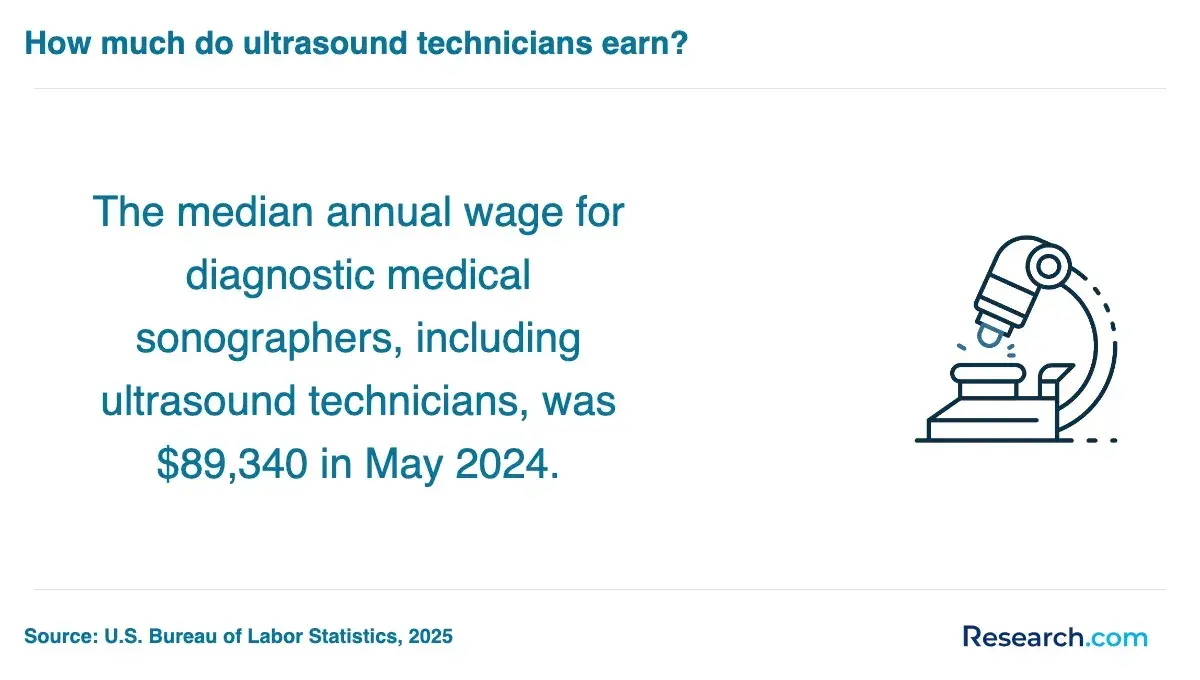
The average annual salary for ultrasound technicians in Rhode Island ranges between $87,540 and $99,278, outpacing the national median of $84,470. This elevated pay mirrors Rhode Island’s competitive healthcare market and cost of living.
- Experience Level: Entry-level sonographers start near the lower spectrum, while seasoned professionals with extensive expertise can surpass $100,000 annually.
- Education and Certifications: Holding advanced certificates like ARDMS or multiple specializations boosts earning potential noticeably.
- Work Setting: Hospitals and large healthcare networks offer higher salaries than clinics or private offices due to case complexity.
- Geographic Location: Urban hubs such as Providence provide greater compensation compared to rural or suburban regions.
- Specialization: Specialties in OB/GYN, cardiovascular, or abdominal sonography command premium wages reflecting their critical skills.
Salaries in Rhode Island echo the state’s demand for adept sonographers and reflect localized economic factors that reward specialized healthcare talent. You can also check out the average radiology tech salary by state to gain better insight into state wages.
What professional associations and support networks can ultrasound technicians join in Rhode Island?
Ultrasound technicians in Rhode Island can enhance their career development by joining professional associations and support networks that offer industry insights, mentorship opportunities, and access to specialized training. These organizations facilitate in-depth knowledge on emerging technological trends, best practices, and regulatory updates, which are crucial for maintaining clinical excellence and advancing within the field. Participation in local chapters or national bodies also creates avenues for networking and collaborative projects, further strengthening professional credibility. For professionals looking to diversify their expertise with interdisciplinary approaches, consider exploring how to become a nurse midwife in Rhode Island.
What is the job outlook and demand for ultrasound technicians in Rhode Island?
Ultrasound technician jobs in Rhode Island are growing at a steady 10.8% rate through 2026, notably slower than the national surge of 23.2%. Yet, this slower pace masks a world of unique opportunities shaped by local forces and emerging tech landscapes.
- Population Growth and Aging: An aging Rhode Island population acts like a heartbeat amplifier, echoing the need for more frequent ultrasound imaging as chronic conditions rise among seniors.
- Healthcare Expansion: New clinics and hospitals in bustling hubs like Providence sprout opportunities, transforming ultrasound tech roles from routine to vital cogs in a larger healthcare machine.
- Technological Advancements: Cutting-edge tools—think 3D and portable ultrasound—create specialized niches that invite technicians to become masters of novel diagnostic arts.
- Preventive Care Trends: Ultrasound’s role as a gentle sentinel in early detection cements its place on the frontline of patient care, favored for being both non-invasive and savvy on costs.
- Regional Demand Variations: Urban centers overflow with openings, while rural clinics offer broader hands-on experience, inviting adaptability and diverse skill growth.
A Rhode Island ultrasound technician who graduated locally reflected on her path through a landscape shaped by these very currents. “At first, I worried about the slower job growth compared to national stats, but the demand in Providence’s new outpatient centers kept my schedule full,” she said. Her days oscillate between routine scans and high-tech specialty imaging, thanks to ongoing tech upgrades.
She also recalls moments juggling the intensity of urban job demand against the tight-knit feel of smaller clinics, stating, “It’s a challenge, but it’s rewarding — knowing every scan can change a patient’s life here.” This localized demand, she emphasized, is steady, wrapped in the comfort of community and innovation—a blend that makes the ultrasound field in Rhode Island feel like a sustainable, evolving career choice.
What are the career advancement steps for ultrasound technicians in Rhode Island?
Ultrasound technicians in Rhode Island can elevate their careers by diving into specialization, earning advanced certifications, or stepping into leadership roles. Each pathway offers a unique blend of skill enhancement and increased professional clout, perfect for those eager to stand out in the medical imaging field. Those curious about how to become a lead sonographer in Rhode Island will find targeted strategies for growth below.
- Specialization: Focusing on areas like OB/GYN, vascular, or cardiac sonography not only aligns you with high-demand fields but also boosts job security and salary potential through targeted expertise.
- Advanced Certifications: Earning credentials from ARDMS, CCI, or ARRT broadens career horizons, as many Rhode Island employers prefer or require these credentials for specialized roles.
- Higher Education: Pursuing bachelor’s or master’s degrees unlocks supervisory, managerial, or educational opportunities, making it easier to navigate advanced practice roles within the state.
- Leadership Roles: Transitioning into supervisory or administrative positions empowers you to manage imaging departments or clinical teams, increasing your influence and compensation.
- Education and Training: Becoming a program instructor, clinical trainer, or mentor allows you to shape the future generation of sonographers, contributing to the growth and quality of the profession.
- Research or Technology Development: Participating in medical imaging innovation through research or equipment development integrates clinical expertise with cutting-edge advancements.
Taking these steps effectively enhances earning potential and lets ultrasound technicians leave a lasting mark on healthcare in Rhode Island. For some, exploring easy radiology programs can be an accessible launchpad on this career ladder.
What are the common challenges ultrasound technicians face in Rhode Island?
Grasping the challenges faced by ultrasound technicians in Rhode Island equips aspiring sonographers with the insight to navigate a demanding yet rewarding field. These hurdles shape daily experiences and inform career strategies essential for growth and resilience.
- Physical Strain and Ergonomics: Persistent scanning motions and long hours lead to musculoskeletal issues, making physical endurance a critical skill to develop.
- Emotional Stress: Sonographers often confront sensitive medical scenarios that require emotional strength to manage workplace stress for sonographers in Rhode Island effectively.
- Workload and Staffing Shortages: With a shrinking workforce, heavy caseloads and limited support heighten pressure, impacting both performance and well-being.
- Certification and Continuing Education Requirements: Balancing rigorous ongoing education with demanding schedules challenges technicians striving to stay credentialed.
- Technology Adaptation: Rapid advancements in ultrasound and digital imaging demand constant learning and flexibility to maintain technical proficiency.
- Job Market Competition: Regional job scarcity and variable pay scales intensify competition, especially for recent graduates and climbing professionals.
Being aware of these challenges enables ultrasound technicians in Rhode Island to anticipate obstacles and pursue targeted solutions, such as ergonomic training or advanced education programs like what is the most affordable online associates degree in radiology, fostering both career longevity and satisfaction.
The chart below shows the average tenure of ultrasound technicians. The fact that the highest percentage of these professionals stay at their job for only one to two years demonstrates that the challenges and drawbacks are real.
What Are the Continuing Education and Professional Development Options for Ultrasound Technicians in Rhode Island?
Ultrasound technicians in Rhode Island can benefit greatly from targeted continuing education programs and professional development resources that help them stay current with evolving diagnostic technologies and clinical procedures. Accredited workshops, specialized certificate courses, and seminars offered by local medical institutions provide hands-on training and updated best practices that complement initial certification. Many professionals also leverage industry conferences and online learning modules to enhance technical competency and patient care skills. For additional insights into alternative career pathways and certification options, explore how to become a radiology technician in Rhode Island.
Here's What Ultrasound Technicians in Rhode Island Have to Say About Their Career
- Completing my ultrasound technician program at the Community College of Rhode Island gave me the solid foundation I needed to succeed. The hands-on experience and supportive faculty prepared me well for the demands of my job. Starting my career working in a local school’s health services department has been incredibly rewarding as I get to contribute directly to the well-being of young people every day. Rhode Island’s close-knit communities have made it easier to build lasting relationships with both colleagues and patients. It feels fulfilling to help students maintain their health and focus on their studies. Jonas
- Choosing to study at Rhode Island College was one of the best decisions I made for my career. The program’s rigorous curriculum and access to modern ultrasound technologies pushed me to grow professionally and personally. After graduation, beginning my career at a local academic institution allowed me to appreciate the unique challenges faced by students from diverse backgrounds. I take pride in being part of a healthcare team that supports both physical and emotional health, especially in a state like Rhode Island where community ties run deep. The opportunity for career advancement here is promising, with continuing education readily available to those who seek it. Lina
- What stands out most to me about being an ultrasound technician in Rhode Island is the unique mix of chance and challenge this environment provides. After completing my training at Bryant University, I was eager to give back to the community by working in local schools, where I could apply my skills to make a difference in children’s lives. The coastal culture and resources of Rhode Island add a special dimension to my work as I’ve encountered a wide range of cases influenced by local health trends. My role has pushed me to develop both medically and emotionally, strengthening my commitment to this field in a way I never expected when I first started. Simon
Related Articles for Nearby States
- 2027 How to Become an Ultrasound Technician in Massachusetts
- 2027 How To Become an Ultrasound Technician in Connecticut
- 2027 How to Become an Ultrasound Technician in New York
- 2027 How to Become an Ultrasound Technician in New Jersey
- 2027 How to Become an Ultrasound Technician in Vermont
- 2027 How to Become an Ultrasound Technician in New Hampshire
- 2027 How to Become an Ultrasound Technician in Pennsylvania
- 2027 How to Become an Ultrasound Technician in Delaware
- 2027 How to Become an Ultrasound Technician in Maine
- 2027 How to Become an Ultrasound Technician in Maryland
References:
- Brown University Health. (n.d.). Diagnostic Medical Sonography (DMS) Program at the School of Medical Imaging. Brown Health.
- Carlsen, C. (2025). Is Ultrasound Technician & Diagnostic Medical Sonographer the Same? Dr. Sono.
- Community College of Rhode Island. (n.d.). Diagnostic Medical Sonography. CCRI.
- Dreambound. (2025). How to Become a Medical Sonographer in Rhode Island. dreambound.com.
- HealthJob. (2024, December 16). How to Become an Ultrasound Technician in Rhode Island. healthjob.org.
- Utrasound Schools Info | Career & Education Guide. (2025). Ultrasound Technician Schools in Rhode Island. ultrasoundschoolsinfo.com.
- Ultrasound Technician Schools. (n.d.). The Difference Between Ultrasound and Sonography. UTS.
- Zippia. (2025). Ultrasound technologist demographics and statistics in the US. Zippia.
Other Things You Should Know About Becoming an Ultrasound Technician in Rhode Island
To become an ultrasound technician in Rhode Island in 2027, you'll need to complete an accredited diagnostic medical sonography program, which typically takes 18 to 24 months. After graduation, obtaining certification from a recognized body like the ARDMS is essential. Consider state-specific licensure requirements and keep abreast of any updates.
In 2027, Rhode Island offers online courses as part of hybrid programs for ultrasound technicians. However, clinical training must be completed in person at accredited healthcare facilities to meet certification requirements. It's essential to verify each program's specific online components and accreditation status.
To become an ultrasound technician in Rhode Island in 2027, complete a CAAHEP-accredited program in Diagnostic Medical Sonography, pass the ARDMS exam for certification, and apply for licensure through the Rhode Island Department of Health.


