
2027 How to Become an Ultrasound Technician in Virginia

Co-Founder and Chief Data Scientist
Many aspiring healthcare professionals face uncertainty when considering specialized roles like ultrasound technicians in Virginia. With the state's healthcare sector growing, the demand for diagnostic medical sonographers is projected to increase by 15% over the next decade, surpassing the national average. This growth highlights strong job security and competitive salaries unique to Virginia’s metropolitan areas. Pursuing this career offers both stability and opportunity in a rewarding medical field.
This article, crafted by career planning experts, outlines clear steps to become an ultrasound technician in Virginia. It provides practical guidance to overcome common obstacles and build a successful professional path.
Key Things to Know About Becoming an Ultrasound Technician in Virginia
- Complete an accredited diagnostic medical sonography program, typically lasting 1 to 2 years, to meet Virginia’s education standards.
- Obtain certification from the American Registry for Diagnostic Medical Sonography (ARDMS), which is widely recognized by Virginia employers and ensures professional credibility.
- Gain clinical experience through internships or externships, which are essential for hands-on skills; Virginia job growth for ultrasound techs is projected at 20% over the next decade, highlighting demand.
- What education is required to become an ultrasound technician in Virginia?
- What specialties can ultrasound technicians choose from in Virginia?
- Which certification exams are required to become an ultrasound technician in Virginia?
- Is a license required to practice as an ultrasound technician in Virginia?
- What to expect during ultrasound technician clinical training in Virginia?
- How much does it cost to become an ultrasound technician in Virginia?
- What is the average salary for ultrasound technicians in Virginia?
- What emerging trends are shaping the ultrasound technician profession in Virginia?
- How can ultrasound technicians leverage continuous education for career growth in Virginia?
- What is the job outlook and demand for ultrasound technicians in Virginia?
- What are the career advancement steps for ultrasound technicians in Virginia?
- What are the common challenges ultrasound technicians face in Virginia?
What education is required to become an ultrasound technician in Virginia?
The path to becoming an ultrasound technician in Virginia is paved with clear educational steps designed to ensure both theoretical knowledge and practical expertise. Meeting the diagnostic medical sonography degree requirements Virginia programs set is essential for a successful career.
- Minimum Degree Requirement: Complete an Associate of Applied Science (AAS) in Diagnostic Medical Sonography from a Commission on Accreditation of Allied Health Education Programs (CAAHEP)-accredited institution, typically over 18 to 24 months.
- Accreditation Requirement: Graduation from an accredited ultrasound technician program in Virginia by CAAHEP is essential for certification eligibility.
- Prerequisite Coursework: Finish foundational courses including English Composition, Anatomy and Physiology I & II, General College Physics, and College Algebra or Statistics before entering a sonography program.
- Admission Testing: Some programs require passing the Test of Essential Academic Skills (TEAS) to demonstrate academic preparedness.
- Clinical Internship/Practicum Hours: Gain hands-on experience through supervised clinical rotations at approved medical facilities, integrated throughout the program to develop practical skills.
- Application Process: Submit official transcripts, complete an online application, and sometimes attend informational sessions as part of the admissions procedure.
- Certification Exam Eligibility: Completing a CAAHEP-accredited program qualifies candidates to sit for the ARDMS certification exam, a critical credential for Virginia employers.
Professionals often assess their expected earnings when choosing a field; sonographers in Virginia earned an average of $86,120 in 2023, with job growth of 16%. For comparison, consider the average X ray tech salary in California to understand regional salary trends better.
What specialties can ultrasound technicians choose from in Virginia?
Ultrasound technicians in Virginia have a variety of paths to consider, each offering unique clinical focuses and career outcomes. Choosing the right specialty can shape not only one’s skillset but also enhance job prospects within the healthcare industry. Below are key fields that reflect the diverse ultrasound technician specialties in Virginia.
- Abdominal Sonography: Centers on imaging organs like the liver, kidneys, and pancreas, equipping technicians to support diagnoses of various abdominal conditions.
- Obstetrics and Gynecology Sonography (OB/GYN): Focuses on the female reproductive system and monitoring fetal development, making it one of the most prevalent diagnostic medical sonography specializations Virginia offers.
- Adult Cardiac Sonography (Echocardiography): Specializes in heart imaging to evaluate cardiac health, with programs leading to credentials such as Registered Diagnostic Cardiac Sonographer (RDCS).
- Vascular Sonography: Involves assessing blood vessels to detect blockages or clots, crucial for diagnosing vascular diseases.
- General Diagnostic Medical Sonography: Offers broad training for flexibility across clinical settings and further specialization opportunities.
For those exploring medical imaging careers, it’s helpful to understand how ultrasound technician specialties in Virginia fit within the broader context of diagnostic medicine. It’s equally important to recognize how these offerings compare with other fields, such as radiologic technology, which raises questions about prerequisites.
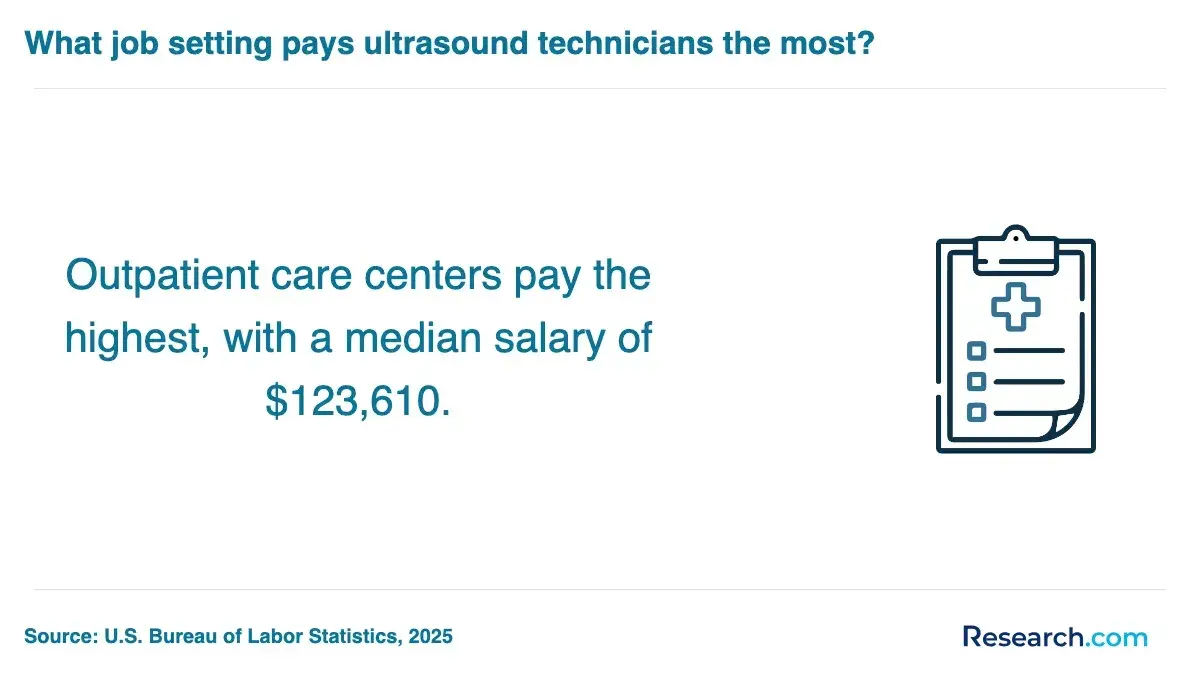
For insights on that topic, one might consult resources discussing whether does an X ray tech need a degree. To further highlight career prospects, the following image illustrates which job settings offer the highest pay for ultrasound technicians.
Which certification exams are required to become an ultrasound technician in Virginia?
Certification exams play a vital role in verifying the expertise and professionalism of ultrasound technicians in Virginia. Although the state does not mandate licensing, most healthcare employers strongly prefer certified sonographers to maintain high standards of patient care and technical proficiency. National credentials serve as proof that candidates possess the specialized knowledge and skills required in this demanding field.
- Sonography Principles & Instrumentation (SPI) Exam (ARDMS): This foundational exam, administered by the American Registry for Diagnostic Medical Sonography, tests candidates on ultrasound physics, instrumentation, and essential sonographic principles. Eligibility typically requires completion or near completion of a CAAHEP-accredited program or meeting specific education and clinical experience prerequisites. Passing the SPI is necessary before pursuing specialty credentials and must be combined with a specialty exam within five years.
- Specialty Exams (ARDMS): After passing the SPI, candidates must take at least one specialty exam related to their field. Key specialties include Abdomen (AB), Obstetrics & Gynecology (OB/GYN), Vascular Technology (RVT), and Cardiac Sonography (RDCS). These exams assess detailed knowledge of anatomy, pathology, and sonography techniques, with eligibility generally based on documented education and clinical experience from accredited programs in Virginia.
- Registered Diagnostic Medical Sonographer (RDMS) Credential (ARDMS): Awarded after passing both the SPI and a specialty exam, this credential demonstrates comprehensive competency in diagnostic medical sonography. It is widely recognized and often required by Virginia employers, representing a standard of excellence in the profession.
- Alternative Exams (CCI and ARRT): While less common, certifications from Cardiovascular Credentialing International and the American Registry of Radiologic Technologists provide recognized alternatives focusing on vascular or general sonography. These exams also require accredited education and clinical experience, and may be accepted by some Virginia healthcare providers.
Passing these national certification exams not only boosts professional credibility but also enhances employment opportunities throughout Virginia. They ensure ultrasound technicians meet rigorous industry standards, aligning skills with the expectations of hospitals and outpatient centers across the state, similar to following the best way to become a radiologist, where meeting national benchmarks is essential for career advancement.
Is a license required to practice as an ultrasound technician in Virginia?
Virginia does not require a state license to practice as an ultrasound technician, but holding national certification is essential. This distinction matters because, while licensure typically governs the legal ability to work, Virginia instead emphasizes professional credentials to meet employer expectations and ensure quality care. Understanding this distinction is key for planning a successful career in the state.
The state has no licensing board specifically for ultrasound technicians or diagnostic medical sonographers, unlike certain other radiologic professions. Instead, Virginia relies heavily on national certification, particularly from ARDMS. To qualify for ARDMS certification, candidates must complete an accredited program approved by CAAHEP and pass both the SPI exam and a specialty exam relevant to their field. There are no temporary or provisional licenses in Virginia, so maintaining current certification is crucial from the start of one’s career.
Complying with these certification requirements supports employability by aligning with what most healthcare employers demand statewide. It also facilitates lawful practice and builds professional credibility in a competitive job market where credentials matter as much as skill.
One ultrasound technician from Virginia, who graduated from a local accredited program, shared that although the absence of state licensure initially seemed confusing, obtaining ARDMS certification was the real milestone. He recalled, “Passing the ARDMS exams felt like the true gateway—it wasn’t about a state license card, but proving my skills nationally.” This recognition opened doors and gave him confidence, highlighting how certification, not licensing, defines ultrasound practice in Virginia.
What to expect during ultrasound technician clinical training in Virginia?
Clinical training in Virginia is essential for ultrasound technician students to translate theoretical knowledge into practical skills under real healthcare conditions. This hands-on phase ensures they meet state and national standards required for certification and professional competency.
- Hands-on Patient Care: Expect to complete at least 900 hours of direct patient interaction, developing communication and bedside skills essential for quality care.
- Supervised Use of Imaging Equipment: Training involves guided operation of sonography machines under licensed mentors to master proper protocols and maintain safety standards.
- Specialty Rotations: Students rotate through key diagnostic areas such as OB/GYN, abdominal, vascular, and cardiac sonography, gaining broad exposure across specialties.
- Mentorship from Licensed Professionals: Ongoing evaluation and support from experienced sonographers help refine technical skills and professional judgment.
- Competency Evaluations: Regular assessments and documented patient contact hours ensure students demonstrate readiness for certification exams.
- Program-Specific Requirements: Most programs require prerequisite coursework with a minimum GPA of 2.5 and may include civic engagement classes; admission is competitive with limited cohort sizes and entrance exams like the TEAS.
- Accreditation and Certification Preparation: Training must be completed in CAAHEP-accredited programs to meet eligibility criteria for the ARDMS certification exam.
These rigorous clinical experiences not only prepare students to pass certification exams but also build confidence in their clinical judgment and patient care abilities. Graduates leave ready to enter Virginia’s healthcare workforce as competent and trusted ultrasound professionals. To better understand the academic background of those entering the field, the following chart highlights the educational attainment of ultrasound technicians.
How much does it cost to become an ultrasound technician in Virginia?
The average total cost to become an ultrasound technician in Virginia ranges from $15,000 to $25,000 for an accredited associate degree, with bachelor’s degrees costing significantly more and certificate programs often less. This estimate includes tuition as well as additional costs essential to complete training and certification.
- Tuition and Fees: Associate degree programs, like those at Sovah Health or community colleges, average around $19,461, while bachelor’s programs can reach $30,000 to $50,000. Certificate programs for students with healthcare backgrounds usually cost $5,000 to $15,000.
- Clinical Training Expenses: Lab fees, uniforms, health insurance, and transportation for externships can add hundreds of dollars annually depending on the program’s location and requirements.
- Certification and Exam Fees: Passing the ARDMS exam is required, with fees starting at $250 for the primary specialty.
- Licensing or State Fees: Virginia does not require state licensure for sonographers, so no licensing fees apply, though national certification costs remain.
- Books and Materials: Textbooks, software, and supplies generally total $500 to $1,000, depending on program-specific materials.
- Living Expenses: Full-time students should budget $10,000 to $15,000 annually for housing, food, and personal costs, varying by region and lifestyle.
The ultrasound technician program cost in Virginia varies widely by program type and school location, with urban bachelor’s programs typically at the higher end. Many students find scholarships, financial aid, or employer tuition assistance valuable to ease the financial burden. For those researching options, exploring the best accelerated online sonography and ultrasound degrees can provide additional pathways with different cost considerations.
What is the average salary for ultrasound technicians in Virginia?
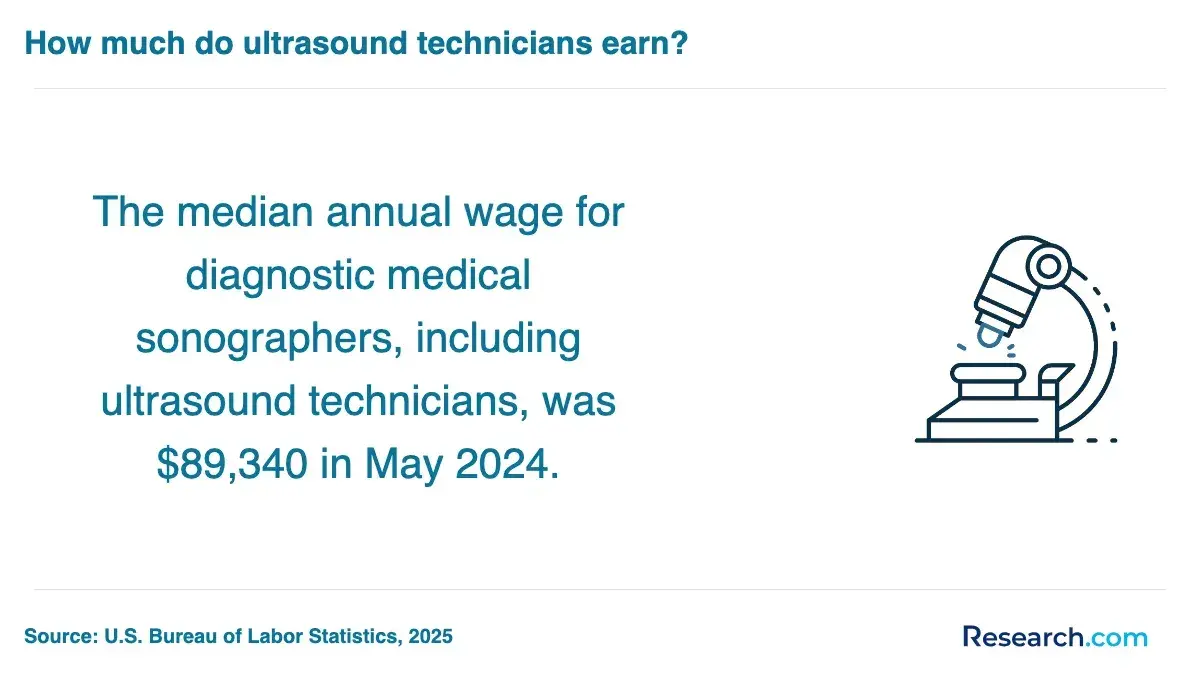
The average annual salary for ultrasound technicians in Virginia is around $97,430, which is somewhat lower than the national average hourly rate, with Virginia’s rate at about $36.99 per hour compared to the U.S. average of $44.72. Variations exist depending on data sources, but this figure offers a solid estimate for the region.
- Experience Level: Entry-level technicians usually earn less, often near $65,000, while seasoned sonographers can surpass $100,000 annually, reflecting skills and years in the field.
- Education and Certifications: Advanced degrees and specialized certifications boost earning potential by qualifying technicians for higher-paying roles.
- Work Setting: Hospitals typically offer higher salaries than outpatient clinics or physician offices, which may trade pay for work-life balance.
- Geographic Location: Urban centers like Richmond and Fairfax pay more due to demand and cost of living, unlike rural areas with smaller healthcare budgets.
- Specialization: Focused skills in cardiovascular or OB/GYN sonography often command premium pay over general sonography roles.
Salaries in Virginia balance local healthcare demand with competitive compensation, especially in urban medical centers where diagnostic imaging needs are growing steadily.
What emerging trends are shaping the ultrasound technician profession in Virginia?
Ultrasound technicians in Virginia are experiencing significant shifts due to rapid technological advancements. Innovations such as portable imaging devices, enhanced Doppler capabilities, and integration with telemedicine are redefining diagnostic procedures and workflow efficiencies. These developments require professionals to continually update their skills through targeted continuing education and practical training initiatives. Moreover, cross-disciplinary trends have started blurring traditional boundaries, providing pathways into broader imaging roles—learn more about how to become a radiology technician in Virginia to explore parallel career opportunities.
How can ultrasound technicians leverage continuous education for career growth in Virginia?
Ultrasound technicians in Virginia benefit significantly from ongoing education that sharpens technical skills and deepens clinical insight. Engaging in accredited courses, specialized workshops, and industry seminars helps these professionals keep pace with evolving imaging technology and regulatory updates. Such continuous learning not only satisfies certification maintenance requirements but also paves the way for advanced roles and interdisciplinary opportunities within healthcare. Moreover, participation in peer-led forums and professional associations fosters practical problem-solving and innovation in clinical practice. For those considering a transition into related fields, exploring resources on how to become a nurse midwife in Virginia may offer additional insights into leveraging continuous education for career advancement.
What is the job outlook and demand for ultrasound technicians in Virginia?
Employment for ultrasound technicians in Virginia is expected to grow steadily, with around 160 new positions opening in the next decade. This aligns closely with the national forecast of a 14.3% increase in sonography jobs from 2022 to 2032, signaling a solid future for those entering the field.
- Population Growth and Aging: Virginia’s expanding and aging population drives greater need for diagnostic imaging to manage chronic illnesses and monitor health conditions.
- Healthcare Expansion: New hospitals, clinics, and outpatient centers across the state have broadened access to ultrasound services, increasing opportunities for technicians.
- Technological Advancements: Innovations like portable devices and specialized imaging techniques are creating niches that require technicians with advanced skills.
- Preventive Care Trends: With more focus on early detection, ultrasound exams are becoming standard in routine health screenings, elevating job demand.
- Regional Demand Variations: Job openings tend to concentrate in urban areas such as Richmond and northern Virginia, while rural parts of the state report a shortage of qualified professionals.
When I spoke with an ultrasound technician who graduated from a local Virginia school, she emphasized the evolving nature of the job market. “Starting out, I was uncertain about where the demand would be strongest,” she shared. “But working in northern Virginia, I quickly saw how healthcare growth fueled a steady flow of patients and advanced equipment, keeping the work both challenging and rewarding.”
She recalled moments when rural clinics struggled to find qualified sonographers, highlighting how her decision to stay local enabled her to support communities that truly needed specialized care. “It’s a balance of serving diverse populations and staying on top of technology that has made this career fulfilling for me,” she reflected.
What are the career advancement steps for ultrasound technicians in Virginia?
Advancing as an ultrasound technician in Virginia involves a combination of targeted specialization, earning recognized credentials, and stepping into leadership roles that enhance both skills and responsibilities. These pathways offer greater job security and open doors to positions with increased impact in clinical or educational settings.
- Specialization: Focusing on niches such as OB/GYN, vascular, or cardiac sonography sharpens expertise and often leads to higher demand and salary. This tailored knowledge helps technicians stand out in Virginia’s competitive healthcare market.
- Advanced Certifications: Credentials from ARDMS, CCI, or ARRT are highly valued by employers and often prerequisites for advanced roles. Earning such certificates demonstrates commitment and competence, critical for career growth.
- Higher Education: Pursuing bachelor’s or master’s degrees in medical imaging or healthcare management can expand opportunities beyond clinical technician work. These degrees frequently lead to administrative or specialist positions and relate to viable options for those seeking the easiest radiology tech programs to get into as a step up.
- Leadership Roles: Taking on supervisory or managerial duties allows technicians to influence workflow, team performance, and quality of care. These positions often arise from experience combined with continuous professional development, essential for those aiming to become a lead sonographer in Virginia.
- Education and Training: Transitioning into teaching roles as clinical educators or instructors helps shape future technicians. This path extends professional impact by passing knowledge and skills to new generations.
- Research or Technology Development: Contributing to innovation in ultrasound technology or imaging methods offers a broader influence on the field. Collaborative work with manufacturers or research institutions drives progress in diagnostic techniques.
Career advancement opportunities for ultrasound technicians in Virginia not only raise earning potential—potentially exceeding $100,000 annually—but also expand the professional’s ability to lead, educate, and innovate within the healthcare system. To better understand how long professionals typically remain in these roles, the following chart illustrates the average tenure of ultrasound technicians.
What are the common challenges ultrasound technicians face in Virginia?
Recognizing the common challenges ultrasound technicians face in Virginia is essential for building a sustainable career in this demanding field. Awareness helps professionals adapt effectively to workplace realities and develop strategies to manage stress and workload pressures.
- Physical Strain and Ergonomics: The physical demands of sonography jobs in Virginia often lead to musculoskeletal issues due to repetitive scanning and prolonged standing, requiring strong stamina and proper body mechanics.
- Emotional Stress: Technicians regularly interact with patients in distressing situations, which can be emotionally taxing while maintaining compassion and professionalism.
- Workload and Staffing Shortages: Many facilities face high patient volumes and limited staff, causing sonographers to juggle heavy caseloads under time constraints, contributing to fatigue.
- Certification and Continuing Education Requirements: Staying current with certifications amid busy schedules is challenging but necessary for career growth and employer compliance.
- Technology Adaptation: Rapid upgrades in ultrasound equipment and digital systems require ongoing learning to remain proficient.
- Job Market Competition: Regional differences in demand create varied job opportunities and competition, with advancement often linked to specialized credentials and experience.
Understanding these challenges enables ultrasound technicians to prepare proactively and thrive in Virginia’s healthcare environment, making informed choices about professional development and self-care. For those interested in how to start a career as a medical sonographer, exploring available resources and training is a critical first step.
What do ultrasound technicians in Virginia say about their career?
- Completing my ultrasound technician program at Norfolk State University was an enriching experience that prepared me well for the job market here in Virginia. Starting my career in a local academic institution allowed me to apply what I learned directly while contributing to the health and education of our students. I appreciate the strong community support and the unique chance to work with diverse populations shaped by Virginia’s rich cultural heritage. This path has ignited a passion in me to make a difference in young lives through medical imaging. The stability and respect I have found in this career are truly rewarding. - Carla
- Choosing to study ultrasound technology at Virginia Western Community College was one of the best decisions I’ve made. The hands-on learning combined with access to expert faculty gave me a solid foundation to begin my work in a local school setting. Reflecting on my journey, I find profound satisfaction in how my role supports the well-being of students and helps identify critical health needs early. This career has not only developed my skills but also deepened my commitment to community service in Virginia’s diverse environment. I look forward to growing further within this vital healthcare field. - Hadleigh
- After graduating from George Mason University’s ultrasound technician program, I was excited to take on the unique challenges of working in Virginia’s school systems. The professional growth opportunities here are significant, allowing me to specialize and improve continually while navigating the state’s blend of urban and rural healthcare settings. The role encourages me to stay innovative and compassionate, knowing that my efforts make a meaningful impact on each child’s health journey. Working in Virginia has broadened my perspective and strengthened my expertise in this rewarding profession. - Celine
Related Articles for Nearby States
- 2027 How to Become an Ultrasound Technician in West Virginia
- 2027 How to Become an Ultrasound Technician in Maryland
- 2027 How to Become an Ultrasound Technician in North Carolina
- 2027 How to Become an Ultrasound Technician in Tennessee
- 2027 How to Become an Ultrasound Technician in Kentucky
- 2027 How to Become an Ultrasound Technician in Pennsylvania
- 2027 How to Become an Ultrasound Technician in South Carolina
- 2027 How to Become an Ultrasound Technician in Ohio
- 2027 How to Become an Ultrasound Technician in Delaware
- 2027 How to Become an Ultrasound Technician in New Jersey
References:
- College of Health Care Professions. (2025). Is Sonography a Good Career? CHCP
- Dreambound. (n.d.). How to Become a Medical Sonographer in Virginia. Dreambound
- Emeagwali, N.S. (2025). Ultrasound Technician Training: How to Become an Ultrasound Tech. NurseJournal
- Explore Medical Careers. (n.d.). Ultrasound Technician Schools in Virginia (Become a Sonographer). EMC
- Jillings, B. (2019). How Ultrasound Technologies are Changing the Medical World. AMN Healthcare
- Northern Virginia Community College. (2025). Diagnostic Medical Sonography. NOVA
- Piedmont Virginia Community College. (2025). Diagnostic Medical Sonography. PVCC
- Southwest Virginia Community College. (2025). Diagnostic Medical Sonography. SVCC
- Zippia. (2025). Ultrasound technologist demographics and statistics in the US. Zippia
Other Things You Should Know About Becoming an Ultrasound Technician in Virginia
Completing an online ultrasound technician program can be a viable path to becoming certified in Virginia, provided the program is accredited and meets the clinical training requirements set by credentialing bodies like the American Registry for Diagnostic Medical Sonography (ARDMS). While theoretical coursework can be completed online, hands-on clinical experience is essential and must be obtained in person through approved healthcare facilities.
Graduates of accredited programs who fulfill these requirements are eligible to sit for certification exams, which are often required for employment in Virginia. Therefore, an online program combined with local clinical practice can effectively prepare candidates for a career as an ultrasound technician in the state.
To practice as an ultrasound technician in Virginia in 2027, you should obtain certification from a recognized body such as the ARDMS and hold a Virginia license. This typically requires completing an accredited program and passing the necessary exams.
To become an ultrasound technician in Virginia in 2027, you typically need to complete an accredited associate degree or a bachelor's in diagnostic medical sonography. Accreditation is crucial, often from the Commission on Accreditation of Allied Health Education Programs (CAAHEP), ensuring the program meets industry standards.


