
2027 Steps to Become a Registered Dietitian in Iowa

Co-Founder and Chief Data Scientist
Becoming a registered dietitian in Iowa is a rewarding path for those passionate about health, food, and helping communities thrive. With dietitian jobs projected to grow 15% by 2030, the demand for highly trained nutrition professionals is on the rise. This guide walks you step by step through Iowa’s education, supervised practice, and licensure requirements, giving you clear, practical direction to launch a successful career in dietetics.
Key Things to Know About Becoming a Registered Dietitian in Iowa
- A bachelor’s in nutrition or dietetics plus a master’s from an ACEND-accredited program is required to become a registered dietitian in Iowa.
- At least 900 supervised practice hours under qualified supervision are needed to qualify for the RDN exam.
- After passing the exam, dietitians maintain licensure through biennial renewal, continuing education, and can specialize in clinical, community, or industry nutrition roles.
- What degree is required to become a registered dietitian in Iowa?
- How many supervised practice hours are needed to become a registered dietitian in Iowa?
- What are the eligibility requirements for the dietetic registration exam in Iowa?
- How can you get a license after passing the dietetic registration exam in Iowa?
- What types of dietitian specializations can you pursue in Iowa?
- What is the average salary of a registered dietitian in Iowa?
- What do you need to keep your dietitian registration active in Iowa?
- What professional associations and networking opportunities can boost my dietetics career in Iowa?
- How can I excel in exam preparation and career transition in Iowa?
- How long does it take to become a registered dietitian in Iowa?
- Can international students qualify to become registered dietitians in Iowa?
- What career paths can registered dietitians pursue in Iowa?
What degree is required to become a registered dietitian in Iowa?
To become a registered dietitian in Iowa, completing the correct educational degrees is essential. These degrees align with national standards and ensure readiness for professional practice.
- Bachelor’s Degree: A bachelor’s degree from an accredited institution is required, often in dietetics, nutrition, or a related field. This degree provides the foundational knowledge necessary for advanced study.
- Master’s Degree in Dietetics: Iowa increasingly emphasizes a master’s degree in dietetics as a standard credential. Completing a master’s degree in dietetics in Iowa strengthens clinical and research skills vital for licensure.
- Completion of ACEND Accredited Nutrition Programs: Enrollment in ACEND accredited nutrition programs in Iowa is mandatory to meet eligibility for the dietetic registration exam. These programs ensure compliance with educational and experiential standards.
- Supervised Practice Experience: Practical training through supervised internships or coordinated programs is a crucial component, often integrated with master’s level coursework.
For those interested in advancing their credentials, exploring a list of the best careers to pursue with a nutrition masters degree can offer insights into professional opportunities beyond registration, aligning education with long-term career goals.
How many supervised practice hours are needed to become a registered dietitian in Iowa?
Becoming a registered dietitian in Iowa requires completing supervised practice hours under qualified supervision. These hours provide practical experience in clinical, community, and foodservice settings. Below are the key points regarding supervised practice hours in Iowa:
- Minimum Hour Requirement: Candidates must complete at least 900 supervised practice hours, aligning with ACEND and national standards.
- Supervised Practice Component: All hours must be completed under the guidance of a registered dietitian, licensed dietitian, or an individual with a relevant doctoral degree.
- Accreditation Standards: Most candidates fulfill this requirement through ACEND-accredited programs, ensuring educational benchmarks and competency standards are met.
- Supervisor Qualifications: Supervisors must hold valid credentials, such as registered or licensed dietitian status, or a U.S.-accredited doctoral degree in nutrition or a related field.
- Program Examples: Iowa State University offers individualized supervised practice pathways (ISPP) that adapt hours based on prior learning while maintaining ACEND competency requirements.
- State-Specific Requirements: Iowa does not require additional supervised practice hours beyond the ACEND minimum or state law.
- Location of Experience: All supervised practice hours must be completed within the United States or its territories to qualify for state licensure.
What are the eligibility requirements for the dietetic registration exam in Iowa?
To take the dietetic registration exam in Iowa, candidates must meet specific educational and program requirements. These standards ensure applicants are prepared to enter the profession with the necessary knowledge and credentials.
Below are the key requirements:
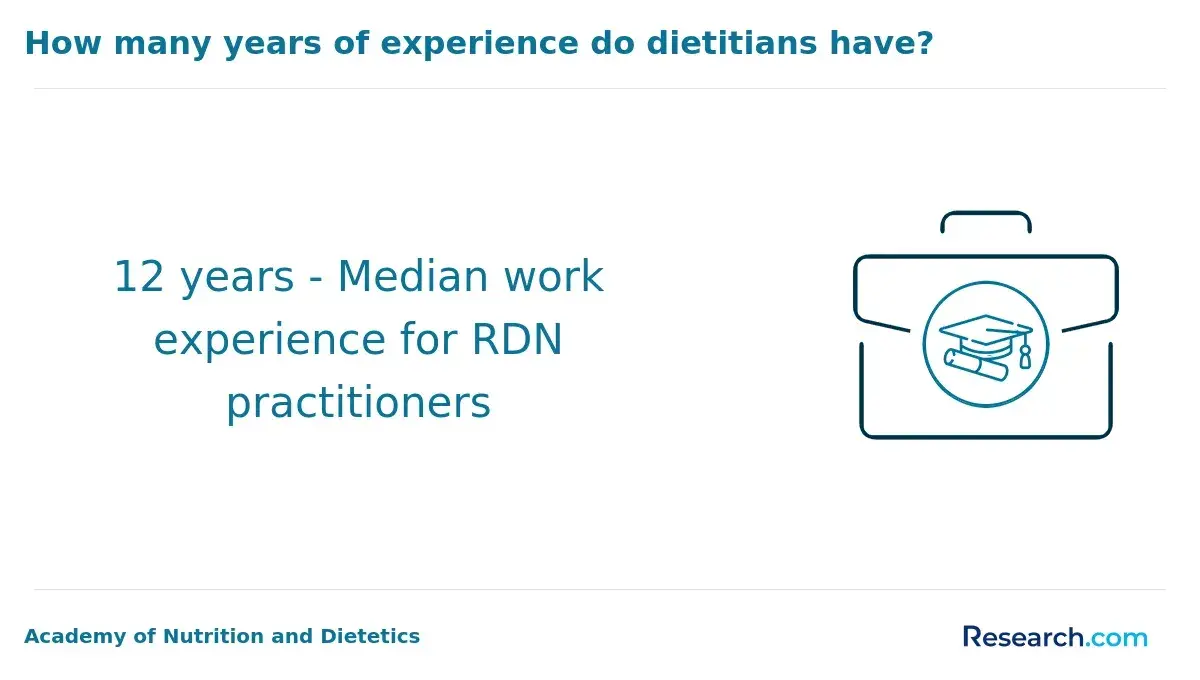
- Minimum Educational Qualification: Since January 1, 2024, candidates must hold a master’s degree from a U.S. Department of Education-accredited institution or possess an equivalent foreign degree. Coursework must align with dietetics standards.
- Required Nutrition Coursework: Completion of an ACEND-accredited program is mandatory. Acceptable pathways include a Didactic Program in Dietetics (DPD), Coordinated Program (CP), or Graduate Program (GP) to ensure foundational competency in nutrition and dietetics.
- Program Director Submission: Eligibility is confirmed after the program director submits documentation through the Commission on Dietetic Registration’s (CDR) Registration Eligibility Processing System (REPS), allowing candidates to register for the exam.
- National Registration Exam: Candidates must register for and pass the national Registration Examination for Dietitians administered by the CDR to earn the Registered Dietitian Nutritionist (RDN) credential.
- Iowa State-Specific Licensure: After passing the national exam, applicants must apply for state licensure through the Iowa Board of Dietetic Examiners. This includes validation of foreign degrees and submission of all required credentials.
- Pathways and ACEND-Accredited Programs in Iowa: Graduates from programs such as the University of Iowa’s Master of Clinical Nutrition or Iowa State University’s Master of Professional Practice in Dietetics are directly eligible to apply for the exam after meeting degree and coursework requirements.
While supervised practice hours are a separate requirement, candidates should ensure completion before exam registration. To explore detailed nutritionist requirements and plan your path effectively, use resources that guide you through each academic and administrative step.
How can you get a license after passing the dietetic registration exam in Iowa?
After passing the dietetic registration exam, candidates must follow specific steps to obtain and maintain licensure in Iowa. These steps ensure compliance with state regulations and professional standards.
Below are the key steps:
- Complete the Online Application: Submit your licensure application through the Iowa Department of Public Health’s digital portal for faster processing.
- Pay the Application Fee: Include the non-refundable $120 fee during submission to move your application forward.
- Provide Proof of Exam Passage: Upload your Commission on Dietetic Registration card or equivalent documentation verifying exam completion.
- Submit Previous Licensure Verification: If licensed in another state, request official verification be sent directly to Iowa’s Board.
- Disclose Complaints or Disciplinary History: Report any past disciplinary actions or complaints from other states honestly to prevent delays.
- Wait for Board Review: The Iowa Board typically completes reviews within five days and will notify applicants of approval or required documents.
- Receive Your License: Once approved, you are authorized to practice dietetics legally within Iowa.
- Renew Biennially: Maintain licensure by renewing every two years, paying the $120 fee, and completing 30 hours of continuing education.
What types of dietitian specializations can you pursue in Iowa?
Dietitians in Iowa can pursue a variety of specializations that align with different career goals and healthcare settings. These roles allow professionals to apply their skills to serve specific populations and address unique nutrition challenges.
Below are the key dietitian specializations available in Iowa:
- Clinical Dietitian: Provides medical nutrition therapy in hospitals and healthcare facilities, managing conditions such as diabetes and heart disease.
- Community Dietitian: Works with public health organizations or nonprofits to promote nutrition education and wellness programs for diverse populations.
- Food Service Management Dietitian: Oversees nutrition quality, menu planning, and food safety in large institutions like schools and hospitals.
- Pediatric Dietitian: Focuses on nutrition for infants, children, and adolescents, addressing growth and pediatric health concerns.
- Geriatric Dietitian: Specializes in the nutritional needs of older adults, supporting chronic disease management and healthy aging.
- Sports Dietitian: Provides nutrition counseling to athletes and active individuals to optimize performance and recovery.
- Research Dietitian: Conducts scientific studies on nutrition and public health, often collaborating with universities or government agencies.
- Private Practice Dietitian: Offers individualized nutrition counseling independently or in group practices, sometimes specializing in areas like weight management.
- Certified Clinical Nutritionist: Requires advanced training and certification to provide expert nutrition guidance in medical or consulting settings.
What is the average salary of a registered dietitian in Iowa?
Registered dietitians in Iowa earn salaries that vary by experience, location, and work setting. Below are key factors influencing compensation:
- Average Annual Salary: Dietitians in Iowa earn about $69,240 per year, with an hourly wage near $33.29.
- Comparison to National Average: This is slightly below the national average of approximately $73,000 annually.
- Location Variations: Urban areas such as Des Moines and Cedar Rapids offer higher salaries due to demand and living costs, while rural regions generally pay less.
- Experience Level: Entry-level dietitians start near $60,720, while experienced professionals can earn up to $83,790 annually.
- Work Setting Influence: Hospital and medical center roles generally provide higher salaries than schools or community health positions.
- Demand and Regional Trends: Growing healthcare and wellness sectors support stable salary growth. School-employed dietitians often earn less due to budget constraints, but specialized fields and public health initiatives are expected to increase earning potential over time.
What do you need to keep your dietitian registration active in Iowa?
Maintaining an active dietitian registration in Iowa ensures legal compliance and professional credibility. Staying current allows dietitians to provide evidence-based nutrition care while meeting state requirements.
Below are the key requirements:
- Biennial Renewal of License: Renew your license every two years online through the Iowa Department of Health portal to maintain an active status.
- Continuing Education Requirement: Complete at least 30 hours of dietetics-related continuing education within each two-year cycle. This keeps your skills current and aligns with best practices.
- Renewal Fee: Pay a nonrefundable $120 fee electronically during renewal to process your application.
- Current CDR Registration: Provide proof of active Commission on Dietetic Registration (CDR) credentials as part of the renewal process.
- Updated Contact and Practice Information: Report any changes to your contact details or employment promptly to the Iowa Board to ensure accurate records.
- Disclosure of Disciplinary Actions: Declare any disciplinary actions or complaints from other states, if applicable, to maintain transparency.
- License Verification from Other States: Submit verification of licenses held in other states, including disciplinary history, if you maintain multiple licenses.
What professional associations and networking opportunities can boost my dietetics career in Iowa?
Establishing connections through professional organizations and networking events significantly supports career advancement for registered dietitians in Iowa. Engaging with local and national dietetics associations enables access to mentorship programs, workshops, and seminars that update professionals on emerging research and regulatory changes. Dietitians can benefit from regional meetings, online forums, and continuing education courses that align with evolving industry standards. For tailored insights and guidance on related career paths, refer to how to become a nutritionist in Iowa. This active involvement not only enhances practical skills but also positions professionals as informed advocates in health policy discussions and collaborative research initiatives.
How can I excel in exam preparation and career transition in Iowa?
Effective exam preparation requires a structured study plan that includes practice tests, current review materials, and participation in targeted study groups. Leveraging accredited digital platforms and mentorship from experienced professionals can help you align your learning with Iowa’s rigorous standards. Additionally, consider broadening your healthcare perspective by exploring complementary roles, such as learning how to become a medical assistant in Iowa, to enhance your overall career transition strategy.
How long does it take to become a registered dietitian in Iowa?
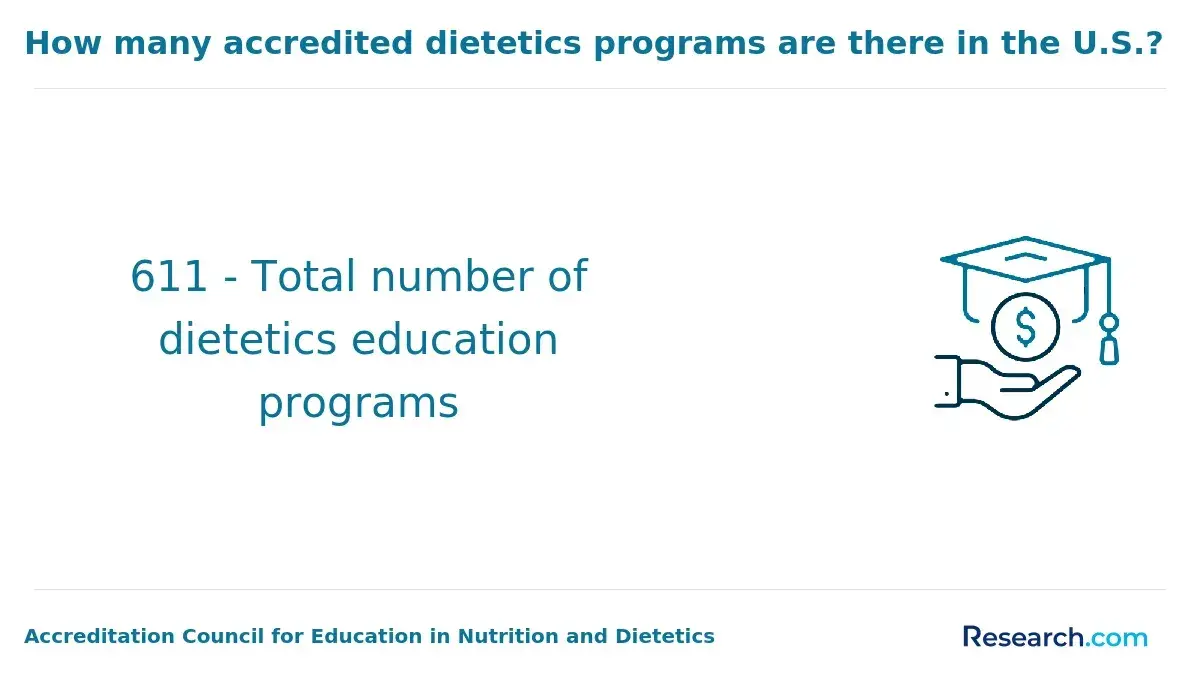
The pathway to becoming a registered dietitian in Iowa generally spans five to seven years, covering undergraduate and graduate education, supervised practice, and successful completion of the national registration exam. This timeline reflects the comprehensive academic and practical preparation required for professional credentialing. While variations exist, accelerated programs or combined degree options may help candidates reduce the overall duration.
Most aspiring dietitians complete a four-year bachelor’s degree in nutrition or a related field, followed by a master’s degree, now required for exam eligibility. Supervised practice, often undertaken through a dietetic internship, typically occurs concurrently with or immediately after graduate studies and provides essential hands-on experience. Careful planning of coursework, internships, and exam preparation can optimize the timeline and support a smoother transition into professional practice.
Enrolling in an online nutritional science degree program or flexible internships may offer more scheduling options, reducing delays. Keep in mind that licensure processing after the exam can add extra weeks, so allow time for this final step.
Can international students qualify to become registered dietitians in Iowa?
International students can become registered dietitians in Iowa by meeting specific educational, professional, and legal requirements. These steps ensure foreign credentials meet U.S. standards and maintain eligibility for state licensure.
Below are the key requirements:
- Degree Equivalency Evaluation: Foreign degrees must be assessed by a recognized credential evaluation service to confirm equivalency with U.S. dietetics education standards.
- Admission to ACEND-Accredited Program: Students must enroll in and complete an ACEND-accredited dietetics program at the bachelor’s or master’s level. A master’s degree is required to qualify for the CDR exam.
- Supervised Practice Requirement: Completion of supervised dietetic practice hours through a Dietetic Internship or experiential learning at an ACEND-accredited U.S. institution is mandatory, which may require relocation within Iowa.
- English Language Proficiency: Applicants whose education was not in English must demonstrate proficiency through tests such as TOEFL or IELTS to ensure effective communication.
- Visa and Immigration Status: Maintaining proper visa status, typically F-1, is required to participate in education and supervised practical training legally.
- Credentialing Exam Eligibility: After completing education and supervised practice, candidates must pass the Commission on Dietetic Registration (CDR) exam to become a Registered Dietitian Nutritionist (RDN).
- State Licensure Application: Graduates must apply for licensure through the Iowa Board of Dietitians, providing proof of education, exam results, and legal work authorization.
For those considering flexible study options, exploring anchors part-time Ph.D. in economics programs may offer insights into managing rigorous academic and practical requirements effectively alongside other commitments.
What career paths can registered dietitians pursue in Iowa?
Registered dietitians in Iowa can pursue a wide range of careers across clinical, community, educational, and industry settings. Each role offers unique responsibilities, steady demand, and competitive salaries.
Below are the key career options:
- Clinical Dietitian: Work in hospitals or long-term care facilities providing medical nutrition therapy. Salaries range from $60,720 to $83,790, with stable job outlooks.
- Community/Public Health Dietitian: Deliver nutrition education through state agencies or schools. Average salaries are $69,240, with consistent demand.
- Food Service Management Dietitian: Manage operations in hospitals, schools, and other institutions. Pay aligns with state averages, ensuring safe and efficient food service.
- Private Practice/Consulting Dietitian: Offer personalized counseling or wellness programs independently. Growth potential is positive, with incomes often above average.
- Research Dietitian: Conduct nutrition studies in academic or government settings. Compensation reflects experience and funding availability.
- Corporate/Industry Dietitian: Advise food manufacturers on product development. Opportunities are limited but growing, with variable salaries.
- Education Dietitian: Teach or develop nutrition curriculum at colleges or K–12 schools. Positions provide stable employment and academic-level pay.
- Government/Policy/Telehealth Dietitian: Shape nutrition policy, inspect health facilities, or provide online counseling. Flexible work options and salaries comparable to in-person roles.
To advance in these registered dietitian jobs in Iowa, consider pursuing specialized training or an advanced degree. Exploring the cost of getting a online nutrition masters degree can be a practical step toward expanding your career opportunities.
What do registered dietitians in Iowa say about their career?
- Starting my career as a registered dietitian in Iowa has allowed me to combine nutrition expertise with hands-on experience in schools. Incorporating fresh, local foods into meal programs is deeply rewarding, and seeing students develop healthy habits motivates me daily. —Joseph
- Working as a dietitian in Iowa provides opportunities to grow professionally while creatively addressing nutrition challenges in rural communities. Witnessing students embrace healthier choices is incredibly fulfilling, and the state’s agricultural resources make my work engaging and impactful. —Alliah
- Being a registered dietitian in Iowa offers strong professional development while contributing meaningfully to children’s health. Collaborating with schools and communities to implement effective nutrition programs has strengthened my skills, and seeing improved student outcomes makes this career highly satisfying. —Alvin
Related Articles for Nearby States
- 2027 Steps to Become a Registered Dietitian in Minnesota
- 2027 Steps to Become a Registered Dietitian in Wisconsin
- 2027 Steps to Become a Registered Dietitian in Illinois
- 2027 Steps to Become a Registered Dietitian in Nebraska
- 2027 Steps to Become a Registered Dietitian in South Dakota
- 2027 Steps to Become a Registered Dietitian in Missouri
- 2027 Steps to Become a Registered Dietitian in Kansas
- 2027 Steps to Become a Registered Dietitian in Indiana
- 2027 Steps to Become a Registered Dietitian in North Dakota
- 2027 Steps to Become a Registered Dietitian in Michigan
References:
- Apply for a dietitian license | Department of Inspections, Appeals, & Licensing. (n.d.). Retrieved from Department of Inspections, Appeals, & Licensing
- Dietetics – Master of Professional Practice – Iowa State Online. (n.d.). Retrieved from Iowa State University
- How to become a dietitian in Iowa | Licensure in IA. (n.d.). Retrieved from Healthcare Pathway
- How to become a registered dietitian in Iowa - IA. (n.d.). Retrieved from Become a Nutritionist
- How to become a registered dietitian in Iowa - IA | Exam, license, and education requirements in Iowa. (n.d.). Retrieved from NutritionED.org
- How to become a registered dietitian nutritionist (RDN) | UI Health Care. (n.d.). Retrieved from University of Iowa Health Care
- Internship program. (n.d.). Retrieved from University of Iowa Health Care
- Master of Clinical Nutrition (MCN) | Graduate Admissions - The University of Iowa. (n.d.). Retrieved from University of Iowa
- National Center for Health Workforce Analysis. (2025, December). State of the U.S. Health Care Workforce, 2025. https://bhw.hrsa.gov/sites/default/files/bureau-health-workforce/data-research/State-of-US-Health-Care-Workforce-2025.pdf
- RDN Application Portal - Dietetics. (n.d.). Retrieved from Iowa State University
- U.S. Bureau of Labor Statistics. (2024, May). Occupational Employment and Wage Statistics. Retrieved January 2026, from https://data.bls.gov/oes/#/industry/000000
Other Things You Should Know About Becoming a Registered Dietitian in Iowa
To become a Registered Dietitian in Iowa in 2027, you must earn a bachelor's degree in nutrition and dietetics from an accredited program, complete a supervised practice program, pass the Commission on Dietetic Registration (CDR) exam, and obtain licensure from the Iowa Board of Dietetics.
The cost of becoming a registered dietitian in Iowa in 2026 includes tuition for a bachelor’s degree, which averages around $25,000 to $45,000, exam fees of approximately $200, and application fees for licensure which can range from $200 to $300. Additional costs may include textbooks, study materials, and possible internship fees.


