
2027 Steps to Become a Registered Dietitian in Montana

Co-Founder and Chief Data Scientist
Montana faces a growing health challenge—nearly 30% of adults struggle with obesity, intensifying demand for skilled nutrition professionals. Amid vast landscapes and rural communities, registered dietitians play a crucial role in transforming public health.
Choosing this path in Montana offers promising job stability and impactful community engagement, with the state’s dietetics field expanding steadily. This article outlines the steps to become a registered dietitian here, from education to licensure.
Key Things to Know About Becoming a Registered Dietitian in Montana
- Earn a bachelor’s degree in nutrition or dietetics from a program accredited by the Accreditation Council for Education in Nutrition and Dietetics (ACEND) to unlock Montana’s dietitian gateway.
- Complete a supervised dietetic internship of at least 1,200 hours, as Montana’s healthcare landscape demands hands-on experience to peak professional prowess.
- Montana’s median registered dietitian (RD) salary hovers around $58,000, reflecting a promising career in Big Sky State nutrition.
- What degree is required to become a registered dietitian in Montana?
- How many supervised practice hours are needed to become a registered dietitian in Montana?
- What are the eligibility requirements for the dietetic registration exam in Montana?
- How can you get a license after passing the dietetic registration exam in Montana?
- What types of dietitian specializations can you pursue in Montana?
- What is the average salary of a registered dietitian in Montana?
- What do you need to keep your dietitian registration active in Montana?
- How long does it take to become a registered dietitian in Montana?
- Can international students qualify to become registered dietitians in Montana?
- What career paths can registered dietitians pursue in Montana?
- What additional certifications can enhance your career as a registered dietitian in Montana?
- What is the future job outlook for registered dietitians in Montana?
What degree is required to become a registered dietitian in Montana?
When navigating the path toward becoming a registered dietitian in Montana, certain academic milestones stand as gateways. These degrees are your compass, steering you through the evolving landscape of nutrition science and practice.
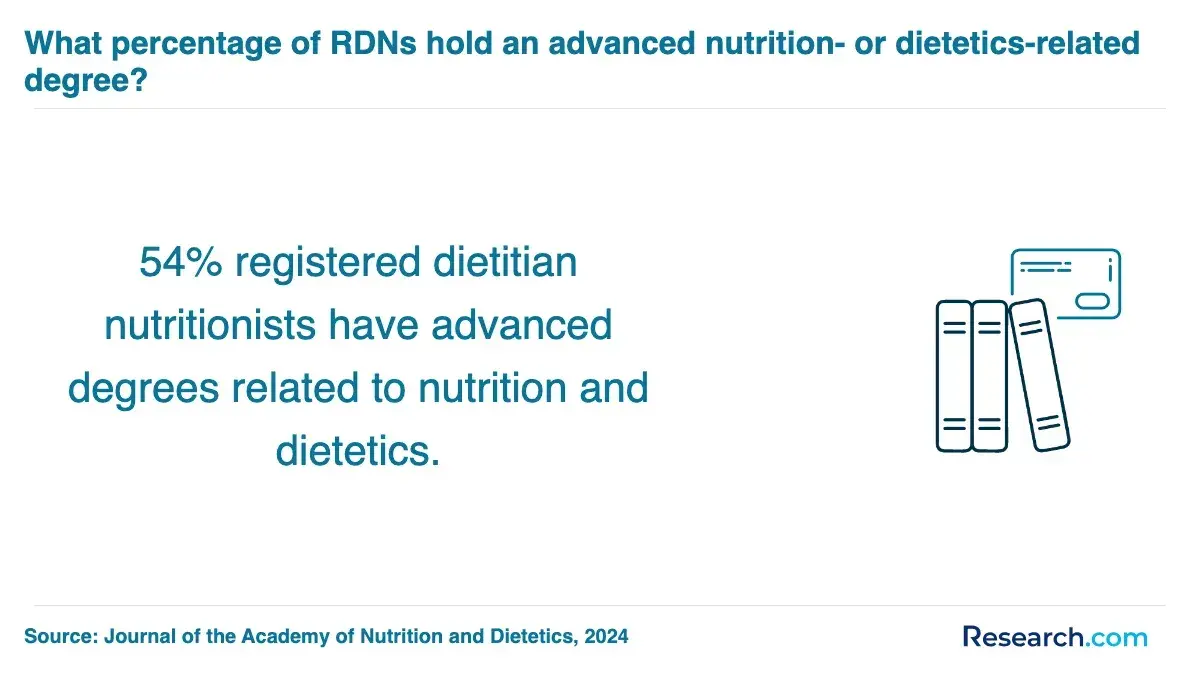
- Bachelor’s Degree in Nutrition or Dietetics: This foundational degree must come from an ACEND-accredited nutrition program in Montana, ensuring you receive education that meets national standards and prepares you for supervised practice.
- Completion of ACEND-Accredited Didactic Program: Beyond the degree, completing this program is crucial as it provides the necessary coursework to qualify for the dietetic internship, a vital step in becoming a registered dietitian.
- Supervised Practice Internship: A hands-on, supervised internship is required to bridge theory and practice, allowing you to apply your knowledge in real-world settings under professional guidance.
Meeting these registered dietitian degree requirements in Montana sets the stage for a rewarding career, grounded in rigorous academic and practical training. For those curious about career prospects, exploring the top paying medical jobs can provide valuable insights into the financial outlook of this profession.
How many supervised practice hours are needed to become a registered dietitian in Montana?
Becoming a registered dietitian in Montana requires completing a substantial number of supervised practice hours, specifically aligned with national standards. The state mandates a minimum threshold but emphasizes particular distributions and supervision criteria that reflect Montana’s unique professional landscape.
Below is a detailed outline of key factors influencing supervised practice hours in Montana:
- Accredited Program Alignment: All hours must come from an ACEND-accredited program, such as a Coordinated Program in Dietetics or Dietetic Internship, ensuring compliance with both national and Montana licensure requirements.
- State-Specific Distribution Requirements: Montana law specifies that at least 700 hours occur in professional work settings, limiting alternate experiences like simulations or observations to no more than 300 hours.
- Competency Areas: The state requires a minimum of 200 hours each in nutrition assessment, intervention/education/counseling/management, and monitoring or evaluation, guaranteeing well-rounded expertise across these domains.
- Qualified Supervision: Supervision must be by professionals legally recognized in Montana, providing direct oversight for medical nutrition therapy and general supervision for other activities.
- Program Variability: Some Montana programs, including Montana State University, exceed the minimum hour requirement, often surpassing 1,200 hours to enhance breadth and depth in areas like food service management and community nutrition.
- No Additional State Hours Beyond CDR Baseline: Montana does not require extra supervised practice hours beyond ACEND and CDR national standards, but enforces specific distribution and supervision mandates.
What are the eligibility requirements for the dietetic registration exam in Montana?
Becoming a registered dietitian in Montana involves navigating a set of precise academic and procedural steps before you can sit for the national dietetic registration exam. This journey blends rigorous education with state-specific credentialing nuances, ensuring that dietitians meet both national standards and Montana’s unique licensure demands.
Here are the key eligibility requirements for registered dietitian exam in Montana:
- Minimum Educational Qualifications: Candidates must hold both a bachelor’s and a master’s (or higher) degree from a U.S. Department of Education-recognized accredited institution in food and nutrition, dietetics, or public health nutrition, reflecting Montana’s advanced degree mandate.
- Completion of Required Nutrition Coursework: Enrollment in a Montana ACEND accredited dietetics program requirements is essential, including completion of a Didactic Program in Dietetics (DPD), Coordinated Program (CP), or Graduate Program (GP) to build foundational knowledge and skills.
- Submission of Eligibility by Program Directors: After finishing coursework (and supervised practice separately), the program director must verify and submit your eligibility to the Commission on Dietetic Registration (CDR) before exam registration can proceed.
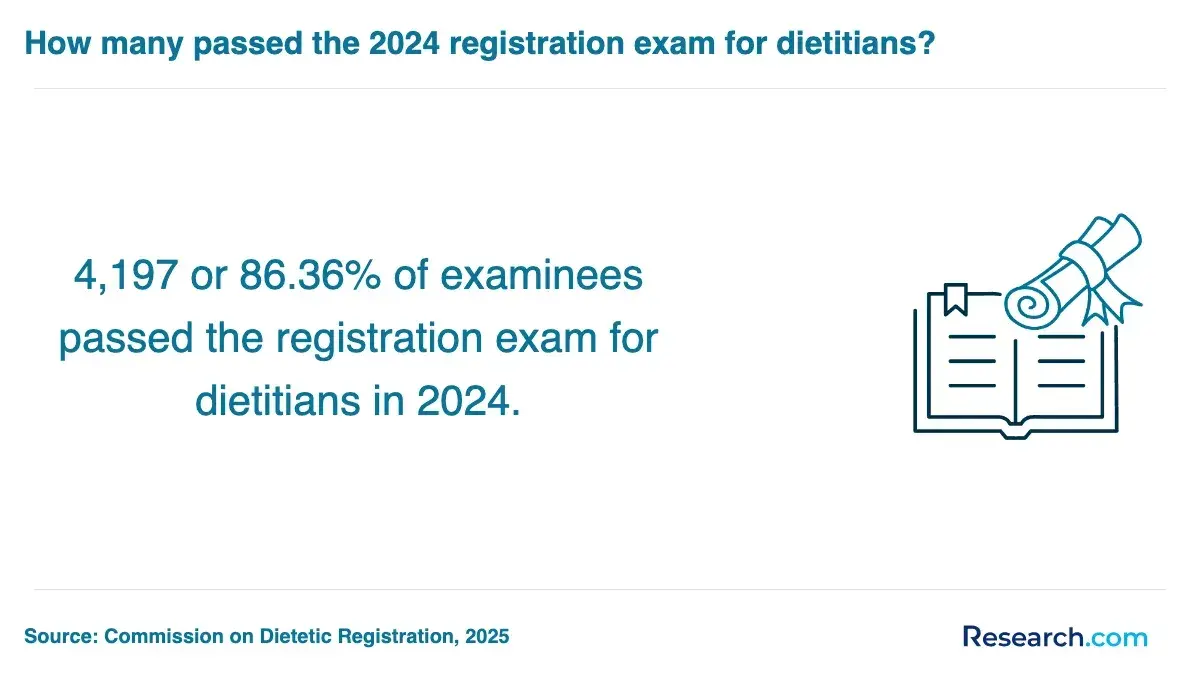
- Registration and Passing of the National Exam: You must register with the CDR and take the Registration Examination for Dietitians, which includes answering a minimum of 125 multiple-choice questions, with a scaled passing score of 25 or higher.
- Montana-Specific Licensure Requirements: Montana mandates licensure through the Board of Medical Examiners, requiring proof of CDR registration and recognizing “nutritionist” and “dietitian” titles interchangeably under the same credential process.
For those curious about broader career paths and the evolving standards in nutrition professions, exploring nutrition career requirements can provide valuable context and guidance.
 2024 registered dietitian exam passers" width="1200" height="680" loading="lazy">
How can you get a license after passing the dietetic registration exam in Montana?
Here’s the unlock code to your Montana dietitian license, step by step—each a key twist in the journey:
- Application Dive-In: Grab the official form from the Montana Board’s website and fill it out with care; this is your formal handshake with the licensing world.
- Fee Footwork: Toss in the $75 non-refundable application fee—a small ticket to get your credentials moving through the system.
- Proof of Power: Show your registered dietitian nutritionist (RDN) status from the Commission on Dietetic Registration, the golden ticket that sets the stage.
- License Echoes: If you’ve held licenses elsewhere, summon official verifications directly from those states to Montana’s Board, proving your professional trail.
- Discipline Disclosure: If any past issues shadow your record, transparency here with detailed explanations keeps your path clear and honest.
- Degree Dance: Confirm your bachelor’s and master’s (or higher) degrees in nutrition-related fields—Montana’s nod to evolving national standards.
- Board’s Gaze: Wait patiently as the Board scrutinizes your package, a process allowed up to 45 days to ensure all’s legit.
- License Unlocked: Upon approval, your Montana license arrives, opening the door to legally practice and serve the community.
When I spoke with a registered dietitian from Montana who graduated locally, she reflected on the licensing maze with a mix of relief and insight. “Passing the exam felt like clearing a mountain peak, but the license process was its own climb,” she shared.
She appreciated Montana’s stringent verification steps, especially the license reciprocity—or rather, the lack of it. “Since Montana doesn’t lightly accept out-of-state licenses without fresh proof, it ensured I really understood the state’s standards and community needs. It was tough but reassuring.”
Her journey underscored that while the process demands patience and precision, it ultimately crafts a more confident and connected professional ready to nourish Montana’s unique landscape.
What types of dietitian specializations can you pursue in Montana?
Dietitian careers in Montana unfold across a spectrum of roles that address the state’s unique nutritional challenges and opportunities. From clinical settings to community outreach and research, the pathways are diverse and tailored to different interests and skills.
Here are some key specializations that shape the landscape of dietetics in Montana:
- Clinical Dietitian: Providing targeted nutrition therapy in healthcare environments, clinical dietitians manage chronic diseases and support patient recovery in hospitals and clinics.
- Community Dietitian: Designing public health programs, these dietitians focus on preventive care and nutrition education for Montana’s rural and Indigenous populations.
- Food Service Management Dietitian: Overseeing large-scale meal operations in institutions, they ensure food safety, regulatory compliance, and balanced nutrition in schools and hospitals.
- Private Practice Dietitian: Offering personalized counseling, these specialists guide individuals on weight management, sports nutrition, and tailored dietary plans.
- Research Dietitian: Engaged in scientific studies, they analyze nutrition data and contribute to innovations, often linked to Montana’s significant research initiatives.
- Nutrition Science Specialist: Focused on laboratory research and product development, they explore nutrient metabolism and industry applications.
- Medical Nutrition Therapy (MNT) Specialist: Authorized to provide specialized nutrition care for managing medical conditions, essential in clinical treatment of chronic illnesses.
- Dietetic Technician, Registered (DTR): Supporting dietitians in education, menu planning, and quality control, DTRs play a vital role in Montana’s nutrition workforce.
What is the average salary of a registered dietitian in Montana?
The average salary for a registered dietitian in Montana hovers around $61,174 per year, with hourly wages stretching from about $29 to $33.54 as of August 2025. This figure sits modestly below the national median of roughly $69,000, placing Montana at the very bottom of the pay scale among all 50 states—a curious paradox where the Big Sky State’s nutrition experts earn less despite vast open spaces to roam.
- Location Influence: Urban hubs like Billings sprinkle a bit of salary magic, offering wages approximately 4% above the state average, while rural stretches tend to lag behind.
- Experience Matters: Newcomers start near $37,620 annually, but seasoned dietitians can climb as high as $77,210, charting a rewarding upward trajectory.
- Work Setting: Hospitals and government roles tend to fatten wallets more than schools or community programs, where budgets are often leaner.
- Demand Dynamics: Montana’s smaller job market means fewer openings, subtly nudging salaries and growth opportunities downward.
- Regional Trends: Salary peaks align with urban centers, reflecting higher living costs and demand, while rural salaries mirror quieter economic rhythms.
- Growth Outlook: Though currently trailing, Montana’s dietitian wages have room to expand as health and wellness sectors grow in the coming years.
What do you need to keep your dietitian registration active in Montana?
Keeping your dietitian registration active in Montana is more than a bureaucratic formality—it’s a commitment to professionalism, legal practice, and ensuring the community benefits from the latest nutrition science. Staying current means you’re ready to serve with updated skills and ethical standards.
- Biennial State License Renewal: Renew every two years by submitting an application and paying a $100 fee to the Montana Board of Medical Examiners.
- Proof of Current CDR Registration: Show your national Commission on Dietitian Registration (CDR) credential is active at each renewal.
- CDR Recertification: Complete 75 hours of CPE every five years to maintain your national registration.
- No Additional State CE: Montana accepts the CDR’s continuing education; no extra state-specific credits are required.
- Good Standing: Affirm you have no disciplinary actions pending in Montana or elsewhere.
- Updated Information: Keep your professional and contact details current with the board.
A registered dietitian from Montana, who graduated from a local university, shared their reflections on maintaining licensure. “When I first started, I didn’t realize how crucial it was to keep track of both the state and national renewal timelines. Montana’s lack of license reciprocity means if you move here, you must ensure your CDR registration is spotless and renew promptly—no shortcuts. That initially felt stressful, but it pushed me to stay organized and proactive. Over time, it became a positive routine, giving me confidence that my credentials truly represent my expertise. Having those clear checkpoints actually helped me grow professionally and stay connected with the nutrition community statewide.”
How long does it take to become a registered dietitian in Montana?
The path to becoming a registered dietitian in Montana unfolds over several transformative years, weaving academic rigor with hands-on experience. This timeline is shaped by evolving standards and the increasing demand for advanced knowledge, making the journey both challenging and rewarding.
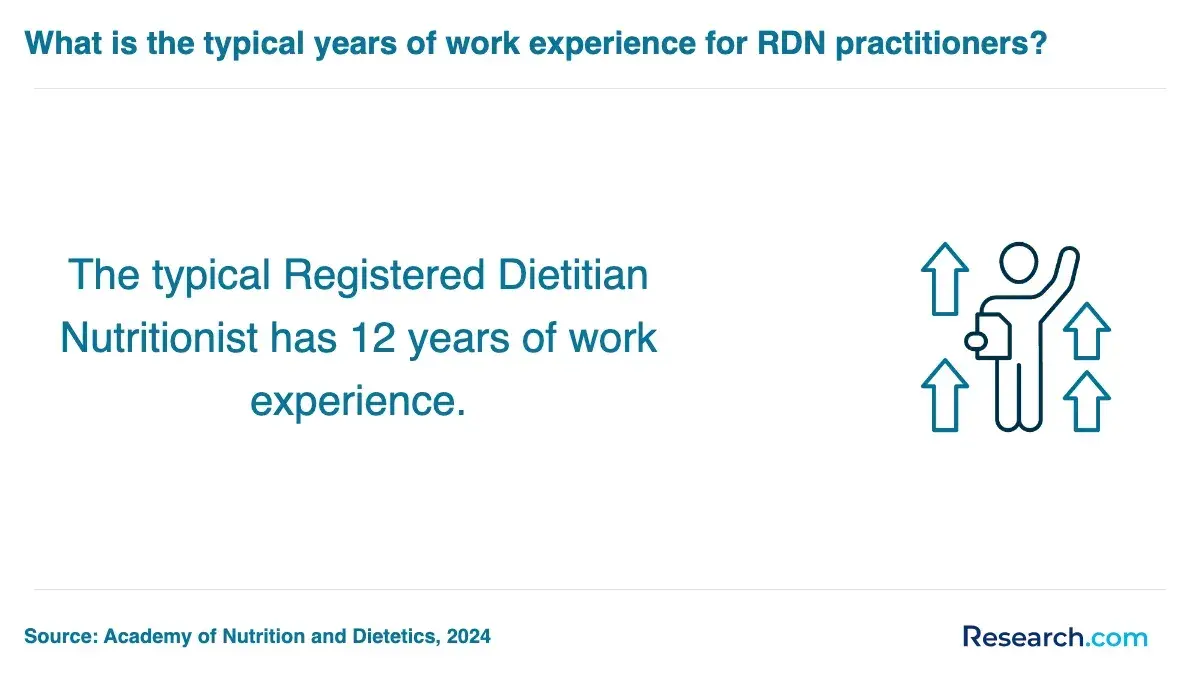
Typically, the Montana registered dietitian education requirements start with a four-year bachelor’s degree, laying the foundation in nutrition science and dietetics. Following this, candidates invest about two more years completing a master’s degree combined with an intensive internship, a recent shift reflecting the national trend toward higher qualifications. This blend of study and practice ensures readiness for the Commission on Dietetic Registration exam.
Factors like credit transfers or accelerated learning can tweak the timeline, but generally, six years is the roadmap for most. For those curious about alternative options or cost-effective routes, exploring the cheapest nutrition and dietetics online degree programs might offer valuable flexibility without sacrificing quality.
Can international students qualify to become registered dietitians in Montana?
International students aspiring to become registered dietitians in Montana face a pathway that combines global credentials with U.S. standards, creating a bridge between diverse educational backgrounds and local professional practice.
- Foreign Degree Evaluation: Credentials earned outside the U.S. must be assessed by an approved agency to confirm they meet American academic and dietetics coursework standards.
- Completion of ACEND-Accredited Programs: Regardless of previous education, international applicants must complete an ACEND-accredited program, such as the Didactic Program in Dietetics offered by Montana State University or another U.S. institution.
- English Language Proficiency: Non-native English speakers need to provide proof of English proficiency, typically through tests like the TOEFL, to satisfy requirements from both ACEND and the Commission on Dietetic Registration.
- Eligibility for the CDR Exam: International students must secure verification of program completion to qualify for the Registration Examination for Dietitians, which costs $200 and is available at Pearson VUE centers in Montana cities like Helena and Billings.
- Visa and Work Authorization: Appropriate visa status is mandatory for supervised practice participation, and legal work authorization such as Optional Practical Training is required for employment post-registration.
- Montana State Licensure: After passing the CDR exam, graduates must apply for licensure through the Montana Board of Medical Examiners by submitting proof of registration and necessary legal documents.
For a detailed roadmap, international students should consult the International Student Guide and Checklist provided by ACEND, which offers a comprehensive framework to navigate this complex process. Exploring options like an online masters in nutrition may also open more opportunities within the field.
What career paths can registered dietitians pursue in Montana?
Montana offers a rich tapestry of career opportunities for registered dietitians, weaving through diverse environments from bustling clinics to serene rural settings. Whether drawn to hands-on patient care or innovative wellness programs, dietitians here can craft a unique professional journey that fits their passion and lifestyle.
- Clinical Dietitian: Anchored in hospitals and long-term care, these dietitians deliver targeted nutrition therapy for conditions like diabetes and heart disease, earning around $68,900 annually with strong demand in Montana registered dietitian jobs in clinical nutrition.
- Community Nutritionist: Working with schools and public health groups, they design outreach programs to foster wellness, often serving as a gateway into holistic nutrition careers while earning salaries near the state average and benefiting from steady public health needs.
- Long-Term Care Dietitian: Focused on elder nutrition in nursing homes, these professionals earn between $59,850 and $92,010, thriving in a sector buoyed by Montana’s aging population.
- Outpatient and Private Practice Dietitian: Offering personalized counseling in clinics or solo practice, they enjoy flexibility with earnings that often meet or exceed average pay.
- Food Service Manager: Leading meal operations in hospitals or schools, these dietitians combine leadership with pay comparable to clinical roles.
- Corporate and Wellness Dietitian: Developing workplace wellness in businesses and insurance firms, they benefit from corporate sector growth and higher earning potential.
- Research and Academia: Teaching and investigating nutrition at colleges, these roles offer stable employment despite limited openings in Montana’s smaller academic landscape.
- Health Coach and Consultant: Independent and entrepreneurial, they guide lifestyle changes with income tied to client engagement.
What additional certifications can enhance your career as a registered dietitian in Montana?
Expanding your credentials with specialized certifications can open new opportunities in Montana’s evolving health landscape. Focused programs in areas such as sports nutrition, pediatric dietetics, or renal nutrition provide targeted expertise that refines clinical skills and boosts professional credibility. These additional qualifications, pursued through accredited continuing education, enable practitioners to offer advanced services and take on leadership roles in healthcare. For insights into alternative credentialing paths, review how to become a nutritionist in Montana. Embracing supplementary certifications not only diversifies your skill set but also positions you competitively within the state’s rapidly changing nutrition industry.
What is the future job outlook for registered dietitians in Montana?
Montana’s evolving health landscape is fostering a cautiously optimistic future for registered dietitians. Growing public health challenges, including high obesity rates and limited access to specialized nutrition services in rural areas, continue to drive state-wide demand. Modern healthcare trends—such as telehealth expansion and integrative care models—are also opening new career avenues, allowing professionals to extend their impact beyond traditional clinical settings. Additionally, cross-training with allied health roles, for example learning how to become a medical assistant in Montana, can further enhance versatility and improve employment prospects.
What do registered dietitians in Montana say about their career?
- Completing my dietetics program at Montana State University provided me with an exceptional foundation rooted in both science and practical experience. Starting my career as a registered dietitian in a local school allowed me to directly impact children's health and nutrition, which is incredibly rewarding. Montana's unique rural communities and natural resources create distinctive challenges, but they also offer opportunities to develop tailored nutrition programs that truly resonate. I feel proud to contribute to the well-being of young people while growing professionally in a supportive environment. Kai
- Graduating from the University of Montana's dietetics program was a pivotal moment in my career, equipping me with the skills I needed to thrive. Beginning work in a local school setting gave me the chance to influence students’ eating habits positively and foster a culture of wellness. Navigating Montana’s diverse landscapes and cultural values has deepened my understanding of community nutrition needs and pushed me to innovate. This experience has been both humbling and exciting, fueling my passion for lifelong learning and professional advancement. Janelle
- My journey through Carroll College’s nutrition program was transformative, blending academic rigor with community involvement. Starting my career as a registered dietitian in a local school gave me a front-row seat to witness the impact of nutrition education on children’s lives. Montana’s distinct environment and the strong sense of community here have challenged me to adapt and grow, enhancing my skills and confidence. It’s fulfilling to know that my work supports healthier lifestyles and contributes positively to the next generation’s future.Rashid
Related Articles for Nearby States
- 2027 Steps to Become a Registered Dietitian in Idaho
- 2027 Steps to Become a Registered Dietitian in Wyoming
- 2027 Steps to Become a Registered Dietitian in North Dakota
- 2027 Steps to Become a Registered Dietitian in South Dakota
- 2027 Steps to Become a Registered Dietitian in Washington
- 2027 Steps to Become a Registered Dietitian in Oregon
- 2027 Steps to Become a Registered Dietitian in Utah
- 2027 Steps to Become a Registered Dietitian in Nebraska
- 2027 Steps to Become a Registered Dietitian in Minnesota
- 2027 Steps to Become a Registered Dietitian in Colorado
References:
- Becomeanutritionist. (n.d.). How to become a registered dietitian in Montana - MT. Become a Nutritionist. becomeanutritionist.org.
- Commission on Dietetic Registration. (2025). Registry Statistics. cdrnet.org.
- Commission on Dietetic Registration. (n.d.). RD EXAMINATION - ELIGIBILITY REQUIREMENTS. cdrnet.org.
- Dept. of Nutrition. (n.d.). Requirements for Licensure | Dietetic Internship | University of Nevada, Reno. unr.edu.
- Montana Department of Labor & Industry. (n.d.). FAQs. boards.bsd.dli.mt.gov.
- Montana State University. (n.d.). Health & Human Development. montana.edu.
- Montana State University. (n.d.). MS/DI Program - FSNK. wetlands.msuextension.org.
- Mount Mary University. (n.d.). Licensure Information. mtmary.edu.
- NutritionDegreeOnline.Org. (n.d.). How to become a nutritionist in Montana, Nutritionist Education MT. Nutritionist Degree Online. nutritionistdegreeonline.org.
- NutritionED.org Contributor. (2025, July 1). How to become a registered dietitian in Montanta - MT | Exam, license, and education requirements in Montana. nutritioned.org.
- University of Montana. (n.d.). Nutrition counseling. umt.edu.
Other Things You Should Know About Becoming a Registered Dietitian in Montana
To apply for a dietetic internship in Montana in 2027, you must first complete a bachelor's degree in a program accredited by the Accreditation Council for Education in Nutrition and Dietetics (ACEND). Then, apply for an ACEND-accredited dietetic internship program, which often requires a strong academic record and relevant experience.
The cost to become a registered dietitian in Montana in 2026 generally includes tuition fees for obtaining a relevant degree, expenses for a dietetic internship, and fees for the registration exam and state licensure. Costs can vary widely depending on the chosen educational institution and specific program.


